Top 4 Natural Monuments around High Wych
Best natural monuments around High Wych offer diverse natural landscapes for exploration. The region features ancient woodlands, significant water sources, and unique natural formations. These areas provide opportunities to observe local wildlife and appreciate varied flora. The natural environment around High Wych is characterized by its historical ecological significance and varied habitats.
Best natural monuments around High Wych
- The most popular natural monuments is Hatfield Forest Lake, a lake located within an ancient royal hunting forest. This site is…
Last updated: May 2, 2026
Hatfield Forest Lake
Highlight • Lake
Tip by

Chadwell Spring and New River Source Monument
Highlight • Monument
Tip by

Sign up now to discover places like this
Get recommendations on the best single tracks, peaks, & plenty of other exciting outdoor places.
Sign up for free
Hertford Heath Nature Reserve
Highlight • Natural Monument
Tip by
Solitary Tree in Rapeseed Field, White Roding
Highlight • Viewpoint
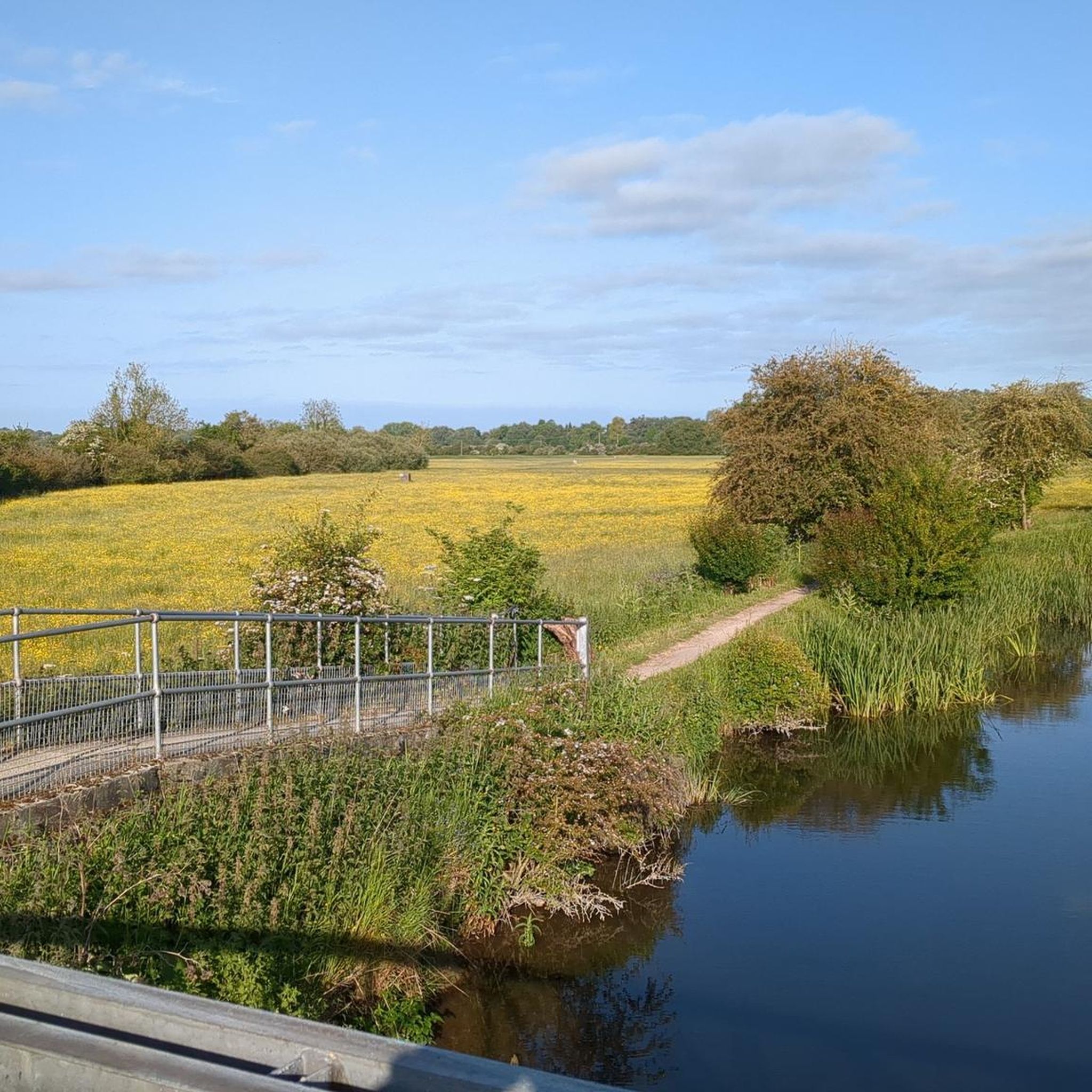
Look over to the west and you'll see a solitary tree standing tall amidst a sea of rapeseed flowers, a very lovely scene indeed.
Tip by
WWII Bomb Crater Ponds
Highlight • Historical Site
Tip by

Start today with a free account
Your next adventure awaits.
Login or Signup

Tips from the Community

This beautiful tree-lined avenue is located along a quiet country road in White Roding. Look over to the west and you'll see a solitary tree standing tall amidst a sea of rapeseed flowers, a very lovely scene indeed.
0
0
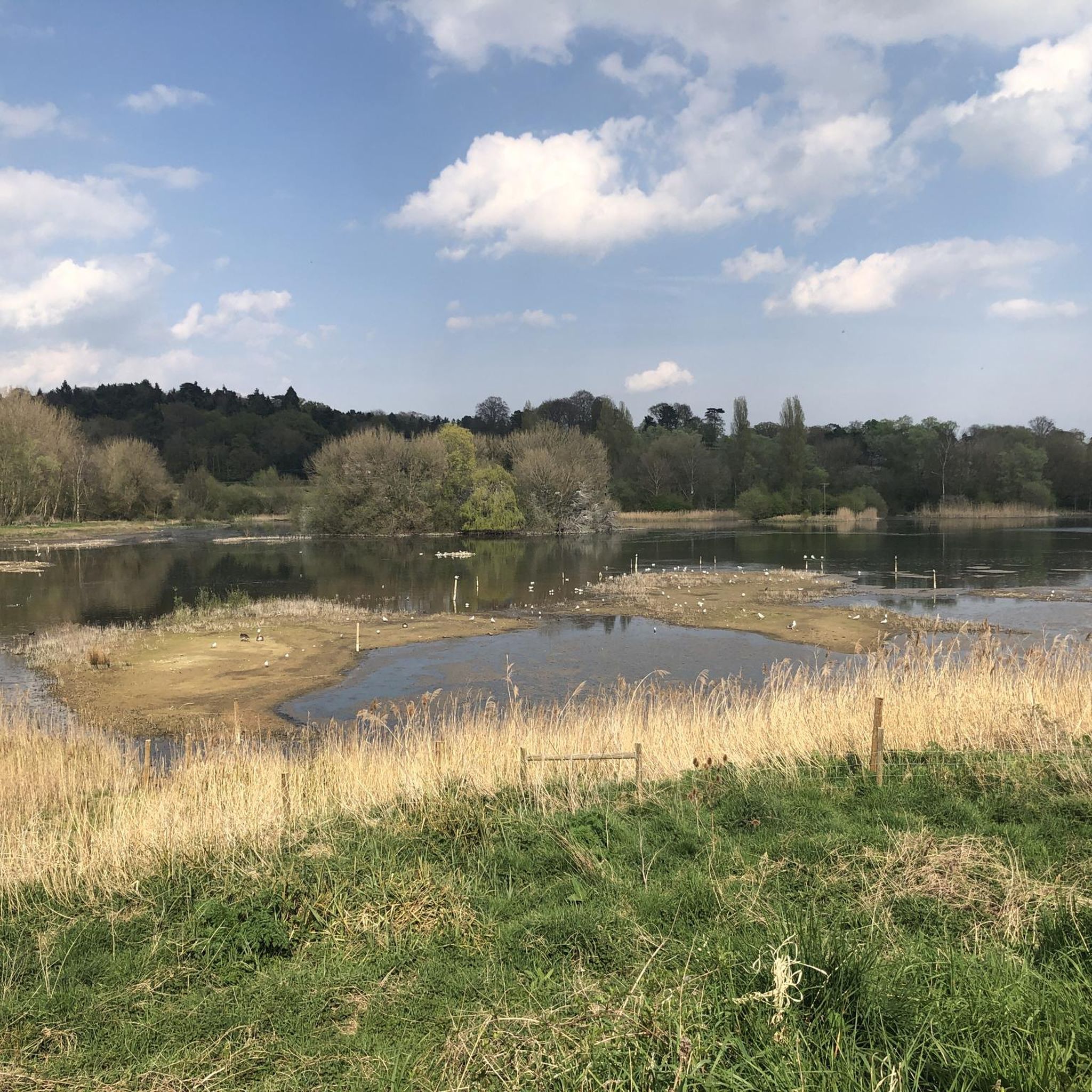
Hatfield Forest is an ancient royal hunting forest, and considered to be one of the best-preserved medieval forests in the world. In the past, deer were kept in the forest for hunting. Today you'll find deer aplenty still, though no longer pursued for the same reason. The forest boasts ancient trees, over 3,500 species of fungi, rare insects and a diverse array of birdlife. There's also a beautiful lake, café and river that meanders through.
1
0
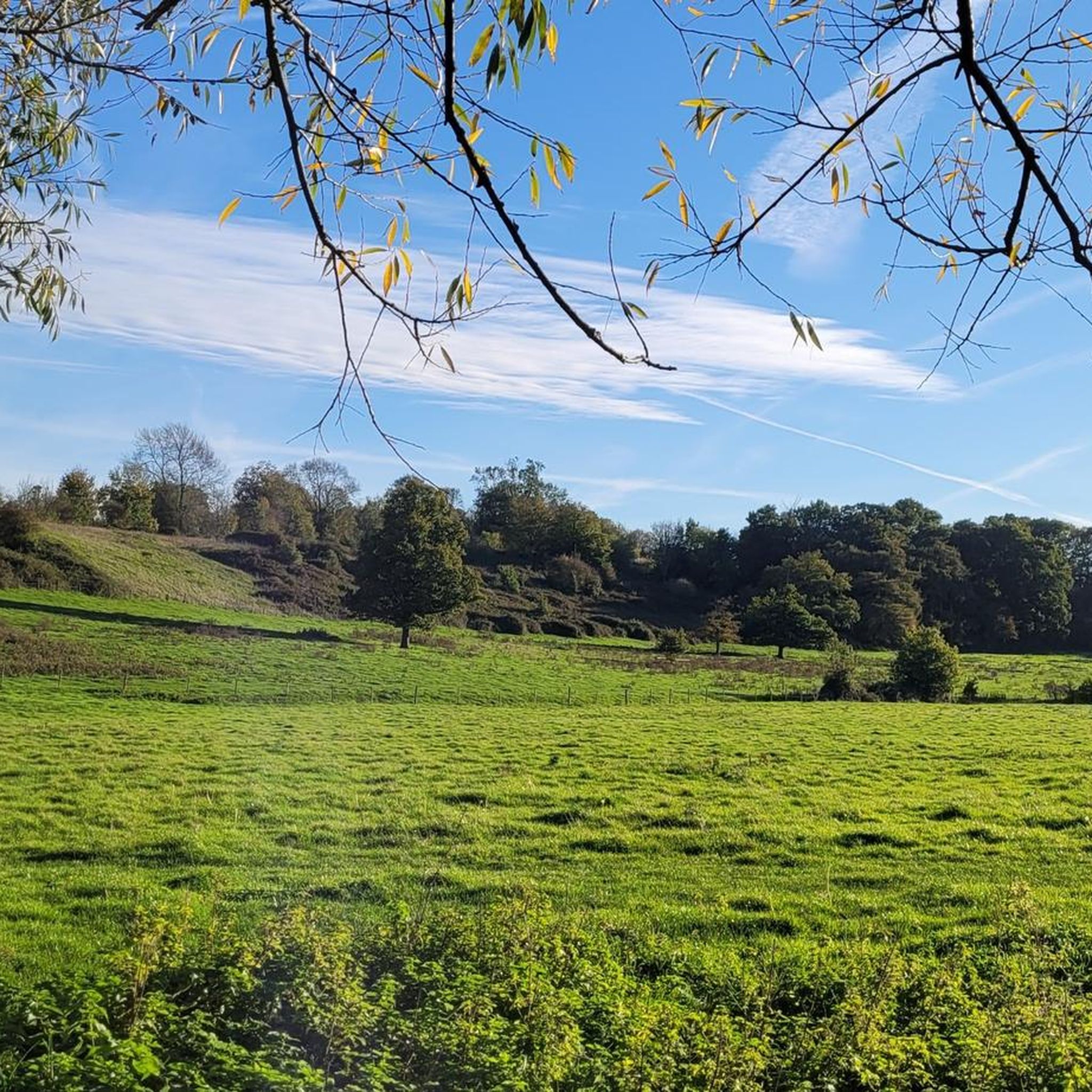
This nature reserve is an important habitat and Biological Site of Special Scientific Interest. It's a fine example of lowland heath on pebble gravels that supports a wide diversity of animal species.
1
0

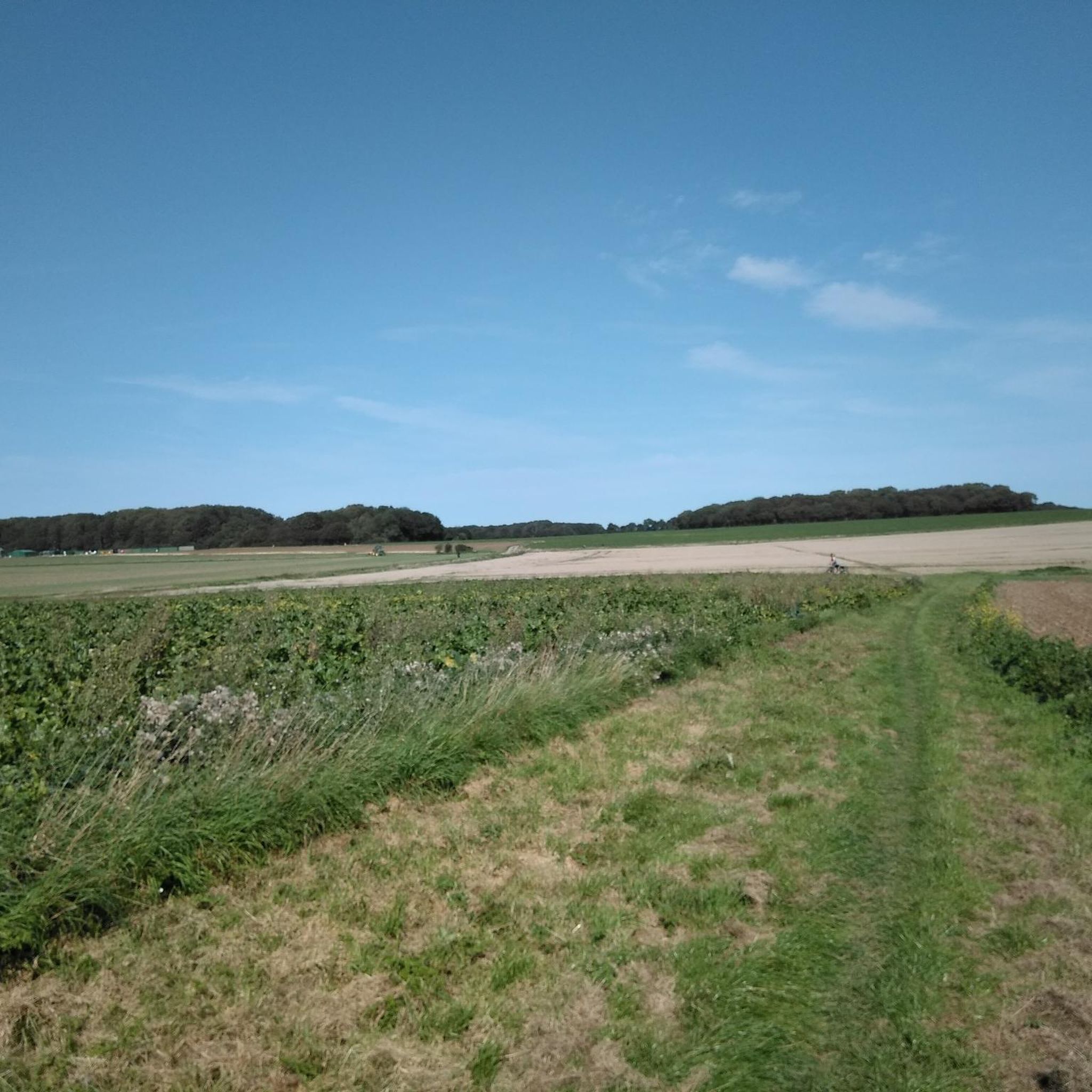
Although I ignored this fence you should not do so unless the paths are very dry.
0
0
These ponds were created by German Bomb Craters from the Blitz in 1940/41
1
0

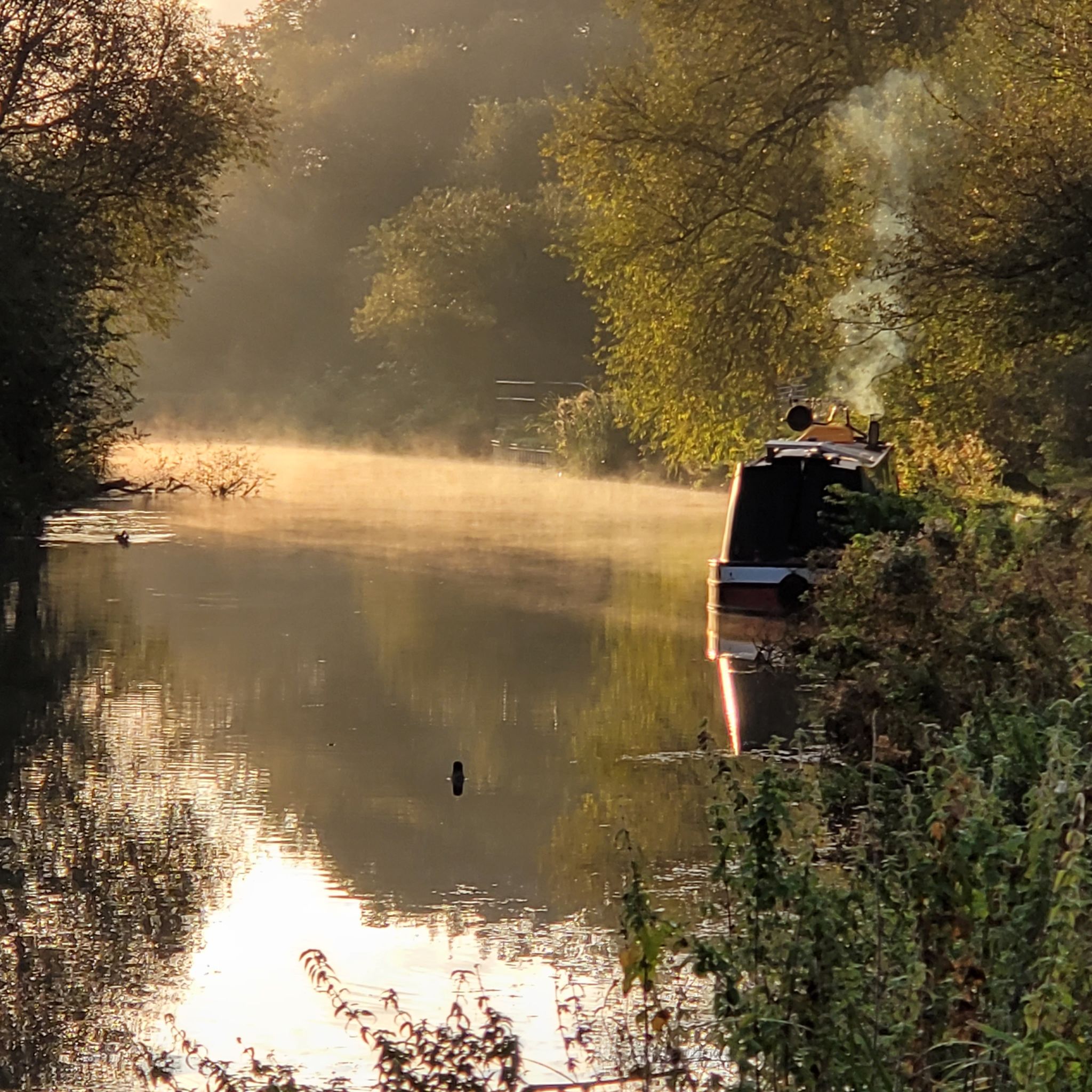
The New River, an aqueduct that supplies 8% of London's water, originally started here at Chadwell Spring. The source is now to the west at New Gauge.
0
0

Hatfield Forest is a 403.2 hectare biological Site of Special Scientific Interest in Essex, three miles east of Bishop's Stortford. It is also a National Nature Reserve and a Nature Conservation Review site. It is owned and managed by the National Trust. A medieval warren in the forest is a Scheduled Monument. Hatfield is the only remaining intact Royal Hunting Forest and dates from the time of the Norman kings. Other parts of the once extensive Forest of Essex include Epping Forest to the southwest, Hainault Forest to the south and Writtle Forest to the east. Hatfield Forest was established as a Royal hunting forest in the late eleventh century, following the introduction of fallow deer and Forest Laws were imposed on areas by the king. Deer hunting and chasing was a popular sport for Norman kings and lords and the word ‘forest’ strictly means place of deer rather than of trees. In the case of Hatfield the area under Forest Law consisted of woodlands with plains.
1
1

Chadwell Spring is the original source of the New River, a water supply aqueduct that provides 8% of London's water. Today, the New River begins slightly to the west, at New Gauge. Chadwell Spring still provides up to 4.3 megalitres of water every day. The water rises up a 98-foot (30 m) circular basin, which is known as the 'banjo'. A stone monument adorns the circumference of the basin and is inscribed with historical dates and river distances.
1
0
Frequently Asked Questions
What natural features can I explore around High Wych?
The region around High Wych offers a variety of natural features. You can explore ancient woodlands and a beautiful lake at Hatfield Forest Lake, discover the historical source of the New River at Chadwell Spring and New River Source Monument, or enjoy scenic views of a lone tree in a rapeseed field at Solitary Tree in Rapeseed Field, White Roding. There are also unique WWII Bomb Crater Ponds, which have become naturalized.
Are there any historical natural monuments in the High Wych area?
Yes, several natural monuments in the area have significant historical context. Hatfield Forest Lake is part of one of the best-preserved medieval royal hunting forests globally. The Chadwell Spring and New River Source Monument marks the original source of a vital water supply aqueduct for London, with historical dates inscribed on its basin. Additionally, the WWII Bomb Crater Ponds were formed by German bombs during the Blitz in 1940/41.
What kind of wildlife can I expect to see at these natural monuments?
The natural monuments around High Wych, particularly Hatfield Forest Lake, are rich in wildlife. Hatfield Forest is home to ancient trees, over 3,500 species of fungi, rare insects, and a diverse array of birdlife. You can also spot deer, which have historically roamed the forest. Other natural areas in Hertfordshire managed by the Herts and Middlesex Wildlife Trust also support varied local wildlife.
Are there family-friendly natural monuments around High Wych?
Yes, there are family-friendly options. Hatfield Forest Lake is an excellent choice for families, offering ancient woodlands, a lake, and opportunities to observe wildlife. The Solitary Tree in Rapeseed Field, White Roding also provides a pleasant, scenic spot for a family outing.
What outdoor activities can I do near these natural monuments?
The area around High Wych offers various outdoor activities. You can find numerous routes for cycling, mountain biking, and road cycling. For detailed routes and guides, explore options like Cycling around High Wych, MTB Trails around High Wych, and Road Cycling Routes around High Wych.
Are there specific trails or walks to explore the natural monuments?
While specific walking trails for each natural monument are not detailed here, places like Hatfield Forest Lake offer extensive ancient woodlands perfect for exploration on foot. You can find various cycling and mountain biking routes in the wider High Wych area that may pass by or near these natural sites. Check the cycling guides for routes that incorporate natural beauty.
What is the best time of year to visit the natural monuments around High Wych?
The best time to visit depends on your interests. Spring offers vibrant rapeseed fields, such as those around the Solitary Tree in Rapeseed Field, White Roding, and potentially bluebell carpets in ancient woodlands. Summer is ideal for enjoying the lakes and rivers. Autumn brings spectacular foliage to places like Hatfield Forest Lake, along with a diverse array of fungi. Winter offers crisp walks and a different perspective on the ancient landscapes.
Can I find viewpoints to appreciate the natural scenery?
Yes, the Solitary Tree in Rapeseed Field, White Roding is specifically highlighted as a viewpoint, offering a picturesque scene of a lone tree amidst rapeseed flowers. The ancient woodlands of Hatfield Forest Lake also provide many scenic spots and vistas.
Are there any unique natural formations or geological sites?
While not strictly geological, the WWII Bomb Crater Ponds are a unique natural formation with a historical origin, having been created by bomb craters that have since naturalized into ponds. The ancient woodlands of Hatfield Forest Lake, as one of the best-preserved medieval forests, represent a significant ecological and historical landscape.
What do visitors enjoy most about the natural monuments in High Wych?
Visitors particularly appreciate the unique blend of natural beauty and historical significance. The ancient woodlands and diverse wildlife at Hatfield Forest Lake are highly valued, as is the historical context of the Chadwell Spring and New River Source Monument. The picturesque views, such as the Solitary Tree in Rapeseed Field, White Roding, are also a favorite among the komoot community.
Are the natural monuments around High Wych suitable for beginners or less experienced hikers?
Many areas within the natural monuments, especially around Hatfield Forest Lake, offer relatively flat and accessible paths suitable for beginners or those seeking a gentle walk. The focus is often on enjoying the scenery and wildlife rather than challenging terrain. The Solitary Tree in Rapeseed Field, White Roding is also easily accessible for a pleasant stroll.
Are there any cafes or facilities near the natural monuments?
Yes, Hatfield Forest Lake has a café on-site, providing refreshments for visitors. For other natural monuments, it's advisable to check local amenities in nearby villages or towns, as facilities might not be directly adjacent to every site.
Most popular attractions around High Wych

Get inspired with the komoot mobile app


Explore more
Extend your search for the best caves by checking out these guides of the top ones around High Wych:
