Top 8 Natural Monuments around Tytherington
Best natural monuments around Tytherington include sites that showcase the region's ecological and geological history. The area features diverse landscapes, from ancient woodlands and calcareous grasslands to significant geological formations. These locations provide insights into both natural evolution and historical human interaction with the environment. Tytherington offers a variety of natural monuments for exploration and appreciation.
Best natural monuments around Tytherington
- The most popular natural monuments is William Tyndale Monument, a man-made monument that commemorates the writer William Tyndale.…
Last updated: May 18, 2026
William Tyndale Monument
Highlight • Monument
Tip by

Wapley Bushes Local Nature Reserve
Highlight • Natural Monument
Tip by

Sign up now to discover places like this
Get recommendations on the best single tracks, peaks, & plenty of other exciting outdoor places.
Sign up for free
Woodcock Farm - Hill Fort
Highlight • Historical Site
Tip by
Whitcliff Deer Park
Highlight • Forest
Tip by
Ram Hill Colliery
Highlight • Natural Monument
Tip by

Sign up for free to discover even more natural monuments around Tytherington.
Sign up for free
Already have an account?
Start today with a free account
Your next adventure awaits.
Login or Signup

Tips from the Community

Historical interest, pretty garden to rest and have a snack, learn something new.
0
0

The finest and best-preserved example of an Iron Age hill fort along the Cotswold Way.
0
1

The ruins of the Ram Hill Colliery include a filled oval shaft, horse gin and dramway.
0
0

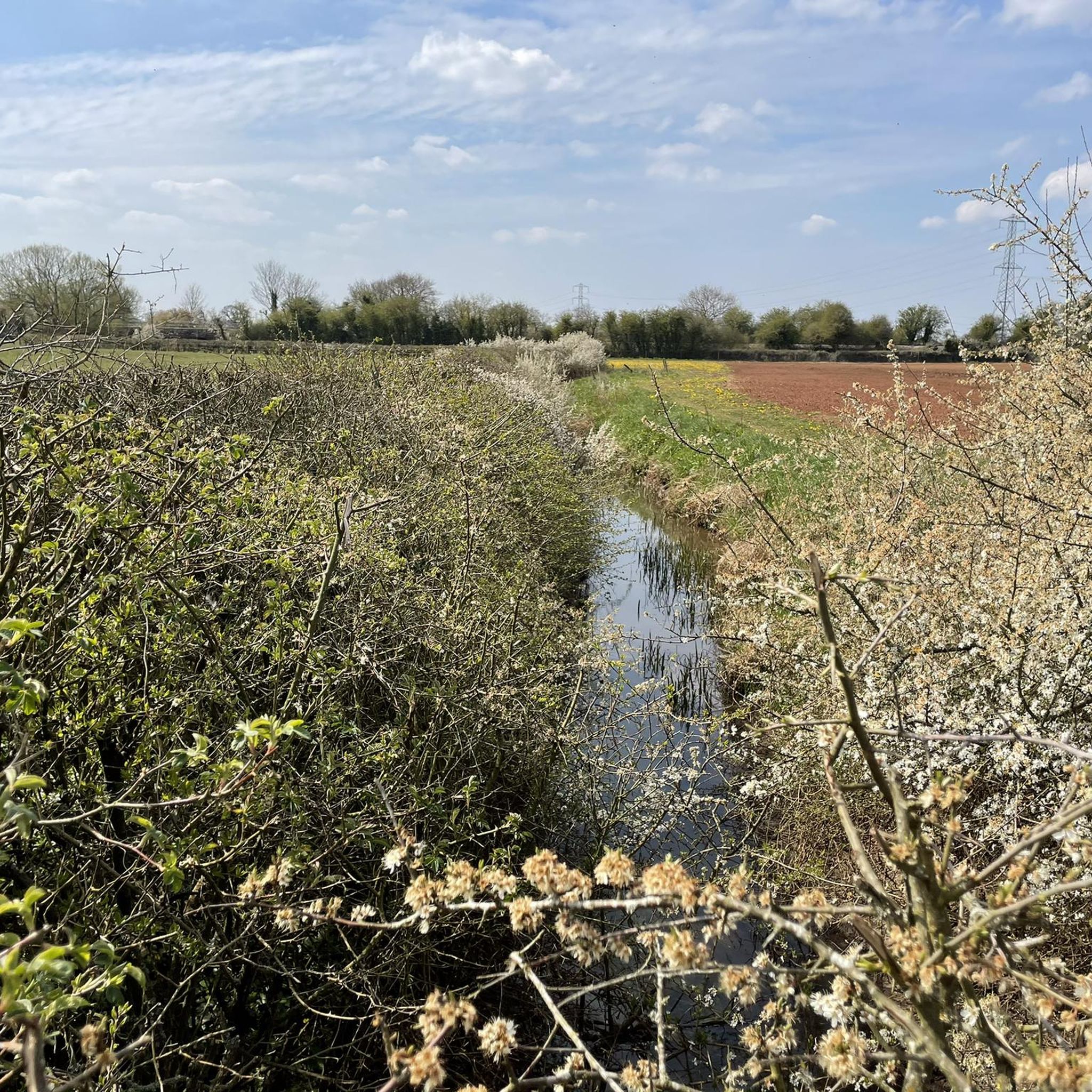
Wapley Bushes Local Nature Reserve is a 11.65-hectare (29-acre) nature reserve located in the English county of South Gloucestershire, between the towns of Yate and Dodington. It is owned by Dodington Parish Council and managed in partnership with Wapley Bushes Conservation Group. The reserve was established in 1992 and has been awarded the Green Flag Award, a prestigious award for well-managed parks and green spaces. Wapley Bushes is a diverse habitat, comprising ancient woodland, flower meadows, grassland, and a seasonal pond. The woodland is home to a variety of trees, including oak, ash, and hazel, as well as a range of wildlife, including deer, foxes, badgers, and birds such as song thrushes, blackbirds, and robins. The meadows are home to a variety of wildflowers, including cowslips, primroses, and bluebells. The grassland is home to a variety of grasses, as well as a range of wildflowers, including butte
0
0

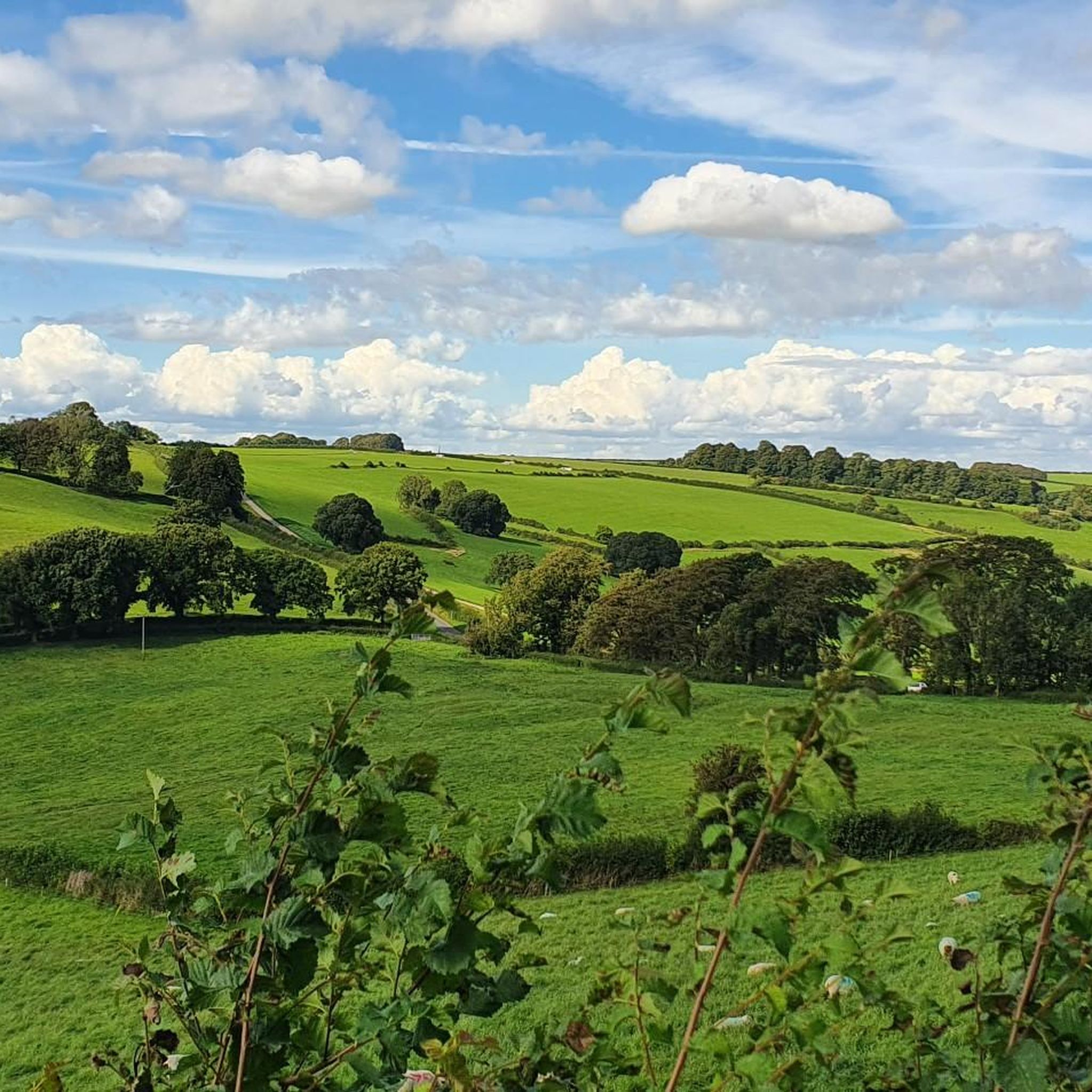
Steepish track up but then grassy slopes and woods. Pandoramic views from the hill even if you don’t go up the tower.
0
0

The deer are a lot less timid than in the wild, they're almost like sheep in behaviour. Wonderful views to each side of the hill... either the River Severn or the Cotswold Hills.
1
0
Short but sweet diversion... worth doing if you're not in a rush.
0
0
Frequently Asked Questions
What unique natural features can I explore around Tytherington?
Tytherington offers a range of unique natural features. You can explore Wapley Bushes Local Nature Reserve, which features ancient woodland, flower meadows, and a seasonal pond. Additionally, Tytherington Hill provides diverse habitats including broadleaved woodland and calcareous grassland, offering commanding views over the Ladden Vale. For those interested in geology, the Tytherington Quarry Site of Special Scientific Interest (SSSI) is internationally important for its Late Triassic vertebrate fossils.
Where can I observe wildlife near Tytherington's natural monuments?
Several natural monuments around Tytherington are excellent for wildlife observation. Tytherington Hill is home to roe and muntjac deer, bats, a wide array of birds including woodpeckers and buzzards, and reptiles like slow worms and grass snakes. Wapley Bushes Local Nature Reserve also hosts deer, foxes, badgers, and various bird species. At Whitcliff Deer Park, you can observe herds of fallow and red deer in a vast parkland setting.
Are there any significant geological sites in the Tytherington area?
Yes, the Tytherington Quarry Site of Special Scientific Interest (SSSI) is a significant geological site. It is internationally important for its fissure fills from the Rhaetian age, which have yielded fossils of seven reptile species, including the discovery of the new genus Diphydontosaurus. These fissures are found within the Black Rock Limestone Formation, providing key evidence for understanding prehistoric life and geological formations. While direct public access to the SSSI may be restricted, its scientific importance is immense. You can learn more about its significance on Wikipedia.
What historical natural monuments are there to visit?
Tytherington is rich in historical natural monuments. You can visit the William Tyndale Monument, a 34-meter high structure built in 1866 commemorating the Bible translator, offering magnificent views. The Uley Bury Iron Age Hill Fort is an extraordinarily well-preserved example of an Iron Age settlement, providing incredible views over the Frome Valley. Additionally, Ram Hill Colliery offers a glimpse into the region's industrial past with its scheduled ancient monument ruins.
Are there family-friendly natural monuments around Tytherington?
Absolutely. Wapley Bushes Local Nature Reserve is a diverse habitat with ancient woodland and meadows, perfect for family walks. Whitcliff Deer Park allows families to observe herds of fallow and red deer amidst ancient oak trees. The historical site of Ram Hill Colliery is also considered family-friendly, offering a historical interest in a pleasant setting.
Which natural monuments offer the best views?
For panoramic views, the William Tyndale Monument stands 34 meters high, providing magnificent vistas over the surrounding landscape. The Uley Bury Iron Age Hill Fort offers incredible views over the Frome Valley, Severn Vale, and even the Welsh mountains. Tytherington Hill also provides commanding views over the Ladden Vale, and Whitcliff Deer Park features lovely views over the River Severn and Gloucestershire.
What outdoor activities can I do near these natural monuments?
Near Tytherington's natural monuments, you can enjoy various outdoor activities. Tytherington Hill is ideal for walking, horse riding, and cycling. For more structured routes, you can find easy hikes around Tytherington, such as 'The Bridle Path – Greenhill Lane Bridleway loop from Alveston' or 'Thornbury Garden Centre – Llama loop from Thornbury'. There are also options for gravel biking and mountain biking. Explore more routes in the Easy hikes around Tytherington, Gravel biking around Tytherington, and MTB Trails around Tytherington guides.
Are there hiking trails near these natural monuments?
Yes, there are several hiking trails available. Tytherington Hill offers attractive shaded walks. For specific routes, you can find easy hikes around Tytherington, including 'The Bridle Path – Greenhill Lane Bridleway loop from Alveston' (5.6 km) and 'Thornbury Garden Centre – Llama loop from Thornbury' (5.3 km). These trails provide opportunities to explore the local landscape. For more options, refer to the Easy hikes around Tytherington guide.
What do visitors enjoy most about Tytherington's natural monuments?
Visitors particularly enjoy the diverse experiences offered. Many appreciate the historical significance and panoramic views from sites like the William Tyndale Monument and Uley Bury Iron Age Hill Fort. The opportunity to observe wildlife, such as the deer at Whitcliff Deer Park, is also a highlight. The peaceful, natural settings of places like Wapley Bushes Local Nature Reserve are frequently praised for their beauty and tranquility.
Is it possible to climb the William Tyndale Monument?
Yes, it is possible to enter and climb the stairs to the top of the William Tyndale Monument. Be aware that the staircase is very steep and tight, making it difficult to pass others. A torch is recommended as the lower to middle steps can be pitch black. The monument is generally open to the public, but if locked, details for obtaining a key from a local cottage are usually provided on a notice board.
What kind of terrain can I expect on walks around Tytherington Hill?
Walks around Tytherington Hill feature diverse terrain. You can expect tree-shaded paths through broadleaved woodland, as well as open sections across calcareous grassland and scrub. The hill rises 25 meters above the adjacent land, so there will be some inclines, but the paths are generally suitable for leisurely enjoyment.
Are there any natural monuments that are particularly good for photography?
Many natural monuments in Tytherington offer excellent photographic opportunities. The panoramic views from the top of the William Tyndale Monument and Uley Bury Iron Age Hill Fort are ideal for landscape shots. Whitcliff Deer Park provides chances to capture wildlife amidst ancient oak trees, while the diverse habitats of Tytherington Hill and Wapley Bushes Local Nature Reserve offer scenic woodland and meadow compositions.
Most popular attractions around Tytherington

Get inspired with the komoot mobile app


Explore more
Extend your search for the best caves by checking out these guides of the top ones around Tytherington:
