Top 14 Natural Monuments around Brixton
Best natural monuments around Brixton include a variety of urban green spaces and parks that serve as significant natural havens within this South London district. While primarily an urban area, Brixton offers several notable natural features and ecological value within its green infrastructure. These areas provide important habitats for wildlife and opportunities for public access to nature. The landscape is characterized by well-maintained parks and community-led greening initiatives.
Best natural monuments around Brixton
- The most popular natural monuments is Plymouth Hoe, a viewpoint that features a huge greenspace with dramatic memorials and views. It is a large limestone plateau with a collection of impressive monuments.
- Another must-see spot is Western Beacon Summit, a natural monument. It affords views over Ivybridge and the South Hams, with the summit scattered with ancient cairns.
- Visitors also love Butterdon Hill Summit, a viewpoint in the southern region of Dartmoor National Park. The hill features the remains of a small stone circle and a stone row, offering views over the national park.
- Brixton is known for its urban parks, community orchards, and protected common lands. These areas offer a variety of natural monuments to see and explore, from mature tree canopies to diverse plant life.
- The natural monuments around Brixton are appreciated by the komoot community, with more than 70 upvotes and 25 photos shared, reflecting their appeal for outdoor activities.
Last updated: November 27, 2026
Plymouth Hoe
Highlight • Viewpoint
Tip by

Mount Edgcumbe Country Park
Highlight • Viewpoint
While walking here you will see the landscaped parkland of a country house, views across the Plymouth Sound to the naval base and breakwater, a Bronze Age burial mound, the 15th century church and several military installations designed to defend the important port.
Tip by

Sign up now to discover places like this
Get recommendations on the best single tracks, peaks, & plenty of other exciting outdoor places.
Butterdon Hill Summit
Highlight • Viewpoint
The hill features the remains of a small stone circle and a stone row, too. From the top, you'll be rewarded some fantastic views north over the national park, including to Haldon Belvedere, Beardown Tors, and Three Barrows.
Tip by

Western Beacon Summit
Highlight • Natural Monument
Tip by

Wembury Beach
Highlight • Rest Area
Tip by

Sign up for free to discover even more natural monuments around Brixton.
Already have an account?
Start today with a free account
Your next adventure awaits.
Tips from the Community

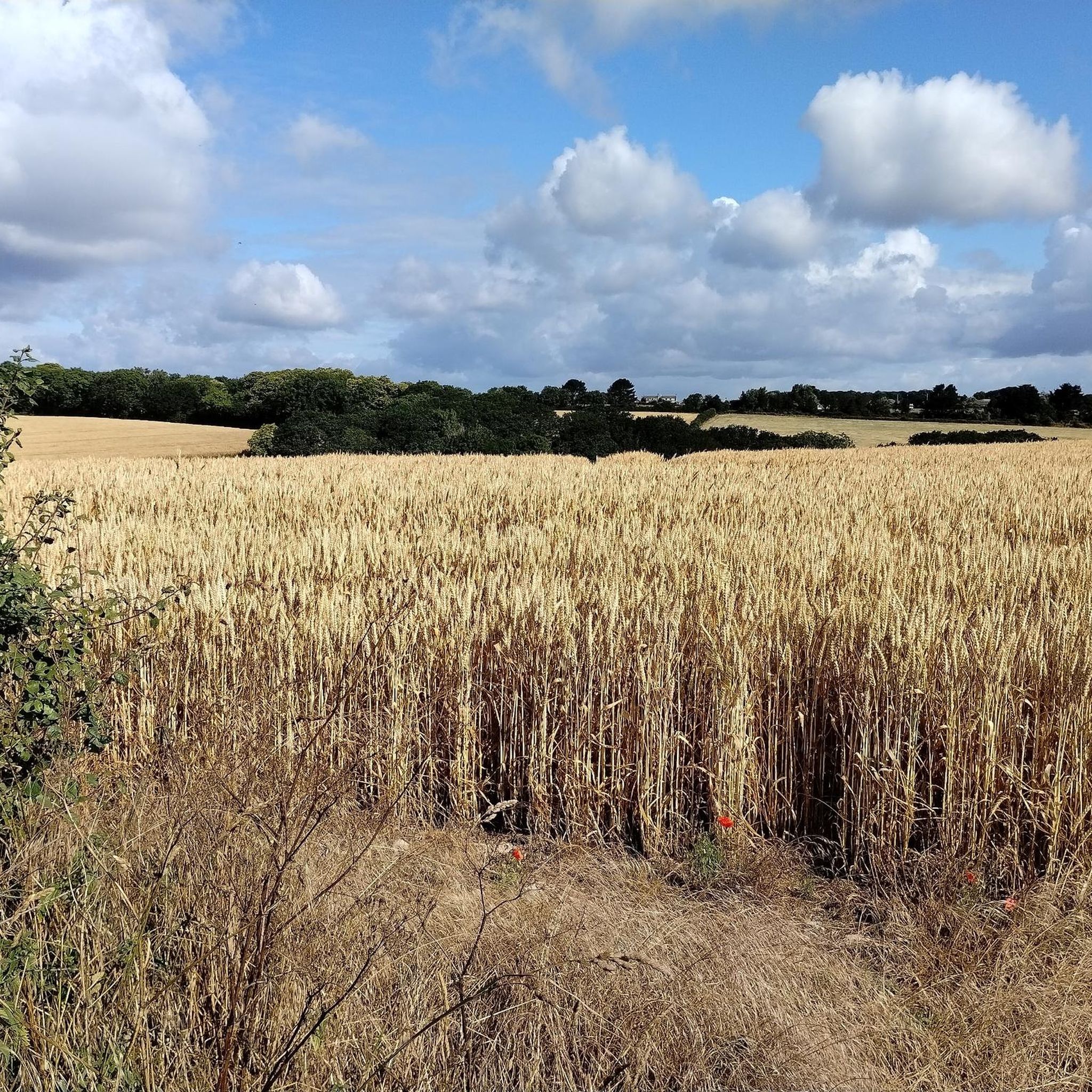
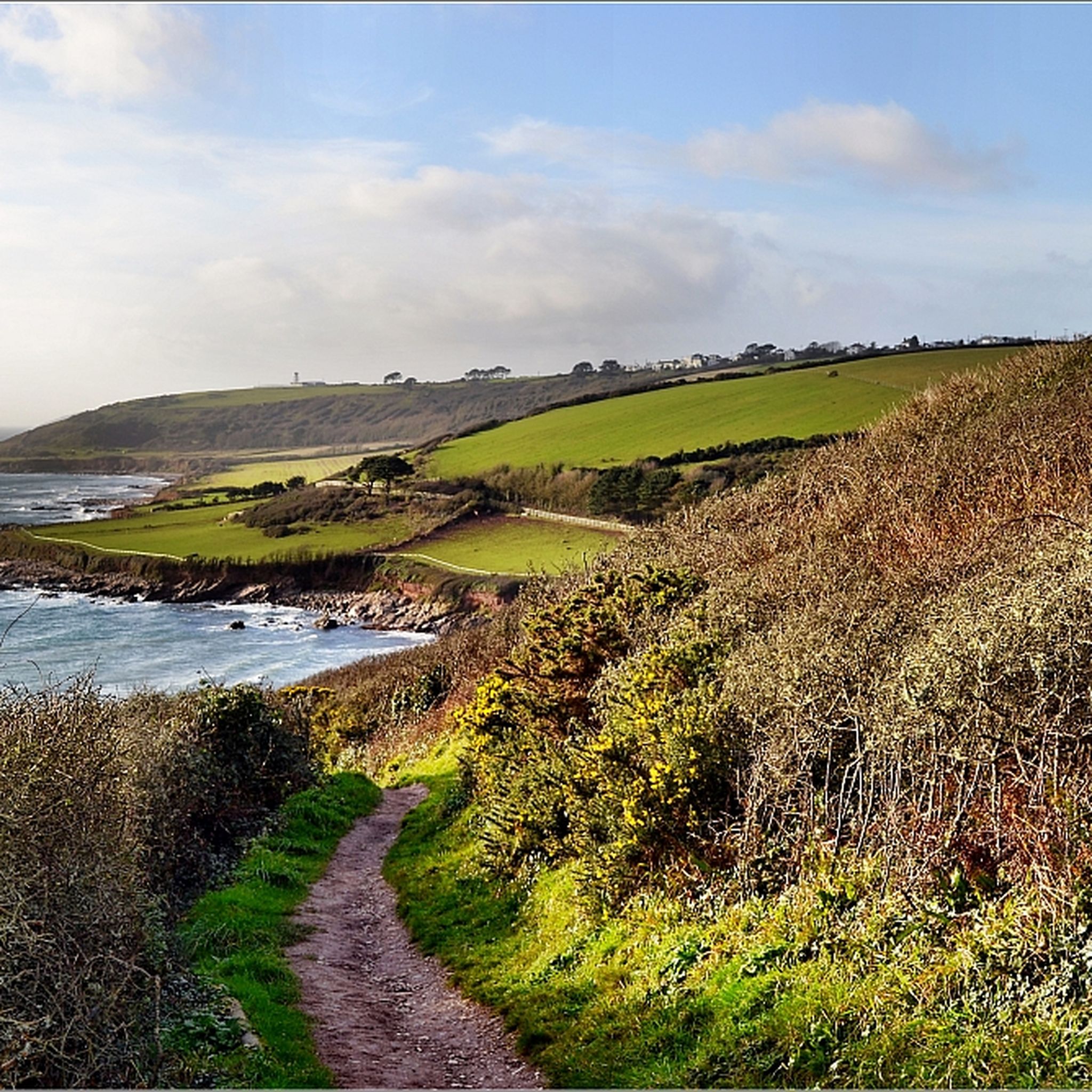
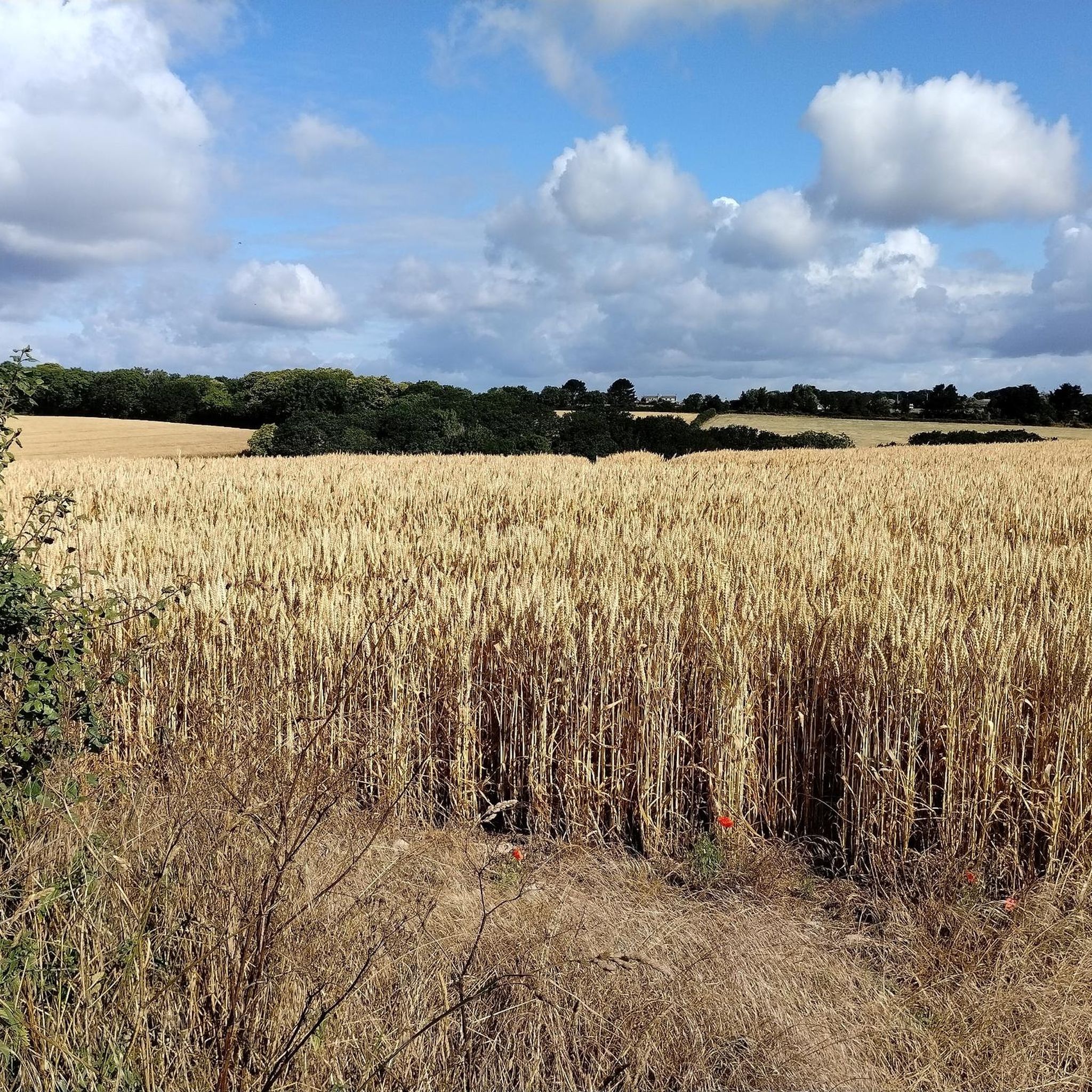
Depart Raneleigh Barns hamlet, passing views of manor houses and thatched farms, and arriving at the church on the clifftop of Wemberry Beach. And with luck, pass by when the bell ringer is playing.
0
0


The Hoe is a large limestone plateau on the edge of which is the citadel. In the park on the Hoe there is a large collection of impressive monuments to the great seafaring nation, including the first circumnavigator Francis Drake, the victory over the Spanish Armada and the two World Wars. Built in front of the sea is the Tinside seawater outdoor pool in Art Deco style, which is definitely worth looking for, and the huge, freely accessible sea bathing area right next to it with a bit of Lost Place charm.
2
0

Mount Edgcumbe House was built in the mid 1500's and this country park was the estate and gardens. The estate was sold to the Plymouth City Council in 1988 and has been open to the public ever since. While walking here you will see the landscaped parkland of a country house, views across the Plymouth Sound to the naval base and breakwater, a Bronze Age burial mound, the 15th century church and several military installations designed to defend the important port.
0
0

Butterdon Hill is a summit in the southern region of Dartmoor National Park. The hill features the remains of a small stone circle and a stone row, too. From the top, you'll be rewarded some fantastic views north over the national park, including to Haldon Belvedere, Beardown Tors, and Three Barrows.
1
0


The Hoe is really the heart of Plymouth; a huge greenspace with dramatic memorials, Smeaton's Tower and unrivalled views. In summer, the grass is covered with people having picnics, throwing frisbees and admiring the fantastic panorama of Plymouth Sound. It's a wonderful place to watch the boats and come for a walk.
2
0
Frequently Asked Questions
What are the main natural green spaces to explore in Brixton?
Brixton, while urban, offers several significant green spaces. Key natural havens include Brockwell Park, an expansive award-winning park with wilder areas, ornamental gardens, and ponds. You can also visit Rush Common, an ancient stretch of green land recognized for its ecological value, and the unique Brixton Orchard, an urban greening project with fruit trees and pollinator-friendly plants. Other notable areas include Wyck Gardens and Ruskin Park.
What kind of wildlife can I expect to see in Brixton's natural areas?
In Brixton's green spaces, you can observe various urban wildlife. For instance, Rush Common is a Site of Importance for Nature Conservation, providing nesting cover for small birds in its ivy-clad trees. You might also spot common wildflowers like daisy, yarrow, and dove's-foot crane's-bill, as well as locally uncommon stork's-bill. The Brixton Orchard attracts bees, butterflies, and other insects with its pollinator-friendly plants and wildflowers.
Are there any protected natural areas in Brixton?
Yes, Rush Common is a notable protected natural area in Brixton. It is recognized as a 'Site of Importance for Nature Conservation' (SINC) for the London Borough of Lambeth due to its importance for wildlife and public access to nature. You can learn more about its conservation efforts on the Lambeth Council website.
What is the Brixton Orchard and what makes it unique?
The Brixton Orchard is an inspiring example of urban greening and community engagement. Established in 2017, it transformed a neglected area into a thriving ecosystem. It features approximately 35 fruit trees, including various apples, cherries, pears, plums, and quince, along with hundreds of edible hedges. Its pollinator-friendly plants and wildflowers enhance biodiversity, making it a unique green experience open to the public 24 hours a day.
Are there family-friendly natural monuments or parks in Brixton?
Absolutely. Brockwell Park is an excellent family-friendly option, offering expansive green spaces for picnics, play, and rambling. Wyck Gardens also provides play and sporting facilities alongside its green spaces. The Brixton Orchard is a fascinating place for families to learn about urban agriculture and biodiversity. Ruskin Park, a short walk from central Brixton, features wildlife ponds and ample space for family activities.
What outdoor activities can I do near Brixton's natural monuments?
You can enjoy a variety of outdoor activities near Brixton's natural spaces. For hiking, explore routes like the 'Wooden Gate in the Countryside – St Mary's Church, Bryn loop from Brixton' or the 'Lower Brixton Down Plantation – Scotch Fir Plantation loop from Yealmpton'. Runners can try the 'Running loop from Brixton' or the 'St Mary's Church, Bryn loop from Brixton'. Cyclists have options such as 'The Barbican, Plymouth – Tinside Lido loop from Brixton'. Find more details on these and other routes in the Hiking around Brixton, Running Trails around Brixton, and Cycling around Brixton guides.
Are there easy walks or trails suitable for all abilities in Brixton's green spaces?
Yes, many of Brixton's green spaces offer easy walks. Brockwell Park has paved paths and open lawns suitable for leisurely strolls. Rush Common provides a continuous linear park along Brixton Hill, perfect for a relaxed walk amidst mature trees. The Brixton Orchard is also easily accessible for a gentle exploration of its fruit trees and wildflowers. For specific routes, check the 'easy' graded tours in the nearby hiking guides.
What is the best time to visit Brixton's natural monuments?
Brixton's natural monuments can be enjoyed year-round. Spring brings blooming garden bluebells and wildflowers to areas like Rush Common, and the Brixton Orchard comes alive with blossoms. In June, magnificent false-acacias with white flowers bloom in Rush Common. Autumn offers interesting fungi on dead logs, providing wildlife habitats. Summer is ideal for picnics and enjoying the open spaces of Brockwell Park. Even in winter, these green spaces offer peaceful walks.
Are Brixton's natural areas dog-friendly?
Many of Brixton's parks and green spaces, including Brockwell Park and Rush Common, are generally dog-friendly, allowing dogs on leads. It's always a good idea to check local signage within each specific park for any restrictions or designated off-leash areas to ensure a pleasant visit for everyone.
What makes Brockwell Park a significant natural asset to Brixton?
Brockwell Park is a significant natural asset due to its expansive size (50.8 hectares) and diverse features. It has received the Green Flag Award, recognizing its high standards. The park boasts wilder areas for rambling, ornamental gardens, ponds, and mature trees, offering a rich variety of natural elements for both relaxation and appreciation of nature within an urban setting.
Can I find cafes or refreshments near Brixton's natural monuments?
Yes, you'll find various cafes and refreshment options near Brixton's main green spaces. Brockwell Park typically has a cafe within its grounds. The vibrant Brixton town center, with its numerous cafes, pubs, and restaurants, is also conveniently located near many of these natural areas, including Rush Common and the Brixton Orchard, making it easy to grab a bite or a drink before or after your visit.
Are there any historical elements within Brixton's natural monuments?
While Brixton's natural monuments are primarily valued for their ecological and recreational aspects, some have historical roots. Rush Common, for example, is an ancient stretch of green land that historically served as grazing land. Its long-standing presence as a public green space connects it to the area's past, even if it doesn't feature specific historical structures within the natural monument itself.
Most popular attractions around Brixton

Get inspired with the komoot mobile app


Explore more
Extend your search for the best caves by checking out these guides of the top ones around Brixton:
