Top 3 Natural Monuments around Totnes
Natural monuments around Totnes include diverse landscapes and geological features. The market town of Totnes is situated in South Devon, offering access to river valleys, ancient woodlands, and coastal areas. This region provides opportunities for exploring natural heritage and observing local wildlife.
Best natural monuments around Totnes
- The most popular natural monument is Lydia Bridge Waterfall, a bridge and waterfall that features a 17th or 18th-century stone packhorse bridge. A waterfall runs over mossy boulders immediately north of the…
Last updated: May 1, 2026
Lydia Bridge Waterfall
Highlight • Bridge
Tip by

Ancient Yew Tree of St Mary & St Gabriel Church
Highlight • Natural
Tip by

Sign up now to discover places like this
Get recommendations on the best single tracks, peaks, & plenty of other exciting outdoor places.
Sign up for free
View of Paignton Bay
Highlight • Viewpoint
Admire the red rock cliffs of this Lyme Bay and …
Tip by

Totnes Life Cairn
Highlight • Historical Site
Translated by Google •
Tip by

St Gudula's Cross and Well
Highlight • Natural Monument
Tip by

Start today with a free account
Your next adventure awaits.
Login or Signup
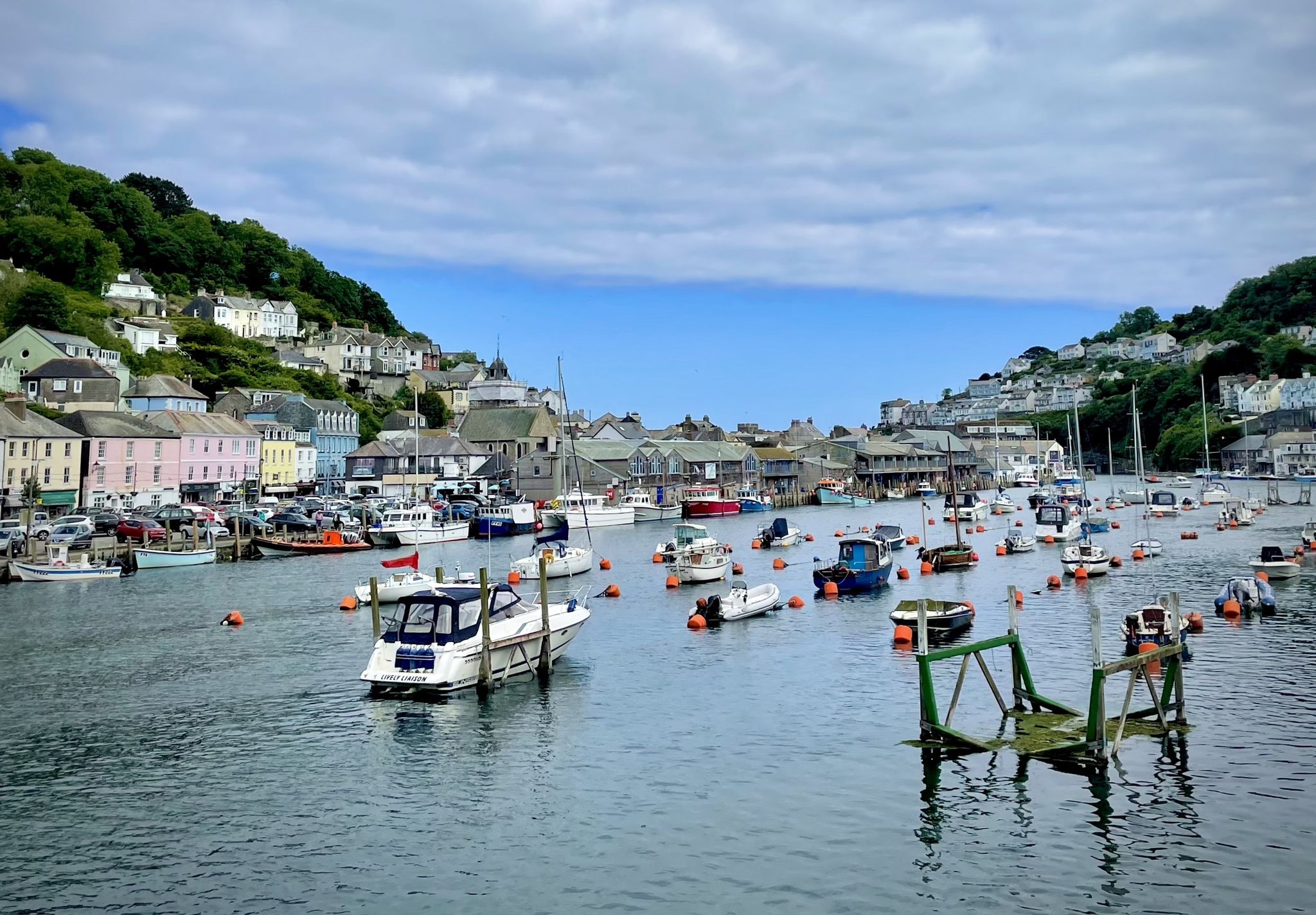
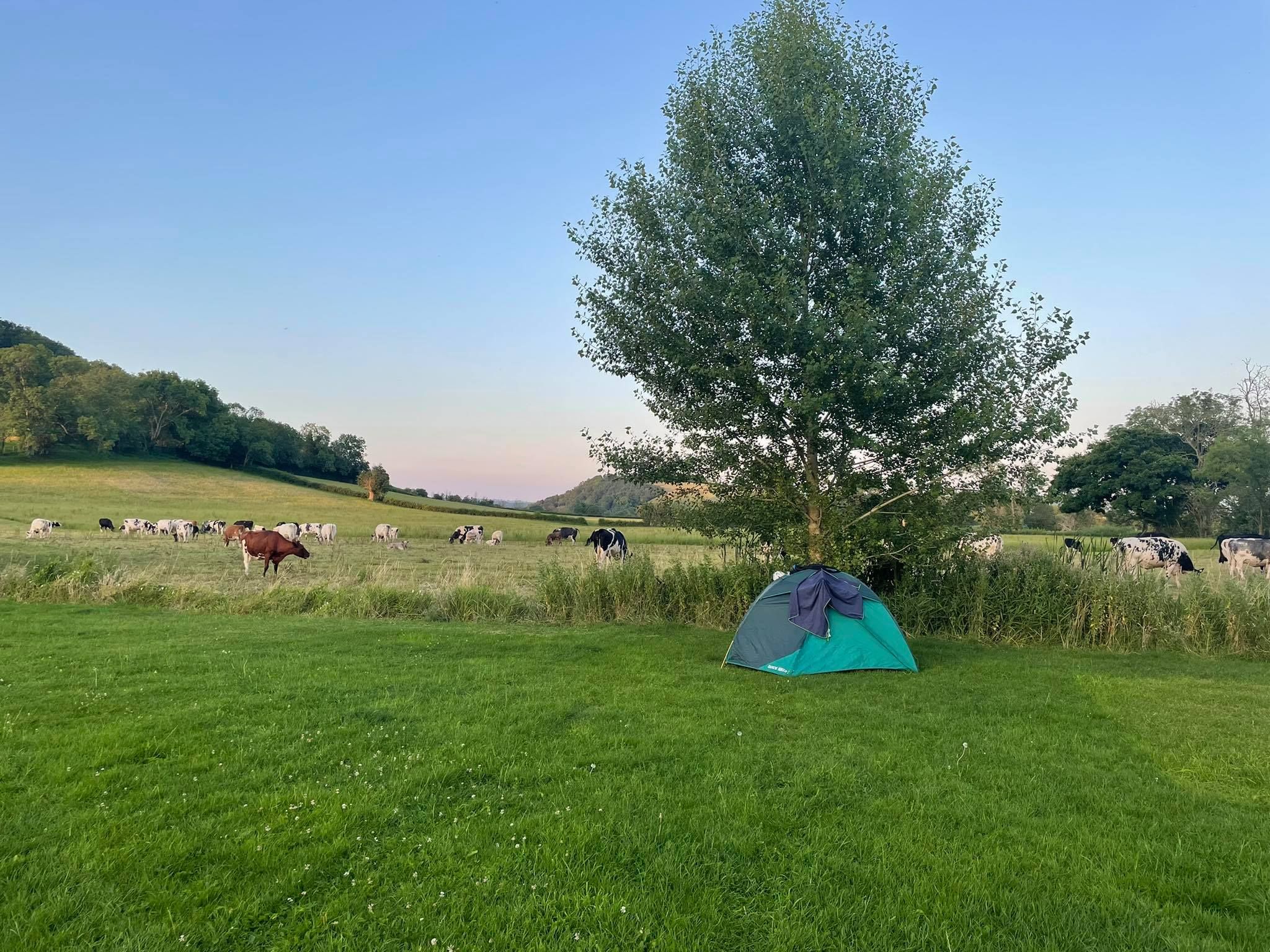
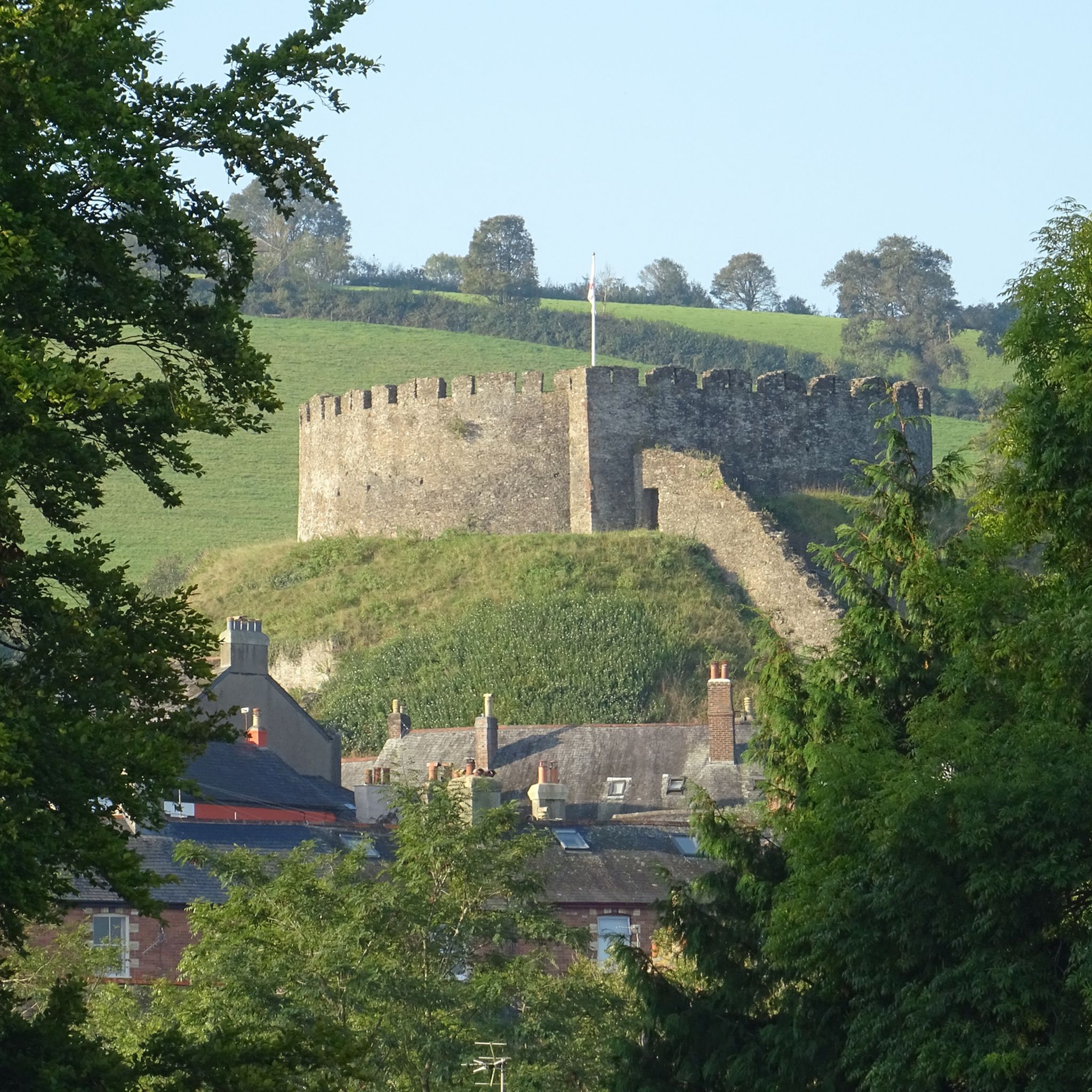
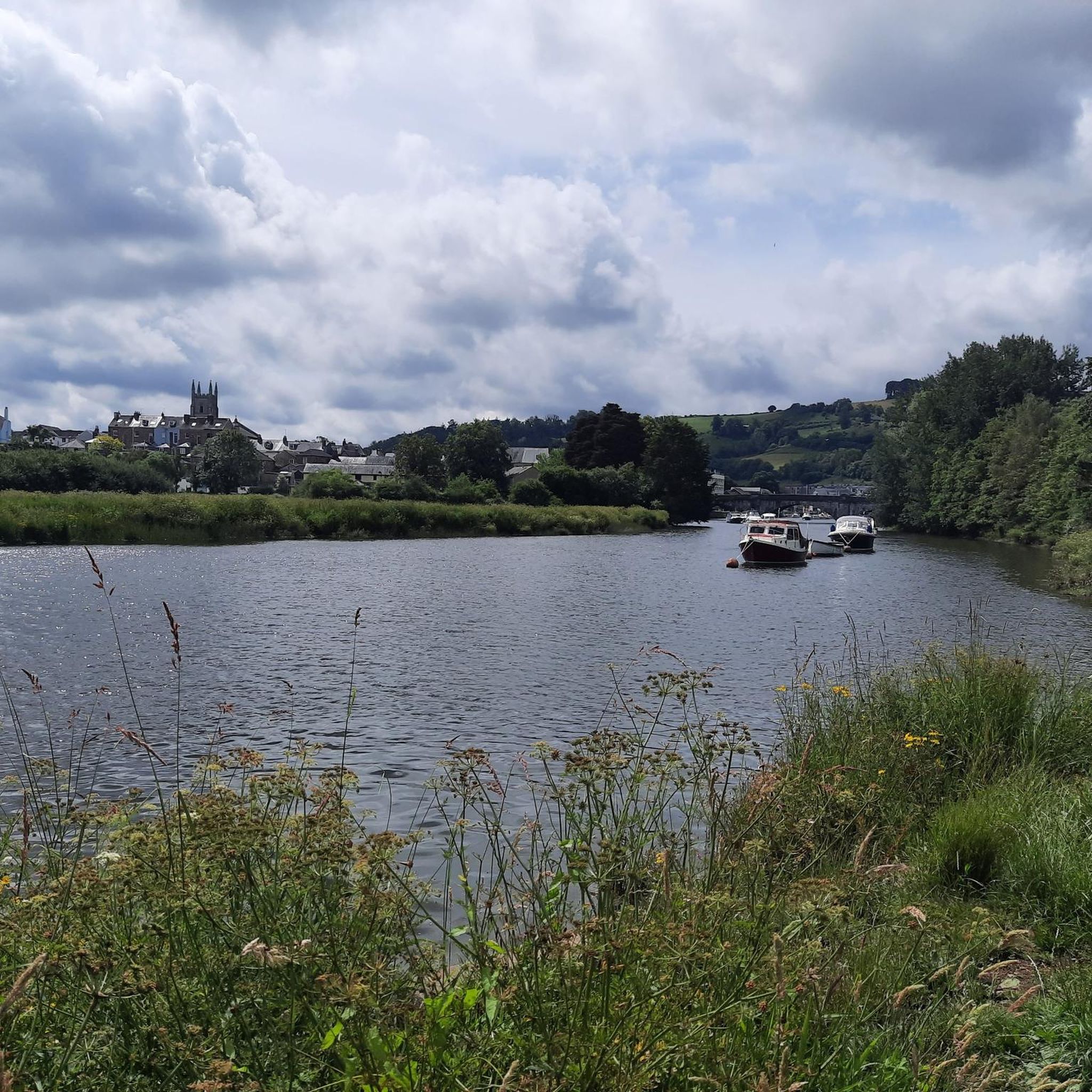
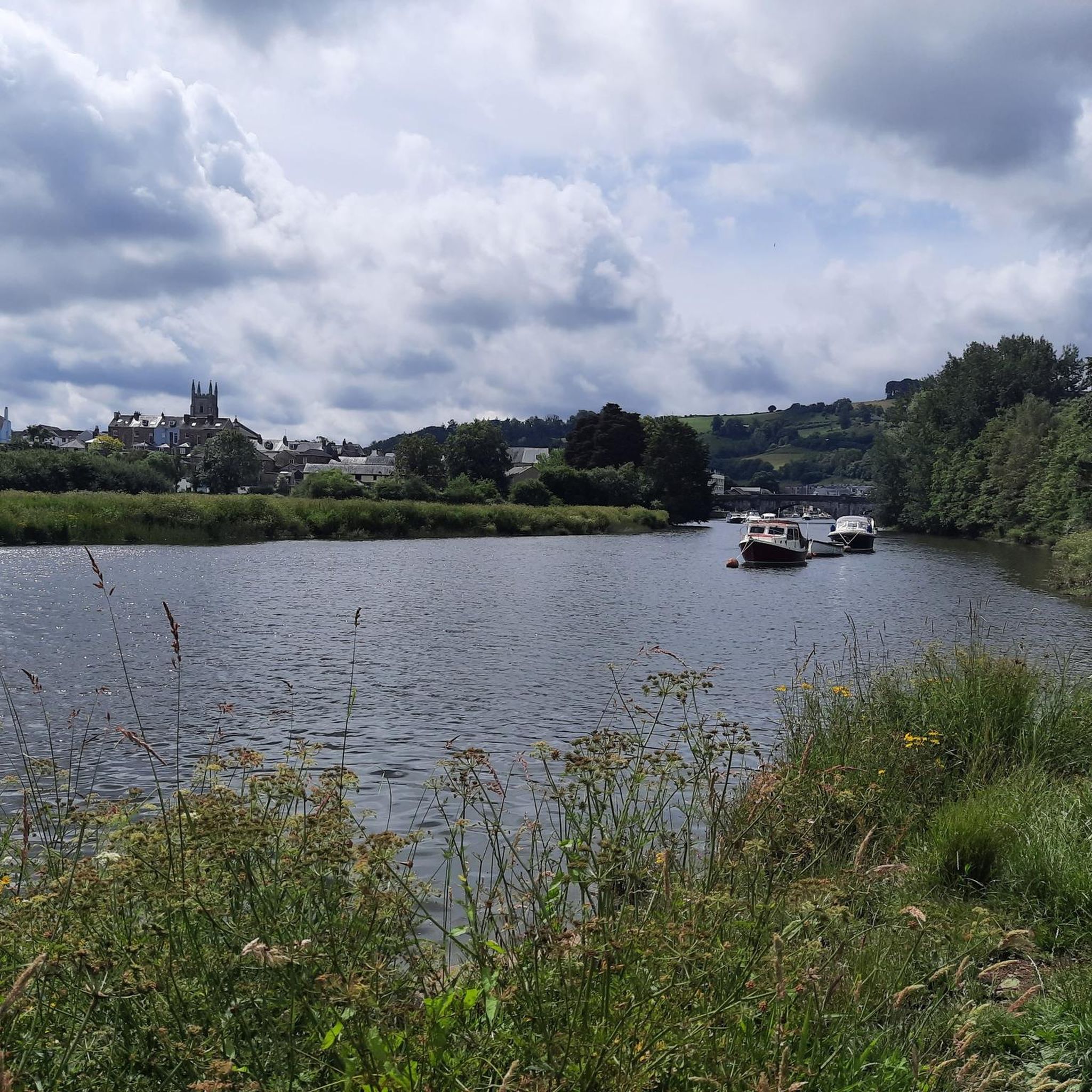
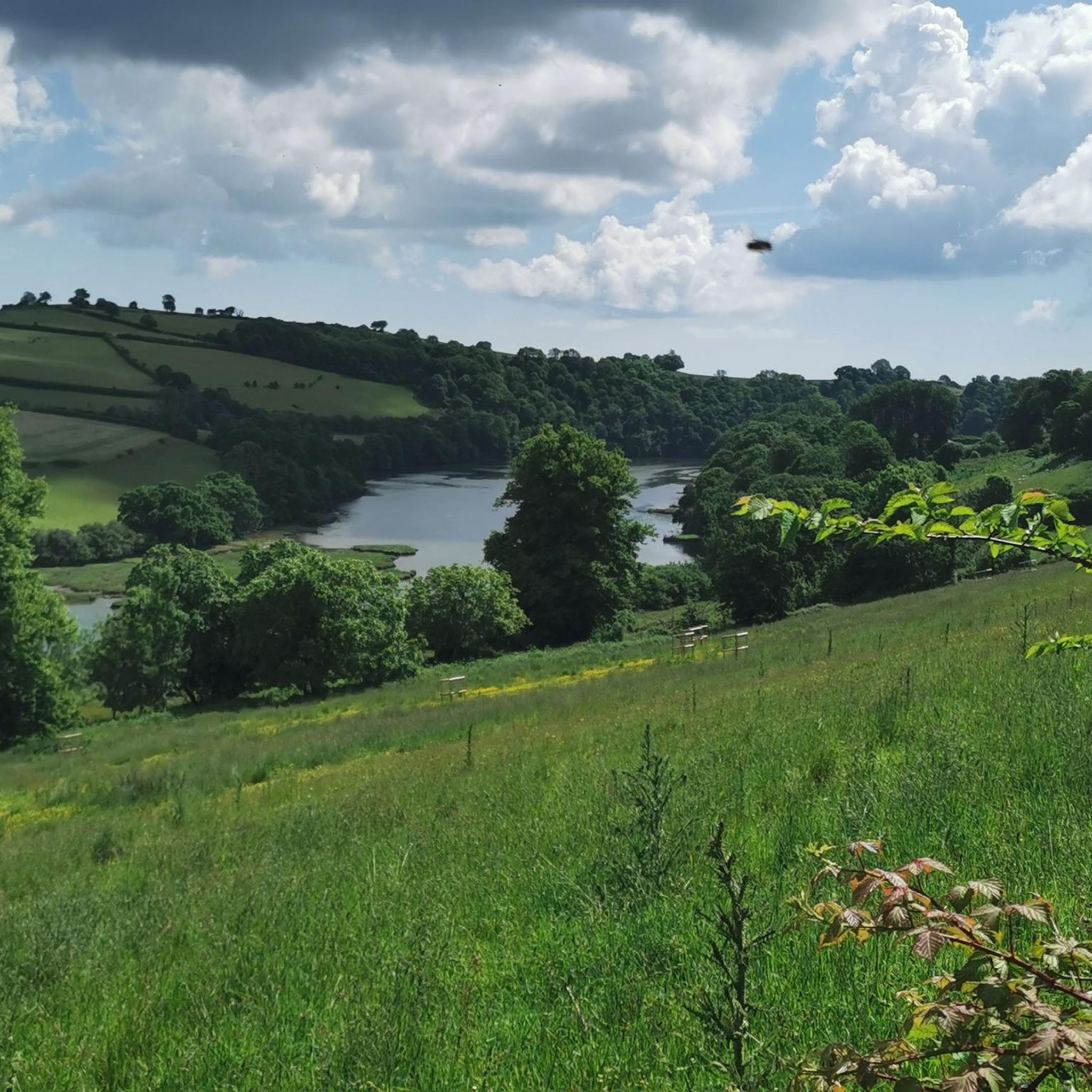
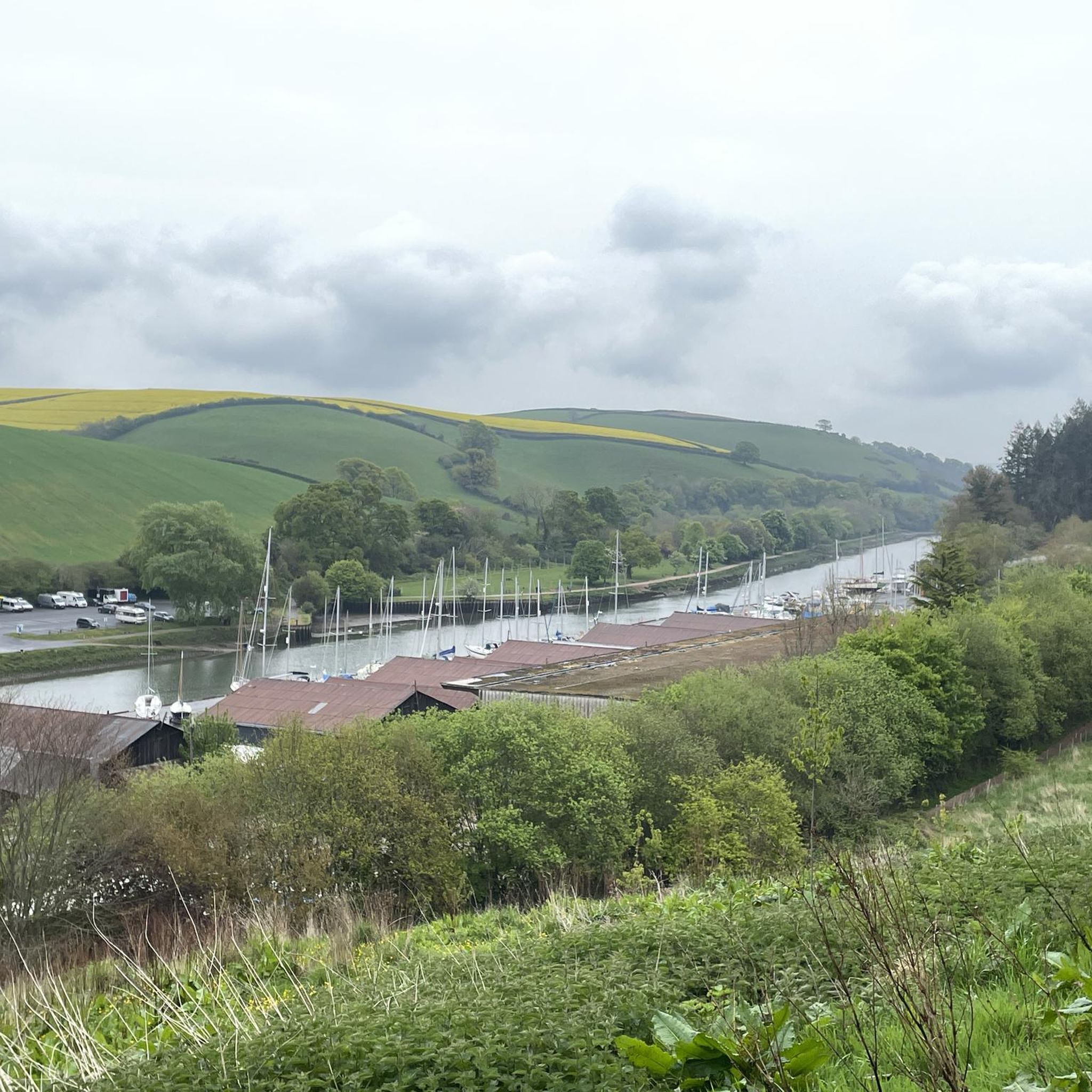


Tips from the Community

The first church was built here in 1086. Even then, the "centuries-old yew tree" was mentioned - its age is now estimated at 1200 - 1400 years. Legend has it that anyone who manages to walk backwards around it 7 times will have one wish granted. In any case, it is a beautiful, ancient tree that looks pretty healthy and that you just want to hug!
2
0

The Yew in the churchyard of St Mary & St Gabriel is thought to be between 1,000 and 2,000 years old. The carved wooden slices are from a Leyland Cyprus, they depict the important church events that would have happened in the last 2,000 years.
1
0

The Dartmoor Way Cycle Route is a 90 mile-long circular route which winds its way around the natural beauty of Dartmoor National Park, linking hamlets, villages and towns along its length.
7
0
Road bridge over River Avon. C17 or C18 packhorse bridge with hump back and widened on upstream side. Stone rubble. single round arch. Large stone slabs forming string with parapets above with large granite coping stones. In 1669 Lydia Bridge was in decay and the existing bridge appears to be either the restored earlier bridge or an entire rebuilding of late C17 or C18 https://britishlistedbuildings.co.uk/101307206-lydia-bridge-south-brent#.Y_SY0SaZO3A
1
0

Totnes Life Cairn is a historic landmark located on the Unnamed road. A Life Cairn is a type of public monument built to commemorate and honor the species (animals, plants, insects and other living organisms) that have become extinct due to human activity. It is shaped like a cairn.
7
0

Lydia Bridge is a stone packhorse bridge dating back to the 17th or 18th century and remains a Grade II listed structure. Standing on it, you’ll find a waterfall immediately north, running over mossy boulders and generally looking quaint and lovely.
1
0

St Gudula’s Cross and Well for centuries has been a place of pilgrimage. The waters are said to be good for weak eyes. St Gudala is the ancient patroness for the blind. The cross is thought to be 14th-century.
0
0
Lydia Bridge is a stone packhorse bridge dating back to the 17th or 18th century and remains a Grade II listed structure. Standing on it, you’ll find a waterfall immediately north, running over mossy boulders and generally looking quaint and lovely.
2
0
Frequently Asked Questions
What kind of natural monuments can I explore around Totnes?
Totnes is surrounded by diverse natural monuments, ranging from ancient trees and waterfalls to scenic viewpoints and expansive protected landscapes. You can discover features like the historic Lydia Bridge Waterfall, the ancient Yew Tree of St Mary & St Gabriel Church, and stunning coastal vistas from the View of Paignton Bay. The area also includes parts of the River Dart, Folaton Arboretum, Dartmoor National Park, and the South Devon Area of Outstanding Natural Beauty.
Are there any ancient or historically significant natural monuments in the Totnes area?
Yes, Totnes boasts several natural monuments with significant historical connections. The Ancient Yew Tree of St Mary & St Gabriel Church is estimated to be between 1,000 and 2,000 years old. The Lydia Bridge Waterfall features a 17th or 18th-century stone packhorse bridge. Additionally, St Gudula's Cross and Well has been a place of pilgrimage for centuries, with the cross thought to be 14th-century.
Where can I find scenic viewpoints near Totnes?
For breathtaking views, visit the View of Paignton Bay, which offers expansive sightlines over the bay and the distinctive red rock cliffs of the Lyme Bay and Torbay Special Conservation Area. Many walking trails along the River Dart also provide picturesque views of the river valley and surrounding landscapes.
What unique natural features can I discover around Totnes?
The Totnes area is rich in unique natural features. The River Dart, which flows through the town, is tidal for a mile above Totnes Weir, creating diverse habitats. Dartmoor National Park, on Totnes' doorstep, is known for its wild open moorlands and deep river valleys. Folaton Arboretum showcases a vibrant collection of native and exotic trees, including ancient oaks and rare conifers. The region also includes the stunning coastline and varied habitats within the South Devon Area of Outstanding Natural Beauty.
Are there family-friendly natural attractions around Totnes?
Absolutely. Many natural monuments around Totnes are suitable for families. The accessible path from Totnes to Dartington, which follows the River Dart, is perfect for pushchairs and bikes. The Ancient Yew Tree of St Mary & St Gabriel Church and the View of Paignton Bay are also considered family-friendly highlights. Folaton Arboretum offers winding trails and informational signs, making it an educational and peaceful escape for all ages.
Can I go walking or hiking near these natural monuments?
Yes, the Totnes area offers numerous opportunities for walking and hiking. You can find trails along the River Dart, including the accessible path to Dartington and the longer Sharpham & Ashprington loop. Dartmoor National Park provides a wealth of outdoor activities and trails. For more detailed routes, explore the Running Trails around Totnes guide, which includes routes like the 'View of the River Dart – Dartington Hall and Gardens loop'.
What are some easy walks to natural monuments for beginners?
For an easy and accessible experience, consider the path along the River Dart from Totnes to Dartington, which is suitable for various abilities. If you're looking for a cycling route that passes natural features, the 'River Dart Path – Totnes Town Centre loop' is an easy option, as detailed in the Cycling around Totnes guide.
What wildlife can I expect to see at natural monuments around Totnes?
The diverse natural environments around Totnes are home to a variety of wildlife. Along the River Dart, you might spot various bird species and small mammals. Folaton Arboretum is a haven for birds, butterflies, and small mammals. Dartmoor National Park is known for its rare wildlife, while the South Devon Area of Outstanding Natural Beauty offers opportunities to experience the region's diverse flora and fauna.
When is the best time of year to visit the natural monuments in Totnes?
The natural monuments around Totnes offer beauty throughout the year. Spring brings blossoms to Folaton Arboretum and fresh greenery along the River Dart. Summer is ideal for enjoying coastal spots like Blackpool Sands and water activities on the Dart. Autumn showcases vibrant hues in the arboretum and woodlands. Even in winter, the dramatic landscapes of Dartmoor and the serene river paths offer a unique, peaceful experience.
Are there opportunities for cycling near Totnes' natural monuments?
Yes, cycling is a popular way to explore the natural beauty around Totnes. The South West Coast Path has cycle-friendly sections, such as near the View of Paignton Bay. The River Dart also has paths suitable for cycling. For more cycling options, refer to the Cycling around Totnes and Road Cycling Routes around Totnes guides, which list routes like the 'River Dart Path – Totnes Town Centre loop'.
What is the Totnes Life Cairn?
The Totnes Life Cairn is a unique public monument shaped like a cairn. It was built to commemorate and honor species (animals, plants, insects, and other living organisms) that have become extinct due to human activity, serving as a poignant reminder of biodiversity and conservation.
Most popular routes around Totnes
Most popular attractions around Totnes

Get inspired with the komoot mobile app


Explore more
Extend your search for the best caves by checking out these guides of the top ones around Totnes:
