Top 7 Natural Monuments around Marldon
Best natural monuments around Marldon are found within this rural parish in the South Hams of Devon. The area is characterized by its English countryside, offering extensive walking opportunities and natural beauty. While specific geological formations officially designated as "natural monuments" are limited within Marldon itself, the surrounding landscape provides numerous natural features for exploration. The region's charm lies in its accessible rural environment, ideal for appreciating the tranquil Devon countryside.
Best natural monuments around Marldon
- The most popular natural…
Last updated: June 29, 2026
Hopes Nose
Highlight • Viewpoint
Tip by

Ancient Yew Tree of St Mary & St Gabriel Church
Highlight • Natural
Tip by

Sign up now to discover places like this
Get recommendations on the best single tracks, peaks, & plenty of other exciting outdoor places.
Sign up for free
Babbacombe Downs Clifftop Promenade
Highlight (Segment) • Viewpoint
If you've worked up …
Tip by

Thatcher Rock
Highlight • Natural Monument
Tip by

Cockington Court Rose Garden
Highlight • Natural Monument
Translated by Google •
Tip by

Sign up for free to discover even more natural monuments around Marldon.
Sign up for free
Already have an account?
Start today with a free account
Your next adventure awaits.
Login or Signup
Tips from the Community

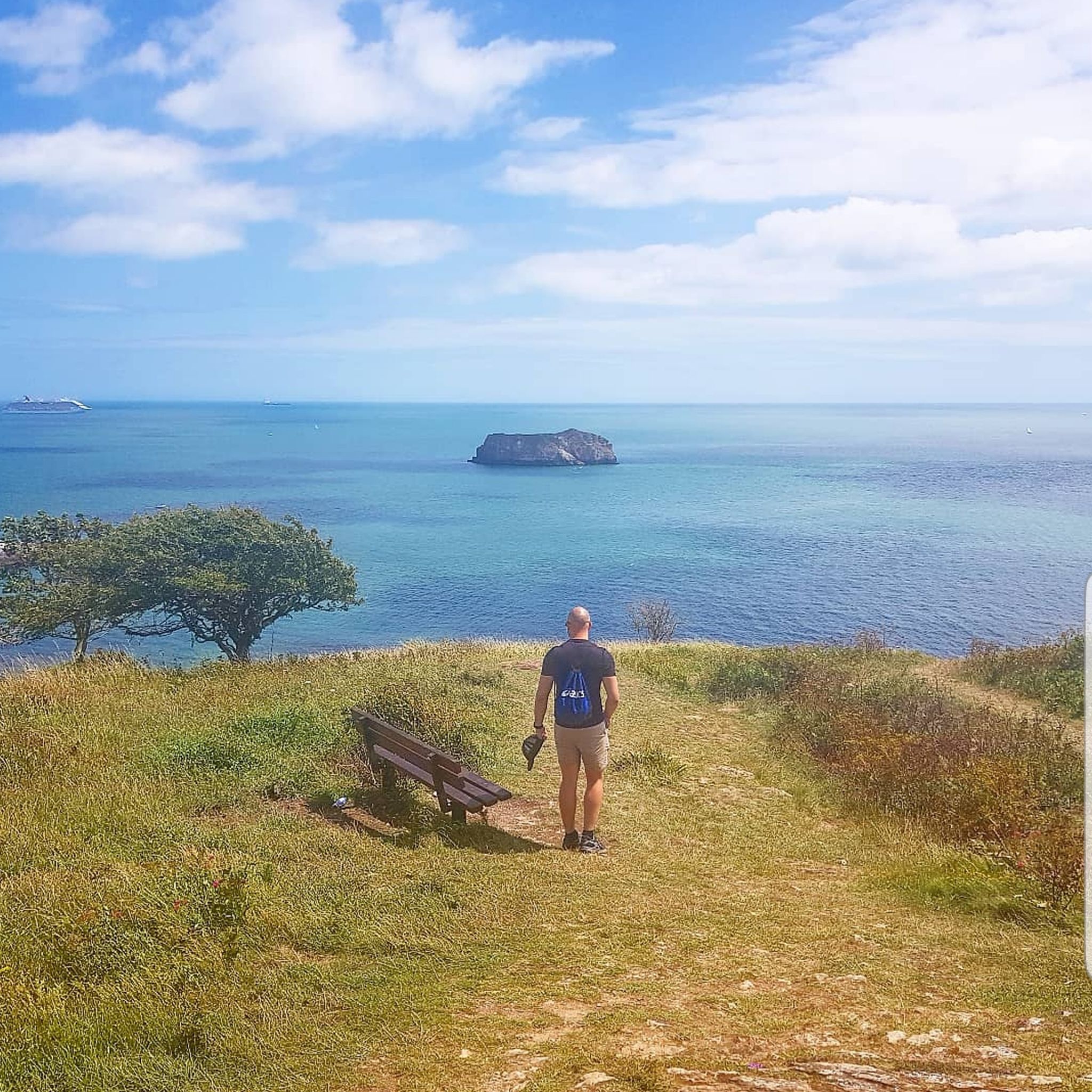
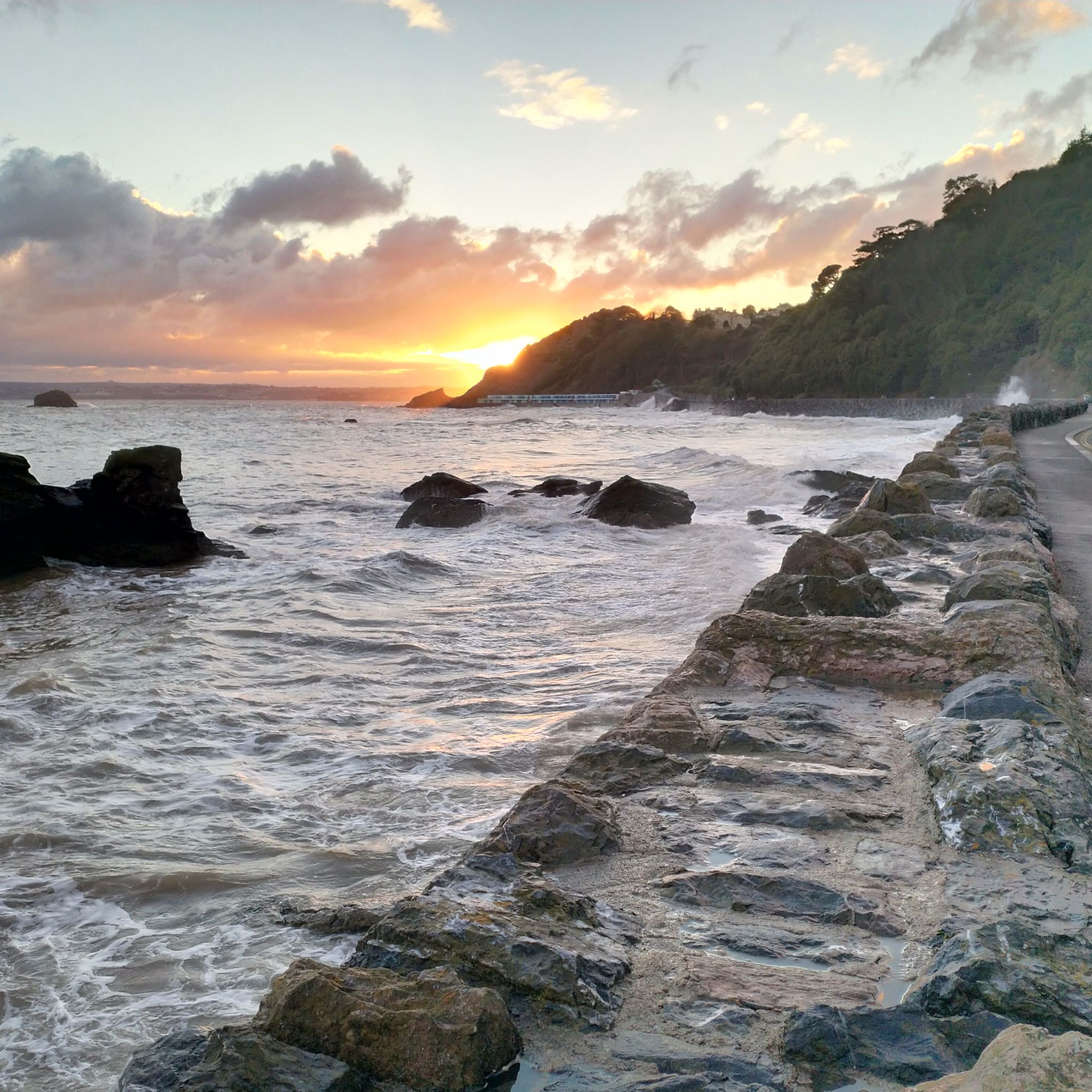
The rock itself is a site of geological interest, composed of 350-million-year-old Devonian limestone, reflecting its inclusion in the English Riviera Geopark. The landmark is believed to owe its name to its distinctive profile; from certain angles, one of the rock's outcrops is said to resemble a local 'thatcher' working on the roof of a Devon cottage.
0
0

You can park up the top and walk down or walk the coast paths as we did,ground is very uneven and rocks get slippery bench half way down if you want to sit down and look at the views
2
0

The first church was built here in 1086. Even then, the "centuries-old yew tree" was mentioned - its age is now estimated at 1200 - 1400 years. Legend has it that anyone who manages to walk backwards around it 7 times will have one wish granted. In any case, it is a beautiful, ancient tree that looks pretty healthy and that you just want to hug!
2
0

The Rose Garden is lovingly designed. We counted more than ten types of roses in different colors. The design incorporates the beds and the surrounding walls - it is a thoroughly beautiful sight.
2
0

The Yew in the churchyard of St Mary & St Gabriel is thought to be between 1,000 and 2,000 years old. The carved wooden slices are from a Leyland Cyprus, they depict the important church events that would have happened in the last 2,000 years.
1
0

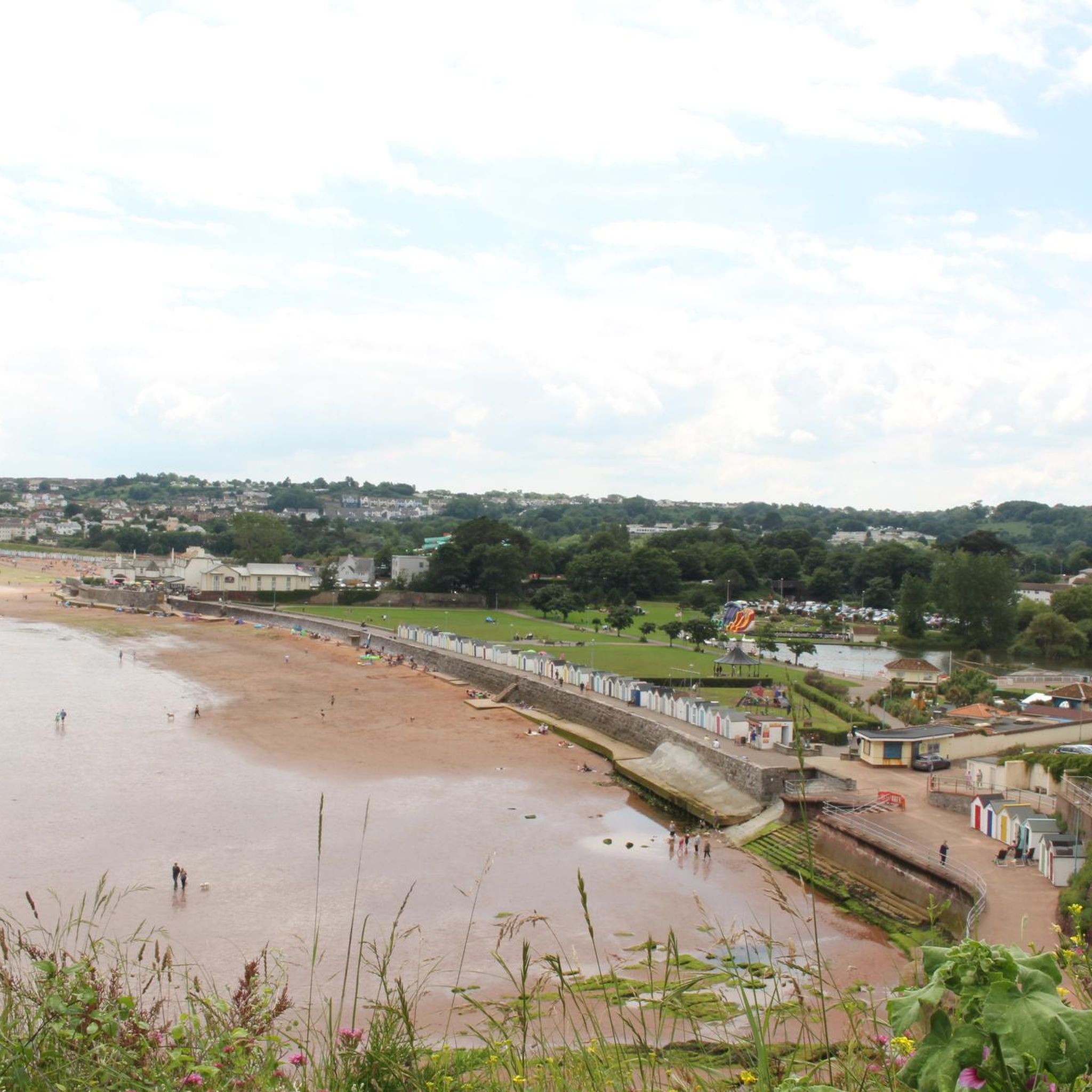
With the highest clifftop promenade in England, enjoy spectacular coastal views from Babbacombe Downs, reaching as far as Portland Bill in Dorset on a clear day. If you've worked up an appetite, there are a few places to get a meal here or enjoy some fish and chips by the sea. If you're good with heights, check out the Babbacome Cliff Railway that'll take you down to Oddicombe Beach below.
2
0

On the rocky tip of Hopes Nose you can see evidence of 350 million-year-old Devonian limestone all around you. Whilst the ice caps never reached here, the effects of the ice certainly did; with the melting and freezing of the ice caps causing the sea levels to rise up and down dramatically. As such, you can also see evidence of raised beaches in the area at nearby Shennell Cove and Thatcher Rock.
2
0

Frequently Asked Questions
What types of natural monuments can I explore around Marldon?
While Marldon itself is known for its rural landscape and walking opportunities, the surrounding area offers a variety of natural features. You can discover impressive coastal formations like the View of London Bridge Natural Arch, significant geological sites such as Hopes Nose with its ancient Devonian limestone, and historic natural wonders like the Ancient Yew Tree of St Mary & St Gabriel Church.
Are there any officially designated natural monuments in Marldon parish?
Marldon is cherished for its quintessential English countryside and extensive walking opportunities rather than formally designated 'natural monuments' within the parish itself. Its charm lies in the accessible and beautiful rural landscape, offering ample opportunities for walking and appreciating the tranquil Devonshire countryside.
What are the most popular natural attractions near Marldon?
Visitors frequently enjoy the View of London Bridge Natural Arch for its unique coastal formation and stunning views of Tor Bay. Hopes Nose is another must-see for its geological significance and panoramic vistas. The ancient Yew Tree of St Mary & St Gabriel Church, estimated to be over 1,000 years old, is also a beloved natural landmark.
What geological features can be observed near Marldon?
The area is rich in geological interest. At Hopes Nose, you can see evidence of 350 million-year-old Devonian limestone and signs of ancient sea level changes. Thatcher Rock is another significant site, composed of the same ancient Devonian limestone, and is included in the English Riviera Geopark.
Are there family-friendly natural monuments or walks around Marldon?
Yes, several natural attractions are suitable for families. The Ancient Yew Tree of St Mary & St Gabriel Church offers an interesting historical and natural stop. Additionally, the Babbacombe Downs Clifftop Promenade provides spectacular coastal views and is easily accessible, with the Babbacombe Cliff Railway offering a fun descent to Oddicombe Beach.
What outdoor activities can I do near these natural monuments?
The Marldon area is excellent for various outdoor activities. You can explore numerous scenic walks and hiking trails that crisscross the countryside. For cycling enthusiasts, there are dedicated routes for gravel biking, mountain biking, and road cycling, allowing you to experience the diverse landscapes.
Where can I find scenic views of the Devonshire landscape?
For breathtaking views, head to Beacon Hill, the highest point in Marldon parish, which offers panoramic vistas of the wider natural environment of the South Hams. The Babbacombe Downs Clifftop Promenade also provides spectacular coastal views, reaching as far as Portland Bill in Dorset on a clear day.
What is the best time to visit Marldon for exploring its natural beauty?
The best time to visit Marldon for exploring its natural beauty and walking opportunities is generally during the spring, summer, and early autumn months. The weather is typically milder, and the countryside is vibrant. However, the tranquil Devonshire countryside offers peaceful walks year-round.
Are there any long-distance walking trails that pass through or near Marldon?
Yes, Marldon is situated on the John Musgrave Heritage Trail, a 35-mile route around Torbay, and the Totnes-Torquay Trail, providing excellent options for longer walks and immersing yourself in the rural charm and diverse scenery.
What do visitors enjoy most about the natural monuments and areas around Marldon?
Visitors particularly appreciate the unique geological formations like the ancient limestone at Hopes Nose and the distinctive Thatcher Rock. The stunning coastal views from places like Babbacombe Downs and the historical significance of the Ancient Yew Tree are also highly valued. The overall accessible and beautiful rural landscape, perfect for walking, is a major draw.
Can I find cafes or amenities near the natural attractions?
While the immediate vicinity of some natural monuments might be rural, areas like Babbacombe Downs Clifftop Promenade offer places to eat, including cafes and fish and chip shops. Marldon village itself and nearby towns provide various amenities.
Most popular routes around Marldon
Most popular attractions around Marldon

Get inspired with the komoot mobile app


Explore more
Extend your search for the best caves by checking out these guides of the top ones around Marldon:
