Top 10 Natural Monuments around Cubbington
Best natural monuments around Cubbington include diverse natural areas with ecological and historical significance. The region features prominent examples like the Leam Valley Nature Reserve, known for its rich biodiversity, and the ancient Cubbington Woods, part of the extensive Princethorpe Woods complex. These areas offer a variety of landscapes, from woodlands and grasslands to geological formations and river valleys. The natural features provide habitats for wildlife and showcase the area's long-standing ecological value.
Best natural monuments around Cubbington
- The most…
Last updated: October 2, 2026
Kenilworth Castle Ruins
Highlight • Castle
Tip by

Sand Martin Nesting Wall, Ryton Pools Country Park
Highlight • Natural
Tip by
Sign up now to discover places like this
Get recommendations on the best single tracks, peaks, & plenty of other exciting outdoor places.
Kenilworth Sandstone Railway Cutting
Highlight • Natural
Warwickshire Museum. Situated at the eastern end of the Kenilworth Greenway, the cycle and pedestrian path that runs south-east of the new …
Tip by
Holy Well, Southam
Highlight • Natural Monument
Tip by

Barbed Poppies Memorial, Jephson Gardens
Highlight • Natural Monument
Tip by
Sign up for free to discover even more natural monuments around Cubbington.
Already have an account?
Start today with a free account
Your next adventure awaits.

Tips from the Community

It is an unusual half-moon stone structure holding the water, with three strange heads out of whose mouths the water flows down to the river.
0
0

The area surrounding Castle Green offers picturesque views of the castle ruins and a greenery for visitors interested in England's rich history and architecture
0
0

Robert Langham (C16) - "The Castle has the name of Killingwoorth, but if truth grounded upon faithful story, Kenelwoorth [Kenilworth]. It stands in Warwickshire, a 74 mile North-West from London, and as it were in the navel of England, four mile somewhat South from Coventry a proper city, and a like distance from Warwick, a fair Shire town on the North. In air sweet and wholesome, raised on an easy-mounted hill, is set evenly coasted with the front straight into the East, has the tenants and town about it, that pleasantly shifts from dale to hill, sundry wherewith sweet springs burst forth; and is so plentiful and well sorted on every side into arable, meadow, pasture, wood, water, and good air, as it appears to have need of nothing that may pertain to living or pleasure."
1
0

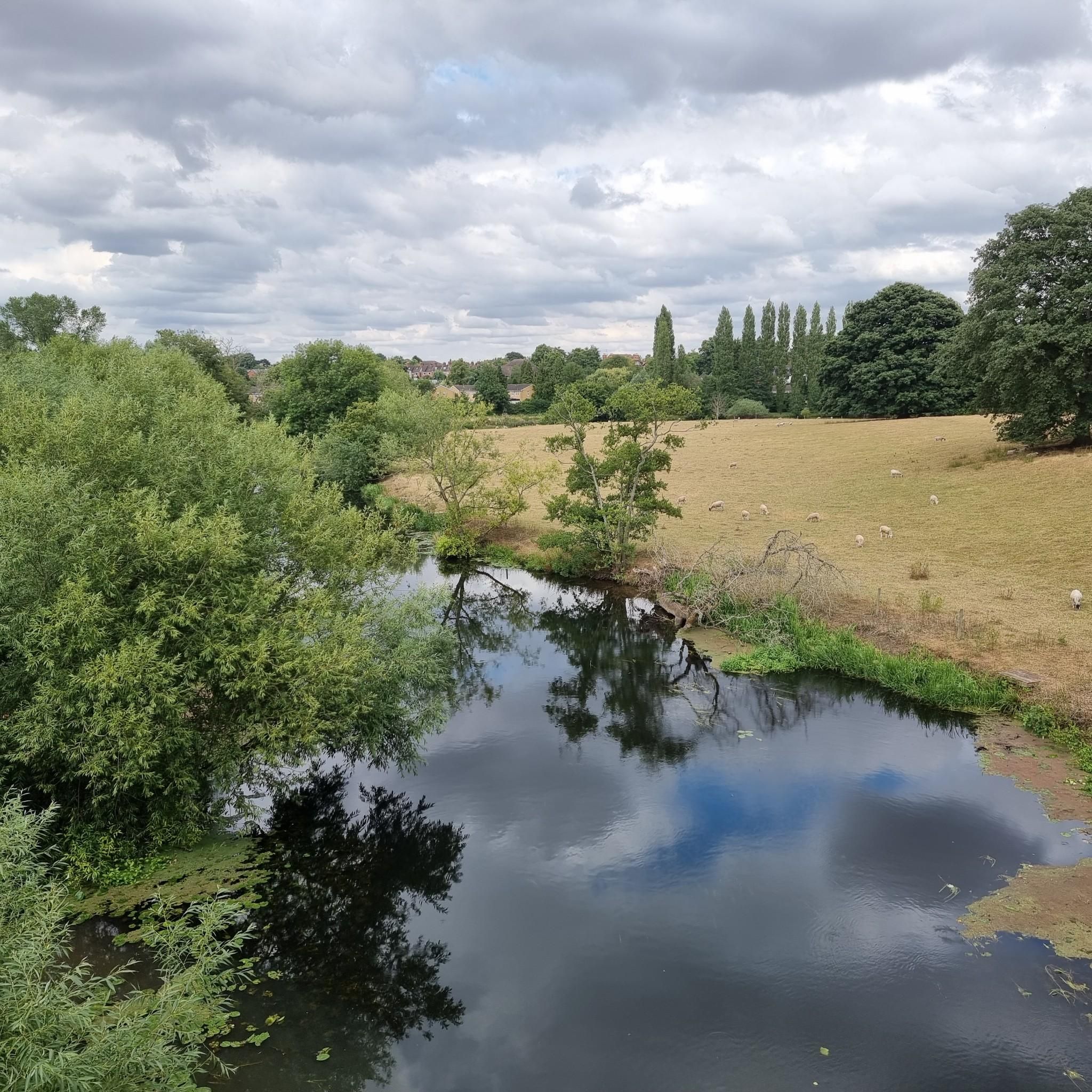
If you follow the beautiful trail that departs from Southam heading east and runs alongside the River Stowe, you will come across The Holy Well, believed to be the oldest recorded Holy Well in England. It has been there for over a thousand years, with its most recent renovation taking place almost twenty years ago.
1
0
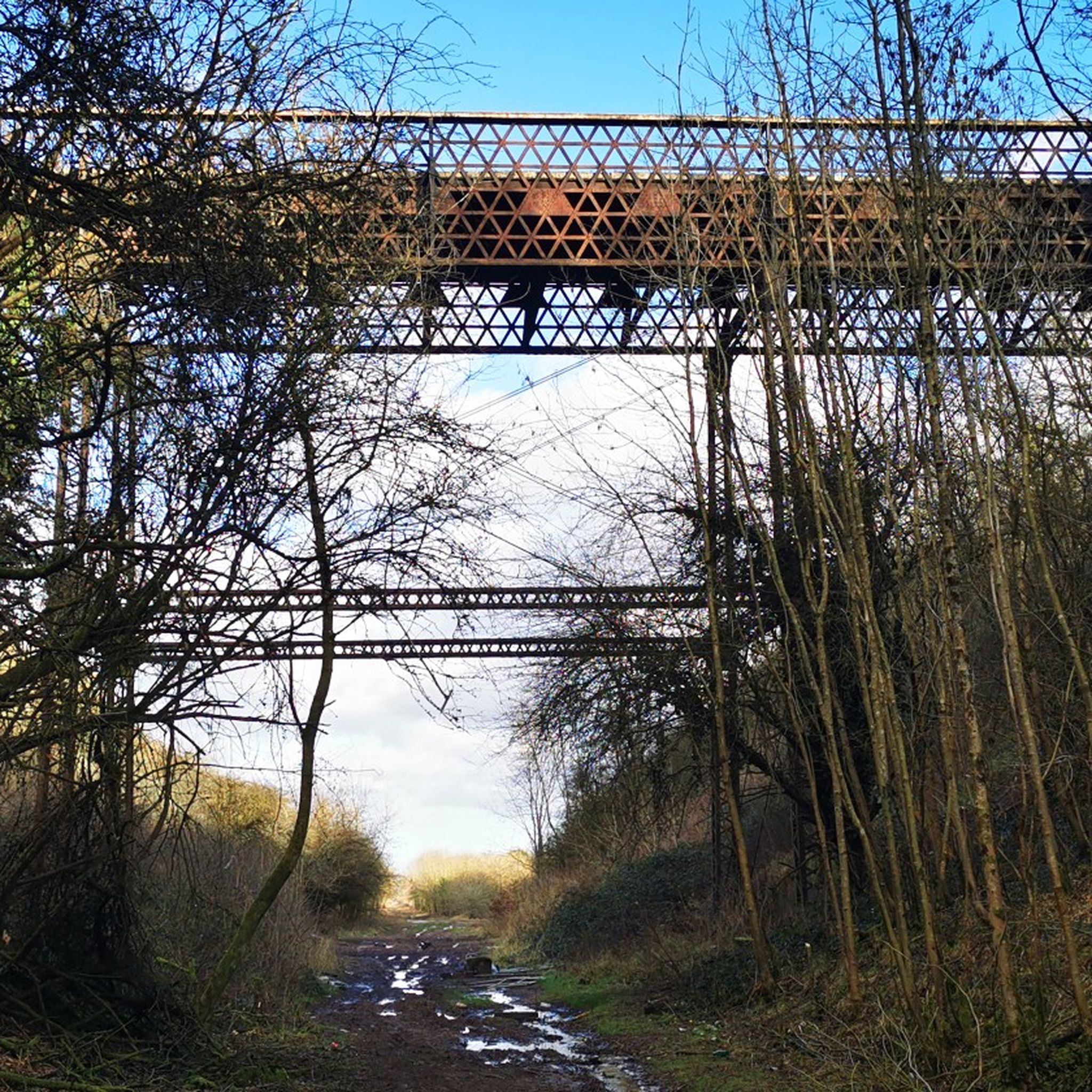
This outcrop tells a story of when Kenilworth lay just north of the Equator in a semi-desert climate with market wet and dry seasons. Many buildings in Old Kenilworth, notably the Castle, the Abbey and St. Nicholas Church, are built of the local Kenilworth Sandstone that you can observe here.
1
0
Although much of it is still in ruins, it is definitely worth the visit, very accessible from the centre and with a good car park (paid) next to it. The castle, which was built between the beginning of Norman rule in England and the Tudor period, played a significant role in history.
1
0

Owned by English Heritage it has an interesting history
2
0

As part of the creation of a new UK Mail facility at the Prologis Park Ryton, our client Prologis had created a temporary borrow pit as part of the works and inadvertently, created the perfect new home for a colony of Sand Martins Riparia riparia which moved in and successfully bred (2015). The birds were left to nest in peace after a wide exclusion zone was implemented but realising that the site was on the birds’ migration route together with the fact that the borrow pit couldn’t stay on site long-term, we worked with Prologis, Whiting Landscapes and the park rangers at nearby Ryton Pools Country Park to create a brand new permanent and purpose-built nesting site in this 100 acre site managed jointly between Warwickshire County Council and Warwickshire Wildlife Trust. The Sand Martin nesting wall was completed in March 2016 and this year has already had a couple of pairs taking an interest. As well as providing a large and safe nesting habitat, the 15m long structure also has a number of pre-formed swallow nest sites and a rear door inspection hatch so that the rangers can keep an eye on the nesting progress and carry out any necessary maintenance. To prevent predation by other wildlife such as stoats, an anti-predator baffle has been installed below the tunnels which have been constructed of plastic pipes. We also helped create the new information board which has been installed opposite the nesting wall to inform the local visitors to the country park about the new nesting site. It’s hoped that grizzled skipper butterflies will also benefit from the new structure as one of the food plants of the larvae stage – strawberries – are to be planted on the aggregate roof in the near future! Sand Martins are gregarious and therefore tend to nest in large colonies. They are Europe’s smallest hirundine (martins and swallows) and the insectivorous birds are summer visitors to the UK, over-wintering in Africa.
0
0
Frequently Asked Questions
What kind of natural features can I explore around Cubbington?
Cubbington and its surroundings offer a diverse range of natural features. You can find ancient woodlands like Cubbington Woods, part of the extensive Princethorpe Woods complex, known for its wild service trees and rich biodiversity. There are also river valleys, such as the Leam Valley Nature Reserve, which features woodlands, grasslands, marshes, and ponds. Additionally, you can observe unique geological formations, like the thick beds of red sandstone at Kenilworth Sandstone Railway Cutting, dating back approximately 280 million years.
Are there any natural monuments with historical significance near Cubbington?
Yes, several natural monuments in the area hold historical significance. The Kenilworth Sandstone Railway Cutting showcases geological history, with its sandstone once quarried for local buildings, including Kenilworth Castle. Another site is Holy Well, Southam, believed to be the oldest recorded Holy Well in England, with its history dating back over a thousand years and associated with local legends and healing properties.
What kind of wildlife can I expect to see in the natural monuments around Cubbington?
The natural monuments around Cubbington are rich in wildlife. The Leam Valley Nature Reserve is home to kingfishers, otters, grass snakes, and various species of dragonflies and damselflies. Cubbington Woods supports seven recorded bat species, including the common pipistrelle and noctule. You might also spot various bird species and butterflies. A unique highlight is the Sand Martin Nesting Wall, Ryton Pools Country Park, a purpose-built structure providing a permanent nesting site for Sand Martins.
Are there family-friendly natural monuments suitable for visiting with children?
Many natural monuments around Cubbington are family-friendly. The Sand Martin Nesting Wall, Ryton Pools Country Park offers an engaging opportunity to observe birds. The Kenilworth Sandstone Railway Cutting provides an interesting educational experience about geology. Additionally, the Leam Valley Nature Reserve and Cubbington Woods offer gentle paths suitable for family walks and nature exploration.
What are the best times of year to visit the natural monuments in Cubbington?
Spring is particularly beautiful for visiting Cubbington Woods, as the woodland floor is adorned with a spectacular carpet of wood anemones. The Leam Valley Nature Reserve offers vibrant displays of wildflowers like river marsh-marigold and yellow iris during warmer months. Generally, spring and summer are ideal for wildlife spotting and enjoying the lush greenery, while autumn offers beautiful foliage. Winter can provide peaceful, crisp walks, though some areas might be muddy.
Are there hiking trails near these natural monuments?
Yes, there are several hiking opportunities near Cubbington's natural monuments. You can find easy hikes around the area, including a 6.4 km loop from Cubbington itself, or a 4.3 km loop from Royal Leamington Spa. These trails allow you to explore the natural beauty of the region. For more options, you can check out the Easy hikes around Cubbington guide.
Can I go cycling near the natural monuments in Cubbington?
Absolutely. The Cubbington area offers various cycling routes that allow you to explore the natural surroundings. You can find gravel biking routes, such as the Wappenbury Wood Bridleway loop, or road cycling routes like the Rouncil Lane loop from Leamington Spa. For detailed routes and difficulty levels, refer to the Gravel biking around Cubbington guide or the Road Cycling Routes around Cubbington guide.
What geological features can be found in the natural monuments around Cubbington?
The region is notable for its geological history. The Kenilworth Sandstone Railway Cutting exposes thick beds of red sandstone, formed from river sand approximately 280 million years ago in a hot, semi-arid climate. Another interesting site is Bishops Bowl Lakes, a former limestone quarry now recorded as a site of scientific interest, known for its attractive stone-faced bowl and rich marine fossils, including ichthyosaur and plesiosaur skeletons.
Are there any viewpoints or scenic spots within the natural monuments?
While specific designated viewpoints are not highlighted, areas like the Leam Valley Nature Reserve offer peaceful environments along the River Leam with opportunities for scenic views of the diverse ecosystems. The attractive stone-faced bowl at Bishops Bowl Lakes provides a unique landscape resulting from its quarry history.
What makes Cubbington Woods an important natural monument?
Cubbington Woods, particularly South Cubbington Wood, is significant as part of the largest concentration of semi-natural ancient woodland in Warwickshire. It is characterized by the presence of wild service trees, indicative of long-established woodlands, and supports a rich ecosystem including seven bat species. Its ancient status, with beneficial mycorrhizal networks of fungi and tree roots, underscores its profound ecological value.
Is the Barbed Poppies Memorial in Jephson Gardens considered a natural monument?
The Barbed Poppies Memorial, Jephson Gardens is listed as a natural monument, but it is primarily a man-made monument and historical site. It commemorates those who played a part in World War One, featuring a subtle design of poppies entwined with barbed wire. While located within a garden, its significance is more historical and commemorative than purely natural.
Most popular routes around Cubbington
Most popular attractions around Cubbington

Get inspired with the komoot mobile app


Explore more
Extend your search for the best caves by checking out these guides of the top ones around Cubbington:
