Top 7 Natural Monuments around Dunsford
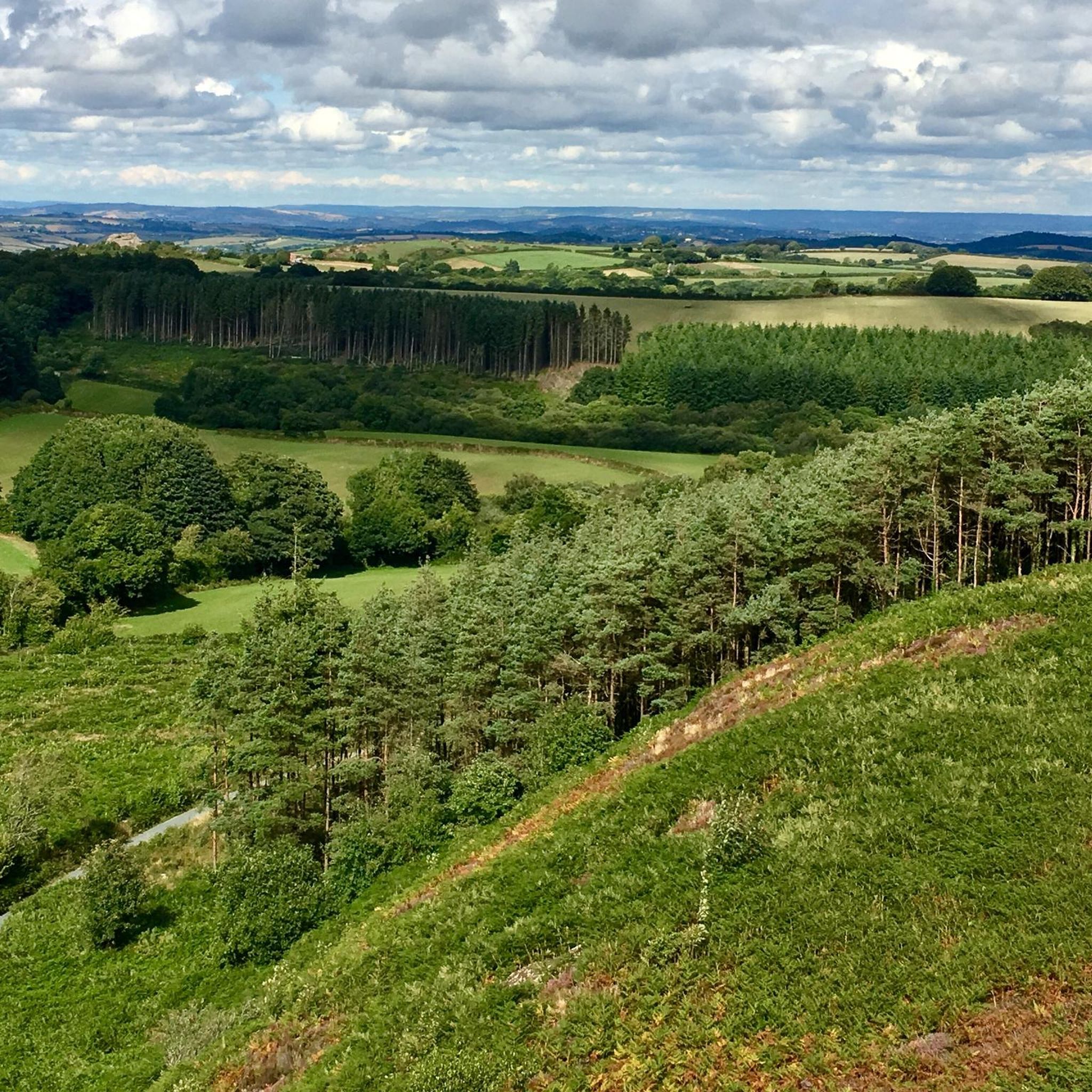
Best natural monuments around Dunsford offer a range of natural features within and near Dartmoor National Park. The area is characterized by riverside woodlands, granite tors, and diverse ecosystems. These natural landmarks provide opportunities to explore the region's geology and varied flora and fauna. Dunsford's natural monuments are recognized for their ecological importance, including areas designated as Sites of Special Scientific Interest.
Best natural monuments around Dunsford
- The most popular natural monuments is Hisley Bridge, a forest that is…
Last updated: June 29, 2026
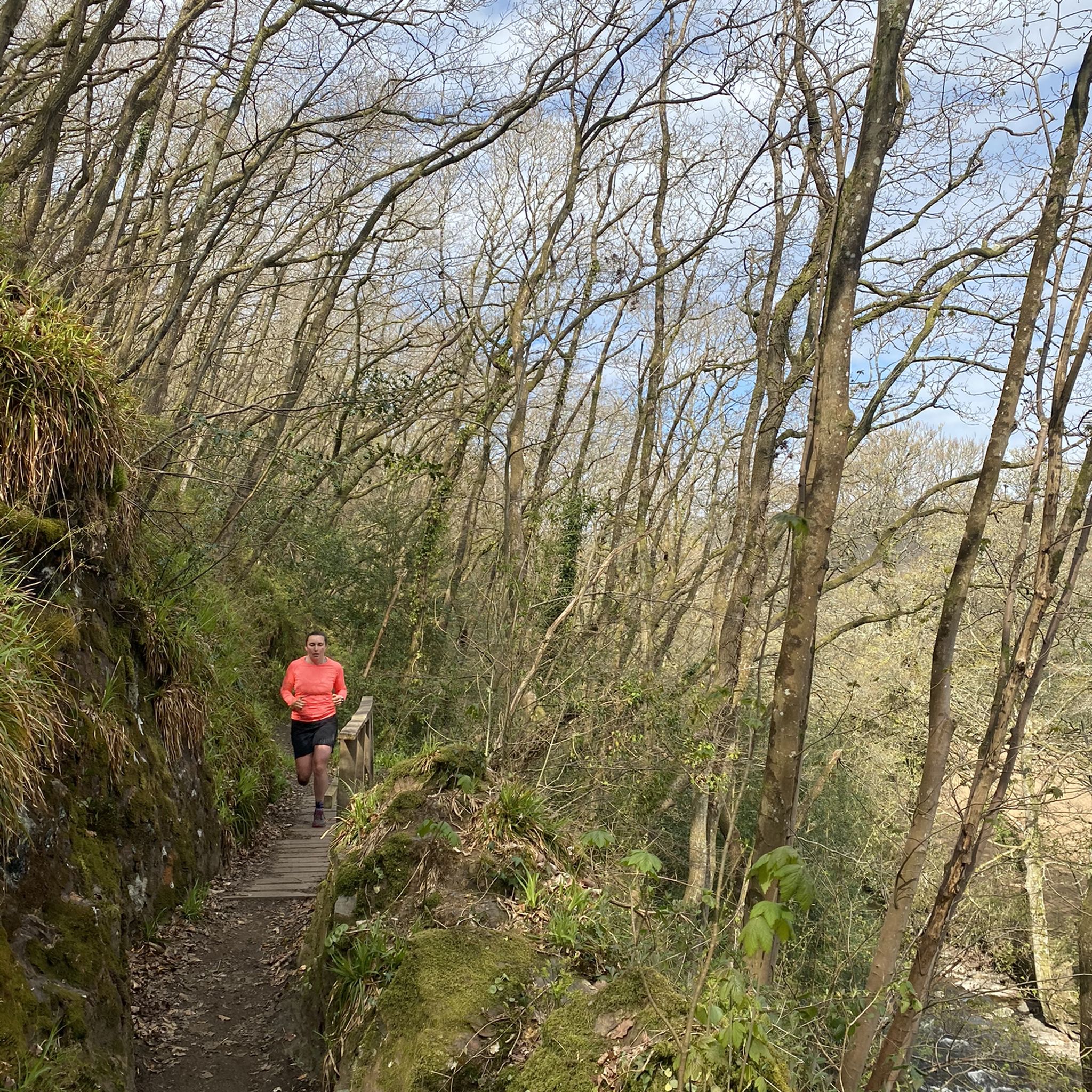
Hisley Bridge
Highlight • Forest
Tip by

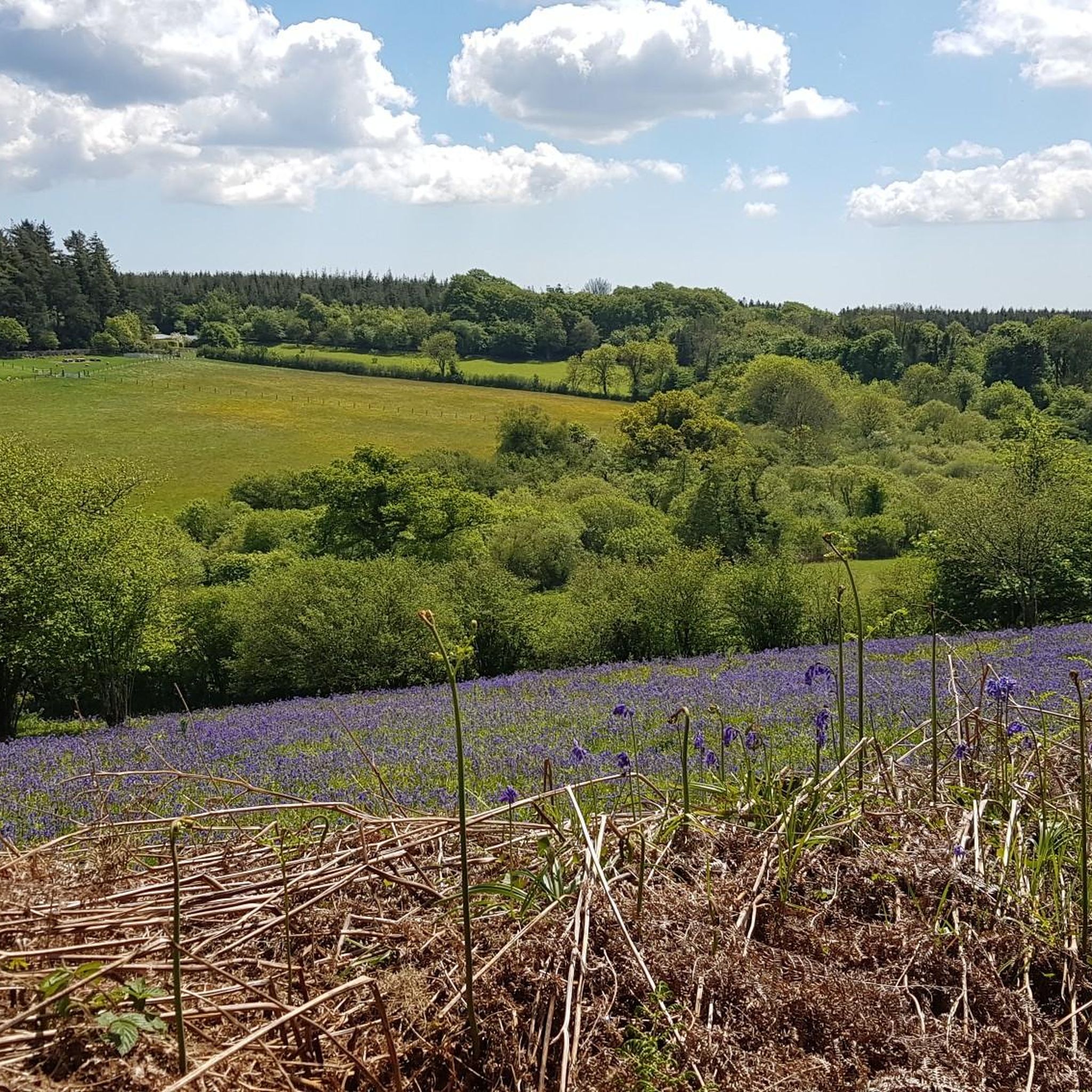
Hunter’s Tor
Highlight • Natural Monument
Tip by

Sign up now to discover places like this
Get recommendations on the best single tracks, peaks, & plenty of other exciting outdoor places.
Sign up for free
Sharp Tor (Teign Gorge)
Highlight • Viewpoint
Tip by
Bowerman's Nose
Highlight • Viewpoint
Tip by
Hunter's Tor
Highlight • Historical Site
Tip by
Sign up for free to discover even more natural monuments around Dunsford.
Sign up for free
Already have an account?
Start today with a free account
Your next adventure awaits.
Login or Signup

Tips from the Community

Hunters Tor on Dartmoor – overview and practical guide Notes on the feature Name variants: Hunters Tor (also found in some guides as “Hunters’ Tor” or “Hunters Tor” with occasional apostrophe usage). It is one of the granite tors you’ll encounter on the eastern Dartmoor plateau. Location context: Situated on the eastern Dartmoor moor, in the general area between Widecombe-in-the-Moor and the higher moorland to the north and east. It’s often visited as part of longer routes from classic eastern Dartmoor starting points. What to expect Elevation and geology: A granite tor typical of Dartmoor—weathered outcrops with rough boulder features and exposed granite. Provides a vantage point to survey surrounding moorland. Scenery: Wide moorland views with horizon lines; potential for good visibility across East Dartmoor on clear days. Getting there Access points: Likely starting points include car parks and laybys near the eastern moor, with access from roads serving Widecombe-in-the-Moor, Ashburton, or Two Bridges. Public transport: Buses to nearby villages with a short walk onto the moor; check current timetables. Parking: Local parking areas around the eastern moorland; follow local signage and
0
0
Sharp Tor on Dartmoor – overview and tips Notes on the name Sharp Tor is a well-known tor on Dartmoor, sometimes spelled “Sharp Tor” or “Sharp’s Tor” in regional references. It is one of the classic granite tors that dot the eastern moor. Location context: Sharp Tor sits in the eastern part of Dartmoor National Park, behind or near the villages of Widecombe-in-the-Moor and intersecting with other moorland features such as Haytor and Hound Tor in the wider area. What to expect Elevation and geology: Granite tor forming a rocky outcrop that offers elevated views over the surrounding moor. Typical Dartmoor granite features, weathered by wind and rain into distinctive boulders and crags. Scenery: Expansive moorland around, open horizons, and, on clear days, distant views toward the coast. Getting there Access points: - Likely starting points include nearby car parks on the eastern Dartmoor plateau and routes from towns like Ashburton or Widecombe-in-the-Moor. Public transport: Bus routes to nearby villages with a short walk onto the moor. Parking: Depending on the exact access point, there are local parking areas; check current signage and National Trust/ Dartmoor NPA guidance. Popular routes and what to expect Short circulars: There are moorland circuits that incorporate Sharp Tor as a highlight, often around 2–4 miles (3–6 km) depending on the exact start point. Longer explorations: Combine Sharp Tor with adjacent tors such as Hound Tor, Widecombe area, or more northern tors for a full moorland day. Expect rolling moorland
0
0
Hisley Bridge is a historic stone bridge located in the Dartmoor National Park in Devon, England. It spans the River Tavy and is known for its picturesque setting and architectural significance. Built in the 18th century, Hisley Bridge features a single arch and is constructed from local granite, characteristic of many Dartmoor structures. The bridge is part of the area's rich history and is often visited by hikers and walkers exploring the surrounding trails. It provides a scenic spot for photography and offers access to various walking routes that showcase the natural beauty of Dartmoor. The region around Hisley Bridge is also known for its wildlife and diverse ecosystems, making it a popular destination for nature enthusiasts. Whether you're interested in history, architecture, or the outdoors, Hisley Bridge is a charming feature of the Dartmoor landscape.
0
0

Beautiful historic stone bridge set in such a tranquil location that your heart rate will drop by thirty beats per minute. Lovely picnic area and great for kids. Access by foot from nearby road a five minute walk away.
2
0

Arching across the River Bovey this medieval packhorse bridge offers a glimpse into Dartmoor's past. Most likely used to travel between Lustleigh and Haytor and Manaton, it is said to be one of Dartmoor's prettiest river crossings. Especially lovely in the summer with the forest in its green splendour.
0
0
This beautiful moss covered river crossing is a medieval packhorse bridge. It crosses the River Bovey and there are benches nearby where you can stop and watch the world go by. Some say it is the prettiest bridge in Dartmoor.
1
0
Hunter's Tor is a granite rock formation high up above the Bovey River that drops sharply down into the valley. There are fantastic views from up here and on a day of good visibility you can see for miles around. It's a wonderful place to stop and appreciate the vastness of Dartmoor.
1
0

Frequently Asked Questions
What unique natural features can I explore around Dunsford?
Dunsford offers a range of natural features, from ancient woodlands to distinctive granite formations. You can explore the unique rock column of Bowerman's Nose, shaped by years of weathering, or discover the tranquil riverside setting of Hisley Bridge, a medieval packhorse bridge nestled in a forest. The region is also characterized by its river gorges and elevated viewpoints.
Are there family-friendly natural monuments in the Dunsford area?
Yes, several natural monuments are suitable for families. Hisley Bridge, for instance, is set in a tranquil location with a lovely picnic area, making it great for kids. The Dunsford Woodland Reserve also offers approximately 500m of easy-access paths suitable for wheelchairs and pushchairs, though other trails can be steeper.
What kind of wildlife can I spot near Dunsford's natural monuments?
The Dunsford Woodland Reserve is teeming with wildlife. Visitors can spot pied flycatchers, green woodpeckers, dormice, otters, and fallow deer. The rare high brown fritillary butterfly can also be found, particularly on bracken-covered slopes. Kingfishers, goosanders, dippers, and tawny owls are also present, making it an ideal location for wildlife enthusiasts.
When is the best time to visit Dunsford's natural monuments?
The Dunsford Woodland Reserve is particularly spectacular in spring when its woodland floor is carpeted with wild daffodils, making it one of the best sites in south-west England for this native flower. However, the reserve offers beautiful scenery at any time of year, with its winding river, steep-sided valleys, and diverse flora.
Are there accessible paths for visitors with limited mobility or pushchairs?
Yes, the Dunsford Woodland Reserve provides approximately 500m of easy-access paths that are suitable for wheelchairs and pushchairs. These paths allow many visitors to enjoy the natural beauty of the reserve, though it's worth noting that other trails within the area can be steep and muddy.
What are some notable viewpoints around Dunsford's natural monuments?
For impressive views, consider visiting Sharp Tor (Teign Gorge). Once you climb its crags, you'll be rewarded with exceptional views of the Teign Gorge, Castle Drogo, and the surrounding Dartmoor landscape. Another excellent spot is Hunter’s Tor, which offers equally stunning moorland views.
What outdoor activities can I do near these natural monuments?
The Dunsford area is excellent for outdoor activities, especially hiking and cycling. You can find various hiking routes, including moderate options like the 'Fingle Bridge – Hunter's Path loop' or easier paths such as the 'Path along the River Teign loop'. For cyclists, there are road cycling routes like the 'Wray Valley Trail – Doccombe Climb loop'. You can explore more options in the Hiking around Dunsford or Road Cycling Routes around Dunsford guides.
Where can I find parking and access points for the Dunsford Woodland Reserve?
The Dunsford Woodland Reserve has two main access points: Clifford Bridge and Steps Bridge. Both locations offer parking facilities. Steps Bridge also has tea rooms available, providing a convenient stop for visitors.
Are there any historical elements associated with the natural monuments?
Yes, some natural monuments in the area have historical significance. Hisley Bridge is a medieval packhorse bridge, offering a glimpse into the region's past. Additionally, near Hunter's Tor, you can find the remains of an Iron Age fort, adding a layer of historical interest to the natural landscape.
What makes the Dunsford Woodland Reserve ecologically important?
The Dunsford Woodland Reserve is recognized for its significant ecological value, designated as a Site of Special Scientific Interest (SSSI) and a Special Area of Conservation. It features diverse riverside woodland, primarily sessile oak and ash, with abundant ferns and mosses. This rich ecosystem supports a wide array of flora and fauna, including rare species like the wild daffodil and high brown fritillary butterfly.
What do visitors enjoy most about the natural monuments around Dunsford?
Visitors frequently praise the tranquil settings and stunning views. For example, Hisley Bridge is described as a magical setting, perfect for watching the world go by. The views from tors like Hunter's Tor are often highlighted for their vastness and beauty, making them wonderful places to appreciate Dartmoor's landscape.
Most popular routes around Dunsford
Most popular attractions around Dunsford

Get inspired with the komoot mobile app


Explore more
Extend your search for the best caves by checking out these guides of the top ones around Dunsford:
