Top 5 Natural Monuments around Payhembury
Natural monuments around Payhembury offer a blend of scenic beauty, historical intrigue, and ecological interest. This small parish in Devon features diverse natural landscapes, from ancient woodlands to significant geological formations. The area provides opportunities to explore Iron Age hillforts, local nature reserves, and sites steeped in local folklore. Visitors can experience commanding views, tranquil forest walks, and unique natural features within the region.
Best natural monuments around Payhembury
- The most popular natural monuments is Ancient Woodland and Bluebells on Fire Beacon Hill, a natural monument that features enchanting woodland with gnarled trees and twisted branches. This area is particularly captivating when bluebells are in bloom, creating a mystical atmosphere.
- Another must-see spot is Pixie's Parlour Cave, a natural monument and historical site located on the east bank of the River Otter. This cave is known for its association with local folklore, commemorated annually during Pixie Day.
- Visitors also love View from Fire Beacon Hill, a viewpoint and natural monument offering superb panoramic views. On clear days, the views extend across the south coast along Lyme Bay in Dorset to the east and Berry Head near Brixham in the southwest.
- Payhembury is known for its natural monuments, viewpoints, and historical sites. The area offers a variety of natural monuments to see and explore, including ancient woodlands, caves, and expansive viewpoints.
- The natural monuments around Payhembury are appreciated by the komoot community, with over 15 upvotes and 3 photos shared across the highlights.
Last updated: June 29, 2026
Pixie's Parlour Cave
Highlight • Natural Monument
Tip by

Ancient Woodland and Bluebells on Fire Beacon Hill
Highlight • Natural Monument
Tip by

Sign up now to discover places like this
Get recommendations on the best single tracks, peaks, & plenty of other exciting outdoor places.
Sign up for free
View from Fire Beacon Hill
Highlight • Viewpoint
A beacon was located up here in Elizabethan times to warn the Queen of a Spanish invasion. It is a special place for nature watching with the Nightjar, Dartford Warbler, Exmoor ponies and Belted Galloway cattle all resident. It is also an important area of lowland heath, a previously common land type but now much rarer due to agriculture and forestry taking over.
Tip by

Killerton House
Highlight • Historical Site
The estate covers some 2590 hectares (25.9 km2, 6400 acres). Included in the Estate is a steep wooded hillside with the remains of an Iron Age Hill fort on top of it, also known as Dolbury which has also yielded evidence of Roman occupation, thought to be a possible fort or marching camp within the Hill fort.
Killerton House itself and the Bear's Hut summerhouse in the grounds are Grade II listed buildings. The gardens are Grade II listed in the National Register of Historic Parks and Gardens.
Tip by

View of Culm Valley from Blackdown Hills
Highlight (Segment) • Viewpoint
Tip by
Start today with a free account
Your next adventure awaits.
Login or Signup

Tips from the Community

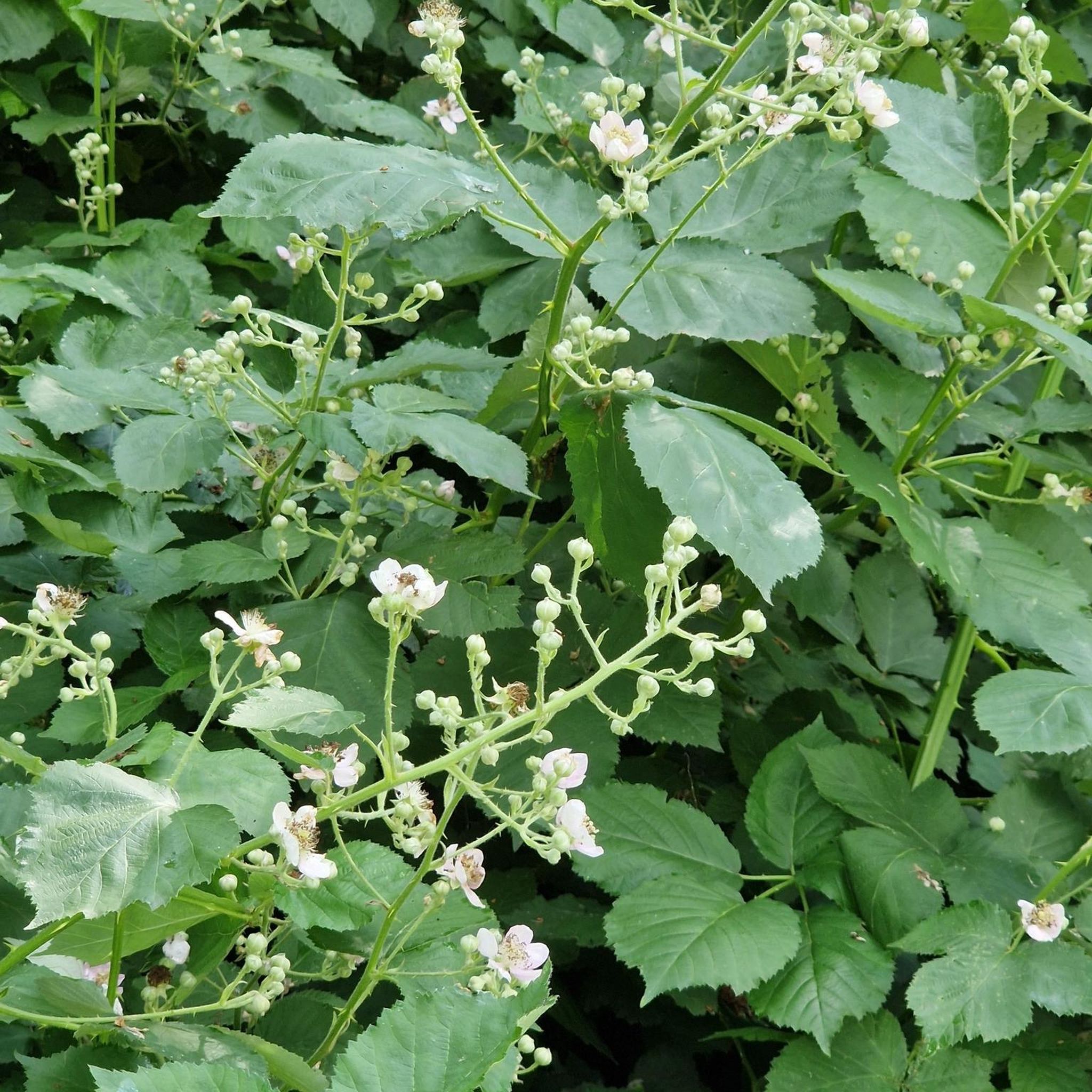
This enchanting woodland on the slopes of Fire Beacon Hill is filled with gnarled trees and twisted branches creating a mystical atmosphere.
2
0

The church in Culmstock is a listed medieval building and is best known for the 200 year old yew tree growing from the top of the tower😀
1
0
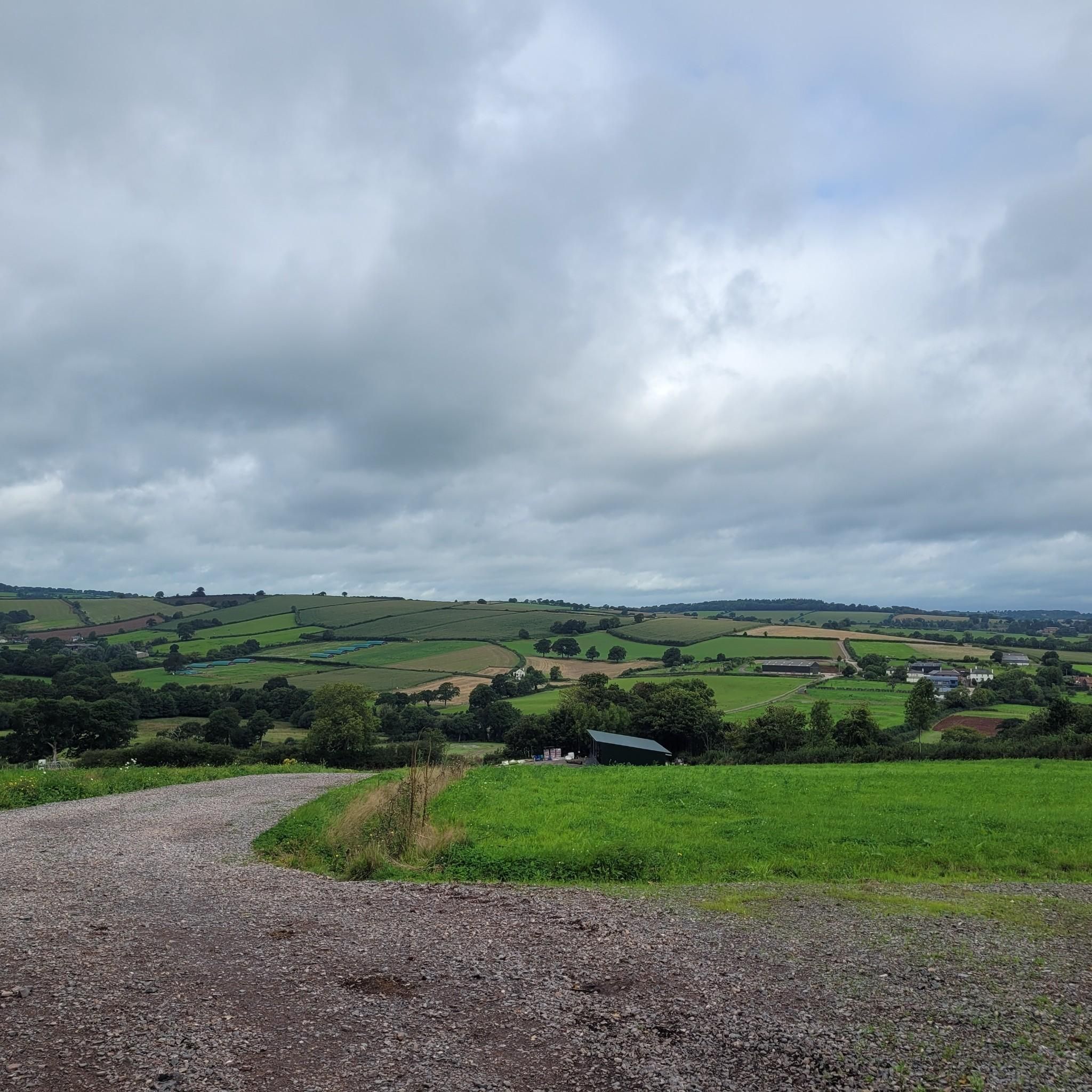
Enjoy delightful views across the Blackdown Hills Area of Natural Beauty from this walk along the ridge of Culm Valley.
2
0

Loose and fun gravel to be had a must of you are in the area and on the EDT
0
0

Nice gravel, and gorgeous views!
0
0

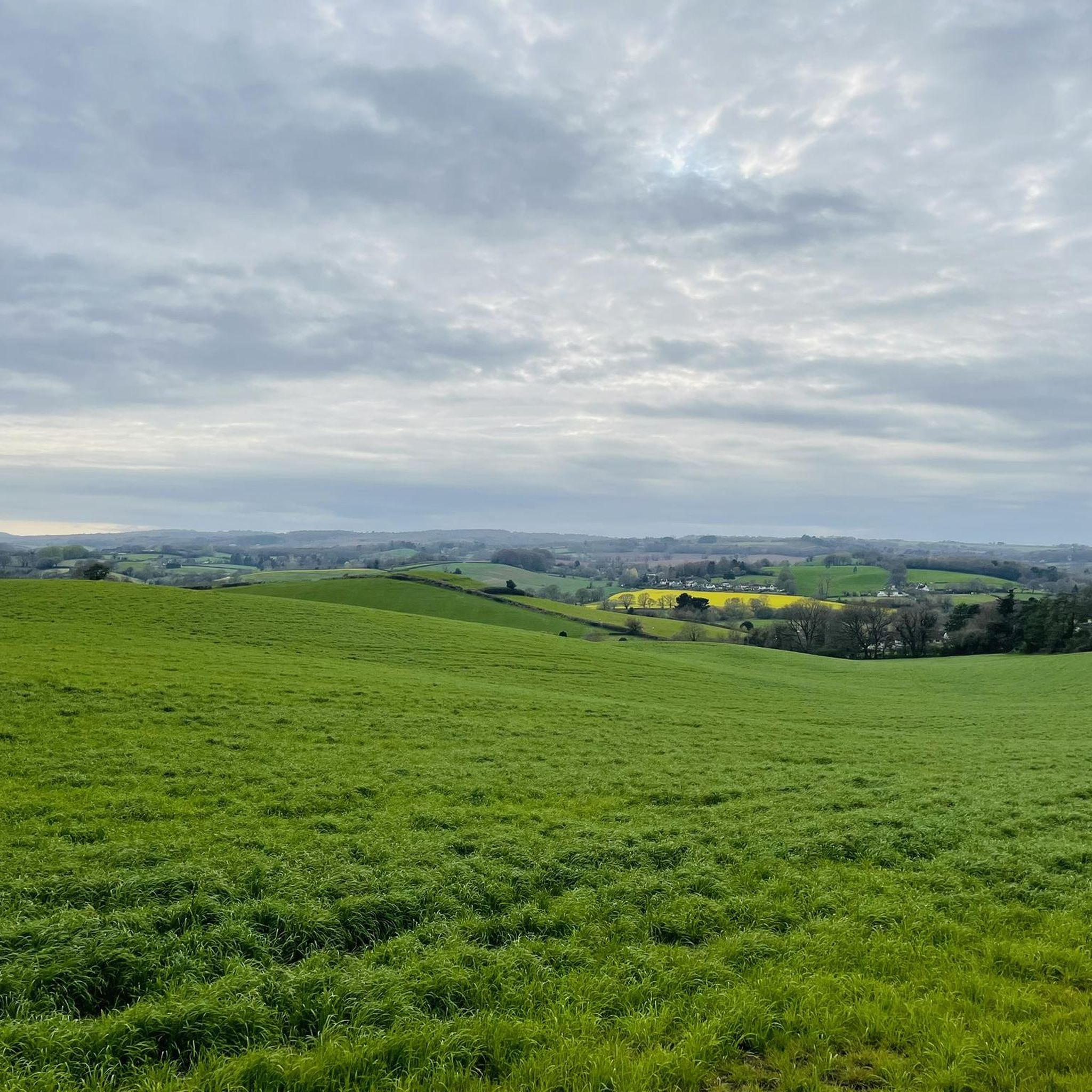
Fire Beacon Hill is a local nature reserve and on a clear day the views are superb. You can see the south coast all the way along Lyme Bay in Dorset to the east and Berry Head near Brixham in the south west. A beacon was located up here in Elizabethan times to warn the Queen of a Spanish invasion. It is a special place for nature watching with the Nightjar, Dartford Warbler, Exmoor ponies and Belted Galloway cattle all resident. It is also an important area of lowland heath, a previously common land type but now much rarer due to agriculture and forestry taking over.
0
0

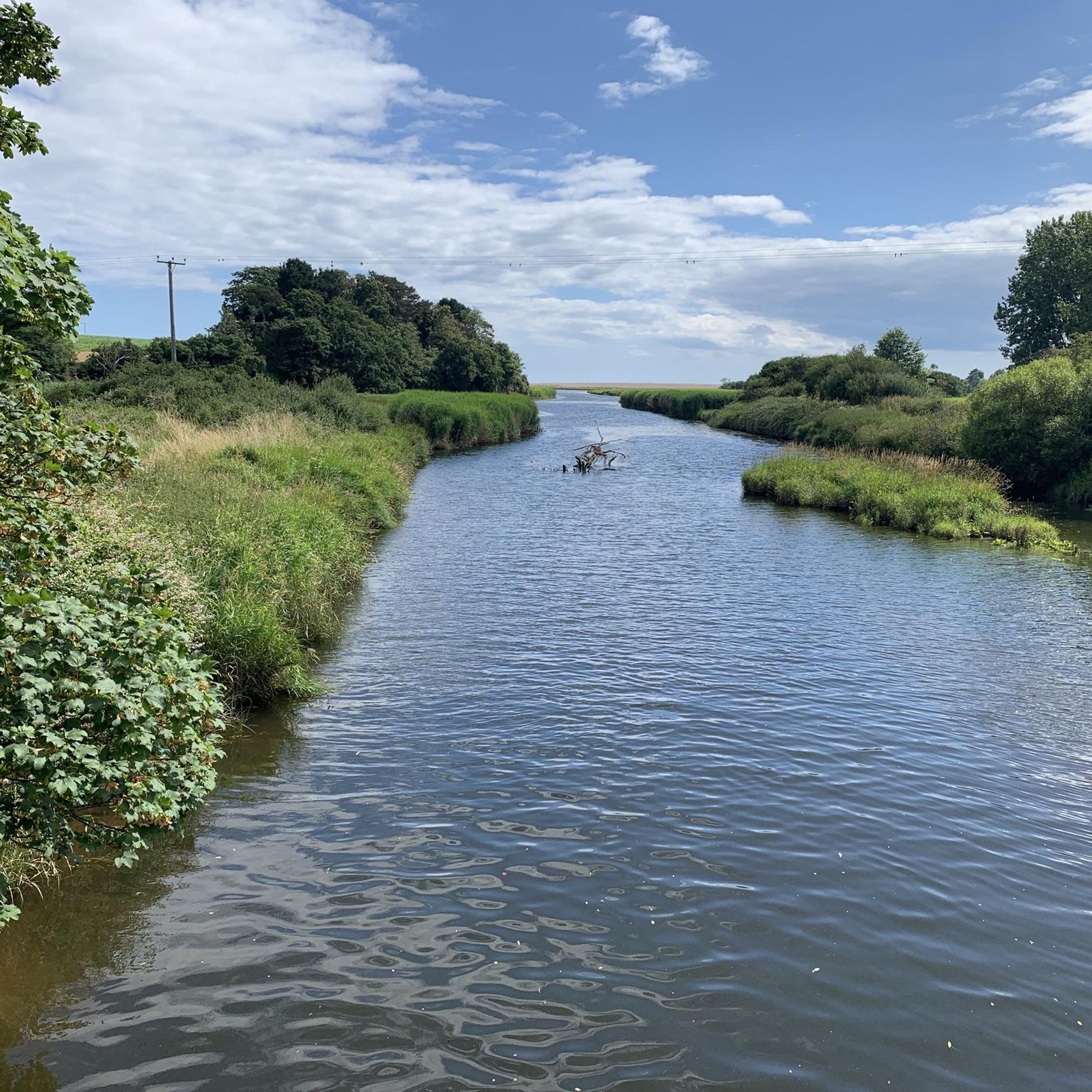
This cave, known locally as 'Pixie's Parlour', is situated on the east bank of the River Otter, near Ottery St. Mary, Devon. Pixie Day is an old tradition which takes place annually in June, commemorating a legend that tells of of pixies being banished from the town to the local caves known as the 'Pixie's Parlour'.
1
0

Killerton is an 18th-century house in Broadclyst, Exeter, Devon, England, which, with its hillside garden and estate, has been owned by the National Trust since 1944 and is open to the public. The National Trust displays the house as a comfortable home. On display in the house is a collection of 18th- to 20th-century costumes, originally known as the Paulise de Bush collection, shown in period rooms. The estate covers some 2590 hectares (25.9 km2, 6400 acres). Included in the Estate is a steep wooded hillside with the remains of an Iron Age Hill fort on top of it, also known as Dolbury which has also yielded evidence of Roman occupation, thought to be a possible fort or marching camp within the Hill fort. Killerton House itself and the Bear's Hut summerhouse in the grounds are Grade II listed buildings. The gardens are Grade II listed in the National Register of Historic Parks and Gardens.
0
0
Frequently Asked Questions
What kind of natural features can I expect to see around Payhembury?
The natural monuments around Payhembury offer diverse features. You can explore enchanting ancient woodlands with gnarled trees, expansive lowland heath, and significant geological formations. Many sites also provide superb panoramic views of the surrounding countryside, including coastal stretches on clear days.
Are there any historical sites among the natural monuments in Payhembury?
Yes, several natural monuments in the area have significant historical connections. For instance, Pixie's Parlour Cave is steeped in local folklore, commemorated annually during Pixie Day. Additionally, sites like Fire Beacon Hill have historical significance, having served as a beacon location in Elizabethan times to warn of invasions. While primarily an Iron Age hillfort, Hembury Fort is also a natural setting with massive earth banks and ditches, highlighting its strategic importance to early inhabitants. For more details on Hembury Fort's history, you can visit devon.gov.uk.
What are some recommended walking or hiking trails near Payhembury's natural monuments?
The Payhembury area offers various walking and hiking opportunities. For moderate hikes, consider routes like the Broadhembury Circular Walk or the Wolford Chapel loop. If you're looking for an easier option, the Knowles Wood & Blackborough Common loop is a good choice. You can find more details and routes in the Hiking around Payhembury guide.
Are the natural monuments around Payhembury suitable for families?
Yes, many natural monuments in the area are family-friendly. For example, the Ancient Woodland and Bluebells on Fire Beacon Hill is a great spot for families to explore, especially when bluebells are in bloom. The tranquil environment and opportunities for nature watching make it enjoyable for all ages.
Can I bring my dog to the natural monuments in Payhembury?
Generally, many natural areas and trails around Payhembury are dog-friendly, but it's always advisable to keep dogs on a lead, especially in areas with livestock or sensitive wildlife. Specific rules may vary by location, so look for local signage. Fire Beacon Hill, for instance, is home to Exmoor ponies and Belted Galloway cattle, so responsible dog ownership is crucial there.
What is the best time of year to visit the natural monuments around Payhembury?
The best time to visit depends on your interests. Spring (April-May) is ideal for seeing bluebells in bloom, particularly in the ancient woodlands of Fire Beacon Hill. Summer offers clear days for panoramic views from spots like View from Fire Beacon Hill. Autumn brings beautiful foliage, while winter can offer crisp, quiet walks, though some paths might be muddy.
Where can I find ancient woodlands or forests in the area?
The Ancient Woodland and Bluebells on Fire Beacon Hill is a prime example, featuring enchanting woodlands with gnarled trees and twisted branches. Hembury Fort also has tracks and trails through beautiful bluebell woods with gnarled, moss-covered trees, offering a tranquil environment for exploration.
What wildlife might I encounter at Payhembury's natural monuments?
Fire Beacon Hill is a special place for nature watching, with resident wildlife including Nightjars, Dartford Warblers, Exmoor ponies, and Belted Galloway cattle. The lowland heath habitat supports a variety of species, making it a rewarding spot for wildlife enthusiasts.
Are there any easy walks for beginners or those looking for a less strenuous experience?
Yes, there are options for easier walks. The Knowles Wood & Blackborough Common loop is an easy hiking route near Payhembury. Many of the natural monuments, such as the ancient woodlands on Fire Beacon Hill, also offer gentle paths suitable for a leisurely stroll rather than strenuous hiking.
What are the parking options for visiting natural monuments in Payhembury?
Specific parking information for each natural monument may vary. It is generally recommended to check local signage upon arrival. Many natural reserves and historical sites often have designated parking areas, though these might be small. For popular spots like Fire Beacon Hill or Hembury Fort, look for nearby car parks or roadside parking where permitted.
Are there any pubs or cafes near the natural monuments for refreshments?
While the natural monuments themselves are often in rural settings, the surrounding villages and towns, including Payhembury itself, offer options for refreshments. You can find pubs and cafes in nearby communities, which are often a short drive from the natural sites. It's a good idea to plan your route to include a stop for food and drink.
What makes Fire Beacon Hill a significant natural monument?
Fire Beacon Hill is significant for several reasons. It's a local nature reserve offering superb panoramic views that can stretch to Lyme Bay and Berry Head on clear days. It features enchanting ancient woodland and is an important area of rare lowland heath. Beyond its natural beauty, it holds historical importance as an Elizabethan beacon site and is home to diverse wildlife, including Nightjars and Exmoor ponies.
Most popular attractions around Payhembury

Get inspired with the komoot mobile app


Explore more
Extend your search for the best caves by checking out these guides of the top ones around Payhembury:
