Top 11 Natural Monuments around Kenilworth
Natural monuments around Kenilworth offer diverse natural spaces integrated with the town's rich heritage. The region features ancient woodlands, tranquil fields, and historical sites. These areas provide opportunities for outdoor activities and showcase unique ecological and geological features. Kenilworth's landscape is shaped by its natural environment and historical development.
Best natural monuments around Kenilworth
- The most popular natural monuments is Sand Martin Nesting Wall, Ryton Pools Country Park, an other_natural site that provides a permanent and purpose-built nesting site…
Last updated: November 27, 2026
Kenilworth Castle Ruins
Highlight • Castle
Tip by

Berkswell Well
Highlight • Natural
Tip by
Sign up now to discover places like this
Get recommendations on the best single tracks, peaks, & plenty of other exciting outdoor places.
Sand Martin Nesting Wall, Ryton Pools Country Park
Highlight • Natural
Tip by
Kenilworth Sandstone Railway Cutting
Highlight • Natural
Warwickshire Museum. Situated at the eastern end of the Kenilworth Greenway, the cycle and pedestrian path that runs south-east of the new …
Tip by
War Memorial Park Coventry
Highlight • Rest Area
Tip by

Sign up for free to discover even more natural monuments around Kenilworth.
Already have an account?
Start today with a free account
Your next adventure awaits.

Tips from the Community

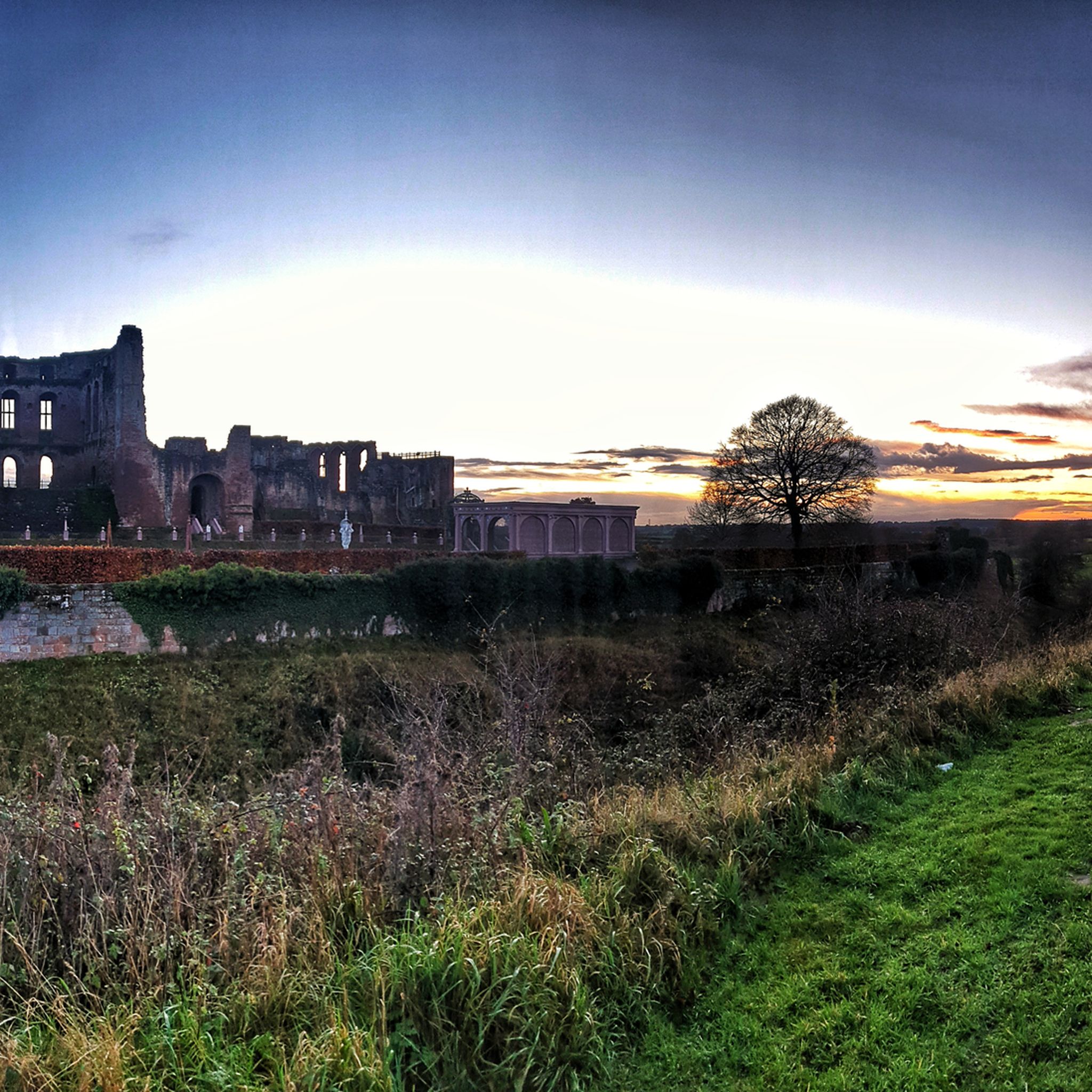
The area surrounding Castle Green offers picturesque views of the castle ruins and a greenery for visitors interested in England's rich history and architecture
0
0

Robert Langham (C16) - "The Castle has the name of Killingwoorth, but if truth grounded upon faithful story, Kenelwoorth [Kenilworth]. It stands in Warwickshire, a 74 mile North-West from London, and as it were in the navel of England, four mile somewhat South from Coventry a proper city, and a like distance from Warwick, a fair Shire town on the North. In air sweet and wholesome, raised on an easy-mounted hill, is set evenly coasted with the front straight into the East, has the tenants and town about it, that pleasantly shifts from dale to hill, sundry wherewith sweet springs burst forth; and is so plentiful and well sorted on every side into arable, meadow, pasture, wood, water, and good air, as it appears to have need of nothing that may pertain to living or pleasure."
1
0

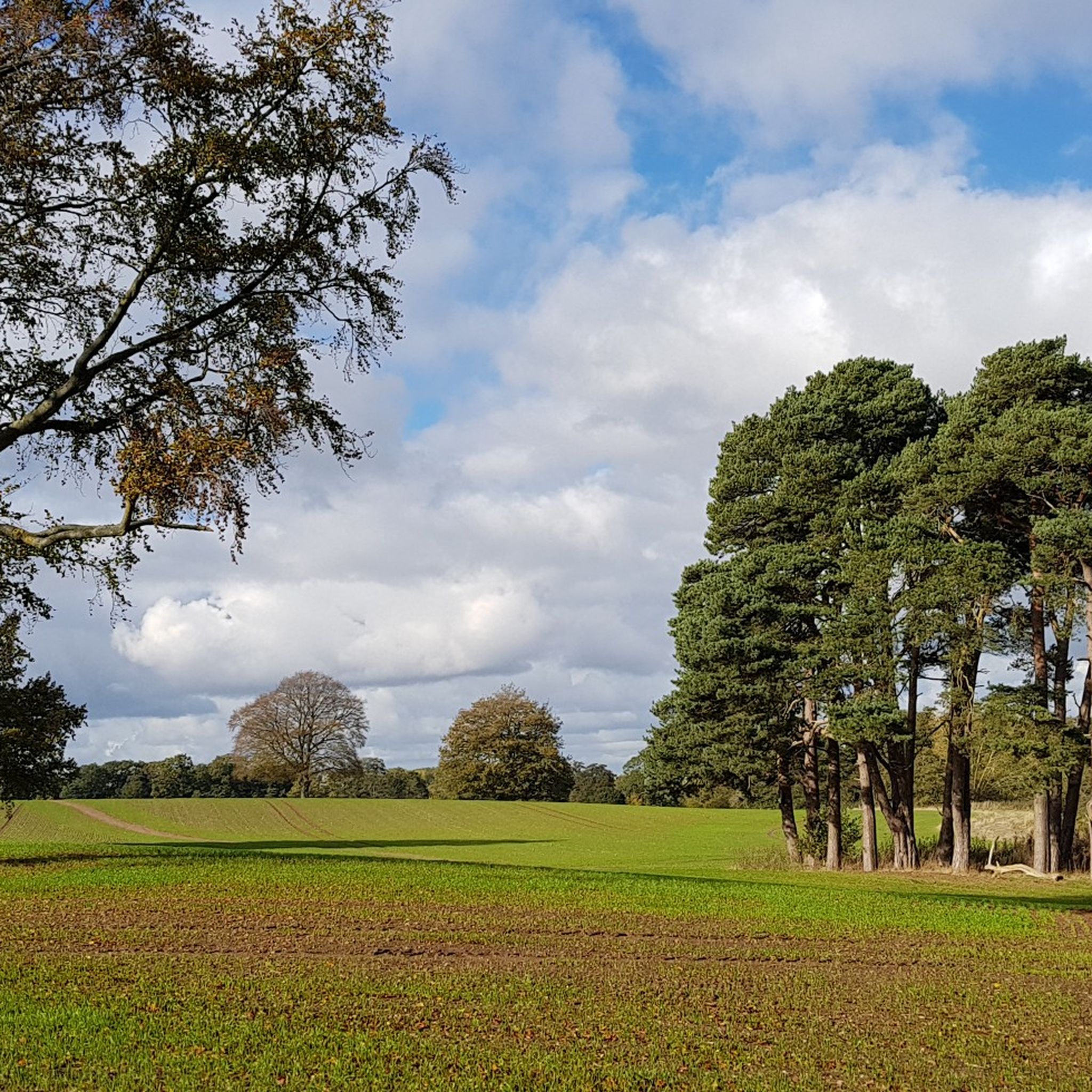
Large green park with many tarmac'd paths in good condition. Also contains football and cricket pitches, foot-golf course, tennis courts, skate park and childrens' activity playground. There are two cafes within the two pavillions, along with ornamental areas with ponds. There is a large War Memorial monument. The park is also home to Coventry Park Run.
0
0

Coventry’s War Memorial Park opened in July 1921 as a tribute to the 2,587 Coventrians who died during the First World War. Coventry City Council used money donated by the public to purchase the land from the Lords of Styvechale Manor, the Gregory-Hood family. At the time it was a large grassed area that was part of Styvechale (Stivichall) Common. The landscaped gardens and sports areas were created in the late-1920s and 1930s. During the Second World War, barrage balloons and anti-aircraft guns were sited in the park and the large concrete blocks where they were positioned still exist.
1
0
This outcrop tells a story of when Kenilworth lay just north of the Equator in a semi-desert climate with market wet and dry seasons. Many buildings in Old Kenilworth, notably the Castle, the Abbey and St. Nicholas Church, are built of the local Kenilworth Sandstone that you can observe here.
1
0
Although much of it is still in ruins, it is definitely worth the visit, very accessible from the centre and with a good car park (paid) next to it. The castle, which was built between the beginning of Norman rule in England and the Tudor period, played a significant role in history.
1
0

Owned by English Heritage it has an interesting history
2
0

As part of the creation of a new UK Mail facility at the Prologis Park Ryton, our client Prologis had created a temporary borrow pit as part of the works and inadvertently, created the perfect new home for a colony of Sand Martins Riparia riparia which moved in and successfully bred (2015). The birds were left to nest in peace after a wide exclusion zone was implemented but realising that the site was on the birds’ migration route together with the fact that the borrow pit couldn’t stay on site long-term, we worked with Prologis, Whiting Landscapes and the park rangers at nearby Ryton Pools Country Park to create a brand new permanent and purpose-built nesting site in this 100 acre site managed jointly between Warwickshire County Council and Warwickshire Wildlife Trust. The Sand Martin nesting wall was completed in March 2016 and this year has already had a couple of pairs taking an interest. As well as providing a large and safe nesting habitat, the 15m long structure also has a number of pre-formed swallow nest sites and a rear door inspection hatch so that the rangers can keep an eye on the nesting progress and carry out any necessary maintenance. To prevent predation by other wildlife such as stoats, an anti-predator baffle has been installed below the tunnels which have been constructed of plastic pipes. We also helped create the new information board which has been installed opposite the nesting wall to inform the local visitors to the country park about the new nesting site. It’s hoped that grizzled skipper butterflies will also benefit from the new structure as one of the food plants of the larvae stage – strawberries – are to be planted on the aggregate roof in the near future! Sand Martins are gregarious and therefore tend to nest in large colonies. They are Europe’s smallest hirundine (martins and swallows) and the insectivorous birds are summer visitors to the UK, over-wintering in Africa.
0
0
Frequently Asked Questions
What are some of the most popular natural monuments to visit near Kenilworth?
Visitors frequently enjoy the Sand Martin Nesting Wall, Ryton Pools Country Park, which provides a purpose-built nesting site for Sand Martins. Another highly regarded spot is the Kenilworth Sandstone Railway Cutting, where you can observe ancient red Kenilworth Sandstone dating back 280 million years. The historical Berkswell Well, mentioned in the Domesday Book, is also a popular site.
Are there family-friendly natural monuments around Kenilworth?
Yes, several natural monuments are suitable for families. The Sand Martin Nesting Wall, Ryton Pools Country Park, and the Kenilworth Sandstone Railway Cutting are both categorized as family-friendly. Additionally, Crackley Wood, a Local Nature Reserve just north of Kenilworth, offers an easy-to-follow circular route perfect for family adventures.
What kind of historical natural sites can I find in Kenilworth?
Kenilworth's natural monuments often intertwine with its rich history. The Berkswell Well is a historical site that served as a vital water source for centuries. The Kenilworth Sandstone Railway Cutting showcases geological history, with the same sandstone used in many of Kenilworth's older buildings, including the castle. While primarily historical, the grounds and meticulously recreated Elizabethan Garden at Kenilworth Castle also offer a unique historical perspective on natural design. You can learn more about the Elizabethan Garden at English Heritage.
Where can I find ancient woodlands near Kenilworth?
Kenilworth is home to several ancient woodlands. Crackley Wood, a 14-hectare Local Nature Reserve, is ideal for walks. Thickthorn Wood, located about four miles from Kenilworth, also offers a glimpse into historical forested landscapes with significant ecological value.
Are there any natural monuments that are wheelchair accessible?
The War Memorial Park in Coventry, which includes a natural monument, features many tarmac'd paths in good condition, making it accessible. The Barbed Poppies Memorial in Jephson Gardens is also noted as wheelchair accessible.
What outdoor activities can I do near Kenilworth's natural monuments?
The area around Kenilworth offers various outdoor activities. For cycling, you can explore routes like the 'Faerie-Tale Alpacas – Rouncil Lane loop' or 'Kenilworth Clock Tower – Fleur de Lys Pub, Lowsonford loop'. Find more options in the Road Cycling Routes around Kenilworth guide. For running, consider the 'Kenilworth Castle Circular Walk' or routes along the Kenilworth Greenway, detailed in the Running Trails around Kenilworth guide. Easy hikes are also available, such as those around Kenilworth Castle or along the Kenilworth Greenway, which you can find in the Easy hikes around Kenilworth guide.
Where can I find easy walking trails among natural monuments in Kenilworth?
For easy walks, consider the Kenilworth Greenway, a traffic-free linear Country Park that follows a former railway line. Crackley Wood also features an easy-to-follow circular route. Abbey Fields offers picturesque views and grassy slopes for a serene walk within an urban setting.
What geological features are prominent in Kenilworth's natural monuments?
The most prominent geological feature is the Kenilworth Sandstone, notably exposed at the Kenilworth Sandstone Railway Cutting. This red sandstone dates back approximately 280 million years to the Permian Period, originating as river sand deposited in a hot, semi-arid climate. It tells a story of Kenilworth's ancient past near the equator.
Are there less crowded natural spots near Kenilworth for a peaceful escape?
For a quieter experience, consider Parliament Piece, a beautiful Local Nature Reserve managed by the Warwickshire Wildlife Trust on the northern edge of Kenilworth. Kenilworth Common, also a Local Nature Reserve, provides a significant green space for peaceful walks and wildlife observation away from busier areas.
What do visitors appreciate most about the natural monuments in Kenilworth?
Visitors often appreciate the unique blend of natural beauty and historical significance. For instance, the Sand Martin Nesting Wall is valued for its contribution to wildlife conservation, while the Kenilworth Sandstone Railway Cutting is admired for its ancient geological insights. The historical context of sites like Berkswell Well also resonates strongly with visitors.
Are there any natural monuments that are dog-friendly?
Many of Kenilworth's natural spaces, such as Abbey Fields, Crackley Wood, Kenilworth Common, and the Kenilworth Greenway, are generally dog-friendly, offering ample space for walks. It's always advisable to keep dogs on a lead, especially in nature reserves, to protect wildlife and ensure a pleasant experience for all visitors.
What is the best time of year to visit Kenilworth's natural monuments?
Spring and summer are particularly beautiful for visiting Kenilworth's natural monuments, as wildflowers bloom in areas like Abbey Fields and the woodlands are lush. Autumn offers stunning foliage, while winter can provide a peaceful, crisp experience, especially in the ancient woodlands. The Kenilworth Greenway is enjoyable year-round for walking and cycling.
Most popular routes around Kenilworth
Most popular attractions around Kenilworth

Get inspired with the komoot mobile app


Explore more
Extend your search for the best caves by checking out these guides of the top ones around Kenilworth:
