Top 17 Natural Monuments around Colemore And Priors Dean
Best natural monuments around Colemore And Priors Dean include a diverse range of natural features and historical sites. This civil parish in East Hampshire is set within a landscape known for its chalk grasslands, ancient woodlands, and significant geological formations. Visitors can explore more than 17 natural monuments, offering insights into the region's ecology and history. The area provides opportunities to experience varied terrain and observe local wildlife.
Best natural monuments around Colemore And Priors Dean
- The most popular natural…
Last updated: June 29, 2026
Butser Hill
Highlight • Natural Monument
Tip by

Old Winchester Hill
Highlight • Climb
Tip by

Sign up now to discover places like this
Get recommendations on the best single tracks, peaks, & plenty of other exciting outdoor places.
Sign up for free
Old Winchester Hill National Nature Reserve
Highlight • Trail
Tip by
Torberry Hill Iron Age Hillfort
Highlight • Historical Site
Tip by

Grandfather's Bottom
Highlight • Viewpoint
Tip by

Sign up for free to discover even more natural monuments around Colemore And Priors Dean.
Sign up for free
Already have an account?
Start today with a free account
Your next adventure awaits.
Login or Signup
Popular around Colemore And Priors Dean
Tips from the Community

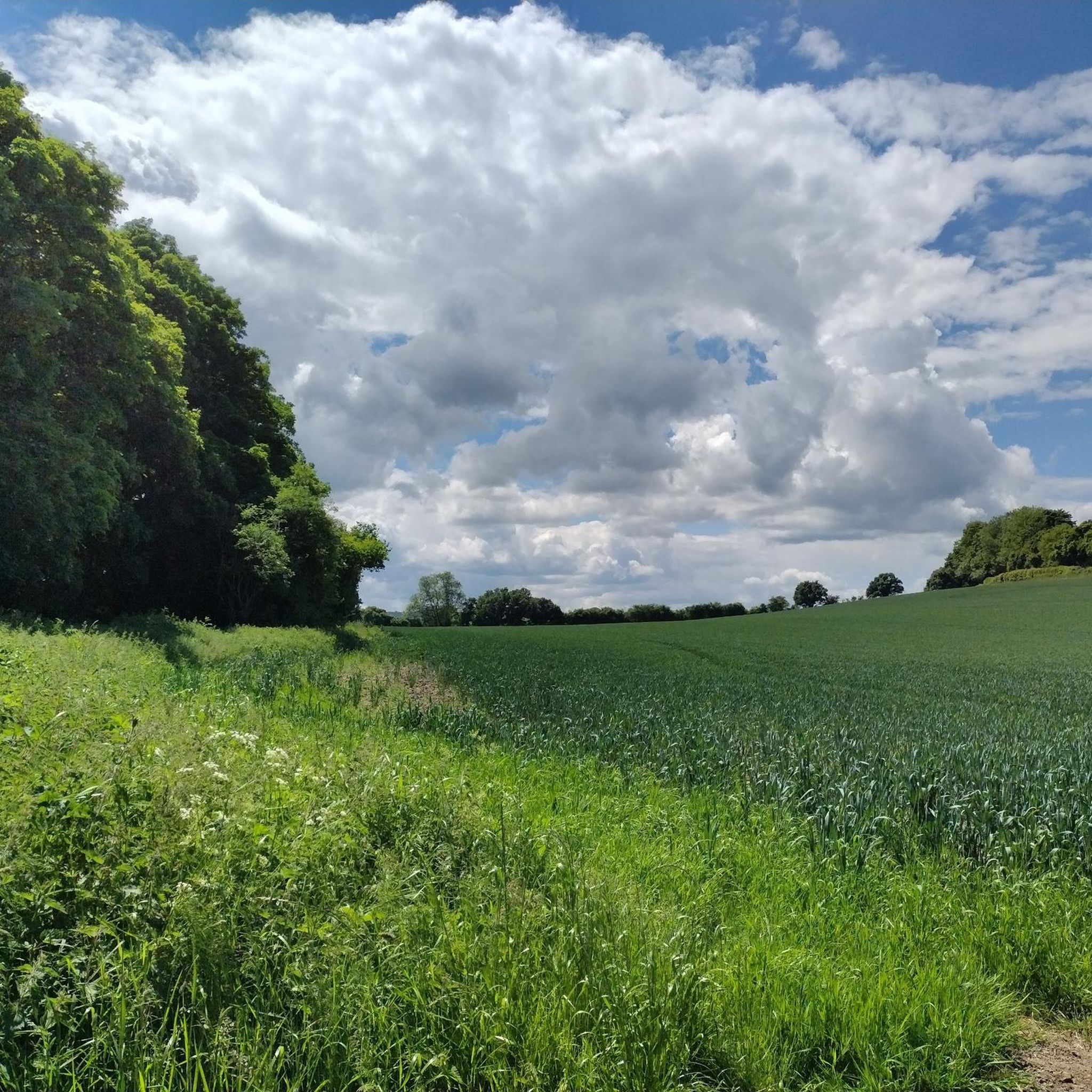
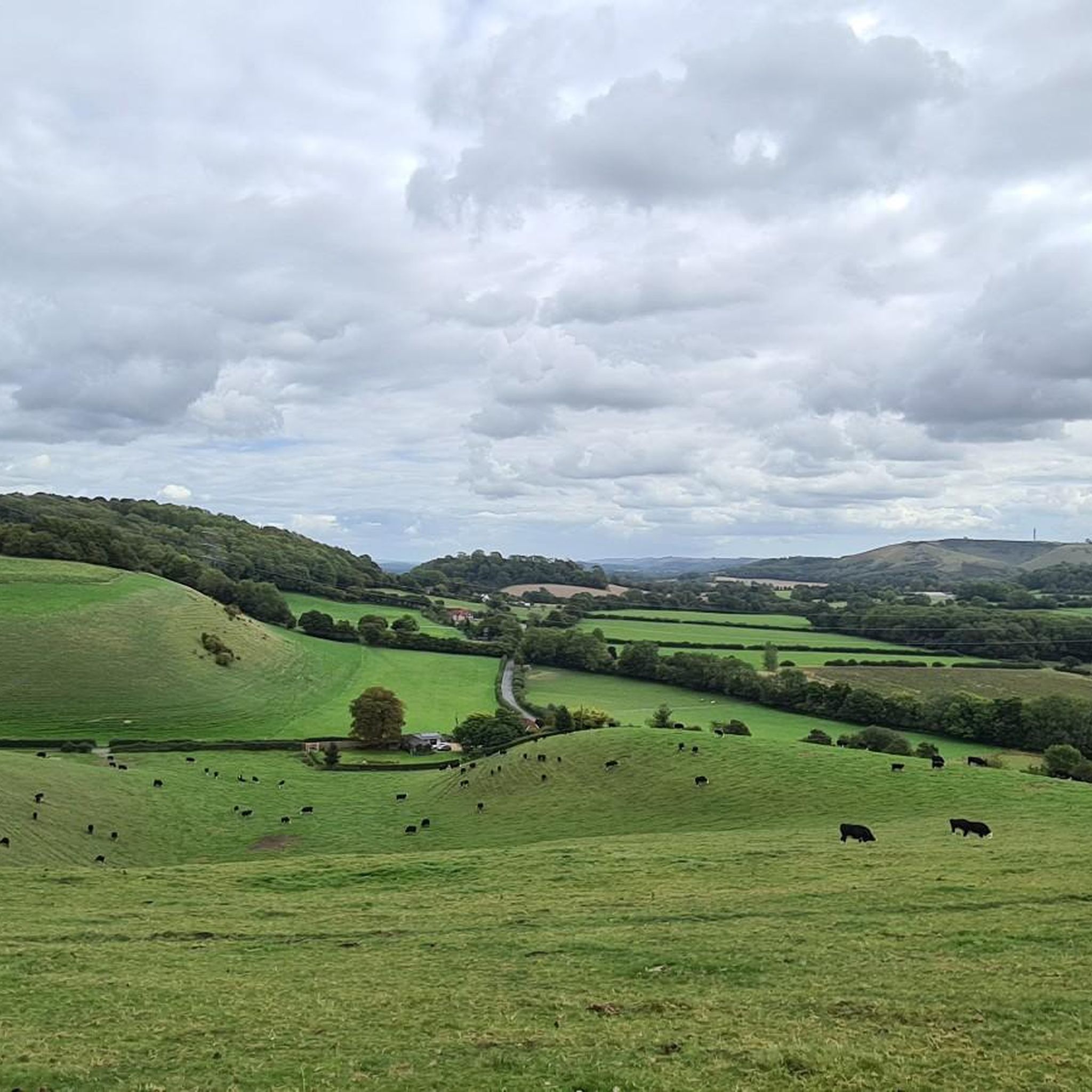
Great views of this ‘crease’ in the hill. Lots of wildlife on view here, with its natural steep sides, birds of prey are often circling and hoovering. Grazing livestock are also common here.
0
0

This was on the last leg of the King Alfred’s Way for me and was one of the few descents in the whole trip i walked, dry conditions but on a loaded gravel - the descent was more treacherous than i was prepared to risk / but amazing views from the top and a fast through the fields ride from the bottom.
1
0

Really lovely second part to the walk. The climb up is straightforward but quite taxing and steep in places. Difficult if you have knee problems etc
0
0

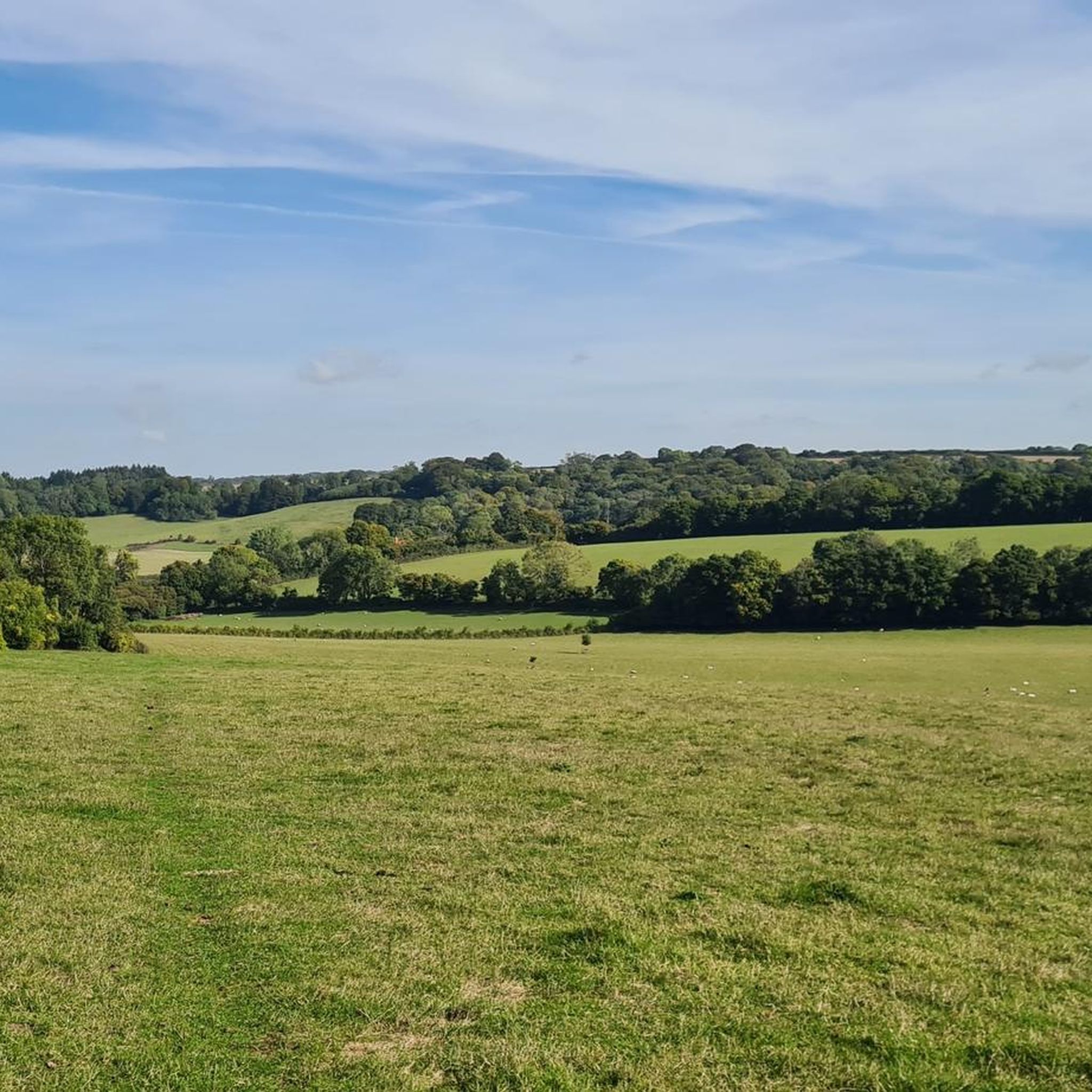
A lovely little hill that is on the South Downs Way. Beautiful views of the surrounding countryside can be had from here.
1
0

Torberry Hill is an Iron Age hillfort in West Sussex. It is a Scheduled Ancient Monument. The hillfort is located within the parish of Harting, within the South Downs National Park. The hillfort has a pear-shaped layout and covers an area of 2.8 hectares. It has a low dump rampart and a ditch that enclose the western part of the hill. The eastern part is defended by the steep slope of the hill. The interior of the hillfort contains several storage pits that date to the Iron Age. The hillfort was built in several phases, starting from the 5th century BC. Torberry Hill is also a mountain summit that is 156 metres high with a prominence of 65 metres. The summit can be identified by a grass mound. There are several walks that can be done around Torberry Hill, such as the one to West Harting Down or Beacon Hill.
3
0

Worth the slippery, chalky muddy ascent from Mile End lane - looking forward to repeating the route in summer with less mud!
1
0

Old Winchester Hill is an amazing lookout, National Nature Reserve and home to a large Iron Age Hillfort at the top.
1
0
150m high hill just off the line of the South Downs, known for the Iron Age hillfort at the summit.
1
0
Frequently Asked Questions
What are some of the most popular natural monuments to visit around Colemore And Priors Dean?
Visitors frequently enjoy exploring Butser Hill, the highest point in the South Downs, known for its panoramic views and unique flora. Another highly rated spot is Old Winchester Hill National Nature Reserve, a vibrant chalk grassland teeming with wildflowers and butterflies. The historical Old Winchester Hill Iron Age Fort, set within this natural landscape, is also a community favorite.
What kind of natural landscapes can I expect to see in this region?
The area around Colemore And Priors Dean is characterized by diverse natural beauty. You'll find extensive chalk grasslands, ancient woodlands, and significant hilltops. These landscapes are home to rare plant species, a wide array of birds, and numerous butterfly species, especially vibrant during the summer months.
Are there any historical sites integrated with the natural monuments?
Yes, several natural monuments in the area have significant historical elements. For instance, Old Winchester Hill Iron Age Fort is an ancient scheduled monument set within a stunning natural reserve, featuring visible earthworks and Bronze Age tumuli. Butser Hill also has parts designated as an ancient scheduled monument, adding a historical layer to its natural importance. Further afield, Torberry Hill Iron Age Hillfort offers another example of historical structures within a natural setting.
What are the best times of year to visit the natural monuments in this area?
The best time to visit depends on what you wish to experience. Summer is ideal for seeing the chalk grasslands, like Old Winchester Hill National Nature Reserve, erupt with wildflowers and butterflies. Spring and autumn are particularly stunning for experiencing the 'Hampshire Hangers' – the beech woods clinging to the hillsides – with their vibrant seasonal colors. Panoramic views from hilltops like Butser Hill can be enjoyed year-round, though clear days offer the best visibility.
Can I spot wildlife at these natural monuments?
Absolutely. The natural monuments, especially areas like Old Winchester Hill National Nature Reserve, are excellent for wildlife spotting. You can expect to see a wide array of plant, bird, and animal species. The reserve alone has recorded 37 species of butterflies and is a great spot for birdwatching, with sightings of red kites, buzzards, kestrels, and various warblers.
Are the natural monuments around Colemore And Priors Dean suitable for families?
Many of the natural monuments are family-friendly. For example, Old Winchester Hill Iron Age Fort and Old Winchester Hill National Nature Reserve are popular choices for families, offering engaging historical exploration and opportunities to enjoy nature. The varied terrain means some paths are easier than others, so checking specific route details is always recommended.
Where can I find panoramic views of the region?
For breathtaking panoramic views, head to Butser Hill, the highest point in the South Downs, offering vistas across Hampshire and even to the English Channel. Old Winchester Hill Iron Age Fort also provides incredible views over the surrounding countryside, making it a rewarding spot for scenery.
What are the 'Hampshire Hangers' and where can I see them?
The 'Hampshire Hangers' are a distinctive natural feature unique to the region, referring to beech woods that appear to cling to steep hillsides. While Selborne Hanger is the most famous, the entire ridge from Selborne to Steep showcases these remarkable woodlands. They are particularly beautiful in spring and autumn, offering ecological value and stunning views.
What kind of hiking trails are available near the natural monuments?
The area offers a variety of hiking trails, ranging from easy strolls to more challenging climbs. You can find routes that take you through chalk grasslands, ancient woodlands, and up to viewpoints. For detailed hiking options, including routes like the 'Hangers Way and Hawkley Loop' or 'Wheatham Hill Trig Point – The Pub With No Name loop', explore the Hiking around Colemore And Priors Dean guide.
Are there other outdoor activities besides hiking near these natural monuments?
Yes, beyond hiking, the region provides opportunities for other outdoor activities. Road cycling is popular, with routes like the 'Petersfield and South Harting loop'. You can find more information on these in the Road Cycling Routes around Colemore And Priors Dean guide. There are also various running trails, such as the 'Selborne Hill loop', detailed in the Running Trails around Colemore And Priors Dean guide.
Are there any ancient trees to see in the area?
Priors Dean, and the nearby village of Newton Valence, are notable for their ancient yew trees. These venerable trees have significant historical and symbolic importance, with some churchyard yews potentially dating back to the 5th and 6th centuries, contributing to the unique natural heritage of the hamlets.
What do visitors particularly enjoy about the natural monuments in this area?
Visitors consistently praise the incredible views from elevated points like Old Winchester Hill Iron Age Fort and Butser Hill. The beauty of the scenery, the opportunity to explore historical sites within natural settings, and the chance to experience the diverse flora and fauna of the chalk grasslands are frequently highlighted as major draws.
Most popular routes around Colemore And Priors Dean
Most popular attractions around Colemore And Priors Dean

Get inspired with the komoot mobile app


Explore more
Extend your search for the best caves by checking out these guides of the top ones around Colemore And Priors Dean:
