Top 19 Natural Monuments around Langrish
Best natural monuments around Langrish are situated within the South Downs National Park, featuring diverse landscapes and significant natural features. The area is characterized by chalk grasslands, ancient woodlands, and prominent hills, offering numerous walking trails Langrish. Visitors can explore sites recognized for their ecological importance and archaeological heritage, providing opportunities for outdoor activities and expansive viewpoints Langrish area. These natural features contribute to the region's appeal for those seeking natural landmarks near Langrish walks.
Best natural monuments around Langrish
…Last updated: May 1, 2026
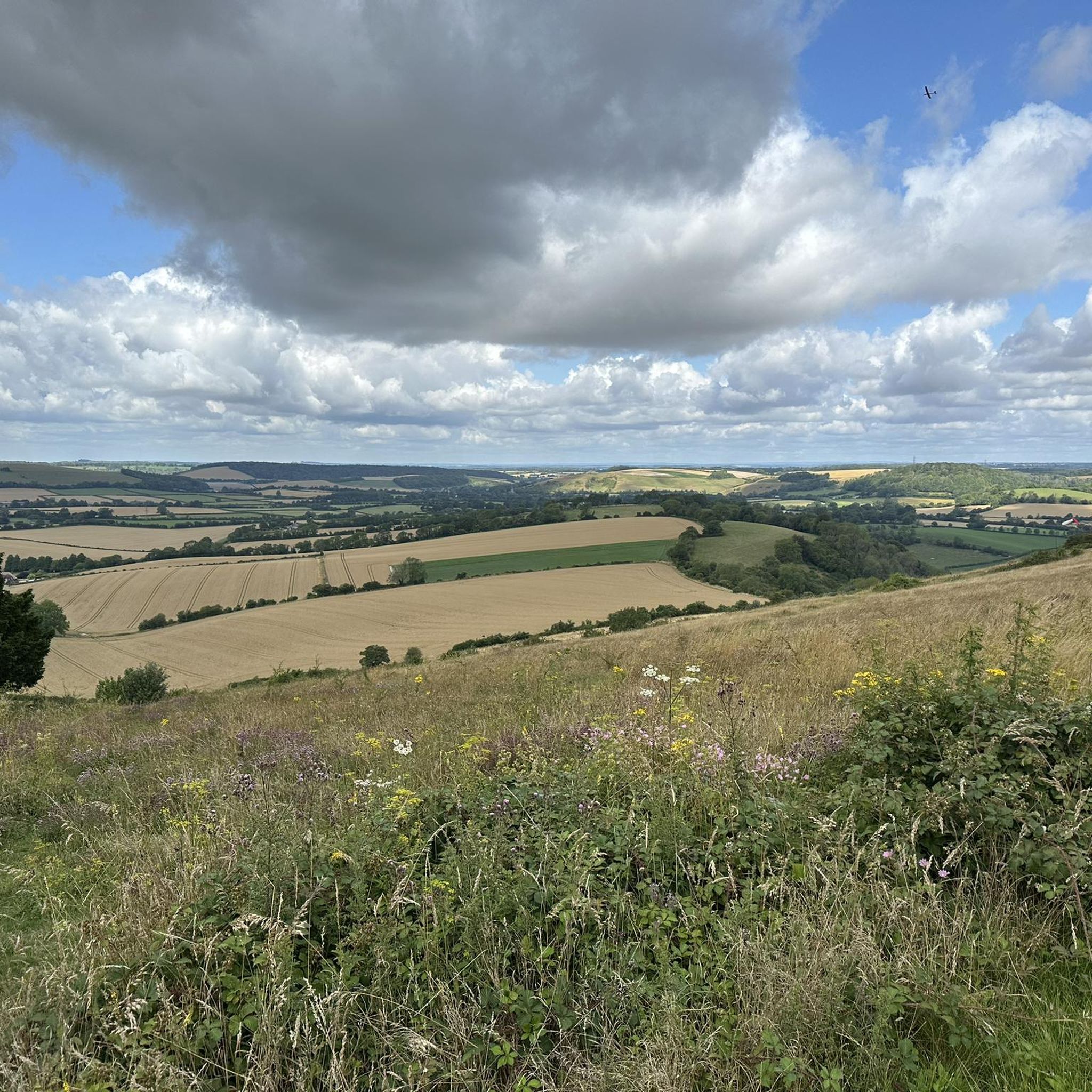
Butser Hill
Highlight • Natural Monument
Tip by

Old Winchester Hill
Highlight • Climb
Tip by

Sign up now to discover places like this
Get recommendations on the best single tracks, peaks, & plenty of other exciting outdoor places.
Sign up for free
Old Winchester Hill National Nature Reserve
Highlight • Trail
Tip by
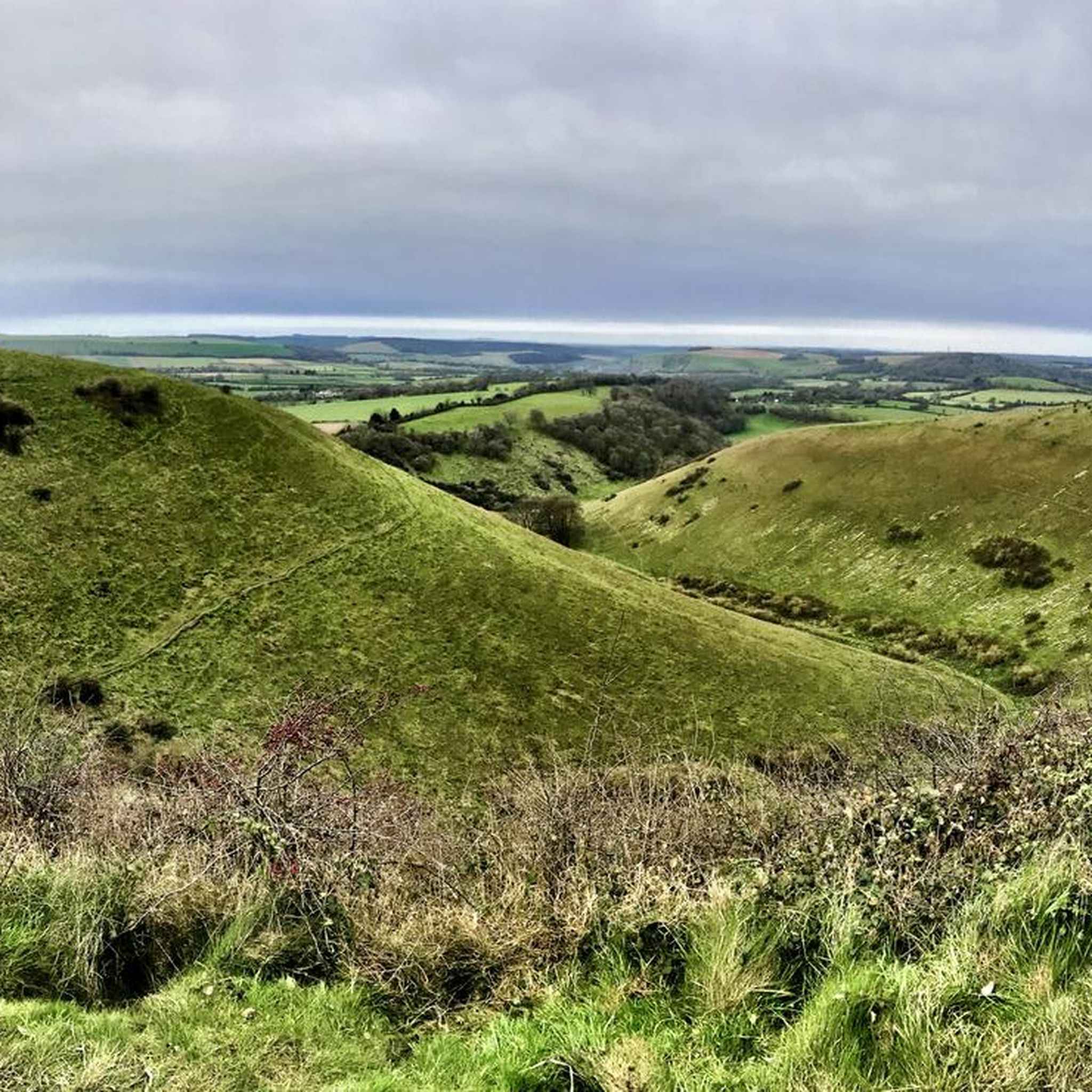
Harting Down
Highlight • Natural Monument
Tip by
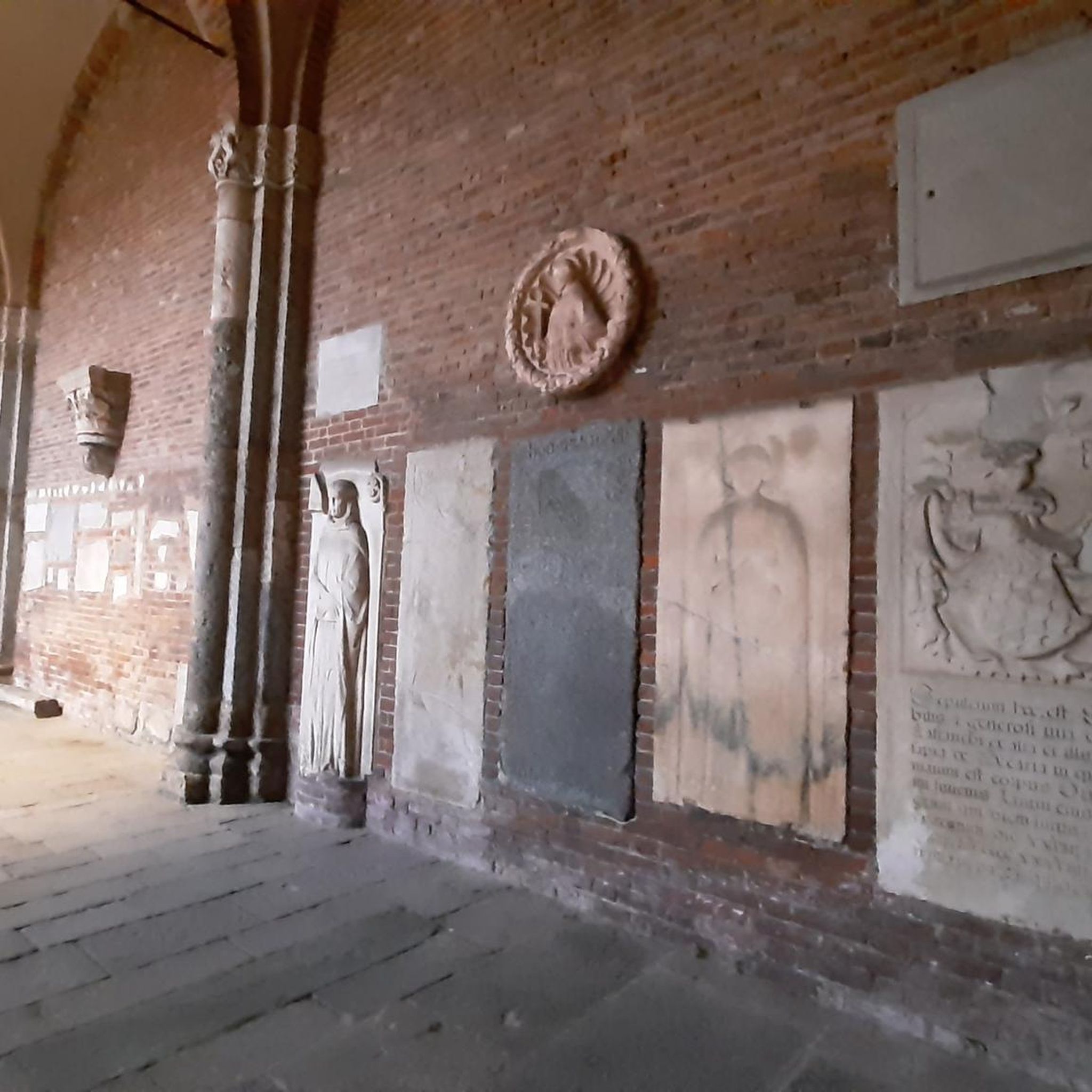
South Downs National Park Boundary Marker
Highlight • Monument
Translated by Google •
Tip by

Sign up for free to discover even more natural monuments around Langrish.
Sign up for free
Already have an account?
Start today with a free account
Your next adventure awaits.
Login or Signup
Other adventures around Langrish

Tips from the Community

Head south from Harting down to join bridle path heading South down to Centurion way and thence to Chichester railway station, 11 miles. Mainly a descent, Just one climb and then the joy of the recently upgraded cycle path the last 5 miles to Chichester. Winchester railway station to Chichester railway station 44 miles.
0
0

This was on the last leg of the King Alfred’s Way for me and was one of the few descents in the whole trip i walked, dry conditions but on a loaded gravel - the descent was more treacherous than i was prepared to risk / but amazing views from the top and a fast through the fields ride from the bottom.
1
0

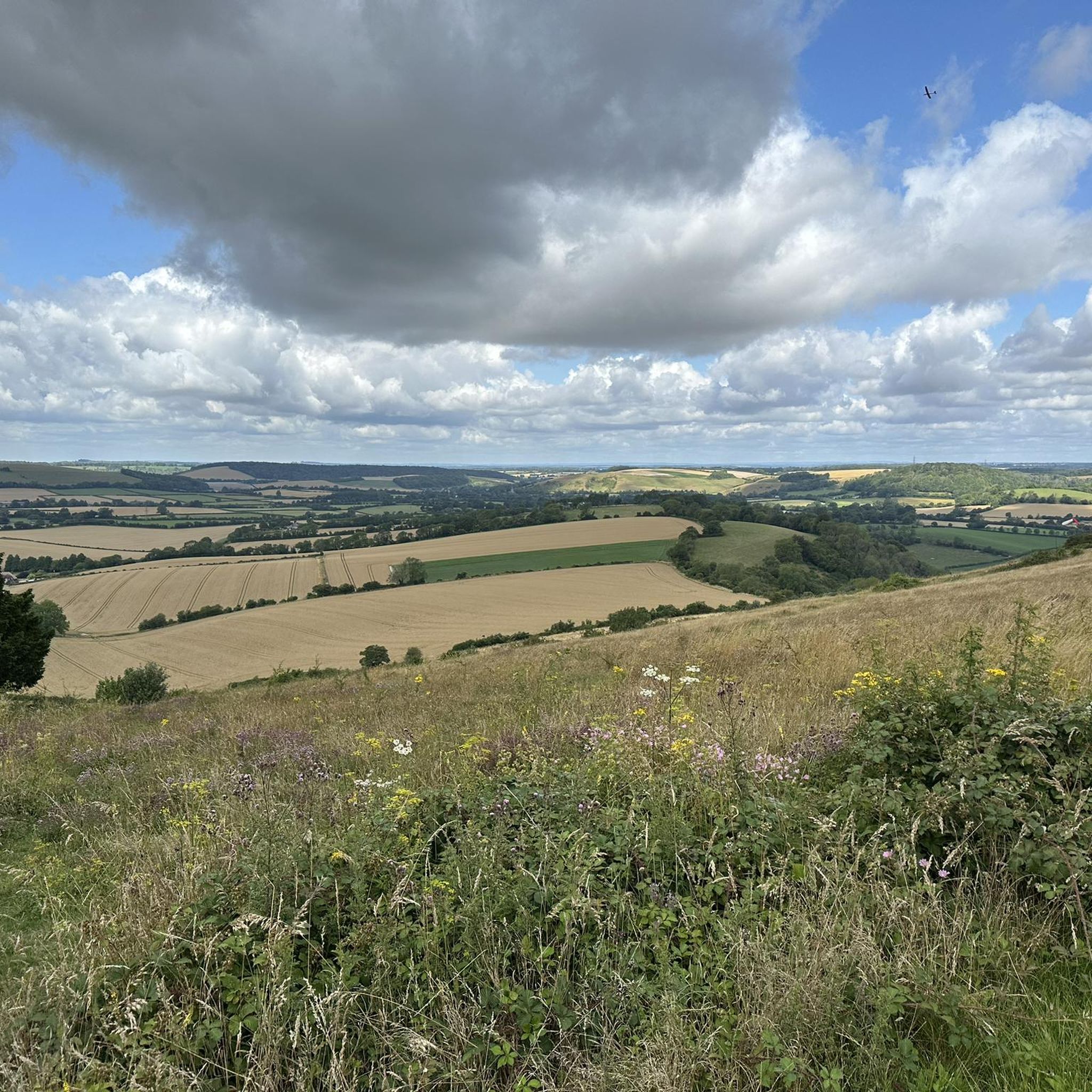
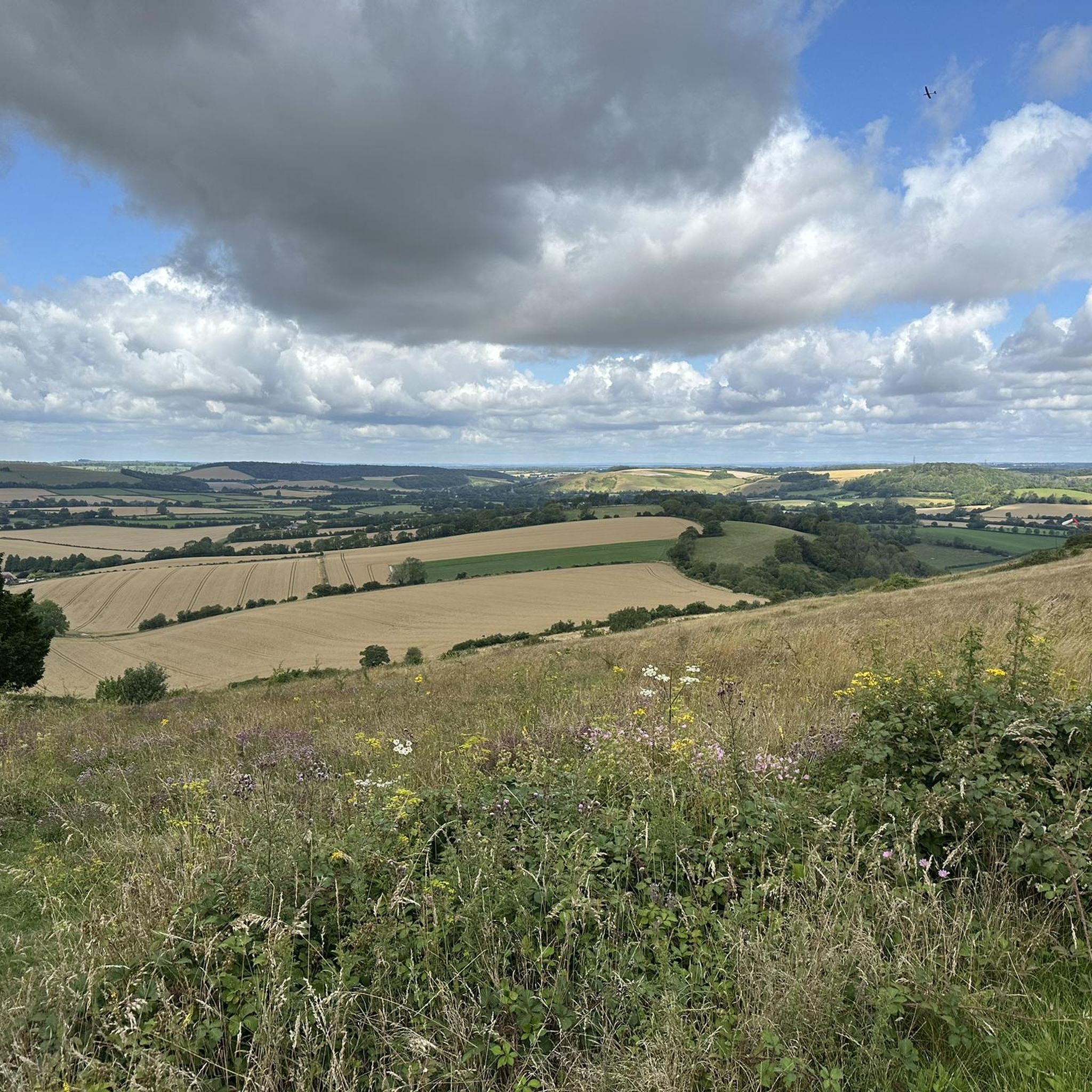
A lovely little hill that is on the South Downs Way. Beautiful views of the surrounding countryside can be had from here.
1
0

South Downs National Park is England's newest national park, designated on March 31, 2010. The park covers an area of 1,627 square kilometers in the south of England and extends for 140 kilometers from Winchester in the west to Eastbourne in the east, through the counties of Hampshire, West Sussex and East Sussex. The national park includes the chalk hills of the South Downs (which on the Channel coast form the white cliffs of the Seven Sisters and Beachy Head) and a significant part of a distinct physical-geographical region, the western Weald, with its heavily wooded sandstone and clay hills and valleys. The idea for a national park on the South Downs emerged as early as the 1920s, when there was growing concern about increasing threats to the beautiful landscape, especially the impact of uncontrolled speculative housing development on the eastern Sussex Downs. The national park has a rich industrial heritage and history, such as old iron mines, watermills, castles and country houses. The national park also has great biodiversity and is home to more than 3,000 species of plants and animals, including rare orchids, butterflies, birds and bats.
3
0

Worth the slippery, chalky muddy ascent from Mile End lane - looking forward to repeating the route in summer with less mud!
1
0

Lovely new signs clearly marking the national park
1
0

Old Winchester Hill is an amazing lookout, National Nature Reserve and home to a large Iron Age Hillfort at the top.
1
0
Some tough climbs and uneven surfaces, but all passable on an MTB.
2
0
Frequently Asked Questions
What unique natural features can I expect to see at the natural monuments around Langrish?
The natural monuments around Langrish are primarily characterized by extensive chalk grasslands, ancient woodlands, and significant hill summits. You'll find diverse flora, including numerous orchid varieties and wildflowers like wild thyme and squinancywort, particularly at sites like Old Winchester Hill National Nature Reserve and Harting Down. The steep chalk hillsides of Ashford Hangers also offer dramatic scenery and rich plant life.
What kind of wildlife can be found at these natural monuments?
The area is a haven for wildlife, especially butterflies and birds. Old Winchester Hill National Nature Reserve alone has 37 recorded butterfly species, including the Essex skipper and marbled white. Butser Hill is also important for butterfly conservation, with over 30 species. Birdwatchers can spot red kites, buzzards, kestrels, and various woodland birds like green woodpeckers and nuthatches, particularly at Ashford Hangers.
Are there any historical or archaeological sites among the natural monuments?
Yes, several natural monuments in the area also boast significant historical features. Old Winchester Hill Iron Age Fort is a prime example, featuring a remarkably preserved Iron Age hill fort and Bronze Age burial mounds. Butser Hill also contains archaeological features such as Iron Age ditches and banks, along with evidence of ancient lynchet farming.
Are there family-friendly natural monuments around Langrish?
Absolutely. Both Old Winchester Hill Iron Age Fort and Old Winchester Hill National Nature Reserve are noted as family-friendly. Queen Elizabeth Country Park, which encompasses Butser Hill, also offers dedicated play areas for children and various trails suitable for families.
What are the best viewpoints near Langrish's natural monuments?
For breathtaking panoramic views, Butser Hill is the highest point on the South Downs, offering expansive vistas over Hampshire and the Channel. Old Winchester Hill also provides fantastic views across the South Downs, and on clear days, you might even see the Isle of Wight. Harting Down and Ashford Hangers offer magnificent views of the surrounding countryside as well.
What is the terrain like for walking at these natural monuments?
The terrain varies, offering options for different fitness levels. You'll encounter chalk grasslands, which can be uneven, and ancient woodlands. Sites like Ashford Hangers feature steep chalk hillsides, providing challenging walks. However, there are also easier routes, particularly around Butser Hill, which are suitable for more relaxed strolls. Many areas include sections of long-distance footpaths like the South Downs Way.
What outdoor activities can I do near these natural monuments?
Beyond exploring the natural monuments themselves, the area around Langrish is excellent for various outdoor activities. You can find numerous hiking trails, mountain biking routes, and road cycling paths. For specific hiking options, including easy routes, check out the easy hikes around Langrish guide. Mountain biking enthusiasts can explore trails in the MTB Trails around Langrish guide, and road cyclists have options in the Road Cycling Routes around Langrish guide.
What is the best time of year to visit the natural monuments around Langrish?
The best time to visit depends on your interests. Spring is beautiful for wildflowers, with the scent of wild garlic filling the air at Ashford Hangers. Summer is ideal for experiencing the vibrant chalk grasslands, rich with butterflies and blooming wildflowers. Butser Hill is also a designated Dark Sky Discovery Site, making it excellent for stargazing on clear nights year-round.
Is parking available at the natural monuments?
Yes, parking is generally available. For instance, Old Winchester Hill National Nature Reserve has a nearby car park, though it can get very busy, especially on good weather days. Queen Elizabeth Country Park, which includes Butser Hill, also offers visitor facilities including parking.
What do visitors enjoy most about the natural monuments near Langrish?
Visitors frequently highlight the incredible panoramic views, especially from Butser Hill and Old Winchester Hill. The rich biodiversity, particularly the abundance of butterflies and wildflowers in summer, is also a major draw. Many appreciate the blend of natural beauty with historical significance, such as the Iron Age fort at Old Winchester Hill, offering a unique experience to walk in the footsteps of ancient inhabitants.
Are there easy walking routes suitable for all abilities?
Yes, there are several easy walking routes. For example, the area around Butser Hill offers various easy hikes, including loops of around 4-5 km. These routes provide a chance to enjoy the natural beauty without strenuous climbs. You can find more details in the easy hikes around Langrish guide.
Can I bring my dog to the natural monuments?
Many natural monuments and trails in the South Downs National Park are dog-friendly, but it's always advisable to keep dogs on a lead, especially in areas with livestock or sensitive wildlife habitats like nature reserves. Queen Elizabeth Country Park is generally welcoming to dogs, and many walking routes across the chalk downland are suitable for accompanied dogs.
Most popular attractions around Langrish

Get inspired with the komoot mobile app


Explore more
Extend your search for the best caves by checking out these guides of the top ones around Langrish:
