Top 5 Natural Monuments around Burlescombe
Natural monuments around Burlescombe are characterized by the region's diverse geology and position within the Blackdown Hills Area of Outstanding Natural Beauty. This area features rolling hills, steep valleys, and ancient woodlands, offering varied natural features. Significant geological formations, such as the folded Carboniferous Limestone strata found near Westleigh Quarry, contribute to the landscape's character. The terrain provides opportunities to explore historical sites and natural viewpoints.
Best natural monuments around Burlescombe
- The most popular natural monuments is Culmstock Beacon Viewpoint…
Last updated: October 30, 2026
Wellington Monument
Highlight • Natural Monument
Tip by

Nynehead Hollow
Highlight • Structure
Tip by

Sign up now to discover places like this
Get recommendations on the best single tracks, peaks, & plenty of other exciting outdoor places.
Culmstock Beacon Viewpoint
Highlight • Historical Site
The beacon …
Tip by

View from Sampford Point
Highlight • Natural
Tip by
Ashbrittle Yew and St. John the Baptist Church
Highlight • Historical Site
Tip by

Sign up for free to discover even more natural monuments around Burlescombe.
Already have an account?
Start today with a free account
Your next adventure awaits.
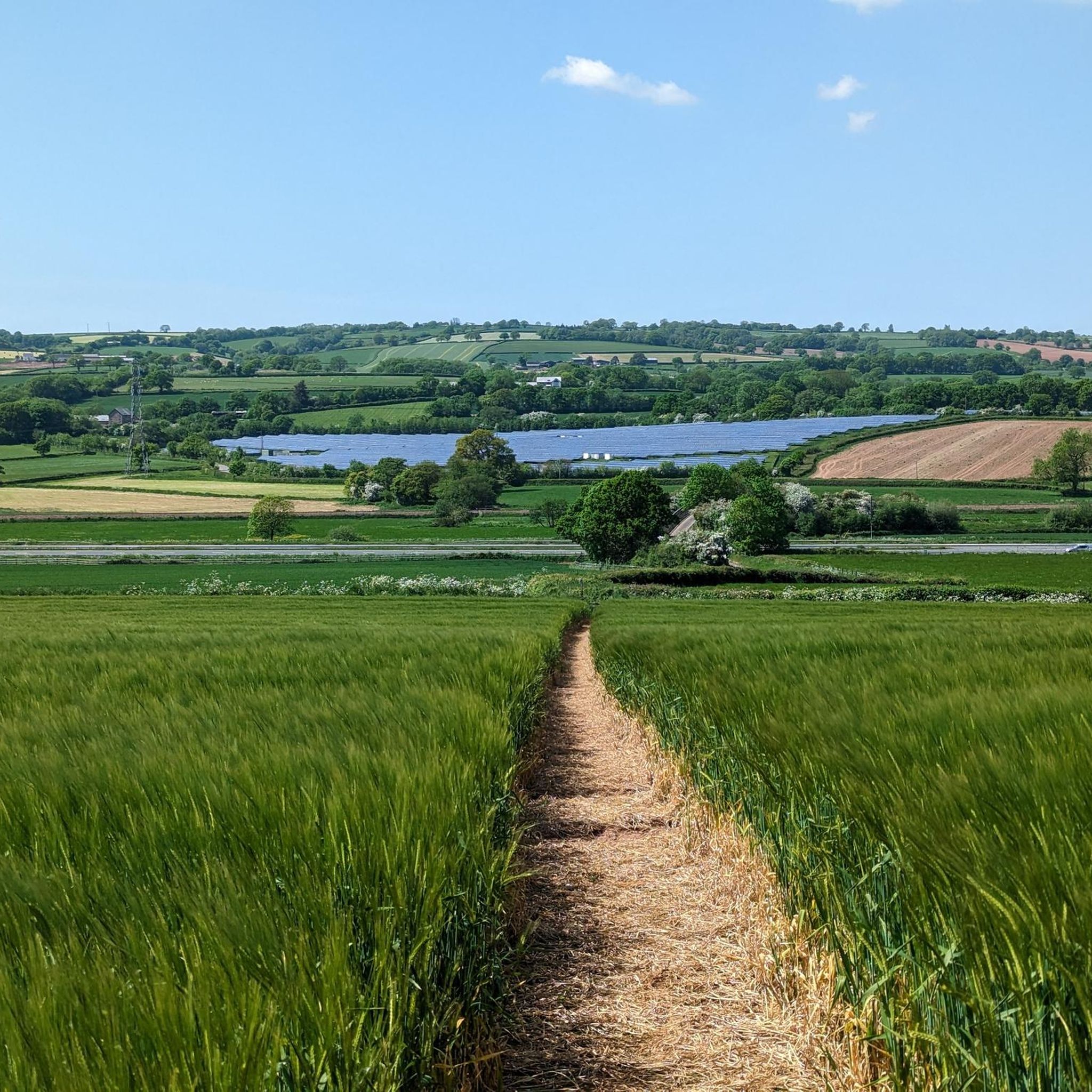

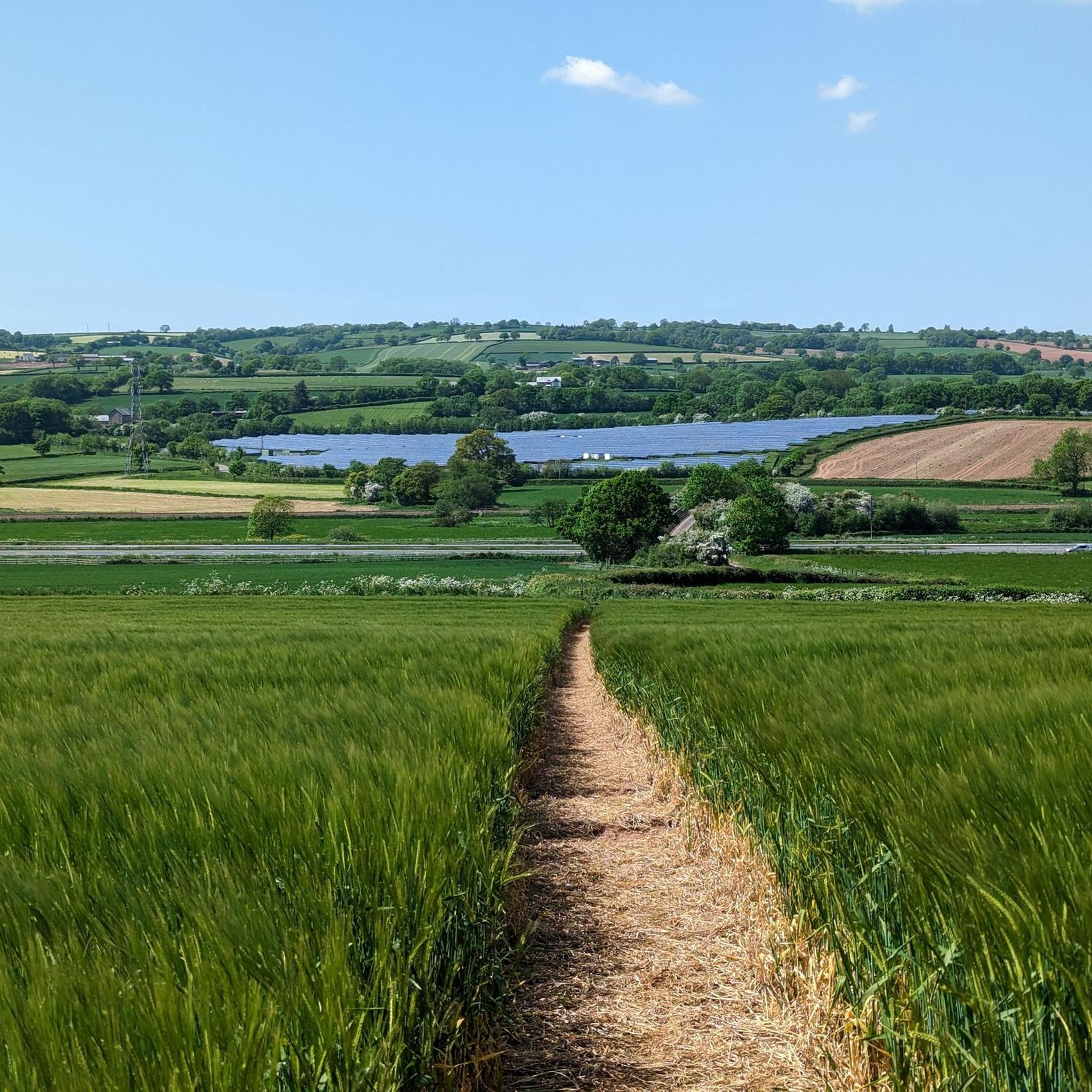
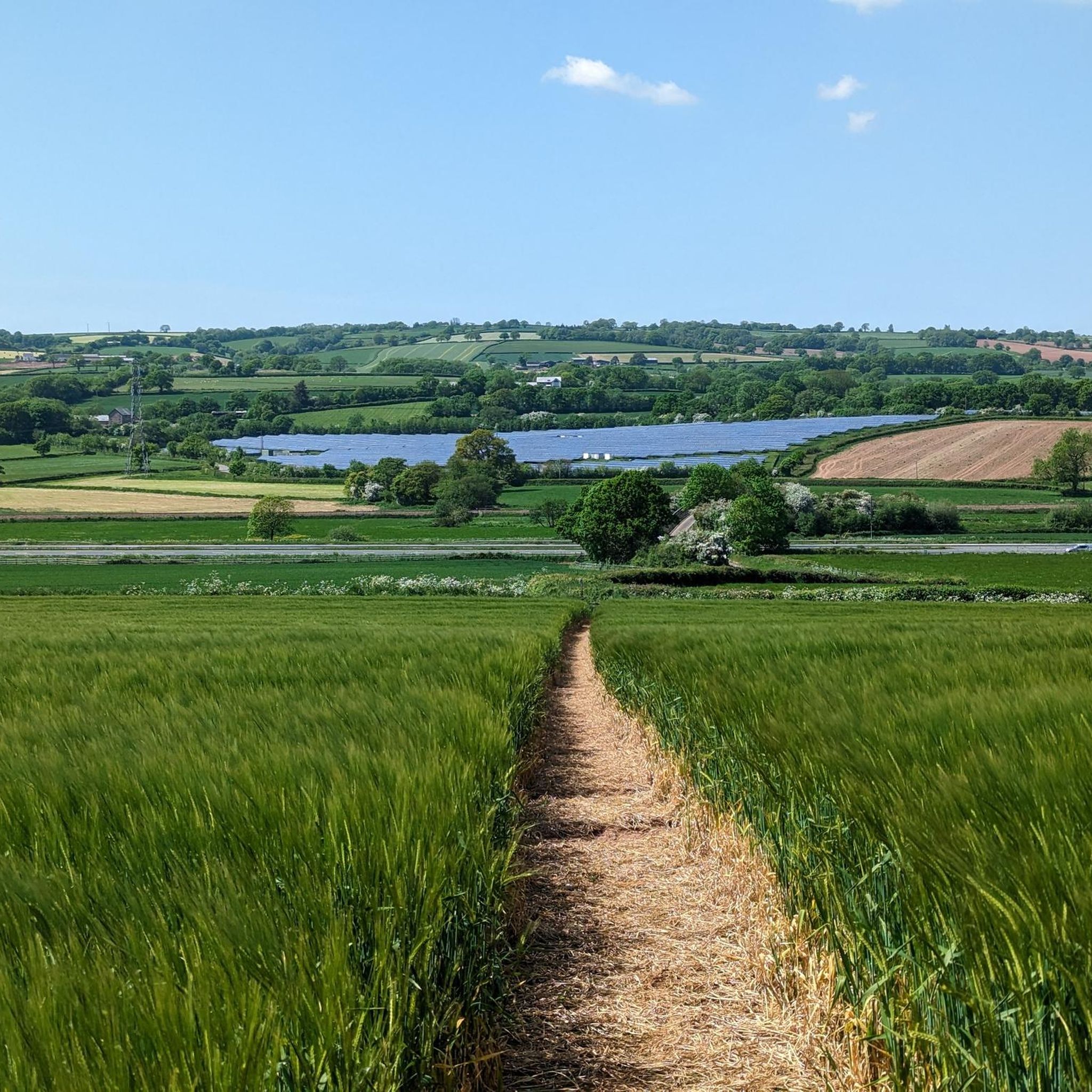
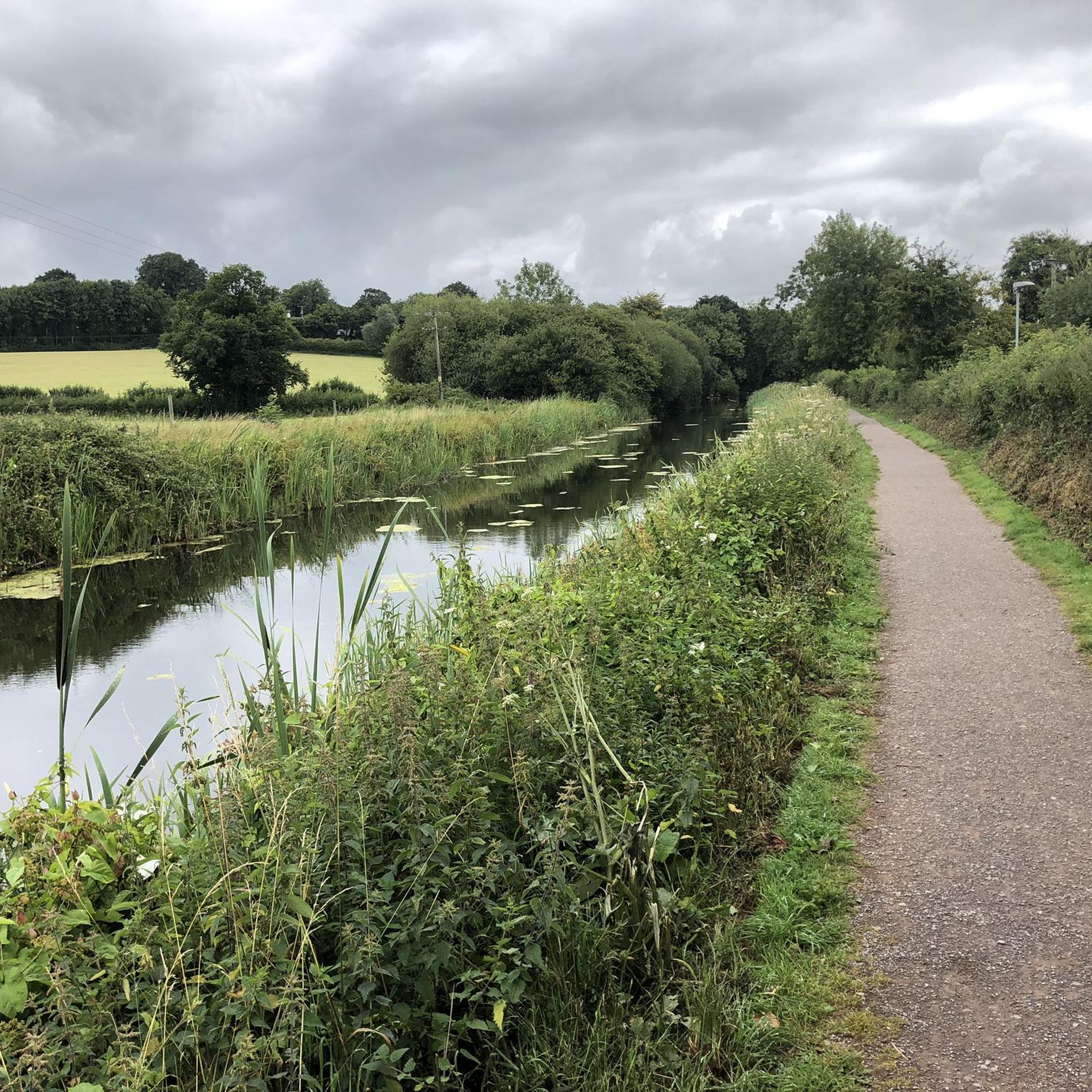
Tips from the Community

Nynehead Hollow is a super cool landmark on the outskirts of Nynehead Village. The road has literally been roughly carved through solid rock, with high walls and trees growing above.
0
0

Great walks there is many ways to get to the Beacon, it's very cold up there and the ground was rocky wet and very muddy, good boots needed, you can see Dartmoor Exmoor and Somerset on a clear day.
3
0

A good few tracks and paths up here to explore, it never gets old
1
0

Moderate trail for everyone to explore and enjoy
1
1
The Wellington Monument is a 175-foot-high triangular obelisk located on a point of the Blackdown Hills, 3 km south of Wellington in the English county of Somerset. It is a grade II* listed building and is the tallest three-sided obelisk in the world.
2
0
Culmstock Beacon provides a stunning viewpoint south to the River Culm valley and the historic village of Culmstock. The Beacon is on Black Down
2
1
High on the southwest point of Blackdown Common is Culmstock Beacon. It is one of a chain of Elizabethan beacons used for lighting fires to warn of advancing enemies, for example, The Spanish Armada. The beehive-shaped structure was built of flint. It was rebuilt in 1870 after the collapse of the earlier one. Culmstock Beacon is a wildlife haven with stunning views, particularly in the late summer when the bell-heather is in bloom. Access via public bridleway.
3
0

Nynehead Hollow is a scenic lane forming part of NCN 3. It's an impressive road that has been roughly carved through solid rock, with high walls and trees growing above. The “Hollow” was said to be dug out by the Sandford family in the hope of making Nynehead Court quicker to get to from the servant houses which were situated in East Nynehead.
3
1
Frequently Asked Questions
What unique geological features can I explore near Burlescombe?
The region around Burlescombe is rich in geological interest. You can explore sites like Westleigh Quarry, known for its extensively folded Carboniferous Limestone strata, which reveal millions of years of geological processes. Additionally, Nynehead Hollow is a unique lane carved through solid rock, showcasing impressive high walls.
Are there historical natural monuments to visit in the Burlescombe area?
Yes, several natural monuments in the area have significant historical connections. Culmstock Beacon Viewpoint is a historical site that was part of an Elizabethan early warning system against invasion. Another notable historical monument is Wellington Monument, commemorating the Duke of Wellington's victory at the Battle of Waterloo.
What kind of views can I expect from natural monuments in this region?
The natural monuments around Burlescombe offer diverse and expansive views. From Culmstock Beacon Viewpoint, you can see across the Culm Valley, with views extending towards Exeter on clear days. Wellington Monument also provides panoramic views of the surrounding landscape. For a more tranquil vista, View from Sampford Point offers peaceful scenery despite its proximity to major routes.
Are there opportunities for outdoor activities like hiking or cycling near these natural monuments?
Absolutely. The area around Burlescombe, including the Blackdown Hills AONB, is ideal for outdoor activities. You can find numerous routes for jogging, cycling, and mountain biking. For example, there are running routes like the 'Lime Kilns loop from Burlescombe' and cycling routes such as the 'Grand Western Canal Dock – Jubilee Bridge loop from Tiverton Parkway'. You can explore more options on the Running Trails around Burlescombe, Cycling around Burlescombe, and MTB Trails around Burlescombe guide pages.
What is the Blackdown Hills Area of Outstanding Natural Beauty, and how does it relate to Burlescombe's natural monuments?
Burlescombe is situated within the Blackdown Hills Area of Outstanding Natural Beauty (AONB), a protected landscape known for its tranquil beauty, rolling hills, steep valleys, and ancient woodlands. This AONB provides the broader natural context for many of the region's natural monuments, offering diverse habitats and scenic backdrops for sites like Culmstock Beacon Viewpoint.
When is the best time of year to visit the natural monuments around Burlescombe?
The Blackdown Hills AONB, where many of these natural monuments are located, is beautiful year-round. Late summer is particularly recommended for Culmstock Beacon Viewpoint, when the bell-heather is in bloom, creating a vibrant landscape. Generally, spring and summer offer pleasant weather for exploring, while autumn brings colorful foliage. Winter visits can be rewarding for crisp views, but trails may be muddy and cold, so appropriate footwear is essential.
Where can I find ancient trees or significant botanical natural monuments?
For a truly ancient botanical natural monument, visit the Ashbrittle Yew and St. John the Baptist Church. The Ashbrittle Yew is thought to be over 3000 years old, making it one of the oldest living things in England. Its impressive girth and multiple trunks are a sight to behold.
Are there any natural monuments that are particularly good for wildlife spotting?
The Blackdown Hills AONB, encompassing the area around Burlescombe, is a haven for wildlife. Within the AONB, you might spot rare orchids, various butterflies, skylarks, and barn owls. Specific areas like Ashculm Turbary, Gotleigh, and Southey Moors are notable for their wetlands and Culm grasslands, which are home to otters and marsh fritillaries. Culmstock Beacon Viewpoint is also described as a wildlife haven.
What should I wear or bring when visiting natural monuments in the Burlescombe area?
Given the varied terrain and potential for changing weather, it's advisable to wear sturdy, waterproof walking boots, especially if you plan to explore trails or visit during wetter seasons. Layers of clothing are recommended to adapt to temperature changes. On clear days, sun protection is wise, and always carry water. For sites like Culmstock Beacon Viewpoint, it can be very cold and windy at the top, so extra layers are beneficial.
What do visitors typically enjoy most about the natural monuments around Burlescombe?
Visitors frequently highlight the stunning, far-reaching views from spots like Culmstock Beacon Viewpoint and Wellington Monument. The historical significance of these sites, combined with the natural beauty of the Blackdown Hills, is also a major draw. The unique geological formations, such as Nynehead Hollow, are also appreciated for their distinct character and photographic opportunities.
Are there family-friendly natural monuments around Burlescombe?
Yes, several natural monuments are suitable for families. The View from Sampford Point is noted as family-friendly, offering peaceful scenery. The Ashbrittle Yew and St. John the Baptist Church is also a family-friendly historical and natural site, where children can marvel at the ancient tree.
Can I bring my dog to the natural monuments in Burlescombe?
Many natural areas and trails within the Blackdown Hills AONB are dog-friendly, provided dogs are kept under control, especially around livestock or wildlife. For specific natural monuments, it's generally acceptable to bring dogs, but always check for local signage regarding leash requirements or restricted areas. For example, the area around Culmstock Beacon Viewpoint is popular for dog walks.
Most popular routes around Burlescombe
Most popular attractions around Burlescombe

Get inspired with the komoot mobile app


Explore more
Extend your search for the best caves by checking out these guides of the top ones around Burlescombe:
