Top 4 Natural Monuments around Canvey Island
Best natural monuments around Canvey Island include diverse nature reserves and country parks. This island, despite its industrial past, offers unique ecological value, particularly in its wetlands and brownfield sites. The area provides opportunities for recreation and wildlife observation, showcasing a blend of natural and managed landscapes. Canvey Island's natural attractions are characterized by their rich biodiversity and varied habitats.
Best natural monuments around Canvey Island
- The most popular natural monuments is The Crowstone, a man-made monument that marked the seaward limit of the River Thames. This historical marker replaced an older stone from 1755, indicating the City of London's rights over the river.
- Another must-see spot is One Tree Hill Viewpoint, a natural monument offering scenic views. Visitors can enjoy woodland trails with varied terrain, providing opportunities to connect with nature.
- Visitors also love Rayleigh Mount Nature Park, a historical site and nature park with ponds. This location once hosted a Norman castle and offers a blend of historical interest and natural beauty.
- Canvey Island is known for its nature reserves, viewpoints, and historical sites with natural elements. The area offers a variety of natural monuments to see and explore, from unique ecological habitats to scenic overlooks.
- The natural monuments around Canvey Island are appreciated by the komoot community, with 50 upvotes and 126 photos shared.
Last updated: June 29, 2026
The Crowstone
Highlight • Monument
Tip by

One Tree Hill Viewpoint
Highlight • Natural Monument
Tip by

Sign up now to discover places like this
Get recommendations on the best single tracks, peaks, & plenty of other exciting outdoor places.
Sign up for free
Rayleigh Mount Nature Park
Highlight • Historical Site
Tip by

Pound Woods
Highlight • Historical Site
Come here at the right time, and it promises a breathtaking spectacle of bluebells adorning the forest floor, while your ears may catch the familiar drumming rhythm of the great spotted woodpecker.
Tip by
Magnolia Nature Reserve
Highlight • Natural
Tip by
Start today with a free account
Your next adventure awaits.
Login or Signup
Tips from the Community

The woodland offers a network of pathways, including some extended routes, under the care of the Hawkwell Parish Council. This nature reserve once served as a brickworks, with the memorial standing at the entrance, and remnants of this industry are still visible. The picturesque circular trail guides you along with adjacent tracks and fields. Be sure to watch for the wealth of local wildlife, particularly the songbirds.
1
0
Largely a woodland run with some nice ups and downs and scenic views. Even more if you go off route in a few choice places, for the more adventurous out there. Enjoy reconnecting with nature!
1
0
Within Pound woods, you can find well-preserved instances of medieval wood banks, alongside numerous ponds and serene dells scattered throughout the forest. A perfect place for a run anytime of year, although some pathways can be muddy. Come here at the right time, and it promises a breathtaking spectacle of bluebells adorning the forest floor, while your ears may catch the familiar drumming rhythm of the great spotted woodpecker.
1
0

The Crowstone’s copper plate – now turned green – records that it was erected in 1836 and marked the seaward limit of the River Thames as then controlled by the City of London, and that it replaced a stone of 1755, both standing together until the more aged of the pair was presented by the Port of London Authority to Southend Corporation in 1950 for preservation in Priory Park Until 1350, the English Crown held the right to fish the rivers of England and charged duties on those people it licensed to fish. In 1197 King Richard I, in need of money to finance his involvement in the Third Crusade, sold the rights over the lower reaches of the River Thames to the City of London. Marker stones were erected to indicate the limit of the City's rights.
1
0

Rayleigh Mount itself is a little nature park with a couple of ponds. There used to be a castle on to – the only Essex castle mentioned in the Domesday Book of 1086. Like most of the early Norman castles, it was built from wood, on an earth mound or motte. The first lord of the manor of Rayleigh was Sweyne who had the castle built.
1
0

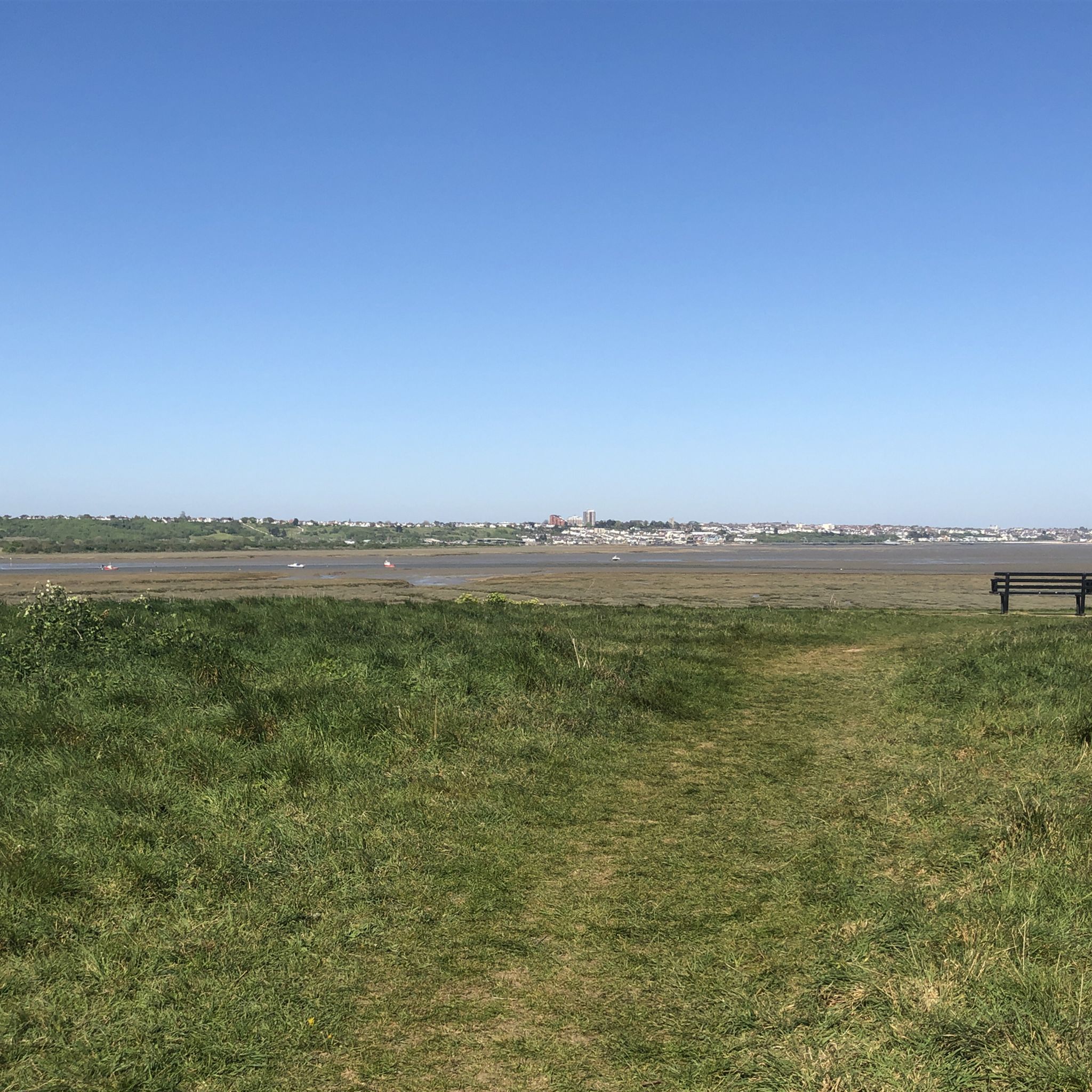
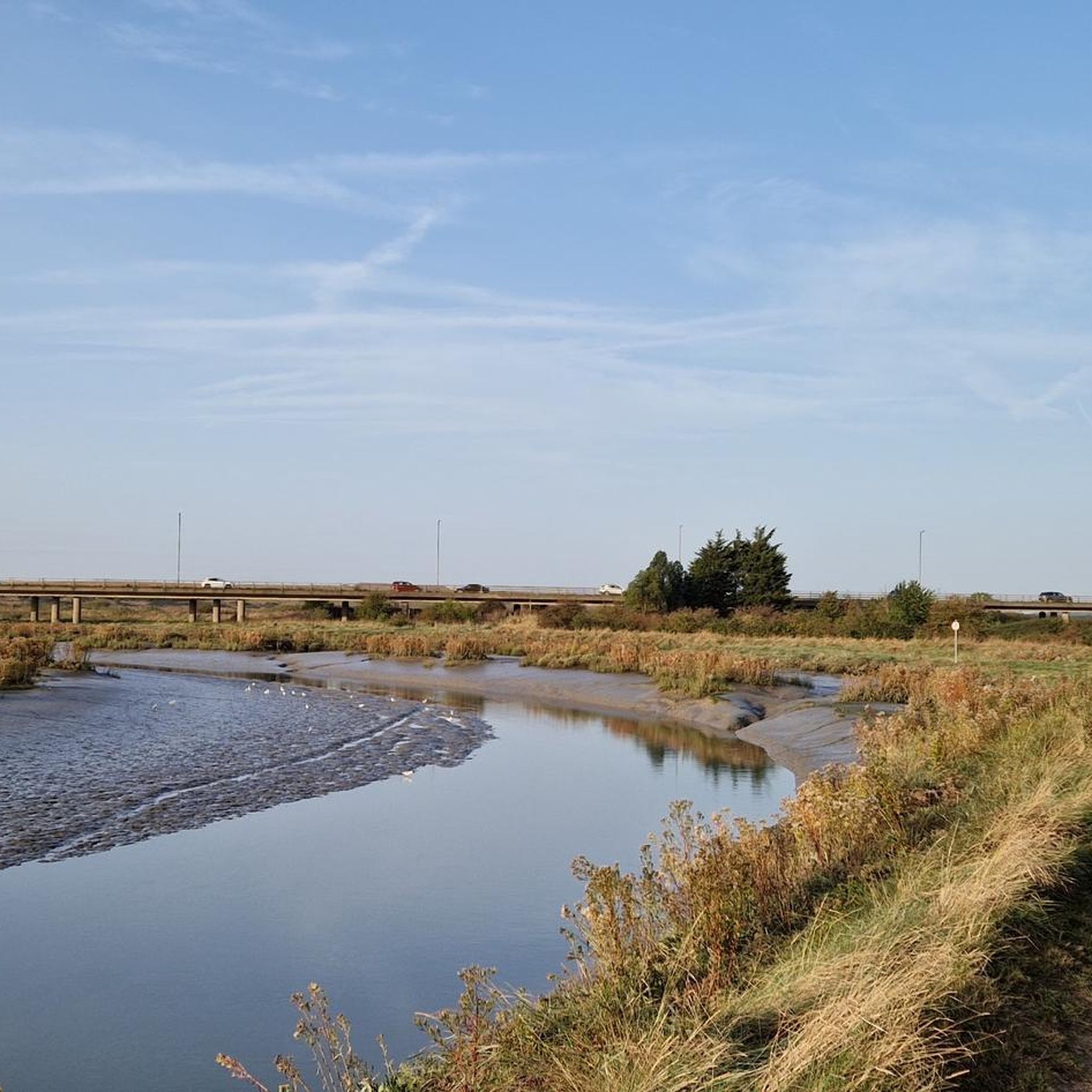
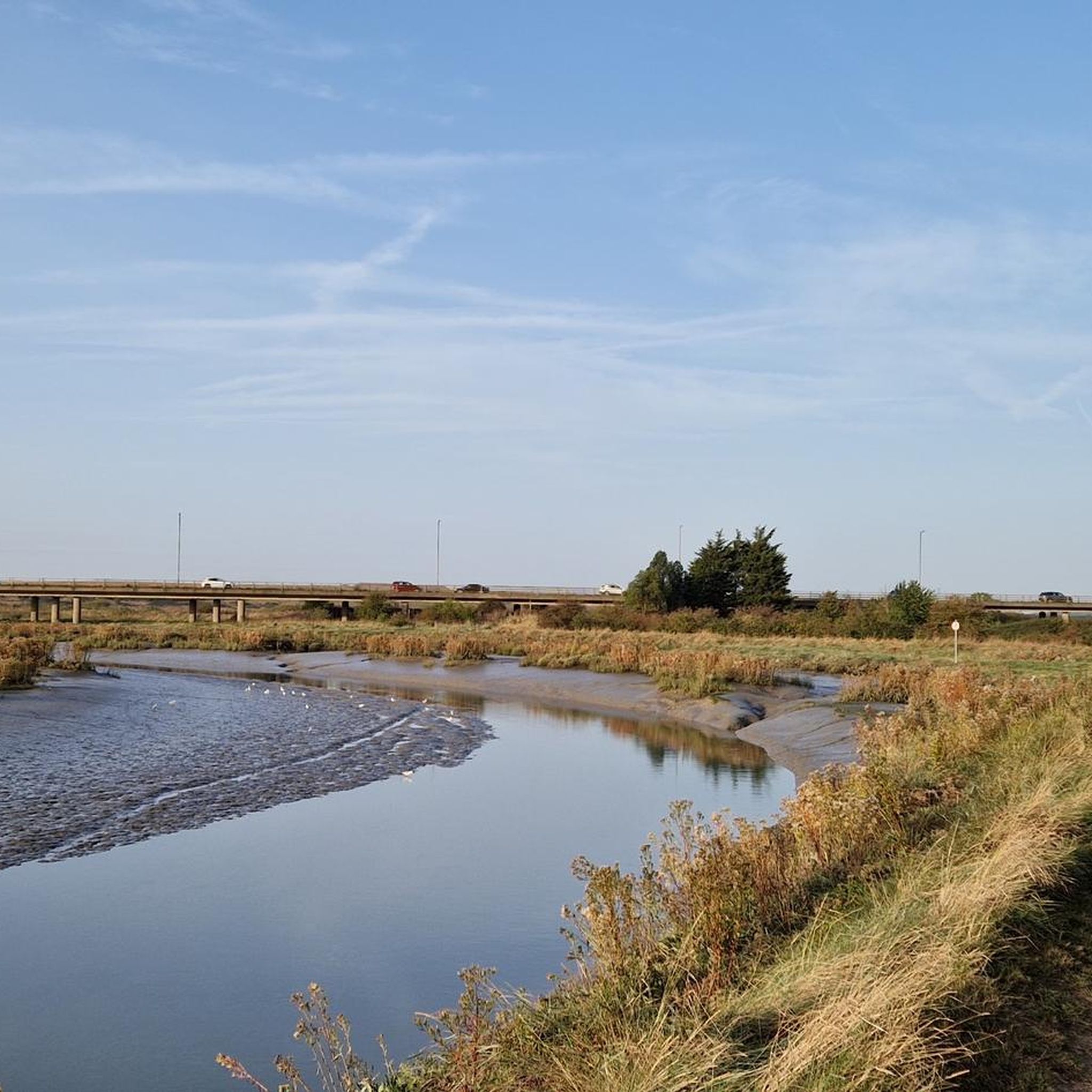
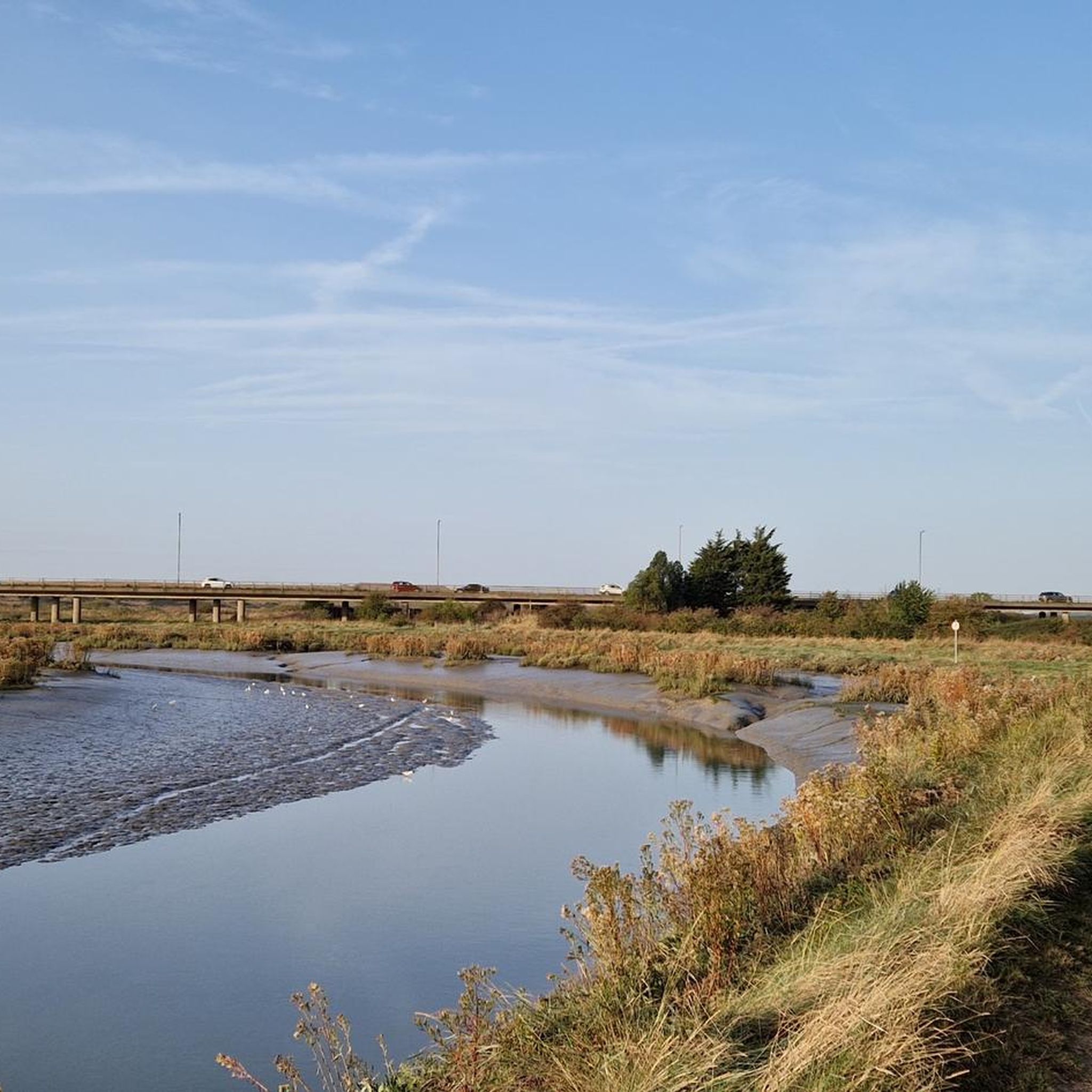
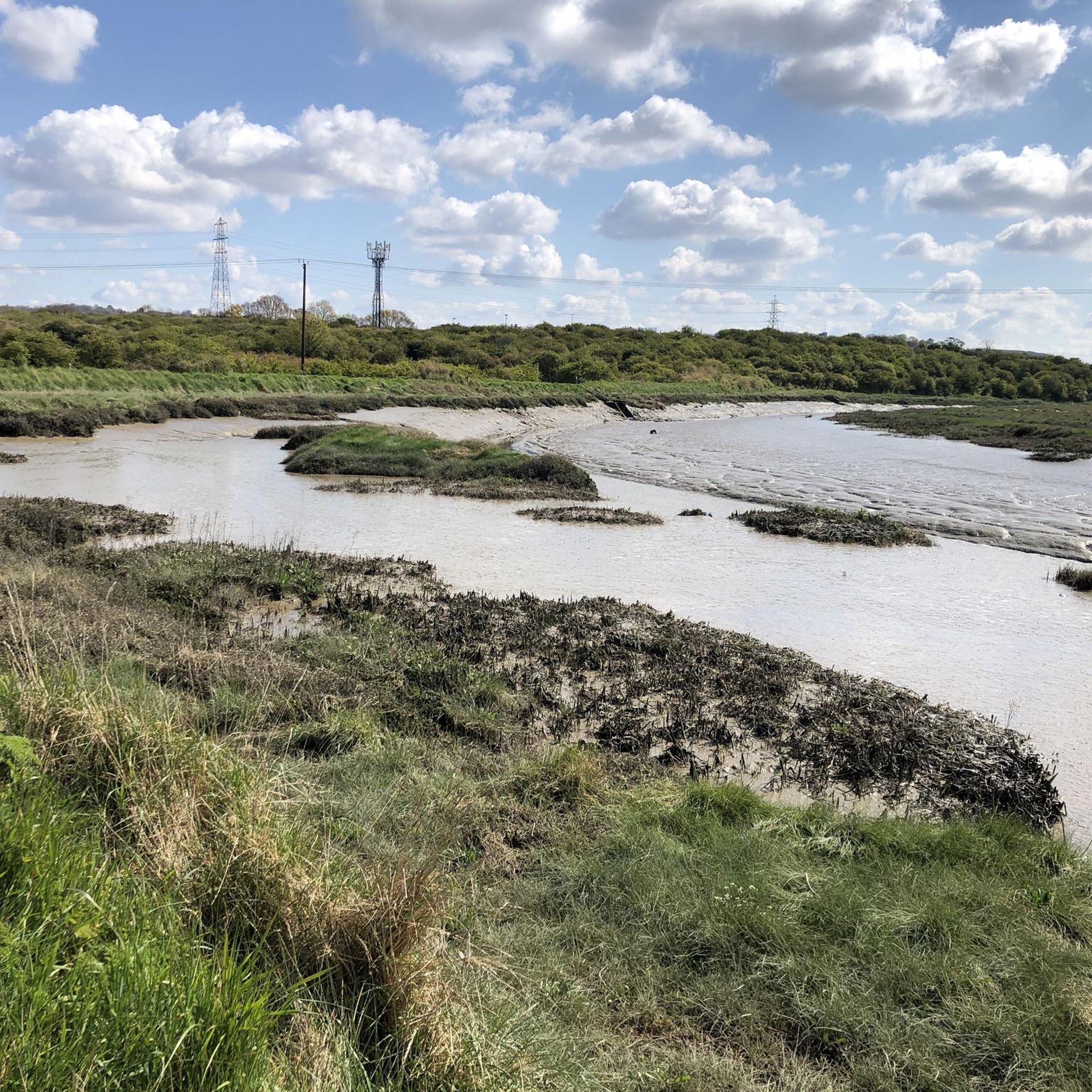
When the tide is low you can follow a path up to this point and further.
1
0
Frequently Asked Questions
What are the most significant nature reserves around Canvey Island?
Canvey Island and its immediate vicinity boast several important nature reserves. Canvey Wick Nature Reserve is a Site of Special Scientific Interest (SSSI) known for its exceptional invertebrate biodiversity, often called a 'brownfield rainforest'. West Canvey Marsh Nature Reserve, part of the RSPB South Essex Reserves, offers extensive wetlands for birdwatching. Just off the island, Hadleigh Country Park provides diverse habitats including woodland and marsh, with panoramic views over the Thames Estuary.
What unique wildlife can I expect to see at Canvey Wick Nature Reserve?
Canvey Wick Nature Reserve is a haven for invertebrates, with over 1,300 species recorded. You might spot rare insects such as the Shrill Carder Bee, Brown-banded Carder Bee, Canvey Island Ground Beetle, Five-banded Weevil-wasp, and the Scarce Emerald Damselfly. In June, the reserve is vibrant with orchids, and in July, marbled white butterflies are abundant.
Are there good spots for birdwatching near Canvey Island?
Yes, West Canvey Marsh Nature Reserve is an excellent location for birdwatching. Its network of wet and dry grasslands, reed beds, lagoons, and saltmarsh attracts a variety of wading birds and wildfowl. You can often see species like egrets and redshanks, making it ideal for those interested in estuarine ecosystems.
What kind of activities can families enjoy at the natural monuments?
Many natural monuments around Canvey Island are family-friendly. Hadleigh Country Park offers extensive trails for walking and cycling, with diverse flora and fauna to discover. One Tree Hill Viewpoint provides woodland trails with scenic views, perfect for a family stroll. Canvey Wick and West Canvey Marsh also have accessible paths for exploring nature and spotting wildlife.
What historical natural monuments can I visit in the area?
Beyond pure nature, the area features sites with historical significance. The Crowstone is a man-made monument that historically marked the seaward limit of the River Thames, reflecting the City of London's ancient rights. Rayleigh Mount Nature Park, once home to a Norman castle, combines historical interest with natural beauty, featuring ponds and ancient earthworks.
Are there any hidden natural gems or less-known spots worth exploring?
For a quieter experience, consider Pound Woods, which features well-preserved medieval wood banks, numerous ponds, and serene dells. It's a great spot for a run and promises a breathtaking spectacle of bluebells in spring. Another option is Magnolia Nature Reserve, a former brickworks now offering circular trails and opportunities to spot local wildlife, especially songbirds.
What are the best times of year to visit the natural monuments around Canvey Island?
The best time to visit depends on your interests. Spring (April-May) is ideal for seeing wildflowers, such as bluebells in Hadleigh Country Park and Pound Woods. Early summer (June-July) is perfect for orchids at Canvey Wick and butterflies in Hadleigh Country Park. Autumn offers beautiful foliage, while winter can be excellent for birdwatching at West Canvey Marsh. Always check local conditions before your visit.
Are there opportunities for cycling or running near these natural monuments?
Yes, the area offers various routes for cycling and running. Hadleigh Country Park is particularly popular for mountain biking, with trails like the 'Olympic MTB loop from Southend-on-Sea'. For runners, there are routes such as the 'Canvey Island loop' or trails around Hadleigh Castle Country Park. You can find more details on these activities in the MTB Trails around Canvey Island and Running Trails around Canvey Island guides.
Can I bring my dog to the natural monuments?
Many natural areas around Canvey Island are dog-friendly, but rules vary by reserve. Hadleigh Country Park generally welcomes dogs on leads. For specific nature reserves like Canvey Wick and West Canvey Marsh, it's best to check their official websites for the latest guidelines on dog access, as these sites are sensitive habitats for wildlife.
What hiking trails are available near Canvey Island's natural monuments?
There are numerous hiking trails to explore. Popular options include the 'Hadleigh Castle, the Thames Estuary & Two Tree Island loop' and routes around Hadleigh Castle Country Park. These trails offer diverse scenery, from estuarine views to woodland paths. For more detailed information on hiking routes, refer to the Hiking around Canvey Island guide.
Where can I find information about Hadleigh Country Park?
Hadleigh Country Park is a large and diverse park offering extensive recreation opportunities and stunning views. For detailed information on its features, facilities, and current events, you can visit the official website: visitsouthend.co.uk.
Are there any wheelchair-accessible nature trails?
While specific details on wheelchair accessibility for all sites are not readily available, larger parks like Hadleigh Country Park often have some accessible paths. For Canvey Wick and West Canvey Marsh, it's advisable to check their respective websites or contact them directly for information on trail surfaces and accessibility for wheelchairs.
Most popular routes around Canvey Island
Most popular attractions around Canvey Island

Get inspired with the komoot mobile app


