Top 20 Natural Monuments around Heyshott
Best natural monuments around Heyshott are found within a landscape characterized by ancient chalk downland, heathland, and historical sites. This area, nestled at the foot of the South Downs in West Sussex, offers diverse ecosystems and significant natural features. Visitors can explore a variety of habitats, from rich chalk grasslands to wetland environments. The region provides opportunities to observe unique flora and fauna alongside historical elements.
Best natural monuments around Heyshott
- The most popular natural monuments is Harting Down,…
Last updated: June 29, 2026
Devil's Humps (Bronze Age Barrows)
Highlight • Historical Site
Tip by

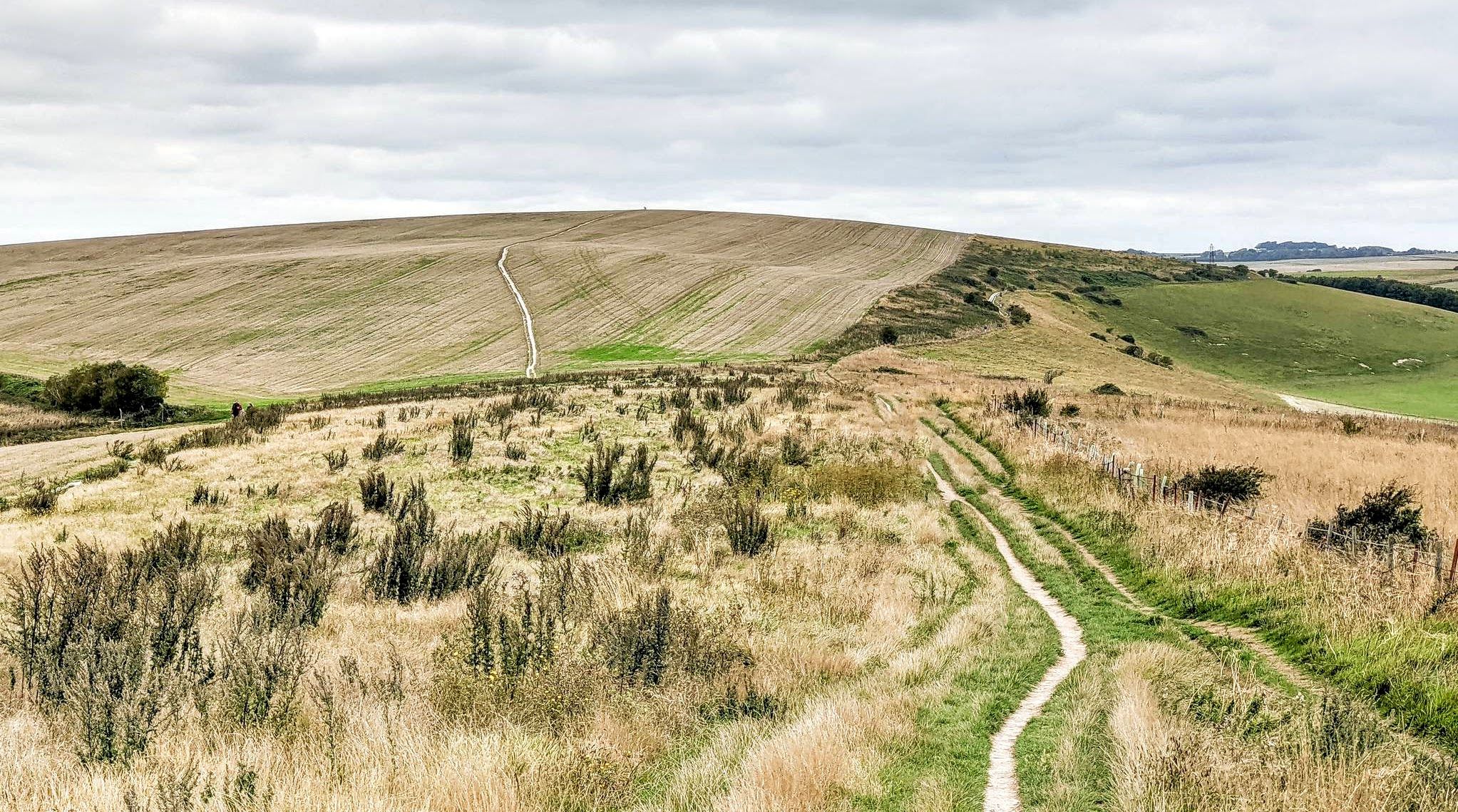
Harting Down
Highlight • Natural Monument
Tip by

Sign up now to discover places like this
Get recommendations on the best single tracks, peaks, & plenty of other exciting outdoor places.
Sign up for free
Burton Mill Pond and Mill
Highlight • Historical Site
Tip by

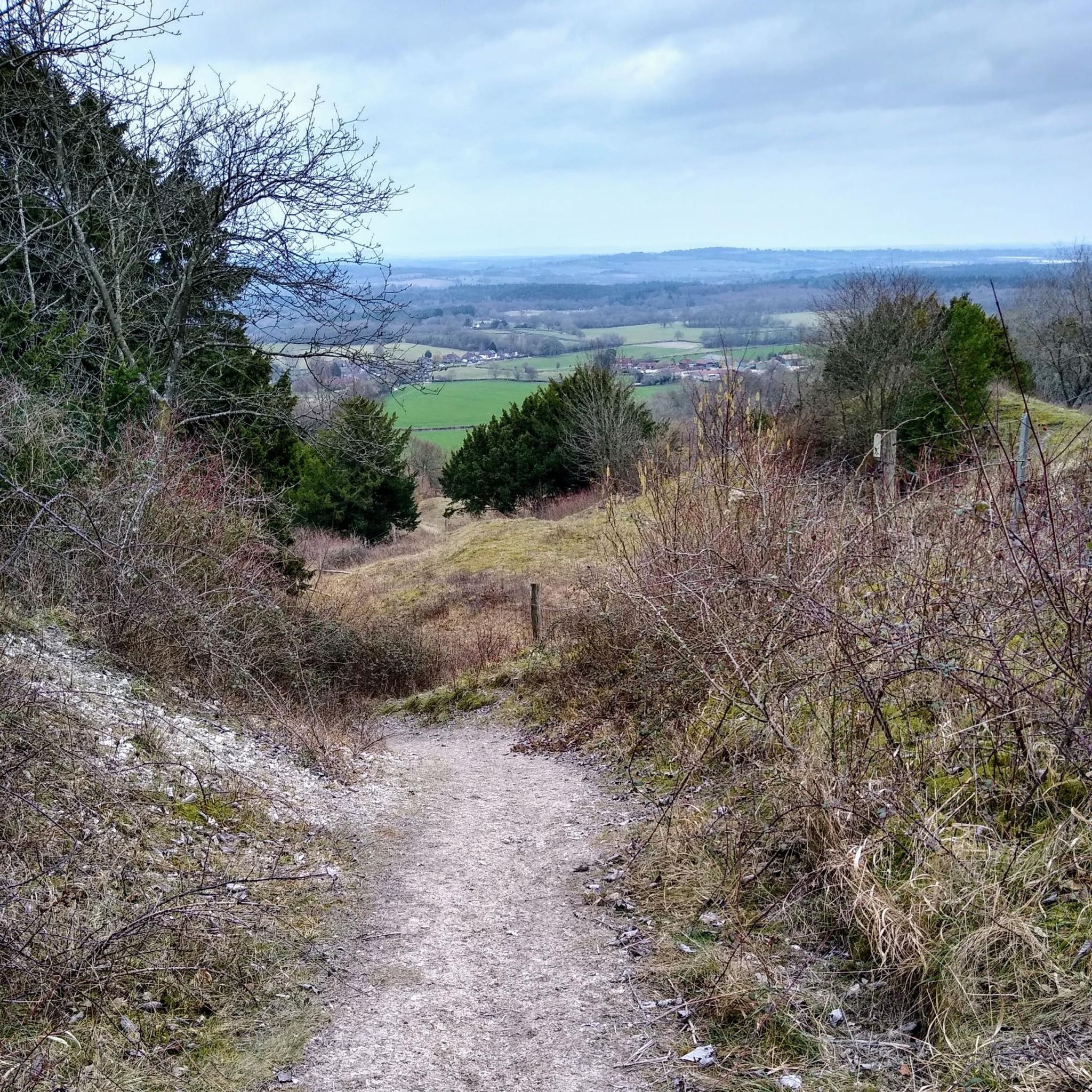
Graffham Down Nature Reserve
Highlight • Viewpoint
The …
Tip by

South Pond, Midhurst
Highlight • Lake
Tip by
Sign up for free to discover even more natural monuments around Heyshott.
Sign up for free
Already have an account?
Start today with a free account
Your next adventure awaits.
Login or Signup
Other adventures around Heyshott

Tips from the Community

Head south from Harting down to join bridle path heading South down to Centurion way and thence to Chichester railway station, 11 miles. Mainly a descent, Just one climb and then the joy of the recently upgraded cycle path the last 5 miles to Chichester. Winchester railway station to Chichester railway station 44 miles.
0
0

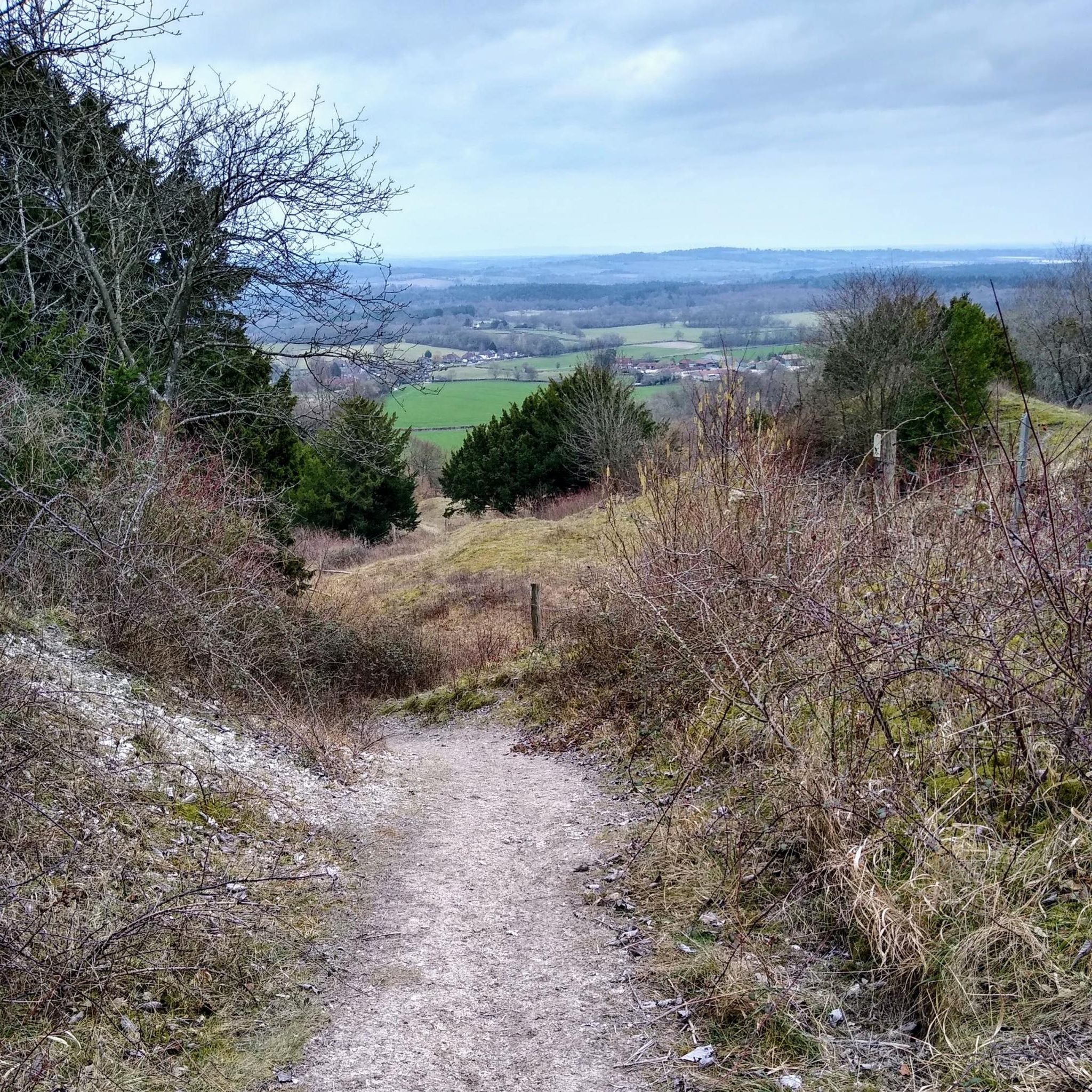
It's worth noting that the pictures here are of Devil's Humps (10 mins away) not Bow Hill. This marker is in the middle of some woodland without a view (but you do walk past a good view as you turn off the main path!)
0
0


Burton Mill Pond is part of the Burton Mill and Chingford Ponds Local Nature Reserve (LNR). Originating in the late 16th century to fuel a forge, the pond has a historical past. By the late 18th century, it played a vital role as part of a water mill for grinding corn, with the imposing structure by the road now standing as the remnants of the old mill. It's part of a fabulous landscape as you cycle along the road bordering its northeastern shore.
0
0

Nice place with spectacular views. Easy path.
2
0

Known as the ‘Devil’s Humps‘and the ‘King's Graves,‘ many legends and folklores surround these Bronze Age barrows. Whatever the truth the commanding position at the very top of Kingley Vale is a clear indication that they marked the resting place of important people, perhaps tribal leaders. This may be evidence of the beginnings of social hierarchies at this time. https://www.southdowns.gov.uk/wp-content/uploads/2018/02/Kingley-Vale-Hidden-Trail-Final-web-version.pdf
0
0

South pond is a historic and scenic pond in Midhurst, West Sussex, England. It is fed by two streams that were once the boundaries of Saxon settlements, and it forms the division between the oldest part of Midhurst and West Lavington. The pond was created in the mid-1100s by one of the medieval lords of Midhurst, who dammed the streams to make a breeding pool for fish. The pond has been used for various purposes over the centuries, such as milling, fulling, leather production, and entertainment. The pond is now a nature reserve and a popular spot for walking, fishing, and birdwatching. It is part of the South Downs National Park and has a rich biodiversity of plants and animals. The pond is also home to the South Pond Group, a voluntary community group that works to care for and improve the pond and its surroundings. The group organizes regular events, activities, and projects to engage the public and enhance the pond’s beauty and value.
2
0
The current mill building dates from around 1780, although mills and forges have been exploiting the Downs spring water for at least 800 years. The mill's historic water-powered milling machine has been restored to working condition. Burton Mill is open to visitors on the Sunday of the National Mills Weekend in May and the National Heritage Weekend in September.
2
0
Frequently Asked Questions
What are some of the most notable natural monuments around Heyshott?
Heyshott is home to a diverse range of natural monuments. Among the most popular are Harting Down, known for its extensive ancient chalk downland, and Devil's Humps (Bronze Age Barrows), which combines historical significance with spectacular views. Another significant site is Graffham Down Nature Reserve, offering brilliant views over the rolling countryside.
What kind of wildlife and flora can I expect to see at Heyshott's natural monuments?
The natural monuments around Heyshott are rich in biodiversity. At Heyshott Down, you can find rare chalk grassland plants like Bee Orchids and Round-headed Rampion, along with butterflies such as the Duke of Burgundy. Harting Down is famous for wild herbs, pyramidal orchids, juniper, skylarks, and various butterfly species. Heyshott Common is a crucial habitat for birds like Nightjars, Woodlark, and Stonechat, while Burton Mill Pond supports diverse wetland flora and invertebrate populations.
Are there any historical or archaeological sites among the natural monuments?
Yes, several natural monuments in the area also hold significant historical value. The Devil's Humps (Bronze Age Barrows) are ancient burial mounds offering insights into Bronze Age societies. Burton Mill Pond, originally a 16th-century hammer pond, showcases industrial heritage. Additionally, Heyshott Down features archaeological elements like Bronze Age and Iron Age barrows and cross dykes. South Pond, Midhurst, is a historic pond created in the 12th century for fish breeding, with a long history of various uses.
Which natural monuments offer the best views around Heyshott?
For expansive vistas, Heyshott Down provides far-reaching views across the Rother Valley. Devil's Humps (Bronze Age Barrows) offers spectacular views from its commanding position. Harting Down is also known for its extensive views. Graffham Down Nature Reserve provides brilliant views to the north over rolling agricultural countryside.
Are there family-friendly natural monuments to visit near Heyshott?
Yes, several natural monuments are suitable for families. Burton Mill Pond and Mill offers a picturesque setting for walks and observing wetland biodiversity. South Pond, Midhurst, is a nature reserve popular for walking and birdwatching, making it a pleasant spot for families.
What outdoor activities can I do near these natural monuments?
The area around Heyshott's natural monuments is excellent for various outdoor activities. You can find numerous hiking trails, including easy hikes like the 'Todham Rough Path – Heyshott Common loop from Graffham'. For cycling enthusiasts, there are road cycling routes such as the 'Burton Mill Pond – Lurgashall Village Green loop from Midhurst'. Running trails are also available, including challenging routes like the 'Butser Hill – Butser Hill loop from Cocking'. You can explore more options in the easy hikes guide, road cycling guide, and running trails guide for Heyshott.
When is the best time of year to visit the natural monuments around Heyshott?
The natural monuments around Heyshott offer beauty throughout the year, but specific seasons highlight different aspects. Spring and summer are ideal for observing wildflowers, butterflies, and birds like Nightjars on Heyshott Common. Autumn provides particularly stunning scenery around Burton Mill Pond with its vibrant foliage. The chalk downlands like Heyshott Down and Harting Down are enjoyable for walking in drier conditions, making late spring to early autumn generally pleasant.
What makes Heyshott Down a significant natural monument?
Heyshott Down is a significant natural monument due to its status as an ancient chalk downland and a Site of Special Scientific Interest (SSSI). It boasts rich chalk grassland supporting rare plant species like Bee Orchids and Horseshoe Vetch, and is a haven for butterflies, including the rare Duke of Burgundy. The landscape also features unusual hillocks from former chalk quarrying and archaeological elements like Bronze Age barrows, making it a fascinating blend of natural and historical interest.
Can I find wetland habitats among the natural monuments?
Yes, Burton Mill Pond and Chingford Ponds Local Nature Reserve (LNR) is a nationally important site for its wetland habitats. It supports rare plants, diverse birdlife, and invertebrate populations, offering a unique opportunity to experience a lowland wetland ecosystem. South Pond, Midhurst, also functions as a nature reserve with rich biodiversity in its aquatic environment.
What do visitors particularly enjoy about the natural monuments in Heyshott?
Visitors frequently praise the spectacular views, especially from sites like Devil's Humps and Graffham Down Nature Reserve. The rich biodiversity, including rare flora and fauna on the chalk downlands and heathlands, is a major draw for nature enthusiasts. The combination of natural beauty with historical elements, such as the Bronze Age barrows and ancient mill ponds, also adds a unique layer of interest to the exploration.
Are there specific hiking trails recommended near Heyshott's natural monuments?
Yes, there are various hiking trails to explore. For easy walks, you can find routes like the 'Todham Rough Path – Heyshott Common loop from Graffham'. Many trails traverse the natural monuments themselves, such as those across Heyshott Down and Harting Down. You can discover more options in the easy hikes guide around Heyshott.
What is special about Heyshott Common?
Heyshott Common is an exceptional heathland recognized as a Biodiversity Opportunity Area (BOA). It is particularly significant for supporting a stable population of Nightjars, and also hosts other notable bird species like Woodlark and Stonechat. The common is part of ongoing conservation efforts to restore and create important Biodiversity Action Plan (BAP) habitats, making it a vital site for regional biodiversity and birdwatching.
Most popular routes around Heyshott
Most popular attractions around Heyshott

Get inspired with the komoot mobile app


Explore more
Extend your search for the best caves by checking out these guides of the top ones around Heyshott:
