Top 20 Natural Monuments around West Lavington
Best natural monuments around West Lavington include a variety of chalk uplands, historical sites, and nature reserves. This area, situated on the northern edge of Salisbury Plain in Wiltshire, England, offers scenic views and opportunities for outdoor activities. The landscape combines historical significance with natural beauty, providing diverse experiences for visitors. It is known for its chalk grassland habitats and expansive countryside.
Best natural monuments around West Lavington
- The most popular natural monuments is Harting Down, a natural monument…
Last updated: May 17, 2026
Devil's Humps (Bronze Age Barrows)
Highlight • Historical Site
Tip by

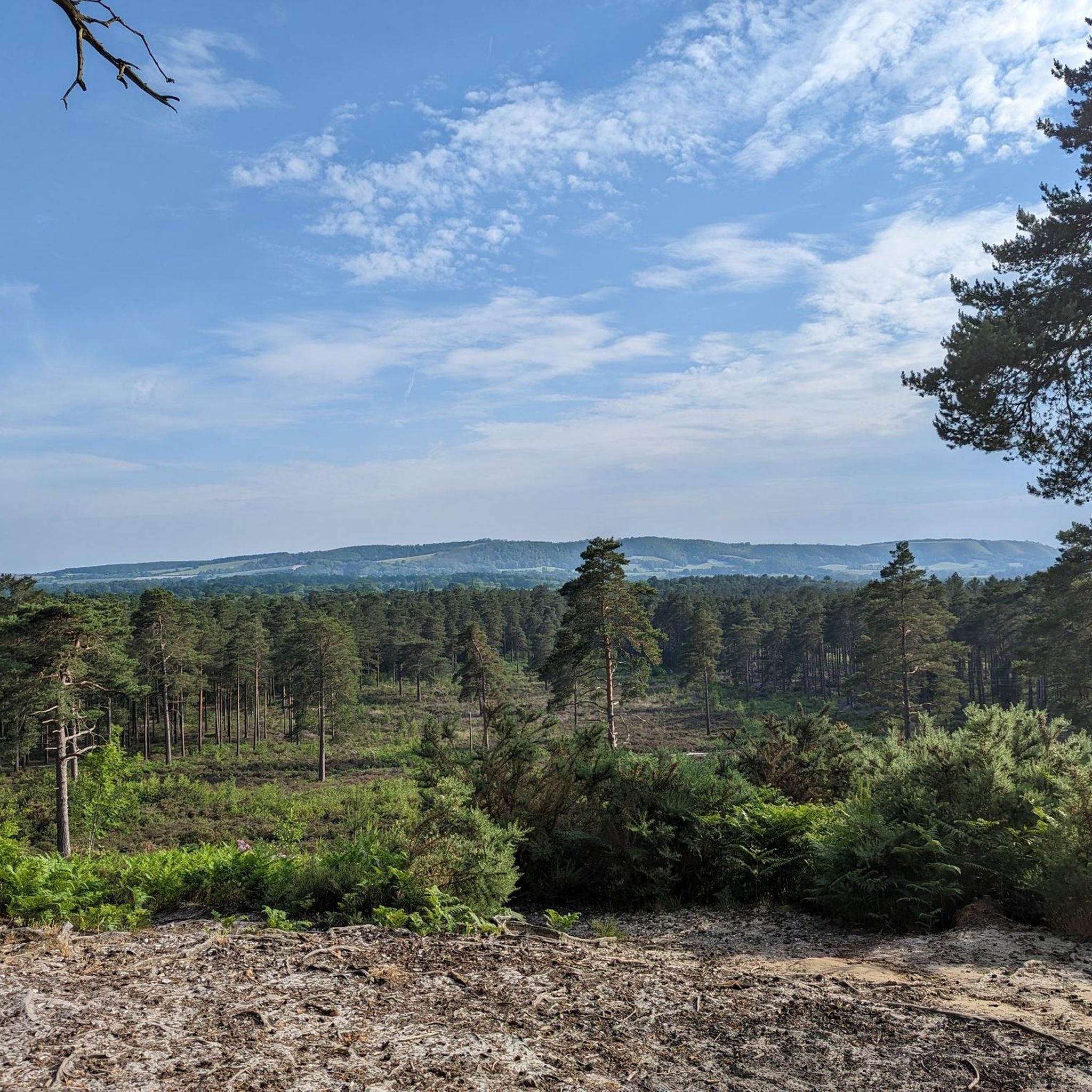
Harting Down
Highlight • Natural Monument
Tip by

Sign up now to discover places like this
Get recommendations on the best single tracks, peaks, & plenty of other exciting outdoor places.
Sign up for free
Burton Mill Pond and Mill
Highlight • Historical Site
Tip by

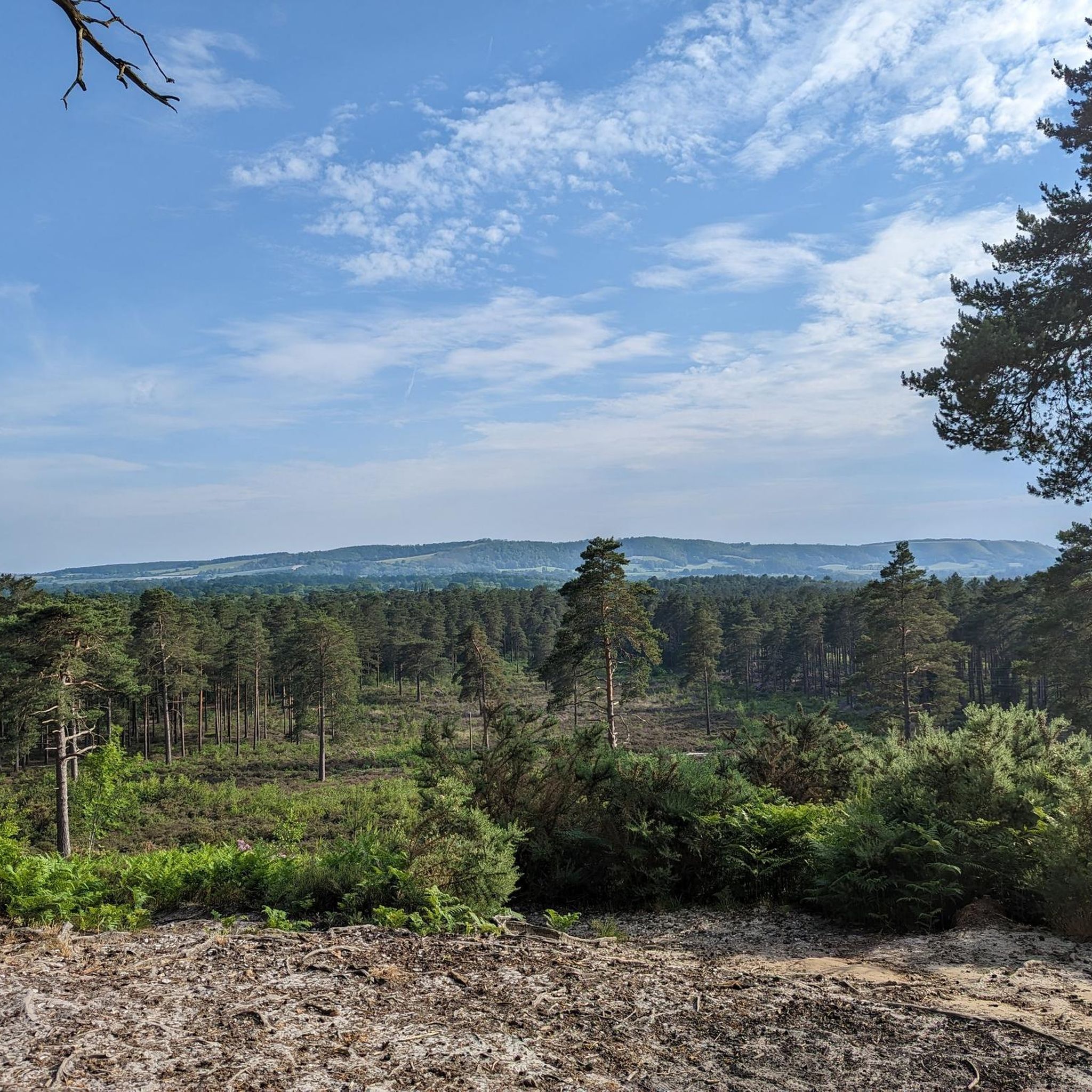
Graffham Down Nature Reserve
Highlight • Viewpoint
The …
Tip by

South Pond, Midhurst
Highlight • Lake
Tip by
Sign up for free to discover even more natural monuments around West Lavington.
Sign up for free
Already have an account?
Start today with a free account
Your next adventure awaits.
Login or Signup
Tips from the Community

Head south from Harting down to join bridle path heading South down to Centurion way and thence to Chichester railway station, 11 miles. Mainly a descent, Just one climb and then the joy of the recently upgraded cycle path the last 5 miles to Chichester. Winchester railway station to Chichester railway station 44 miles.
0
0

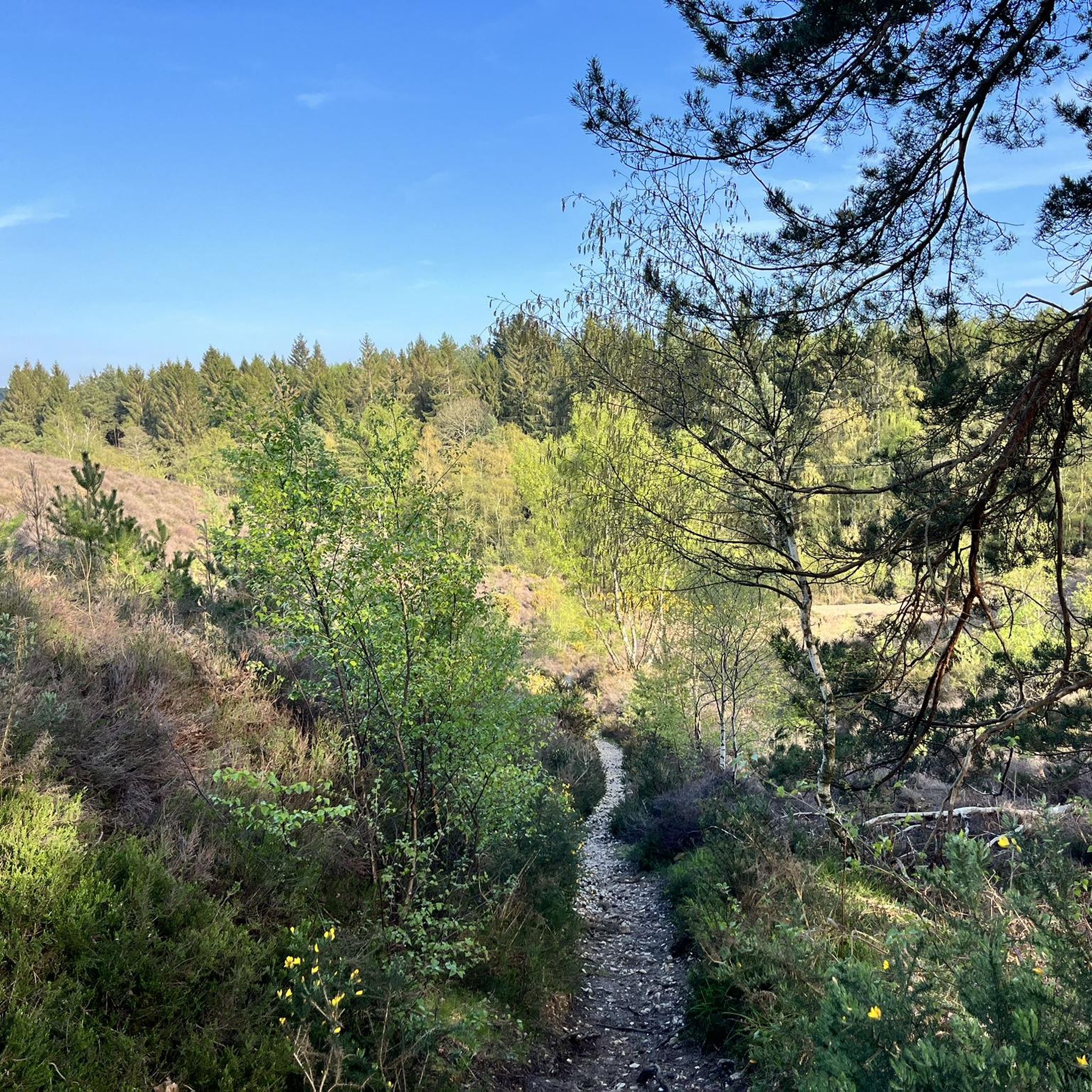
It's worth noting that the pictures here are of Devil's Humps (10 mins away) not Bow Hill. This marker is in the middle of some woodland without a view (but you do walk past a good view as you turn off the main path!)
0
0


Burton Mill Pond is part of the Burton Mill and Chingford Ponds Local Nature Reserve (LNR). Originating in the late 16th century to fuel a forge, the pond has a historical past. By the late 18th century, it played a vital role as part of a water mill for grinding corn, with the imposing structure by the road now standing as the remnants of the old mill. It's part of a fabulous landscape as you cycle along the road bordering its northeastern shore.
0
0

Nice place with spectacular views. Easy path.
1
0

Known as the ‘Devil’s Humps‘and the ‘King's Graves,‘ many legends and folklores surround these Bronze Age barrows. Whatever the truth the commanding position at the very top of Kingley Vale is a clear indication that they marked the resting place of important people, perhaps tribal leaders. This may be evidence of the beginnings of social hierarchies at this time. https://www.southdowns.gov.uk/wp-content/uploads/2018/02/Kingley-Vale-Hidden-Trail-Final-web-version.pdf
0
0

South pond is a historic and scenic pond in Midhurst, West Sussex, England. It is fed by two streams that were once the boundaries of Saxon settlements, and it forms the division between the oldest part of Midhurst and West Lavington. The pond was created in the mid-1100s by one of the medieval lords of Midhurst, who dammed the streams to make a breeding pool for fish. The pond has been used for various purposes over the centuries, such as milling, fulling, leather production, and entertainment. The pond is now a nature reserve and a popular spot for walking, fishing, and birdwatching. It is part of the South Downs National Park and has a rich biodiversity of plants and animals. The pond is also home to the South Pond Group, a voluntary community group that works to care for and improve the pond and its surroundings. The group organizes regular events, activities, and projects to engage the public and enhance the pond’s beauty and value.
2
0
The current mill building dates from around 1780, although mills and forges have been exploiting the Downs spring water for at least 800 years. The mill's historic water-powered milling machine has been restored to working condition. Burton Mill is open to visitors on the Sunday of the National Mills Weekend in May and the National Heritage Weekend in September.
2
0
Frequently Asked Questions
What unique natural features can I explore around West Lavington?
The area around West Lavington is characterized by its picturesque chalk uplands and expansive chalk grassland. You can find diverse flora and fauna in these habitats. For instance, Harting Down is one of Britain's largest ancient chalk downlands, home to wild herbs, pyramidal orchids, and various butterfly species. The surrounding Salisbury Plain also offers vast open landscapes.
Are there historical natural monuments to visit near West Lavington?
Yes, the region blends natural beauty with significant historical sites. The Devil's Humps (Bronze Age Barrows) are ancient burial mounds offering spectacular views and insights into early social hierarchies. Additionally, the iconic Westbury White Horse, a large chalk figure, and the Iron Age hillfort of Bratton Camp are notable historical landmarks carved into the natural landscape.
What kind of wildlife can I spot in the natural monuments around West Lavington?
The chalk grasslands are rich in biodiversity. At Harting Down, you might see skylarks, various butterfly species, and even rarities like the blue carpenter bee. The area around Westbury White Horse and Bratton Camp is also known for diverse plants, including the rare Adonis Blue butterfly and the scarce forester moth.
Are there family-friendly natural monuments or activities in the area?
Yes, several spots are suitable for families. Burton Mill Pond and Mill offers a pleasant environment with historical interest and natural beauty, ideal for a family outing. South Pond, Midhurst is also a historic and scenic spot, popular for walking and birdwatching, making it a great choice for families.
What outdoor activities can I do near these natural monuments?
The region offers a variety of outdoor activities. You can find numerous hiking trails, such as those around Salisbury Plain, and dedicated routes for mountain biking and gravel biking. For detailed routes, explore the hiking guide around West Lavington, the MTB trails guide, or the gravel biking guide for the area.
Are there specific hiking trails near the natural monuments?
Yes, many natural monuments are integrated into walking and hiking networks. For example, the South Downs Way passes over Graffham Down Nature Reserve, offering excellent views. You can find various routes, including moderate hikes like the 'Cowdray Manor Park loop from Midhurst', in the Hiking around West Lavington guide.
What is the best time of year to visit the natural monuments around West Lavington?
Spring and summer are particularly rewarding for visiting the natural monuments, as the chalk grasslands are in full bloom with wild herbs and orchids, and butterflies are abundant. The weather is generally milder, making it ideal for outdoor activities like hiking and exploring. Autumn also offers beautiful scenery with changing foliage.
Are there any natural monuments that offer extensive views?
Absolutely. Many natural monuments in the region double as excellent viewpoints. Devil's Humps (Bronze Age Barrows) and Harting Down both provide spectacular panoramic views over the surrounding countryside. Graffham Down Nature Reserve also offers brilliant views to the north over rolling agricultural landscapes.
What do visitors enjoy most about the natural monuments around West Lavington?
Visitors frequently praise the spectacular views and the peaceful, natural environment. Many appreciate the blend of historical significance with natural beauty, such as the ancient barrows at Devil's Humps. The diverse flora and fauna, especially at sites like Harting Down, are also highly valued by the komoot community, as evidenced by over 100 upvotes and numerous shared photos.
Can I find places to eat or drink near the natural monuments?
While specific cafes or pubs are not directly adjacent to every monument, some locations offer nearby amenities. For instance, South Pond, Midhurst is conveniently located just a couple of minutes away from coffee shops, making it easy to grab a refreshment after your visit.
Are there any natural monuments that are also significant for their water features?
Yes, Burton Mill Pond and Mill is a beautiful hammer pond and holding pond, part of a Local Nature Reserve and Site of Special Scientific Interest, known for its wetland habitats. South Pond, Midhurst is another historic pond, fed by streams, which is now a nature reserve popular for birdwatching.
What is the terrain like for hiking around West Lavington's natural monuments?
The terrain primarily consists of chalk uplands and downland, which can involve moderate ascents and descents. Trails often traverse open grasslands and can be exposed. While many paths are well-maintained, some areas, especially after rain, might be muddy. It's advisable to wear appropriate footwear for varied conditions.
Most popular routes around West Lavington
Most popular attractions around West Lavington

Get inspired with the komoot mobile app


Explore more
Extend your search for the best caves by checking out these guides of the top ones around West Lavington:
