Top 17 Natural Monuments around Duncton
Natural monuments around Duncton, a village in West Sussex, England, feature diverse landscapes and rich biodiversity. The area is characterized by heathland environments, woodlands, and panoramic viewpoints. These natural features provide opportunities for outdoor activities and nature observation. Duncton's natural monuments, including Duncton Common and Lavington Common, offer unique ecosystems and scenic beauty.
Best natural monuments around Duncton
- The most popular natural monuments is Temple of the Wind Viewpoint, a viewpoint that offers extensive views. This location provides panoramic…
Last updated: June 29, 2026
Burton Mill Pond and Mill
Highlight • Historical Site
Tip by

Graffham Down Nature Reserve
Highlight • Viewpoint
The …
Tip by

Sign up now to discover places like this
Get recommendations on the best single tracks, peaks, & plenty of other exciting outdoor places.
Sign up for free
South Pond, Midhurst
Highlight • Lake
Tip by
Temple of the Wind Viewpoint
Highlight • Viewpoint
Tip by

Black Down Summit and Viewpoint
Highlight • Natural Monument
Tip by

Sign up for free to discover even more natural monuments around Duncton.
Sign up for free
Already have an account?
Start today with a free account
Your next adventure awaits.
Login or Signup
Other adventures around Duncton

Tips from the Community


The views were amazing, after the 800 ft climb 😆
1
0

Burton Mill Pond is part of the Burton Mill and Chingford Ponds Local Nature Reserve (LNR). Originating in the late 16th century to fuel a forge, the pond has a historical past. By the late 18th century, it played a vital role as part of a water mill for grinding corn, with the imposing structure by the road now standing as the remnants of the old mill. It's part of a fabulous landscape as you cycle along the road bordering its northeastern shore.
0
0

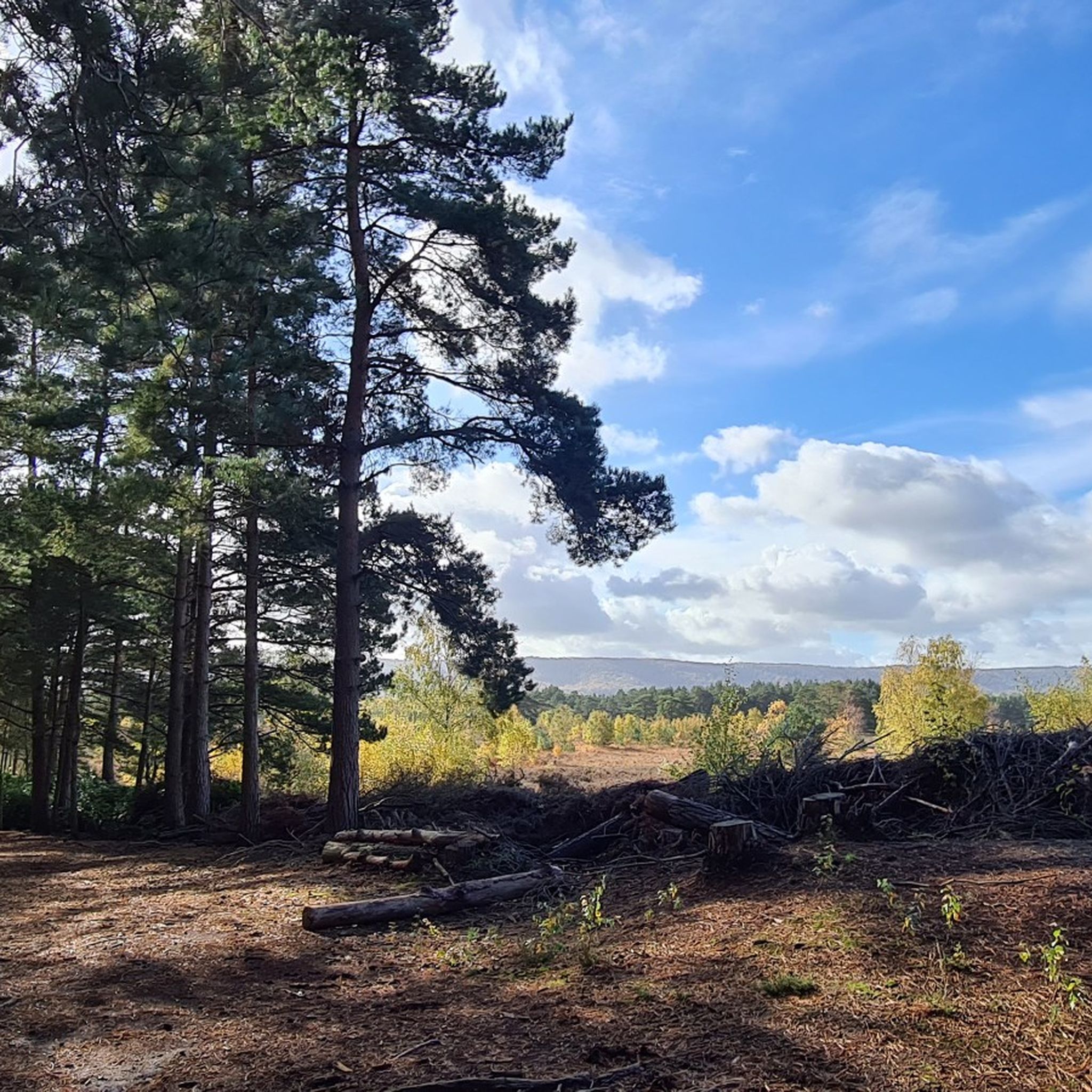
Black Down is the highest point in the South Downs National Park at 290 m. As such it is also is classified one of the UK's Marilyns. Expect a landscape of wavy hair grass, purple heather and pine trees.
0
0

South pond is a historic and scenic pond in Midhurst, West Sussex, England. It is fed by two streams that were once the boundaries of Saxon settlements, and it forms the division between the oldest part of Midhurst and West Lavington. The pond was created in the mid-1100s by one of the medieval lords of Midhurst, who dammed the streams to make a breeding pool for fish. The pond has been used for various purposes over the centuries, such as milling, fulling, leather production, and entertainment. The pond is now a nature reserve and a popular spot for walking, fishing, and birdwatching. It is part of the South Downs National Park and has a rich biodiversity of plants and animals. The pond is also home to the South Pond Group, a voluntary community group that works to care for and improve the pond and its surroundings. The group organizes regular events, activities, and projects to engage the public and enhance the pond’s beauty and value.
2
0
The current mill building dates from around 1780, although mills and forges have been exploiting the Downs spring water for at least 800 years. The mill's historic water-powered milling machine has been restored to working condition. Burton Mill is open to visitors on the Sunday of the National Mills Weekend in May and the National Heritage Weekend in September.
2
0
Burton Mill Pond is a beautiful place to visit. It is an atmospheric hammer pond and holding pond in the South Downs National Park, near Petworth, West Sussex. The pond is part of the Burton Mill and Chingford Ponds Local Nature Reserve (LNR) and the Burton Park Site of Special Scientific Interest (SSSI), which are nationally important for their wetland habitats, rare plants, birdlife, and invertebrate populations.
2
0

Burton Mill Pond is part of the Burton Mill and Chingford Ponds Local Nature Reserve (LNR). Enjoy the moment of calm as you pedal along the road skirting its north eastern shore. The pond was created in the late 16th century to power a forge. In the late 18th century the pond was part of a water mill for grinding corn. The large house by the road is the old mill.
1
0
Frequently Asked Questions
What types of natural landscapes can I expect to see around Duncton?
Duncton is known for its diverse natural landscapes, primarily featuring extensive heathland environments, woodlands, and areas offering panoramic views. You'll find rare pockets of open heath, particularly at Duncton Common and Lavington Common, alongside mature woodlands and attractive ponds.
Are there opportunities for wildlife spotting at Duncton's natural monuments?
Yes, the natural monuments around Duncton are rich in wildlife. At Duncton Common and Lavington Common, you might spot nightjars, warblers, stonechats, sand lizards, adders, and sand snakes, especially early in the morning. The area is also known for its diverse fungi. At Duncton Hill Viewpoint, deer can sometimes be seen along the nature trail.
What historical elements can be found among the natural monuments?
Duncton Common features a Bronze Age round barrow, adding a layer of historical interest to the natural landscape. Additionally, areas like Burton Mill Pond and Mill have a long history, with mills and forges exploiting the Downs spring water for centuries, and the current mill building dating from around 1780.
Are there good viewpoints in the Duncton area?
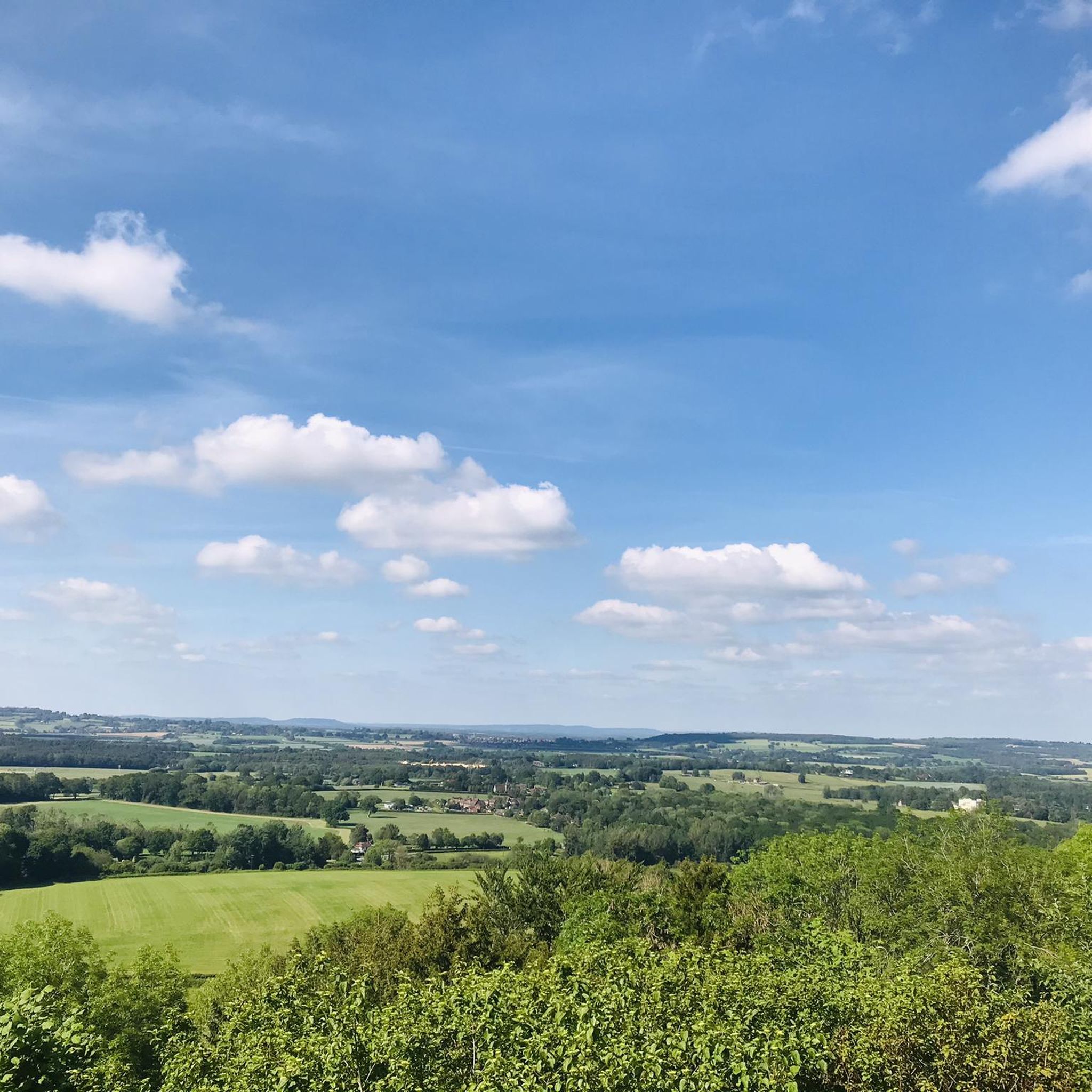
Absolutely. Duncton Hill Viewpoint offers breathtaking, uninterrupted vistas of West Sussex. Other notable viewpoints include Temple of the Wind Viewpoint, which provides extensive panoramic views, and Black Down Summit and Viewpoint, offering 360-degree views from a wooded area.
Are the natural monuments around Duncton suitable for families?
Many natural monuments in the area are family-friendly. Duncton Hill Viewpoint is a quick and enjoyable stop for families, offering opportunities for wildlife spotting. Temple of the Wind Viewpoint and South Pond, Midhurst are also categorized as family-friendly, providing accessible and engaging natural experiences.
What kind of walking or hiking trails are available near these natural monuments?
The area offers varied walks, from open heathland to woods and ponds. The Serpent Trail, a 64-mile waymarked route, passes through Duncton Common and Lavington Common. For easier options, you can find routes like the 'Lavington Lizard Sculpture – Duncton Common loop' which is an easy 5.1 km hike. You can explore more hiking trails in the area on the Easy hikes around Duncton guide.
Is there a specific time of year that is best to visit Duncton's natural monuments?
While beautiful year-round, the area around Lavington Common is particularly recommended for walks during autumn, when the heathland colors are vibrant. Early mornings are ideal for wildlife spotting, especially for creatures like adders and sand snakes before they warm up.
What are some unique features of Duncton Common and Lavington Common?
These adjoining commons are renowned for their rare heathland environment, rich in ferns, lichens, and bryophytes due to their sandy soil. Lavington Common is part of a larger Heathland Sculpture Trail, featuring a sculpture that tells the story of the area. Duncton Common also holds a Bronze Age round barrow, adding historical depth to its natural beauty.
Can I bring my dog to the natural monuments around Duncton?
Many natural areas in the South Downs National Park, including commons and woodlands, are generally dog-friendly. However, it's always best to keep dogs on a lead, especially in areas with ground-nesting birds, livestock, or sensitive wildlife like adders and sand lizards found on the commons. Always check local signage for specific rules.
What are the parking options for visiting these natural monuments?
Specific parking information for each natural monument can vary. For Duncton Common and Lavington Common, there are often small car parks or roadside parking areas available near access points. For Duncton Hill Viewpoint, parking is typically available nearby. It's advisable to check local maps or visitor information for precise parking locations before your visit.
What inspired the artist Ivon Hitchens in this area?
The unique landscapes around Lavington Common and Duncton Mill profoundly inspired modern British landscape painter Ivon Hitchens. He lived and worked in the area, capturing the essence of its heathland, woods, and ponds in his artwork, making the region a significant part of his artistic legacy.
What do visitors enjoy most about the natural monuments around Duncton?
Visitors particularly enjoy the stunning panoramic views, especially from spots like Temple of the Wind Viewpoint and Duncton Hill Viewpoint. The diverse walking opportunities through heathland and woodlands, along with the chance to spot interesting wildlife, are also highly appreciated. The peaceful atmosphere and natural beauty are frequently highlighted by those who explore the area.
Most popular routes around Duncton
Most popular attractions around Duncton

Get inspired with the komoot mobile app


Explore more
Extend your search for the best caves by checking out these guides of the top ones around Duncton:
