Top 14 Natural Monuments around Upwaltham
Best natural monuments around Upwaltham are found within the South Downs National Park, a region characterized by its distinctive chalk downland landscape, ancient woodlands, and rolling hills. This area offers a variety of natural features, from ancient trees to significant geological formations. The landscape provides opportunities to explore diverse ecosystems and panoramic views. Upwaltham's location allows access to these natural attractions within West Sussex.
Best natural monuments around Upwaltham
- The most popular natural monuments is Graffham Down Nature Reserve,…
Last updated: May 17, 2026
Burton Mill Pond and Mill
Highlight • Historical Site
Tip by

Graffham Down Nature Reserve
Highlight • Viewpoint
The …
Tip by

Sign up now to discover places like this
Get recommendations on the best single tracks, peaks, & plenty of other exciting outdoor places.
Sign up for free
South Pond, Midhurst
Highlight • Lake
Tip by
Queen Elizabeth I Oak
Highlight • Natural Monument
Tip by

Levin Down
Highlight • Viewpoint
Tip by
Sign up for free to discover even more natural monuments around Upwaltham.
Sign up for free
Already have an account?
Start today with a free account
Your next adventure awaits.
Login or Signup
Tips from the Community

Burton Mill Pond is part of the Burton Mill and Chingford Ponds Local Nature Reserve (LNR). Originating in the late 16th century to fuel a forge, the pond has a historical past. By the late 18th century, it played a vital role as part of a water mill for grinding corn, with the imposing structure by the road now standing as the remnants of the old mill. It's part of a fabulous landscape as you cycle along the road bordering its northeastern shore.
0
0

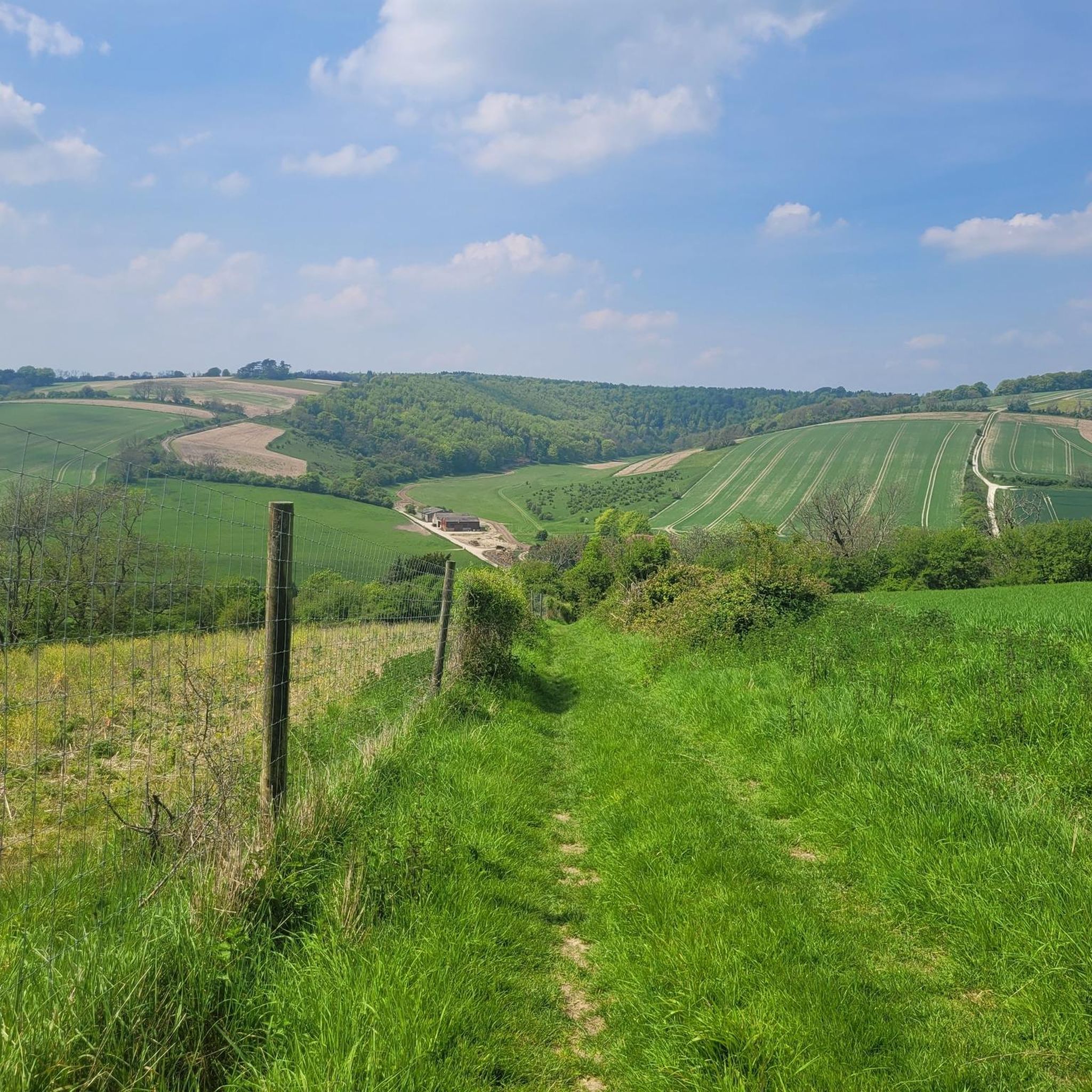
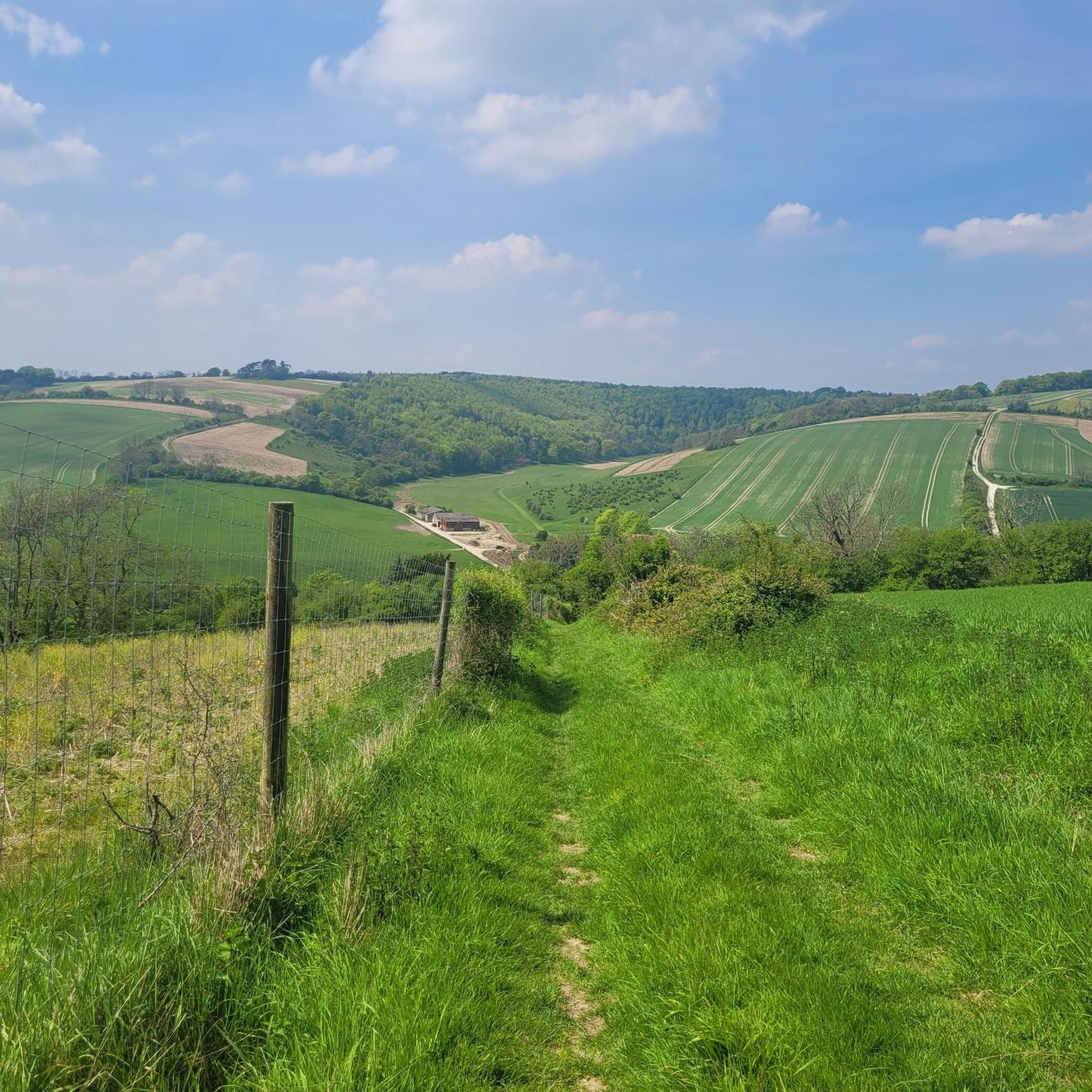
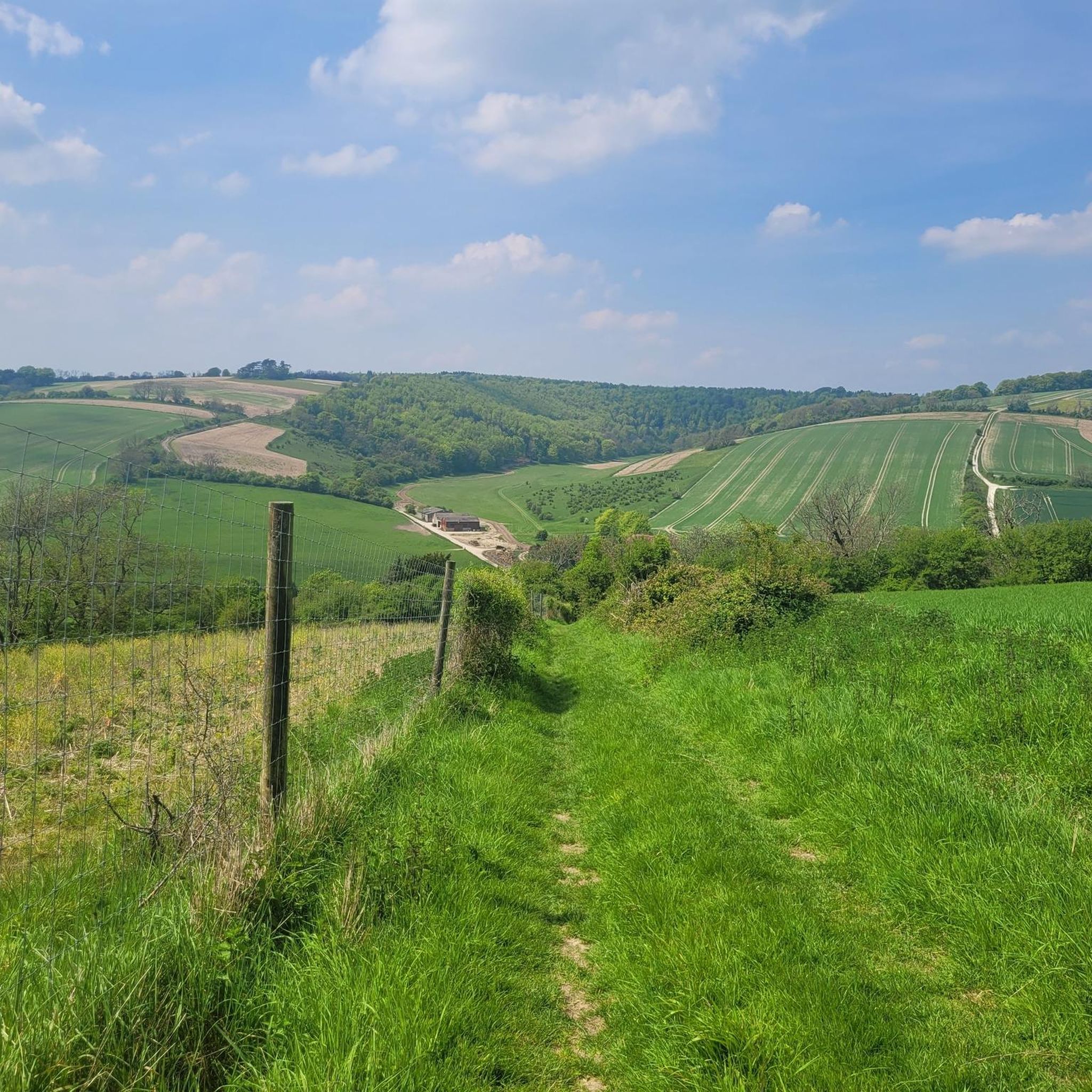
Levin Down is easy to see. As you come over the ridge at Goodwood racecourse it stands alone – a hill covered in natural scrubby grassland; the olive green hues are so different from the synthetic emerald of the agricultural fields and viridian forestry plantations that form the surrounding landscape. It is a Site of Special Scientific Interest; indeed the reason that Levin has so much of its wildlife value still intact is hinted at in the name, which is derived from ‘Leave-Alone Hill’, meaning that the land was too steep for the plough or other intensive agriculture.
0
0
This tree is called "Queen Elizabeth I Oak" and is without any doubt, the most famous tree in Cowdray Park. Queen Elizabeth I would have visited this tree in 1591, which was at that time already an impressive tree. Its girth of 13.18m (2021) makes this Sessile Oak (Quercus petraea) the second thickest tree of its kind in Europe. According to Jeroen Pater this tree is probably about 600 to 700 years, while according to dendrologists of the British Tree Register, this tree might be almost a 1,000 years old. https://www.monumentaltrees.com/en/gbr/england/westsussex/975_cowdraypark/1738/
0
0

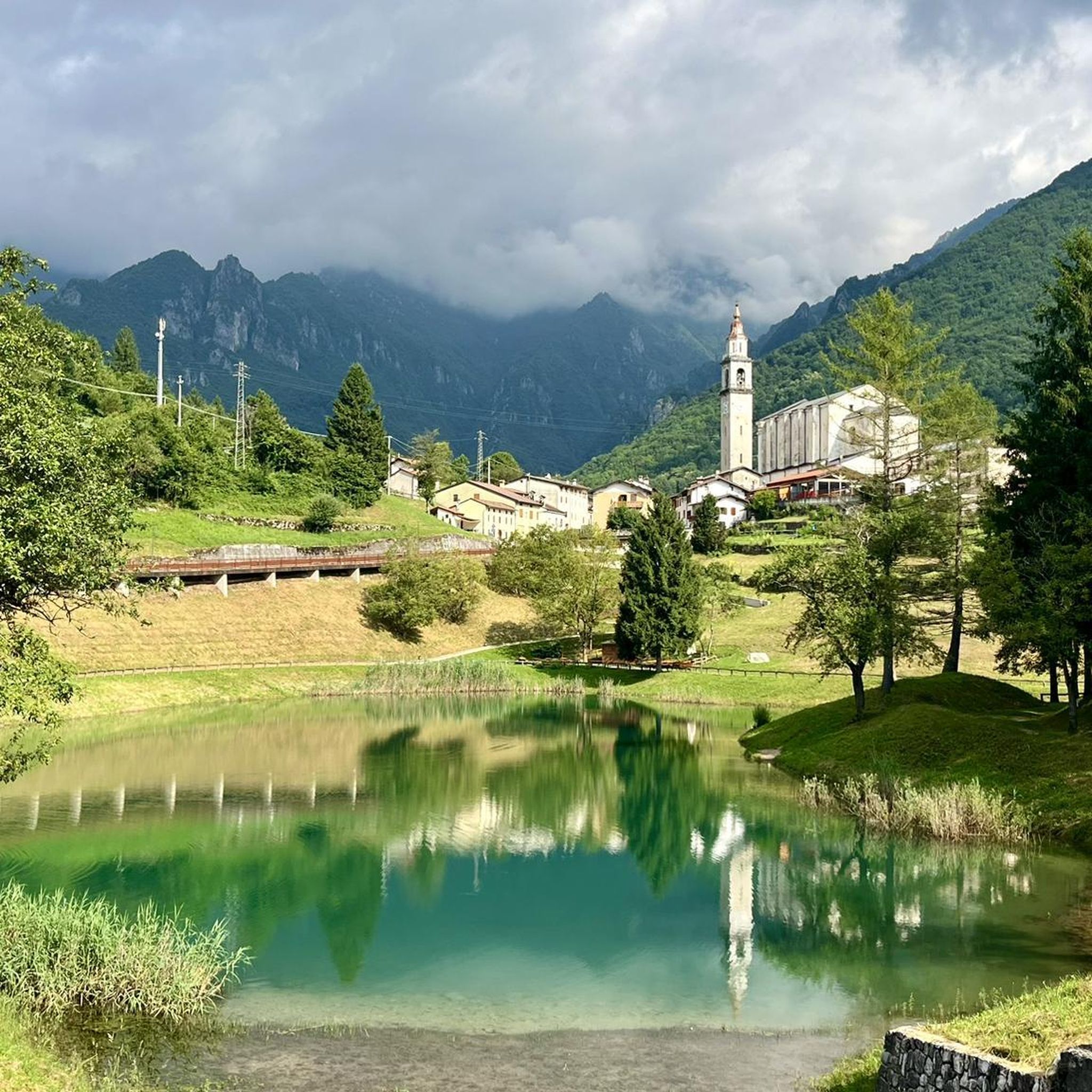
South pond is a historic and scenic pond in Midhurst, West Sussex, England. It is fed by two streams that were once the boundaries of Saxon settlements, and it forms the division between the oldest part of Midhurst and West Lavington. The pond was created in the mid-1100s by one of the medieval lords of Midhurst, who dammed the streams to make a breeding pool for fish. The pond has been used for various purposes over the centuries, such as milling, fulling, leather production, and entertainment. The pond is now a nature reserve and a popular spot for walking, fishing, and birdwatching. It is part of the South Downs National Park and has a rich biodiversity of plants and animals. The pond is also home to the South Pond Group, a voluntary community group that works to care for and improve the pond and its surroundings. The group organizes regular events, activities, and projects to engage the public and enhance the pond’s beauty and value.
2
0
The current mill building dates from around 1780, although mills and forges have been exploiting the Downs spring water for at least 800 years. The mill's historic water-powered milling machine has been restored to working condition. Burton Mill is open to visitors on the Sunday of the National Mills Weekend in May and the National Heritage Weekend in September.
2
0
Burton Mill Pond is a beautiful place to visit. It is an atmospheric hammer pond and holding pond in the South Downs National Park, near Petworth, West Sussex. The pond is part of the Burton Mill and Chingford Ponds Local Nature Reserve (LNR) and the Burton Park Site of Special Scientific Interest (SSSI), which are nationally important for their wetland habitats, rare plants, birdlife, and invertebrate populations.
2
0

Burton Mill Pond is part of the Burton Mill and Chingford Ponds Local Nature Reserve (LNR). Enjoy the moment of calm as you pedal along the road skirting its north eastern shore. The pond was created in the late 16th century to power a forge. In the late 18th century the pond was part of a water mill for grinding corn. The large house by the road is the old mill.
1
0

Frequently Asked Questions
What unique natural monuments can I discover near Upwaltham?
Beyond the general chalk downland, you can visit the Queen Elizabeth I Oak, one of Europe's thickest Sessile Oaks, estimated to be 600 to 1,000 years old. Another unique spot is Burton Mill Pond and Mill, an atmospheric hammer pond that is part of a Local Nature Reserve and Site of Special Scientific Interest, known for its wetland habitats and diverse wildlife.
Are there natural monuments with historical significance in the area?
Yes, several natural monuments near Upwaltham also boast rich history. The Queen Elizabeth I Oak is a prime example, with Queen Elizabeth I herself said to have visited it in 1591. Burton Mill Pond and Mill features a mill building from around 1780, though mills and forges have operated there for 800 years. Additionally, South Pond, Midhurst is a historic pond created in the mid-1100s, once used for milling and now a nature reserve.
What kind of views can I expect from the natural monuments around Upwaltham?
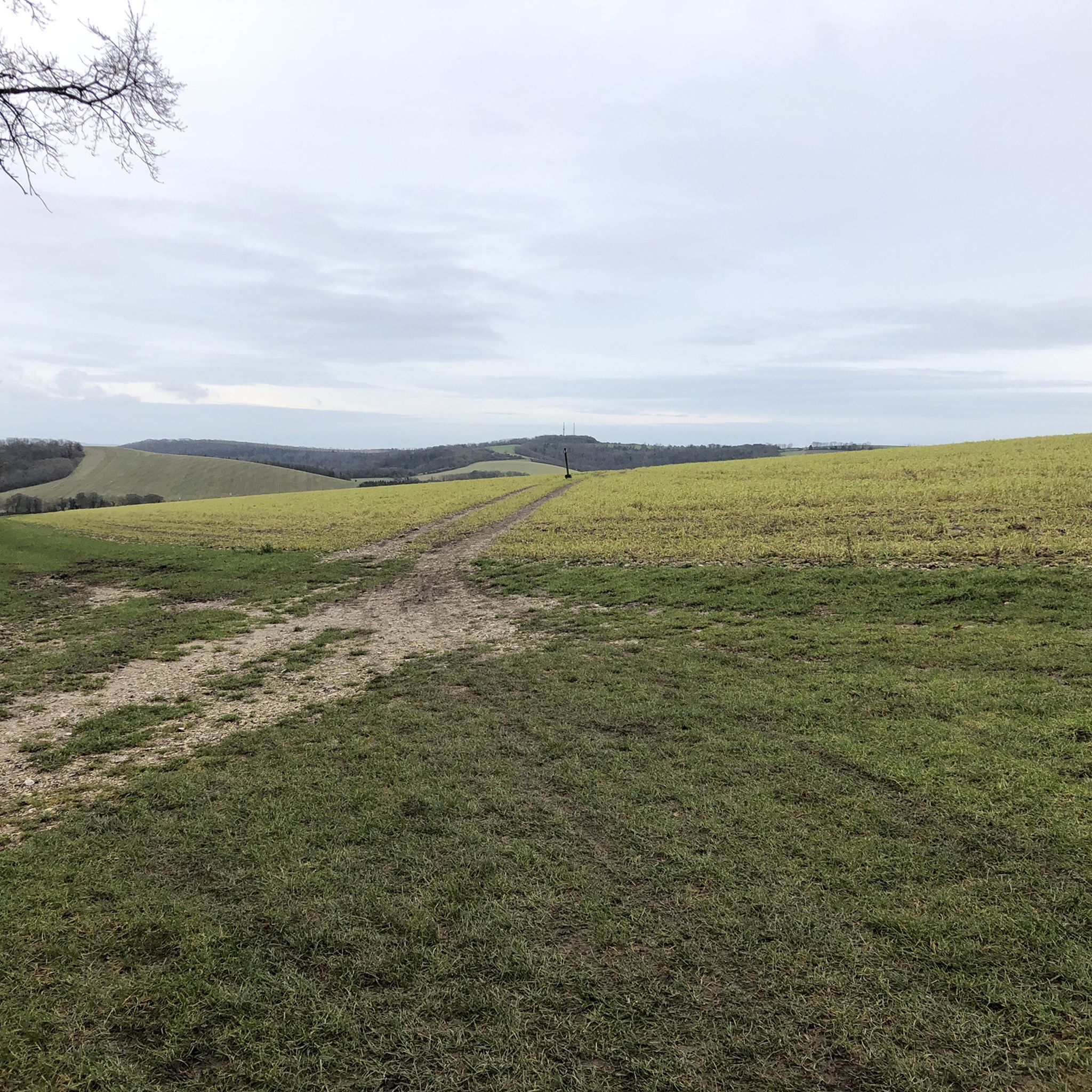
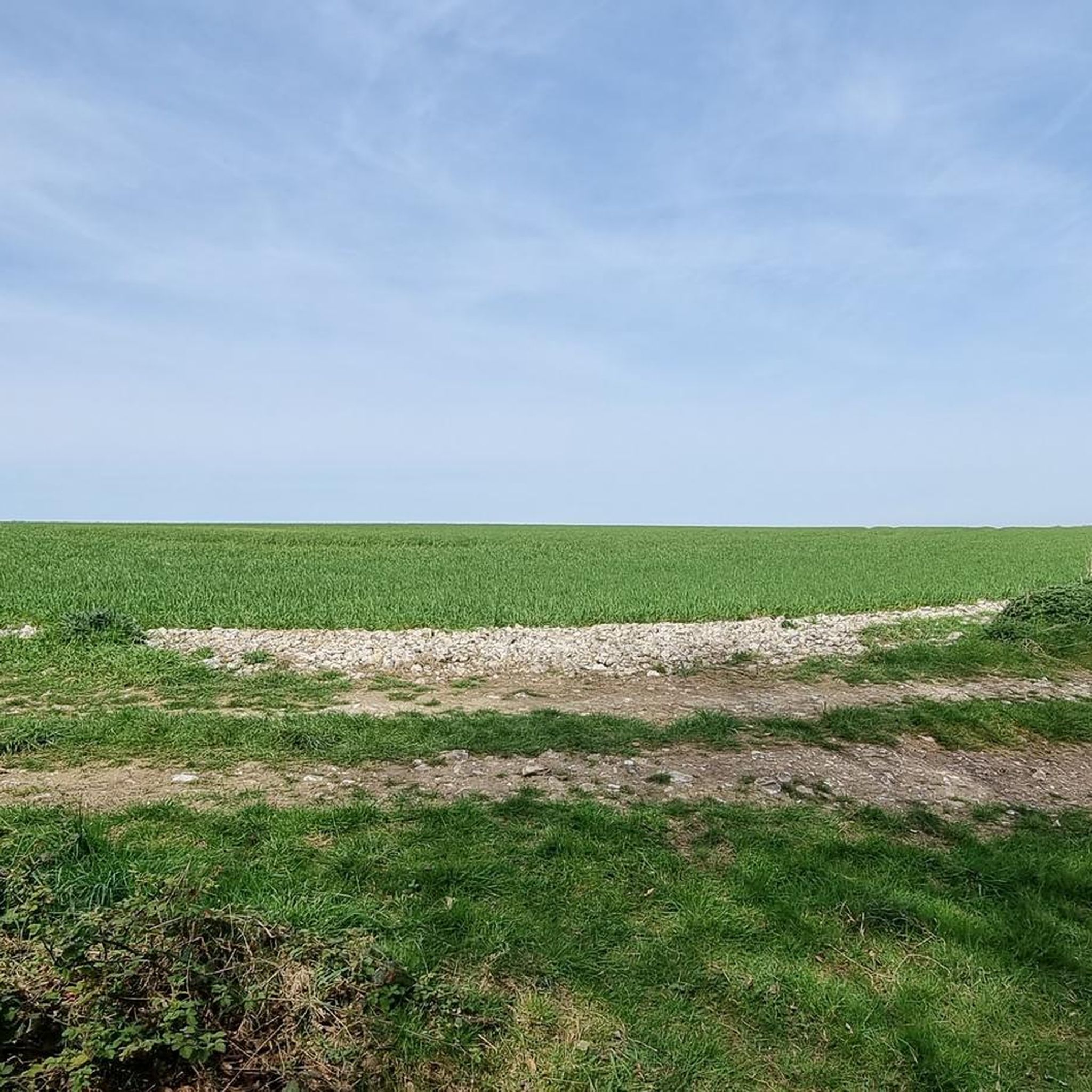
The area offers stunning panoramic views, particularly from elevated natural monuments. Graffham Down Nature Reserve, for instance, provides brilliant vistas to the north over rolling agricultural countryside. Levin Down, known as 'Leave-Alone Hill,' also offers expansive views from its scrubby grassland slopes.
Are there family-friendly natural monuments to visit near Upwaltham?
Absolutely. The Queen Elizabeth I Oak is a fascinating natural monument suitable for families. Burton Mill Pond and Mill is also family-friendly, offering opportunities to explore wetland habitats. South Pond, Midhurst is another great option for families, ideal for walking and birdwatching.
What outdoor activities can I do near these natural monuments?
The South Downs National Park, where Upwaltham is located, offers extensive opportunities for outdoor activities. You can enjoy cycling on routes like the 'Cadence Clubhouse Upwaltham – Stane Street Junction loop' or the 'View of Arundel Castle – Arundel Town Centre loop'. For running, consider the 'Graffham Down Nature Reserve – Cadence Clubhouse Upwaltham loop'. Mountain biking trails are also available, such as the 'View of the South Downs – The Denture loop'. You can find more details on these activities in the Cycling around Upwaltham, Running Trails around Upwaltham, and MTB Trails around Upwaltham guides.
Are there specific trails or walking routes associated with these natural monuments?
Yes, the well-known South Downs Way passes over Graffham Down Nature Reserve, offering excellent walking opportunities. The chalk downland and rolling hills of the South Downs National Park provide numerous trails, including those that traverse ancient routes. Levin Down also has good paths for walking from Singleton.
What kind of wildlife can I expect to see around the natural monuments?
The natural monuments and surrounding areas are rich in biodiversity. Burton Mill Pond and Mill is nationally important for its wetland habitats, rare plants, birdlife, and invertebrate populations. The chalk grassland ecosystem of the South Downs is globally important, home to rare plants like the round-headed rampion and various orchid species, as well as diverse butterflies including the Adonis Blue and Chalk Hill Blue. South Pond, Midhurst is also a popular spot for birdwatching.
What is the terrain and difficulty of trails near these natural monuments?
The terrain around Upwaltham is characterized by chalk downland and rolling hills. Trails can vary; for example, the paths around Graffham Down Nature Reserve are described as relatively smooth gravel, suitable for dry conditions but potentially muddy when wet. Many routes, especially those on the South Downs Way, involve moderate to difficult sections due to elevation changes, as seen in cycling and running routes like the 'View from Bignor Hill – Hiorne Tower loop' which is rated difficult.
Are there any ancient woodlands or unique forest areas to explore?
Yes, the South Downs National Park is home to significant areas of ancient woodland. A notable example, though a short drive from Upwaltham, is Kingley Vale National Nature Reserve, renowned for one of Europe's finest ancient yew forests, with some trees estimated to be over 2,000 years old. These woodlands offer a unique, almost mystical atmosphere for peaceful walks.
What are some other significant natural features in the broader South Downs National Park accessible from Upwaltham?
Beyond the immediate vicinity, the South Downs National Park offers other dramatic natural features. These include Devil's Dyke, recognized as the UK's longest, deepest, and widest 'dry valley' with sweeping vistas. Towards the eastern end of the park, you can find the iconic coastal cliffs of Seven Sisters and Beachy Head, offering breathtaking sea views and dramatic geological formations.
What do visitors appreciate most about the natural monuments around Upwaltham?
Visitors frequently appreciate the tranquility and natural beauty of the area. The atmospheric setting of places like Burton Mill Pond and Mill, the brilliant views from Graffham Down Nature Reserve, and the unique historical significance of the Queen Elizabeth I Oak are often highlighted. The rich biodiversity and opportunities for peaceful walks through ancient landscapes are also highly valued.
Can I find cafes or pubs near these natural monuments?
While Upwaltham itself is a small village, the surrounding towns and villages within the South Downs National Park offer amenities. For example, South Pond, Midhurst is conveniently located just two minutes away from coffee shops. Many of the nearby routes also pass through or near villages where you can find local establishments.
Most popular routes around Upwaltham
Most popular attractions around Upwaltham

Get inspired with the komoot mobile app


Explore more
Extend your search for the best caves by checking out these guides of the top ones around Upwaltham:
