Top 16 Natural Monuments around Englishcombe
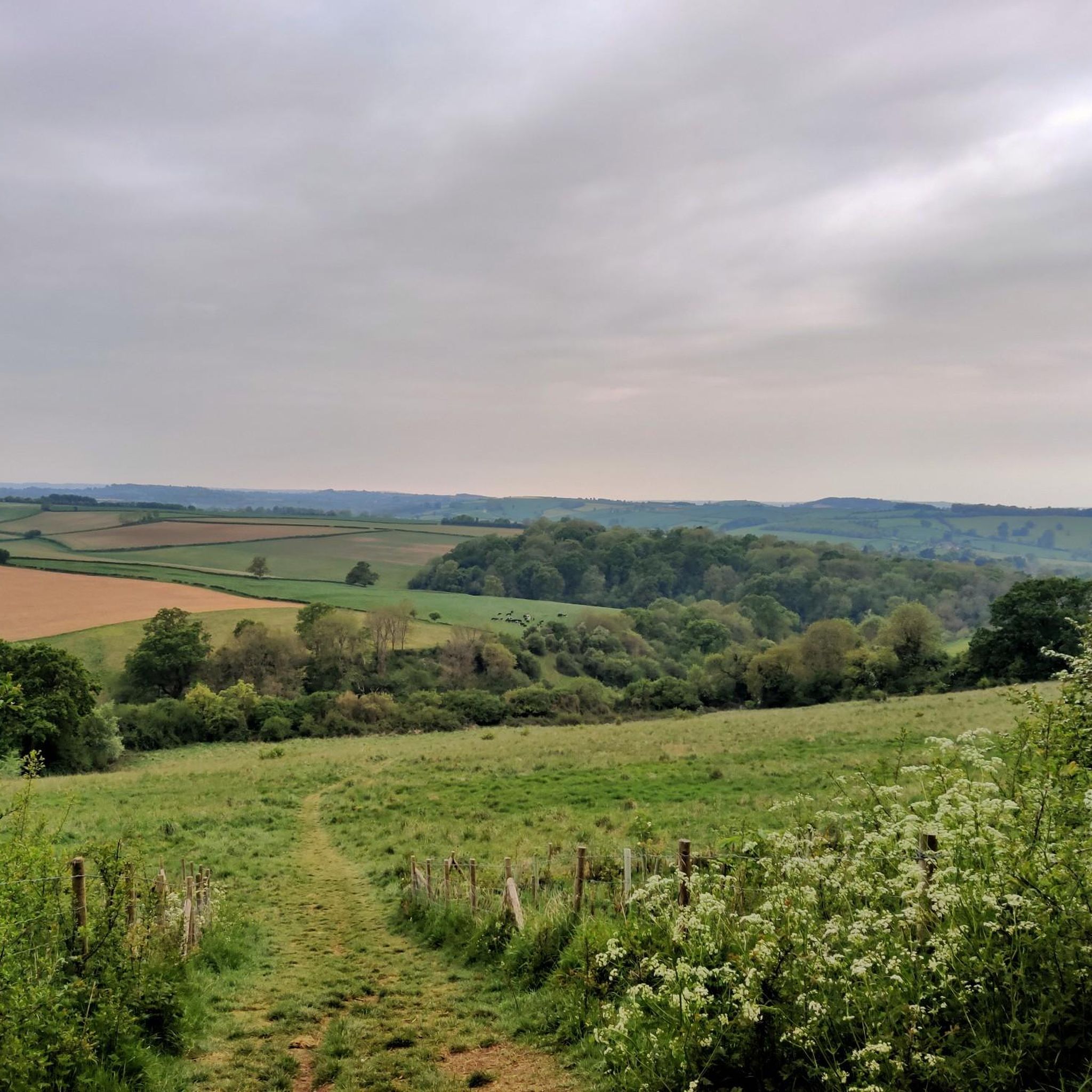
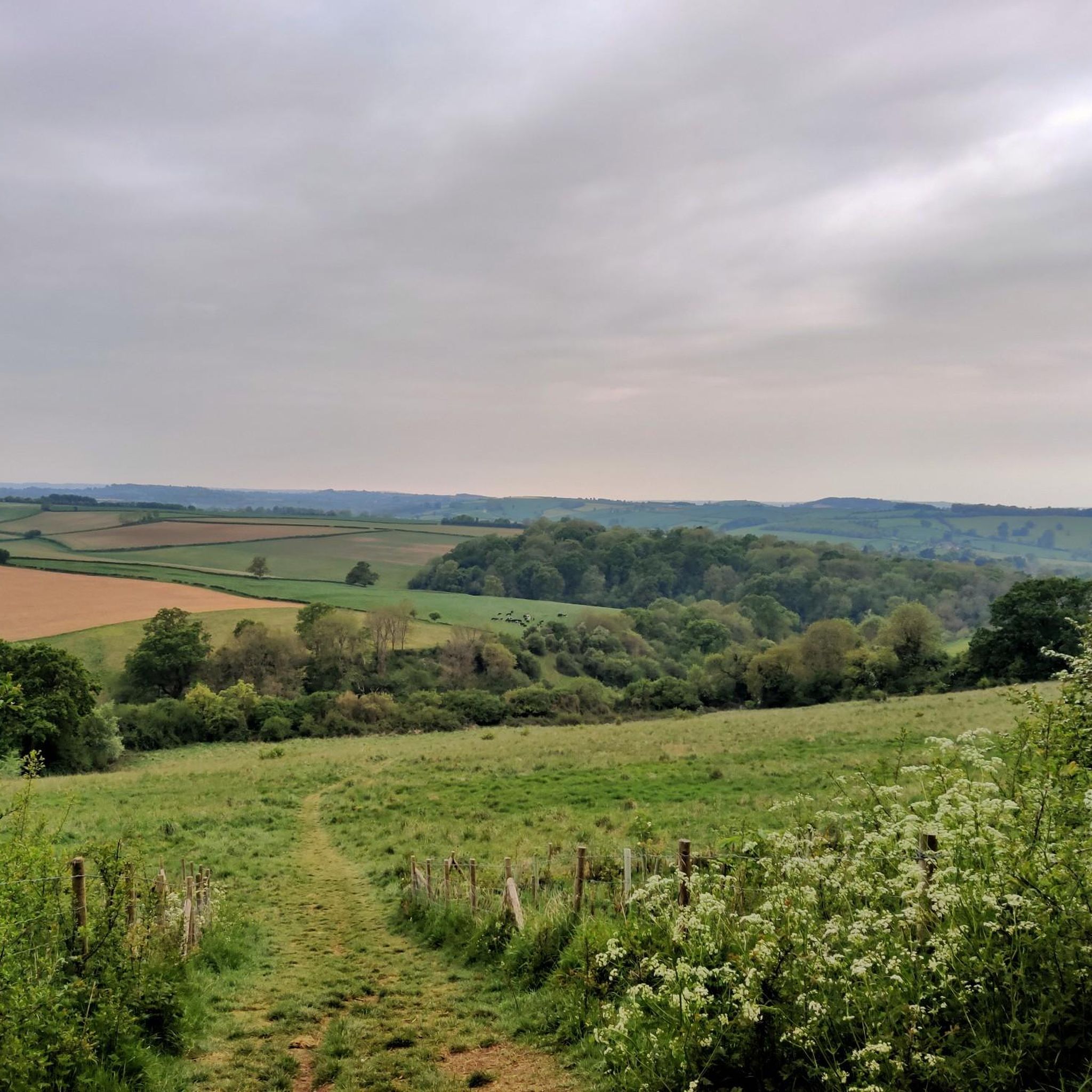
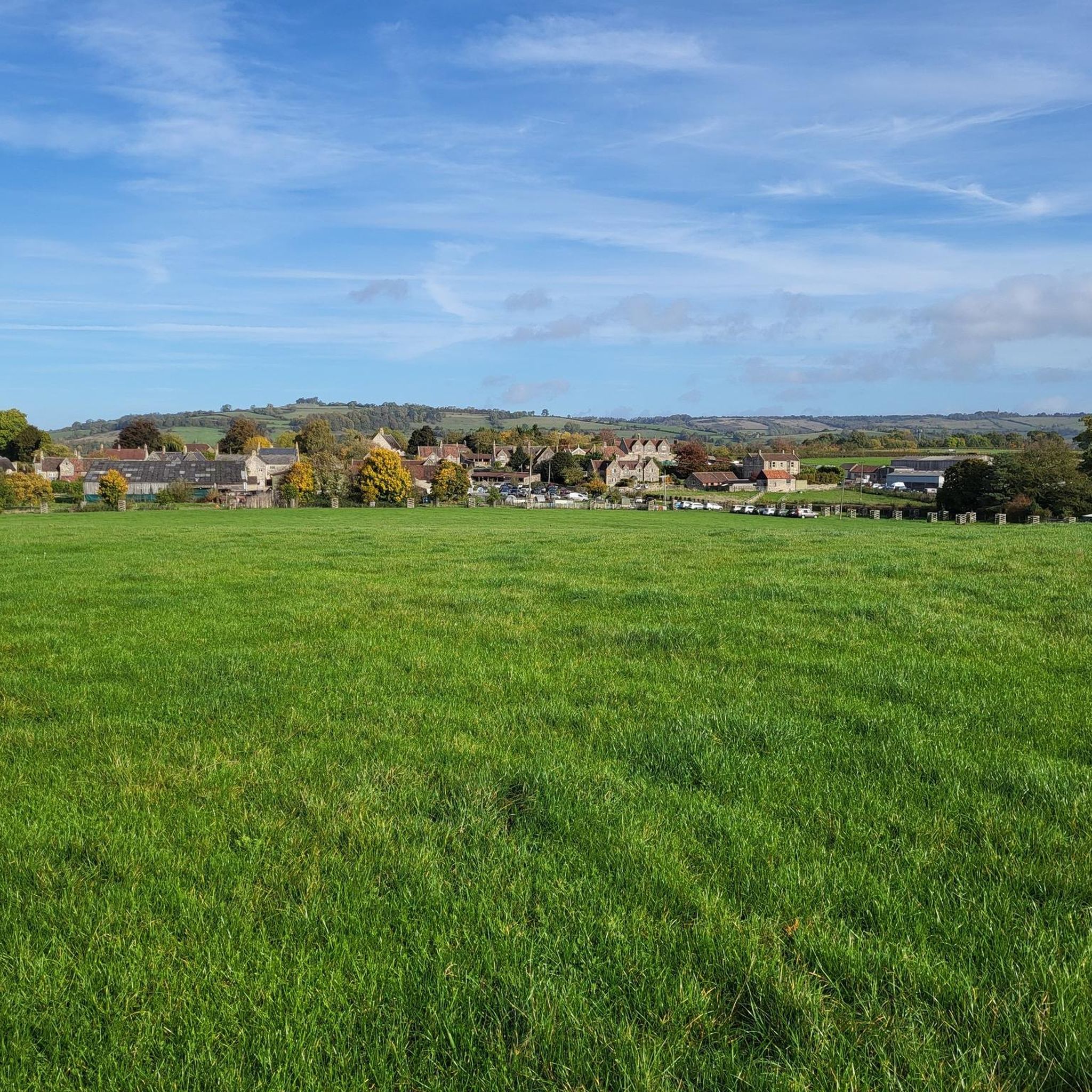
Best natural monuments around Englishcombe include a blend of natural features and historic earthworks that contribute to the area's scenic beauty. This village southwest of Bath is characterized by its rural setting, offering significant natural interest and recreational opportunities. The landscape features gentle undulating farmland, ancient earthworks, and unique geological formations.
Best natural monuments around Englishcombe
- The most popular natural monuments is Kelston Roundhill, a viewpoint that offers expansive views over Bath, Bristol, and Somerset. From this vantage point, visitors can see both Severn bridges, across to Wales and the Black Mountains, the Wiltshire Downs, and the Mendip Hills.
- Another must-see spot is Stanton Drew Stone Circles and Cove, a natural monument and historical site. This complex of standing stones represents one of England's largest prehistoric monuments, built approximately 4,500 years ago.
- Visitors also love The Roman Baths, an impressive example of Roman life built atop natural springs. This site features a Sacred Spring, Roman Temple, and bath house, showcasing ancient engineering and natural resources.
- Englishcombe is known for its ancient earthworks, scenic viewpoints, and unique geological formations. Visitors can explore a variety of sites, from prehistoric stone circles to Roman-era natural springs.
- The natural monuments around Englishcombe are appreciated by the komoot community, with more than 230 upvotes and over 120 photos shared.
Last updated: June 29, 2026
Kelston Roundhill
Highlight • Viewpoint
Tip by

Stanton Drew Stone Circles and Cove
Highlight • Natural Monument
Tip by
Sign up now to discover places like this
Get recommendations on the best single tracks, peaks, & plenty of other exciting outdoor places.
Sign up for free
The Roman Baths
Highlight • Natural Monument
Today, you can visit the baths and its museum. But don't expect to go for a dip, as you cannot go in the water. The baths are open from 9am-5pm. Tickets start from £14.40 for adults and you can save 10% by booking online, here: romanbaths.co.uk
Tip by

Three Shires Stones
Highlight • Historical Site
Although the marking is pretty impressive, it's nestled at the side of the main road, part of the Fosse Way, so it's easy to miss.
It's said that the stones were once part of an ancient burial chamber.
Tip by

Stoney Littleton Long Barrow
Highlight • Historical Site
Tip by

Sign up for free to discover even more natural monuments around Englishcombe.
Sign up for free
Already have an account?
Start today with a free account
Your next adventure awaits.
Login or Signup
Tips from the Community

A must-see when visiting Bath. Highly recommended. Worth seeing.
1
0

Fantastically beautiful views all around
0
0

The Stanton Drew stone circles are located just outside the village of Stanton Drew in the English county of Somerset. The largest stone circle is the Great Circle, standing in a 113 metres in diameter and is in-fact the second largest stone circle to be discovered in Britain. After Avebury and It’s considered to be one of the largest Neolithic monuments to have ever been built. The date of the construction is not actually accurately known of, but it’s thought to have been built between 3000 and 2000 BCE. These standing stone circles of which have been studied since John Aubrey's visit in 1664. It was only made a scheduled monument of it is today in 1982. Please be aware that an entrance fee is charged by the landowner for any entry in among the grounds of the Stone Circles and any public access is at his discretion only. NO DOGS ALLOWED! As the land is used for agriculture purposes and usually has cattle grazing on the fields where the standing stones are. Please be aware that the English Heritage sites do not permit drone flying from or over sites in our care, by any circumstances except by contractors or partners undertaking flights for a specific purpose, who satisfy stringent CAA criteria, have the correct insurances and permissions, and are operating under controlled conditions only. Just having experienced this ourselves before.
0
0

The hot spring was discovered by the Romans in 43 AD.
3
0

Stoney Littleton Long Barrow is a neolithic chambered tomb located in Somerset that dates back to around 3500 BCE. It is thought to be one of the best preserved examples of its kind in the country! Transport yourself to the past and discover its chambered interior, intricate carvings and ancient artefacts.
2
0

This is the third-largest complex of pre-historic standing stones in England. The 26 remaining standing stones are all that remains of the probably ceremonial stone circle constructed in the Neolithic period around 2500 BCE. Today the area is looked after by English Heritage and free to enter.
0
0

Definitely worth seeing! If you are interested in Roman history, this is the place for you!
1
0

The baths themselves are well worth a visit! If you want to know more about this amazing historic place, https://www.romanbaths.co.uk/visit is the official website with a lot of useful information.
1
0
Frequently Asked Questions
What unique natural features can I explore around Englishcombe?
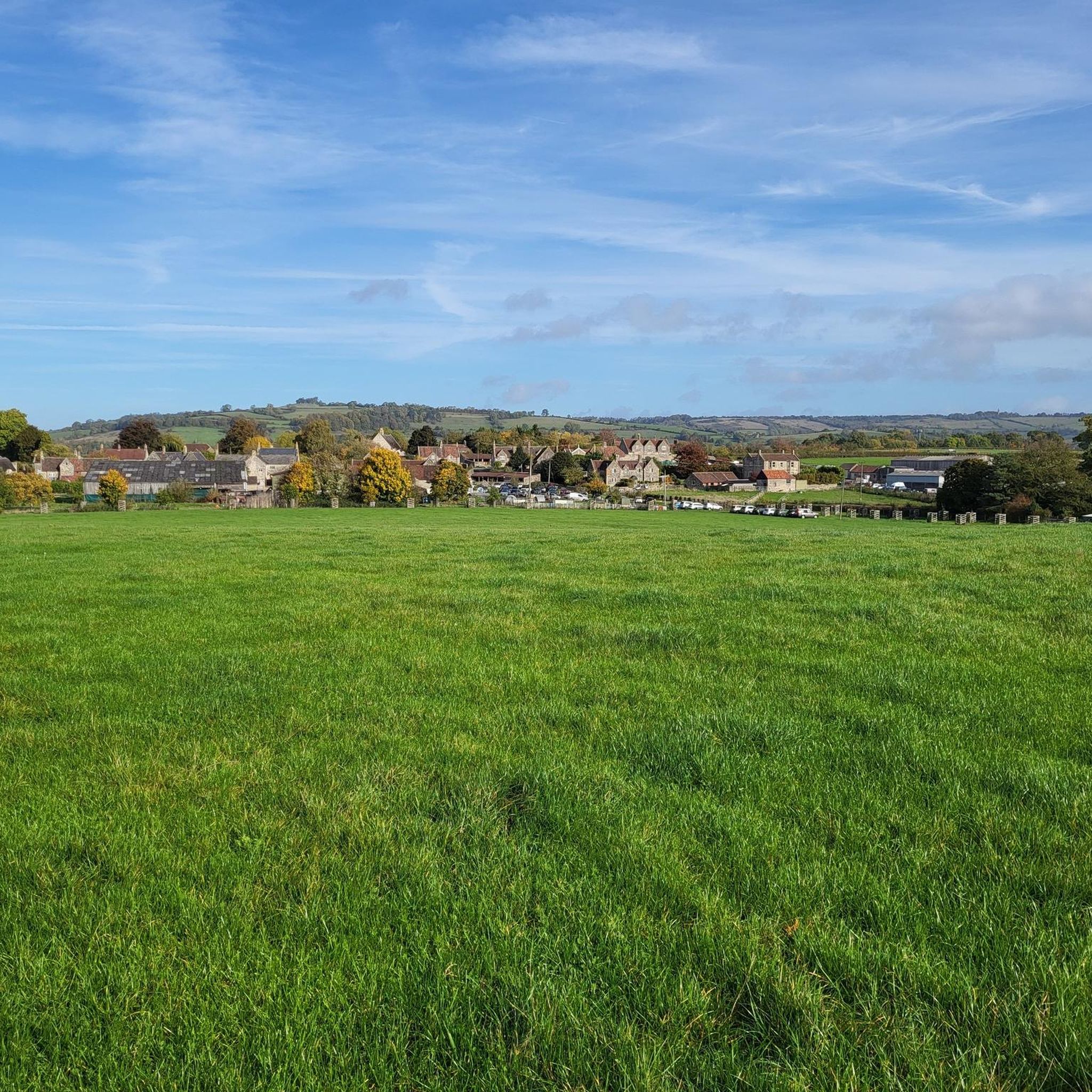
Englishcombe boasts a magnificent rural landscape with gentle undulating farmland and hedgerows. You can observe surface rocks from the Triassic period, approximately 225 million years old, and the Conygre Brook which contributes to the local hydrology before joining the River Avon. The area offers panoramic views, such as those from the sloping bank of Englishcombe Garden, overlooking the village and valley.
Are there any ancient historical sites among the natural monuments in Englishcombe?
Yes, Englishcombe is rich in historical natural monuments. You can visit Stanton Drew Stone Circles and Cove, one of England's largest prehistoric monuments built around 4,500 years ago. Another significant site is the Roman Baths in Bath, an impressive example of Roman life built atop natural springs. Additionally, parts of the ancient linear earthwork, Wansdyke, can be seen near Pennsylvania Farm, offering wide vistas over the surrounding farmland.
What are some popular viewpoints in the Englishcombe area?
For expansive views, Kelston Roundhill is a popular spot. From this vantage point, you can see both Severn bridges, across to Wales and the Black Mountains, the Wiltshire Downs to the east, and the Mendip Hills to the south. It's also part of the Cotswold Way, making it accessible for hikers.
Are there family-friendly natural monuments or activities in Englishcombe?
Absolutely. The Stanton Drew Stone Circles and Cove and The Roman Baths are both listed as family-friendly. For active families, the Two Tunnels Greenway offers a unique cycling and walking path, featuring two former railway tunnels. It's wide, smooth, and nearly flat, making it suitable for all ages. Remember to bring lights for visibility in the tunnels.
What walking and cycling routes are available near Englishcombe's natural monuments?
The area offers several scenic routes. A section of the Cotswold Way runs over Kelston Roundhill. The Kennet and Avon Canal Towpath, particularly between Bathampton and Monkton Combe, is ideal for walking and cycling, featuring the historic Dundas Aqueduct. The Two Tunnels Greenway is another excellent option for cycling and walking. For more detailed routes, explore the Road Cycling Routes around Englishcombe or Running Trails around Englishcombe guides.
Are there specific trails for mountain biking near Englishcombe?
Yes, there are several mountain biking trails in the vicinity. You can find routes like the 'Bristol and Bath Railway Path – Kelston Roundhill loop' or the 'Inglesbatch Rollercoaster – White Ox Mead Gravel Track loop'. For a comprehensive list of trails, refer to the MTB Trails around Englishcombe guide.
When is the best time of year to visit the natural monuments around Englishcombe?
The natural monuments around Englishcombe can be enjoyed year-round. Warmer months are ideal for walking and cycling along the Kennet and Avon Canal Towpath, where you might find ice cream vendors. The rural landscape is particularly beautiful in summer with wildflowers. The Two Tunnels Greenway offers a cool refuge on hot days. While winter conditions can make some paths muddier, the unique experience of the lit tunnels remains enjoyable.
What should I wear for walks around Englishcombe's natural monuments?
Given the varied terrain, including compacted gravel, some muddier or rocky sections, and potentially exposed viewpoints, it's advisable to wear sturdy walking shoes or boots. Layers of clothing are recommended to adapt to changing weather conditions. If exploring the Two Tunnels Greenway, bring lights for visibility, even though the tunnels are lit.
Are there places to eat or drink near the natural monuments?
Yes, along the Kennet and Avon Canal Towpath, you can find amenities such as a pub at the Bathampton end and a café near Monkton Combe. During warmer months, occasional ice cream and drink vendors might also be present along the path.
What kind of wildlife might I encounter in the Englishcombe area?
The rural landscape of Englishcombe, with its patchwork of countryside, gentle undulating farmland, and hedgerows, provides habitat for various local wildlife. While specific species are not detailed, you can expect to see common birds, insects, and small mammals typical of an English countryside setting, especially in areas with wildflowers during summer.
What is the Wansdyke and where can I see it near Englishcombe?
The Wansdyke is an ancient linear earthwork, consisting of a ditch and a bank, stretching across the landscape. It's thought to have been built around the end of the 6th century AD as a defense. Parts of this prominent historical feature can be seen near Pennsylvania Farm, offering wide vistas over the surrounding farmland.
Can I learn about the geology of Englishcombe?
Yes, the area's geology includes surface rocks from the Triassic period, approximately 225 million years old. While not a specific visitor center, exploring the rural landscape and understanding the formation of features like the Conygre Brook can offer insights into the region's natural history. For more specific geological information, you might find resources like Timsbury Parish Council's geology page helpful for the broader area.
Most popular attractions around Englishcombe

Get inspired with the komoot mobile app


Explore more
Extend your search for the best caves by checking out these guides of the top ones around Englishcombe:
