Top 14 Natural Monuments around Findon
Best natural monuments around Findon are found within the South Downs National Park, an area known for its chalk downland and rolling hills. This region offers a landscape featuring ancient woodlands and diverse natural habitats. The area provides opportunities to explore significant geological and historical sites.
Best natural monuments around Findon
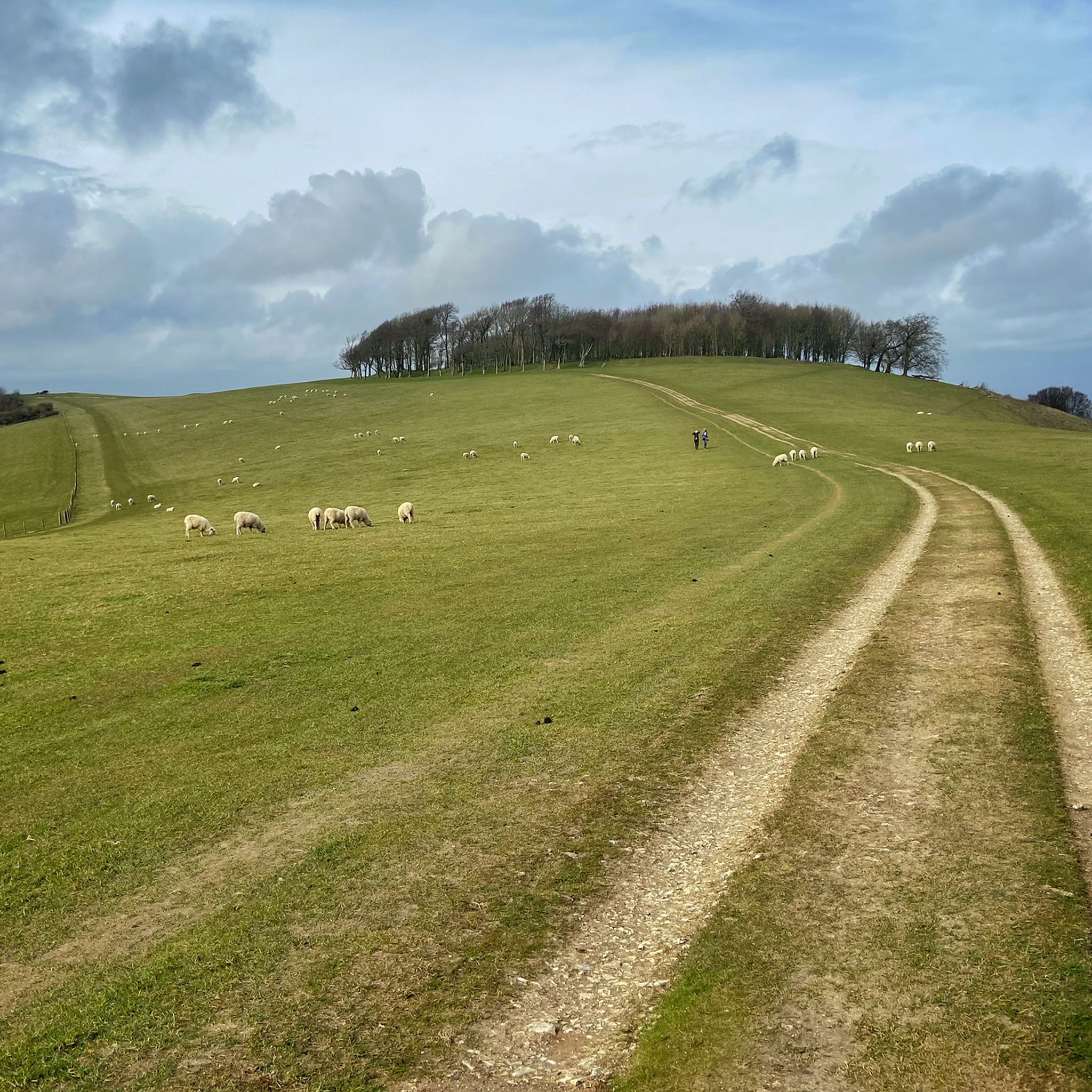
- The most popular natural monuments is Chanctonbury Ring hillfort, a historical site that offers views over the South Downs countryside. This late Bronze or early Iron Age hillfort…
Last updated: June 29, 2026
Chanctonbury Ring hillfort
Highlight • Historical Site
Tip by

Cissbury Ring Hill Fort
Highlight • Historical Site
Tip by
Sign up now to discover places like this
Get recommendations on the best single tracks, peaks, & plenty of other exciting outdoor places.
Sign up for free
Cissbury Ring
Highlight • Historical Site
Tip by

South Downs Way – Fulking Hill Ridge
Highlight (Segment) • Natural Monument
Tip by

Chantry Hill
Highlight • Viewpoint
Tip by
Sign up for free to discover even more natural monuments around Findon.
Sign up for free
Already have an account?
Start today with a free account
Your next adventure awaits.
Login or Signup

Other adventures around Findon

Tips from the Community

nice steady climb with breathtaking views, if you turn left at the gate (before crossing) you will see a path to your further left leading to a pub called Sheppard and Dog with a nice beer garden - this is a S2 descent so be careful
0
0


Follow the trail around the ring for great views over Findon to Worthing
0
0

Chantry Hill is adjacent to Kithurst Hill and provides another route to this accessible trig point. The paths and wide open views down over the South Downs are stunning.
0
0

Be warned of the water fullies added to the track. Sometimes the gates in the vallies are shut, sometimes not. The grass section is stunning for the views on a good day. Once at the top, it's a very gentle climb to Devils Dyke so you're nearly there.
1
0
Cissbury Ring is one of the jewels in the crown of the new South Downs National Park. It's the largest hill fort in Sussex and has a history dating back over 5,000 years. Set high up on a chalk promontory, its ditch and ramparts enclose about sixty-five acres. From the top on a clear day you can see forever, with views across to the chalk cliffs beyond Brighton and as far as the Isle of Wight.
0
0
This is a beautiful spot with expansive views out North over the rolling South Downs countryside giving you a lush patchwork of quilted green fields. There is also a sturdy bench to take the weight off your feet and super cool Cissbury Ring just behind you.
1
0
Chanctonbury Ring is a prehistoric hill fort atop Chanctonbury Hill on the South Downs, on the border of the civil parishes of Washington and Wiston in the English county of West Sussex. It is 242m high and is a designated Marilyn. There is a trig point on a nearby sub-summit.
3
0
Frequently Asked Questions
What are the most prominent natural monuments to visit near Findon?
The most prominent natural monuments near Findon are the ancient hillforts of Chanctonbury Ring hillfort and Cissbury Ring Hill Fort. Both offer significant historical insights and breathtaking panoramic views across the South Downs and beyond.
What historical significance do Cissbury Ring and Chanctonbury Ring hold?
Cissbury Ring Hill Fort is one of Britain's largest hillforts, dating back over 5,000 years with evidence of Neolithic flint mines and later Iron Age fortifications. Chanctonbury Ring hillfort is a late Bronze or early Iron Age hillfort, also reoccupied during the Roman period with temples, and is famous for its iconic beech tree clump.
What kind of views can I expect from the natural monuments around Findon?
From Cissbury Ring Hill Fort, you can enjoy extensive views across the Sussex coastline, from Brighton to the Seven Sisters, and even the Isle of Wight on clear days. Chanctonbury Ring hillfort offers far-ranging views across the Weald to the North Downs and the sea to the south. Chantry Hill and Kithurst Hill Trig Point also provide stunning vistas over the picturesque countryside and out to sea.
Are there opportunities for wildlife spotting at these natural monuments?
Yes, Cissbury Ring Hill Fort is known for its rich chalk grassland habitat, supporting diverse butterflies and wildflowers, including rare plants like the round-headed rampion. It's also a significant spot for migratory birds during spring and autumn. The site is home to a variety of flora and fauna, including rare species of orchids and butterflies, and you might even spot resident ponies grazing.
What outdoor activities can I do near the natural monuments around Findon?
The area around Findon offers numerous opportunities for outdoor activities. You can find various running trails, mountain biking routes, and road cycling routes that explore the South Downs National Park and its natural monuments. Popular options include loops around Cissbury Ring and Chanctonbury Ring.
Are there family-friendly natural sites or walks near Findon?
Many of the trails leading to the natural monuments, such as those around Cissbury Ring Hill Fort and Chanctonbury Ring hillfort, are suitable for families. The open spaces and historical elements provide an engaging experience for all ages. Kithurst Hill Trig Point is also popular with dog walkers and offers good paths.
Is there parking available at the natural monuments?
While specific parking details for each monument vary, areas like Kithurst Hill Trig Point are known to have nearby car parks, making them easily accessible. For Cissbury Ring, it is managed by the National Trust and is accessible at any time, free of charge, with parking available in designated areas nearby.
What makes the South Downs National Park itself a natural monument?
Findon is situated within the South Downs National Park, which is characterized by rolling chalk hills, ancient woodlands, and diverse wildlife. The park is recognized for its globally important chalk grassland, supporting numerous species of wildflowers and butterflies. Its extensive network of footpaths and bridleways, along with its status as an International Dark Sky Reserve, makes the entire landscape a significant natural monument.
What are some unique features of Chanctonbury Ring?
Chanctonbury Ring hillfort is distinctive for its iconic clump of beech trees at the summit, planted in the mid-18th century. It's also steeped in local folklore, with legends suggesting it's one of Sussex's most haunted places and tales of summoning the devil by running backwards around the ring.
Can I bring my dog to the natural monuments around Findon?
Yes, many of the trails and natural monuments in the South Downs National Park, including areas like Kithurst Hill Trig Point, are popular with dog walkers. It's generally a dog-friendly area, but always ensure dogs are kept under control, especially around livestock and wildlife.
What is the best time of year to visit the natural monuments near Findon?
The natural monuments around Findon can be enjoyed year-round. Spring and autumn are particularly good for observing migratory birds at Cissbury Ring Hill Fort. The chalk grassland is vibrant with wildflowers and butterflies in spring and summer. Clear days offer the best panoramic views, regardless of the season.
Are there any specific geological features to look out for in the South Downs near Findon?
The primary geological feature is the chalk downland itself, which forms the rolling hills and dramatic escarpments of the South Downs. This chalk bedrock is responsible for the unique chalk grassland habitats and the ancient flint mines found at sites like Cissbury Ring Hill Fort.
Most popular routes around Findon
Most popular attractions around Findon

Get inspired with the komoot mobile app


Explore more
Extend your search for the best caves by checking out these guides of the top ones around Findon:
