Top 13 Natural Monuments around Ston Easton
Natural monuments around Ston Easton feature a landscape shaped by both natural processes and historical human activity. The area, situated near the Mendip Hills, offers a blend of ancient sites and managed woodlands. Visitors can explore historically significant locations that integrate natural elements, such as ancient burial mounds and stone circles. The terrain often reveals traces of past lead mining, creating unique 'gruffy ground' landscapes.
Top natural monuments around Ston Easton
- The most popular natural monuments is Stanton Drew Stone…
Last updated: May 17, 2026
Stanton Drew Stone Circles and Cove
Highlight • Natural Monument
Tip by

Priddy Nine Barrows
Highlight • Historical Site
Tip by

Sign up now to discover places like this
Get recommendations on the best single tracks, peaks, & plenty of other exciting outdoor places.
Sign up for free
Stockhill Woods
Highlight • Historical Site
Tip by
East Harptree Woods
Highlight • Forest
of natural vegetation. The …
Tip by
Priddy Mineries Nature Reserve
Highlight • Natural
Tip by
Sign up for free to discover even more natural monuments around Ston Easton.
Sign up for free
Already have an account?
Start today with a free account
Your next adventure awaits.
Login or Signup
Tips from the Community

The Stanton Drew stone circles are located just outside the village of Stanton Drew in the English county of Somerset. The largest stone circle is the Great Circle, standing in a 113 metres in diameter and is in-fact the second largest stone circle to be discovered in Britain. After Avebury and It’s considered to be one of the largest Neolithic monuments to have ever been built. The date of the construction is not actually accurately known of, but it’s thought to have been built between 3000 and 2000 BCE. These standing stone circles of which have been studied since John Aubrey's visit in 1664. It was only made a scheduled monument of it is today in 1982. Please be aware that an entrance fee is charged by the landowner for any entry in among the grounds of the Stone Circles and any public access is at his discretion only. NO DOGS ALLOWED! As the land is used for agriculture purposes and usually has cattle grazing on the fields where the standing stones are. Please be aware that the English Heritage sites do not permit drone flying from or over sites in our care, by any circumstances except by contractors or partners undertaking flights for a specific purpose, who satisfy stringent CAA criteria, have the correct insurances and permissions, and are operating under controlled conditions only. Just having experienced this ourselves before.
0
0

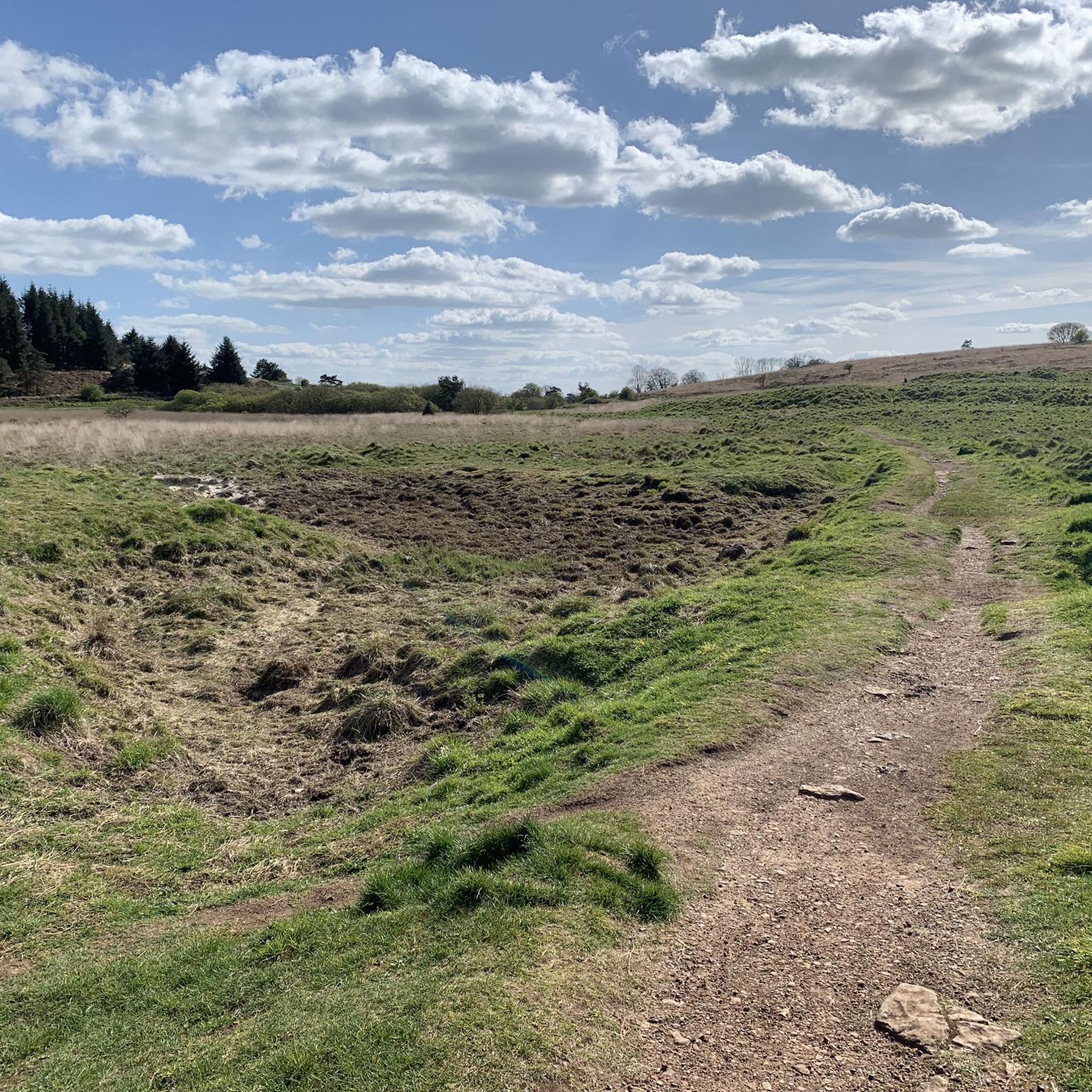
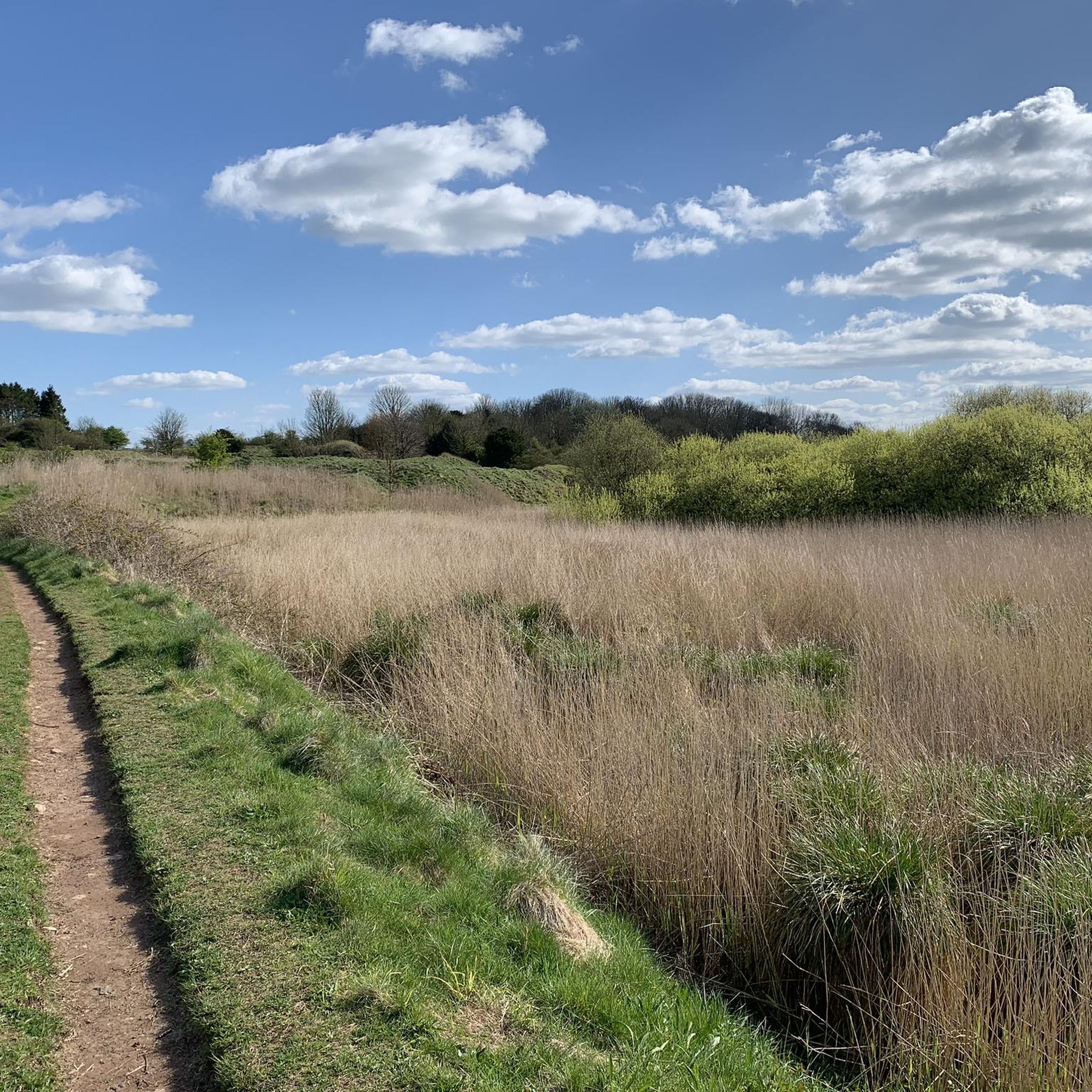
Unusual landscape with wetlands, ponds and streams. Cultural and historical place with a special charm.
0
0
Beautiful forest rather atypical for this area and safe in summer and nice place to walk and relax.
0
0
This hill is a wonderful elevation and was certainly carefully chosen as a final resting place.
0
0

This is the third-largest complex of pre-historic standing stones in England. The 26 remaining standing stones are all that remains of the probably ceremonial stone circle constructed in the Neolithic period around 2500 BCE. Today the area is looked after by English Heritage and free to enter.
0
0

Impressive 4500 year-old stone circle with some English Heritage info signage at the entrance. Take a minute to touch the stones and imagine the people who put them there. There’s an honesty box at the gate which suggests a £1 donation.
0
0

Stanton Drew stone circle is 100% worth a visit. An ancient, neolithic complex of stone circles. There is so much history in this landscape; the nearby Pensford village was first officially recorded in 1151.
0
1

a good free car park and nice mixed woodland to explore.
0
0
Frequently Asked Questions
What kind of natural monuments can I expect to find around Ston Easton?
The natural monuments around Ston Easton often blend natural features with historical human activity. You'll find ancient sites like stone circles and burial mounds, managed woodlands, and landscapes shaped by past lead mining, known as 'gruffy ground'. While the area is not known for untouched geological formations, it offers a unique combination of natural beauty and historical significance.
Are there any historical natural monuments in the area?
Yes, many natural monuments around Ston Easton have significant historical connections. For example, Stanton Drew Stone Circles and Cove is a prehistoric ceremonial site dating back 4,500 years. Priddy Nine Barrows are Bronze Age burial mounds, and both Stockhill Woods and Priddy Mineries Nature Reserve show traces of 2,000 years of lead mining.
Are the natural monuments around Ston Easton suitable for families?
Many natural monuments in the area are family-friendly. Stanton Drew Stone Circles and Cove, Priddy Nine Barrows, Stockhill Woods, East Harptree Woods, and Priddy Mineries Nature Reserve are all suitable for family visits, offering opportunities for exploration and learning.
What kind of terrain can I expect when visiting these sites?
The terrain varies, often featuring undulating ground, especially in areas with historical lead mining, which creates unique 'gruffy ground' landscapes. Woodlands like Stockhill Woods and East Harptree Woods offer forest trails. Some sites, like Stanton Drew Stone Circles, are on relatively open ground.
Are there accessible natural monuments for visitors with mobility needs?
East Harptree Woods offers an easy-going trail that is suitable for all users, including wheelchairs and prams. This trail winds through the woods, allowing visitors to experience the natural environment and historical features like the restored Smitham Chimney.
What outdoor activities can I do near these natural monuments?
The area around Ston Easton is excellent for various outdoor activities. You can find numerous routes for easy hikes, gravel biking, and road cycling. For detailed routes and guides, explore options like easy hikes around Ston Easton, gravel biking around Ston Easton, or road cycling routes around Ston Easton.
Are there specific hiking trails associated with these natural monuments?
Yes, many natural monuments are integrated into walking routes. For instance, Stockhill Woods has a circular easy-access trail, and East Harptree Woods features an easy-going trail. You can find various hiking options, including easy routes, by looking at the easy hikes around Ston Easton guide.
What wildlife might I encounter at these sites?
Areas like Stockhill Woods are renowned for their bird populations, including nightjars and long-eared owls. Priddy Mineries Nature Reserve is a Site of Special Scientific Interest, home to rare and special wildlife due to its unique landscape of wetlands, ponds, and streams.
Is there parking available near the natural monuments?
Yes, some sites offer dedicated parking. Stockhill Woods has a medium-sized car park, and East Harptree Woods also provides parking facilities, making it convenient to access these areas.
What is 'gruffy ground' and where can I see it?
'Gruffy ground' refers to the undulating terrain, lumps, bumps, and rock outcrops that are characteristic of areas with historical lead mining. You can see this distinctive landscape at sites like Stockhill Woods, East Harptree Woods, and Priddy Mineries Nature Reserve, where the ground reveals traces of centuries of mining activity.
What do visitors enjoy most about the natural monuments around Ston Easton?
Visitors appreciate the unique blend of natural beauty and historical significance. The tranquility of sites like Stanton Drew Stone Circles, the rich wildlife in Stockhill Woods, and the unusual, historically rich landscapes of places like Priddy Mineries Nature Reserve are frequently highlighted as enjoyable aspects.
Are there any natural monuments that are also nature reserves?
Yes, Priddy Mineries Nature Reserve is a prime example. It is a designated Nature Reserve and a Site of Special Scientific Interest (SSSI), recognized for its rare and special wildlife, unique wetlands, and historical lead mining landscape.
Most popular attractions around Ston Easton

Get inspired with the komoot mobile app


Explore more
Extend your search for the best caves by checking out these guides of the top ones around Ston Easton:
