Top 11 Natural Monuments around Stanton Drew
Best natural monuments around Stanton Drew include ancient megalithic structures and diverse natural landscapes. The area features significant Neolithic and Early Bronze Age sites, offering insights into prehistoric life. These monuments are set within a gently rolling landscape near the River Chew, providing a blend of historical and natural features. The region offers opportunities to explore ancient stone circles and other natural attractions.
Best natural monuments around Stanton Drew
- The most popular natural monument is Stanton Drew Stone Circles and…
Last updated: October 2, 2026
Chew Valley Lake
Highlight • Viewpoint
Tip by

Stanton Drew Stone Circles and Cove
Highlight • Natural Monument
Tip by

Sign up now to discover places like this
Get recommendations on the best single tracks, peaks, & plenty of other exciting outdoor places.
East Harptree Woods
Highlight • Forest
of natural vegetation. The …
Tip by

Giant Sequoia Trees
Highlight • Natural Monument
Tip by

Troopers Hill Chimney
Highlight • Historical Site
Tip by
Sign up for free to discover even more natural monuments around Stanton Drew.
Already have an account?
Start today with a free account
Your next adventure awaits.

Tips from the Community

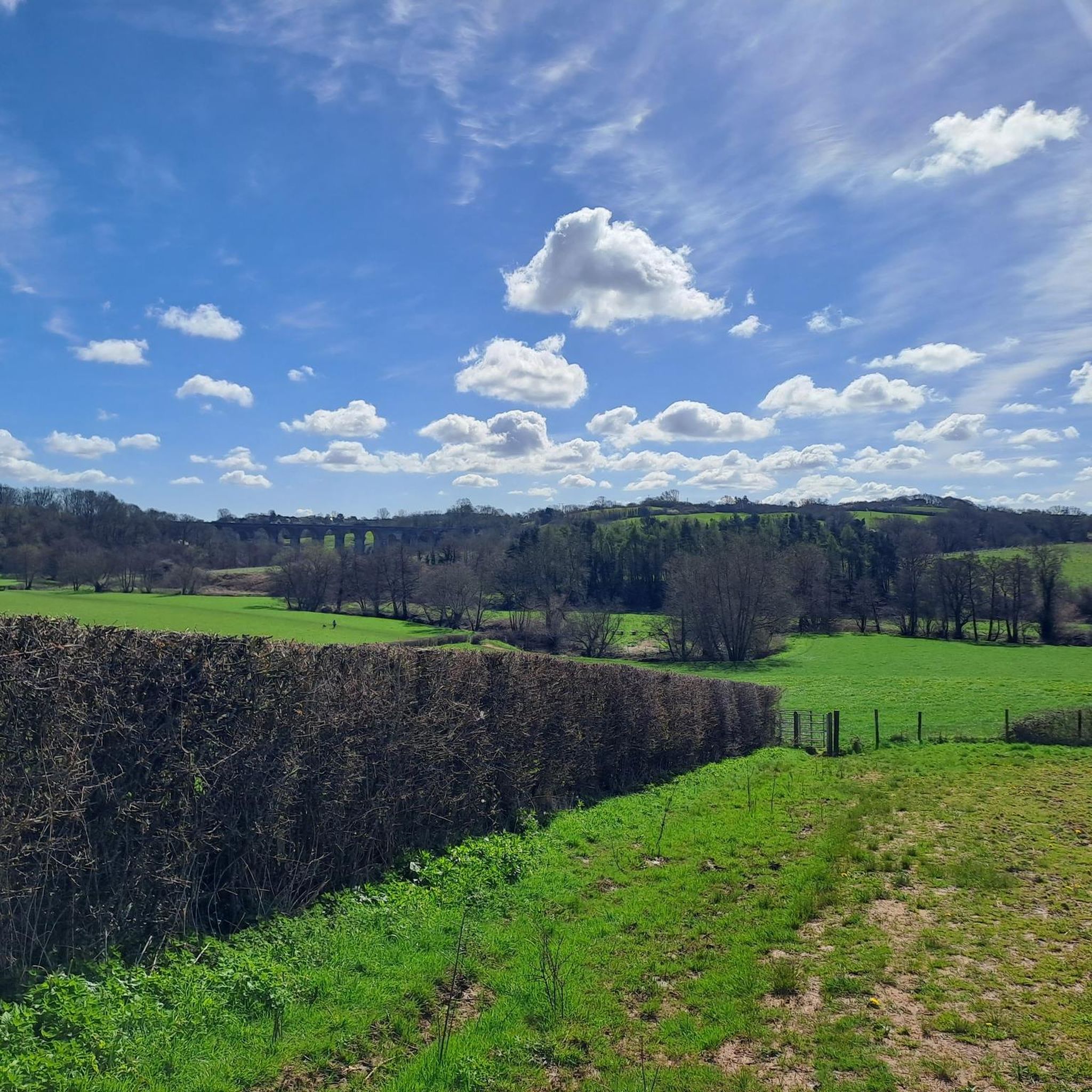
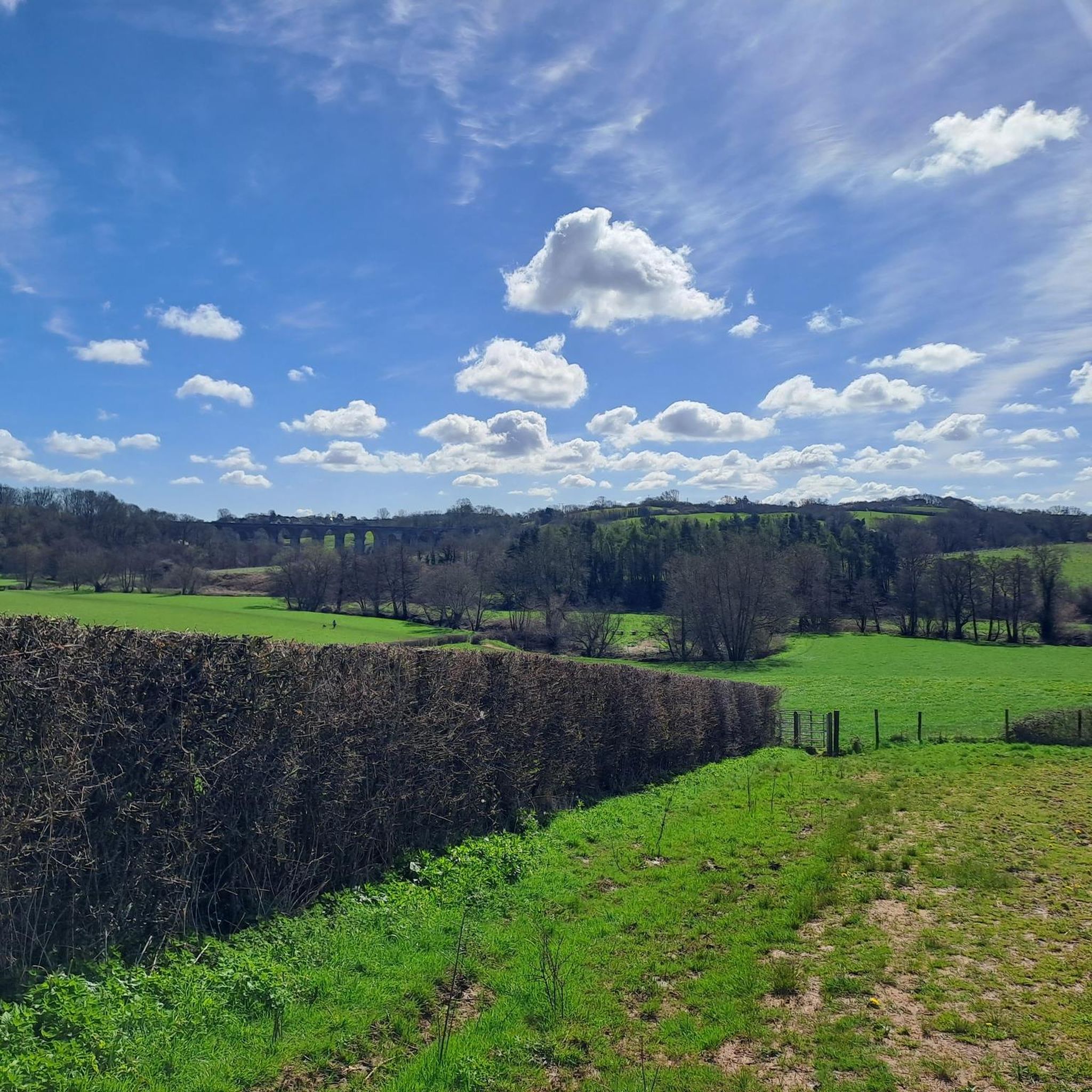
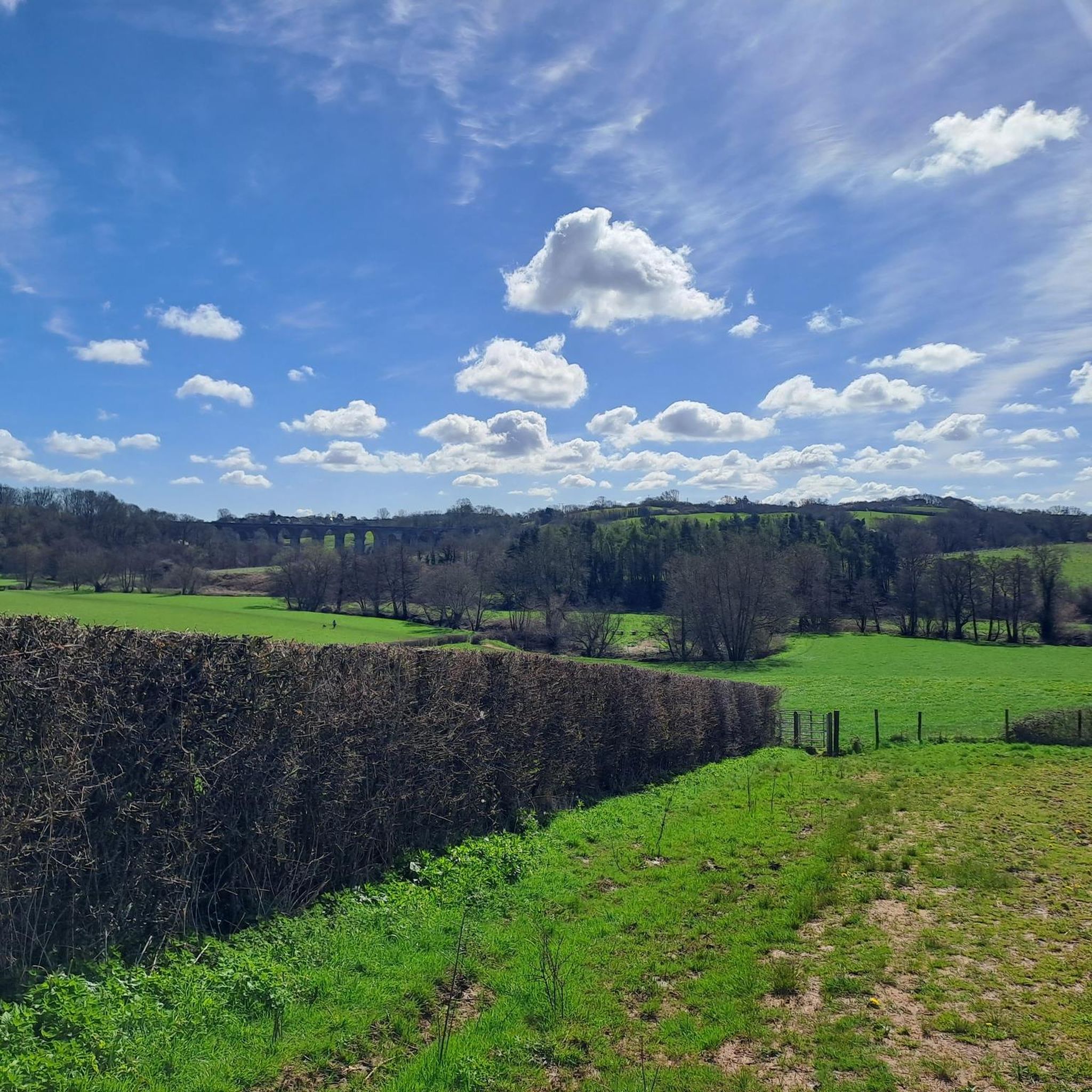
Great stretch of road, I know I am nearly at Bristol, or just getting started. Either way I cannot help but stop and enjoy the view, just stunning.
0
0


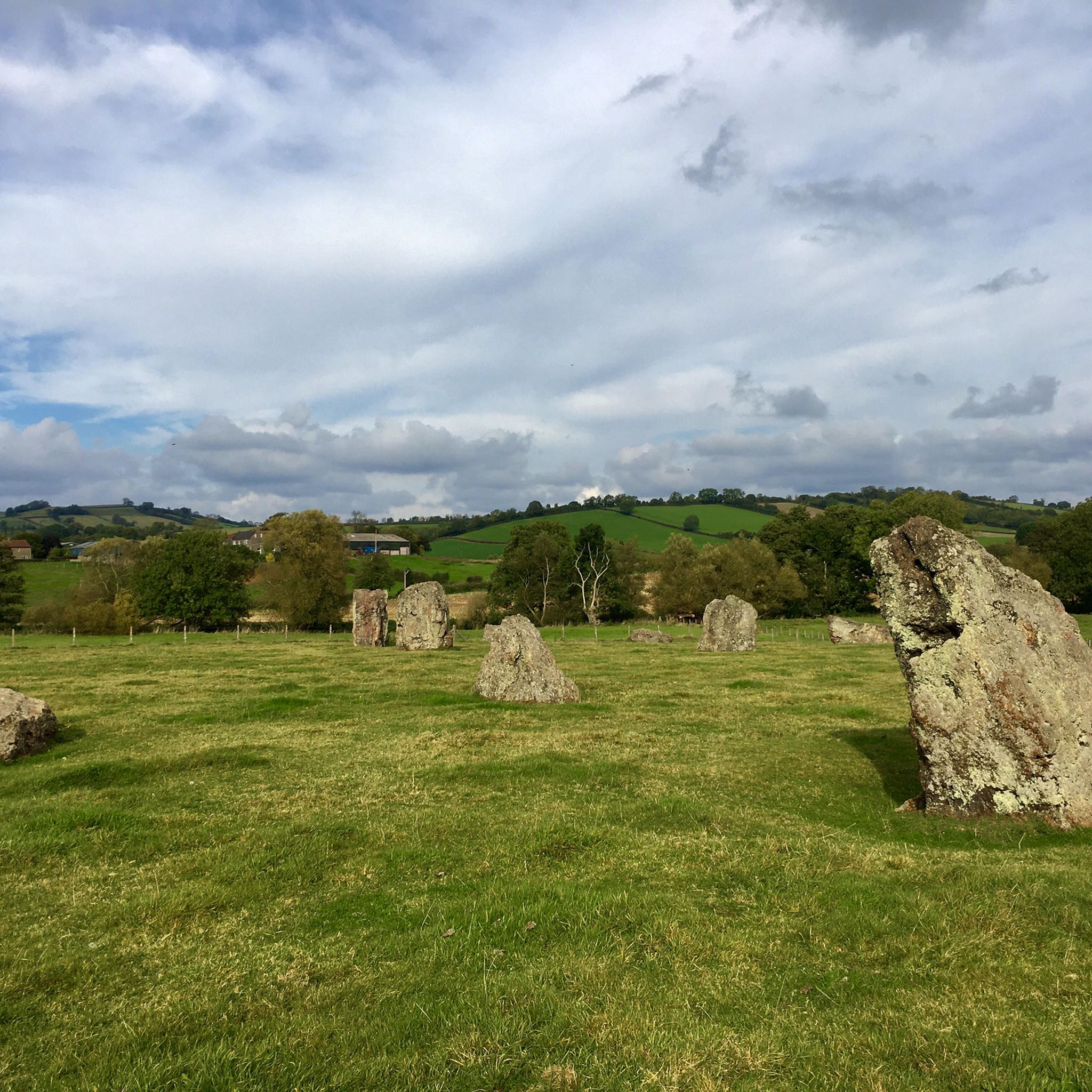
The Stanton Drew stone circles are located just outside the village of Stanton Drew in the English county of Somerset. The largest stone circle is the Great Circle, standing in a 113 metres in diameter and is in-fact the second largest stone circle to be discovered in Britain. After Avebury and It’s considered to be one of the largest Neolithic monuments to have ever been built. The date of the construction is not actually accurately known of, but it’s thought to have been built between 3000 and 2000 BCE. These standing stone circles of which have been studied since John Aubrey's visit in 1664. It was only made a scheduled monument of it is today in 1982. Please be aware that an entrance fee is charged by the landowner for any entry in among the grounds of the Stone Circles and any public access is at his discretion only. NO DOGS ALLOWED! As the land is used for agriculture purposes and usually has cattle grazing on the fields where the standing stones are. Please be aware that the English Heritage sites do not permit drone flying from or over sites in our care, by any circumstances except by contractors or partners undertaking flights for a specific purpose, who satisfy stringent CAA criteria, have the correct insurances and permissions, and are operating under controlled conditions only. Just having experienced this ourselves before.
0
0

Cool little information stand here with information; did you know this species is the largest living thing on earth? The big ones can be 3 motorway lanes wide! They are sometimes called “vegetable monsters” and they were brought to the uk from California by the SS Great Britain!
1
0

This is the third-largest complex of pre-historic standing stones in England. The 26 remaining standing stones are all that remains of the probably ceremonial stone circle constructed in the Neolithic period around 2500 BCE. Today the area is looked after by English Heritage and free to enter.
0
0


Impressive 4500 year-old stone circle with some English Heritage info signage at the entrance. Take a minute to touch the stones and imagine the people who put them there. There’s an honesty box at the gate which suggests a £1 donation.
0
0

Stanton Drew stone circle is 100% worth a visit. An ancient, neolithic complex of stone circles. There is so much history in this landscape; the nearby Pensford village was first officially recorded in 1151.
0
1
Frequently Asked Questions
What historical natural monuments can I explore around Stanton Drew?
The most significant historical natural monument is the Stanton Drew Stone Circles and Cove. This impressive complex of megalithic structures dates back approximately 4,500 years to the Late Neolithic and Early Bronze Age, making it the third-largest complex of standing stones in England. You can also visit Troopers Hill Chimney, a historical site with views over Bristol, featuring elements from its past as a copper smelting and mining site.
Are there family-friendly natural monuments in the Stanton Drew area?
Yes, several natural monuments are suitable for families. The Stanton Drew Stone Circles and Cove offers an engaging historical experience. East Harptree Woods has an easy-going trail suitable for all users, including prams. Chew Valley Lake is a scenic spot perfect for birdwatching and enjoying nature with children. Additionally, the Giant Sequoia Trees provide a unique natural wonder that fascinates all ages.
What unique natural features can I discover near Stanton Drew?
Beyond the ancient stone circles, you can find diverse natural features. Chew Valley Lake is one of the largest artificial lakes in the UK, known for its birdlife. East Harptree Woods offers a managed forest environment with wildlife in mind. You can also encounter a grove of Giant Sequoia Trees, a unique slice of California in the West Country.
When is the best time to visit the natural monuments around Stanton Drew?
The natural monuments around Stanton Drew can be visited year-round. Spring and summer offer pleasant weather for exploring the outdoor sites like the Stanton Drew Stone Circles and enjoying the birdlife at Chew Valley Lake. Autumn brings beautiful foliage to areas like East Harptree Woods. While winter visits might be colder, sites like the stone circles offer a more tranquil and personal experience due to fewer visitors.
Are there walking routes that include the natural monuments?
Yes, there are several walking routes that allow you to explore the natural monuments. For easy hikes, you can find routes like the 'Druid's Arms pub – Pensford Viaduct loop from Stanton Drew' which is 6 km long. These routes often pass by the Stanton Drew Stone Circles, combining historical interest with natural beauty. You can find more details on easy hikes in the area on the Easy hikes around Stanton Drew guide.
What outdoor activities can I do near these natural monuments?
The area around Stanton Drew offers various outdoor activities. You can enjoy cycling with routes like 'View of Chew Valley – Chew Valley Lake loop from Norton Malreward' (44.5 km) as detailed in the Cycling around Stanton Drew guide. Mountain biking trails are also available, such as 'Brunel Way Pump Track – Gravel Climb to Leigh Woods loop from Parson Street' (29.6 km), which you can find in the MTB Trails around Stanton Drew guide. For hikers, there are numerous options, including easy loops around the River Chew, accessible via the Easy hikes around Stanton Drew guide.
Is there parking available near the Stanton Drew Stone Circles?
Yes, parking is generally available near the Stanton Drew Stone Circles. The site is in the care of English Heritage and is accessible to the public. While specific car park details might vary, visitors typically find parking options within the village or designated areas close to the monuments.
Are the natural monuments around Stanton Drew dog-friendly?
Many natural monuments and surrounding areas are dog-friendly, especially for walks. The Stanton Drew Stone Circles are generally accessible for dogs on leads. Similarly, trails through East Harptree Woods and around Chew Valley Lake are popular for dog walking. Always ensure dogs are kept under control and any local signage regarding pets is observed.
What do visitors enjoy most about the natural monuments in Stanton Drew?
Visitors particularly appreciate the sense of solitude and mystique at the Stanton Drew Stone Circles, as it's less crowded than other famous sites. The historical and archaeological significance, combined with local folklore, adds to its allure. The integration of these ancient sites with the gently rolling landscape near the River Chew is also highly valued, offering a blend of history and natural beauty.
Can I find any hidden gems or lesser-known natural attractions in the area?
While the Stanton Drew Stone Circles are well-known, their less-visited nature compared to other megalithic sites makes them feel like a hidden gem. The presence of the Giant Sequoia Trees is also a surprising and unique natural attraction. Exploring the 'gruffy ground' in East Harptree Woods, which indicates old mining pits, offers a glimpse into the area's industrial past integrated with nature.
Are there any natural monuments with good viewpoints?
Yes, Troopers Hill Chimney offers breathtaking views over Bristol and the River Avon. The Southwest Circle of the Stanton Drew Stone Circles also occupies a prominent position with wide panoramic views of the surrounding landscape.
Most popular routes around Stanton Drew
Most popular attractions around Stanton Drew

Get inspired with the komoot mobile app


Explore more
Extend your search for the best caves by checking out these guides of the top ones around Stanton Drew:
