Top 5 Natural Monuments around Garford
Best natural monuments around Garford include historical sites and unique geological formations. The area features ancient earthworks, reconstructed stone circles, and significant natural features like mounds and ancient trees. Garford's landscape offers diverse natural and historical points of interest, providing opportunities for exploration. These sites showcase the region's long history and natural beauty.
Best natural monuments around Garford
- The most popular natural monuments is Segsbury Camp Iron Age Hill Fort, a historical site and natural monument featuring extensive and…
Last updated: June 29, 2026
Jarn's Mound and Wild Garden
Highlight • Natural Monument
Tip by

Segsbury Camp Iron Age Hill Fort
Highlight • Historical Site
Tip by

Sign up now to discover places like this
Get recommendations on the best single tracks, peaks, & plenty of other exciting outdoor places.
Sign up for free
Rhododendron in Bagley Woods
Highlight • Natural Monument
Tip by

Devil's Quoits Stone Circle
Highlight • Natural Monument
Tip by
Ancient Yew at All Saints' Church, Didcot
Highlight • Religious Site
Tip by
Sign up for free to discover even more natural monuments around Garford.
Sign up for free
Already have an account?
Start today with a free account
Your next adventure awaits.
Login or Signup

Tips from the Community

The rugged yew tree is a survivor, having been badly damaged in several recent arson attacks. The yew likely predates the All Saints church built in the 12th century. There is evidence of Roman and Saxon settlement in this area, and so it is likely a wooden church once existed on the present site. Baxter wrote about the yew in his 1992 book 'The Eternal Yew' and called it 'a survivor whatever the circumstances - a typical eternal yew'.
3
0
Neolithic stone circle from around 2900-2600BC - a remarkable site to visit.
6
0
Neolithic stone circle from around 2900-2600BC - a remarkable site to visit. You can learn more here: https://www.youtube.com/watch?v=npAxEvruu9M
5
0
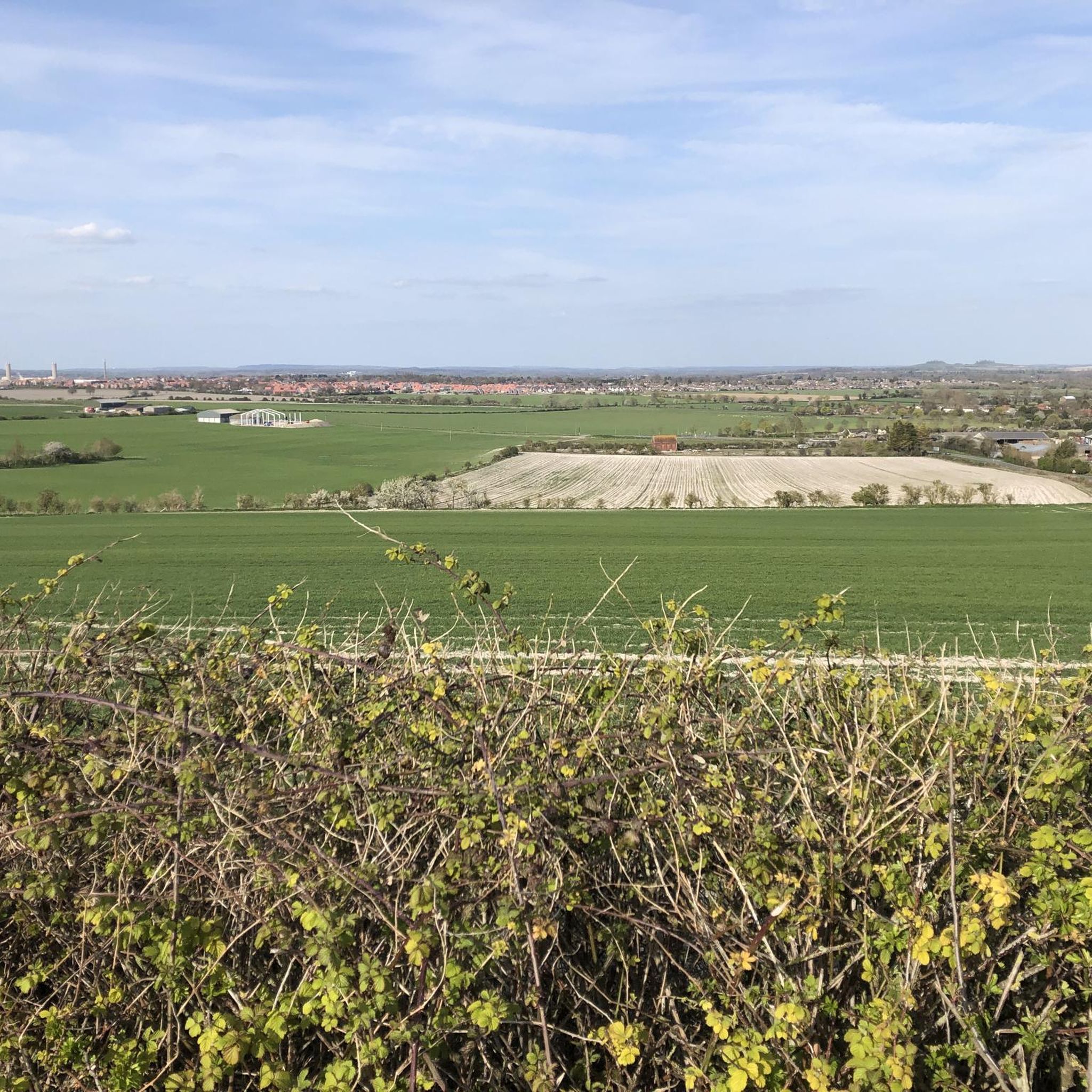
Jarn's Mound and Wild Garden was constructed by British archaeologist Sir Arthur Evans (1851-1941) who is best known for his excavation and reconstruction of the Bronze Age palace of Knossos on Crete. He lived on Boars Hill from 1894 until his death and was passionate about protecting the area and maintaining its beauty for others to enjoy. He constructed an artificial mound which is 15 metres high to bring out the magnificent views over to the city of Oxford in one direction, and the Vale of the White Horse in the other.
4
0
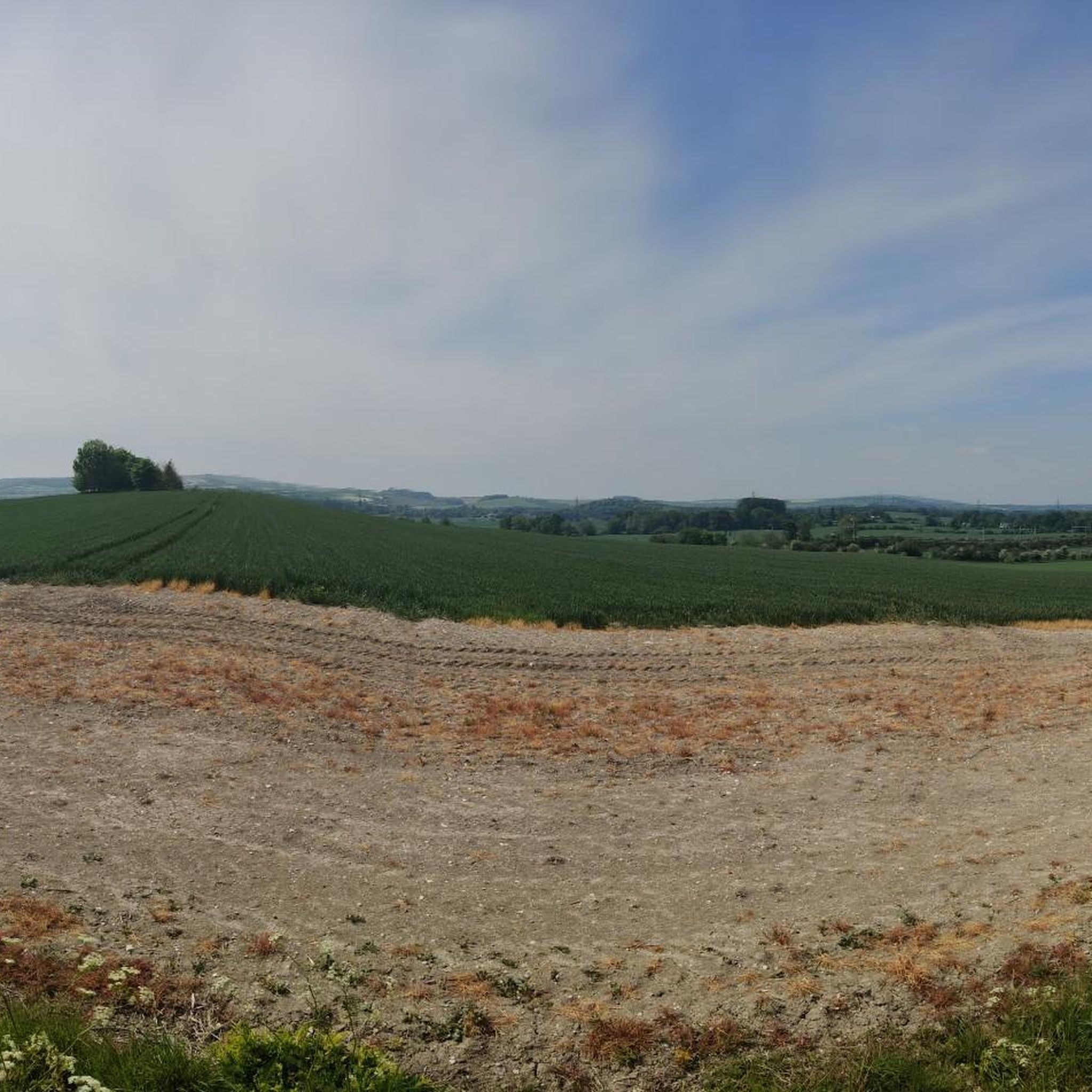
The Devil's Quoits is a reconstructed stone circle henge, originally dating from the late Neolithic period, probably around 2900-2600BC. The large site with a 115m diameter earth bank, internal 2m deep ditch and 75m diameter stone circle is likely to have been of great significance and will have been visible from the Ridgeway, Britain's oldest road. The stone circle consisted of 28 conglomerate stones, with one additional stone standing slightly offset to the south. It is a truly remarkable site; transporting you back to a time where people travelled along the Windrush Valley from its headwaters to its confluence with the Thames at Devil's Quoits and further downstream to the Big Rings at Dorchester on the Thames. Many hundreds of people would have gathered within the site, observing from the banks and participating in rituals in the centre.
3
0

This beautiful Blossom tree can be found in the middle of Bagley Woods, an excellent stop off on your walk or ride.
1
0

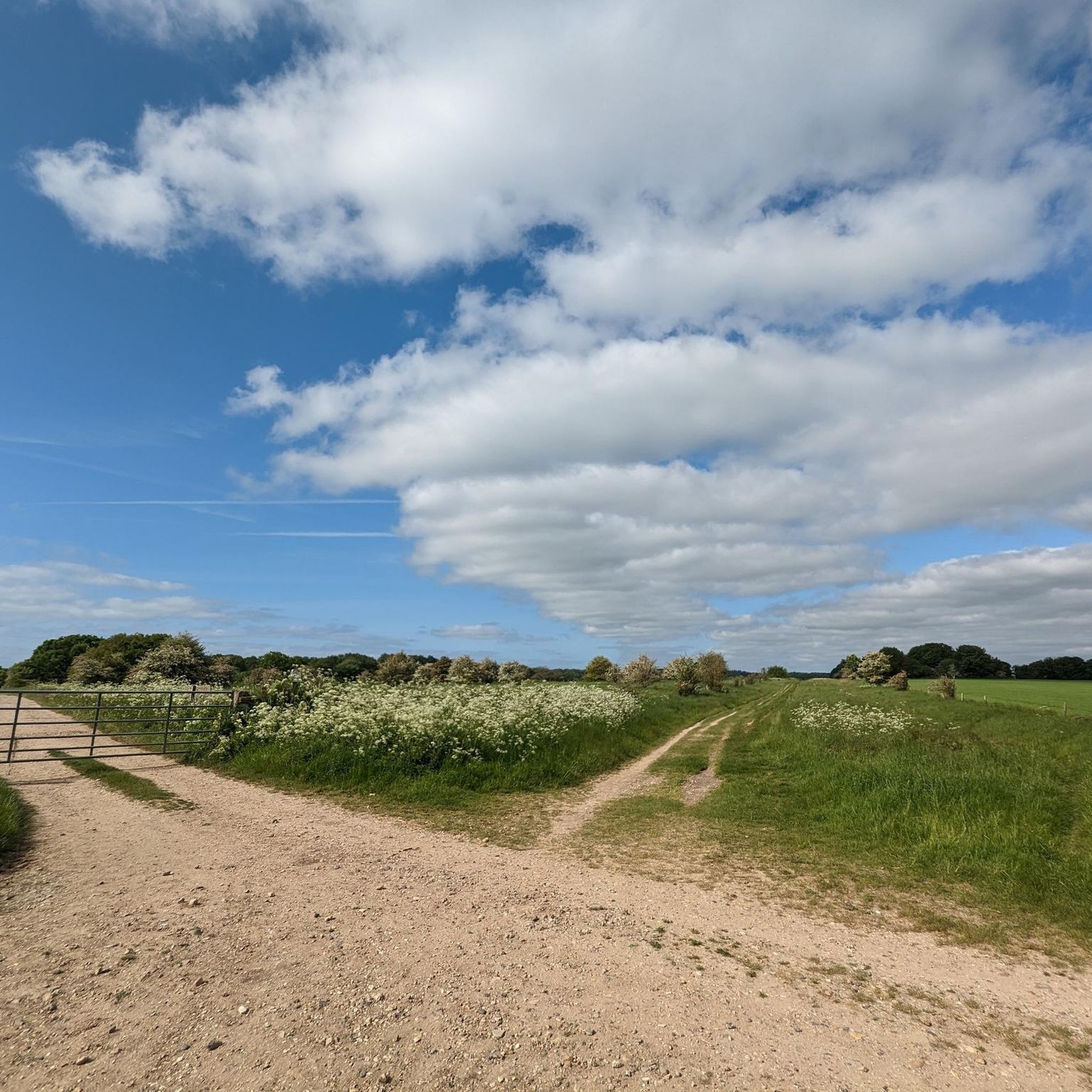
Segsbury Camp is an Iron Age hill fort in the Vale of White Horse. You can explore extensive and well-preserved ramparts and gateways in the fort. Historians believe this site was occupied between the sixth and the second centuries BC and was used as a communal centre for many activities.
3
0
Frequently Asked Questions
What types of natural monuments can I expect to find around Garford?
Around Garford, you can explore a diverse range of natural monuments, including ancient earthworks, historical hill forts, reconstructed Neolithic stone circles, and significant natural features like artificial mounds with panoramic views, and ancient trees within woodlands. These sites showcase the region's rich history and natural beauty.
Are there any ancient or historical natural monuments near Garford?
Yes, Garford is rich in historical natural monuments. You can visit Segsbury Camp Iron Age Hill Fort, which features extensive and well-preserved ramparts from between the sixth and second centuries BC. Another remarkable site is the Devil's Quoits Stone Circle, a reconstructed Neolithic henge dating from around 2900-2600 BC.
What unique natural features are there to explore around Garford?
Beyond historical structures, Garford offers unique natural features such as Jarn's Mound and Wild Garden, an artificial mound offering magnificent views over Oxford and the Vale of the White Horse. You can also find the beautiful Rhododendron in Bagley Woods, a lovely spot within a forest, and an Ancient Yew at All Saints' Church, Didcot, which likely predates the 12th-century church itself.
What outdoor activities can I do near the natural monuments around Garford?
The area around Garford offers various outdoor activities. You can find numerous routes for hiking, mountain biking, and road cycling. For example, there are moderate MTB trails like the 'View of Ridgeway Reservoir loop from Wantage' and hiking routes such as 'Culham Old Bridge – Abingdon Bridge loop from Drayton'. You can explore more options on the Hiking around Garford, MTB Trails around Garford, and Road Cycling Routes around Garford guide pages.
Are there hiking trails associated with Garford's natural monuments?
Yes, many natural monuments around Garford are accessible via hiking trails. For instance, you can explore the extensive ramparts of Segsbury Camp Iron Age Hill Fort on foot. The area also features several dedicated hiking routes, including easy to moderate options. For detailed trail information, refer to the Hiking around Garford guide.
Are there family-friendly natural monuments around Garford?
Several natural monuments around Garford are suitable for families. The Rhododendron in Bagley Woods offers a pleasant walk through the forest. The Devil's Quoits Stone Circle is also considered family-friendly, providing an engaging historical experience. Additionally, the Ancient Yew at All Saints' Church, Didcot is an interesting stop for all ages.
Are any of Garford's natural attractions wheelchair accessible?
While many natural monuments involve uneven terrain or historical paths, specific information on wheelchair accessibility for each site is limited. It's advisable to check individual site conditions or contact local visitor centers for the most up-to-date accessibility details before planning your visit.
What is the best time of year to visit the natural monuments around Garford?
The natural monuments around Garford can be enjoyed throughout the year, each season offering a different experience. Spring brings blooming flora, while autumn showcases vibrant foliage, particularly in wooded areas like Bagley Woods. Summer is ideal for longer walks and exploring, and even winter can offer a unique, crisp perspective on these historical and natural sites.
Where can I find places to eat or stay near Garford's natural monuments?
While specific cafes or accommodations directly adjacent to every natural monument are not detailed, the Garford area and nearby towns like Abingdon and Wantage offer various pubs, cafes, and accommodation options. It's recommended to plan your refreshment and lodging stops in these larger settlements.
What do visitors enjoy most about the natural monuments around Garford?
Visitors particularly appreciate the historical depth and natural beauty of the area. The extensive ramparts of Segsbury Camp Iron Age Hill Fort and the ancient mystery of the Devil's Quoits Stone Circle are highly regarded. The panoramic views from Jarn's Mound also receive positive feedback for their scenic appeal.
Are there any circular walks that include Garford's natural monuments?
While specific circular walks directly linking multiple natural monuments are not explicitly detailed, many hiking and cycling routes in the area can be combined to create circular tours. For example, you can find various circular hiking routes around Garford, such as the 'Wooden Bridge loop from Abingdon', which can be integrated with visits to nearby sites. Check the Hiking around Garford guide for route ideas.
Most popular attractions around Garford

Get inspired with the komoot mobile app


Explore more
Extend your search for the best caves by checking out these guides of the top ones around Garford:
