Top 8 Natural Monuments around Brightling
Best natural monuments around Brightling are found within the elevated High Weald of East Sussex. This area is characterized by its unique blend of natural landscapes and architectural follies, primarily constructed by John "Mad Jack" Fuller. These monuments offer historical significance and panoramic views, integrating human ingenuity with the natural contours of the land. The region provides diverse opportunities for exploring both natural features and historical structures.
Best natural monuments around Brightling
- The most popular natural monuments is Crowhurst's Ancient…
Last updated: November 26, 2026
Crowhurst's Ancient Yew Tree
Highlight • Natural Monument
Tip by

Fore Wood Nature Reserve
Highlight • Natural Monument
Tip by
Sign up now to discover places like this
Get recommendations on the best single tracks, peaks, & plenty of other exciting outdoor places.
Battle Great Wood
Highlight • Historical Site
Tip by

View of Lake Field
Highlight • Natural Monument
Tip by

View of High Weald from Witherenden Road
Highlight (Segment) • Natural Monument
Tip by

Sign up for free to discover even more natural monuments around Brightling.
Already have an account?
Start today with a free account
Your next adventure awaits.
Tips from the Community

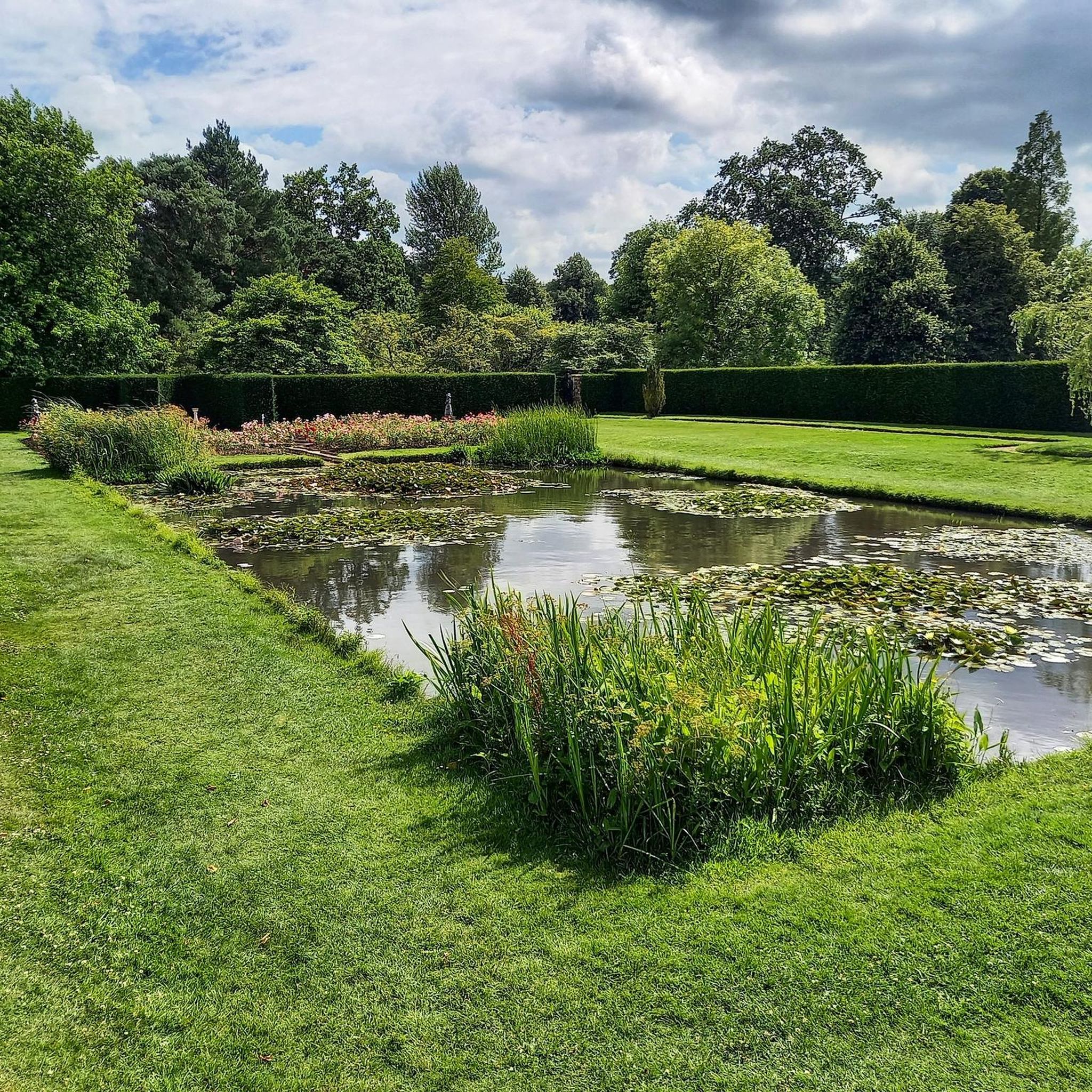
Fore Wood Nature Reserve provides a tranquil shelter for both wildlife and visitors. Centuries of human management have created a diverse mix of traditional coppiced areas and grand high forest.
0
0
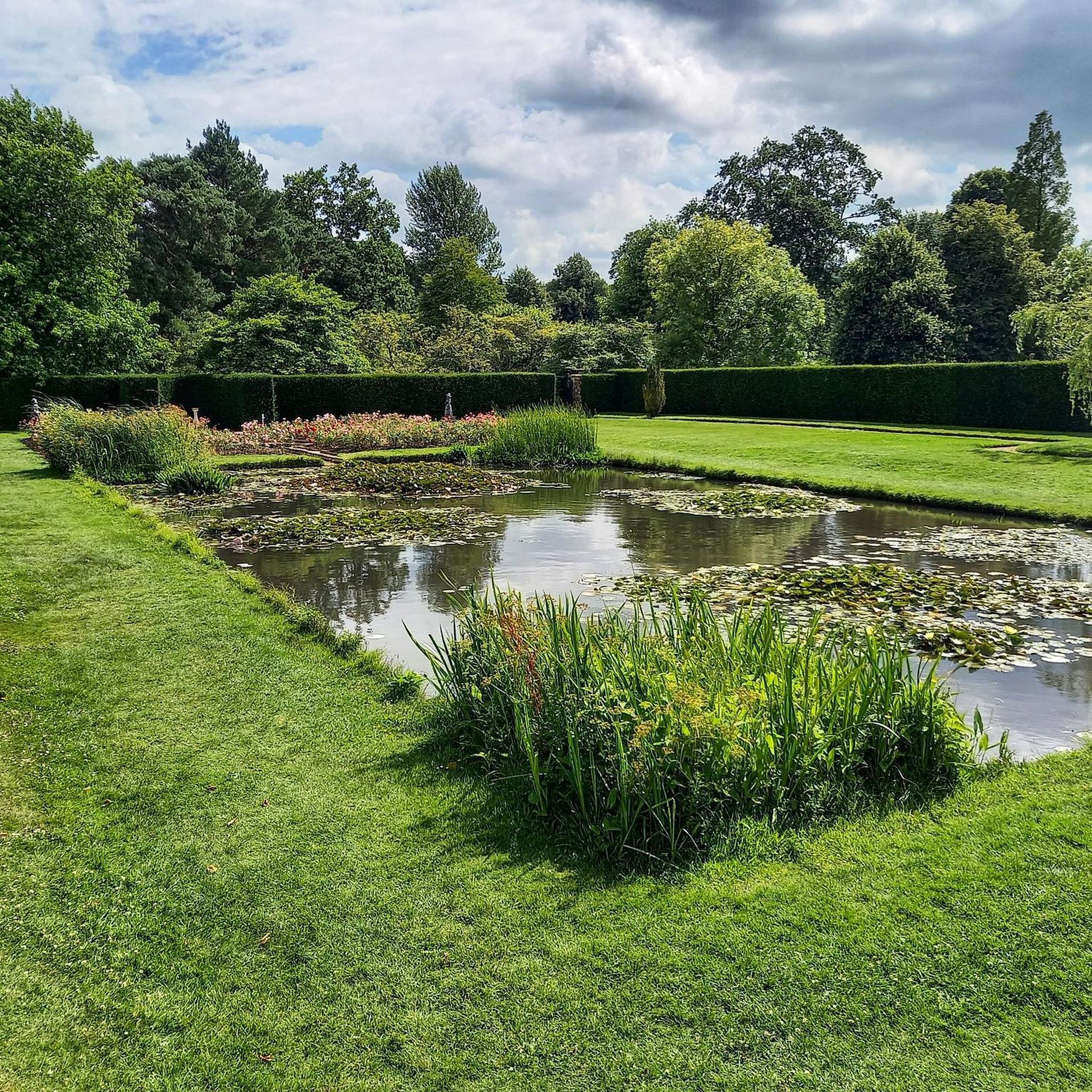
This ancient yew tree was already here in 1066, during the Battle of Hastings. There is a plaque in commemoration of its 950th anniversary.
1
0

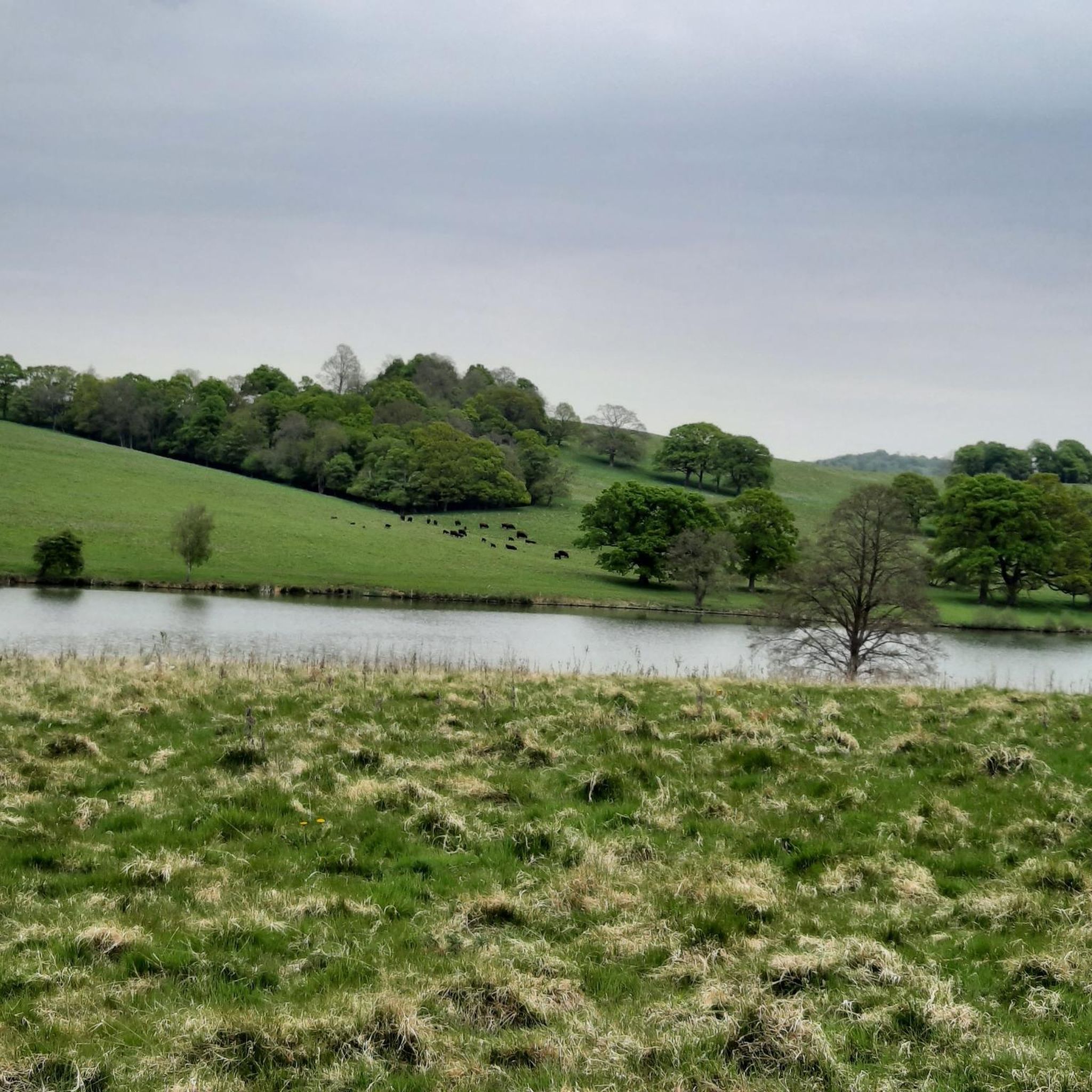
Owned by the National Trust, there is a lovely view of Lake Field. It was acquired by the National Trust in order to preserve the rural view.
1
0

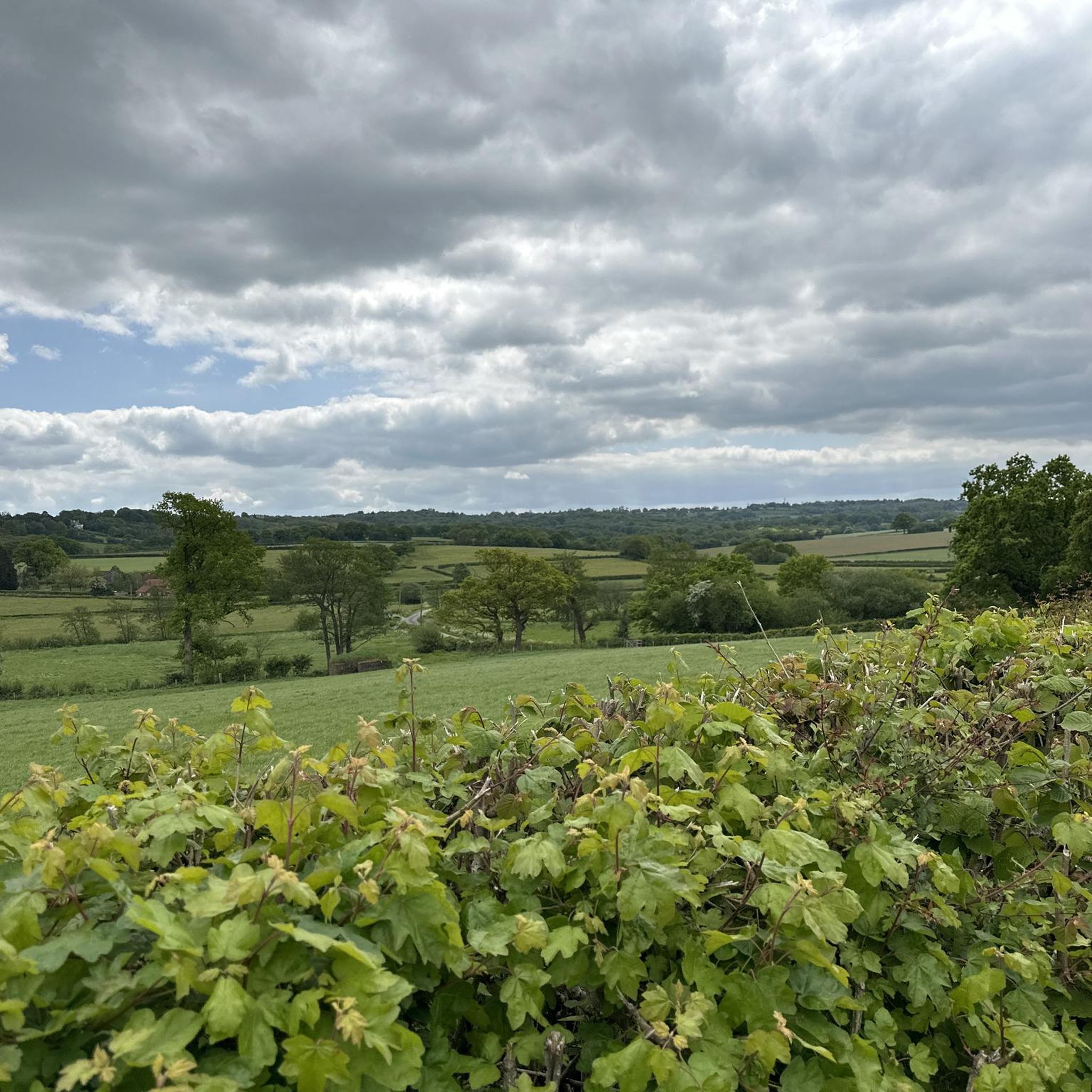
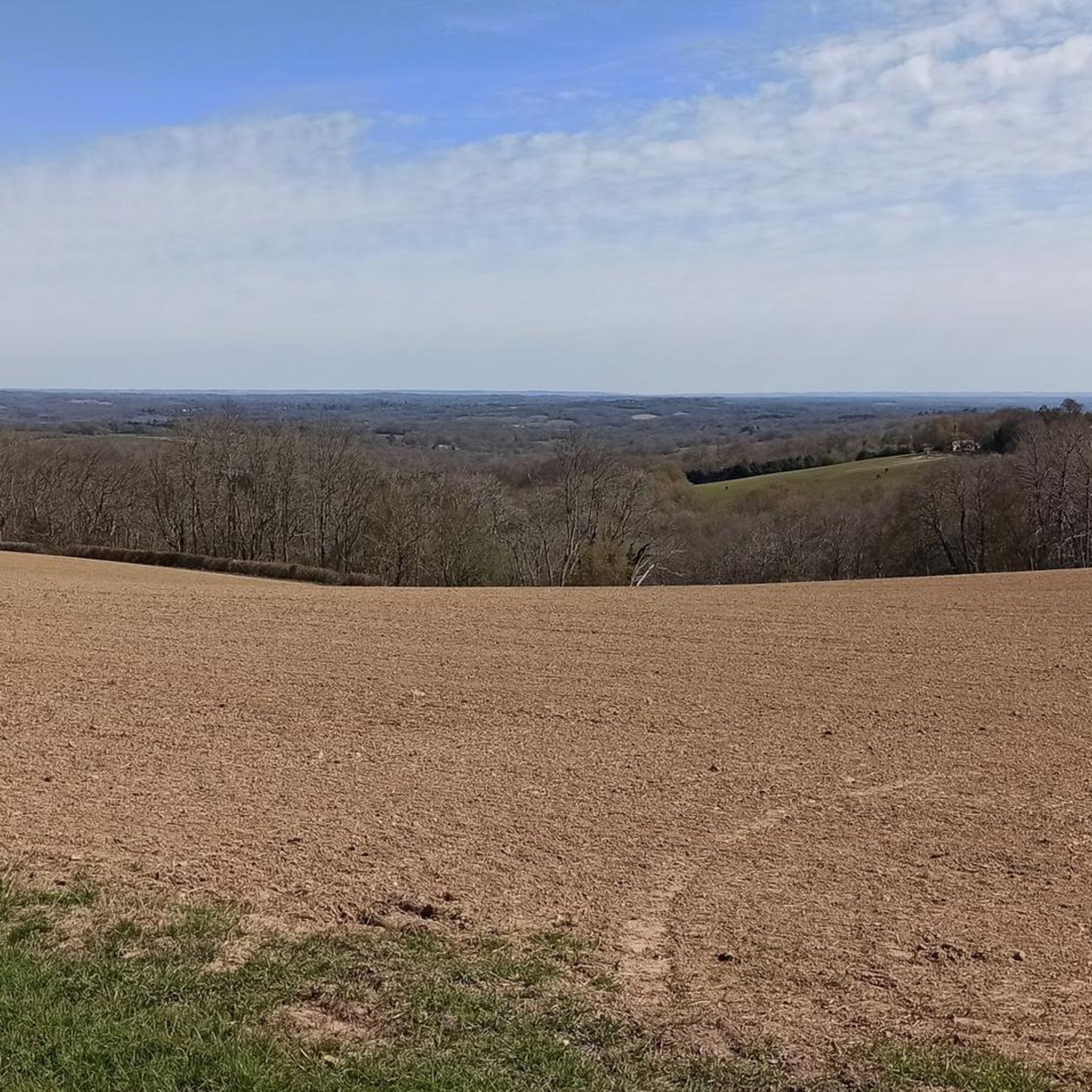
Scenic road with fantastic views over the High Weald including iconic East Sussex and Kent Oust Houses.
0
0

A conifer-based woodland just outside the famous town of Battle, where the Battle of Hastings took place, Battle Great Wood is a wonderful place to explore. Will well-maintained trails and a tremendous sense of quiet, you can amble here for hours. The 1066 Country Walk long-distance trail passes right through the centre of the wood, and a wooden sculpture of a crown lies in the heart.
0
0
Frequently Asked Questions
What makes the natural monuments around Brightling unique?
The natural monuments around Brightling are unique because they blend natural landscapes with architectural follies, primarily constructed by the eccentric 18th-century squire John 'Mad Jack' Fuller. These structures, like the intriguing Pyramid or the whimsical Sugarloaf, offer historical significance and panoramic views, integrating human ingenuity with the natural contours of the land in the elevated High Weald of East Sussex.
Are there any purely natural features to explore in Brightling?
Yes, beyond the follies, you can explore purely natural features. For instance, Fore Wood Nature Reserve provides a tranquil shelter with a diverse mix of traditional coppiced areas and grand high forest. Additionally, the area offers scenic viewpoints like the View of Lake Field, acquired by the National Trust to preserve its rural beauty.
What historical natural monuments can I visit near Brightling?
Brightling is rich in historical natural monuments. You can visit Crowhurst's Ancient Yew Tree, which stood during the Battle of Hastings in 1066. The area also features 'Mad Jack' Fuller's follies, such as the Pyramid, his tomb built in 1811, and the Tower (or Watch Tower), which is accessible via a public footpath and dates back to the late 1820s.
Are there family-friendly natural monuments around Brightling?
Many natural monuments around Brightling are family-friendly. Fore Wood Nature Reserve and Battle Great Wood both offer well-maintained trails suitable for families. The historical Crowhurst's Ancient Yew Tree is also a fascinating spot for all ages, with its deep historical roots.
What kind of views can I expect from the natural monuments in Brightling?
The natural monuments in Brightling offer impressive views of the surrounding countryside. From the elevated High Weald, you can enjoy panoramic vistas, including those extending to the South Downs and the sea. Specific viewpoints like the View of High Weald from Witherenden Road provide fantastic outlooks over the iconic East Sussex and Kent Oust Houses.
What outdoor activities can I do near these natural monuments?
The area around Brightling offers diverse outdoor activities. You can find easy hikes, such as the 'Mad Jack Fuller's Tower loop from Brightling', which is 5.2 km long. For mountain biking, explore routes like the 'Louisa Lake – Pointless Trail loop from Flimwell'. Road cyclists can enjoy routes like the 'Judges Bakery Café loop from Robertsbridge'. You can find more details on these activities in the respective guides: Easy hikes around Brightling, MTB Trails around Brightling, and Road Cycling Routes around Brightling.
Are there specific trails or walks to explore the follies of 'Mad Jack' Fuller?
Yes, public footpaths allow for exploration of many of 'Mad Jack' Fuller's follies. While the Needle itself has no public access, its prominent position makes it visible from many areas. The Tower (or Watch Tower) is accessible via a public footpath, and you can get close to the Observatory, even though it's now a private residence. These paths offer a unique blend of natural beauty and historical intrigue.
What is the significance of the Pyramid in Brightling?
The Pyramid in Brightling is a significant local landmark. Located in the churchyard of St. Thomas a Becket, this Grade 2* Listed structure is John 'Mad Jack' Fuller's tomb. Built in 1811 of Sussex Sandstone, it is 25 feet square and 25 feet high, featuring a vestibule and a brick-built burial chamber. Its unusual nature and the legends surrounding Fuller's burial attract many visitors.
Can I see wildlife when visiting the natural monuments?
Yes, the natural areas around Brightling, such as Fore Wood Nature Reserve, provide tranquil shelters for wildlife. The diverse mix of traditional coppiced areas and high forest in the reserve creates a rich habitat, offering opportunities for wildlife spotting during your visit.
How long does it take to explore the natural monuments around Brightling?
The time required to explore the natural monuments around Brightling varies depending on your chosen route and how many sites you wish to visit. Some easy hikes, like the 'Mad Jack Fuller's Tower loop from Brightling', can take around an hour or two. If you plan to visit multiple follies and natural features, you could easily spend a full day enjoying the expansive 600-acre Brightling Park and its surroundings.
What is the 1066 Country Walk and where does it pass near Brightling?
The 1066 Country Walk is a long-distance trail that passes through the center of Battle Great Wood, a conifer-based woodland just outside the town of Battle. This area is a wonderful place to explore with well-maintained trails, offering a tremendous sense of quiet and a wooden sculpture of a crown in its heart.
Are there any architectural follies that are particularly prominent or visible from a distance?
Yes, The Needle (Brightling Needle) is particularly prominent. This obelisk, standing over 65 feet (20 meters) high, was erected around 1810 on one of the highest points in East Sussex. While there is no public access to the Needle itself, its prominent position within the landscape makes it visible from many areas in Brightling, serving as a beacon.
Most popular attractions around Brightling

Get inspired with the komoot mobile app


Explore more
Extend your search for the best caves by checking out these guides of the top ones around Brightling:
