Top 6 Natural Monuments around Clatworthy
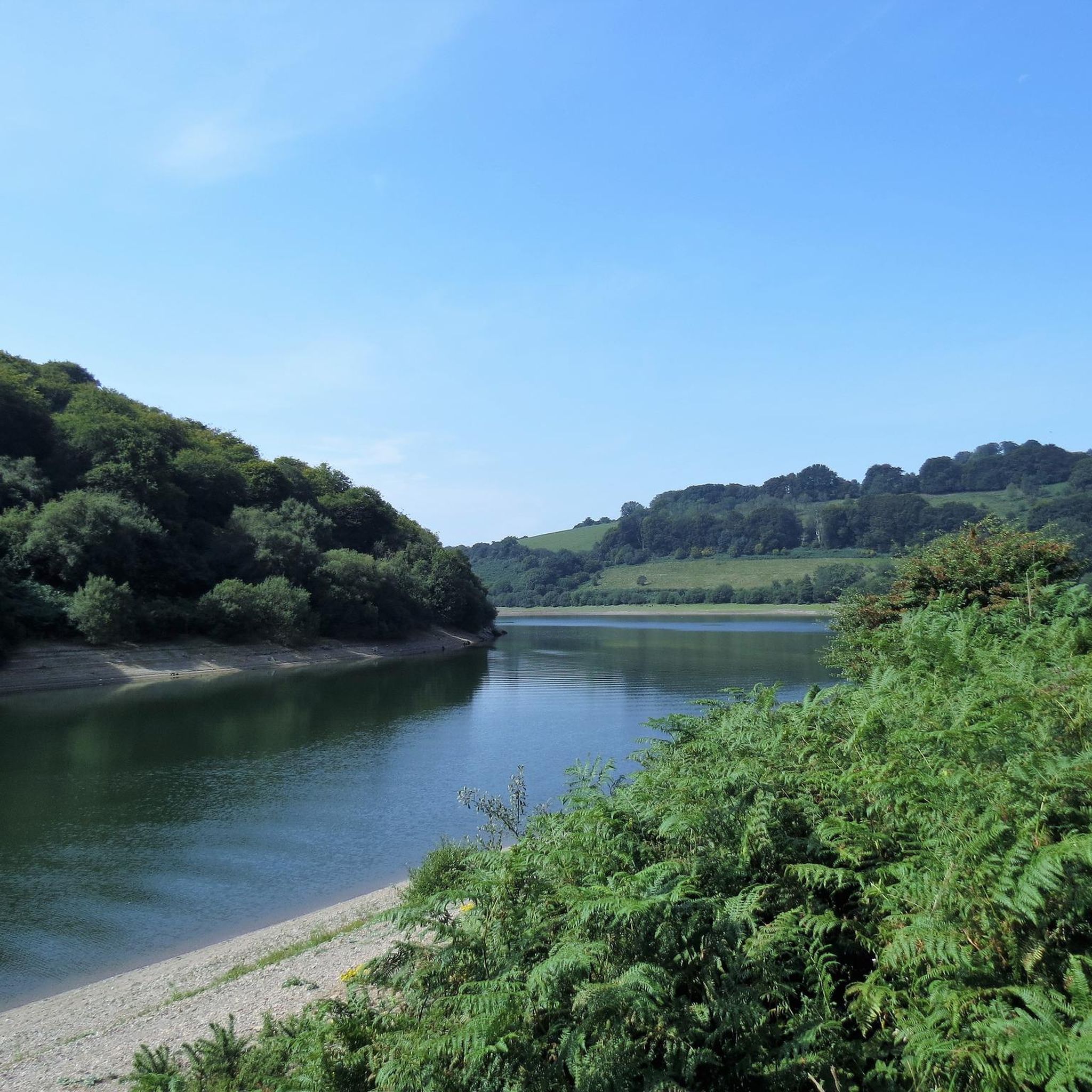
Best natural monuments around Clatworthy are found in a village and civil parish in Somerset, England, near Exmoor National Park. The area is characterized by the Clatworthy Reservoir, which impounds the headwaters of the River Tone and supplies water to the region. This natural environment offers diverse ecosystems, including woodlands, grasslands, and marshy areas. It provides opportunities for walking, wildlife observation, and appreciating geological features.
Best natural monuments around Clatworthy
- The most popular natural monuments is Haddon Hill Trig Point…
Last updated: October 2, 2026
Haddon Hill Trig Point
Highlight • Natural Monument
Tip by

Gallox Hill Fort
Highlight • Historical Site
Tip by
Sign up now to discover places like this
Get recommendations on the best single tracks, peaks, & plenty of other exciting outdoor places.
St Decuman's Church and Well
Highlight • Natural Monument
Tip by

Ashbrittle Yew and St. John the Baptist Church
Highlight • Historical Site
Tip by
Waterfall in Western Cliff Wood
Highlight • Natural Monument
Tip by
Start today with a free account
Your next adventure awaits.
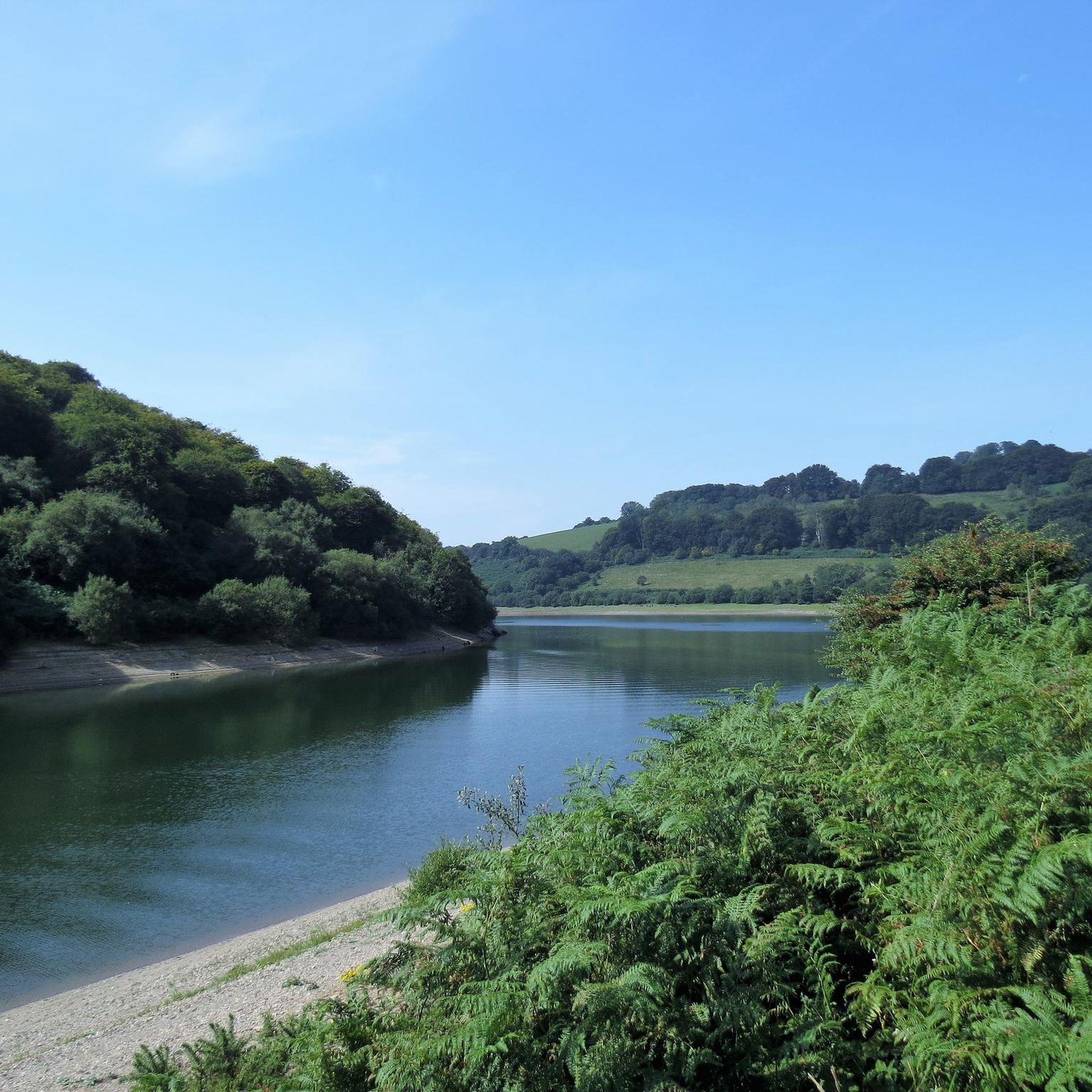
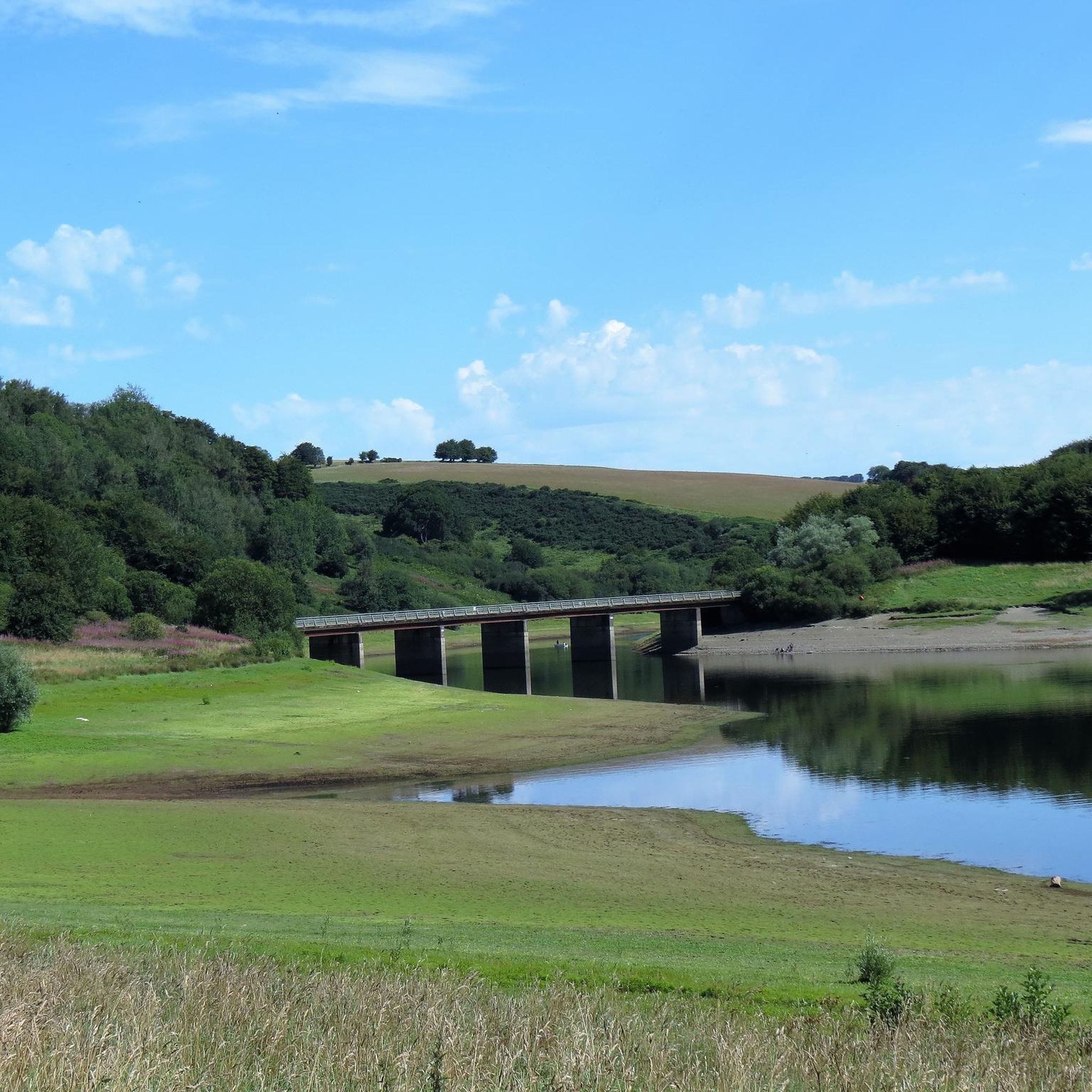
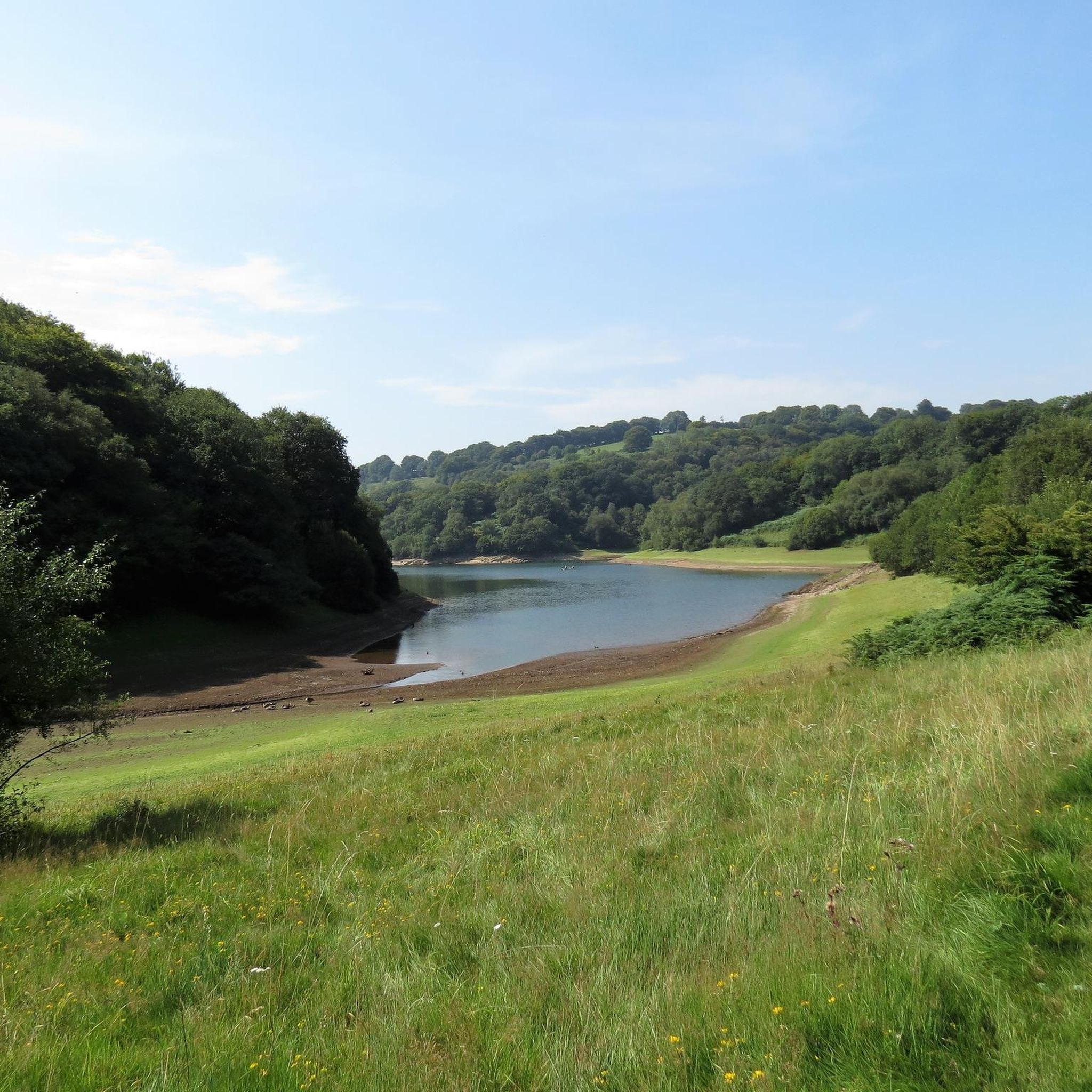
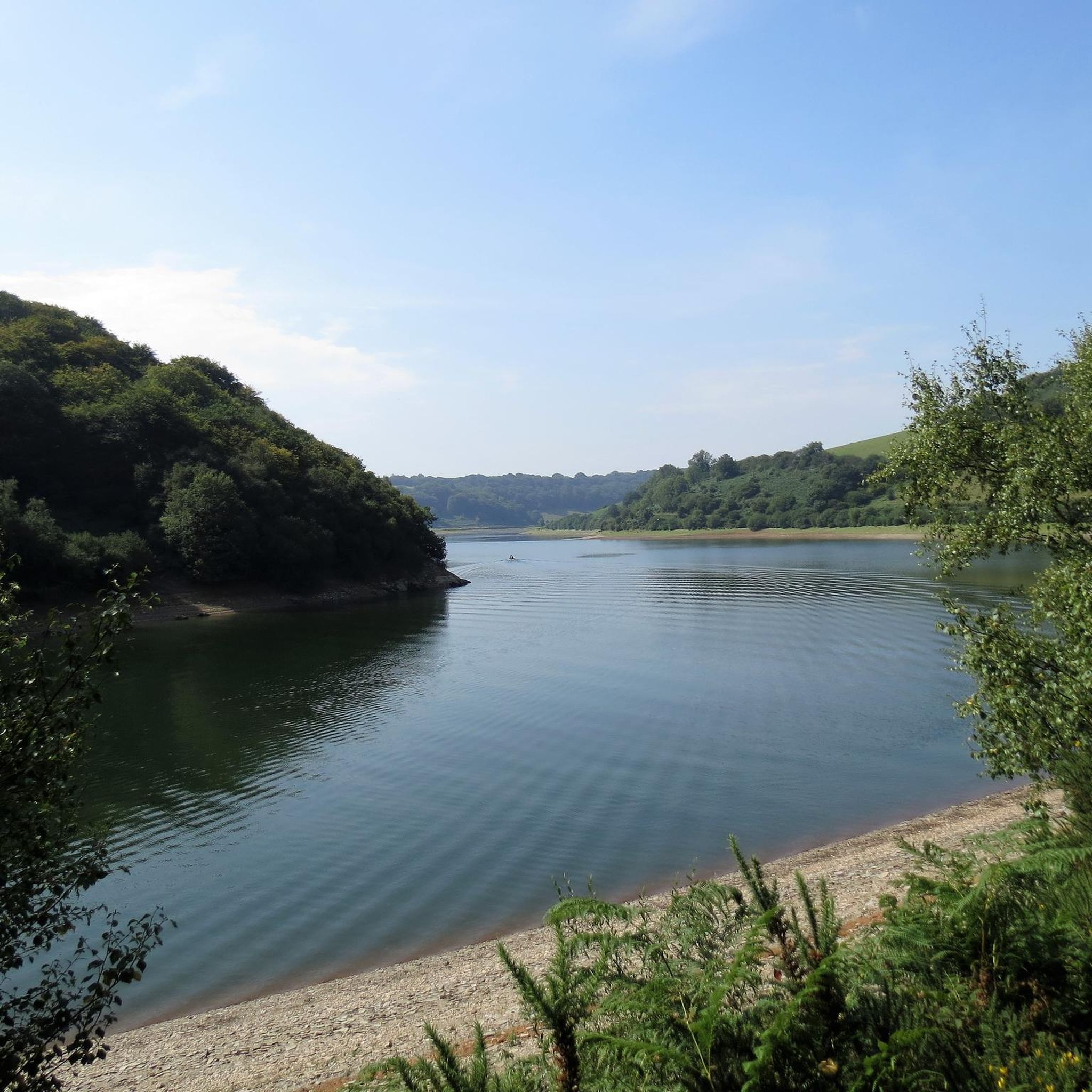
Tips from the Community

It lies on the southeastern fringe of Exmoor National Park, though it is separated from the Exmoor massif itself by the valleys of the rivers Haddeo and Exe, the highest point of 1,164ft
1
0

This trig point is located atop Haddon Hill at an elevation of 355 metres. From here, you can overlook a part of Wimbleball Lake, which is very close by.
0
0
This is an Iron Age fort measuring 100 meters by 80 meters. It features an external ditch with a prominent bank.
2
0
The trig point at Haddon Hill is situated at 355 meters above sea level and offers beautiful views of the surrounding area. During the Second World War, there was a U.S. Army military camp on this hill during the buildup to the Normandy landings in 1944. It is easily accessible from Bury or the nearby parking area.
3
0
Very close to the path, we can enjoy this beautiful waterfall from water that originates in the hills above Comberow and eventually flows into the Washford River.
3
0

Reputedly "the oldest living thing in England mature when Stonehenge was in use" so says the plaque.
0
0

St Decuman's church sits up on the hill behind the coastal town of Watchet. Decuman was a pastor and doctor who came to the town from Wales in the late 7th century. The story goes that Decuman was beheaded by a pagan but survived by picked up his own head, washing it in the neighbouring well, and putting it back on again. As it were. Heads aside, the church is a peaceful place with many interesting features and a well-kept churchyard.
1
0
the Church of St. John the Baptist lies in the small Somerset village of Ashbrittle and dates back to the 15th century. If you think the church is old though, it's only an infant compared to the yew tree in its churchyard. Named the Ashbrittle Yew, this extraordinary tree is thought to be over 3000 years old. With a girth of around 40 feet (12 m), multiple subsidiary trunks and huge canopy, this tree is absolutely worth seeking out. Understandably, it's not very hard to find.
1
0
Frequently Asked Questions
What types of natural monuments can I explore around Clatworthy?
The area around Clatworthy offers a diverse range of natural monuments, from scenic viewpoints and historical sites to ancient trees and waterfalls. You can find elevated spots like Haddon Hill Trig Point offering panoramic views, historical Iron Age forts such as Gallox Hill Fort, and unique natural features like the ancient Ashbrittle Yew or the tranquil Waterfall in Western Cliff Wood.
Are there family-friendly natural monuments to visit near Clatworthy?
Yes, several natural monuments are suitable for families. The area around Clatworthy Reservoir itself offers easy walking trails and picnic spots. Specific highlights like the Ashbrittle Yew and St. John the Baptist Church provide an interesting historical and natural stop, while the Waterfall in Western Cliff Wood is also categorized as family-friendly.
What historical natural monuments are there in the Clatworthy area?
Beyond purely natural features, the region boasts several sites with significant historical context. Gallox Hill Fort is an Iron Age fort with an external ditch and prominent bank. St Decuman's Church and Well combines natural and religious history, with the well linked to a local legend. Additionally, the ancient Ashbrittle Yew, thought to be over 3000 years old, stands beside St. John the Baptist Church.
What kind of wildlife can I expect to see around Clatworthy Reservoir?
The diverse habitats surrounding Clatworthy Reservoir, including woodlands, grasslands, and marshy areas, support a rich array of wildlife. Birdwatchers can spot various passage and woodland birds, along with geese, grebes, and swans on the water. The surrounding woods are home to red deer, roe deer, and badgers, and wildflower areas host rare butterflies.
Are there hiking trails near the natural monuments around Clatworthy?
Absolutely. The Clatworthy area is excellent for hiking. You can find a variety of routes, from easy loops to more challenging trails. For example, there are easy hikes like the 'Wiveliscombe Brewery Buildings – View of Deepleigh Lane loop' or moderate ones such as the 'River Tone Footbridge loop'. You can explore more options on the Hiking around Clatworthy guide or the Easy hikes around Clatworthy guide.
What is the best time of year to visit the natural monuments in Clatworthy?
The Clatworthy area offers beauty throughout the year. Spring and summer are ideal for enjoying wildflowers and active wildlife. Autumn brings stunning foliage to the woodlands, while winter can offer crisp, serene landscapes, though some trails might be muddy. The Clatworthy Reservoir perimeter walk is enjoyable in most seasons, typically taking 2.5 to 3 hours.
Are there any natural monuments with good viewpoints near Clatworthy?
Yes, Haddon Hill Trig Point is a prominent natural monument situated at 355 meters above sea level, offering beautiful views of the surrounding area, including parts of Wimbleball Lake and the Brendon Hills. Gallox Hill Fort also provides a viewpoint over the landscape.
Do I need any permits for hiking in Exmoor National Park or Quantock Hills AONB near Clatworthy?
Generally, you do not need specific permits for hiking on public footpaths and bridleways within Exmoor National Park or the Quantock Hills Area of Outstanding Natural Beauty. However, always respect private land and follow the Countryside Code. If you plan any specific activities or events, it's advisable to check with the respective park authorities.
Are there options for running trails near the natural monuments?
Yes, the area provides several running trails. You can find routes like the 'Clatworthy Reservoir – Clatworthy Wood loop' which is a moderate 8 km run, or more challenging options such as the 'Haddeo Valley Rocky Path – Bury Stone Bridge and Ford loop'. More details are available in the Running Trails around Clatworthy guide.
Where can I find parking when visiting natural monuments around Clatworthy?
Clatworthy Reservoir itself has ample parking facilities, which is convenient for accessing the perimeter walk and nearby natural areas. For other specific natural monuments, parking availability can vary, but many popular trailheads and sites often have designated parking areas nearby. It's always a good idea to check local signage.
Can I bring my dog to the natural monuments and trails around Clatworthy?
Many trails and natural areas around Clatworthy are dog-friendly, especially the public footpaths and the perimeter walk around Clatworthy Reservoir. However, it's crucial to keep dogs under control, especially near livestock or wildlife, and to clean up after them. Always check specific signage at each location for any restrictions, particularly in nature reserves or protected areas.
What is the geological significance of the Clatworthy area?
For those interested in geology, the rock exposures on either side of the Clatworthy Reservoir dam are recognized as important geological sites. These formations offer valuable insights into the area's natural history and are officially designated as a local geological site.
Most popular attractions around Clatworthy

Get inspired with the komoot mobile app


Explore more
Extend your search for the best caves by checking out these guides of the top ones around Clatworthy:
