Top 7 Natural Monuments around Fitzhead
Best natural monuments around Fitzhead are characterized by a rich tapestry of protected natural areas, including diverse nature reserves and ancient woodlands. Located in Somerset, near the Blackdown Hills, the region features unique ecosystems such as springline mires and heathlands. These sites are significant for their varied wildlife and important natural habitats, offering opportunities for exploration and appreciation of the local landscape.
Best natural monuments around Fitzhead
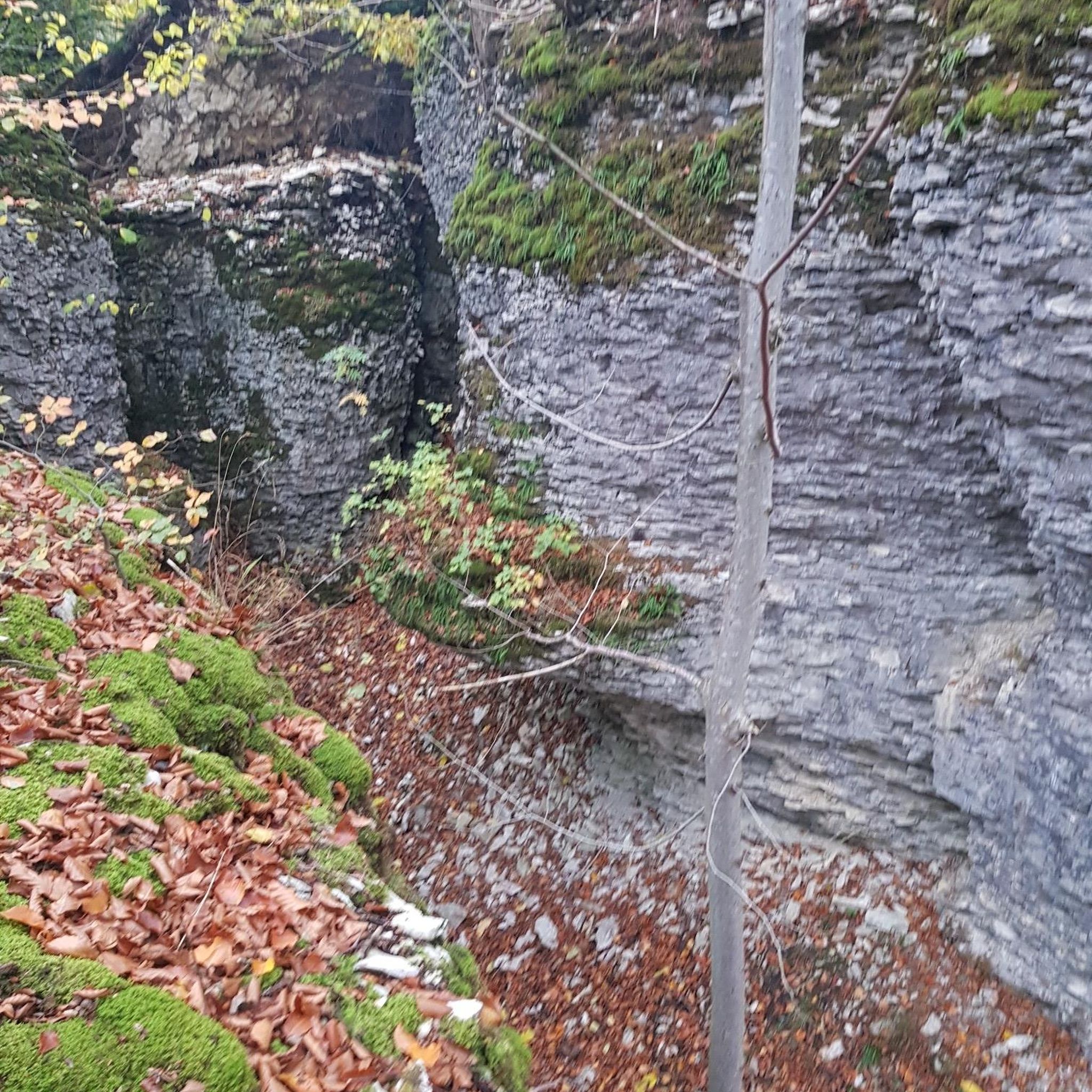
- The most popular natural monuments is Nynehead Hollow, a scenic lane that has been roughly carved through solid rock. It features high walls and trees growing above, forming part of NCN 3.
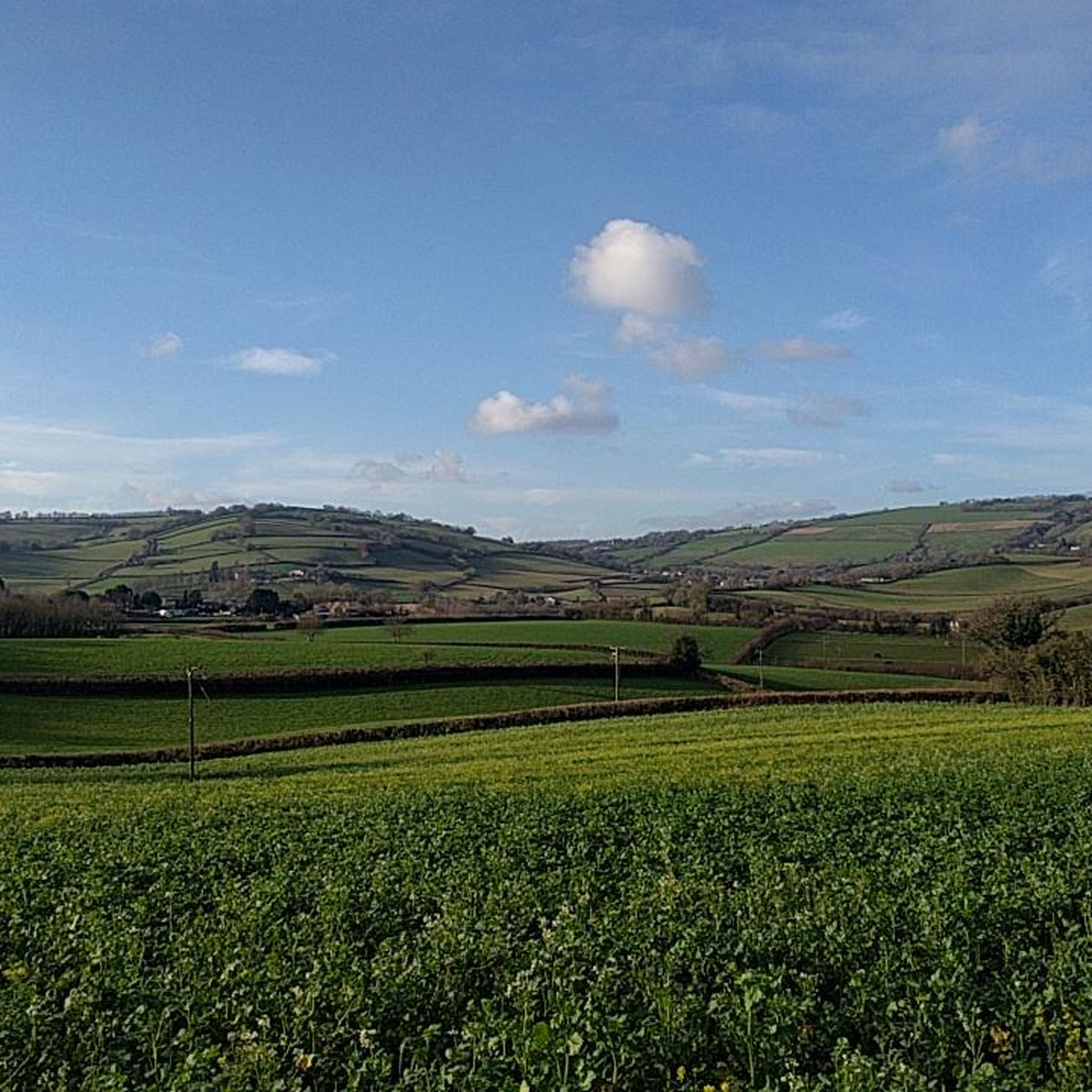
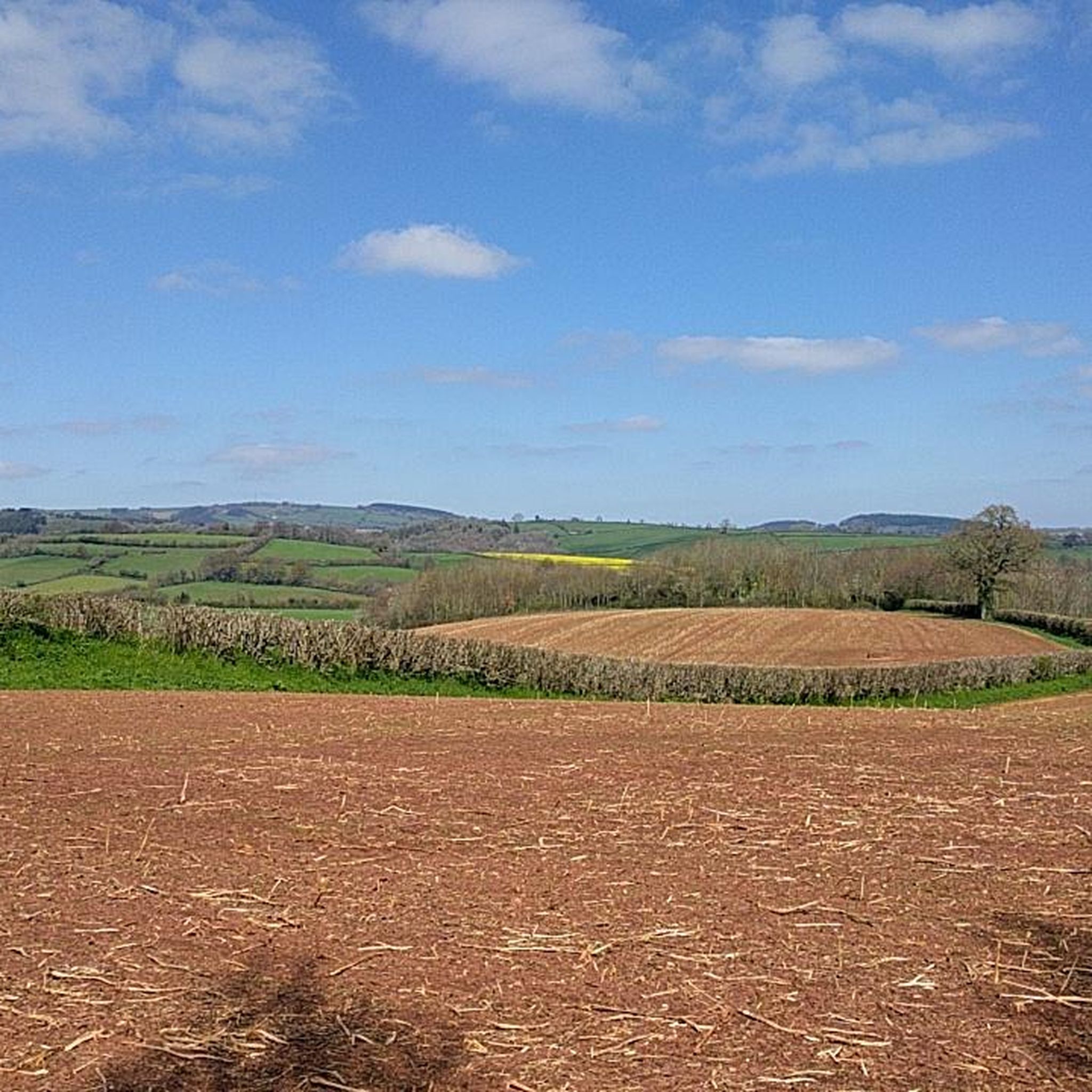
- Another must-see spot is Lydeard Hill Viewpoint, a hilltop vantage point offering views of the rolling hills and farmland. This location is ideal for immersing oneself in the natural beauty of the Quantocks.
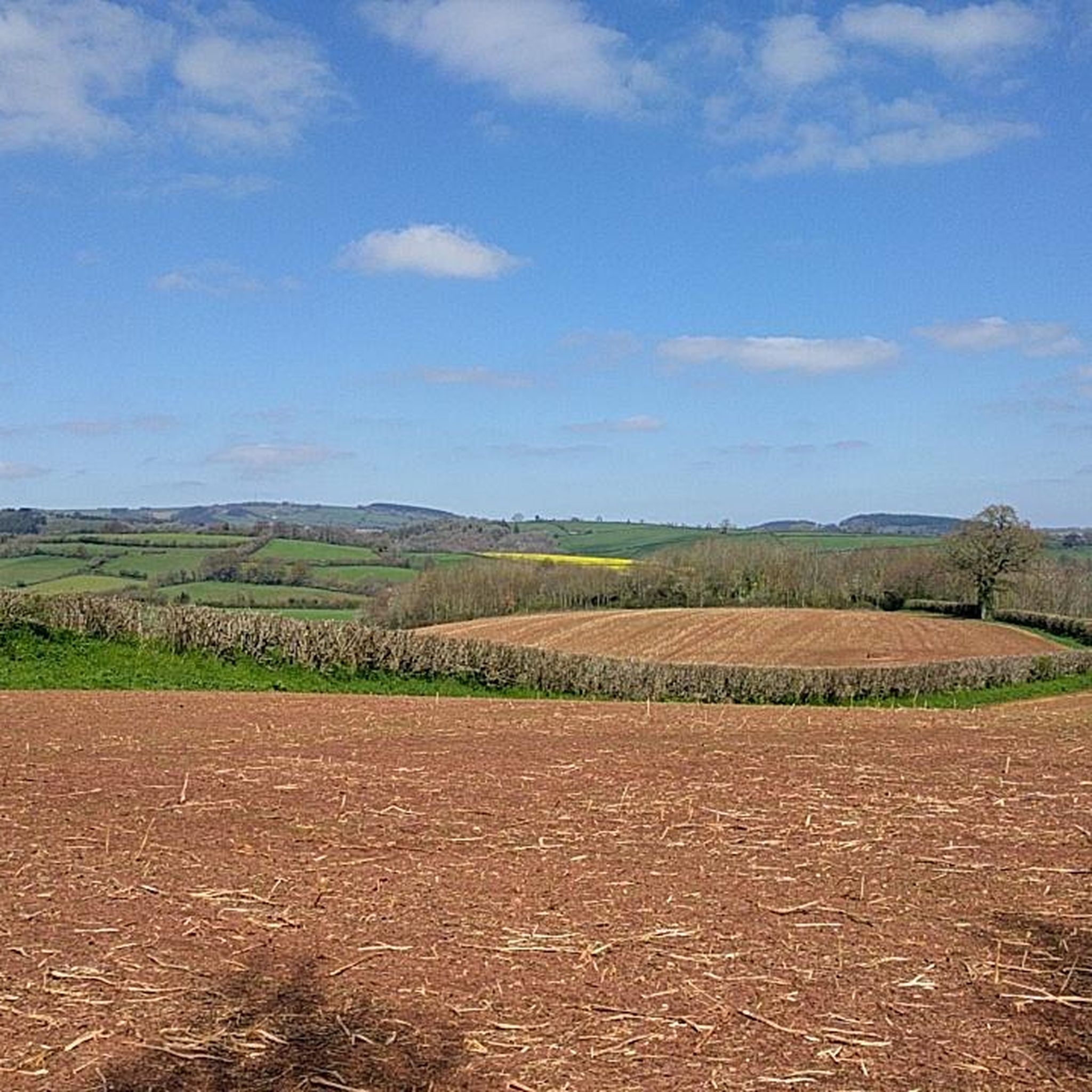
- Visitors also love View Across the Quantocks, a natural monument near Cothelstone Hill. This viewpoint provides tremendous views and is steeped in archaeological history, including a Bronze Age barrow.
- Fitzhead is known for its diverse natural monuments, including ancient woodlands, springline mires, and significant viewpoints. The area offers a variety of natural features to see and explore, from unique wetland ecosystems to expansive vistas.
- The natural monuments around Fitzhead are appreciated by the komoot community, with more than 50 upvotes and 11 photos shared by visitors.
Last updated: May 17, 2026
Wills Neck Summit
Highlight • Natural Monument
Tip by

Nynehead Hollow
Highlight • Structure
The “Hollow” was said to be dug out by the Sandford family in the hope of making Nynehead Court quicker to get to from the servant houses which were situated in East Nynehead.
Tip by

Sign up now to discover places like this
Get recommendations on the best single tracks, peaks, & plenty of other exciting outdoor places.
Sign up for free
View Across the Quantocks
Highlight • Natural Monument
Tip by

Lydeard Hill Viewpoint
Highlight • Viewpoint
Tip by
Ashbrittle Yew and St. John the Baptist Church
Highlight • Historical Site
Named the Ashbrittle Yew, this extraordinary tree is thought to be over 3000 years old. With a girth of around 40 feet (12 m), multiple subsidiary trunks and huge canopy, this tree is absolutely worth seeking out. Understandably, it's not very hard to find.
Tip by
Sign up for free to discover even more natural monuments around Fitzhead.
Sign up for free
Already have an account?
Start today with a free account
Your next adventure awaits.
Login or Signup
Tips from the Community

Nynehead Hollow is a super cool landmark on the outskirts of Nynehead Village. The road has literally been roughly carved through solid rock, with high walls and trees growing above.
0
0

Wills neck is the highest summit in the Quantocks hills & one of the highest points in Somerset.
1
1

From this vantage point near Cothelstone Hill, you can enjoy tremendous views across the beautiful Quantocks. Not only is it a wonderful viewpoint, but the area is steeped in archaeological history. It is the site of a Bronze Age barrow, and home to the ruins of a folly and a post-medieval tree-ring enclosure.
4
0
Lydeard Hill is the perfect spot to immerse yourself in the natural beauty of the Quantocks. From this hilltop vantage point, you can enjoy wonderful views of the rolling hills and lush farmland that sweeps this area.
4
0

Nynehead Hollow is a scenic lane forming part of NCN 3. It's an impressive road that has been roughly carved through solid rock, with high walls and trees growing above. The “Hollow” was said to be dug out by the Sandford family in the hope of making Nynehead Court quicker to get to from the servant houses which were situated in East Nynehead.
3
1

Not to be a misery because Ive rode up there myself but it's not a bridle path up to WN so best to not make it public
0
0


Frequently Asked Questions
What unique natural features can I explore around Fitzhead?
The area around Fitzhead is rich in diverse natural features. You can discover rare wetland ecosystems like the spring-fed mires of Brimley Hill Mire and Ashculm Turbary, which are home to specialized plants and dragonflies. Ancient woodlands such as Aisholt Wood offer tranquil settings with rich wildflower displays, while Quants and Langford Heathfield provide varied landscapes of heathland, woodland, and grassland, significant for butterflies and birds. Don't miss the impressive Nynehead Hollow, a scenic lane carved through solid rock.
Are there any natural monuments around Fitzhead that offer great views?
Yes, several spots provide excellent panoramic views. Lydeard Hill Viewpoint is a perfect hilltop vantage point to immerse yourself in the natural beauty of the Quantocks, offering views of rolling hills and farmland. Similarly, the View Across the Quantocks near Cothelstone Hill provides tremendous vistas and is also steeped in archaeological history.
What kind of wildlife can I expect to see at the natural monuments near Fitzhead?
The natural monuments around Fitzhead are havens for diverse wildlife. At Brimley Hill Mire and Ashculm Turbary, you can spot various dragonfly species, including the scarce Keeled Skimmer. Langford Heathfield is particularly noted for its 26 different species of breeding butterflies, along with reptiles like adders and grass snakes, and a wide range of birds. Quants is also significant for its butterfly and bat populations, while Aisholt Wood hosts woodland birds like Nuthatches and Greater Spotted Woodpeckers. Netherclay Community Woodland, along the River Tone, is home to otters, kingfishers, and migrating salmon.
Are there family-friendly natural monuments or activities around Fitzhead?
Many of the natural areas around Fitzhead are suitable for families. Netherclay Community Woodland offers accessible walking trails along the River Tone, perfect for riverside wildlife spotting. The Lydeard Hill Viewpoint is also categorized as family-friendly, providing easy access to beautiful scenery. Exploring the ancient Ashbrittle Yew, an extraordinary tree thought to be over 3000 years old, can be a fascinating experience for all ages.
What historical or cultural sites are integrated with the natural monuments?
The region blends natural beauty with historical significance. The View Across the Quantocks near Cothelstone Hill is not only a viewpoint but also the site of a Bronze Age barrow. The Ashbrittle Yew, located in the churchyard of St. John the Baptist Church, is an ancient tree with a rich history. Clayhidon Turbary reflects historical peat-cutting practices, and Quants has historical interest from WWII excavations, adding layers of discovery to your visit.
What outdoor activities can I do near these natural monuments?
The area around Fitzhead offers various outdoor activities. You can find numerous hiking trails, such as the moderate 'Okehampton Quarry Viewpoint – View of Deepleigh Lane loop from Wiveliscombe' or easier options like the 'Hiking loop from Wiveliscombe'. For cyclists, there are moderate touring routes like the 'Ash Common Nature Reserve – The Anchor Inn loop from Fitzhead'. Mountain biking enthusiasts can explore trails like the 'Quantock Hills loop from Lydeard Hill car park'. You can find more details on these activities in the Hiking around Fitzhead, Cycling around Fitzhead, and MTB Trails around Fitzhead guides.
Are there any waterfalls to visit near Fitzhead?
Yes, you can discover a beautiful waterfall in Western Cliff Wood. The Waterfall in Western Cliff Wood is very close to the path and originates from the hills above Comberow, eventually flowing into the Washford River. It offers a scenic spot for visitors.
What is the best time to visit the natural monuments around Fitzhead?
The best time to visit largely depends on what you wish to experience. Spring and early summer are ideal for witnessing the rich displays of wildflowers in ancient woodlands like Aisholt Wood and the rare plants in Wellington Castle Fields. For observing dragonflies and other invertebrates in the mires, summer months are generally best. The diverse landscapes of heathlands and woodlands offer beauty throughout the year, with autumn providing vibrant colors and winter offering tranquil, crisp walks.
Where can I find rare plant species in the Fitzhead area?
For rare plant species, Brimley Hill Mire is a key location, boasting nationally rare species like round-leaved sundew, oblong-leaved sundew, and pale butterwort. Ashculm Turbary also provides habitat for rare wet heath and peat bog plants. Wellington Castle Fields is notable for its unimproved, species-rich pasture supporting rare plants such as Dyers Greenweed, Sneezewort, and Common Spotted Orchids. Quants is home to a rich lichen flora, including the only Somerset location for Ochrolechia Inversa.
Are there any specific nature reserves managed by trusts near Fitzhead?
Yes, several significant nature reserves are managed by the Somerset and Devon Wildlife Trusts. These include Brimley Hill Mire, Ashculm Turbary, Clayhidon Turbary, Quants, Langford Heathfield, Aisholt Wood, and Netherclay Community Woodland. These reserves are crucial for preserving unique ecosystems and diverse wildlife in the region.
What do visitors enjoy most about the natural monuments around Fitzhead?
Visitors particularly appreciate the diverse natural beauty and tranquility of the area. The scenic views from spots like Lydeard Hill Viewpoint and View Across the Quantocks are highly rated. The unique experience of walking through the rock-carved Nynehead Hollow is also a popular highlight. The opportunity to observe rare plants and abundant wildlife in the various mires, woodlands, and heathlands is a significant draw for nature enthusiasts.
Are there any natural monuments that are particularly good for birdwatching?
Yes, several sites are excellent for birdwatching. Ashculm Turbary supports over 50 species of birds. Langford Heathfield has recorded a wide range of birds, including nightingales and grasshopper warblers, with Redwings and Fieldfares frequent in winter. Aisholt Wood is home to woodland species like Nuthatches and Greater Spotted Woodpeckers. Netherclay Community Woodland along the River Tone is also a good spot to see kingfishers and dippers.
Most popular attractions around Fitzhead

Get inspired with the komoot mobile app


Explore more
Extend your search for the best caves by checking out these guides of the top ones around Fitzhead:
