Top 4 Natural Monuments around East Stour
Best natural monuments around East Stour include a blend of significant geographical features and historical sites. East Stour, a village in Dorset, England, is characterized by its natural landscape, including prominent hills and the River Stour. The area offers diverse natural attractions, from ancient woodlands to expansive chalk downlands, providing opportunities for exploration and nature observation. These natural features near East Stour offer various hiking routes and viewpoints.
Best natural monuments around East Stour
- The most popular natural monuments is…
Last updated: May 17, 2026
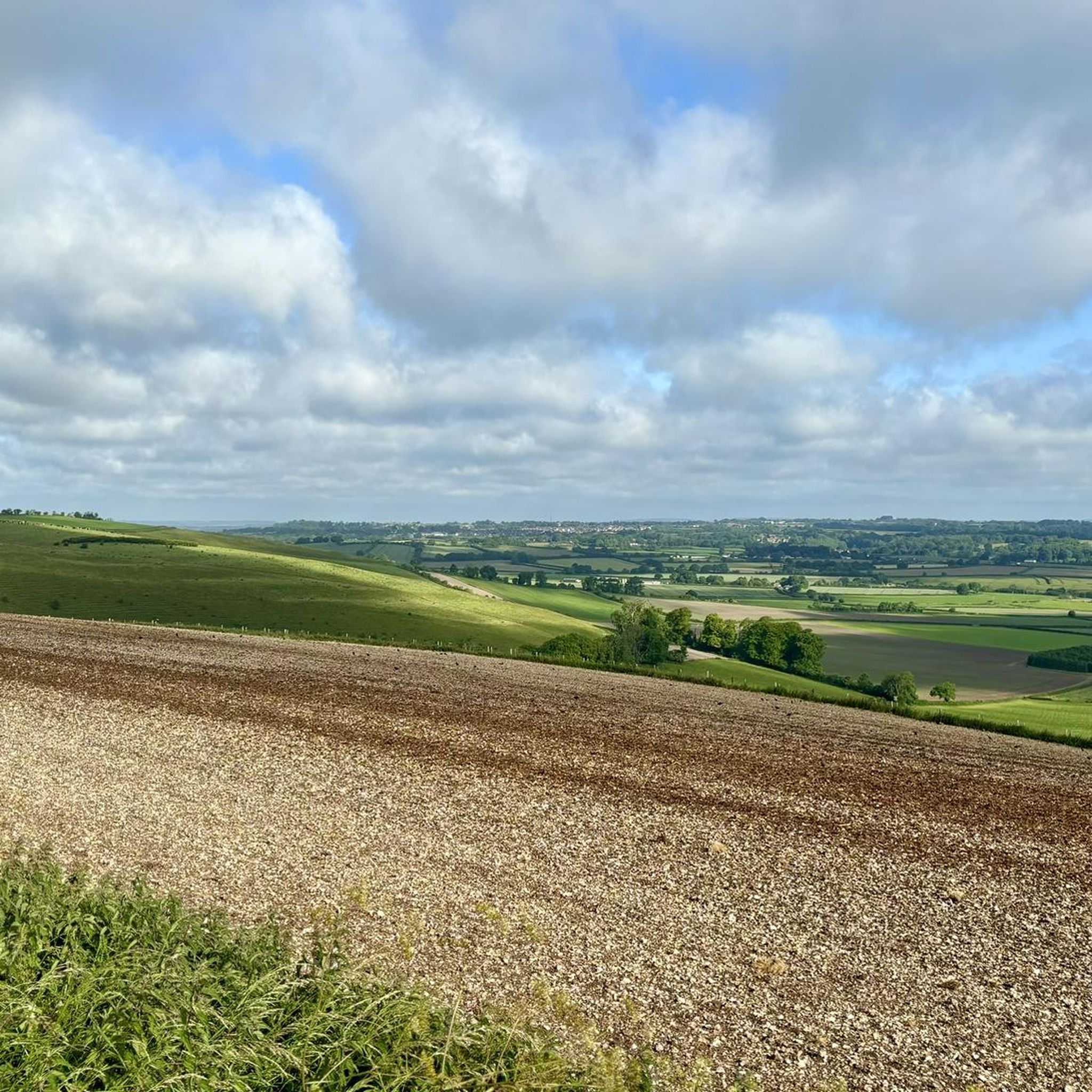
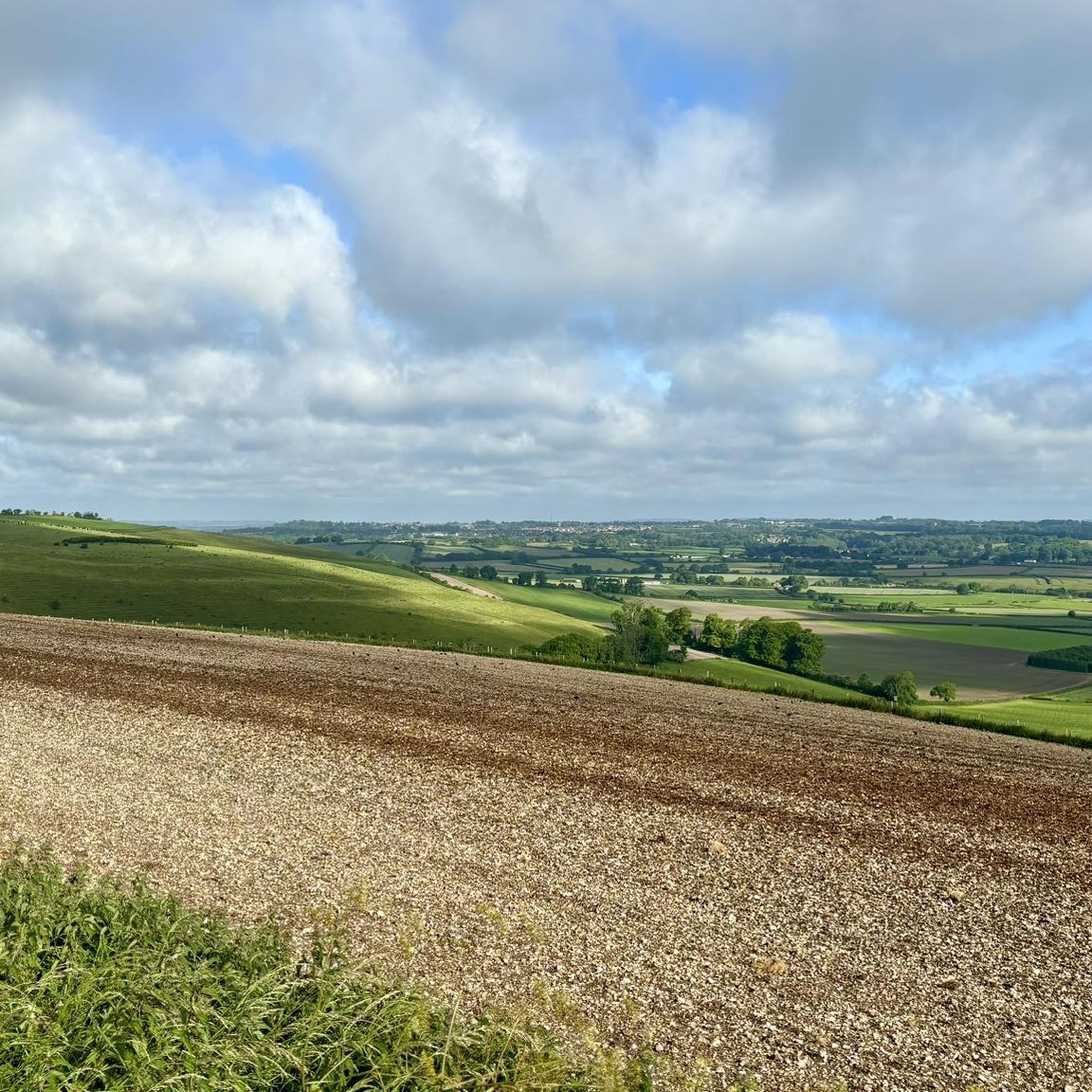
Fontmell Down
Highlight (Segment) • Viewpoint
Tip by

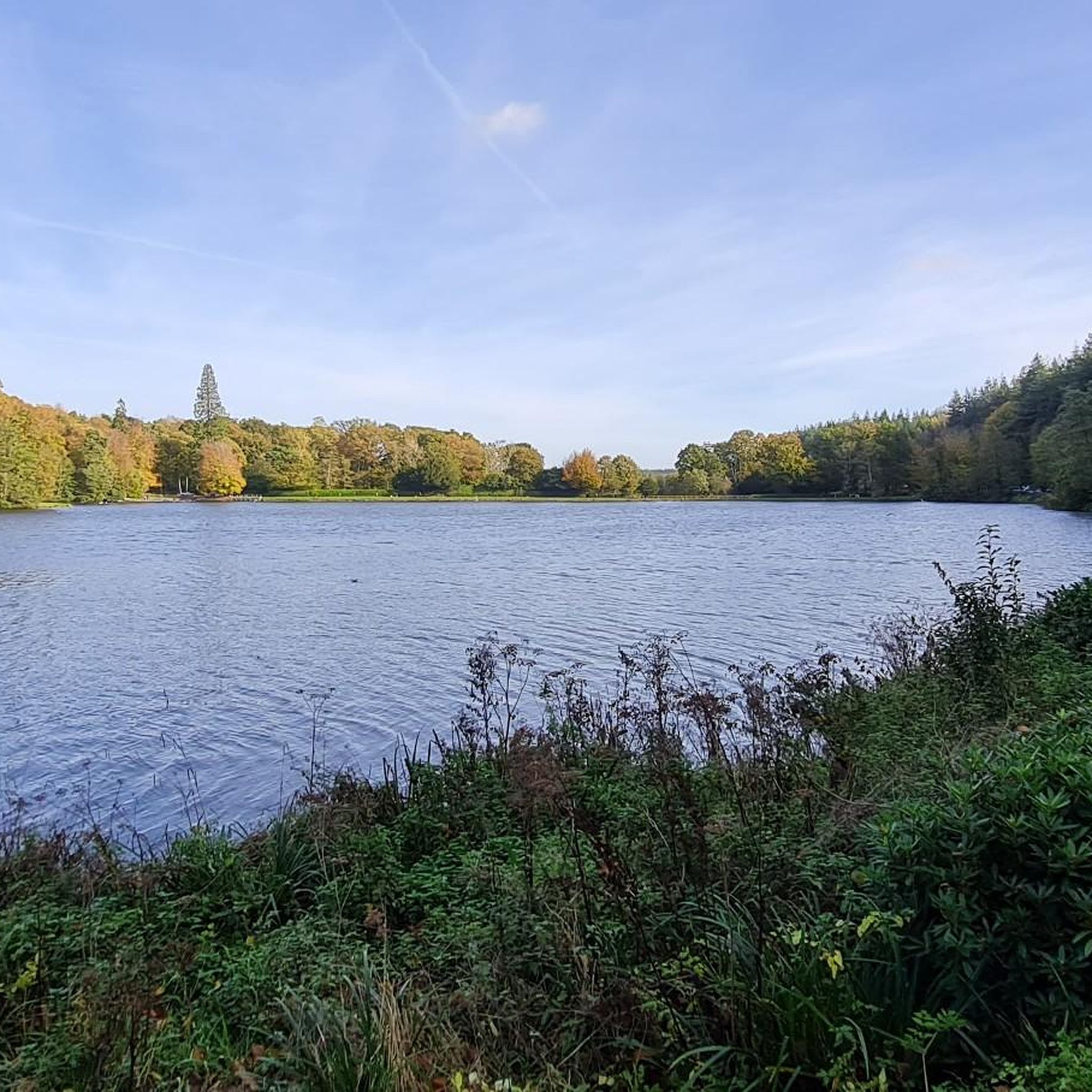
Stourhead Gardens and Lake
Highlight • Historical Site
Tip by

Sign up now to discover places like this
Get recommendations on the best single tracks, peaks, & plenty of other exciting outdoor places.
Sign up for free
Wyndham's Oak
Highlight • Natural
Tip by

View of Cranborne Chase & West Wiltshire Downs
Highlight • Viewpoint
Tip by

Stourhead Landscape Garden
Highlight • Natural Monument
Tip by

Start today with a free account
Your next adventure awaits.
Login or Signup
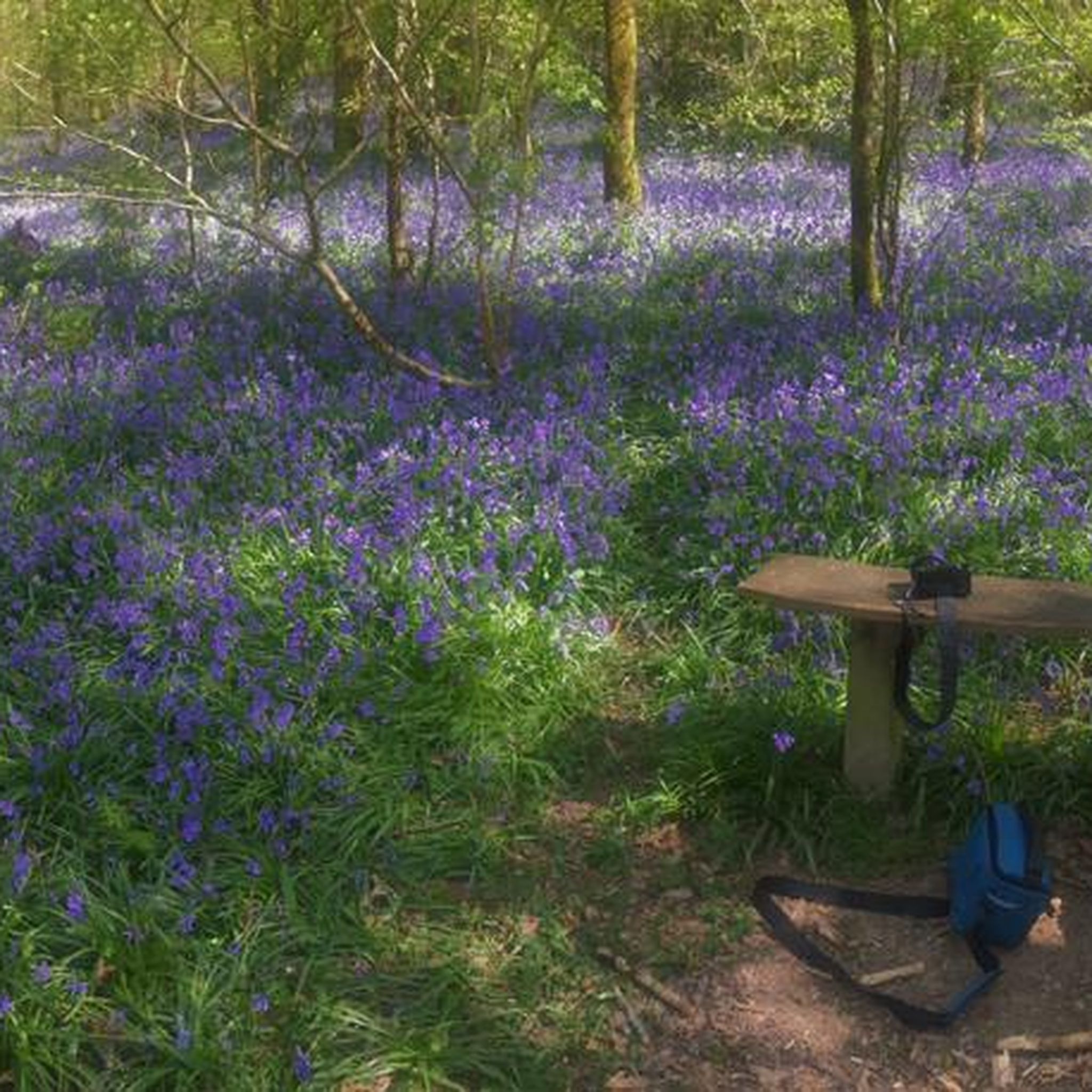
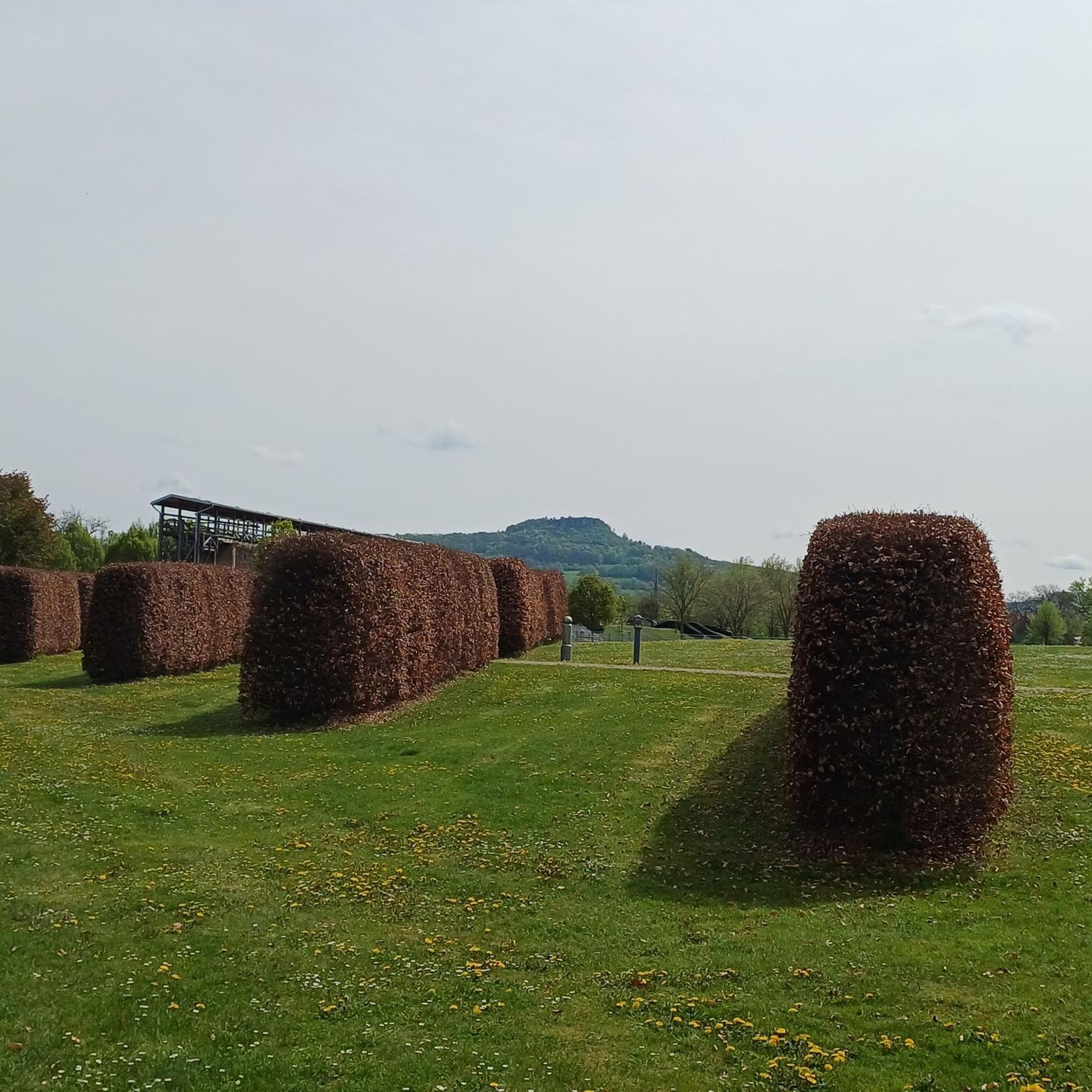
Tips from the Community

Added to the collection: komoot.com/de-de/collection/3600632/-naturdenkmaeler-besondere-baeume-und-weitere-schaetze-der-natur
0
0

Fontmell Down is a Site of Special Scientific Interest (SSSI) and a nature reserve located in Dorset, England, within the Cranborne Chase Area of Outstanding Natural Beauty. It is known for its beautiful chalk downland, rich biodiversity, and panoramic views. The down is a steep, sinuous flank of a chalk plateau, offering extensive views across the Blackmore Vale, a landscape featured in the novels of Thomas Hardy. The chalk was formed about 100 million years ago from microscopic plants, and the down's steep-sided dry valleys were created by periglacial meltwater erosion during the last Ice Age. Earthworks visible on the down are much more recent, including those from a golf course that was present in the 1930s. In 1645, the downs were the site of an assembly of 3,000 Dorset "Clubmen," who were local residents protesting against the armies of both sides in the English Civil War.
0
0

Lovely view of the lake, especially at sunset.
0
0

Stourhead opened in the 1740s as a landscape garden and living work of art. At its centre is a lake surrounded by mythical temples, grottos and wonderful specimen trees. It's now managed by the National Trust and paid entry other than the footpaths which run across the estate.
0
0

A beautiful National Trust garden with a great circular walk around the lake.
2
0

Moderate trail with amazing history worth exploring
3
0
Very beautiful old church worth a visit with plenty parking close-by
3
0

A 14th century church for the parish of Stourton.
3
0
Frequently Asked Questions
What types of natural features can I expect to see around East Stour?
East Stour is characterized by diverse natural features, including significant hills, ancient woodlands, and the River Stour. You can explore expansive chalk downlands like Fontmell Down, which offers flowery landscapes and panoramic views. The area also features ancient trees, such as Wyndham's Oak, and picturesque lakes like those found at Stourhead Gardens and Lake.
Are there any ancient trees to see in the East Stour area?
Yes, the East Stour area is home to remarkable ancient trees. One notable example is Wyndham's Oak, located behind Silton's St Nicholas' church. This oak is thought to be up to 1,000 years old, with an extraordinary trunk circumference of 38 feet (12 m), making it one of the oldest living things in Dorset. Duncliffe Wood also contains ancient lime trees, some estimated to be between 600 and 1000 years old.
Where can I find panoramic views of the landscape around East Stour?
For panoramic views, consider visiting Fontmell Down, which provides extensive vistas across the Blackmore Vale. Another excellent spot is the View of Cranborne Chase & West Wiltshire Downs, a rolling hill offering scenic views across the wider landscape. Duncliffe Hill also features a trig point with scenic viewpoints.
What kind of wildlife can be observed near the natural monuments?
The natural monuments around East Stour are rich in biodiversity. Fontmell Down is known for its excellent butterfly populations. Duncliffe Wood is a haven for diverse flora and supports butterfly species like the silver-washed fritillary, white admiral, and purple hairstreak. The River Stour and its tributaries are teeming with fish species such as barbel, pike, salmon, and trout, and are also home to otters, pipistrelle bats, and various rare invertebrates.
Do any natural monuments in East Stour have historical significance?
Yes, several natural monuments in the area have historical significance. Stourhead Gardens and Lake is a historical site featuring a 14th-century church. Duncliffe Hill has yielded Iron Age artifacts and Roman sculptures, and it served as a base for Clubmen during the 17th-century Civil War. Fontmell Down also has earthworks from a 1930s golf course and was the site of an assembly of 3,000 Dorset 'Clubmen' in 1645.
Are there family-friendly natural monuments to visit around East Stour?
Yes, several natural monuments are suitable for families. Stourhead Gardens and Lake and Stourhead Landscape Garden are both listed as family-friendly, offering beautiful scenery and historical elements to explore. The ancient Wyndham's Oak can also be an interesting stop for families.
When is the best time to visit the natural monuments around East Stour?
The best time to visit depends on what you wish to see. Spring is ideal for witnessing the vibrant display of moschatel, primrose, wood anemone, celandine, wild garlic, and bluebells in Duncliffe Wood. Summer brings a profusion of foxgloves and is excellent for butterfly spotting at Fontmell Down. The recently resurfaced central pathway at Duncliffe Wood ensures accessibility in all weather conditions, making it suitable for year-round visits, though some paths can be steep and slippery.
What outdoor activities can I do near these natural monuments?
The area around East Stour offers various outdoor activities. Duncliffe Hill is ideal for walkers and nature enthusiasts, with trails leading to the trig point. The River Stour provides picturesque scenery for leisurely walks along the Stour Valley Way, and certain sections are popular for kayaking and canoeing. For more structured activities, you can find numerous hiking routes and cycling routes around East Stour.
Are there easy walking trails or accessible natural monuments?
Yes, there are options for easier walks. Duncliffe Wood has a recently resurfaced central pathway that ensures accessibility in all weather conditions, though some other paths can be steep. For general easy walks, you can explore the easy hikes around East Stour, which include routes like the Duncliffe Wood Car Park – Duncliffe Trig Point loop.
What do visitors enjoy most about the natural monuments in East Stour?
Visitors frequently appreciate the blend of natural beauty and historical intrigue. The moderate trails with historical elements at places like Stourhead Gardens and Lake are highly valued. The panoramic views from locations such as Fontmell Down and the classic climbs offering scenic vistas are also popular. The komoot community has shared 32 photos and given 11 upvotes, indicating a strong appreciation for the area's diverse natural attractions.
Can I find routes for cycling near the natural monuments?
Yes, the East Stour area provides opportunities for cycling. You can find various cycling routes around East Stour. These include options like the Melbury Downs loop or routes connecting to Stourhead House and Gardens, offering different difficulty levels for cyclists.
What is the significance of the River Stour in the region?
The River Stour is the longest river within Dorset, stretching for 61 miles (98 km), and forms part of the natural boundary of East Stour village. Its course over clay soil leads to significant fluctuations in water level, creating a dynamic ecosystem. It supports rare plant species during low water levels in summer and contributes to fertile flood plains during winter floods. The river is also a vital habitat for diverse wildlife, including various fish, otters, and rare invertebrates.
Most popular attractions around East Stour

Get inspired with the komoot mobile app


Explore more
Extend your search for the best caves by checking out these guides of the top ones around East Stour:
