Top 9 Natural Monuments around East Hagbourne
Best natural monuments around East Hagbourne include prominent natural features and historical sites. The region features an open farming landscape with an extensive footpath network, offering diverse natural surroundings. Nearby, visitors can explore iconic chalk hills and tranquil nature reserves. These areas provide opportunities to observe varied ecosystems and historical landmarks.
Best natural monuments around East Hagbourne
- The most popular natural monument is Wittenham Clumps, a natural monument featuring two wooded chalk hills. This site is known for its…
Last updated: May 17, 2026
Wittenham Clumps
Highlight • Natural Monument
Tip by

Scutchamer Knob
Highlight • Viewpoint
Tip by

Sign up now to discover places like this
Get recommendations on the best single tracks, peaks, & plenty of other exciting outdoor places.
Sign up for free
Day's Lock
Highlight • Structure
Tip by

Little Wittenham Wood
Highlight • Forest
Tip by

Lord Wantage Monument
Highlight • Historical Site
Tip by
Sign up for free to discover even more natural monuments around East Hagbourne.
Sign up for free
Already have an account?
Start today with a free account
Your next adventure awaits.
Login or Signup
Tips from the Community

Added to the collection: komoot.com/de-de/collection/3600632/-naturdenkmaeler-besondere-baeume-und-weitere-schaetze-der-natur
0
0

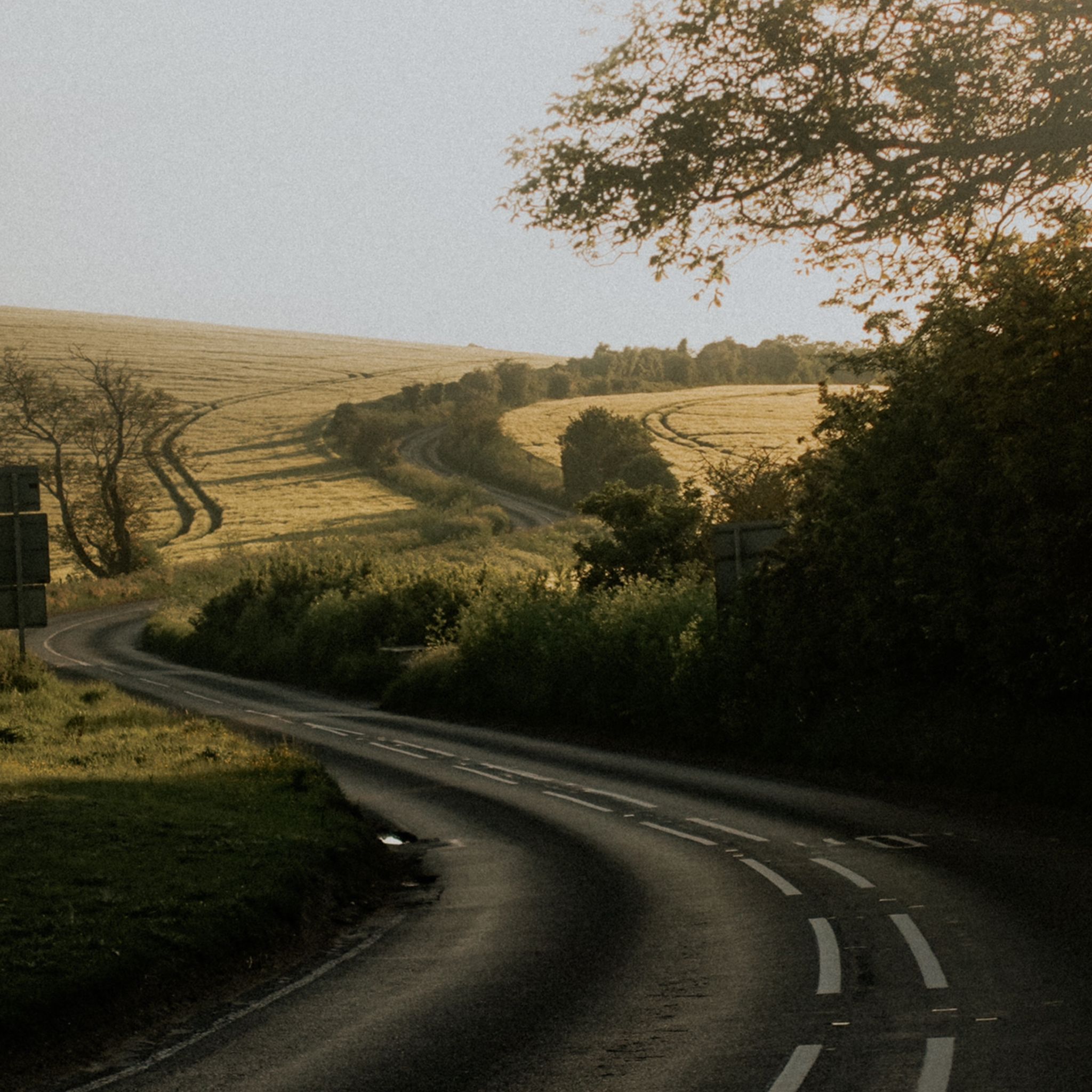
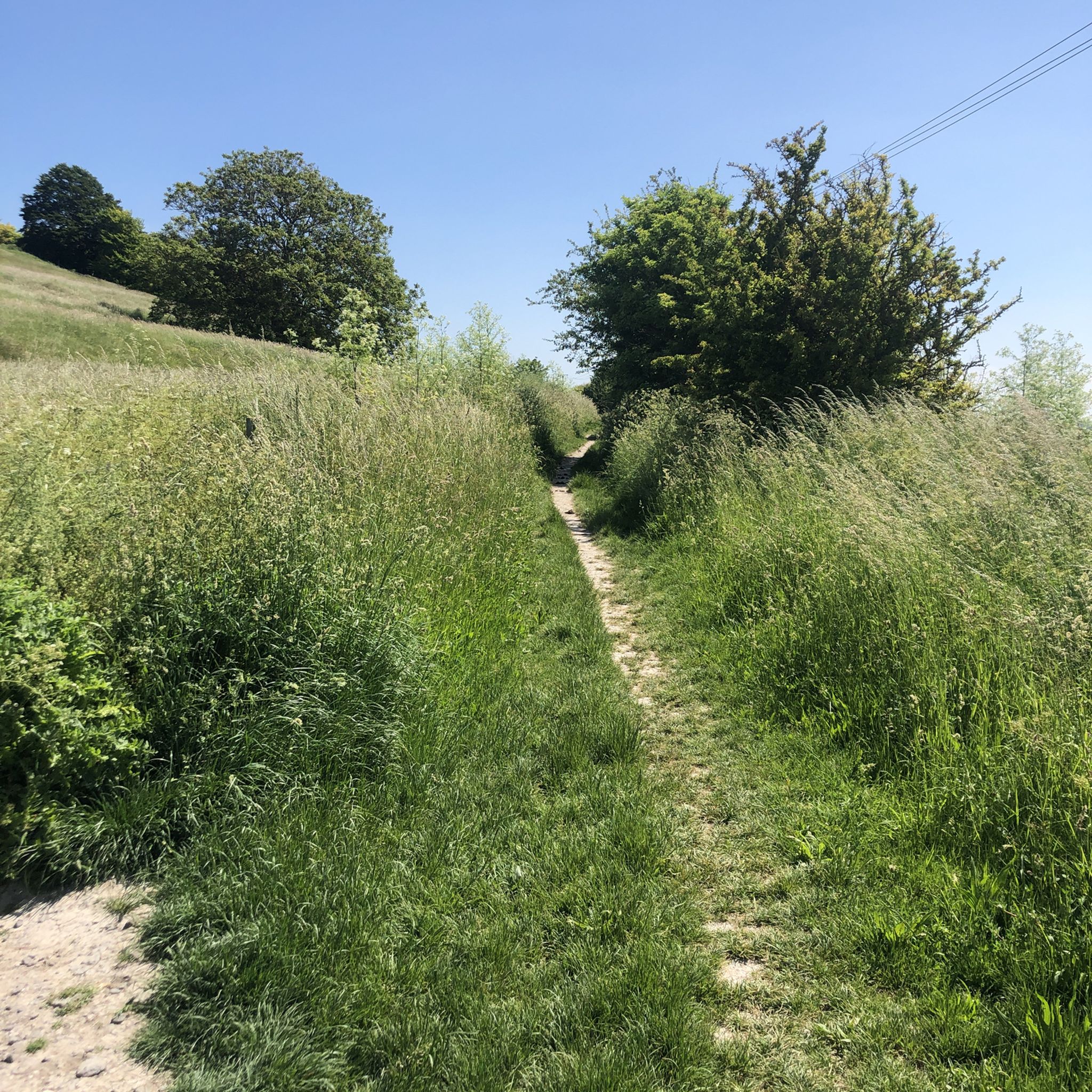
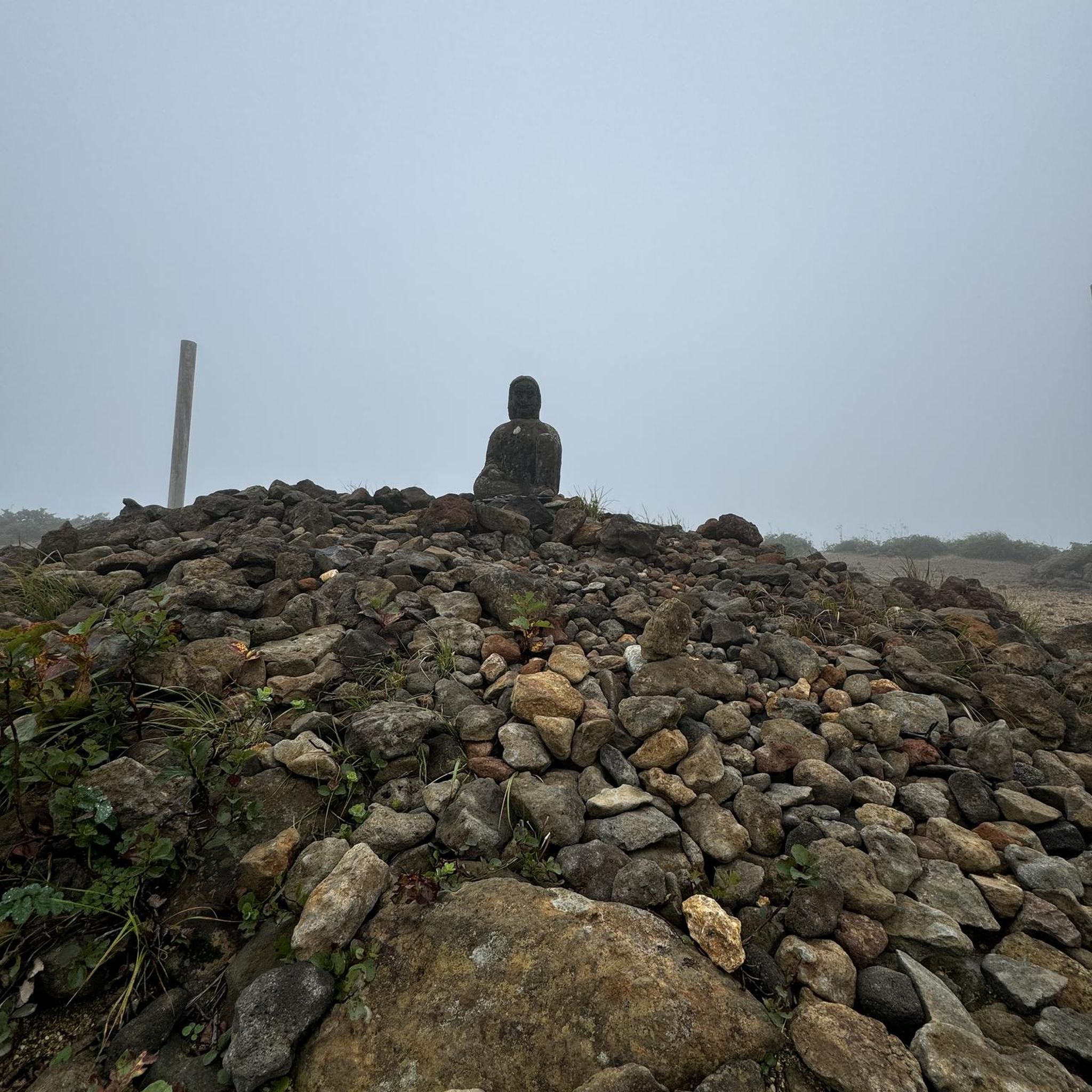
Scutchamer Knob is an ancient Iron Age burial mound and historic landmark on the Ridgeway. Along my King Alfred’s Way bikepacking route, it was a memorable spot to pause before the final stretch to Reading. 📜 Once a Saxon meeting place, this hilltop offers panoramic views of the surrounding Berkshire downs—a perfect blend of history and landscape. 🚴♂️ A short climb rewards you with quiet reflection and wide-open skies.
0
0

Day's Lock is a lock on the River Thames near Dorchester-on-Thames, Oxfordshire, England on the Dorchester side of the river. The pound lock was built in 1789 by the Thames Navigation Commissioner. The lock is across the river from the small village of Little Wittenham and is overlooked from the south by the hills of Wittenham Clumps, with a particularly good view from Round Hill. The weir runs straight across the river from the other side of the lock island. Day's Lock is the main gauging station for the measurement of the water flow in the River Thames.
0
0
Little Wittenham Wood has been designated as both a Site of Special Scientific Interest (SSSI) and a Special Area of Conservation (SAC), reflecting its international importance for wildlife. The nature reserve is particularly important for the endangered species, the Great Crested Newt. This shy amphibian uses the many ponds within the nature reserve to breed, but it spends the majority of time in the surrounding woodland. Tucking itself quietly away in safe and secure hidden spots, you have to search carefully to find them. Much easier to spot are the dragonflies and damselflies which hover around the ponds. If you wander down to the bird hide, at the river’s edge, you might be lucky enough to catch a glimpse of Kingfishers or Otters.
0
0
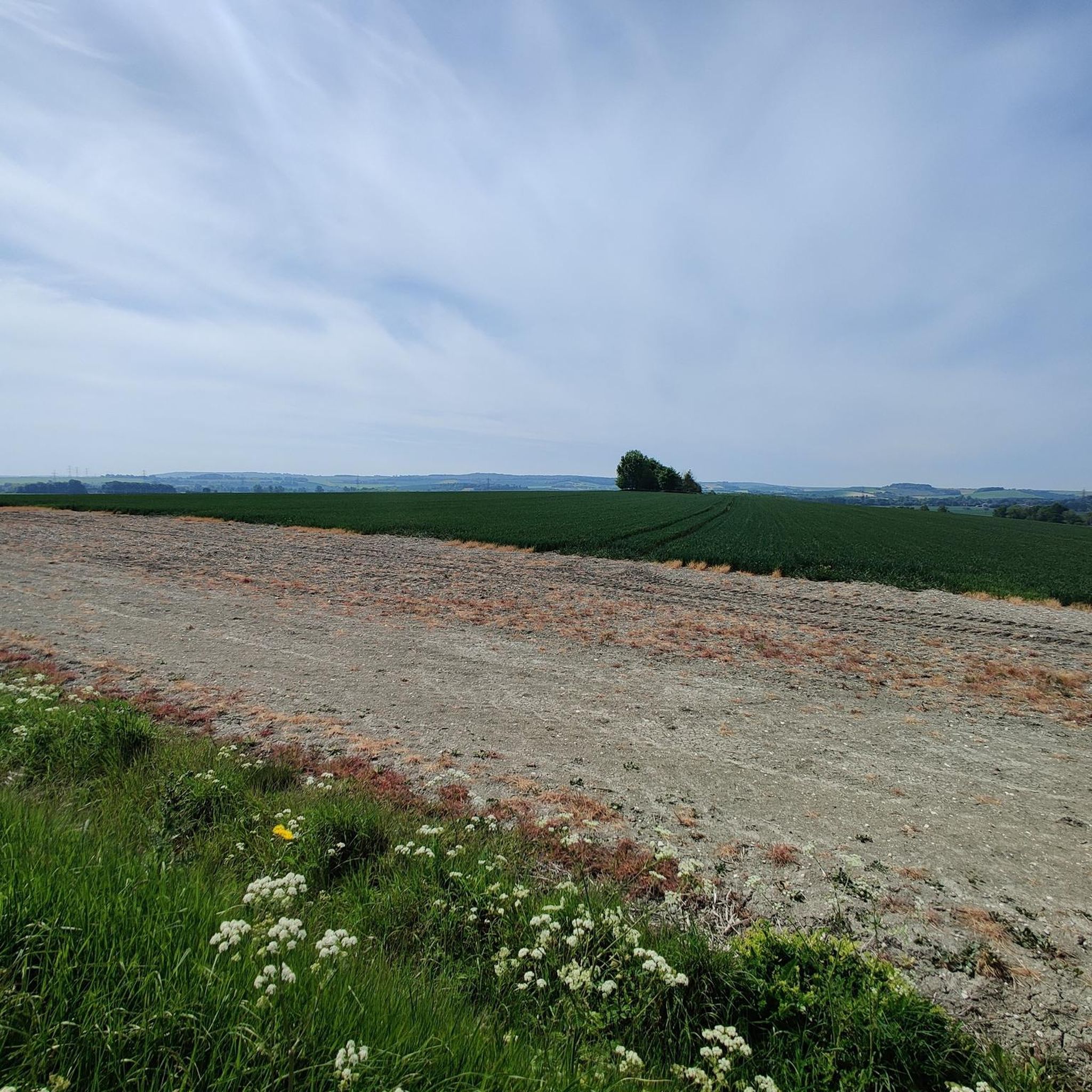
Nice little lung opener first thing in morning. Entry to wooded area was permitted, has a few dens inside and plenty of benches externally, views to take in are beautiful. on a clear day can see for miles
0
0

Located just across the river from the small town of Little Wittenham is this lock that provides glorious views up and down the River Thames.
1
0


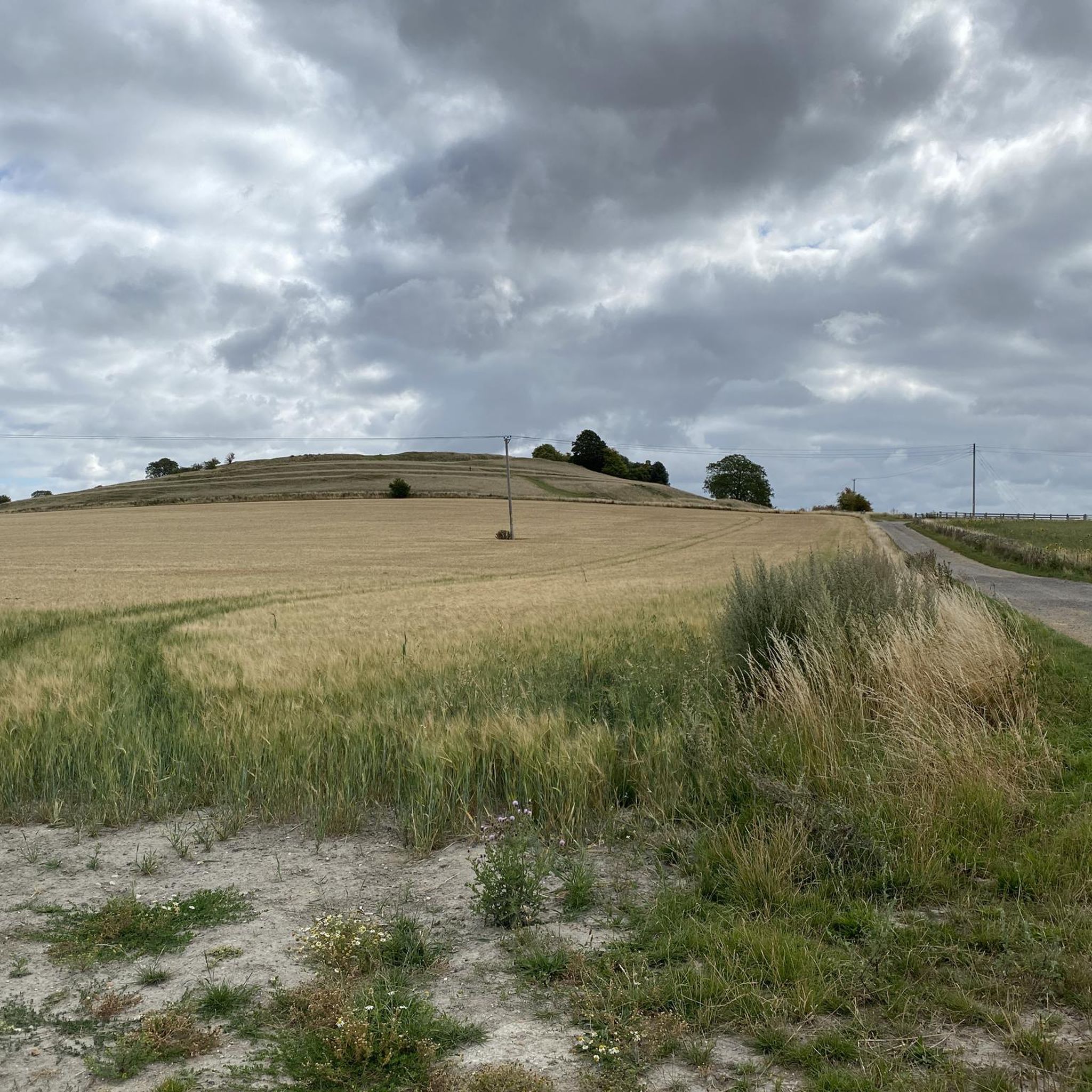
A memorial obelisk to Robert Loyd-Lindsay, Lord Wantage. Robert Lloyd-Lindsay, 1st Baron Wantage, was a soldier, politician and philanthropist. He co-founded the British National Society for Aid to the Sick and Wounded in War, which later became the British Red Cross. He died in 1901. Lady Wantage erected a monument to Lord Wantage in 1903. The monument stands on a Bronze Age round barrow adjacent to the Ridgeway at Betterton Down near Lockinge, Oxfordshire. https://historicengland.org.uk/images-books/photos/item/BAR03/01/428
0
0
Frequently Asked Questions
What are the most notable natural monuments near East Hagbourne?
The most prominent natural monument is Wittenham Clumps, featuring two wooded chalk hills with panoramic views over the River Thames. Another significant site is Mowbray Fields Nature Reserve, known for its wildflower meadows and diverse wildlife. You can also explore Little Wittenham Wood, a Site of Special Scientific Interest.
Are there family-friendly natural monuments around East Hagbourne?
Yes, both Wittenham Clumps and Mowbray Fields Nature Reserve are excellent for families. Wittenham Clumps offers easy walking paths and picnic spots, while Mowbray Fields is ideal for family picnics and nature walks, with well-maintained paths and opportunities to spot orchids and various wildlife.
What historical features can be found at these natural monuments?
Wittenham Clumps is rich in history, with evidence of Bronze Age, Iron Age, and Roman occupation. Castle Hill, one of the two clumps, features curved ramparts from an Iron Age hill fort, which is now a Scheduled Ancient Monument. You can also find the Lord Wantage Monument, a memorial obelisk with stunning views, located on a Bronze Age round barrow near the Ridgeway.
What kind of wildlife can I expect to see?
At Wittenham Clumps, you can observe red kites, wildflowers, bees, and butterflies. Little Wittenham Wood is particularly important for the endangered Great Crested Newt, as well as dragonflies, damselflies, Kingfishers, and Otters near the river. Mowbray Fields Nature Reserve is a haven for over 200 species of invertebrates, various mammals, birds, and rare flora like common spotted and southern marsh orchids.
Are there good walking trails near these natural monuments?
Yes, there are extensive walking paths. Wittenham Clumps offers easy walking for most people, with grassland paths and adjoining trails in the woods and along the river. Mowbray Fields also has well-maintained paths. For more options, explore the easy hikes around East Hagbourne, which include routes like the Didcot to Wantage Railway Path loop.
Can I bring my dog to the natural monuments?
Mowbray Fields Nature Reserve is popular with dog walkers due to its well-maintained paths and shady areas. When visiting any natural monument, please ensure dogs are kept under control and any waste is properly disposed of to protect wildlife and maintain the natural environment.
What are the geological features of the natural monuments?
Wittenham Clumps are prominent chalk hills, part of the Chiltern Hills, known for their distinct geological formations and chalk grassland. These hills rise significantly above the surrounding landscape, offering unique topographical features.
What outdoor activities can I do near these natural monuments?
Besides walking and hiking, you can enjoy mountain biking and road cycling. There are various MTB Trails around East Hagbourne and Road Cycling Routes that allow you to explore the wider area, including routes to the Ridgeway and along the River Thames.
Is there parking available at these natural monuments?
Yes, for Wittenham Clumps, parking is available near Little Wittenham Church or at a main car park closer to the top of the hill. Mowbray Fields Nature Reserve also offers accessibility for visitors, often with nearby parking options.
What do visitors enjoy most about the natural monuments around East Hagbourne?
Visitors frequently highlight the breathtaking panoramic views from Wittenham Clumps, especially over the River Thames. The historical significance, abundant wildlife, and peaceful atmosphere for picnics and walks are also highly appreciated. The diverse ecosystems and rare flora at Mowbray Fields are also a draw for nature enthusiasts.
Are there any river features or viewpoints to explore?
Yes, Day's Lock on the River Thames offers glorious views both up and down the river, overlooked by the Wittenham Clumps. The lock itself is a significant feature, and the surrounding area provides a lovely river-based walk.
What is the best time to visit the natural monuments for wildflowers?
Mowbray Fields Nature Reserve is particularly vibrant in spring and early summer when its wildflower meadow is in full bloom, showcasing common spotted and southern marsh orchids. This is an excellent time for nature observation and photography.
Most popular routes around East Hagbourne
Most popular attractions around East Hagbourne

Get inspired with the komoot mobile app


Explore more
Extend your search for the best caves by checking out these guides of the top ones around East Hagbourne:
