Top 8 Natural Monuments around Didcot
Best natural monuments around Didcot include iconic landmarks and tranquil nature reserves. This Oxfordshire town provides access to diverse natural features, from ancient hills offering panoramic views to rich woodlands and riverine landscapes. The area is characterized by its blend of historical significance and natural beauty, making it a destination for outdoor exploration. Didcot’s landscape offers 8 natural monuments to explore.
Best natural monuments around Didcot
- The most popular natural monuments is Wittenham Clumps, a natural monument comprising two…
Last updated: August 23, 2026
Wittenham Clumps
Highlight • Natural Monument
Tip by

Scutchamer Knob
Highlight • Viewpoint
Tip by

Sign up now to discover places like this
Get recommendations on the best single tracks, peaks, & plenty of other exciting outdoor places.
Sign up for free
Day's Lock
Highlight • Structure
Tip by

Little Wittenham Wood
Highlight • Forest
Tip by

Brightwell Barrow
Highlight • Viewpoint
Tip by

Sign up for free to discover even more natural monuments around Didcot.
Sign up for free
Already have an account?
Start today with a free account
Your next adventure awaits.
Login or Signup


Other adventures around Didcot

Tips from the Community

Added to the collection: komoot.com/de-de/collection/3600632/-naturdenkmaeler-besondere-baeume-und-weitere-schaetze-der-natur
0
0

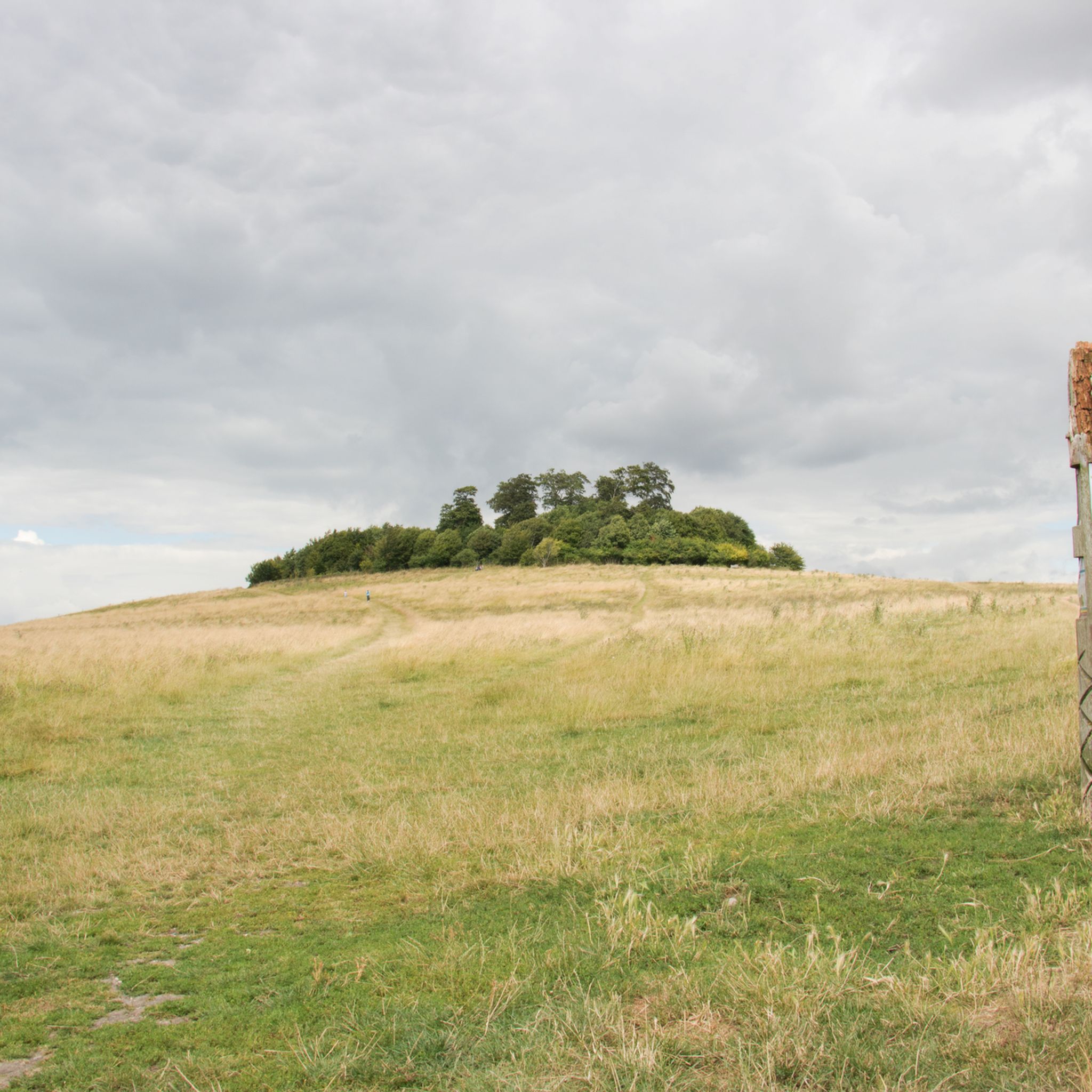
Scutchamer Knob is an ancient Iron Age burial mound and historic landmark on the Ridgeway. Along my King Alfred’s Way bikepacking route, it was a memorable spot to pause before the final stretch to Reading. 📜 Once a Saxon meeting place, this hilltop offers panoramic views of the surrounding Berkshire downs—a perfect blend of history and landscape. 🚴♂️ A short climb rewards you with quiet reflection and wide-open skies.
0
0

Day's Lock is a lock on the River Thames near Dorchester-on-Thames, Oxfordshire, England on the Dorchester side of the river. The pound lock was built in 1789 by the Thames Navigation Commissioner. The lock is across the river from the small village of Little Wittenham and is overlooked from the south by the hills of Wittenham Clumps, with a particularly good view from Round Hill. The weir runs straight across the river from the other side of the lock island. Day's Lock is the main gauging station for the measurement of the water flow in the River Thames.
0
0
Little Wittenham Wood has been designated as both a Site of Special Scientific Interest (SSSI) and a Special Area of Conservation (SAC), reflecting its international importance for wildlife. The nature reserve is particularly important for the endangered species, the Great Crested Newt. This shy amphibian uses the many ponds within the nature reserve to breed, but it spends the majority of time in the surrounding woodland. Tucking itself quietly away in safe and secure hidden spots, you have to search carefully to find them. Much easier to spot are the dragonflies and damselflies which hover around the ponds. If you wander down to the bird hide, at the river’s edge, you might be lucky enough to catch a glimpse of Kingfishers or Otters.
0
0
Nice little lung opener first thing in morning. Entry to wooded area was permitted, has a few dens inside and plenty of benches externally, views to take in are beautiful. on a clear day can see for miles
0
0

Located just across the river from the small town of Little Wittenham is this lock that provides glorious views up and down the River Thames.
1
0


The Barrow, it seems, is on private land. The footpath goes right before you get there. There are several signs making it clear the owner of the land doesn't want people wandering around the Barrow, which is on the top of the hill.
0
0
Frequently Asked Questions
What are the most popular natural monuments around Didcot?
The most popular natural monument is Wittenham Clumps, an iconic landmark offering breathtaking views over the River Thames. Visitors also frequently enjoy Day's Lock, which provides glorious views up and down the river, often overlooked by the Clumps themselves.
Are there family-friendly natural sites near Didcot?
Yes, several natural monuments around Didcot are suitable for families. Wittenham Clumps offers easy walking paths and is a great spot for a picnic. Little Wittenham Wood has good paths for nature walks, and Mowbray Fields Local Nature Reserve, near Didcot's Orchard Centre, features the Didcot Nature Trail with rubbing plates for children to learn about local wildlife.
What historical features can I explore at Didcot's natural monuments?
The natural monuments around Didcot are rich in history. Wittenham Clumps, for instance, has evidence of Bronze Age, Iron Age, and Roman occupation, with the curved ramparts of Castle Hill dating back to the Iron Age. You can also find historical significance at Brightwell Barrow, an ancient burial mound.
What kind of wildlife can be spotted in the natural areas around Didcot?
The natural areas around Didcot are home to diverse wildlife. At Wittenham Clumps, you might spot red kites and rare wildflowers in spring. Little Wittenham Wood is particularly important for the endangered Great Crested Newt, as well as dragonflies, damselflies, Kingfishers, and Otters near the river. Mowbray Fields Local Nature Reserve boasts over 200 species of invertebrates, various mammals, birds, and orchids.
Are there hiking trails near the natural monuments in Didcot?
Yes, there are several hiking opportunities. You can find routes like the 'View of Didcot – Wittenham Clumps loop' or the 'Dorchester Abbey – Wittenham Clumps loop' which incorporate these natural landmarks. For more options, explore the hiking guide for Didcot.
What are the best times of year to visit Didcot's natural monuments?
The natural monuments around Didcot offer beauty throughout the year. Spring brings rare wildflowers to Wittenham Clumps and frog spawning in Mowbray Fields. Summer is ideal for vibrant wildflowers in the meadows. Autumn offers beautiful foliage, and even in winter, the paths at places like Wittenham Clumps generally remain dry and clean for walks.
Are there any accessible natural monuments for visitors with limited mobility?
While specific wheelchair accessibility details for all sites are limited, Mowbray Fields Local Nature Reserve offers a 3.1-mile (5 km) trail with a raised causeway and viewing platform, making it more accessible for observing ecosystems. The paths at Wittenham Clumps are grassland and generally easy walking for most people.
Can I bring my dog to the natural monuments around Didcot?
Yes, many natural areas are dog-friendly. Mowbray Fields Local Nature Reserve, for example, welcomes dogs on lead along its 3.1-mile (5 km) trail. When visiting other sites like Wittenham Clumps or Little Wittenham Wood, it's generally advisable to keep dogs under control, especially due to wildlife and livestock.
Where can I find panoramic views of the Oxfordshire countryside near Didcot?
For breathtaking panoramic views, head to Wittenham Clumps. Rising high above the landscape, these iconic hills offer stunning 360-degree vistas over the River Thames and the surrounding Oxfordshire countryside. Day's Lock also provides excellent views up and down the River Thames, with the Clumps in the background.
What other outdoor activities can I do near Didcot's natural monuments?
Beyond hiking, you can enjoy gravel biking and running. There are numerous routes available, such as 'The Winnaway Path – Pond loop' for gravel biking or the 'Outdoor Gym loop' for running. You can find detailed guides for gravel biking and running trails around Didcot.
Are there any natural monuments within Didcot town itself?
Yes, Mowbray Fields Local Nature Reserve is a tranquil green space located just a short walk from Didcot's Orchard Centre. It's part of the longer Didcot Nature Trail and offers diverse habitats including a wildflower meadow and a small stream. You can find more information about it on the South Oxfordshire District Council website: Mowbray Fields Nature Reserve.
What is special about the trees in Didcot's natural areas?
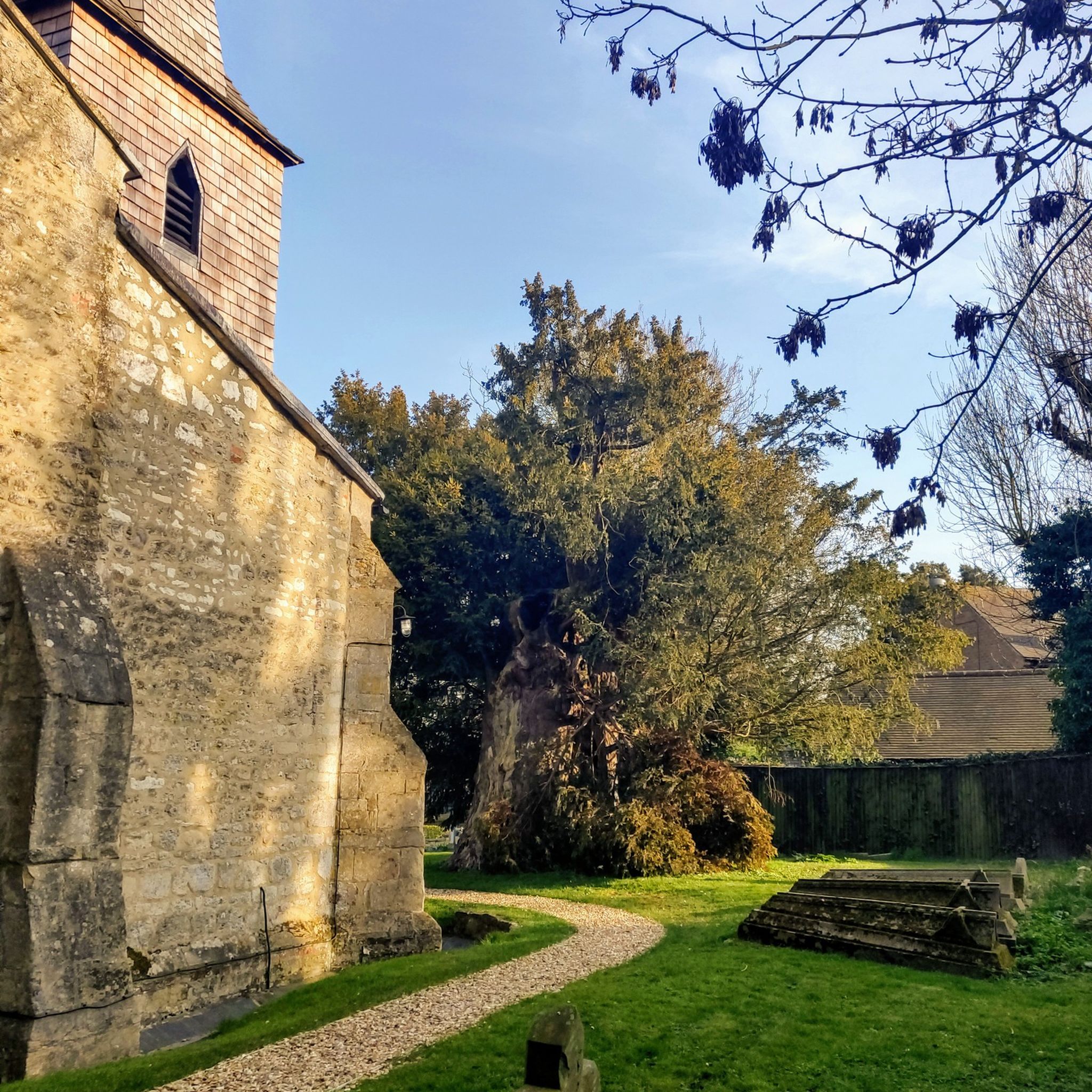
Didcot's natural areas feature some notable trees. Little Wittenham Wood is a significant woodland designated as a Site of Special Scientific Interest. Additionally, the Ancient Yew at All Saints' Church, Didcot is a remarkable survivor, likely predating the 12th-century church and known for its resilience.
Most popular routes around Didcot
Most popular attractions around Didcot

Get inspired with the komoot mobile app


Explore more
Extend your search for the best caves by checking out these guides of the top ones around Didcot:
