Top 5 Natural Monuments around Norton And Lenchwick
Best natural monuments around Norton And Lenchwick showcase the diverse natural beauty of the rural Worcestershire countryside. The area features serene riverside paths, expansive woodlands, and traditional orchards, providing opportunities for outdoor exploration. These natural attractions offer a chance to experience classic English landscapes, characterized by gentle hills and hedged fields. Visitors can find various walking routes Norton and Lenchwick, suitable for appreciating the local environment.
Best natural monuments around Norton And Lenchwick
- The most popular natural monuments is Bredon…
Last updated: May 17, 2026
Grafton Wood Nature Reserve
Highlight (Segment) • Natural Monument
Jointly owned with Butterfly Conservation, Grafton has been at the heart of one of Worcestershire’s great conservation successes. The wood is the …
Tip by

Elephant Stone (Banbury Stone)
Highlight • Natural
Tip by

Sign up now to discover places like this
Get recommendations on the best single tracks, peaks, & plenty of other exciting outdoor places.
Sign up for free
Bredon Hill Summit
Highlight • Viewpoint
Tip by

Elmley Castle Park
Highlight • Natural Monument
Tip by
Cotswolds Area of Outstanding Natural Beauty Boundary Marker
Highlight • Natural Monument
Tip by

Start today with a free account
Your next adventure awaits.
Login or Signup

Tips from the Community

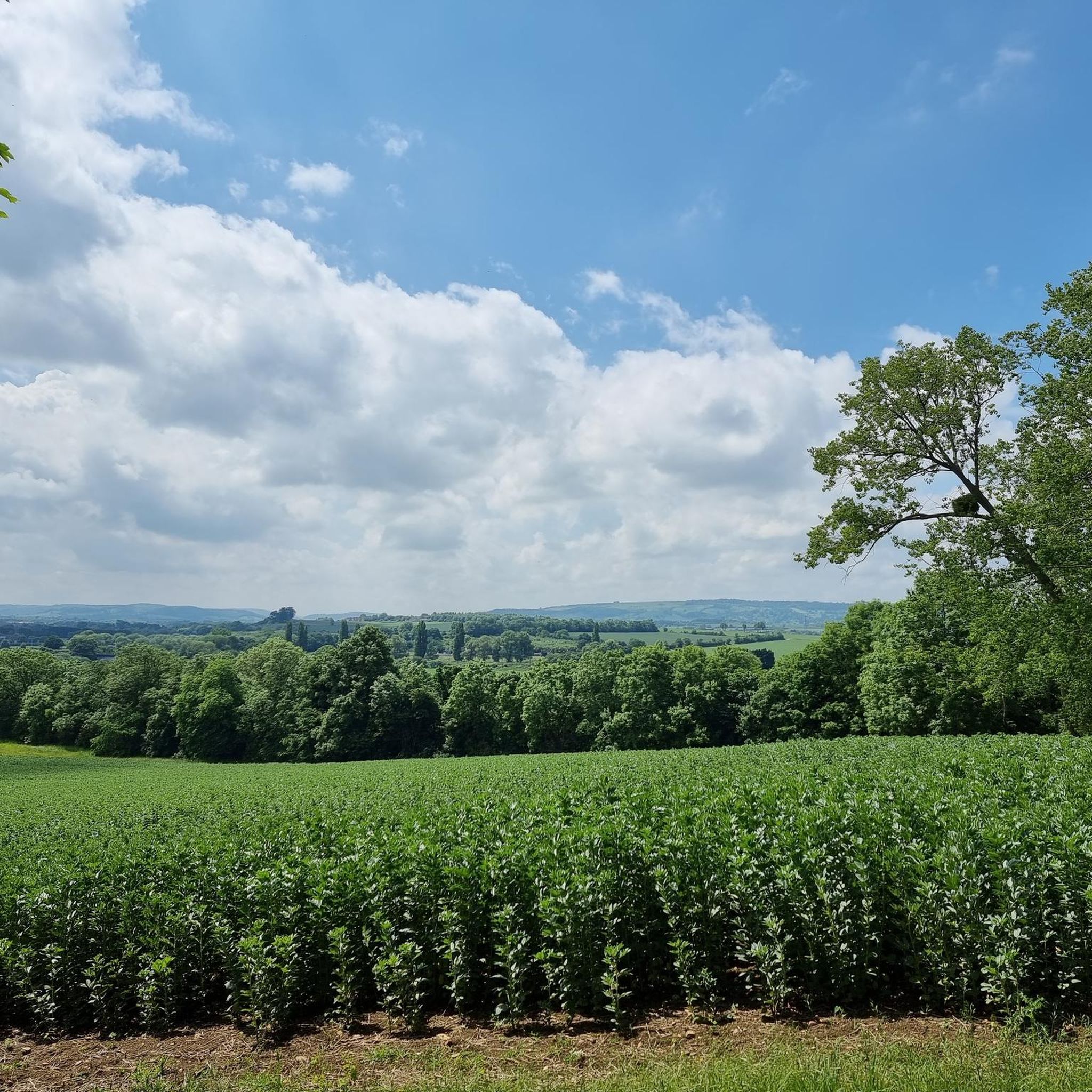
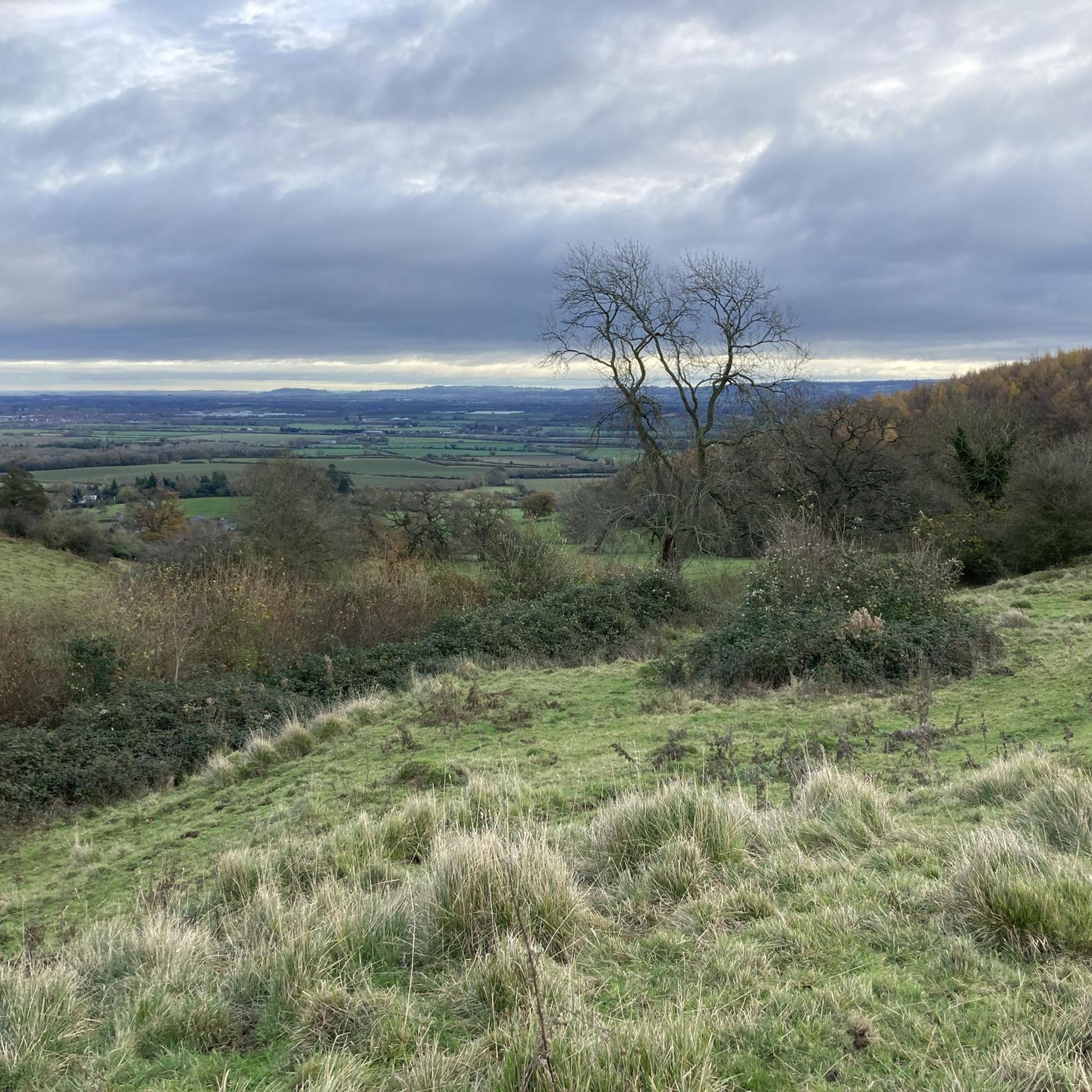
The biggest Cotswold outlier, just short of a thousand feet high with magnificent views across the Avon and Severn valleys.
0
0
A quite impressive rock formation that really does look like an elephant lying down.
0
0

299m hill with fantastic views of Malvern Hills, Pershore, and Avon Valley. Also, this is the first Cotswolds hill from the Worcestershire side.
0
0
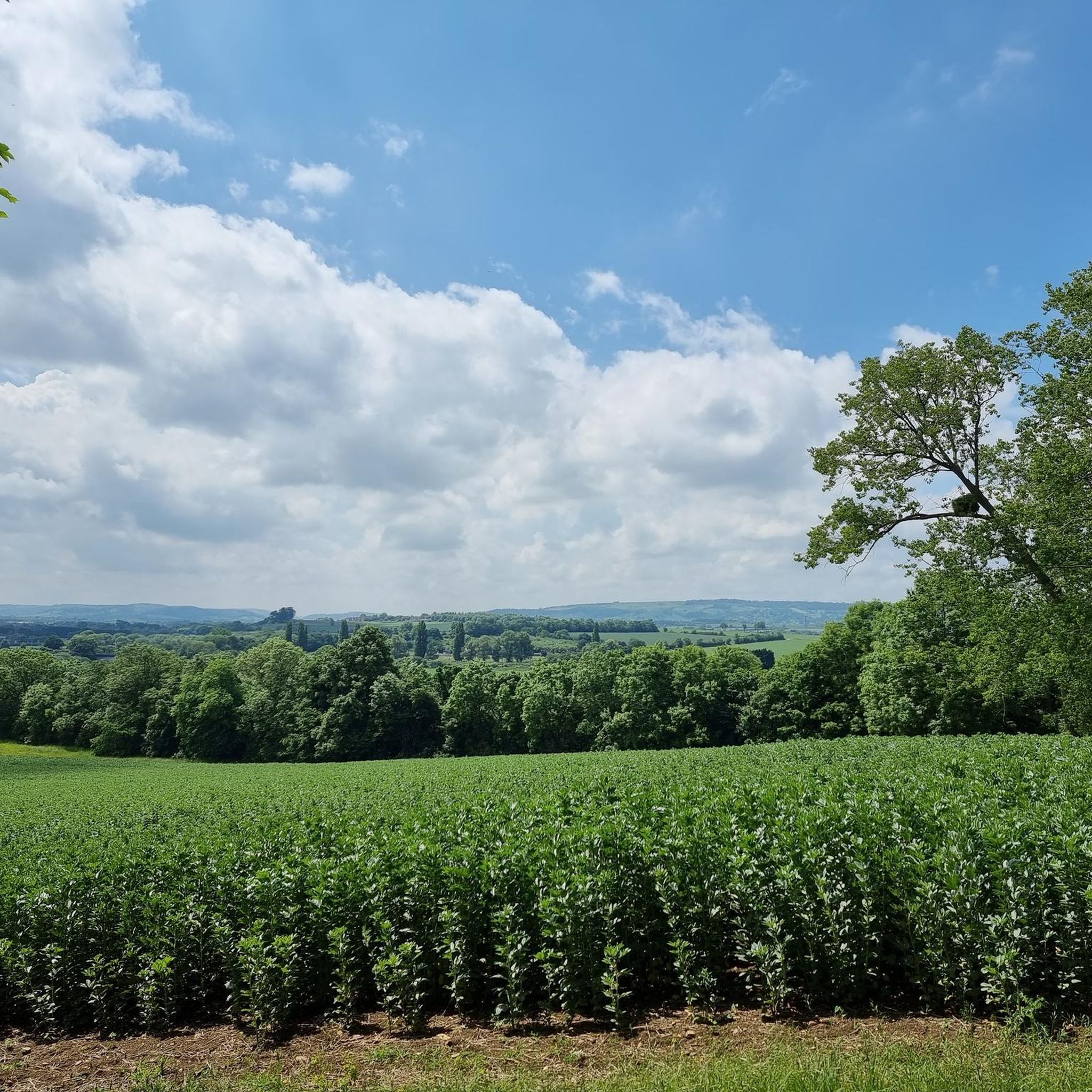
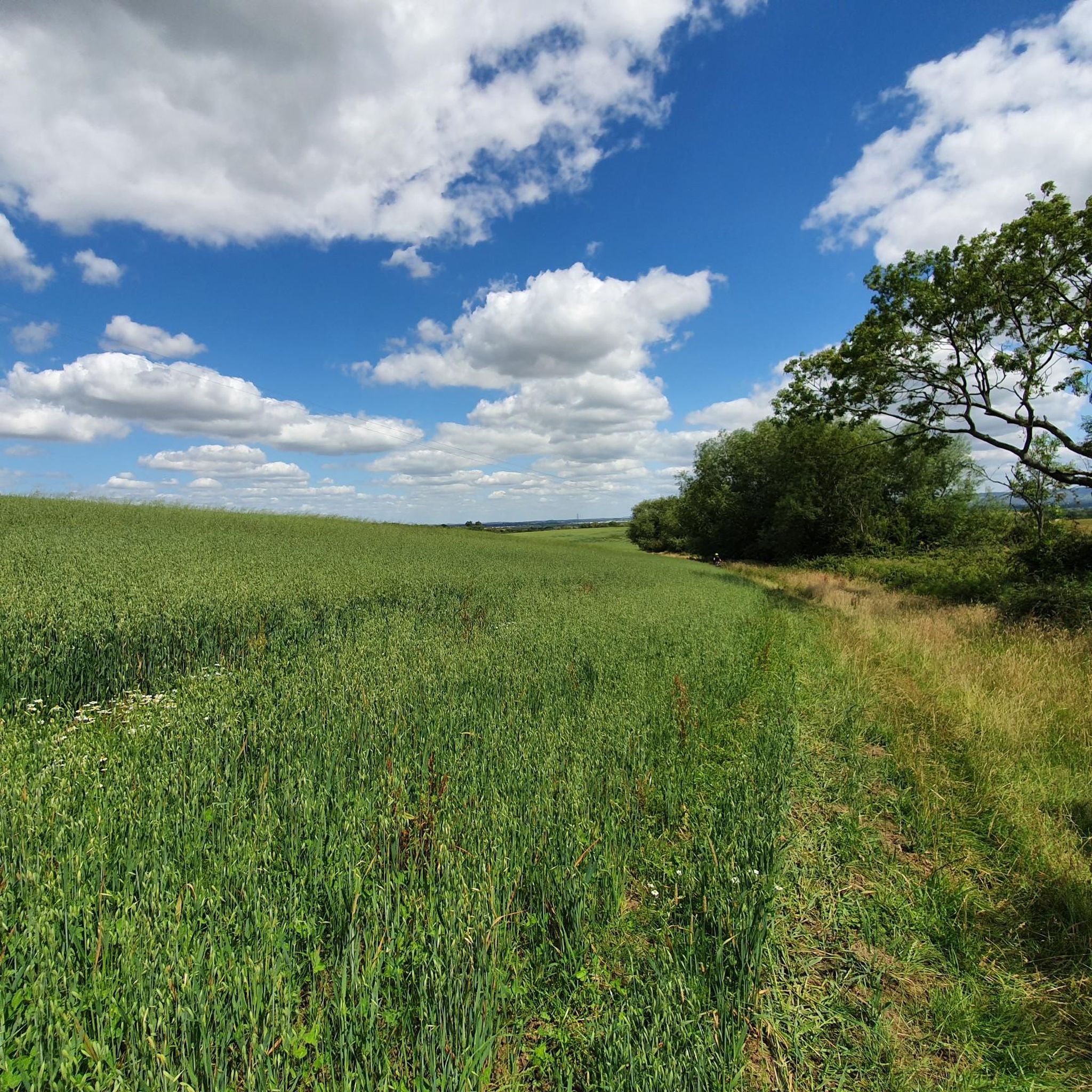
Gentle ascent in Little Comberton direction. The boundary marker is situated right along NCN 442, so it is easy to spot.
0
0

The PARK at Elmley, which belonged to the lords of Elmley Castle, was possibly made about 1234, for in that year Walter de Beauchamp received from the king a gift of ten does and three bucks for stocking his park at Elmley. In 1298 the wood in the park was worth 4s. yearly. Thomas de Beauchamp Earl of Warwick complained in 1349 that several persons, including Robert de Amyas, parson of the church of Great Comberton, had hunted in his free chase at Elmley Castle and carried away deer. The park was enlarged about 1480 by the addition of part of the demesne land of the manor called Court Close. In 1478 William Adams was appointed keeper of the park and warren at Elmley Castle. In 1480 John Mortimer was appointed master of the game in Elmley Park, and in 1484 John Hudelston succeeded to this office, but it was granted in the following year to Richard Naufan, and in 1488 to Sir John Savage. Henry VIII appointed Sir John Savage and his son John Savage keepers of the park and warren in 1512. Walter Walshe was appointed keeper in 1528. He died in 1538, and Thomas Evans and Rowland Morton both wrote to Cromwell asking for his aid in obtaining the position, the latter saying, 'if it please the King by your Lordship's mediation to prefer me, I and mine shall stand balanced in also et basso, live and die in your Lordship's retinue.' He also begs credence for his messenger 'and will give your Lordship £20.' Neither of these suppliants received the post, which was granted to Urian Brereton. The park was included in the sale to Christopher Savage, and remained in his family until 1822, when it was sold with the castle to Colonel Thomas Henry Hastings Davies. It now belongs to Lieut.-General Henry Fanshawe Davies, J.P., D.L.
1
0

Also known as the Banbury Stone, there is conjecture about the exact origin of the Elephant Stone. Some believe it to be an ancient focus for the dark arts, others say it was a type of amber stone dedicated to the sun by druids. There's also a superstition that if you kiss the stone on Good Friday you will be cursed with bad luck.
0
1

An ancient woodland with coppice and large oaks Jointly owned with Butterfly Conservation, Grafton has been at the heart of one of Worcestershire’s great conservation successes. The wood is the centre of the only colony of brown hairstreak butterflies in the Midlands. These elusive butterflies, on the wing in August and September, have been the subject of a long-term project to ensure their survival. By working with local landowners and encouraging appropriate maintenance of hedgerows, volunteers from both conservation charities have helped the butterflies to increase in range and in numbers. Grafton Wood is an ancient semi-natural broad-leaved woodland and, until the 1950s was traditionally managed as coppice-with-standards that provided materials for products such as broom handles, pea sticks, hedge-laying, clothes pegs, spars for thatching and firewood. Our management today aims to replicate this tradition and involves widening the rides through the woodland, coppicing and creating glades. We also ensure that there are scrubby areas containing the young blackthorn bushes that are vital for brown hairstreaks to survive. The majority of the canopy at Grafton is ash and oak although we also have a small-leaved lime coppice stool that we think must have originally started as one lime tree at least a thousand years ago. In many places there is a dense shrub layer of field maple, hawthorn and hazel. The two compartments of conifers that were planted in the 1960s have largely been removed in 2010. It’s not just brown hairstreak butterflies that visitors to Grafton Wood should keep a look out for. The wood is also important for other woodland butterflies including silver-washed fritillaries and white admirals. After careful surveying of the habitat and flowering species in the wood pearl-bordered fritillaries were released into the woodland in 2011 in the hope that they would then naturally re-colonise the wood after a 30 year absence. Notable moths include drab looper, rosy footman, Devon carpet and waved black. Many fungi have been recorded in the wood and it also supports a distinctive flora including herb-Paris, adder’s-tongue fern, violet helleborine, spurge laurel and bird’s-nest orchid. Birds including buzzard, goldcrest, treecreeper, lesser and great spotted woodpeckers are regularly seen in the wood and the adjacent meadows and orchards are important for green woodpeckers. Bechstein’s bats were recently discovered in the wood and the colony is thought to be the most northerly breeding roost in the UK.
0
0
Frequently Asked Questions
What are some of the most popular natural monuments to visit around Norton and Lenchwick?
Visitors frequently enjoy Bredon Hill Summit for its extensive views over the Malverns, Pershore, and the Avon Valley. Another unique spot is the Elephant Stone (Banbury Stone), a distinctive rock formation. For nature lovers, Grafton Wood Nature Reserve, an ancient woodland, is highly regarded.
Are there family-friendly natural monuments in the area?
Yes, Grafton Wood Nature Reserve is categorized as family-friendly. It's an ancient woodland perfect for gentle walks and spotting wildlife, including various butterflies. The River Avon and its riverside paths also offer pleasant, accessible walks suitable for families.
What kind of natural features can I expect to see around Norton and Lenchwick?
The region is characterized by diverse natural beauty. You'll find serene riverside paths along the River Avon, expansive woodlands like Yeald Wood and Grafton Wood, and traditional orchards, particularly in 'The Lenches' villages. There are also unique geological features such as the Elephant Stone (Banbury Stone) and a red sandstone rock formation near Norton.
Are there any historical natural sites or monuments nearby?
While not a natural monument in the traditional sense, Elmley Castle Park has a rich history, dating back to 1234 when it was established as a deer park. The red sandstone rock formation near Norton also has historical significance, having been quarried for building materials in the past.
What outdoor activities can I do near these natural monuments?
The area offers various outdoor activities. You can enjoy running on trails like the 'Rous Lench Church loop from Church Lench' (Running Trails around Norton And Lenchwick), or mountain biking on routes such as the 'Bredon Hill loop' (MTB Trails around Norton And Lenchwick). Cycling is also popular, with routes like the 'View of the River Avon – Rous Lench Church loop from Fladbury' (Cycling around Norton And Lenchwick).
Are there hiking trails near the natural monuments?
Yes, there are numerous walking and hiking opportunities. The riverside paths along the River Avon are ideal for peaceful strolls. For more structured routes, you can explore trails around woodlands like Yeald Wood, part of the 'Yeald Wood – Rous Lench Church loop from Church Lench'. Bredon Hill Summit also offers excellent hiking with rewarding views.
What is the best time of year to visit the natural monuments around Norton and Lenchwick?
Spring is particularly beautiful, especially in areas with traditional orchards when they are in blossom, and in woodlands like Foxholes Nature Reserve (slightly further afield) where bluebells carpet the ground. Autumn offers stunning foliage in the woodlands. The riverside paths and viewpoints like Bredon Hill Summit can be enjoyed year-round, weather permitting.
Can I find wheelchair-accessible natural monuments in the area?
The Cotswolds Area of Outstanding Natural Beauty Boundary Marker is situated along NCN 442, which is a cycle way, suggesting it offers a relatively gentle and accessible path. While specific accessibility details for all sites are not available, riverside paths often provide flatter terrain suitable for various mobility levels.
Where can I go for wildlife spotting near Norton and Lenchwick?
Grafton Wood Nature Reserve is a significant site for wildlife, particularly known for brown hairstreak butterflies and other woodland species like silver-washed fritillaries and white admirals. Birds such as buzzards, goldcrests, and woodpeckers are also regularly seen there. Foxholes Nature Reserve, though a bit further out, is a haven for tawny owls, badgers, and kingfishers.
Are there any hidden natural gems or less-known spots worth exploring?
The traditional orchards of 'The Lenches' villages, including Church Lench, offer a unique agricultural landscape that is particularly charming during blossom season. The red sandstone rock formation near Norton, with its low cliffs and historical quarrying, provides a glimpse into the region's geological past and is a less commonly highlighted natural feature.
What do visitors enjoy most about the natural monuments around Norton and Lenchwick?
Visitors appreciate the serene environments, the opportunities for walking and wildlife observation, and the chance to experience the classic English countryside. The gentle landscapes, hedged fields, and rural charm, combined with the diverse natural attractions like ancient woodlands and scenic viewpoints, are frequently highlighted.
Are there any natural monuments suitable for dog walking?
Many of the natural areas, including the riverside paths along the River Avon and woodlands like Yeald Wood, are generally suitable for dog walking. It's always advisable to keep dogs on leads, especially in nature reserves like Grafton Wood Nature Reserve, to protect wildlife and ensure a pleasant experience for all visitors.
Most popular routes around Norton And Lenchwick
Most popular attractions around Norton And Lenchwick

Get inspired with the komoot mobile app


Explore more
Extend your search for the best caves by checking out these guides of the top ones around Norton And Lenchwick:
