Top 4 Natural Monuments around Greetwell
Best natural monuments around Greetwell offer a diverse landscape shaped by both natural processes and historical human activity. The area features significant geological sites, including ancient limestone formations that reveal insights into prehistoric tropical seas. These natural areas are rich in biodiversity, supporting a variety of wildflowers, birds, and insects within their unique ecosystems. Visitors can explore a network of paths that wind through these varied natural settings.
Best natural monuments around Greetwell
- The most popular natural monuments is Lion…
Last updated: June 29, 2026
Lion Statue, Lincoln Arboretum
Highlight • Monument
The Arboretum also offers it's visitors tea rooms, a Victorian bandstand, …
Tip by

Swanholme Lakes
Highlight • Forest
Tip by

Sign up now to discover places like this
Get recommendations on the best single tracks, peaks, & plenty of other exciting outdoor places.
Sign up for free
Jurassic Limestone Cliffs, Lincoln
Highlight • Natural
Tip by

Sadlerock Millennium Stone
Highlight • Natural Monument
Tip by

Start today with a free account
Your next adventure awaits.
Login or Signup



Tips from the Community

The Lion Statue is situated in the middle of the Aboretum.
0
0
The lion is a Grade II listed statue, dating from 1872. It was by Austin & Seeley and was presented by FJ Clarke. It is a composition figure, larger than life size, on a rendered pedestal with a moulded plinth and panelled sides.
0
0

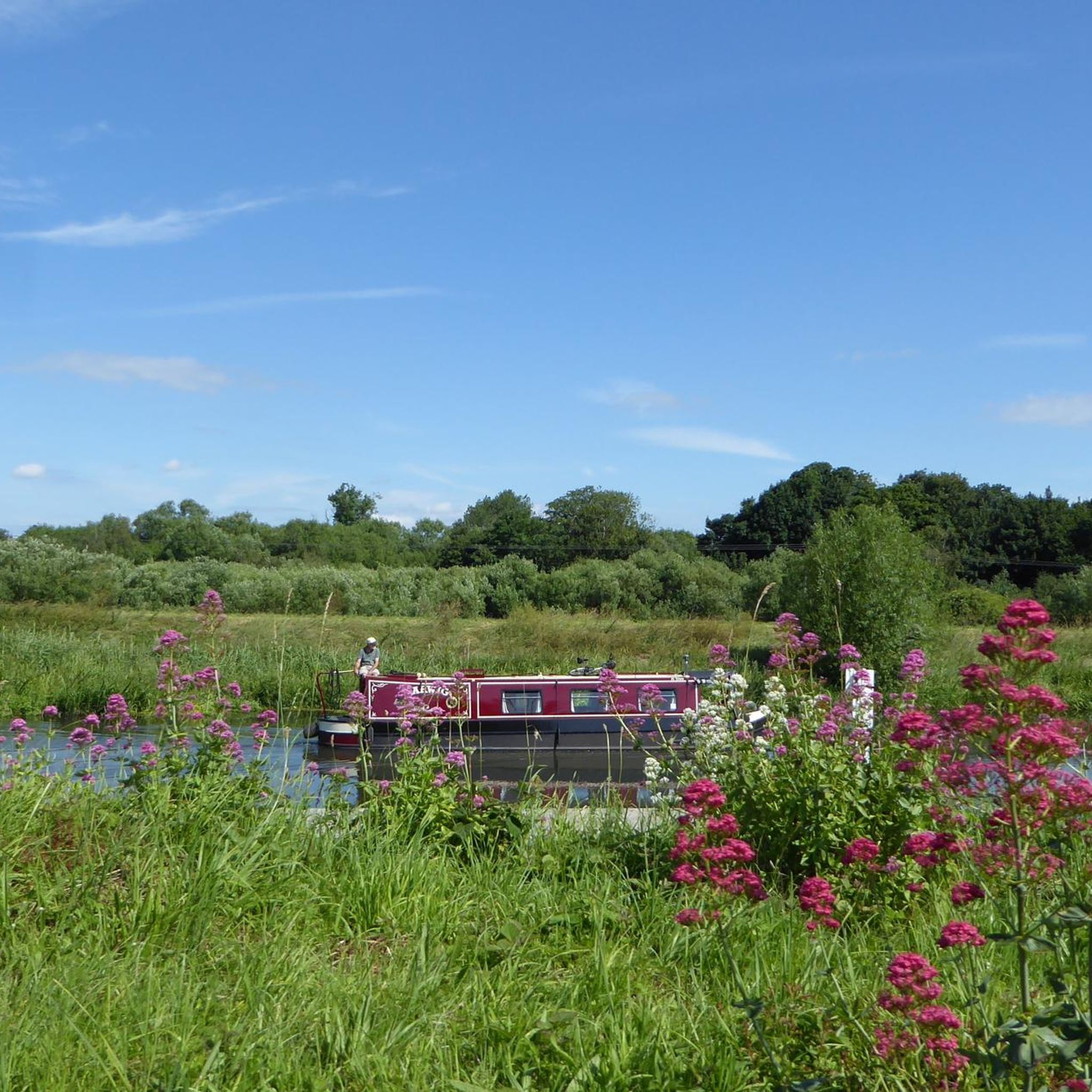
Swanholme Lakes Local Nature Reserve was formed from a series of flooded sand and gravel pits. After quarrying finished in the 1960s vegetation was able to colonise and this has resulted in a mosaic of different habitat types in an area covering 63 hectares.
0
0

The larger-than-life size lion statue created in 1872 is a listed monument that guards the paths of Lincoln Arboretum. The Arboretum also offers it's visitors tea rooms, a Victorian bandstand, a cast iron folly, and extensive gardens with terrace features, ponds and bridges.
2
0

The new lincoln bypass cycle route is pretty decent low resistance surface, this is one of the sites enroute, but also, theres loads of cycle routes accessible from the main route
0
0

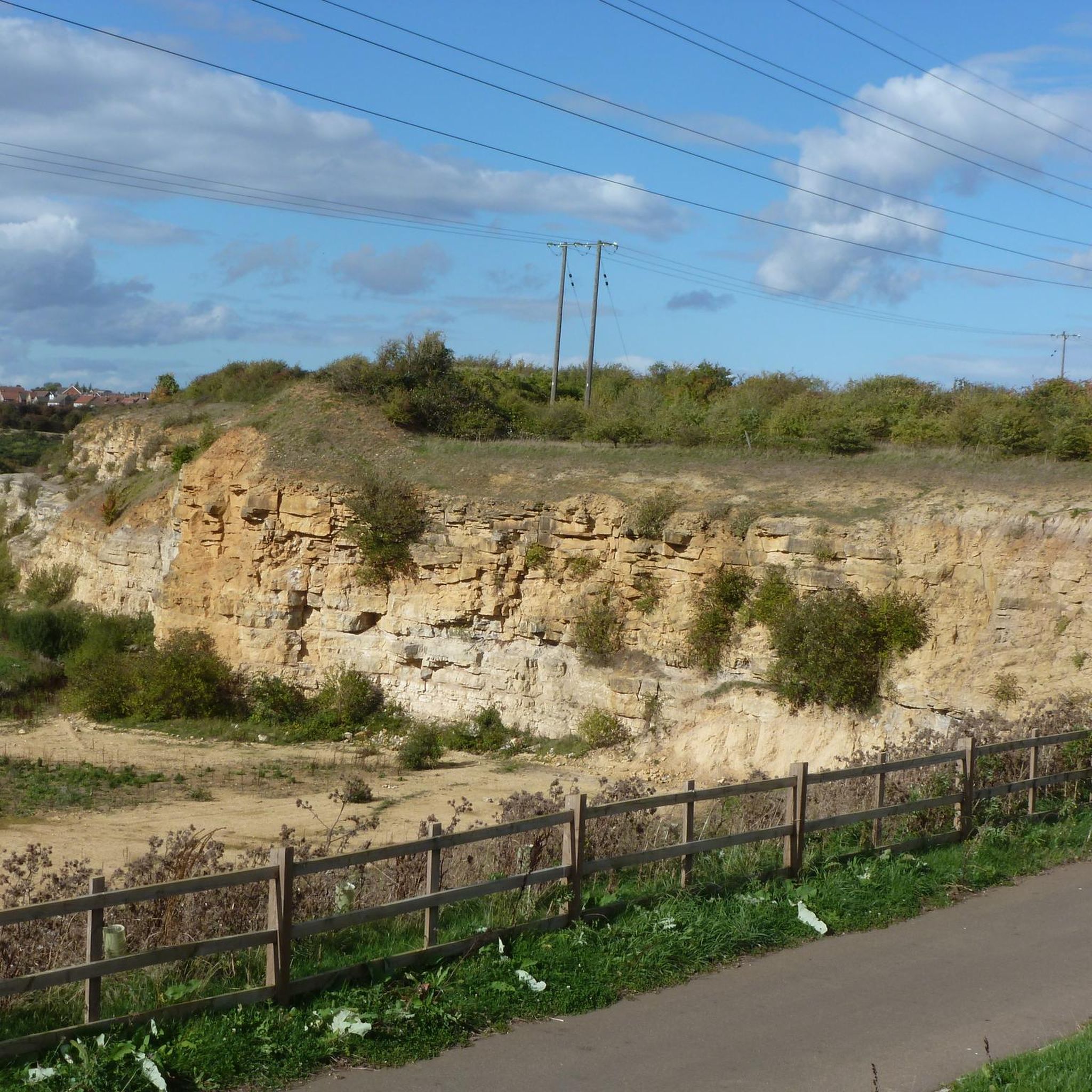
"As you stare at the limestone cliffs, it is worth reflecting that the rocks were formed in shallow warm tropical seas 165 million years ago in the Middle Jurassic period. Dinosaurs ruled the nearby land and waves were breaking on coral reefs above. There are many fossils in the limestone, mainly broken shells and corals, but you might be lucky and find a giant Plesiosaur, they have been found here!" Thankfully no Dinasours but plenty of Lorries trundling past on the A15.
0
0
It just looks like a stone till you notice the plaque that for some reason faces the road and not the pedestrian - read the plaque when there for the history.
0
0
Frequently Asked Questions
What unique natural features can I explore around Greetwell?
Greetwell is rich in geological and ecological diversity. You can explore sites like the Jurassic Limestone Cliffs, Lincoln, where rocks formed in ancient tropical seas 165 million years ago, revealing fossils of shells and corals. The area also features significant biodiversity, including diverse wildflowers, birds, and butterflies, particularly within limestone grasslands and wetland areas.
What historical elements are integrated into Greetwell's natural landscapes?
The natural landscapes around Greetwell often bear the marks of historical human activity. For instance, Greetwell Hollow, a significant local nature reserve, was once an active ironstone mine and limestone quarry, with remnants of old narrow-gauge tramways still visible. Additionally, the Lion Statue, Lincoln Arboretum, a Grade II listed monument from 1872, stands within a natural setting, guarding the paths of the arboretum.
Are there any specific viewpoints or landmarks to look out for in Greetwell's natural areas?
Yes, several spots offer notable views and landmarks. The Jurassic Limestone Cliffs, Lincoln, provide a dramatic geological feature. Within Greetwell Hollow, paths along the top of the quarry cliffs offer expansive views across the hollow and towards Lincoln Cathedral, especially beautiful during sunset. The Lion Statue, Lincoln Arboretum, is also a prominent landmark within a natural park setting.
What makes the Swanholme Lakes a significant natural monument?
Swanholme Lakes Local Nature Reserve was formed from a series of flooded sand and gravel pits. Covering 63 hectares, it now boasts a mosaic of different habitat types, supporting a diverse array of wildlife. It's a prime example of how former industrial sites can transform into rich ecological havens.
Are the natural monuments around Greetwell suitable for families?
Many of the natural monuments and areas around Greetwell are family-friendly. Places like the Lion Statue, Lincoln Arboretum, Jurassic Limestone Cliffs, Lincoln, and Swanholme Lakes are all categorized as family-friendly, offering accessible paths and interesting features for all ages to enjoy.
Can I bring my dog to the natural areas in Greetwell?
Generally, many natural areas and trails around Greetwell are dog-friendly, provided dogs are kept under control, often on a lead, to protect wildlife and ensure the enjoyment of other visitors. Specific rules may vary by reserve, so it's always good to check local signage.
What is the best time of year to visit the natural monuments in Greetwell?
The natural monuments around Greetwell offer different appeals throughout the year. Spring and summer are ideal for observing wildflowers and butterflies, particularly in areas like Greetwell Hollow. Autumn brings beautiful foliage, while winter can offer crisp walks and opportunities to spot wintering birds. The views, especially towards Lincoln Cathedral from elevated points, are enjoyable in all seasons.
What outdoor activities can I do near the natural monuments in Greetwell?
The area around Greetwell offers a variety of outdoor activities. You can find numerous routes for hiking, including moderate trails like the 'Steep Hill, Lincoln – Lincoln Castle loop'. There are also options for cycling on easy to moderate routes, and mountain biking trails, such as the 'Fossdyke Navigation – The Pyewipe Inn loop'.
Are there hiking trails near these natural monuments?
Yes, there are several hiking trails available. For example, you can explore the 'Steep Hill, Lincoln – Lincoln Castle loop' which is a moderate 8.9 km hike, or the 'Hiking loop from Cherry Willingham CP' covering 9.3 km. You can find more hiking options and detailed routes in the hiking guide for Greetwell.
Where can I find parking when visiting Greetwell's natural monuments?
Parking availability varies by specific natural monument. For areas like Greetwell Hollow Nature Reserve, there may be small, informal parking areas nearby or on-street parking in adjacent residential areas. For attractions within Lincoln, such as the Arboretum or near the Jurassic Limestone Cliffs, public car parks are generally available within walking distance. It's advisable to check specific locations for the most convenient parking options.
How can I reach the natural monuments around Greetwell using public transport?
Public transport options to Greetwell's natural monuments typically involve local bus services from Lincoln city center. Routes often serve areas close to key sites like Greetwell Hollow or the Lincoln Arboretum. Planning your journey using local bus schedules is recommended to find the most direct routes to your desired natural monument.
What kind of wildlife can I expect to see in Greetwell's natural areas?
Greetwell's natural areas are havens for wildlife. In places like Greetwell Hollow, you can spot a diverse range of birds, including wintering thrushes, linnet, whitethroat, bullfinch, and even owls. The wetlands attract snipe, moorhen, and heron. The limestone grasslands are also home to numerous butterfly species and a variety of wildflowers, including bee orchids.
Most popular attractions around Greetwell

Get inspired with the komoot mobile app


Explore more
Extend your search for the best caves by checking out these guides of the top ones around Greetwell:
