Top 18 Natural Monuments around Tetsworth
Best natural monuments around Tetsworth are concentrated in a region characterized by the Chiltern Escarpment in Oxfordshire. This area features diverse natural landscapes, including chalk grassland, woodlands, and significant geological formations. Visitors can explore various natural features and walking trails that showcase the local ecology and historical land use. The natural monuments around Tetsworth offer opportunities to observe wildlife and experience the varied terrain.
Best natural monuments around Tetsworth
- The most popular natural monuments is Watlington Hill, a natural…
Last updated: October 15, 2026
Watlington Hill
Highlight • Forest
Tip by

Watlington White Mark
Highlight • Natural Monument
Tip by
Sign up now to discover places like this
Get recommendations on the best single tracks, peaks, & plenty of other exciting outdoor places.
Old Kiln Lakes Wetland Habitat
Highlight • Natural
Tip by

Cowleaze Wood Bluebells
Highlight (Segment) • Forest
Tip by
View of Stokenchurch Gap
Highlight • Natural Monument
The cutting is mainly through the Upper Chalk, with some Middle Chalk seen at its base. The cutting is a Site of Special Scientific Interest of geological importance. …
Tip by
Sign up for free to discover even more natural monuments around Tetsworth.
Already have an account?
Start today with a free account
Your next adventure awaits.
Tips from the Community

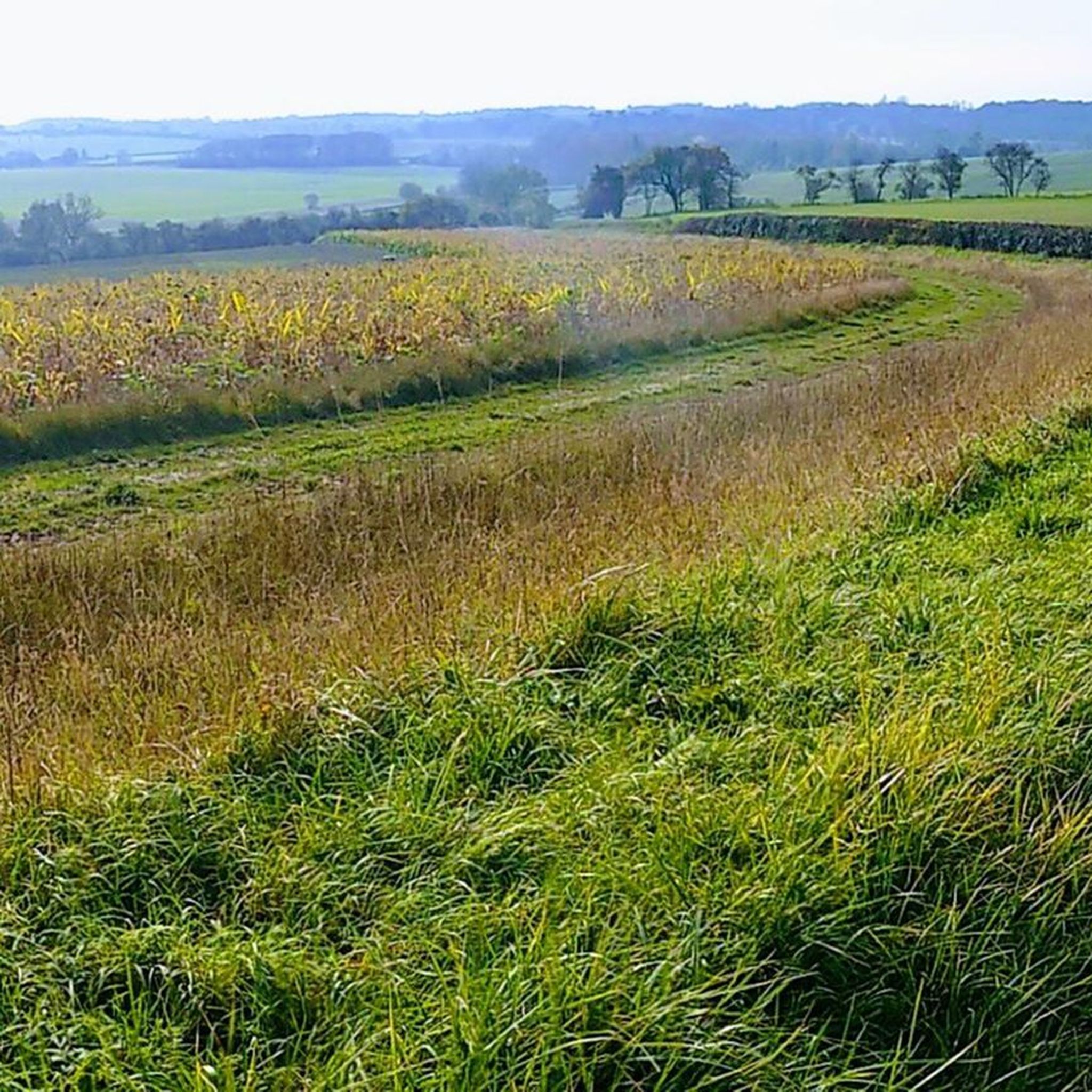
This quarry is a Site of Special Scientific Interest and well known by geologists for its phenomenal history. Packed with fossils, some of the finds here date back 100 million years. There's no public access, but you can catch glimpses of its bright high-alkaline water from the surrounding footpaths.
0
0


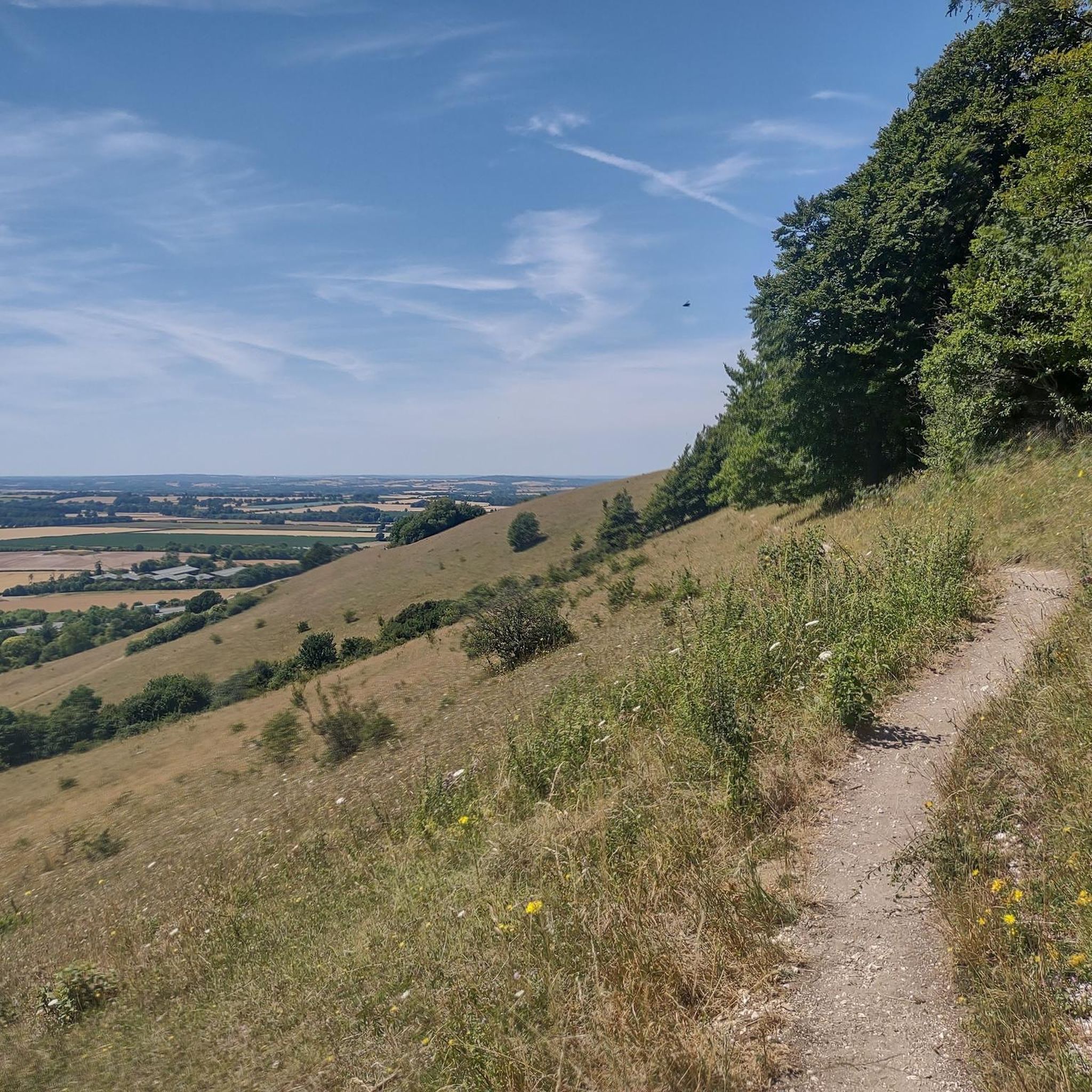
Incredible views from this national trust area....also free parking
1
0

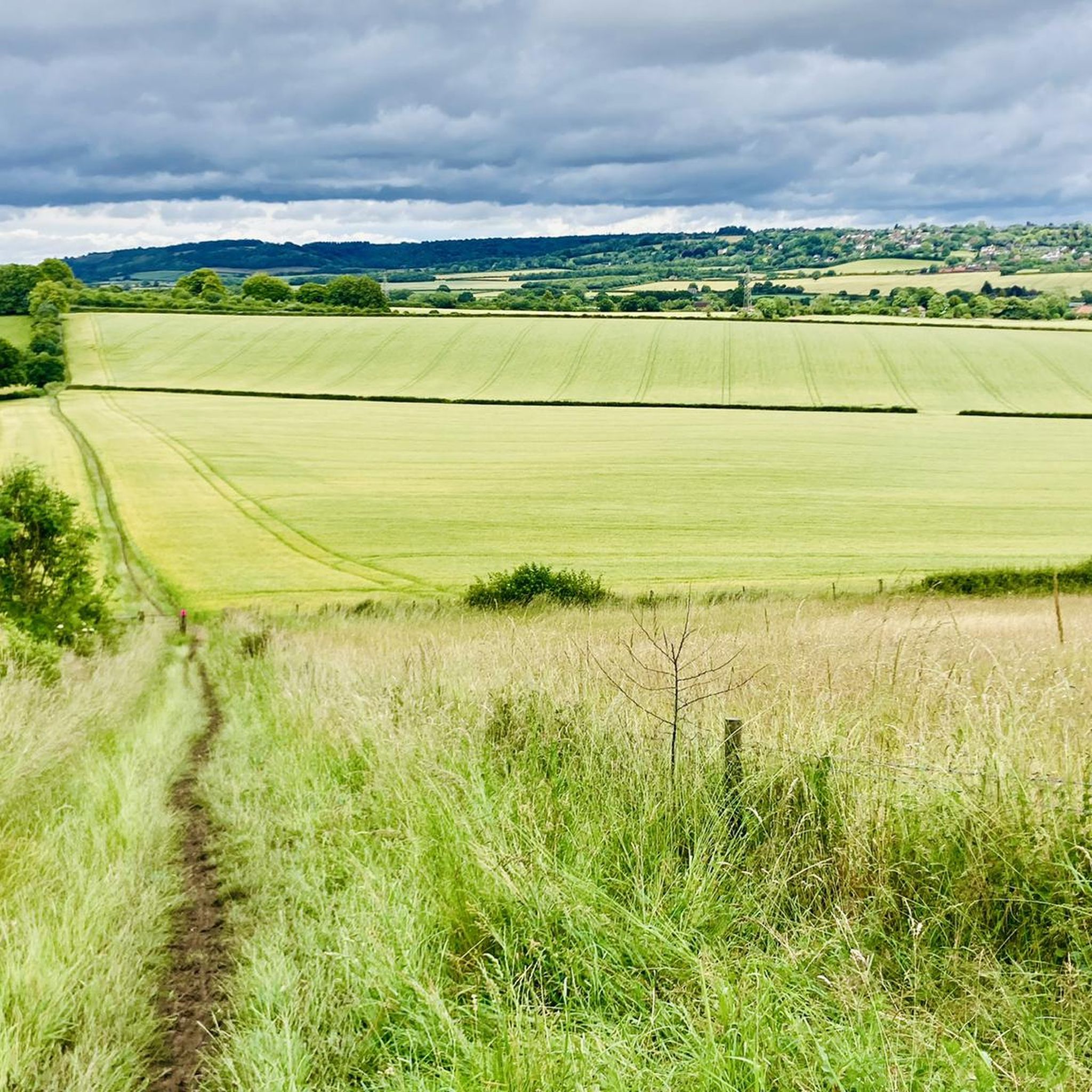
Gorgeous walks, requires decent footwear and walking sticks help over the hills.
1
0

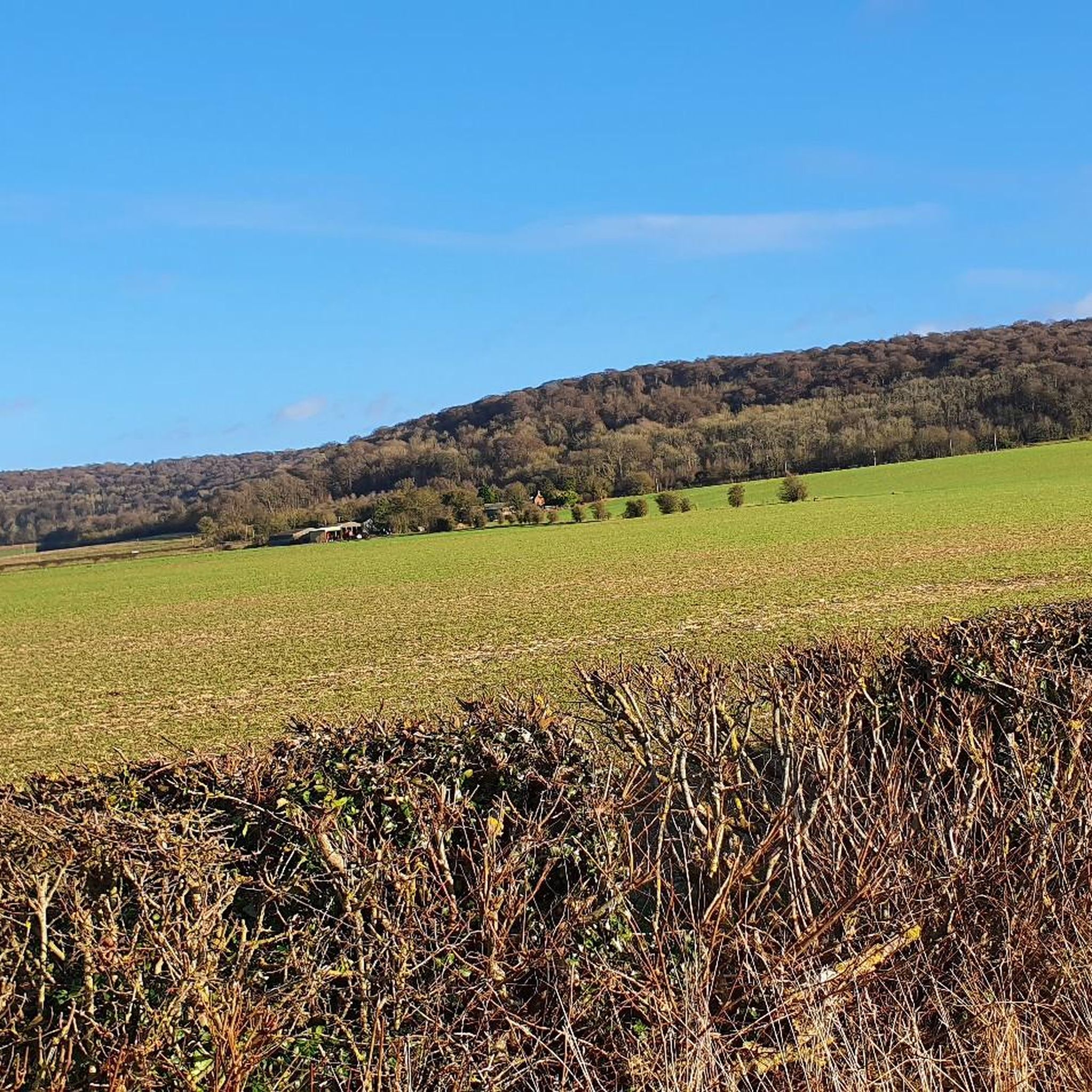
With stunning expansive views over Oxfordshire, sweeping hills and ancient woodland, Watlington Hill is a beautiful corner of the UK. Here, you will find a triangular white mark dug into chalk in the hill in 1764. Look our for rabbits, butterflies and red kites during your visit. You can find more information, here: https://www.nationaltrust.org.uk/chilterns-countryside/features/watlington-hill
0
0

Stokenchurch Gap. The cutting is mainly through the Upper Chalk, with some Middle Chalk seen at its base. The cutting is a Site of Special Scientific Interest of geological importance. It provides the best Coniacian section in central England. The curved route of the cutting was designed to mitigate impact on the skyline, and to fit the local topography.[citation needed] The construction of this section of the M40 (junctions 5–8) was at the time extremely controversial, since the cutting through the Chiltern Hills was driven through the middle of the ecologically-important Aston Rowant NNR. Conservation groups were appalled at the unexpected decision of the inspector at the public inquiry to reject their claims that the national nature reserve designation implied a fully protected landscape which should in no circumstances be damaged. Their alternative proposals for a tunnelled solution, or a route on-line with the existing A40, were rejected. https://en.wikipedia.org/wiki/Stokenchurch_Gap
1
0
Frequently Asked Questions
What kind of natural features can I expect to see at the natural monuments around Tetsworth?
The natural monuments around Tetsworth primarily feature diverse landscapes such as chalk grassland, woodlands, and significant geological formations. For instance, Watlington Hill is known for its short chalk grassland turf, wildflowers, and ancient ant-hills, while the View of Stokenchurch Gap showcases geological layers of Upper and Middle Chalk.
Are there any family-friendly natural monuments near Tetsworth?
Yes, several natural monuments around Tetsworth are suitable for families. Watlington Hill is categorized as family-friendly, offering opportunities to observe wildlife. Additionally, Cowleaze Wood Bluebells is also listed as family-friendly, especially beautiful when the bluebells are in bloom.
What is the best time of year to visit the natural monuments around Tetsworth?
The best time to visit the natural monuments around Tetsworth largely depends on what you wish to see. Spring (late April to May) is ideal for experiencing the bluebells at Cowleaze Wood Bluebells. Summer offers vibrant wildflowers and butterflies at sites like Watlington Hill. Generally, warmer, drier months provide more comfortable walking conditions.
Are there opportunities for wildlife spotting at these natural monuments?
Absolutely. Watlington Hill is a nationally important wildlife site, home to a large assemblage of wildflowers, butterflies, birds, mosses, lichens, and fungi. Visitors often spot rabbits, deer, and red kites there. The Old Kiln Lakes Wetland Habitat, though without public access, is known for its rich geological history and fossils, indicating a diverse ecosystem.
Can I find walking or hiking trails near the natural monuments?
Yes, the area around Tetsworth offers various walking and hiking opportunities. You can find easy hikes, such as the 'Artistic Wooden Shelter – Phoenis Trail loop from Thame' (6.5 km), or moderate running trails like the 'Phoenis Trail – Artistic Wooden Shelter loop from Thame' (6.4 km). For more options, explore the Easy hikes around Tetsworth or Running Trails around Tetsworth guides.
What is the significance of the Watlington White Mark?
The Watlington White Mark is a unique man-made chalk figure cut into the escarpment of Watlington Hill in 1764. It was designed by local squire Edward Horne to create the illusion of a spire on the parish church when viewed from his home. It is one of around fifty hill figures found in England.
Are there any natural monuments with historical or cultural significance?
Yes, beyond their natural beauty, some sites hold historical interest. The Watlington White Mark is a historical man-made chalk figure from the 18th century. Cowleaze Wood Bluebells contains a monument dedicated to the crew of a RAF bomber that crashed there during WWII, adding a poignant historical layer to the natural setting.
What are the views like from the natural monuments in this region?
Many natural monuments offer expansive views. Watlington Hill provides stunning, sweeping views over Oxfordshire. The View of Stokenchurch Gap, a geological cutting through the Chiltern Hills, also offers significant vistas of the surrounding landscape.
Are there any natural monuments that are less crowded or considered 'hidden gems'?
While Watlington Hill is popular, exploring areas like Cowleaze Wood Bluebells outside of peak bluebell season might offer a quieter experience. The Old Kiln Lakes Wetland Habitat, though without public access, can be glimpsed from surrounding footpaths, offering a unique natural sight known more to geologists.
What do visitors generally enjoy most about the natural monuments around Tetsworth?
Visitors frequently appreciate the diverse natural landscapes, from the chalk grasslands and wildflowers of Watlington Hill to the geological insights at View of Stokenchurch Gap. The opportunities for scenic walks, wildlife observation, and the historical elements like the Watlington White Mark are also highly valued by the komoot community.
Are there any specific challenges or considerations when visiting these natural monuments?
Some areas, like Watlington Hill, involve hills and can require decent footwear. The terrain can be varied, including chalk grassland and woodland paths. Always check local conditions and wear appropriate gear for outdoor activities.
Can I find places to eat or stay near the natural monuments?
While specific cafes or pubs are not directly part of the natural monuments themselves, the village of Tetsworth and nearby towns will offer various options for refreshments and accommodation. Many walking routes in the wider area, such as those listed in the Easy hikes around Tetsworth guide, often start or pass through areas with amenities.
Most popular attractions around Tetsworth

Get inspired with the komoot mobile app


Explore more
Extend your search for the best caves by checking out these guides of the top ones around Tetsworth:
