Top 5 Natural Monuments around Rackheath
Best natural monuments near Rackheath are characterized by their proximity to the Norfolk Broads National Park and local green spaces. The area features important green infrastructure corridors that contribute to local biodiversity and natural landscape buffers. Rackheath serves as a gateway to significant natural sites, including wetlands and broads. These natural features offer opportunities for experiencing diverse ecosystems and wildlife.
Best natural monuments around Rackheath
- The most popular natural monuments is How Hill Windmill and Nature Reserve, a nature…
Last updated: May 17, 2026
Thorpe Marshes Nature Reserve
Highlight • Lake
Close to the River Yare, the area …
Tip by

How Hill Windmill and Nature Reserve
Highlight • Structure
howhilltrust.org.uk
Tip by

Sign up now to discover places like this
Get recommendations on the best single tracks, peaks, & plenty of other exciting outdoor places.
Sign up for free
Heart-Shaped Hollow Tree on Hallback Lane
Highlight • Natural Monument
Tip by

View of Caistor St Edmund Chalk Pit
Highlight • Viewpoint
Tip by

View of Barton Broad
Highlight • Viewpoint
Tip by
Start today with a free account
Your next adventure awaits.
Login or Signup


Tips from the Community

Added to the collection: komoot.com/de-de/collection/3600632/-naturdenkmaeler-besondere-baeume-und-weitere-schaetze-der-natur
0
0

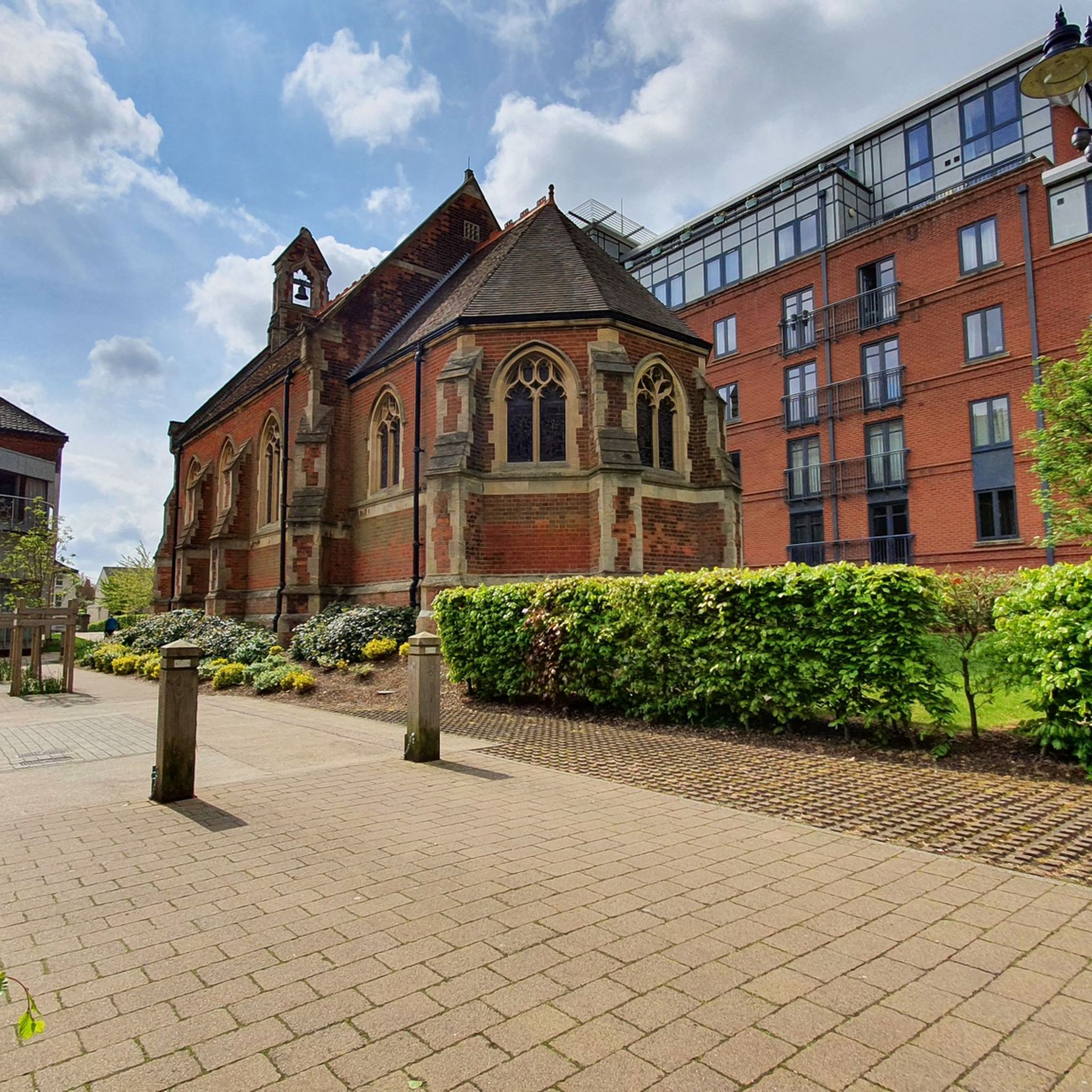
Caistor St Edmund Chalk Pit is a large commercial chalk quarry with no public access. It's an important geological site, giving access to some of the best examples of the 75 million-year-old Beeston Chalk. The sign is probably the best legal view point of the site.
0
0

This is a magical looking tree along Hallback Lane that features twisted branches and knotted trunks.
1
0

You can't see that much of the marshes from the road but the woods are very pleasant.
0
0
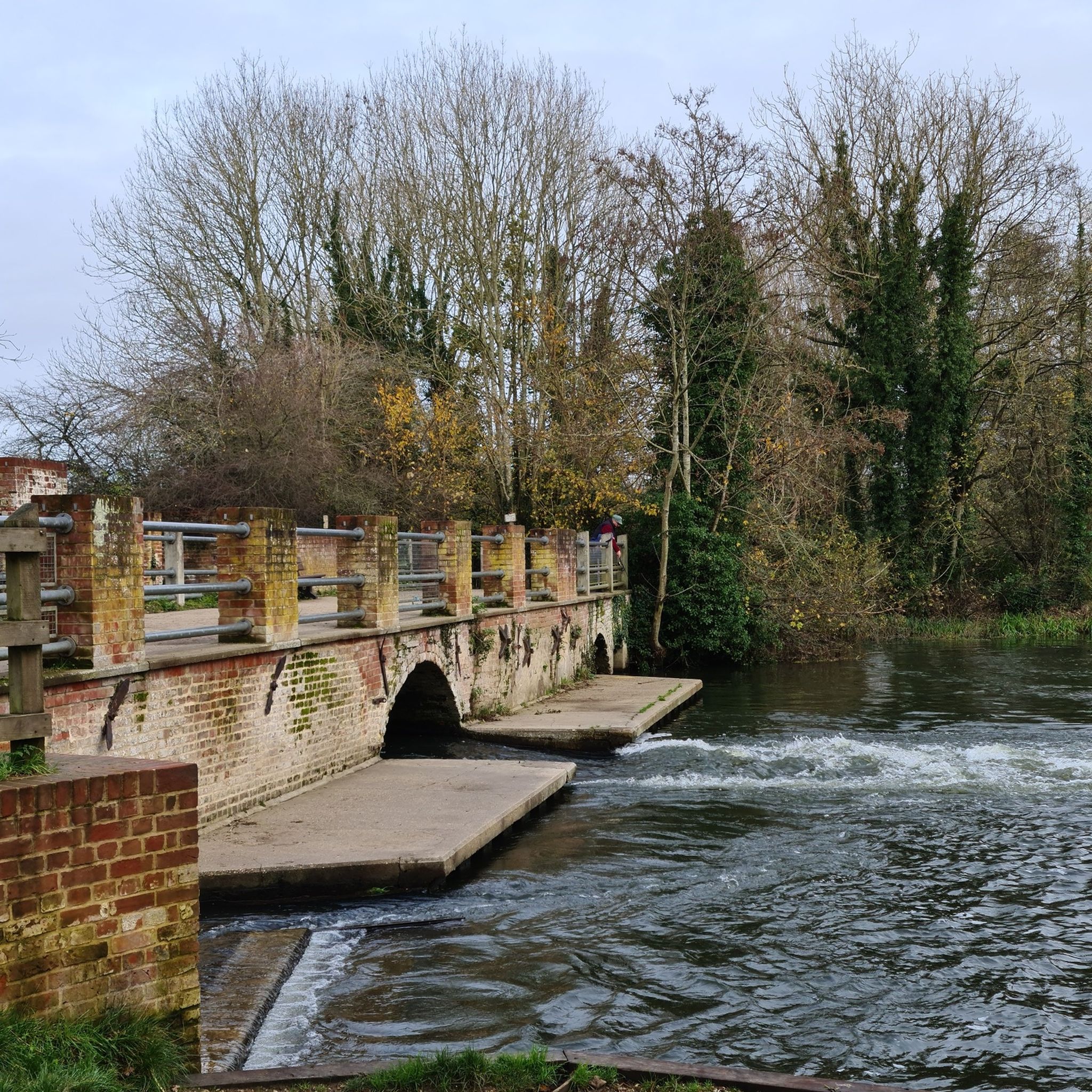
This viewpoint looks over the expansive freshwater lake of Barton Broad in Norfolk. The lake features gorgeous reed beds and waterlilies that provide home for a number of wonderful bird species including marsh harriers, bitterns, and great crested grebes. Boating enthusiasts are often seen exploring the lake's waters too.
1
0
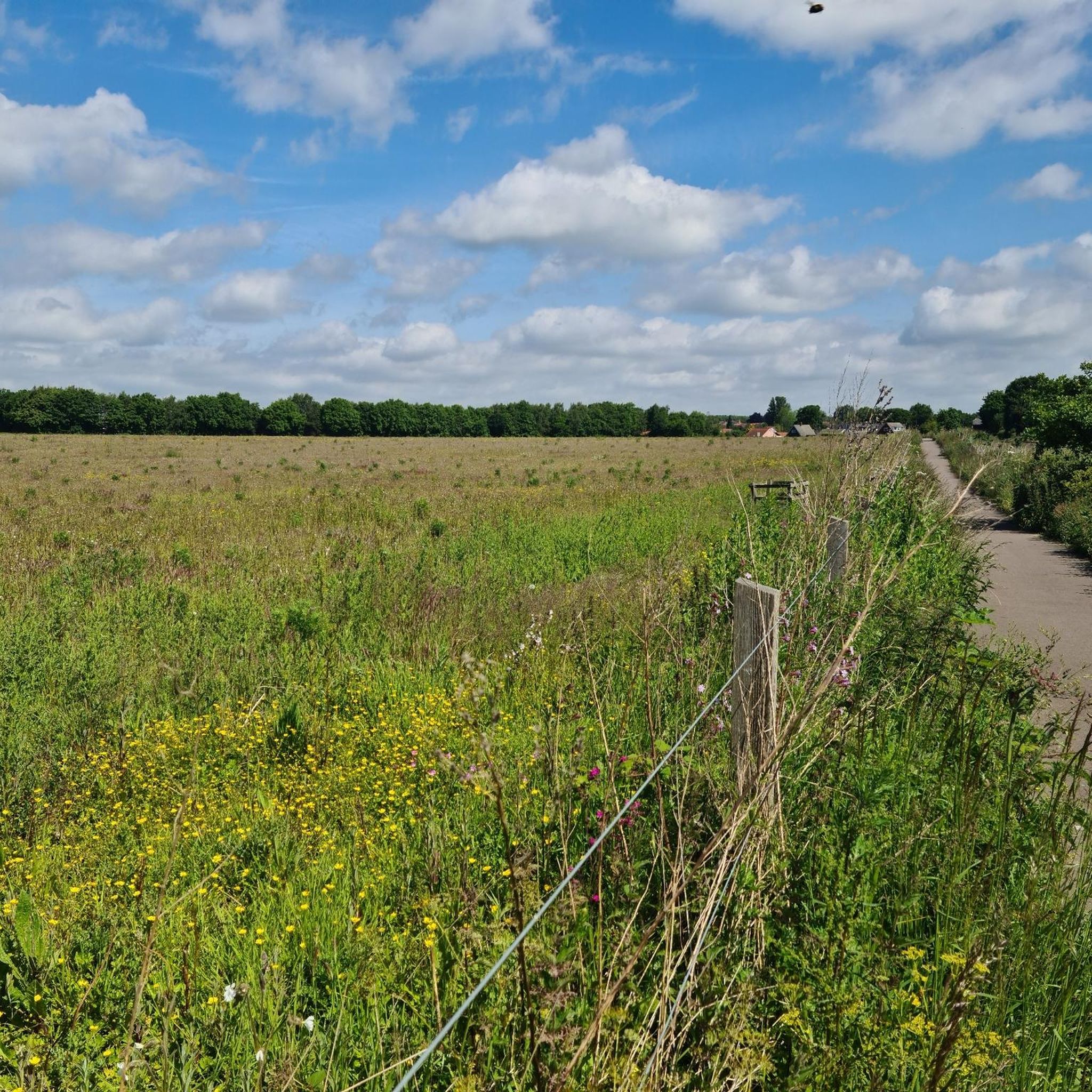
Thorpe Marshes is a diverse habitat situated in Norwich, offering walkers a peaceful respite from the hustle and bustle of city life. The marshes feature reed beds, wet meadows, and open water, which provide a home for a diverse range of bird species such as kingfishers, herons, and terns.
1
0

Located on the edge of Norwich, Thorpe Marshes is a wonderful mixture of habitats in a nature reserve managed by Norfolk Wildlife Trust. Close to the River Yare, the area is covered in wildflower marshes and dykes. You may spot dragonfly, damselfly and butterfly here, as well as many waterbirds. Chinese water deer, and smaller Muntjac deer have also taken up residence.
1
0

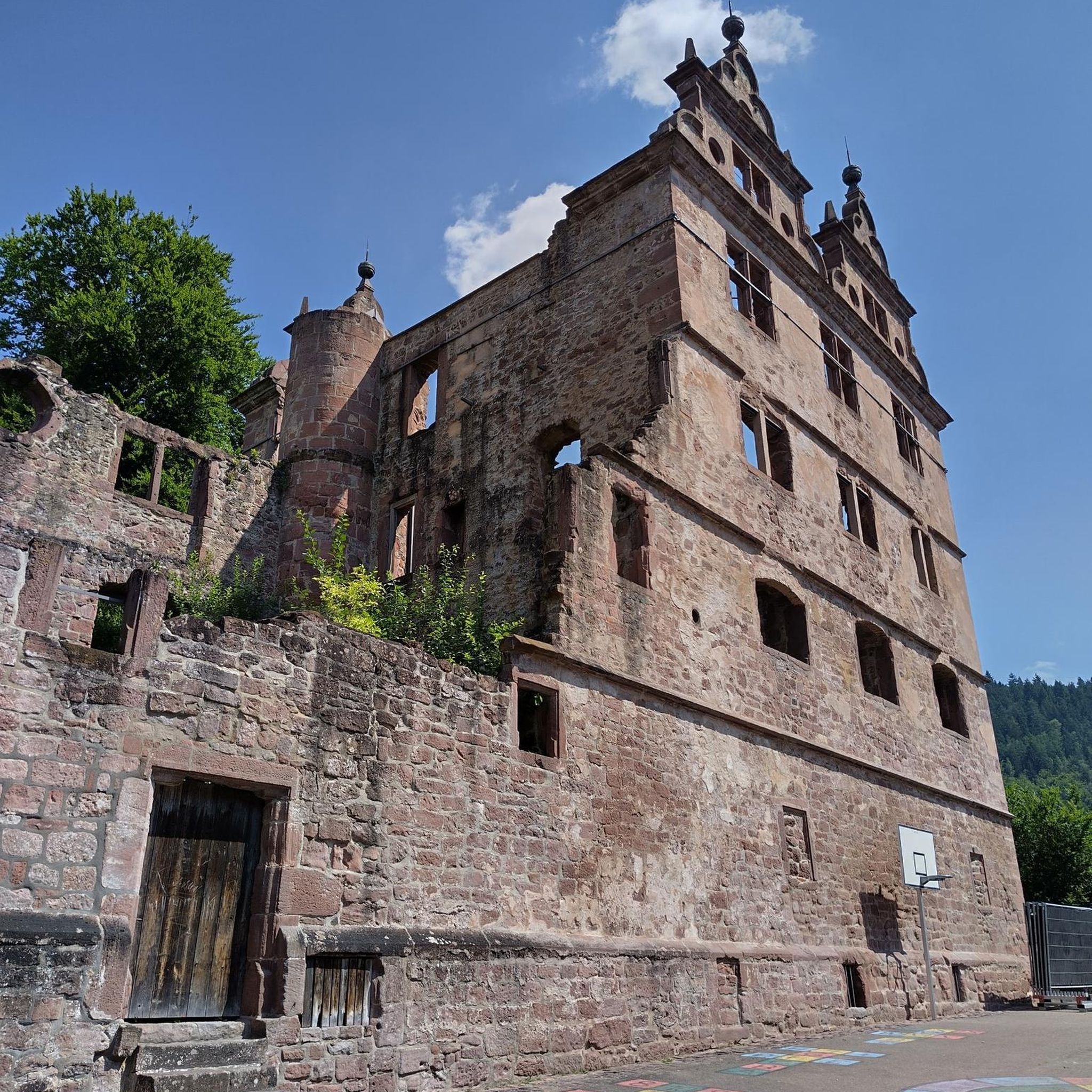
Lovely hidden gem with superb views, a great tea room and delightful gardens. There's also Toad Hole Cottage Museum by the River Ant, which offers excellent walks and has several windmills to admire. https://howhilltrust.org.uk/
0
0
Frequently Asked Questions
What kind of natural features can I expect to see near Rackheath?
Near Rackheath, you can explore diverse natural landscapes, primarily influenced by its proximity to the Norfolk Broads National Park. Expect to find extensive wetlands, reed beds, and freshwater lakes like Barton Broad. The area also features green infrastructure corridors, local woodlands, and unique trees such as the Heart-Shaped Hollow Tree on Hallback Lane.
Where can I go for wildlife spotting near Rackheath?
For excellent wildlife spotting, visit areas like Barton Broad, known for its reed beds and waterlilies that provide habitat for various bird species, including marsh harriers, bitterns, and great crested grebes. The nearby Salhouse Broad and Crostwick Marsh are also internationally significant sites for rare wildlife, including species like the Norfolk hawker dragonfly and the swallowtail butterfly.
Are there any nature reserves close to Rackheath?
Yes, How Hill Windmill and Nature Reserve is a notable option, offering superb views, gardens, and excellent walks. Additionally, the broader region includes important designated natural sites like Salhouse Broad and Crostwick Marsh, which are recognized for their exceptional ecological value.
Are there family-friendly natural attractions around Rackheath?
Absolutely. Several natural monuments are suitable for families, including How Hill Windmill and Nature Reserve, which features a tea room and gardens. The unique Heart-Shaped Hollow Tree on Hallback Lane is also a magical spot that children often enjoy. The View of Barton Broad provides a scenic and accessible experience for all ages.
What outdoor activities can I do near these natural monuments?
The area around Rackheath offers various outdoor activities. You can explore numerous hiking trails, such as the easy 'Thorpe Marshes Nature Reserve – Ferry Boat Inn loop from Thorpe St Andrew'. For cycling enthusiasts, there are road cycling routes like the 'Potter Heigham Bridge – Wroxham Bridge loop from Salhouse'. Mountain biking is also popular, with routes like 'Norwich station to Whitlingham Country Park and the Rockland Marshes'. You can find more details on these activities in the Hiking around Rackheath, MTB Trails around Rackheath, and Road Cycling Routes around Rackheath guides.
Are there hiking trails near the natural monuments around Rackheath?
Yes, there are several hiking trails available. For example, you can enjoy an easy 6.5 km hike on the 'Thorpe Marshes Nature Reserve – Ferry Boat Inn loop from Thorpe St Andrew' or a moderate 10.4 km trail on the 'NDR Rainwater Catchment Pond loop from Little Plumstead'. These trails allow you to experience the local natural beauty and are detailed further in the Hiking around Rackheath guide.
What are some unique or hidden natural gems near Rackheath?
Beyond the well-known spots, the proposed community woodland in Rackheath, planned on former wartime airfield land, aims to become a tranquil haven for wildlife and recreation. While not a traditional monument, it represents a unique local effort to create and nurture natural spaces. The Heart-Shaped Hollow Tree on Hallback Lane is also a charming, somewhat hidden natural feature.
What is the best time to visit the natural monuments around Rackheath?
The natural monuments around Rackheath, particularly those within or near the Norfolk Broads, are beautiful year-round. Spring and summer offer lush greenery, blooming wildflowers, and active wildlife, making them ideal for birdwatching and enjoying the waterways. Autumn brings vibrant foliage, while winter can offer a serene, crisp landscape, though some facilities might have reduced hours. Always check specific opening times for attractions like How Hill Windmill and Nature Reserve.
Are there any viewpoints to enjoy the natural scenery?
Yes, there are excellent viewpoints. The View of Barton Broad offers expansive vistas over the freshwater lake, its reed beds, and waterlilies. Additionally, How Hill Windmill and Nature Reserve provides superb views of the surrounding landscape and the River Ant.
Can I find any historical sites alongside natural monuments?
Yes, How Hill Windmill and Nature Reserve combines natural beauty with historical interest. It includes Toad Hole Cottage Museum by the River Ant and offers views of several windmills, providing a glimpse into the region's heritage alongside its natural attractions.
What are the local efforts to preserve nature in Rackheath?
Rackheath has a strong commitment to preserving its natural environment. The Rackheath Neighbourhood Plan emphasizes maintaining and enhancing 'Primary Green Infrastructure corridors' to preserve public amenities and reinforce natural landscape buffers. There are also plans to establish a tranquil community woodland on former airfield land, transforming neglected areas into managed woodland for recreation and wildlife.
Is there public transport available to reach natural monuments near Rackheath?
While Rackheath itself has local bus services, direct public transport to every specific natural monument might be limited. Many visitors find it convenient to use a combination of public transport to reach the general area and then walk or cycle to the sites. For detailed public transport information, it's advisable to check local bus schedules or plan your route using online journey planners.
Are there any geological points of interest near Rackheath?
Yes, the View of Caistor St Edmund Chalk Pit, though not publicly accessible, is an important geological site. It provides access to some of the best examples of the 75 million-year-old Beeston Chalk. The best legal viewpoint is from the sign located nearby.
Most popular routes around Rackheath
Most popular attractions around Rackheath

Get inspired with the komoot mobile app


Explore more
Extend your search for the best caves by checking out these guides of the top ones around Rackheath:
