Top 16 Natural Monuments around Norbury and Roston CP
Natural monuments around Norbury and Roston CP showcase a landscape characterized by diverse geological features and significant natural beauty. The area, particularly Norbury, encompasses vast nature reserves, ancient woodlands, and unique chalk grasslands. Visitors can explore river valleys, prominent hills, and historical natural formations that contribute to the region's ecological and scenic value. These sites offer opportunities to observe varied habitats and geological formations within the broader Peak District landscape.
Best natural monuments around Norbury and Roston CP
- The most…
Last updated: August 22, 2026
Thorpe Cloud
Highlight • Climb
Tip by

Dovedale's stepping stones
Highlight • River
Tip by
Sign up now to discover places like this
Get recommendations on the best single tracks, peaks, & plenty of other exciting outdoor places.
Sign up for free
The Chained Oak
Highlight • Natural
Tip by

Lover’s Leap, Dovedale
Highlight • Viewpoint
Tip by

Brown End Quarry Nature Reserve
Highlight • Historical Site
The information boards are fun to read with 'dinosaur tracks' for the little …
Tip by
Sign up for free to discover even more natural monuments around Norbury and Roston CP.
Sign up for free
Already have an account?
Start today with a free account
Your next adventure awaits.
Login or Signup
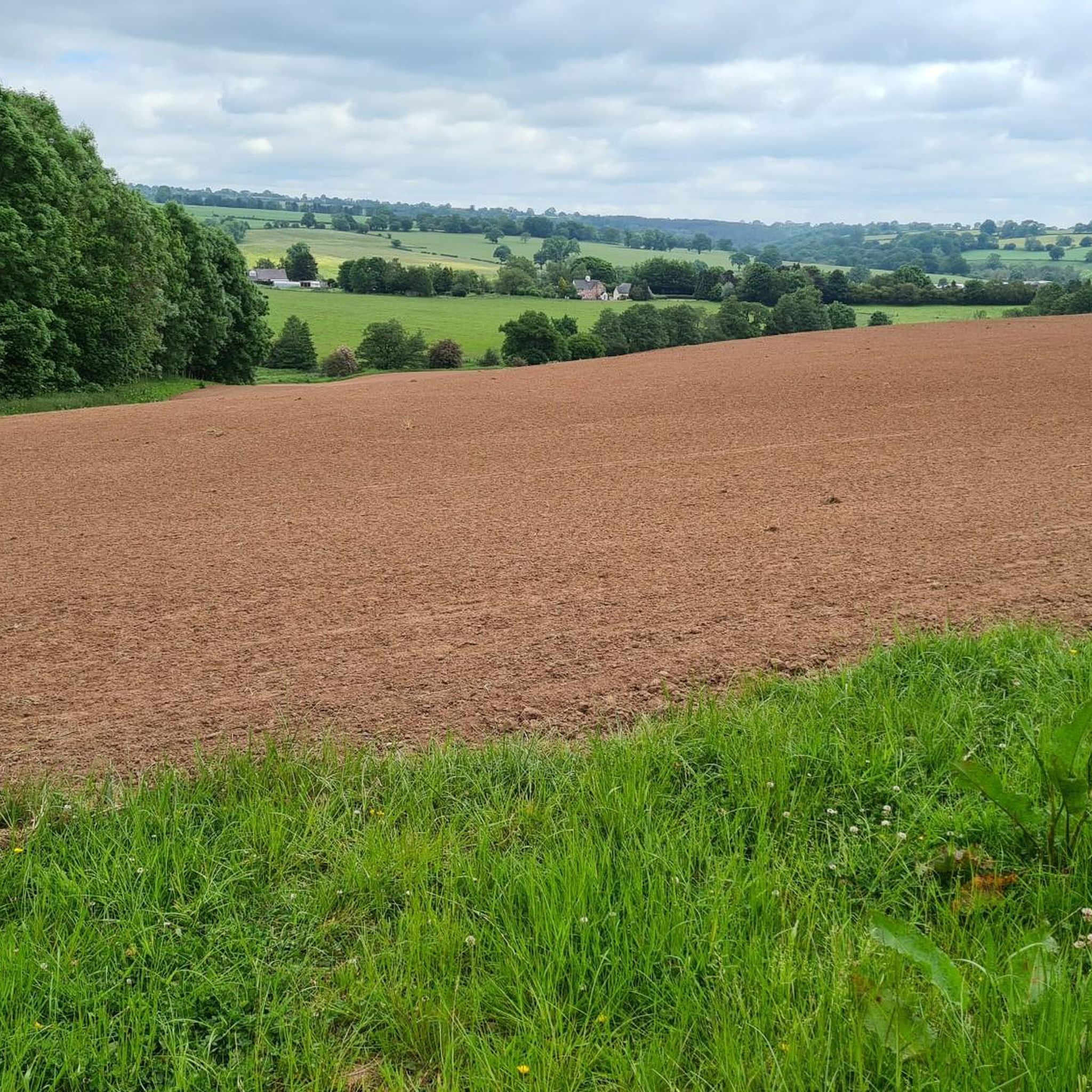
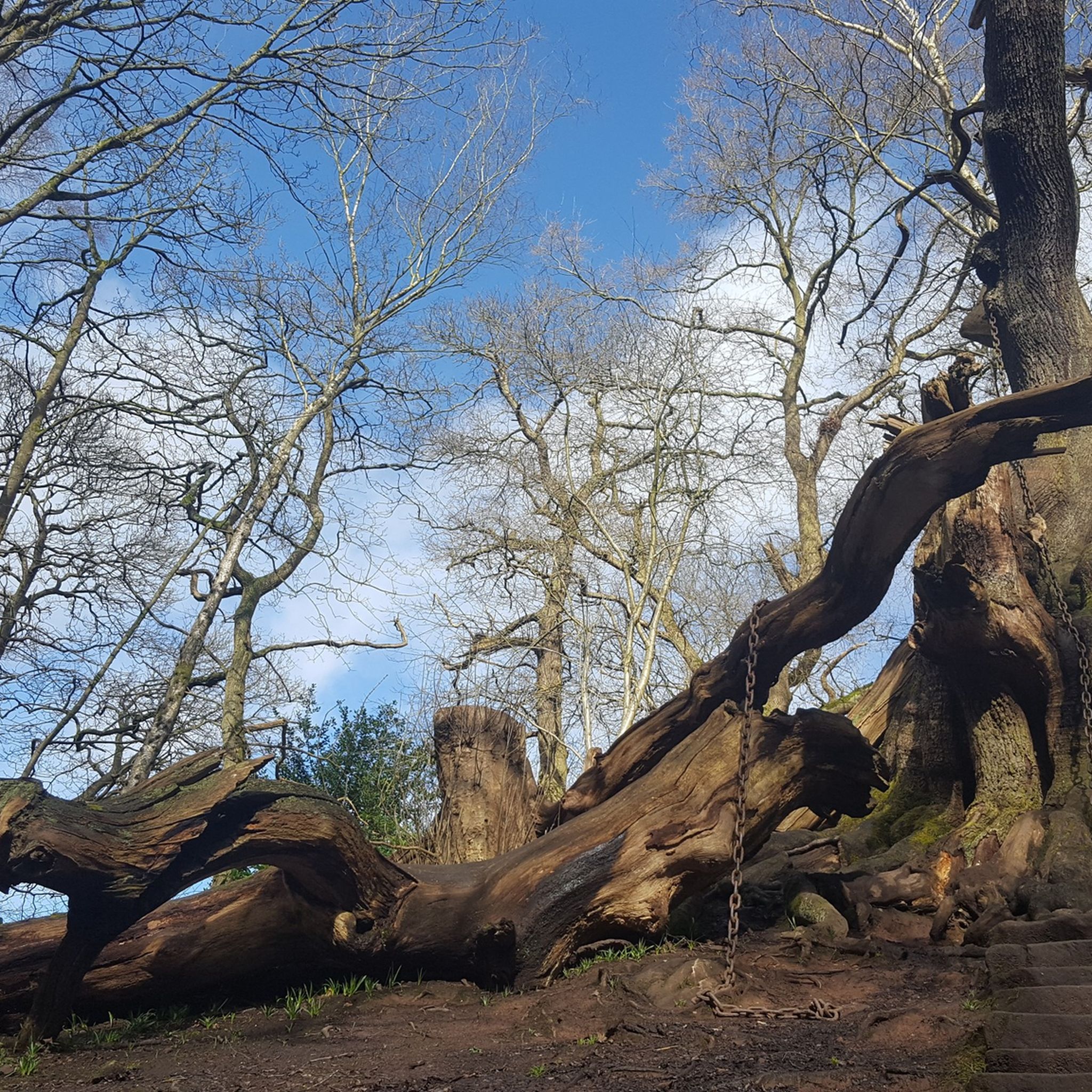
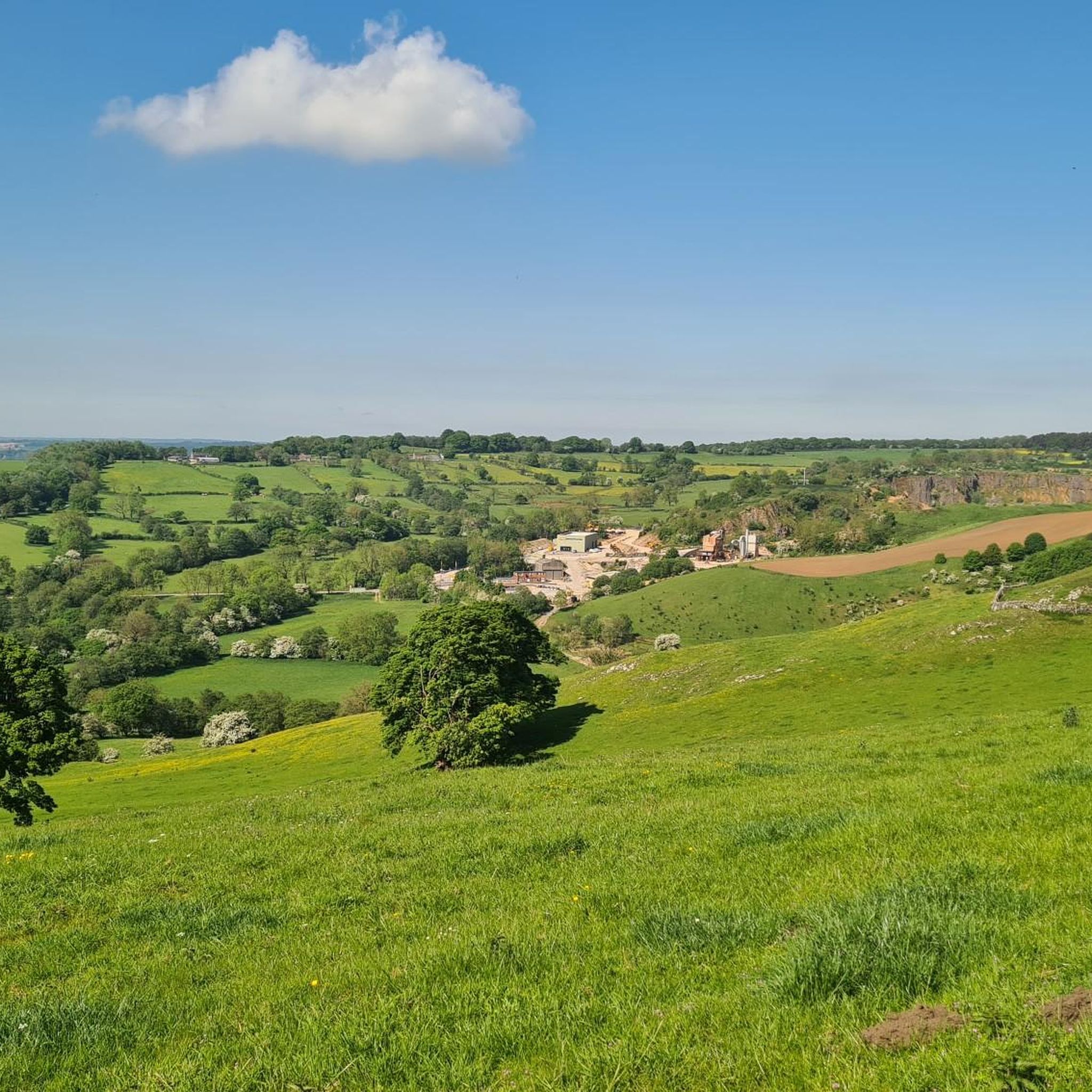
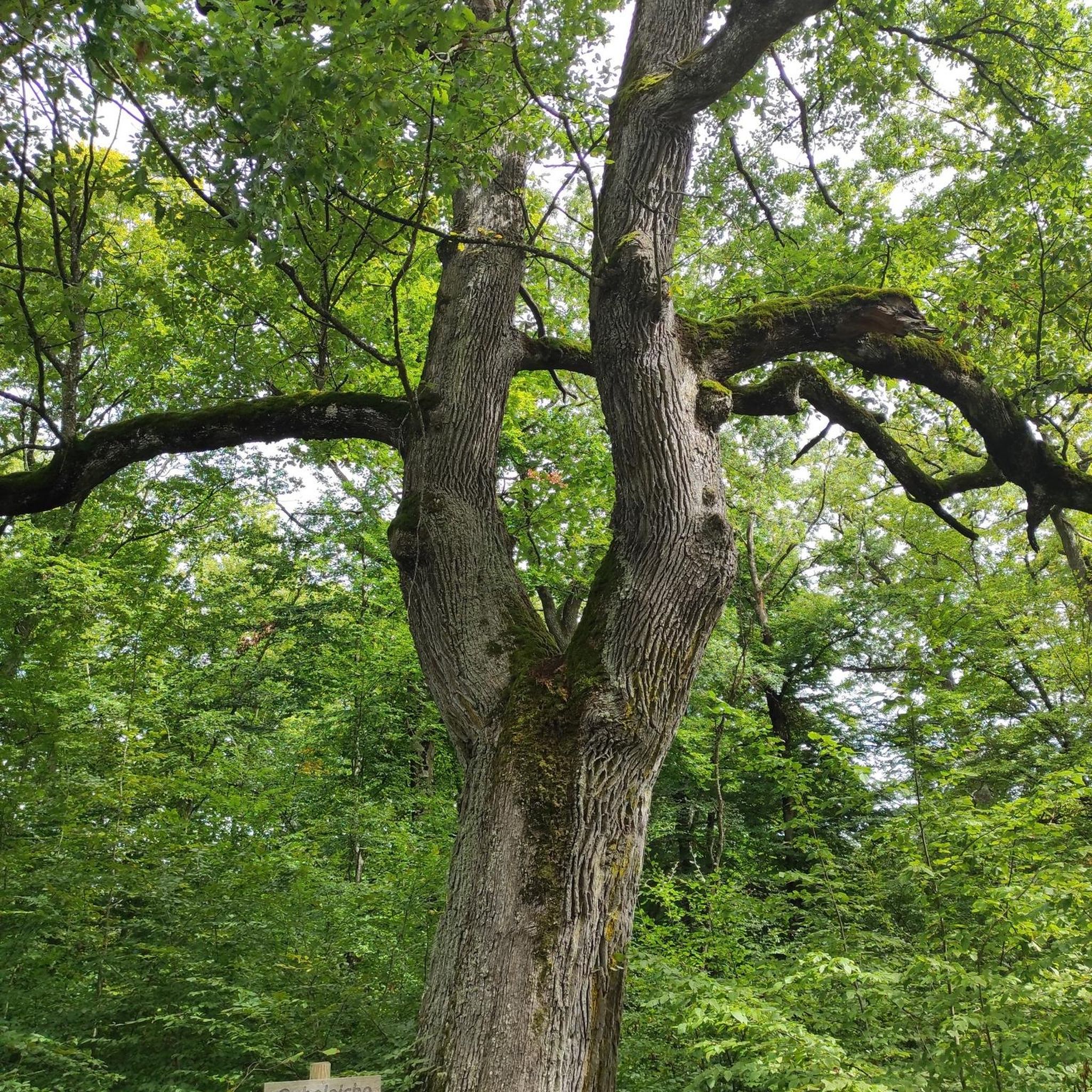
Tips from the Community

The car park is free for National Trust members. I love climbing but I don't like heights....confusing I know! I really enjoyed this short climb but I found myself on a small scramble which got my blood pumping a little!
0
0

Car park isn’t free but costs £6.60 for the day or £4 for 4 hours
0
0

Try and get there as early as possible, especially if the weather is nice!
2
0

A first for Staffordshire! Brown End Quarry became the County’s first geological nature reserve when it was acquired by the Trust in 1987. Brown End was quarried for limestone from the mid 18th Century until 1950, when its inclusion within the Peak National Park restricted further development. Quarrying finally ceased in the mid 1960's. For much of this period the stone was dug by hand and typical production in the late 1940's was about 5,000 tonnes a year – not much by today’s modern quarrying methods! https://www.staffs-wildlife.org.uk/nature-reserves/brown-end-quarry
0
0

At the time of writing, the National Trust has erected signs informing people that the summit is closed due to erosion and the risk of falling rocks. There is no date set for when the path to the summit may reopen (hopefully soon). The path around the hill is still open and affords spectacular views itself.
3
0
Thorpe Cloud rises proudly from Dovedale and affords breathtaking views over the River Dove, Bunster Hill, Ilam and beyond. It has a distinctive conical shape and is a popular summit for hikers in the area. That said, it can get extremely busy up here so choose your moment to climb it.
1
0

A short but steep climb to the summit is rewarded with beautiful 360 degree views of the surrounding areas. In 1997, the writer Jeff Kent discovered that a double sunset could be seen against Thorpe Cloud from the top of nearby Lin Dale and, two years later, the phenomenon was first captured on film by the photographer Chris Doherty. The occurrence is visible in good weather on and around the summer solstice and perhaps beyond, when the sun sets on the summit of the hill, partially reappears from its steep northern slope and sets for a second and final time shortly afterwards. The precise event and its location are described in Kent's book The Mysterious Double Sunset
1
0
Dovedale is owned by the National Trust and has been since 1934. It became a National Nature Reserve in 2006, in recognition of its importance for wildlife and native flora, and it is also designated a Site of Special Scientific Interest (SSSI). The limestone rock that forms Dovedale and the surrounding valleys is made up of the fossilised remains of marine life that lived during the Carboniferous period, 350 million years ago, when this area was underneath a shallow tropical sea. As you walk through the dale, keep your eyes peeled for fossils in the surface of the rocks. The River Dove is renowned for its trout fishing, and was immortalised in the book The Compleat Angler, written in 1653 by Izaak Walton and Charles Cotton, who lived nearby. For much of its course the River Dove has one bank in Derbyshire and one in Staffordshire, forming the border between the two counties. https://letsgopeakdistrict.co.uk/listing/dovedale/ If you want to avoid the crowds and parking issues that can be found at the main visitor entrance between Ilam and Thorpe, you can access the walk from Milldale where there is car parking available. Or if you don't mind adding an extra mile or so to your walk the car parking available on the Tissington Trail close to Alsop en le Dale is another option.
4
0
Frequently Asked Questions
What are some of the most popular natural monuments to visit around Norbury and Roston CP?
Beyond the well-known Thorpe Cloud and Dovedale Stepping Stones, visitors highly appreciate The Chained Oak for its unique folklore and Lover’s Leap, Dovedale for its stunning views and historical tale. These spots are frequently upvoted and photographed by the komoot community.
What unique natural features can I explore in Norbury and Roston CP?
The region offers diverse natural features. You can explore the ancient yew trees of Druid's Grove in Norbury Park, some estimated to be up to 3,000 years old. The park also features vibrant bluebell woodlands in spring and rich chalk grasslands with rare orchids. The River Mole flows through Norbury Park, and the River Dove is central to the Dovedale area, known for its clear waters and limestone formations.
Are there any historical natural monuments or sites nearby?
Yes, several sites blend natural beauty with historical significance. The Chained Oak is a natural monument with a local legend involving the Earl of Shrewsbury. Norbury Manor Moated Site in Staffordshire is a Scheduled Monument featuring a well-preserved medieval moat and fishponds, offering a glimpse into historical landscape engineering. Additionally, Brown End Quarry Nature Reserve is a former limestone quarry that became Staffordshire's first geological nature reserve, with a history dating back to the 18th century.
What kind of wildlife can I expect to see around the natural monuments?
Norbury Park is particularly rich in wildlife. Its woodlands are home to dormice, roe deer, badgers, foxes, and all three British woodpecker species. Veteran trees provide roosts for various bat species. The chalk grasslands support a wide array of butterflies and insects, including those attracted to rare bee and fly orchids. Kingfishers can be spotted along the River Mole.
Are there family-friendly natural monuments in the area?
Absolutely. Dovedale Stepping Stones and the River Dove is a popular family spot, offering a fun river crossing and opportunities for exploration. Norbury Park features a natural play area and picnic benches, making it suitable for families. Brown End Quarry Nature Reserve is also noted as a lovely place to visit with children, featuring information boards and 'dinosaur tracks' for little ones to find.
When is the best time to visit the natural monuments around Norbury and Roston CP?
Spring is an excellent time to visit, especially Norbury Park, when its woodlands are adorned with vibrant bluebells and other wildflowers. The summer solstice period offers a unique phenomenon at Thorpe Cloud, where a double sunset can be observed from Lin Dale. Generally, good weather days allow for the best views and outdoor enjoyment, though popular spots like Dovedale can get busy during peak times.
What outdoor activities can I do near these natural monuments?
The area is ideal for various outdoor pursuits. Norbury Park offers excellent opportunities for scenic walks, cycling, and horse riding. Near the natural monuments, you can find numerous routes for hiking, mountain biking, and general cycling. For example, you can explore routes like the 'Denstone, Wootton Grange & Ellastone loop' for hiking or the 'Churnet Valley cyclepath loop' for mountain biking. You can find more details on these activities in the Hiking around Norbury and Roston CP, MTB Trails around Norbury and Roston CP, and Cycling around Norbury and Roston CP guides.
Are there hiking trails near these natural monuments?
Yes, there are many hiking trails. For instance, the climb to Thorpe Cloud is a popular, albeit steep, hike offering panoramic views. The Dovedale area, including the Stepping Stones and Lover’s Leap, features trails through ancient woodlands and along the River Dove. You can find detailed hiking routes, such as the 'Denstone, Wootton Grange & Ellastone loop' or the 'Stanton Wood Bluebell Path loop', in the Hiking around Norbury and Roston CP guide.
What do visitors enjoy most about the natural monuments in this region?
Visitors frequently highlight the stunning views, particularly from summits like Thorpe Cloud and Lover’s Leap. The unique experience of crossing the Dovedale Stepping Stones and the rich biodiversity, especially the bluebells in spring at Norbury Park, are also highly praised. The blend of natural beauty with local folklore, as seen with The Chained Oak, adds another layer of enjoyment.
Are there any lesser-known natural monuments worth visiting?
While not 'hidden' in the traditional sense, the Norbury Manor Moated Site in Staffordshire offers a unique blend of historical and natural interest that might be less frequented than the Dovedale hotspots. Its well-preserved medieval moat and fishponds provide an interesting ecological niche and a glimpse into medieval landscape engineering. You can find more information about its historical significance on Heritage Gateway.
Are there circular walks around the natural monuments?
Yes, many of the trails in the region are designed as circular walks, allowing you to experience the natural monuments and return to your starting point. For example, the Dovedale area offers various circular routes that incorporate the Stepping Stones and Lover’s Leap. You can explore options like the 'JCB Lake Sculpture loop from Rocester' or the 'River Dove loop from Ellastone' in the Hiking around Norbury and Roston CP and Cycling around Norbury and Roston CP guides.
What geological formations can be observed in the area?
The landscape is characterized by diverse geological features. Norbury Park, for instance, is shaped by London Clay and pockets of river gravel, with numerous natural springs feeding into Norbury Brook. The Dovedale area, including Thorpe Cloud and Lover’s Leap, showcases prominent limestone formations and gorges, typical of the Peak District. Brown End Quarry Nature Reserve provides a direct insight into the region's limestone geology.
Most popular routes around Norbury and Roston CP
Most popular attractions around Norbury and Roston CP

Get inspired with the komoot mobile app


Explore more
Extend your search for the best caves by checking out these guides of the top ones around Norbury and Roston CP:
