Top 5 Natural Monuments around Strumpshaw
Best natural monuments around Strumpshaw are found within a village in Norfolk, England, situated on the River Yare as part of The Broads. This region is characterized by diverse Broadland habitats, including extensive reedbeds, grazing marshes, and wet woodlands. Significant natural sites like the Strumpshaw Fen RSPB reserve contribute to the area's ecological importance. These locations provide opportunities to observe varied wildlife and unique natural features.
Best natural monuments around Strumpshaw
- The most popular natural monuments is Upton Dyke,…
Last updated: May 17, 2026
Thorpe Marshes Nature Reserve
Highlight • Lake
Close to the River Yare, the area …
Tip by

Upton Dyke
Highlight • Natural
Tip by

Sign up now to discover places like this
Get recommendations on the best single tracks, peaks, & plenty of other exciting outdoor places.
Sign up for free
River Bure and Drainage Mills
Highlight • Natural Monument
Tip by

Heart-Shaped Hollow Tree on Hallback Lane
Highlight • Natural Monument
Tip by

View of Caistor St Edmund Chalk Pit
Highlight • Viewpoint
Tip by

Start today with a free account
Your next adventure awaits.
Login or Signup

Tips from the Community

Added to the collection: komoot.com/de-de/collection/3600632/-naturdenkmaeler-besondere-baeume-und-weitere-schaetze-der-natur
0
0

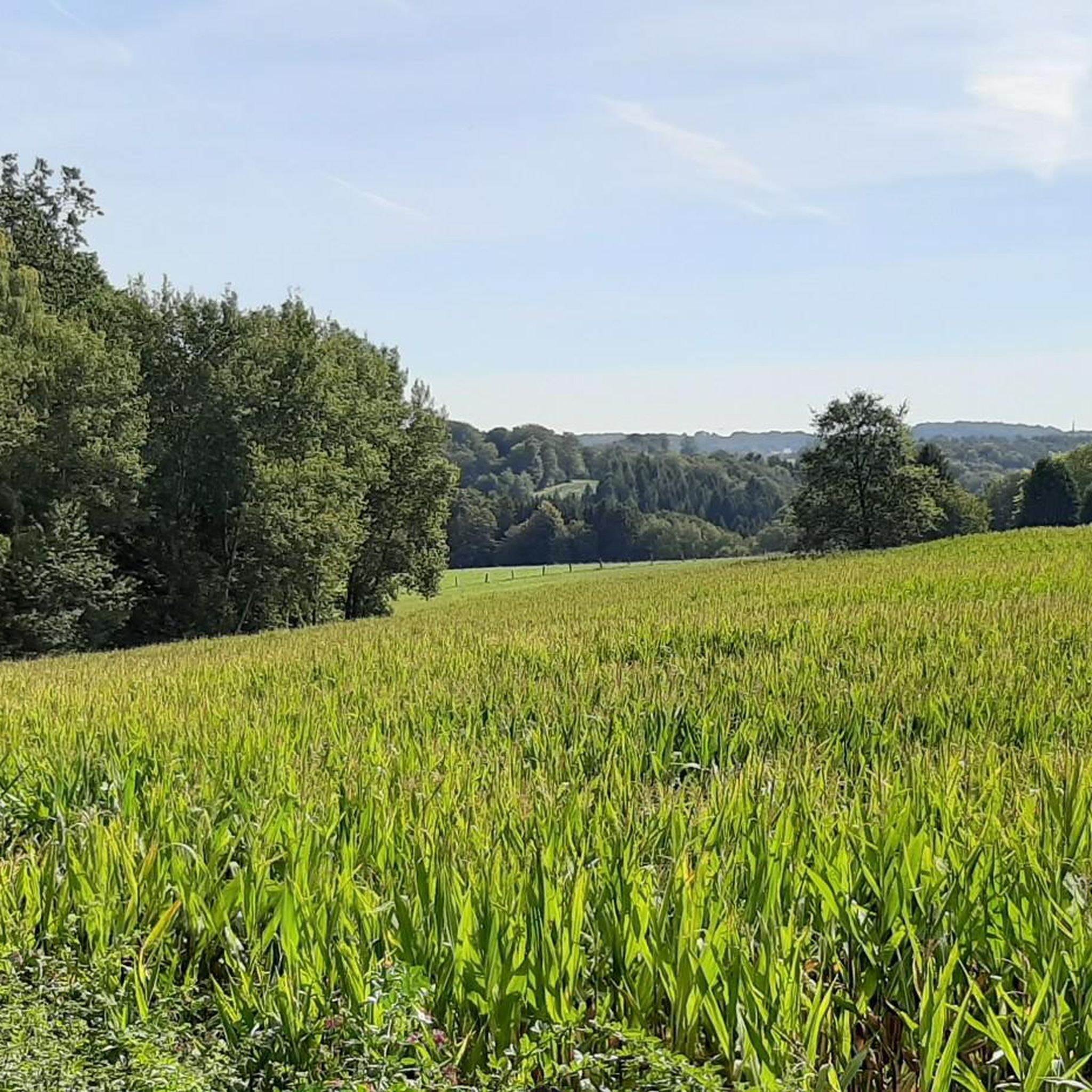
Caistor St Edmund Chalk Pit is a large commercial chalk quarry with no public access. It's an important geological site, giving access to some of the best examples of the 75 million-year-old Beeston Chalk. The sign is probably the best legal view point of the site.
0
0

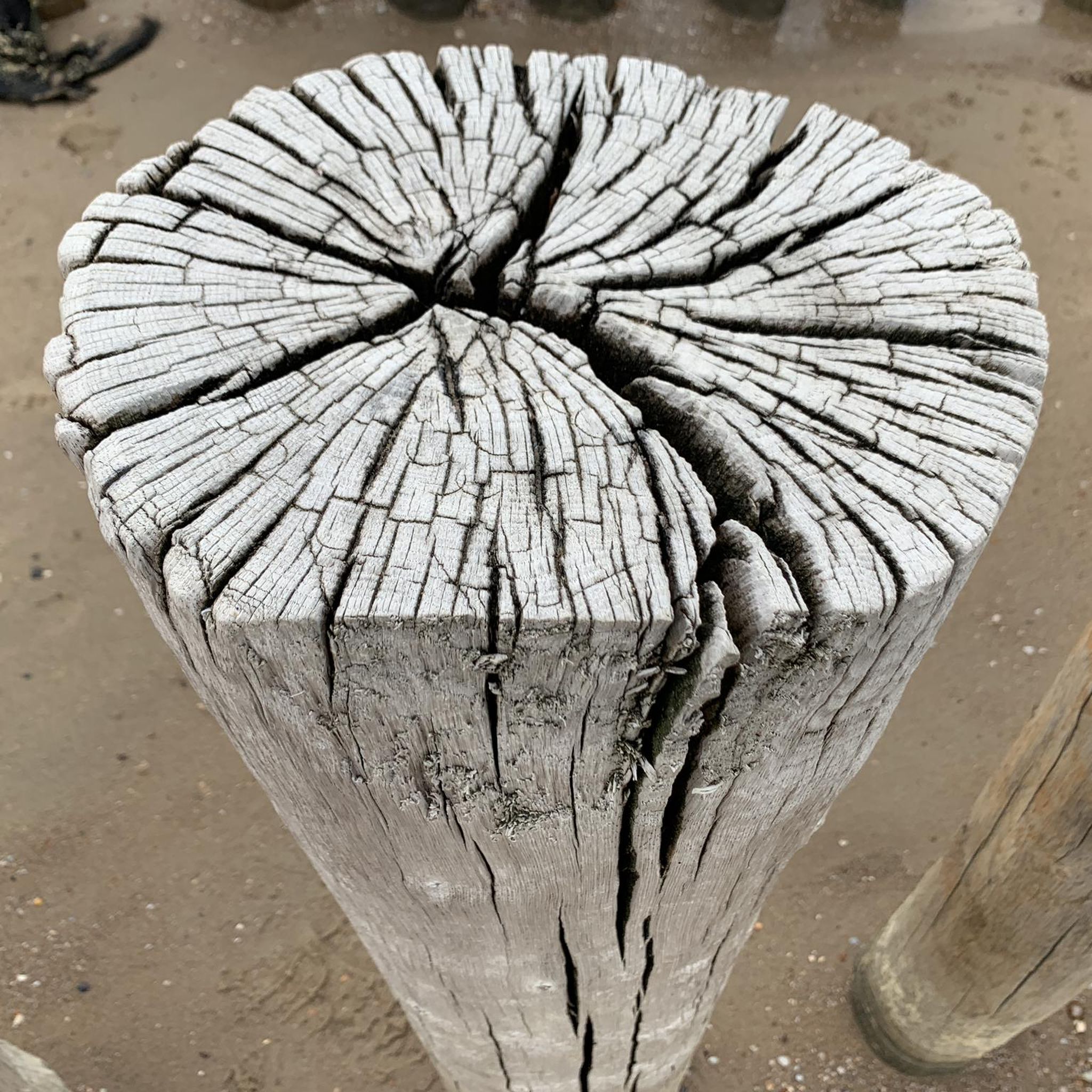
This is a magical looking tree along Hallback Lane that features twisted branches and knotted trunks.
1
0

You can't see that much of the marshes from the road but the woods are very pleasant.
0
0
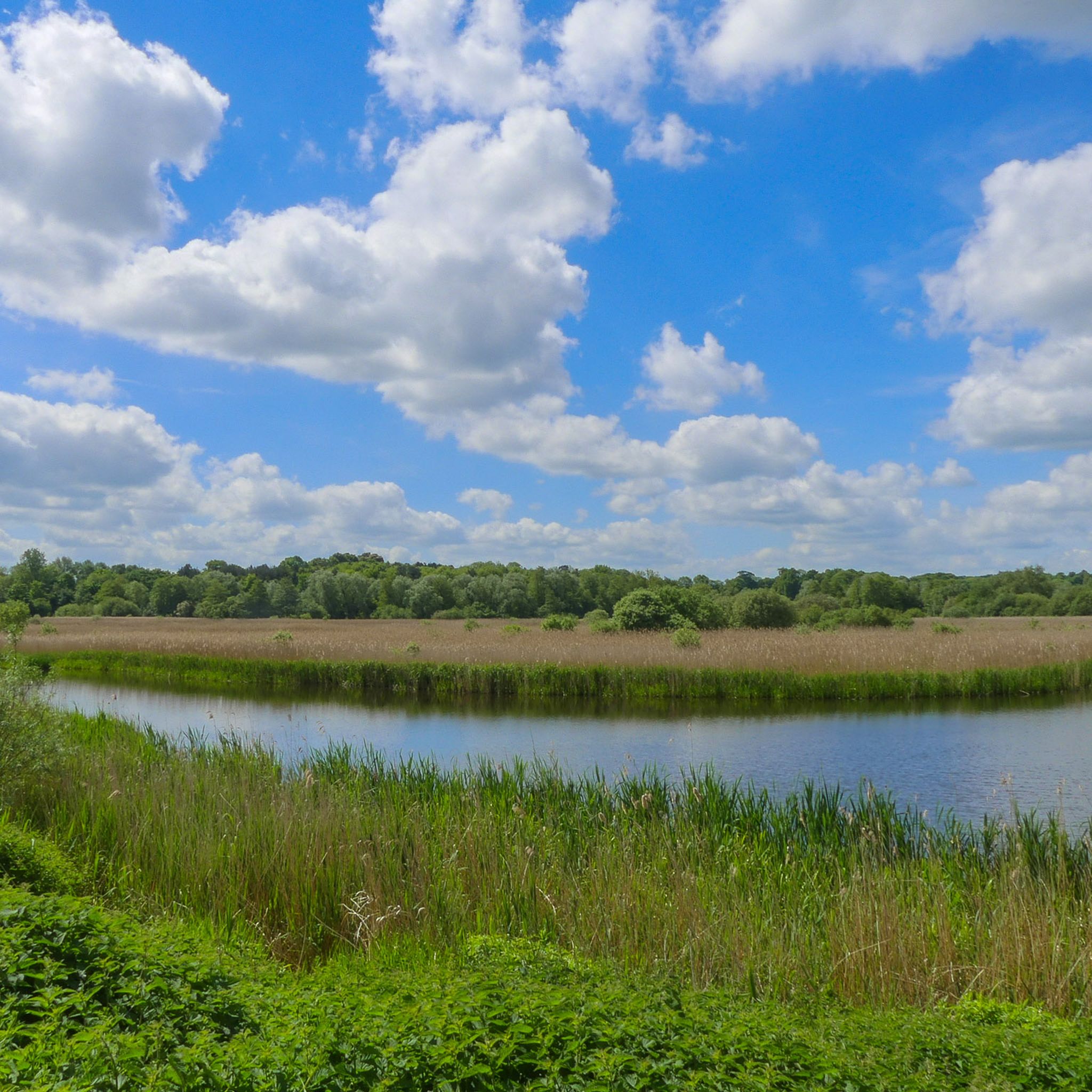
Thorpe Marshes is a diverse habitat situated in Norwich, offering walkers a peaceful respite from the hustle and bustle of city life. The marshes feature reed beds, wet meadows, and open water, which provide a home for a diverse range of bird species such as kingfishers, herons, and terns.
1
0

On this stretch of the River Bure you can see two examples of drainage mills, Upton Mill and Oby Drainage Mills. The mills pump water from the dikes out to tidal waterways to keep the land free of water. This is now done by electrical pumps but the windmills remain an iconic feature of the landscape.
0
0

Located on the edge of Norwich, Thorpe Marshes is a wonderful mixture of habitats in a nature reserve managed by Norfolk Wildlife Trust. Close to the River Yare, the area is covered in wildflower marshes and dykes. You may spot dragonfly, damselfly and butterfly here, as well as many waterbirds. Chinese water deer, and smaller Muntjac deer have also taken up residence.
1
0

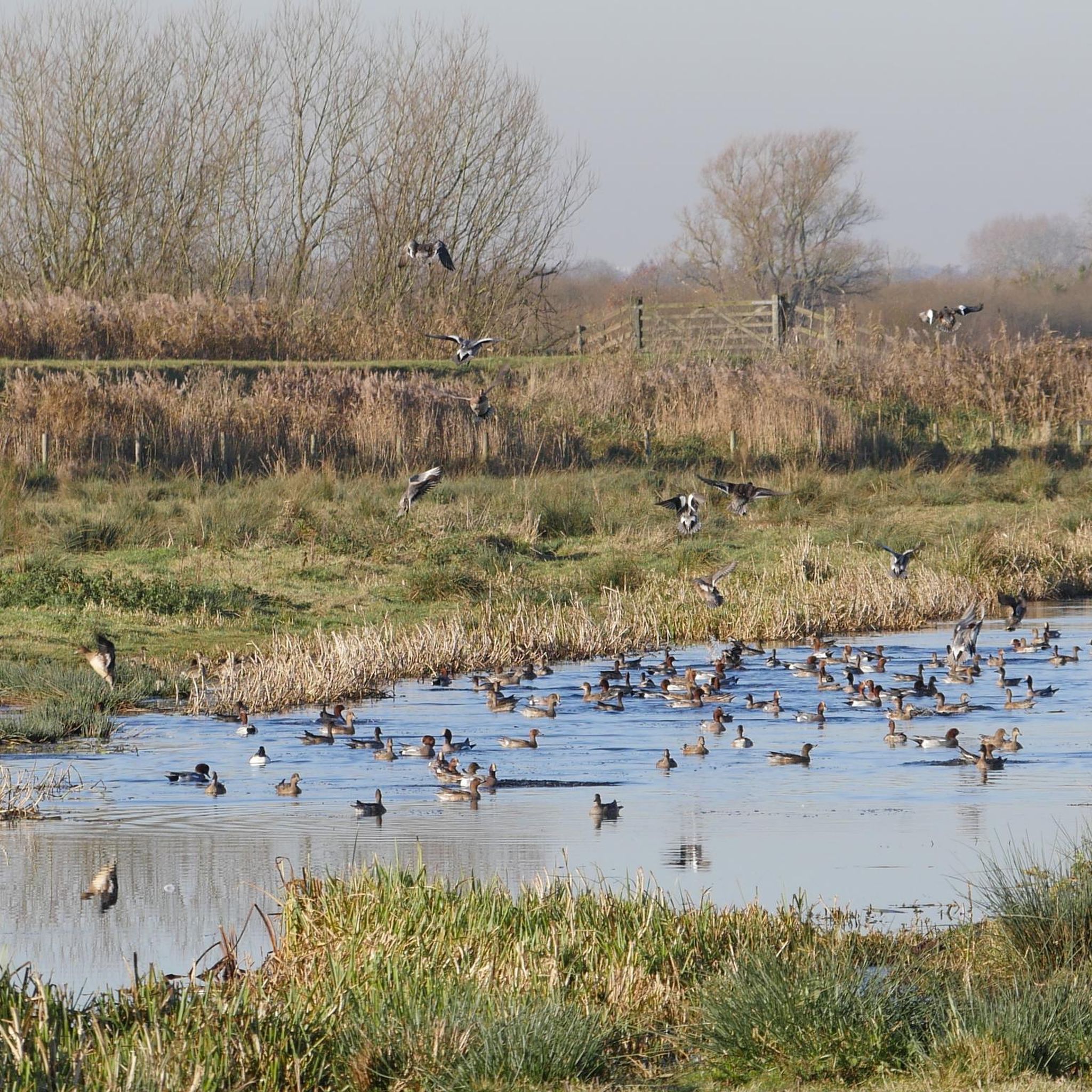
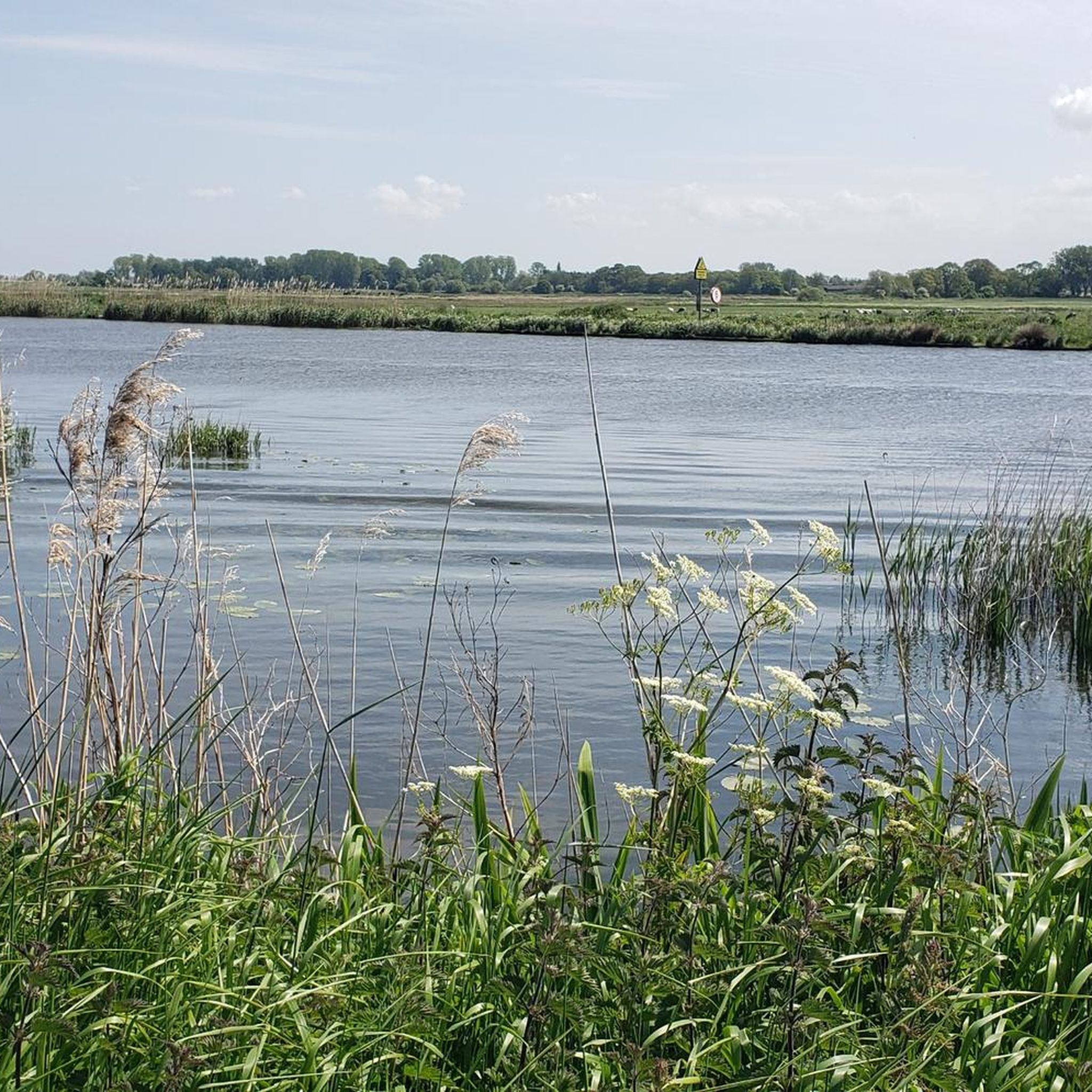
When we passed through in early spring, we were amazed at the amount of Mute Swans on the surrounding farmland. On several occasions, groups of swans flew over to land in Upton Dyke and the River Bure. There is a small car park that is free to use.
1
0
Frequently Asked Questions
What unique natural features can I explore around Strumpshaw?
Strumpshaw is known for its diverse Broadland habitats. You can explore extensive reedbeds, grazing marshes, and wet woodlands. Specific natural monuments include the unique Heart-Shaped Hollow Tree on Hallback Lane, known for its twisted branches, and Upton Dyke, set amid marshes designated as a Site of Special Scientific Interest.
What kind of wildlife can I expect to see at Strumpshaw Fen?
Strumpshaw Fen RSPB reserve is a haven for wildlife. It's famed for over 200 species of birds, including rare and endangered species like bitterns, marsh harriers, and bearded tits. You might also spot kingfishers, otters, water voles, and Chinese water deer. The reserve is also a crucial breeding site for rare insects, notably the swallowtail butterfly and 23 species of dragonfly, including the endangered Norfolk hawker.
Are there family-friendly activities or trails near Strumpshaw's natural monuments?
Yes, Strumpshaw Fen RSPB reserve offers family-friendly activities like pond-dipping and events. Activity rucksacks are available for children to explore the wildlife. Many of the natural monuments, such as Upton Dyke and the River Bure and Drainage Mills, are suitable for family visits, offering easy access to nature.
What are the best times of year to visit Strumpshaw Fen for wildlife spotting?
Strumpshaw Fen offers different attractions throughout the year. Spring is excellent for hearing the 'booming' song of male Eurasian bitterns and seeing marsh harriers' 'sky-dancing' displays, as well as bluebells in the woodlands. Summer brings blooming wild orchids and active dragonflies and butterflies, including the swallowtail. Birdwatching is generally good year-round, with migratory species arriving in autumn and winter.
Are there accessible paths for visitors with mobility needs or wheelchairs at Strumpshaw Fen?
Strumpshaw Fen RSPB reserve offers approximately 8km of nature trails. While specific details on wheelchair accessibility for all trails are best confirmed directly with the reserve, they generally strive to provide accessible routes and facilities. The visitor centre and some hides are typically designed with accessibility in mind.
What kind of walking routes are available near Strumpshaw's natural monuments?
There are various walking routes available. For easy walks, you can explore trails like the 'Strumpshaw Fen loop' or the 'Strumpshaw Fen Nature Reserve – Strumpshaw Fen Bird Hide loop'. These routes are perfect for enjoying the natural beauty and wildlife. You can find more details and routes on the Easy hikes around Strumpshaw guide.
Can I go running or cycling near the natural monuments in Strumpshaw?
Yes, the area around Strumpshaw offers opportunities for both running and road cycling. You can find running loops from Lingwood and Strumpshaw, with distances ranging from 5km to over 11km. For cyclists, there are road cycling routes from Brundall and Lingwood, typically covering distances of 30-35km. Explore more options in the Running Trails around Strumpshaw and Road Cycling Routes around Strumpshaw guides.
What is the significance of the drainage mills seen along the River Bure?
Along the River Bure and Drainage Mills, you can see iconic structures like Upton Mill and Oby Drainage Mills. These mills were historically crucial for pumping water from the dikes to tidal waterways, keeping the land free of water. While modern electrical pumps now perform this task, the windmills remain a significant and picturesque feature of the Broadland landscape, representing its unique heritage and engineering.
Is there public transport available to reach Strumpshaw Fen?
Strumpshaw Fen RSPB reserve is located on the River Yare, approximately 6 miles east of Norwich. While specific public transport routes can vary, it's advisable to check local bus services or train connections to nearby stations like Brundall or Lingwood, followed by a local taxi or a walk, depending on the distance. For detailed and up-to-date information, checking local transport provider websites is recommended.
Are dogs allowed on the trails at Strumpshaw Fen?
Generally, nature reserves like Strumpshaw Fen RSPB have specific rules regarding dogs to protect wildlife. Often, dogs are permitted on certain designated paths, usually on a lead, but may be restricted from sensitive areas, especially during nesting seasons. It's best to check the official RSPB Strumpshaw Fen website for their current dog policy before your visit.
What facilities are available for visitors at Strumpshaw Fen RSPB reserve?
Strumpshaw Fen RSPB reserve provides a visitor centre where you can find refreshments, toilet facilities, and binocular hire. There are also several viewing hides, including the Tower Hide, which offer excellent opportunities for wildlife observation. The reserve aims to make your visit comfortable and informative.
What is the Caistor St Edmund Chalk Pit and can I visit it?
The View of Caistor St Edmund Chalk Pit is a significant geological site, showcasing 75 million-year-old Beeston Chalk. However, it is a large commercial chalk quarry with no public access. The best legal viewpoint is from the signposted area, where you can observe the site from a distance.
Most popular routes around Strumpshaw
Most popular attractions around Strumpshaw

Get inspired with the komoot mobile app


Explore more
Extend your search for the best caves by checking out these guides of the top ones around Strumpshaw:
