Top 5 Natural Monuments around Little Stanney
Best natural monuments around Little Stanney include ancient woodlands and diverse natural attractions. This locality, situated near Ellesmere Port, offers a range of natural features for exploration. The landscape provides opportunities for outdoor activities and wildlife observation. Visitors can discover various natural monuments within and around the area.
Best natural monuments around Little Stanney
- The most popular natural monuments is View from Helsby Hill, a viewpoint that is an Iron Age hillfort commanding a prominent position above Helsby village.…
Last updated: May 17, 2026
Hale Duck Decoy Nature Reserve
Highlight • Natural Monument
Tip by

Frodsham Sandstone Caves
Highlight • Natural Monument
Tip by

Sign up now to discover places like this
Get recommendations on the best single tracks, peaks, & plenty of other exciting outdoor places.
Sign up for free
View from Helsby Hill
Highlight • Viewpoint
Tip by

Hampton's Well
Highlight • Natural Monument
Now being restored by....
friends-of-hampstons-well-buton.business.site/#summary
Tip by
Chester Zoo Nature Reserve
Highlight • Natural
"This area was formerly used for agriculture, but over the past two years we have been …
Tip by
Start today with a free account
Your next adventure awaits.
Login or Signup

Tips from the Community

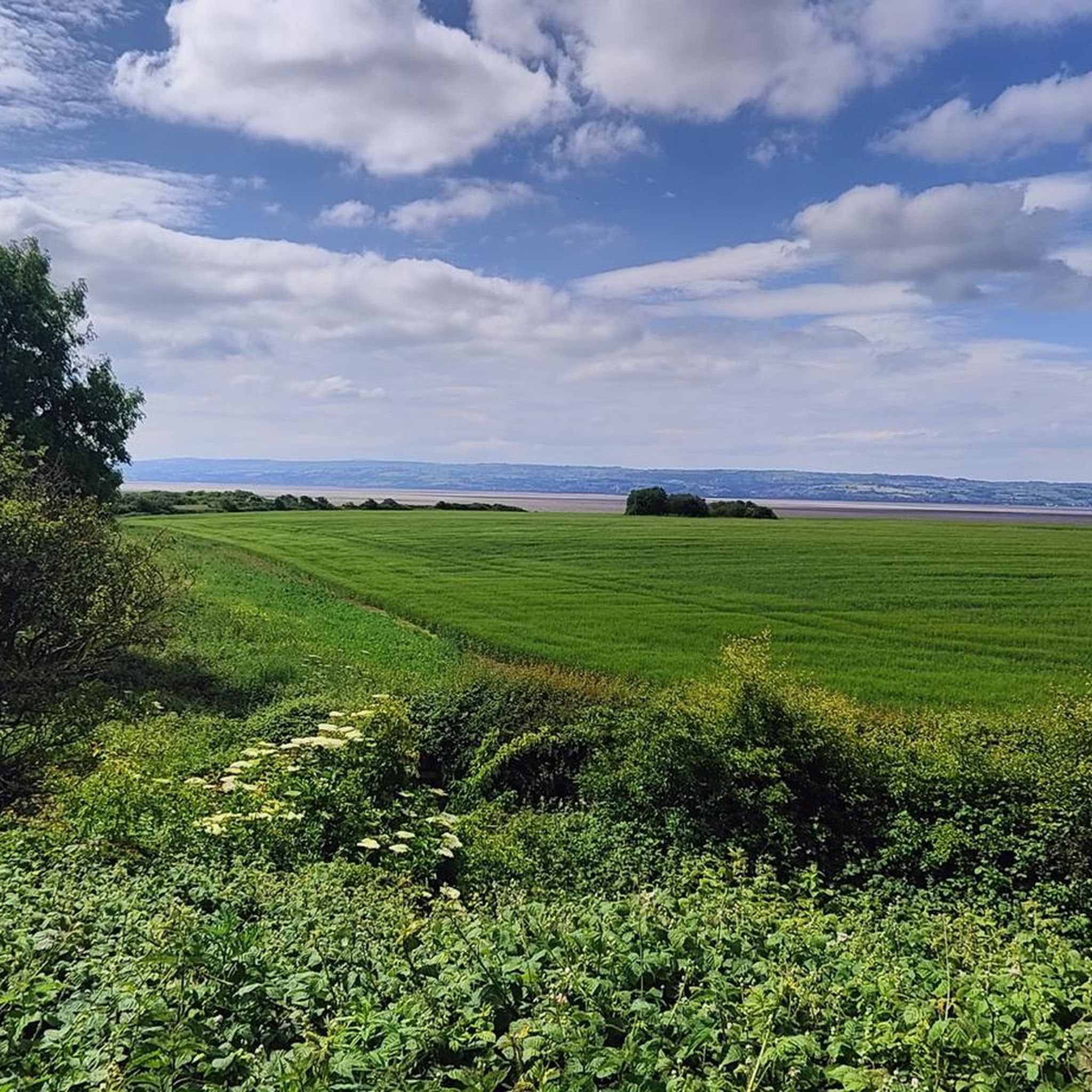
Probably the highest spot on the walk, open and breezy with a panoramic view of the Mersey estuary. You deserve a breather here!
2
0

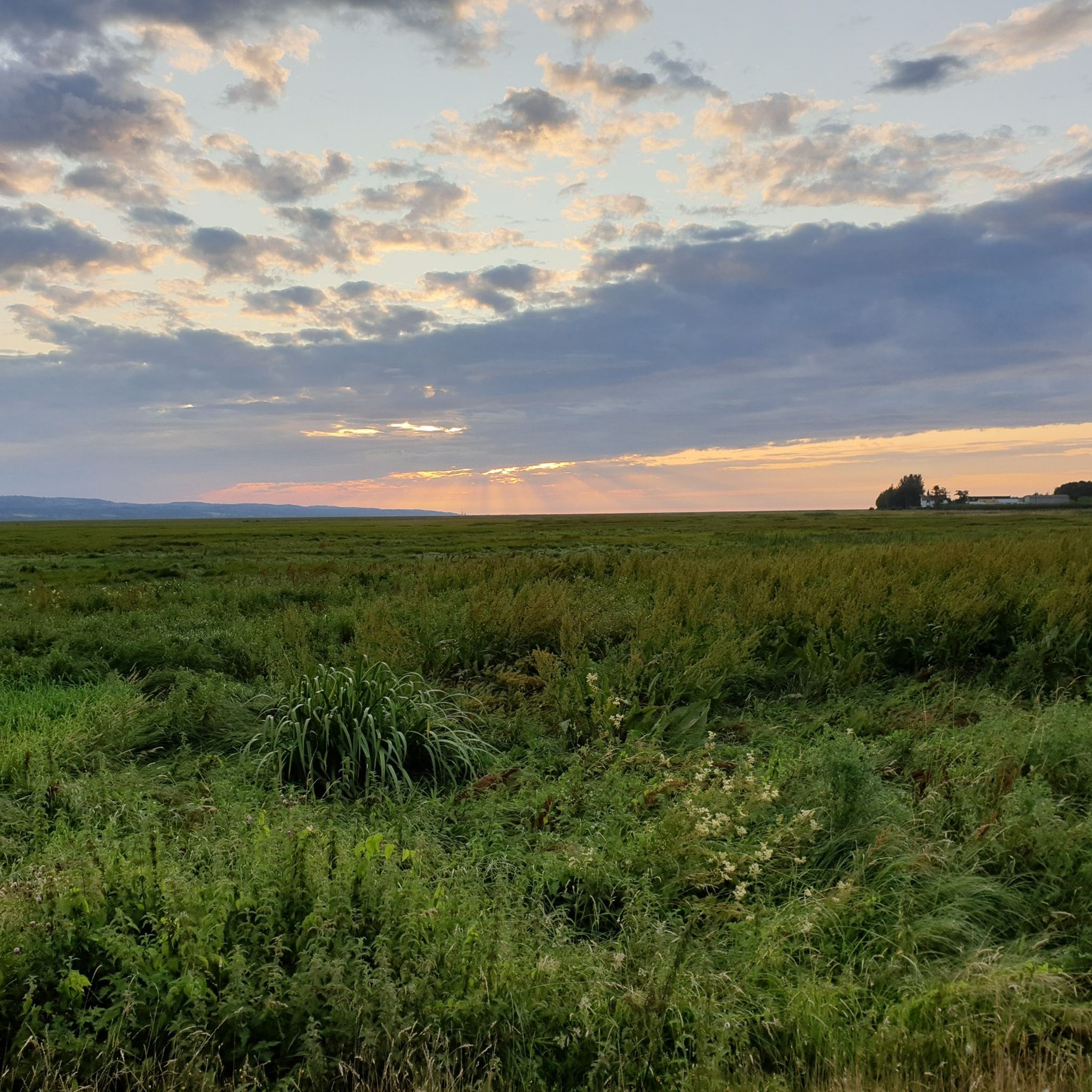
The Duck Decoy at Hale is an impressive, complex monument, now a Scheduled Ancient Monument and a Site of Special Scientific Interest. It lies in the lowest part of the landscape, amongst streams and wetlands and close the the River Mersey itself. This part of the manor of Hale was drained in the medieval period, with the idea of increasing the amount of land suitable to plough. The trade-off was a reduction in land that wetland wildfowl could use. To counter this, the duck decoy was built. Hale Decoy was designed to look like the many other coverts that dotted the landscape. The lack of shelter for water birds would make it an attractive spot. A pond was dug in the centre to complete the picture.
6
0


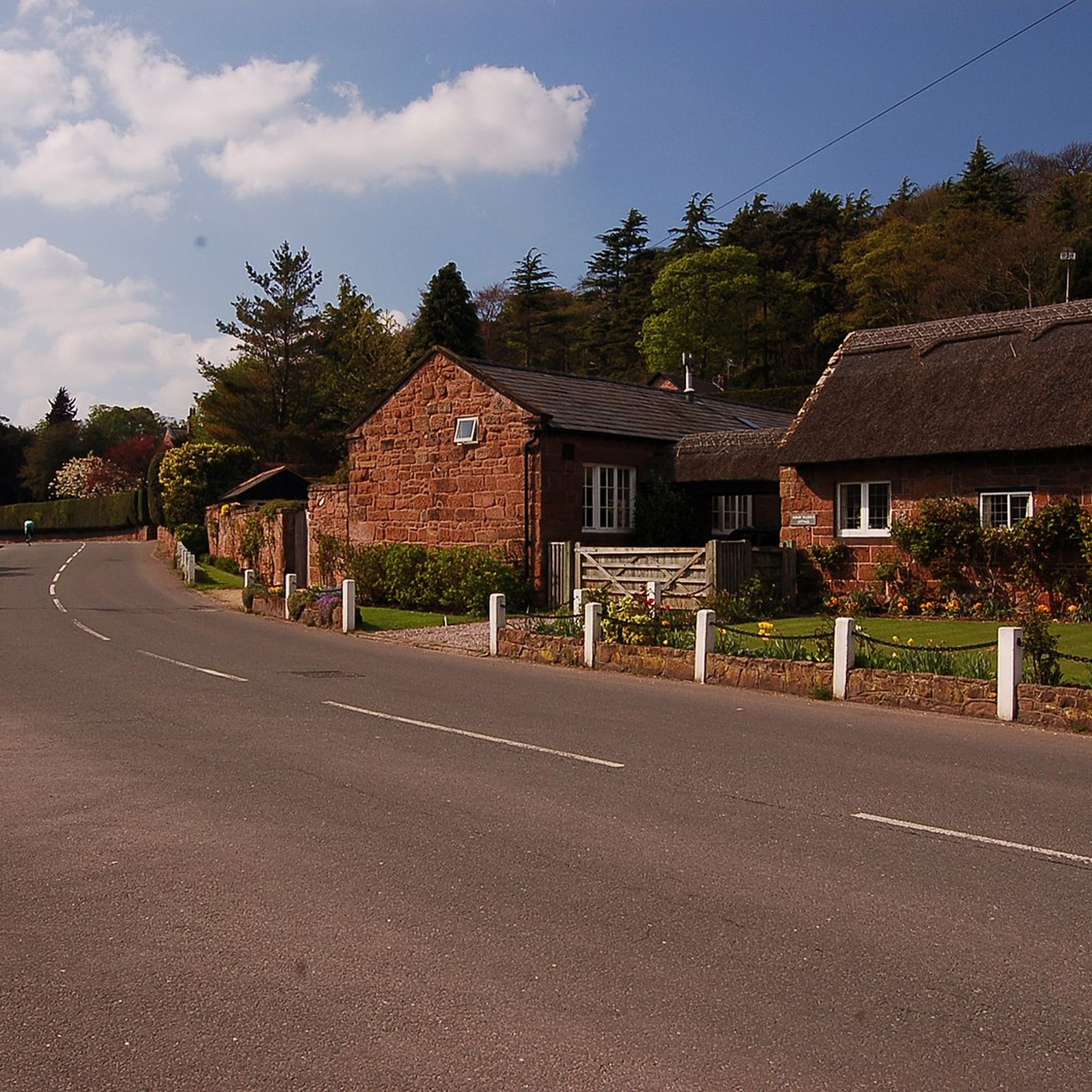
Helsby Hill is an Iron Age hillfort commanding a prominent position above Helsby village and grand views in all directions. Combining both natural and human-made features, steep cliffs on the northern and western sides would have provided a natural semicircular defence, while double rampart earthworks to the south and east would have provided protection to those sides.
3
1

The small well located on the outskirts of the village has possibly served the iron age settlements at Burton Point and the Anglo Saxon settlement of Burton since 900. Now being restored by.... https://friends-of-hampstons-well-buton.business.site/#summary
1
0
Accessible from Flag Lane Bridle Path which runs through the middle of Chester Zoo.... "This area was formerly used for agriculture, but over the past two years we have been carefully restoring it to allow nature to move in and thrive. It now comprises wildflower meadows, ponds, beetle banks, log piles, trees and a reedbed, with a hide for viewing the wildlife" - Sarah Bird, Chester Zoo Biodiversity Office https://www.chesterzoo.org/news/celebrating-chester-zoos-nature-reserve-expansion/
1
0
These, surprisingly large, sandstone caves are on the east side of Manley Road. The enclosure is part of a local dairy farm and consequently the caves are often used for shelter by cattle. Please be aware the Caves are on private land
1
0

Spread over an area of 3,084 hectares, the Hale Duck Decoy is a duck decoy and nature reserve. It is not known exactly when the duck decoys were built, but it's thought that they date back to the 1600s. Today, the woodland and marsh are home to various species of wildlife such as otters and kingfishers. The historic significance of the duck decoys led the site to be placed on Historic England's Heritage at Risk list in November 2018.
1
0
Frequently Asked Questions
What kind of natural features can I expect to find around Little Stanney?
Little Stanney and its surroundings offer a diverse range of natural features. You can explore ancient woodlands like Stanney Woods Local Nature Reserve, which is rich in biodiversity with mature oak and silver birch trees, and a haven for birdwatching and fungi. The area also features impressive estuary views from places like the Burton Marsh Boardwalk, and scenic riverside paths along the River Dee. Geological features such as the Frodsham Sandstone Caves also add to the natural variety.
Are there any family-friendly natural monuments or activities near Little Stanney?
Yes, several natural monuments around Little Stanney are suitable for families. Stanney Woods Local Nature Reserve offers well-surfaced, level paths perfect for walks with children. The Burton Marsh Boardwalk is also suitable for prams and offers engaging views. Additionally, the Chester Zoo Nature Reserve is a family-friendly spot with wildflower meadows, ponds, and a hide for wildlife viewing.
What historical significance do the natural monuments in this area hold?
Many natural monuments around Little Stanney have historical roots. Stanney Woods, for instance, is a semi-natural ancient woodland with continuous tree cover since at least the 1600s, and was historically managed for timber. The Hale Duck Decoy Nature Reserve is an impressive, complex monument and a Site of Special Scientific Interest, with duck decoys thought to date back to the 1600s. Helsby Hill is home to an Iron Age hillfort, and Hampton's Well has possibly served settlements since 900 AD.
What are the best places for wildlife spotting around Little Stanney?
Stanney Woods Local Nature Reserve is an excellent spot for wildlife. It's known for birdwatching, with species like woodpeckers, nuthatches, and owls. In autumn, it's great for fungi, and its diverse habitat supports red foxes, grey squirrels, European hedgehogs, frogs, and newts. The Hale Duck Decoy Nature Reserve is also home to various wildlife, including otters and kingfishers.
Are there accessible trails for all abilities near Little Stanney's natural monuments?
Yes, Stanney Woods Local Nature Reserve offers excellent easy access with a network of well-surfaced, level paths. None of the routes within the woodland have gradients greater than 1:10, making it suitable for walkers of all abilities, including those with prams or wheelchairs. The Burton Marsh Boardwalk is also suitable for cyclists, pedestrians, and prams.
What outdoor activities can I do near these natural monuments?
The area around Little Stanney offers various outdoor activities. You can enjoy hiking on trails like the 'Bridleway off Whitby Lane loop from Stoak' or the 'Capenhurst Pinfold loop from Capenhurst'. Cycling is popular, with routes such as the 'Stone Viaduct Over Canal – Shropshire Union Canal Towpath loop from Ellesmere Port' or the 'Chester Cathedral – Burton Marsh Boardwalk loop from Ellesmere Port'. Mountain biking trails are also available, including the 'Chester Millennium Greenway – Burton Marsh Boardwalk loop from Chester'. For more details on routes, you can explore the hiking, cycling, and MTB guides for Little Stanney.
When is the best time to visit the natural monuments around Little Stanney?
The best time to visit depends on your interests. Spring and summer bring wildflowers like bluebells and foxgloves to Stanney Woods. Autumn is exceptionally good for fungi and offers beautiful foliage. Birdwatching is generally good year-round, but specific species might be more active during certain seasons. The well-maintained paths in places like Stanney Woods make them accessible even in winter, though conditions may vary.
Where can I find panoramic views of the surrounding landscape?
For panoramic views, View from Helsby Hill is an excellent choice. It's an Iron Age hillfort offering grand views in all directions, including the Mersey estuary. Frodsham Hill, though a bit further afield, also provides lovely views of the coast and Wales in the distance.
Are there any specific natural reserves or protected areas worth visiting?
Absolutely. Stanney Woods Local Nature Reserve is a significant semi-natural ancient woodland. The Hale Duck Decoy Nature Reserve is another impressive site, recognized as a Site of Special Scientific Interest due to its historic duck decoy and diverse wildlife. The Chester Zoo Nature Reserve also provides a carefully restored area for nature to thrive.
Is there parking available at Stanney Woods Local Nature Reserve?
Yes, there is a small car park conveniently located just off the A5117 for visitors to Stanney Woods Local Nature Reserve. For more detailed information on the reserve, you can visit the Cheshire West and Chester Council website.
Can I combine a visit to a natural monument with a longer cycling route?
Yes, the area is well-suited for combining natural monument visits with cycling. The Burton Marsh Boardwalk, for example, is part of the National Cycle Network route number 568. The River Dee Riverside Trail also offers a traffic-free stretch that can link with the Chester Greenway for longer explorations. You can find various cycling routes in the cycling guide for Little Stanney.
Most popular attractions around Little Stanney

Get inspired with the komoot mobile app


Explore more
Extend your search for the best caves by checking out these guides of the top ones around Little Stanney:
