Top 6 Natural Monuments around Burland
Natural monuments around Burland offer a diverse landscape for exploration, featuring historical sites, viewpoints, and natural bodies of water. The region's terrain includes rocky sandstone crags and lowland heath, providing varied natural attractions. These sites often combine geological interest with historical significance, such as Iron Age hillforts. Burland is home to 6 natural monuments, making it a notable destination for outdoor enthusiasts.
Best natural monuments around Burland
- The most popular natural monuments is Beeston Castle, a viewpoint and historical…
Last updated: June 29, 2026
Beeston Castle
Highlight • Viewpoint
Tip by

Maiden Castle Iron Age Hillfort
Highlight (Segment) • Historical Site
Tip by

Sign up now to discover places like this
Get recommendations on the best single tracks, peaks, & plenty of other exciting outdoor places.
Sign up for free
Big Mere Lake
Highlight • Natural Monument
Tip by
View from Bickerton Hill
Highlight • Viewpoint
Tip by
Salters Well
Highlight • Natural Monument
Tip by

Sign up for free to discover even more natural monuments around Burland.
Sign up for free
Already have an account?
Start today with a free account
Your next adventure awaits.
Login or Signup



Tips from the Community

Beeston Castle is a former Royal castle in Beeston, Cheshire, England, perched on a rocky sandstone crag 350 feet above the Cheshire Plain. It was built in the 1220s by Ranulf de Blondeville, 6th Earl of Chester, on his return from the Crusades.
2
0

nice view to the surrounding area. the route to the castle not suitable for a road bike, you may need to carry your bike on some parts
1
0

English Heritage maintained castle ruins sitting high on top of the hill. Like so much in the area it was destroyed in the Civil War.
1
1

Salters well, this well was used up until the late 18th century by salters from, Northwich, Middlewich and Nantwich to water their horses on there way to Chester and North Wales
0
0

Located on the edge of Marbury village, Big Mere is a pretty stretch of water home to diverse wildlife. Here, you will find bird species from Goosander to Egret as well as many fish. The lake is a designated Site of Specific Scientific Interest and popular place to fish. St Michael's Church stands on the edge of the lake, adding to the picturesque setting. The lake is a lovely place for a picnic.
2
0
Beeston Castle is a magnificent 11th-century former stronghold that once belonged to Henry III. Built in the 1220s by Ranulf de Blondeville, the castle was partly destroyed under Cromwell in the mid-16th century. From the castle, you can see across eight counties; as far as the Welsh mountains in the east and the Pennines to the west. Today, the castle is open on weekends from 10am - 4pm. Entrance costs £8 for adults.
2
0

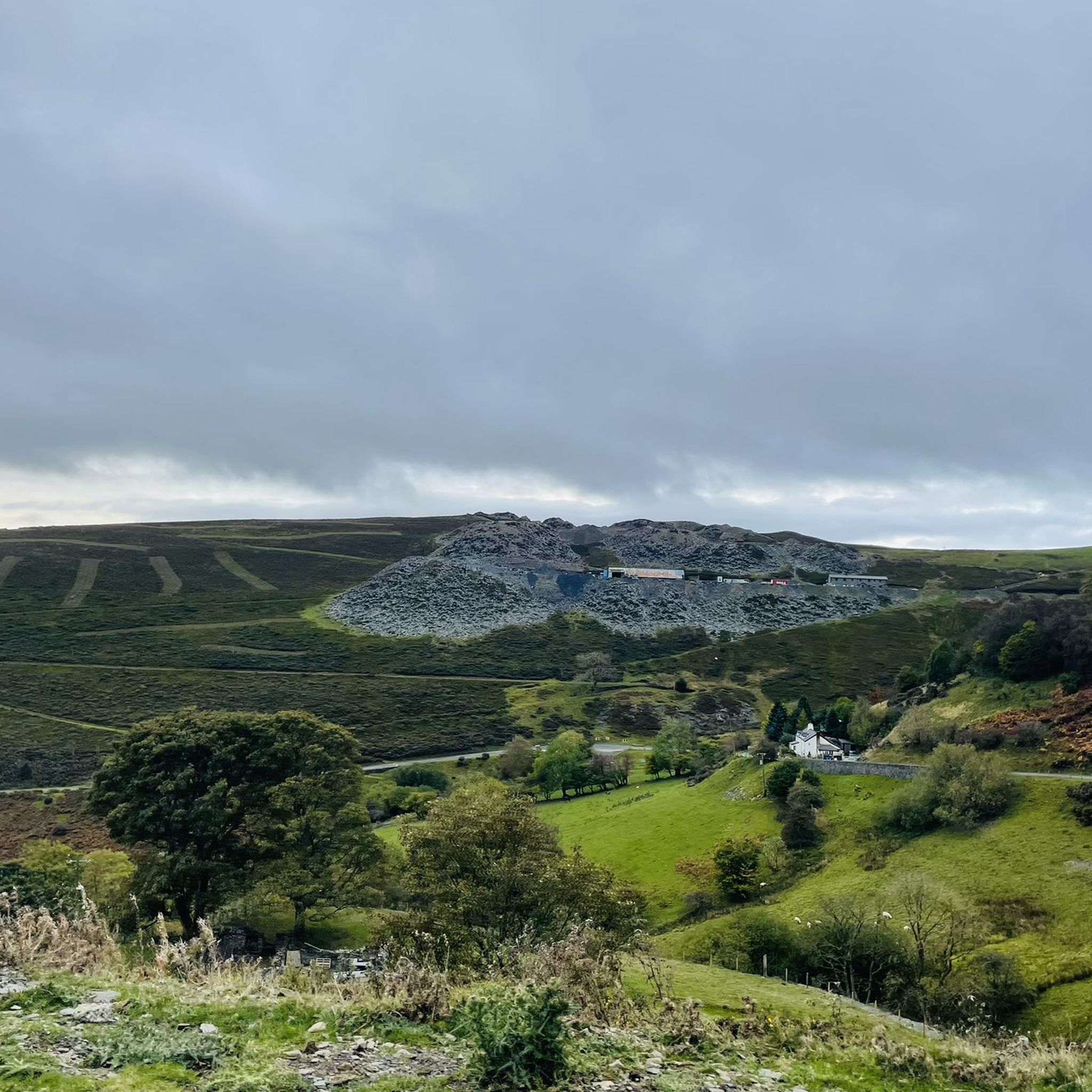
This stunning section takes you over Bickerton Hill, past the Iron Age hillfort of Maiden Castle, and over Larkton Hill. You are afforded breathtaking views that stretch as far as Wales. The area is a rugged lowland scrub which has been designated as a Site of Special Scientific Interest and a Site of Biological Importance.
4
0
Bickerton Hill is a rugged lowland heath with superb views. The area has been designated as a Site of Special Scientific Interest and a Site of Biological Importance due to its lowland heath plants and wildlife. On the highest point of the hill sits Maiden Castle, an Iron Age hillfort which affords views that stretch as far as the Welsh mountains on a clear day.
3
0
Frequently Asked Questions
What types of natural monuments can I explore around Burland?
The natural monuments around Burland offer a diverse landscape, featuring historical sites, panoramic viewpoints, and tranquil natural bodies of water. You'll find everything from ancient fortifications on rocky sandstone crags to rugged lowland heath areas and serene lakes.
Which natural monuments offer the best views in the Burland area?
For breathtaking vistas, you should visit Beeston Castle, where views extend across eight counties, reaching as far as the Welsh mountains and the Pennines. Another excellent spot is the View from Bickerton Hill, which provides superb views over the lowland heath and beyond.
Are there any historical natural monuments to visit near Burland?
Yes, Burland is rich in historical natural monuments. Beeston Castle is a magnificent 11th-century former stronghold with a fascinating past. You can also explore Maiden Castle Iron Age Hillfort on Bickerton Hill, which offers extensive views and historical significance. Additionally, Salters Well is a historical site used by salters until the late 18th century.
Can I find family-friendly natural monuments around Burland?
Absolutely! Big Mere Lake is a designated Site of Specific Scientific Interest and a lovely place for a picnic, perfect for families to enjoy the diverse wildlife and picturesque setting.
What outdoor activities are available near Burland's natural monuments?
The area around Burland's natural monuments is excellent for various outdoor activities. You can find numerous routes for hiking, cycling, and mountain biking, allowing you to explore the diverse landscapes and historical sites.
Are there specific hiking trails I can explore around these natural monuments?
Yes, there are several hiking trails. For example, you can find moderate routes like the 'Nantwich Aqueduct loop from Acton' or easier options such as the 'St Mary's Church, Acton – Nantwich Aqueduct loop from Nantwich'. More hiking options are available in the Hiking around Burland guide.
What is the terrain like at the natural monuments around Burland?
The terrain around Burland is quite varied. You'll encounter rocky sandstone crags, particularly at sites like Beeston Castle, and rugged lowland heath areas, such as those found around Bickerton Hill. These diverse landscapes offer different challenges and scenic experiences.
What do visitors particularly enjoy about the natural monuments in Burland?
Visitors frequently praise the stunning panoramic views, especially from locations like Beeston Castle and Bickerton Hill. The unique combination of geological interest and rich historical significance, such as Iron Age hillforts and ancient castles, also makes these sites highly appreciated by the komoot community.
Are there any natural monuments around Burland that are also Sites of Special Scientific Interest?
Yes, both Bickerton Hill and Big Mere Lake are designated as Sites of Special Scientific Interest (SSSI). Bickerton Hill is recognized for its unique lowland heath plants and wildlife, while Big Mere Lake is home to diverse bird species and fish.
Can I bring my dog to the natural monuments in Burland?
While specific dog-friendly policies vary by site, many outdoor natural monuments in the UK, especially those with public footpaths, generally welcome well-behaved dogs on leads. It's always best to check individual site regulations before your visit, particularly for managed historical sites like Beeston Castle.
What is the best time to visit the natural monuments around Burland?
The natural monuments around Burland can be enjoyed year-round. However, for the best views and most comfortable hiking conditions, spring and autumn are often ideal, offering pleasant temperatures and vibrant scenery. Summer provides longer daylight hours, while winter can offer crisp, clear views, though some paths might be muddy.
Are there any hidden gems among Burland's natural monuments?
While not strictly 'hidden,' Salters Well offers a glimpse into local history, serving as a watering point for horses on ancient trade routes. It's a less prominent but historically significant natural monument that provides a unique connection to the past.
Most popular attractions around Burland

Get inspired with the komoot mobile app


Explore more
Extend your search for the best caves by checking out these guides of the top ones around Burland:
