Top 20 Natural Monuments around Llanrhidian Lower
Best natural monuments around Llanrhidian Lower are found within the diverse landscapes of the Gower Peninsula. This area features dramatic coastal formations, extensive salt marshes, and significant geological features. Visitors can explore a range of natural attractions, from iconic headlands to unique rockpools and rich wildlife habitats. The region's underlying geology, dominated by Devonian and Carboniferous sedimentary rocks, contributes to its distinctive natural features.
Best natural monuments around Llanrhidian Lower
- The most popular natural monuments is View of Three Cliffs…
Last updated: June 29, 2026
Worms Head
Highlight • Natural Monument
Tip by

Worm's Head National Coastwatch Station
Highlight • Viewpoint
Tip by

Sign up now to discover places like this
Get recommendations on the best single tracks, peaks, & plenty of other exciting outdoor places.
Sign up for free
Blue Pool (Blue Pool Bay)
Highlight • Natural Monument
Tip by

Llanmadoc Hill Summit & Orientation Table
Highlight • Viewpoint
Tip by
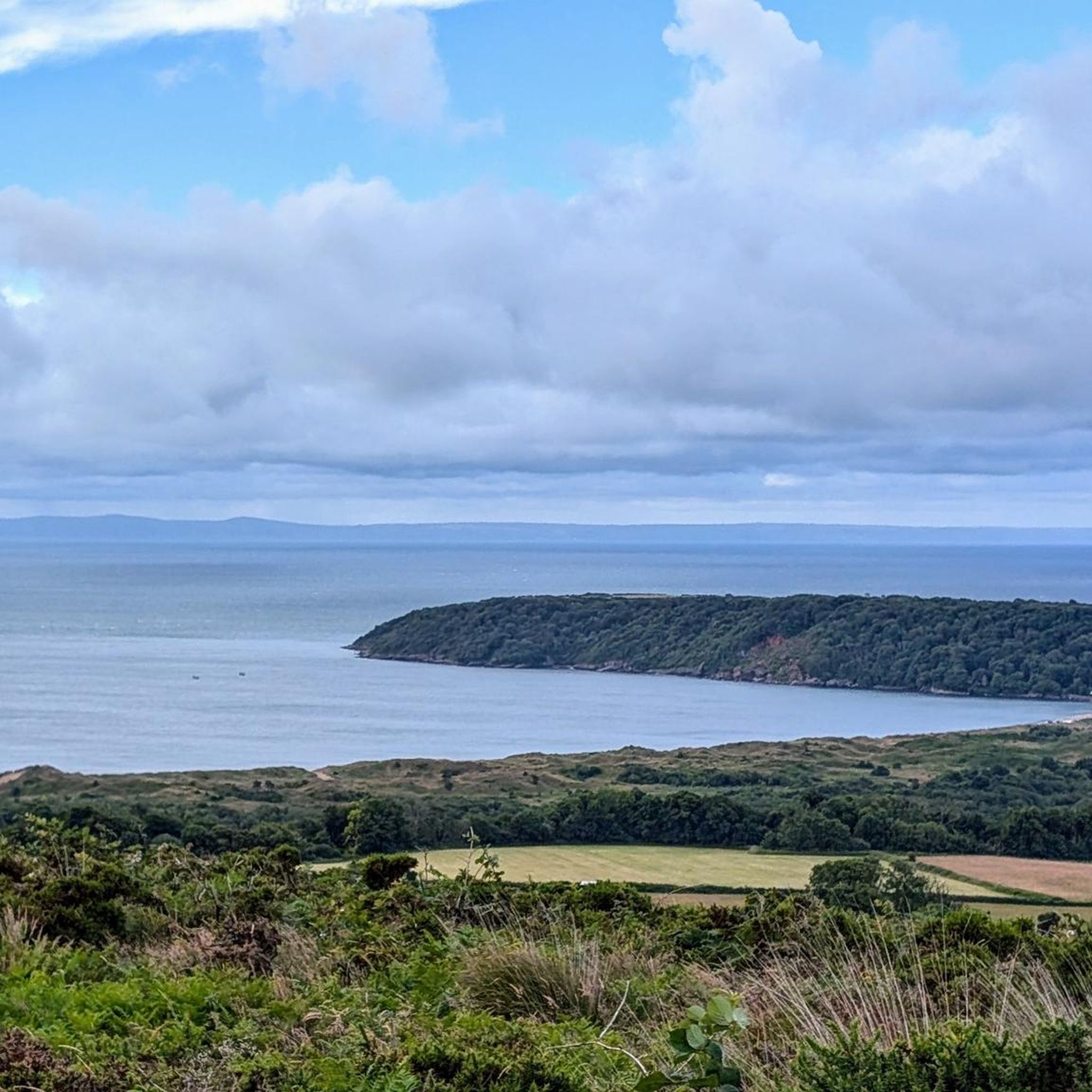
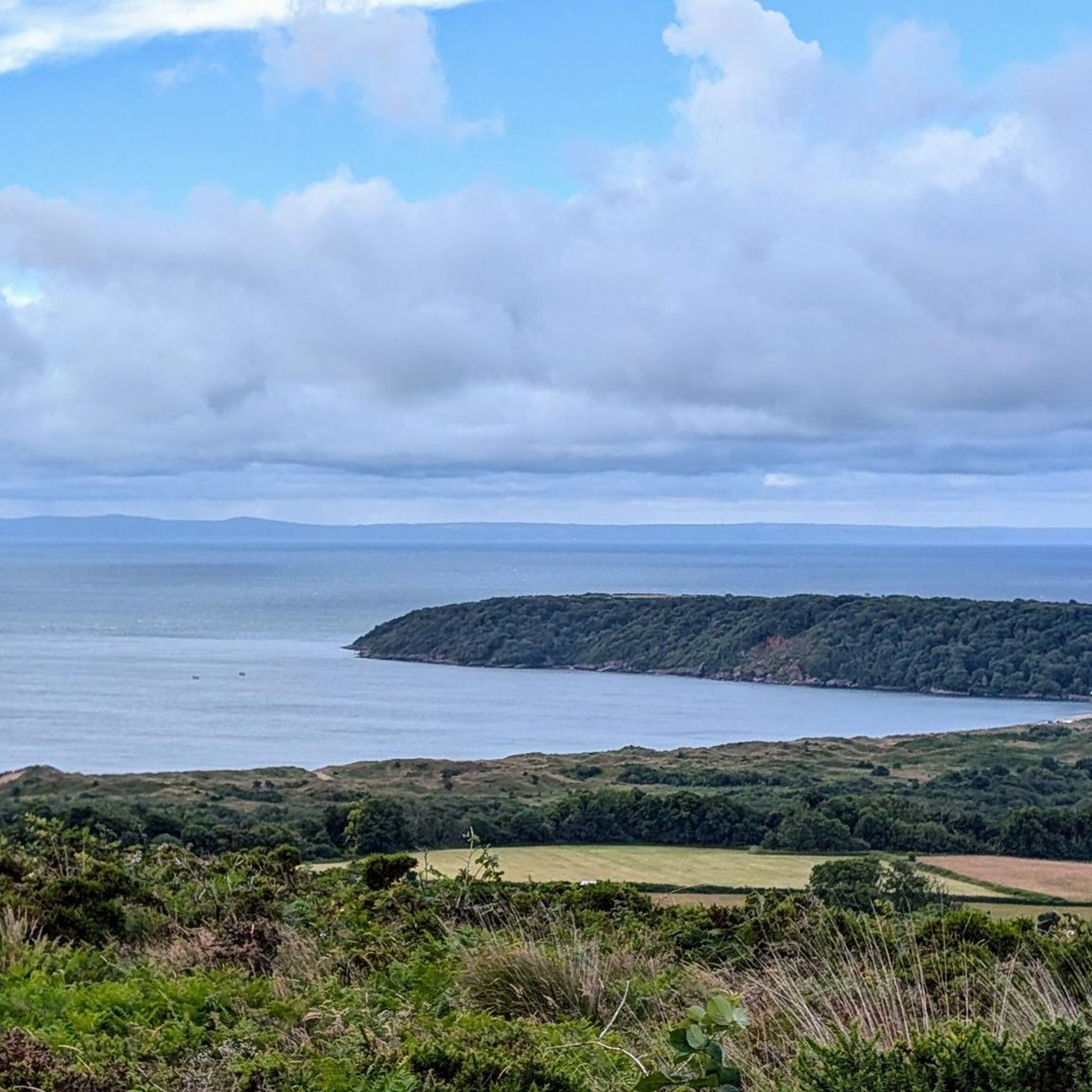
View of Three Cliffs Bay from Cefn Bryn
Highlight • Viewpoint
Tip by
Sign up for free to discover even more natural monuments around Llanrhidian Lower.
Sign up for free
Already have an account?
Start today with a free account
Your next adventure awaits.
Login or Signup

Tips from the Community

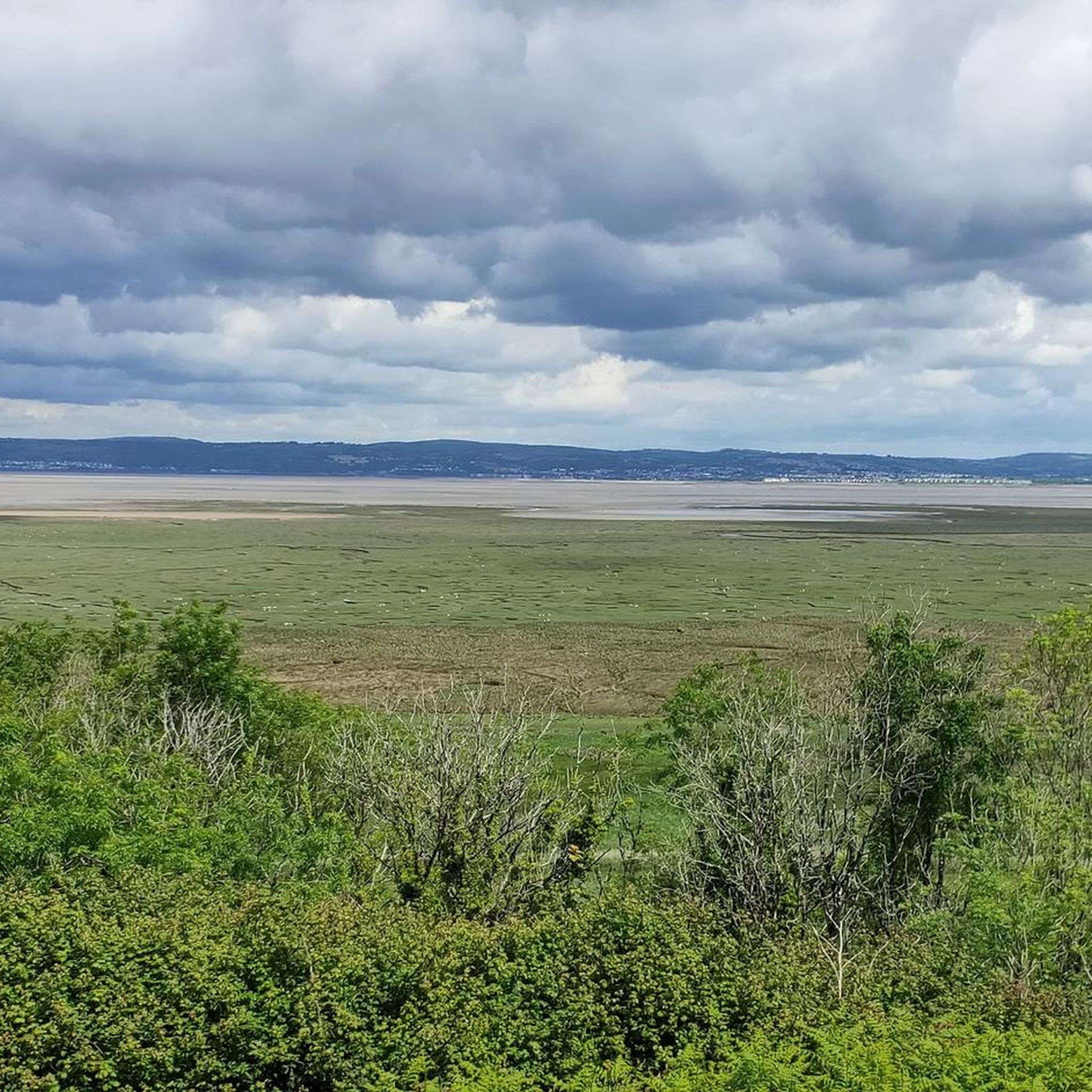
Llanmadoc Hill has fine views across towards Rhossili Down and nearby Harding's Down. With a trig point, a cairn, and an orientation table, it has a nice broad summit, which has few access paths to the the top. At 186 metres high, it is also a UK-designated P100 hill with 105 metres of prominence.
1
0
This is a lovely beach with the main feature being a large natural circular rock pool at the western end. The path going down to it is rough, and the pool is really only accessible at low tide.
1
0
Cefn Bryn at 188 metres is a UK designated ‘Hump,’ which is a hill with a 100 metres of prominence. The top is marked by a trig point with marvellous views down over Three Cliffs Bay.
1
0

The tide times for the day are posted here. Be sure to pay attention
0
0
Are you intending to do the magical coastal hike which takes you out onto the tip of the sleeping serpent that is Worms Head? If so it is essential to come here to the NCI hut for tidal & any other relevant information. Now it is important to outline that if you do intend to do this walk it is only accessible within a tidal window of 2.5 hours either side of low tide. It also involves crossing over some slippery, unstable and rocky terrain. Tackle this hike only if you are happy on such terrain and you are within the appropriate tidal schedule. I would also respectfully suggest that you do not do this hike/scramble solo. Ex-Welsh rugby international Chris Knight has an excellent video and additional information on his webpage on how to hike Worms Head: Video here: https://ohwhataknight.co.uk/blog/worms-head-hike-guide Tide information here: https://www.tidetime.org/europe/united-kingdom/swansea.htm
1
0
One of the most famous places in Wales. The viewpoint where you can look out at a tidal rocky causeway connected piece of land that is straight out of the film 'The land that time forgot.' Simply a stunning vista on any day of the week.
0
0
The summit of Llanmadoc Hill is only 186m high but it makes for a really good run out from Llanmadoc. The views are pretty special on a sky blue day. The summit is marked by an Ordnance Survey Trig Point.
0
0

View to Three Cliffs Bay, long descent to the west, shorter & steeper east.
0
1
Frequently Asked Questions
What natural features define the landscape of Llanrhidian Lower?
The landscape of Llanrhidian Lower is characterized by a diverse range of natural features, including dramatic coastal formations, extensive salt marshes, and significant geological sites. You'll find iconic headlands, unique rockpools, and rich wildlife habitats, all shaped by the underlying Devonian and Carboniferous sedimentary rocks.
Beyond the most popular, what other significant natural monuments can I explore in Llanrhidian Lower?
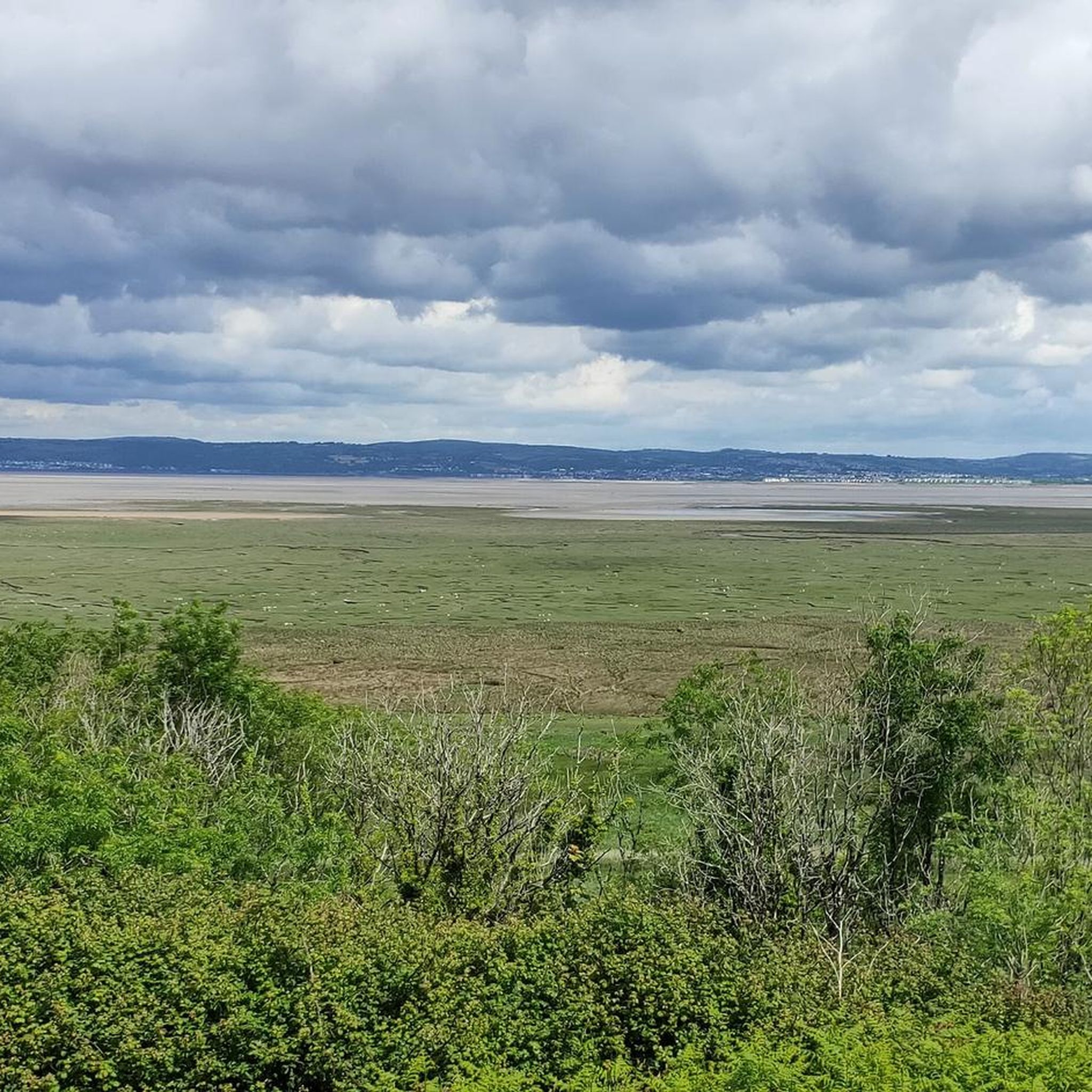
While Worms Head and Blue Pool (Blue Pool Bay) are well-known, you can also explore the vast Llanrhidian Sands and Loughor Estuary, known for their serene landscapes and birdwatching opportunities. Llanrhidian Hill, a nature reserve, offers species-rich limestone grassland and ancient quarry sites with fine views over the Burry Estuary.
Are there any unique geological formations to explore in the area?
Yes, the region boasts several unique geological formations. Besides the distinctive shape of Worms Head, you can find promontories like Arthur's Stone on Cefn Bryn and Cilifor Top. The North Gower coast also features numerous caves carved into the limestone, particularly around Spaniard Rocks, offering insights into the area's ancient geological history.
What kind of wildlife can I spot near the natural monuments in Llanrhidian Lower?
Llanrhidian Lower is excellent for wildlife spotting. Near Worms Head, you can often observe seals basking on the rocks. The Llanrhidian Sands and Loughor Estuary are prime locations for birdwatching, and you might see wild ponies and sheep grazing on the marshlands. Llanrhidian Hill is home to diverse plant life and is a site where the locally rare Marbled White butterfly can be spotted.
What are the best viewpoints for panoramic scenery?
For breathtaking panoramic views, consider visiting View of Three Cliffs Bay from Cefn Bryn, which offers sweeping vistas of the Gower coastline. Another excellent spot is Llanmadoc Hill Summit & Orientation Table, providing wide panoramas over the western end of the peninsula, the Loughor estuary, Rhossili Bay, and Carmarthen Bay.
Are there family-friendly natural monuments or activities in Llanrhidian Lower?
Many natural monuments in Llanrhidian Lower can be enjoyed by families. Exploring the extensive Llanrhidian Sands and Loughor Estuary offers wide-open spaces for walks and observing nature. While some sites like Worms Head require checking tide times and involve rocky terrain, the general area provides opportunities for scenic walks and wildlife spotting suitable for various ages.
What outdoor activities can I do near these natural monuments?
The area around Llanrhidian Lower offers a variety of outdoor activities. You can find numerous cycling routes, including options for touring bicycles and road cycling, with varying difficulty levels. For example, explore routes like the 'Gowerton and Crofty loop' or the 'Millennium Coastal Path'. Gravel biking is also popular, with routes such as 'Gower Gravel from the King Arthur's pub'. You can find more details on these activities in the Cycling around Llanrhidian Lower, Road Cycling Routes around Llanrhidian Lower, and Gravel biking around Llanrhidian Lower guides.
Are there specific hiking trails or walks to natural monuments?
Yes, there are many opportunities for walking and hiking. For instance, the walk to Worms Head involves crossing a causeway at low tide, offering a unique coastal experience. Llanrhidian Hill provides open-access sites ideal for walking and observing local wildlife. Many routes in the area will take you past or near these natural attractions.
What should I know about visiting Worms Head?
When visiting Worms Head, it's crucial to check tide times as it's only accessible via a causeway at low tide. The causeway can be slippery and rocky, so appropriate footwear is recommended. The Worm's Head National Coastwatch Station provides essential tidal and safety information before you venture out.
What is the best time of year to visit the natural monuments in Llanrhidian Lower?
The best time to visit Llanrhidian Lower generally depends on your preferred activities. Spring and summer offer milder weather, making coastal walks and wildlife spotting more pleasant. However, the dramatic landscapes can be enjoyed year-round, with each season bringing its own unique beauty. Always check local weather conditions before your visit.
Are there any hidden natural gems in the Llanrhidian Lower area?
While not entirely 'hidden,' the Blue Pool (Blue Pool Bay) offers a secluded and unique experience. This large natural rockpool is bordered by cliffs and accessible via a clifftop path and a steep descent, making it feel like a discovery for those who venture there. The extensive Llanrhidian Sands and Loughor Estuary also offer tranquil, less-trodden paths for nature enthusiasts.
Most popular routes around Llanrhidian Lower
Most popular attractions around Llanrhidian Lower

Get inspired with the komoot mobile app


Explore more
Extend your search for the best caves by checking out these guides of the top ones around Llanrhidian Lower:
