Top 6 Natural Monuments around Holt
Best natural monuments around Holt, Norfolk, England, are characterized by a diverse natural landscape, ranging from ancient woodlands and heathlands to significant coastal features. The town is situated near the North Norfolk Coast Area of Outstanding Natural Beauty, offering varied habitats and geological formations. Visitors can explore a mix of inland parks, unique glacial landforms, and coastal viewpoints. This region provides opportunities to observe diverse flora and fauna within its protected natural spaces.
Best natural monuments around Holt
- The most popular natural monuments is Beeston Bump: Trig Point and Viewpoint, a viewpoint that offers extensive views of the North Sea and coastline. This glacial formation is one of the few elevated points in Norfolk, providing a unique perspective on the landscape.
- Another must-see spot is Incleborough Hill, a natural monument with trails and viewpoints. Visitors can expect fine views along the North Norfolk Coast from Cromer to Sheringham, alongside diverse flora.
- Visitors also love Sheringham Park Rhododendron and Azalea Gardens, a forest known for its extensive collection of rhododendrons and azaleas. This park offers woodland walks, opportunities to spot wildlife like deer and various birds, and views of the North Norfolk coast from its towers.
- Holt is known for its diverse natural monuments, including coastal viewpoints, glacial formations, and managed woodlands. The area offers a variety of natural monuments to see and explore, from elevated coastal hills to rich forest environments.
- The natural monuments around Holt are appreciated by the komoot community, with more than 50 upvotes and 12 photos shared by visitors.
Last updated: May 17, 2026
Sheringham Park Rhododendron and Azalea Gardens
Highlight • Forest
Tip by

West Runton Beach
Highlight • Viewpoint
Tip by

Sign up now to discover places like this
Get recommendations on the best single tracks, peaks, & plenty of other exciting outdoor places.
Sign up for free
Beeston Bump: Trig Point and Viewpoint
Highlight • Viewpoint
Hiking in the Norfolk Coast AONB is a real pleasure and Beeston HIll is a great chance to get up high in an otherwise flat area. Combine with a hike to Beacon Hill Roman camp from either Sheringham or Cromer (or both) for a fine day out.
Tip by

West Runton Cliffs
Highlight • Climb
Tip by

Incleborough Hill
Highlight • Natural Monument
Tip by

Sign up for free to discover even more natural monuments around Holt.
Sign up for free
Already have an account?
Start today with a free account
Your next adventure awaits.
Login or Signup

Tips from the Community


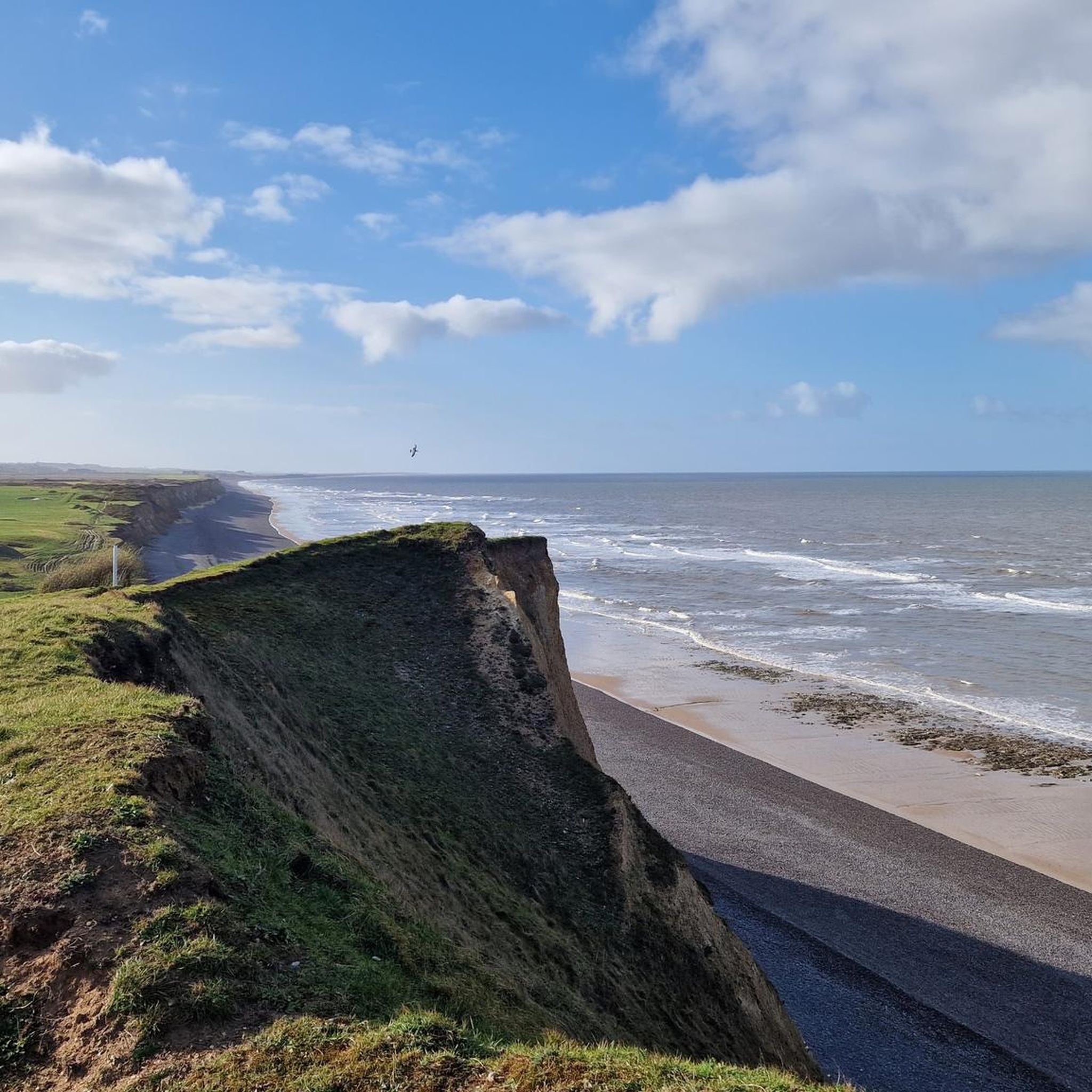
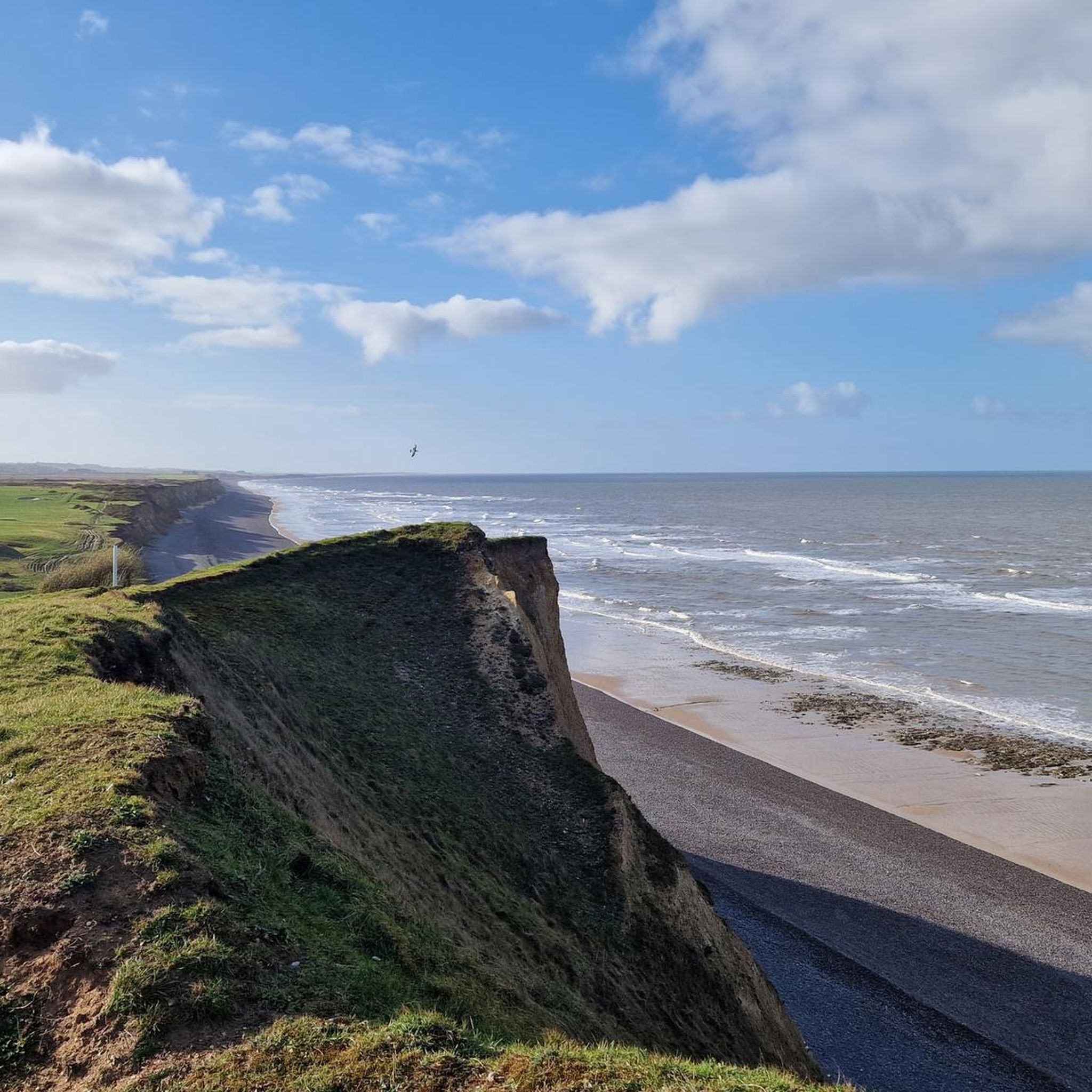
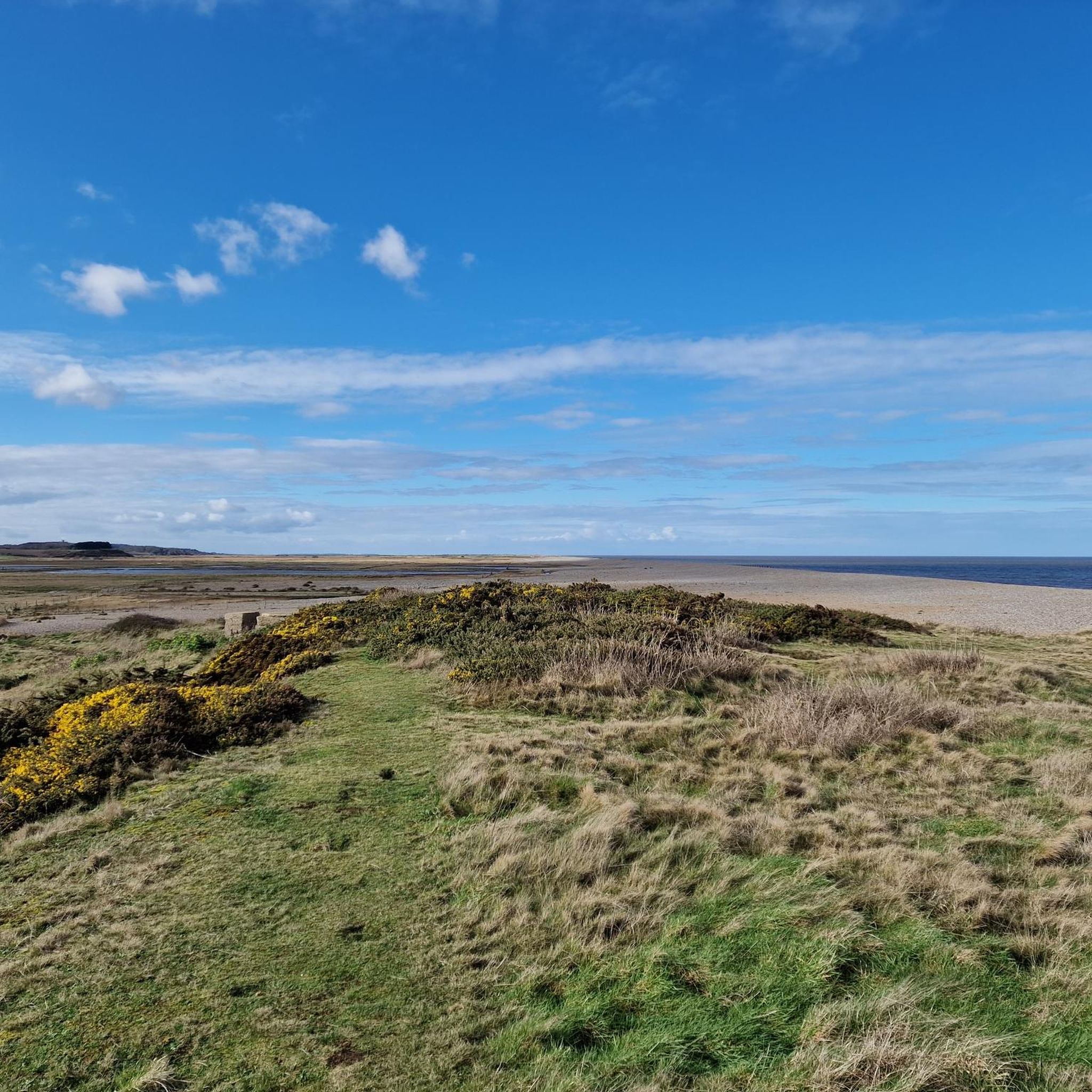
Nice view down the wide, sandy beach but the last part of the approach is very steep and there's no barrier at the bottom so caution needed.
0
0

The flora here is beautiful! Very different. Saw it in bloom in early May.
0
0
Visit the watchtower close by! I was given a tour by a friendly volunteer, and I got to try his binoculars too!
0
0

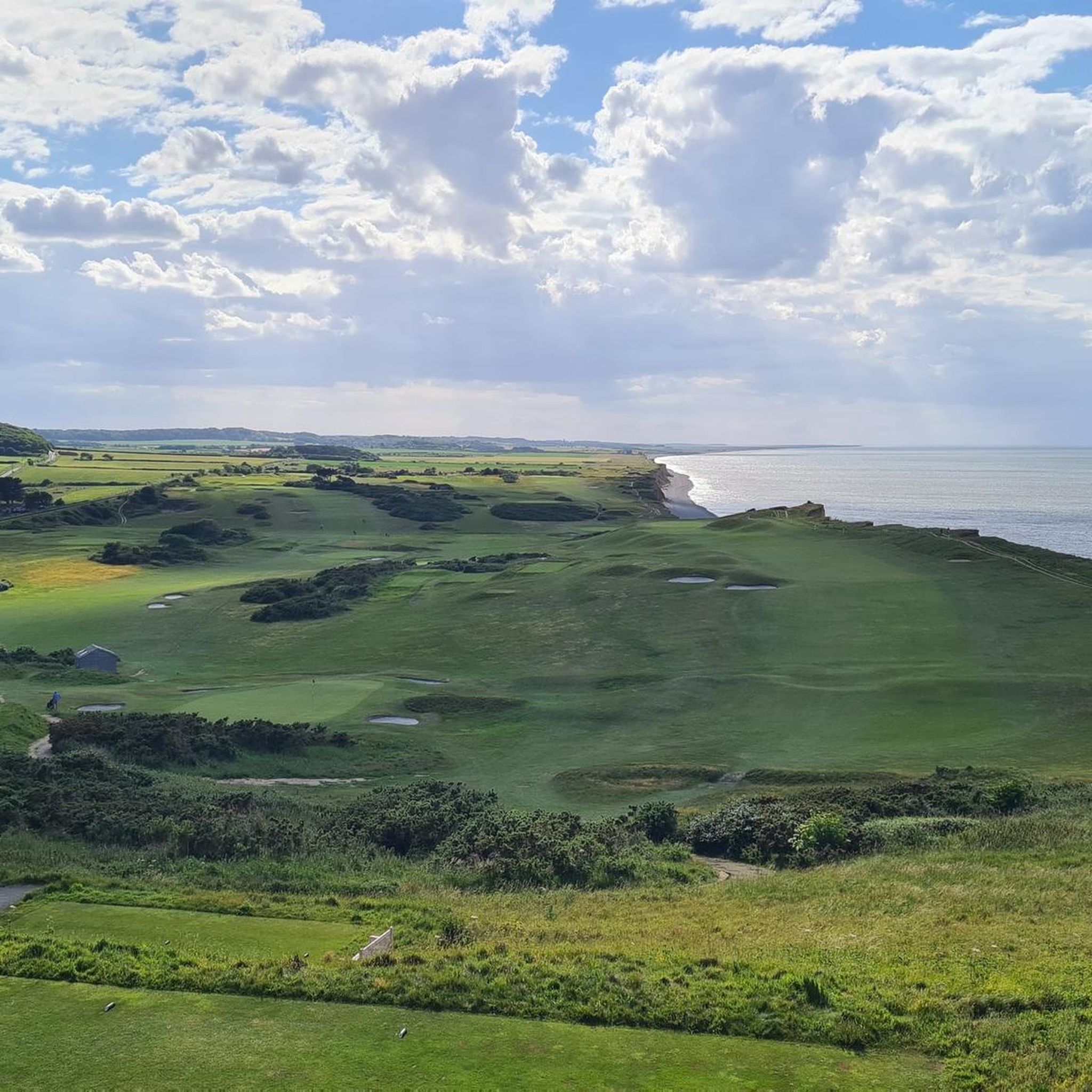
The Beeston Bump is a local highlight and one of the few actual 'high' points in Norfolk. Stunning views of the North Sea and both Sheringham and Cromer. Hiking in the Norfolk Coast AONB is a real pleasure and Beeston HIll is a great chance to get up high in an otherwise flat area. Combine with a hike to Beacon Hill Roman camp from either Sheringham or Cromer (or both) for a fine day out.
0
0

Originally there were two 'bumps' the second has been eroded. Bumps were created by glaciers retreating during the Ice Age.
0
0

Incleborough Hill stands above the villages of East and West Runton on the North Norfolk Coast and commands fine views up and down the coast from Cromer to Sheringhamm and beyond.
0
0

The cliffs here are a geological Site of Special Scientific Interest (SSSI). On the beach below the fossilised skeleton of a Skeppe Mammoth was found in 1990 so keep watch for interesting finds. Please keep away from the cliff edges though as there is a risk of cliff falls. There is a cafe here at West Runton Beach as pubic toilets.
0
0
Frequently Asked Questions
What are some family-friendly natural monuments to visit near Holt?
For families, Sheringham Park Rhododendron and Azalea Gardens offers woodland walks, opportunities to spot wildlife, and towers with coastal views. Holt Country Park is also an excellent choice, featuring waymarked trails, a children's play area, and a sensory garden within its mixed woodland. West Runton Beach is another family-friendly option, known for its wide sandy beach and potential for fossil finds.
Where can I find the best viewpoints of the North Norfolk Coast around Holt?
Several natural monuments offer stunning coastal views. Beeston Bump: Trig Point and Viewpoint provides extensive views of the North Sea, Sheringham, and Cromer. Similarly, Incleborough Hill commands fine views along the North Norfolk Coast. You can also get coastal glimpses from the towers within Sheringham Park Rhododendron and Azalea Gardens.
Are there natural monuments near Holt that are good for wildlife spotting?
Yes, several areas are rich in wildlife. Holt Country Park is a haven for diverse wildlife, including goldcrests, greater spotted woodpeckers, deer, and various butterflies and dragonflies. Holt Lowes, a biological Site of Special Scientific Interest, is excellent for butterflies and dragonflies, and you might hear woodlarks in early spring. Sheringham Park Rhododendron and Azalea Gardens is home to three species of deer and a wide variety of birds and butterflies. The wider North Norfolk Coast AONB, including places like Cley Marshes and Blakeney Point, is nationally recognized for its birdlife and seal colonies.
What kind of geological features can I explore around Holt?
The area around Holt is characterized by interesting geological formations. Beeston Bump is a notable glacial formation, one of the few elevated points in Norfolk, created by retreating glaciers during the Ice Age. The cliffs at West Runton Beach are a geological Site of Special Scientific Interest (SSSI), known for fossil finds like the Skeppe Mammoth. The North Norfolk Coast also features part of the world's longest chalk reef.
Are there any historical natural monuments or sites near Holt?
Yes, Beacon Hill (Roman Camp), despite its name, features earthworks thought to be medieval and was used as a signal station during the Napoleonic wars. Spout Hills, while primarily a natural green space, holds historical significance as its spring-line historically supplied water to Holt town.
What are the best times to visit the natural monuments around Holt?
The best time to visit depends on what you wish to see. For rhododendrons and azaleas at Sheringham Park, late spring to early summer is ideal. Holt Lowes is particularly vibrant with rare plant species and insect life during spring and summer. The North Norfolk Coast offers birdwatching opportunities year-round, with specific migratory birds present seasonally, and seal pups can be seen in winter. Holt Country Park and Spout Hills are enjoyable throughout the year, with seasonal changes bringing different displays of flora.
Are there natural monuments near Holt that are easily accessible or have good parking?
Holt Country Park is easily accessible from Holt town center and has a visitor center, suggesting good facilities. Spout Hills is just a short walk from Holt's High Street. For specific parking information at other sites, it's advisable to check local signage or official websites. For example, Holt Country Park's details can be found at north-norfolk.gov.uk.
What outdoor activities can I do near these natural monuments?
The area around Holt offers a variety of outdoor activities. You can find numerous running trails, such as the 'Holt Country Park Forest Path loop' or the 'Thickbottom Pit loop'. For hiking, there are easy routes like the 'Holt & Letheringsett Water Mill loop'. Road cycling enthusiasts can explore routes like the 'Wiveton Bridge – Weybourne Railway Station loop'. You can find more details on these activities and routes in the Running Trails around Holt, Easy hikes around Holt, and Road Cycling Routes around Holt guides.
Can I bring my dog to the natural monuments around Holt?
Many natural areas in Norfolk are dog-friendly, but specific rules may apply, especially in nature reserves or areas with sensitive wildlife. Holt Country Park generally welcomes dogs, often with designated off-lead areas. It's always best to check local signage or official websites for specific regulations regarding dogs, especially during nesting seasons or in areas with livestock.
What makes Holt Lowes a unique natural monument?
Holt Lowes is a unique biological Site of Special Scientific Interest (SSSI) known for its diverse habitats, including heathland, bog, fen, and wet woodland. It's particularly renowned for unusual and rare plant species like marsh fragrant orchids and lesser skullcaps, as well as a wide array of butterflies and dragonflies, such as the keeled skimmer. The varied pH levels across its valleys create a patchy environment, contributing to its rich biodiversity.
Are there any natural monuments near Holt that are good for a quiet, peaceful walk?
Holt Country Park offers peaceful woodland walks and a tranquil escape. Spout Hills provides a quiet setting for walks, allowing you to appreciate wetland flora and wildlife. Holt Lowes also offers a unique wilderness experience with sandy footpaths through diverse habitats, perfect for a tranquil stroll away from crowds.
What should I wear when visiting the natural monuments around Holt?
Given the varied terrain, including woodlands, heathlands, and coastal paths, it's advisable to wear comfortable, sturdy walking shoes or boots. Layers of clothing are recommended as weather conditions can change, especially near the coast. Waterproof outerwear is also a good idea, particularly during cooler or wetter months. For coastal visits, consider sun protection.
Most popular routes around Holt
Most popular attractions around Holt

Get inspired with the komoot mobile app


Explore more
Extend your search for the best caves by checking out these guides of the top ones around Holt:
