Top 6 Natural Monuments around Cromer
Best natural monuments around Cromer are characterized by ancient glacial activity and significant geological formations. The North Norfolk coastline features distinctive ridges, cliffs, and beaches that reveal millions of years of Earth's history. This area offers insights into prehistoric life and unique landscapes shaped by ice sheets.
Best natural monuments around Cromer
- The most popular natural monuments is Beeston Bump: Trig Point and Viewpoint, a viewpoint that is one of the few high points in Norfolk. It offers views of the North Sea, Sheringham, and Cromer.
- Another must-see spot is Incleborough Hill, a natural monument with trails and viewpoints. It provides views up and down the coast from Cromer to Sheringham.
- Visitors also love Sheringham Park Rhododendron and Azalea Gardens, a forest and natural monument. It is known for its collection of rhododendrons and azaleas, with towers offering views of the North Norfolk coast.
- Cromer is known for its glacial moraines, geologically significant beaches, and ancient chalk reefs. Visitors can explore a variety of natural monuments, from elevated viewpoints to fossil-rich coastlines.
- The natural monuments around Cromer are appreciated by the komoot community. The highlights have received more than 50 upvotes and feature 12 photos.
Last updated: May 17, 2026
Sheringham Park Rhododendron and Azalea Gardens
Highlight • Forest
Tip by

West Runton Beach
Highlight • Viewpoint
Tip by

Sign up now to discover places like this
Get recommendations on the best single tracks, peaks, & plenty of other exciting outdoor places.
Sign up for free
Beeston Bump: Trig Point and Viewpoint
Highlight • Viewpoint
Hiking in the Norfolk Coast AONB is a real pleasure and Beeston HIll is a great chance to get up high in an otherwise flat area. Combine with a hike to Beacon Hill Roman camp from either Sheringham or Cromer (or both) for a fine day out.
Tip by

West Runton Cliffs
Highlight • Climb
Tip by

Sidestrand and Trimingham Cliffs
Highlight (Segment) • Trail
Enjoy sweeping views for miles up and down the coast and out to the North Sea. Be mindful of your footing, though, as the path is not always clear in places and gets close to the edge. Not recommended for dogs off leash.
Tip by

Sign up for free to discover even more natural monuments around Cromer.
Sign up for free
Already have an account?
Start today with a free account
Your next adventure awaits.
Login or Signup



Tips from the Community


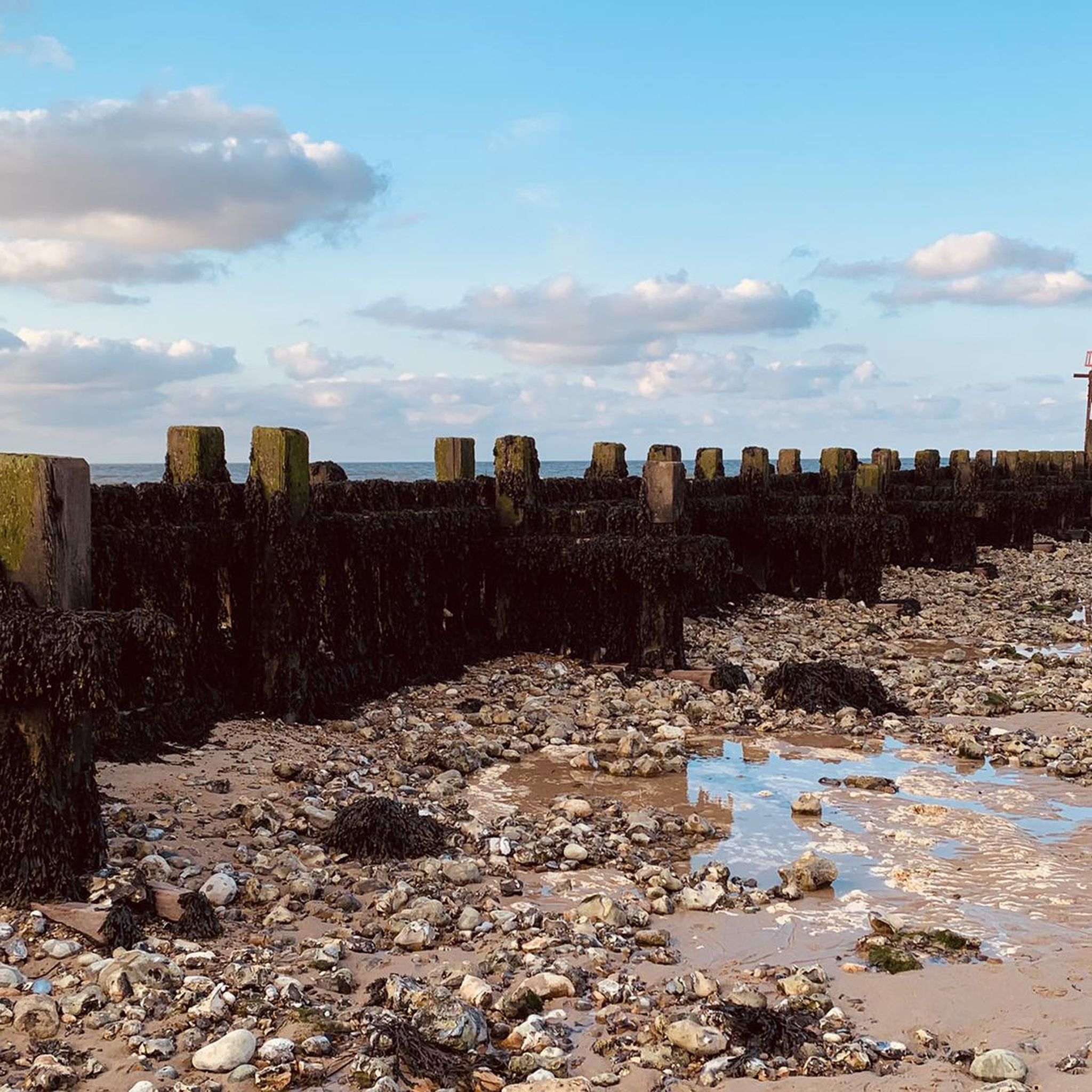
Nice view down the wide, sandy beach but the last part of the approach is very steep and there's no barrier at the bottom so caution needed.
0
0

Visit the watchtower close by! I was given a tour by a friendly volunteer, and I got to try his binoculars too!
0
0

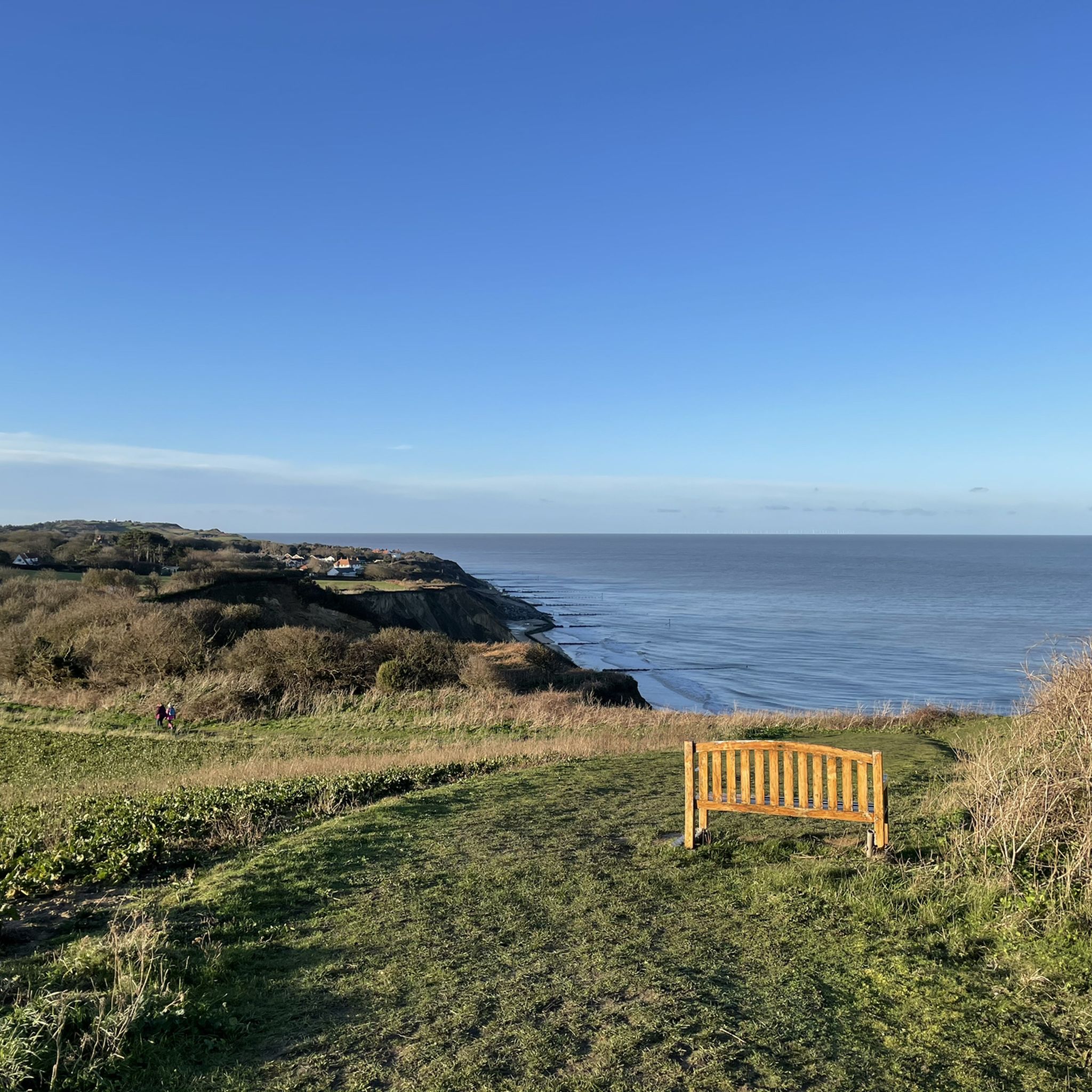
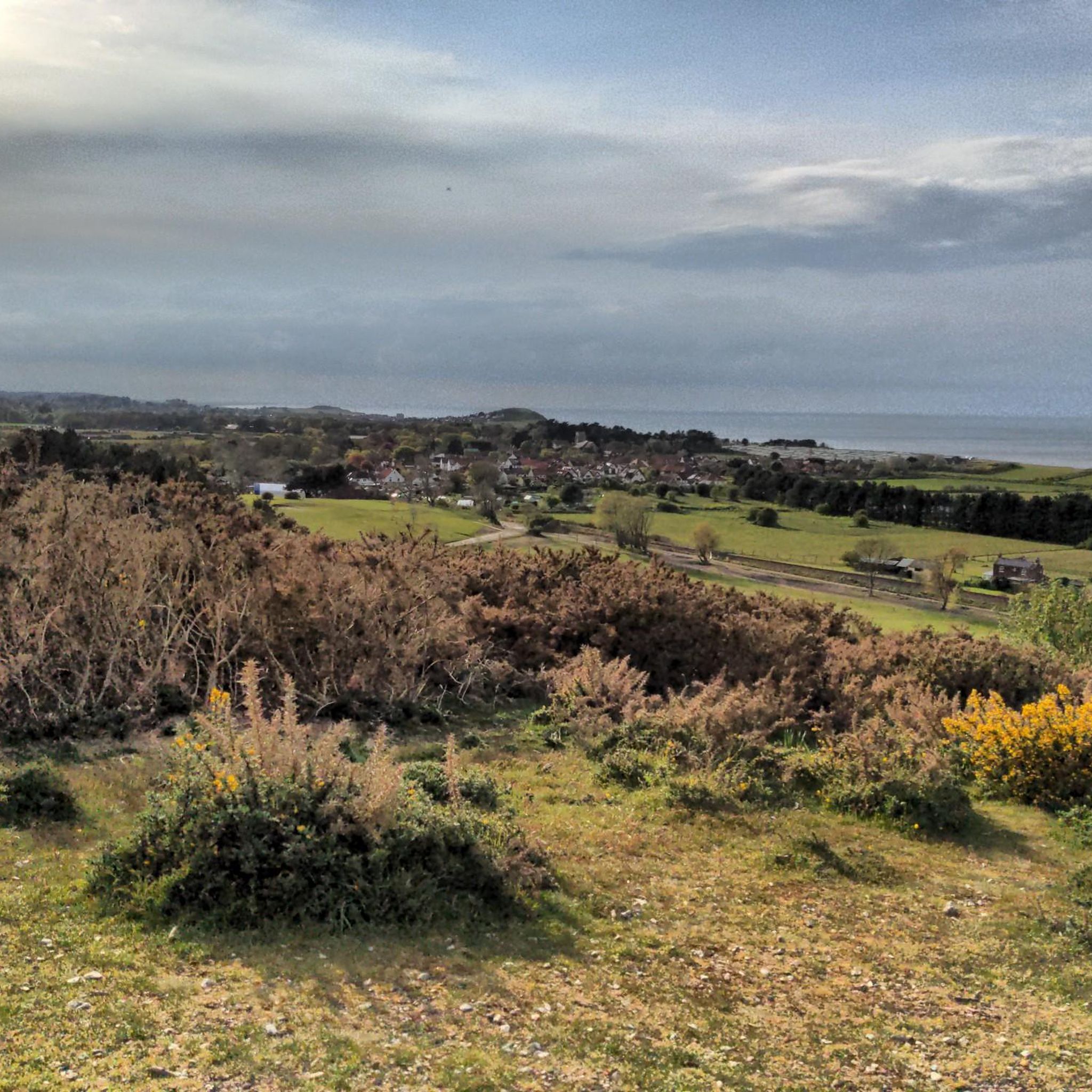
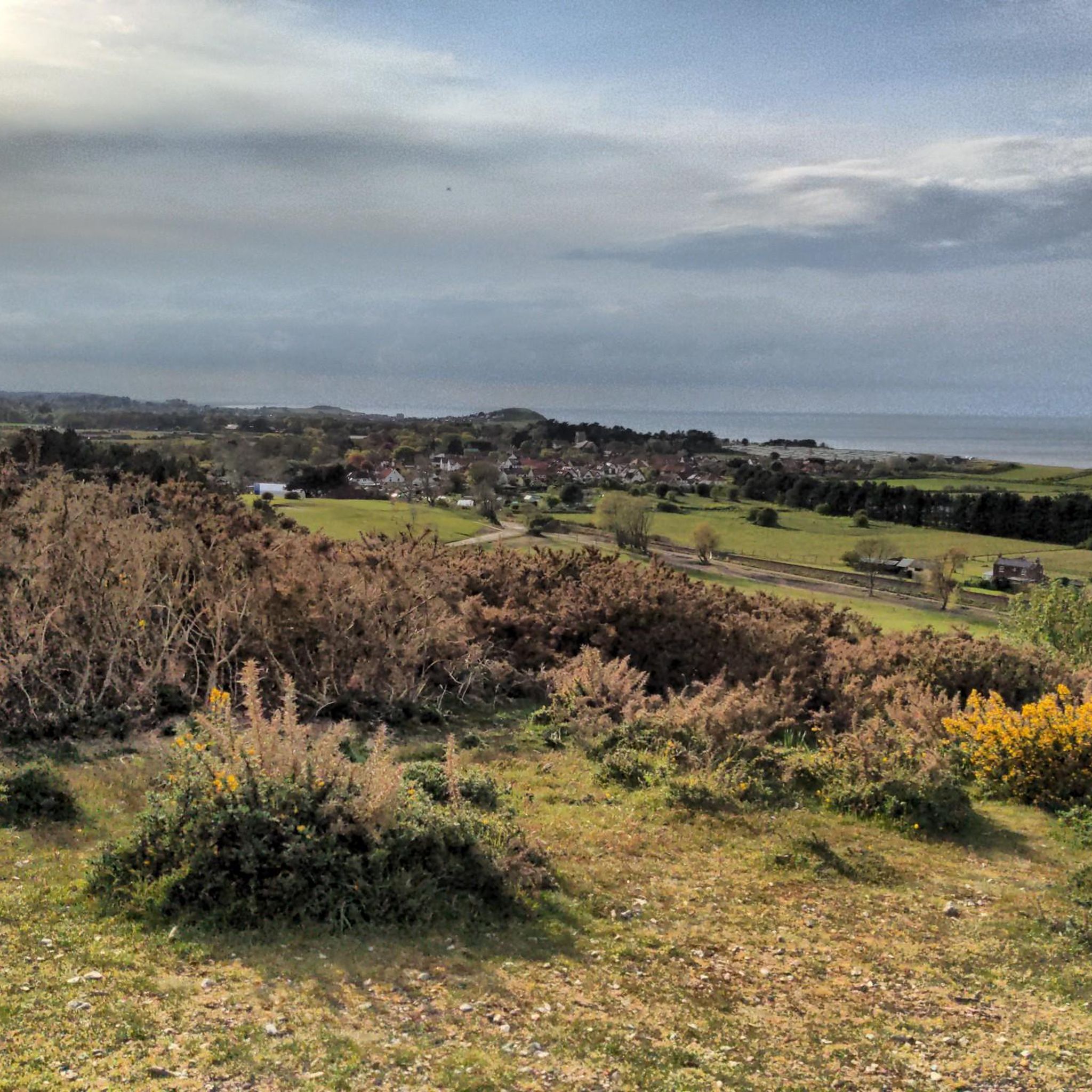
The Beeston Bump is a local highlight and one of the few actual 'high' points in Norfolk. Stunning views of the North Sea and both Sheringham and Cromer. Hiking in the Norfolk Coast AONB is a real pleasure and Beeston HIll is a great chance to get up high in an otherwise flat area. Combine with a hike to Beacon Hill Roman camp from either Sheringham or Cromer (or both) for a fine day out.
0
0

Originally there were two 'bumps' the second has been eroded. Bumps were created by glaciers retreating during the Ice Age.
0
0

The clifftop footpath between Trimingham and Sidestrand on the Norfolk Coast is a delightful location for a stroll. The area is a biological Site of Special Scientific Interest, rich in invertebrate fossils dating to the late Cretaceous period. Enjoy sweeping views for miles up and down the coast and out to the North Sea. Be mindful of your footing, though, as the path is not always clear in places and gets close to the edge. Not recommended for dogs off leash.
1
0

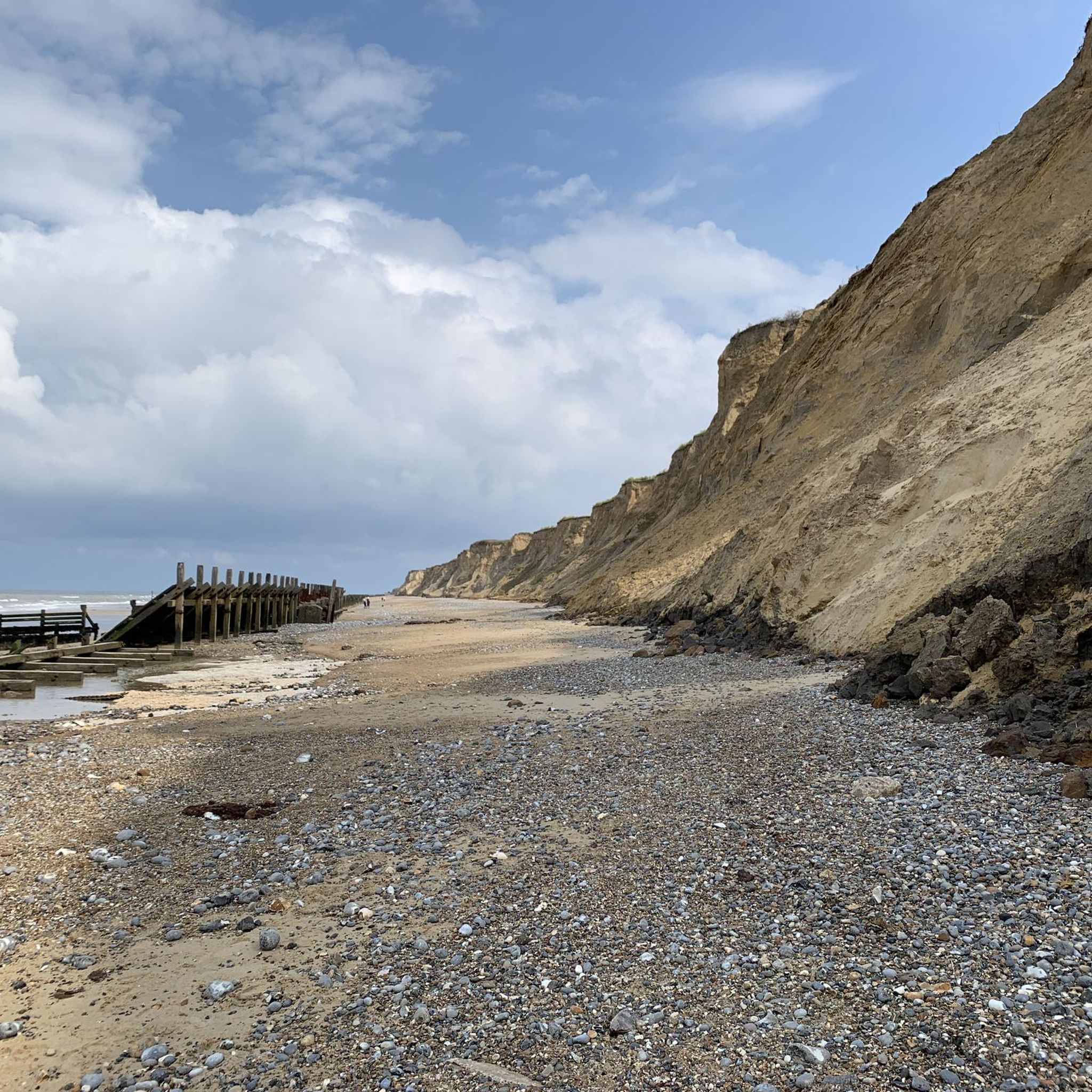
The cliffs here are a geological Site of Special Scientific Interest (SSSI). On the beach below the fossilised skeleton of a Skeppe Mammoth was found in 1990 so keep watch for interesting finds. Please keep away from the cliff edges though as there is a risk of cliff falls. There is a cafe here at West Runton Beach as pubic toilets.
0
0
Frequently Asked Questions
What geological features make the natural monuments around Cromer unique?
The natural monuments around Cromer are primarily shaped by ancient glacial activity. Key features include the Cromer Ridge, a distinctive ridge of old glacial moraines, and the Cromer Forest Bed Formation, rich in Pleistocene-aged fossils. Just off the coast, the Cromer Shoal Chalk Bed, an ancient chalk reef, also contributes to the area's unique geology.
Where can I find fossils or evidence of prehistoric life near Cromer?
The Cromer Forest Bed Formation, particularly at West Runton Beach, is a prime location for finding fossils. This area has yielded an impressive array of mammal remains, including the famous West Runton Mammoth, the largest nearly complete skeleton of a steppe mammoth known. Visitors can often find belemnites and other ancient animal bones on the beach.
Are there good places for panoramic views of the North Norfolk coast?
Yes, several natural monuments offer excellent panoramic views. Beeston Bump: Trig Point and Viewpoint provides stunning views of the North Sea, Sheringham, and Cromer. Incleborough Hill also commands fine views up and down the coast. Additionally, the towers at Sheringham Park Rhododendron and Azalea Gardens offer breathtaking vistas of the coastline.
What natural monuments are suitable for families with children?
Many natural monuments in the area are family-friendly. Sheringham Park Rhododendron and Azalea Gardens is a magnificent place to explore with children, offering wide spaces and wildlife spotting opportunities. West Runton Beach is also great for families, where kids can enjoy searching for fossils and playing on the sand.
What kind of outdoor activities can I do near Cromer's natural monuments?
The area offers a variety of outdoor activities. You can enjoy hiking along the coast and through glacial landscapes, with routes like the 'Cromer & Overstrand loop' or 'Sheringham, Beacon Hill & Sheringham Park loop'. Cycling is also popular, with options for road cycling and gravel biking. For more details on routes, check out the Hiking around Cromer or Road Cycling Routes around Cromer guides.
When is the best time of year to visit the natural monuments around Cromer?
The natural monuments around Cromer can be enjoyed year-round, but each season offers a different experience. Spring and summer are ideal for enjoying the vibrant rhododendrons and azaleas at Sheringham Park and for beach activities. Autumn provides beautiful coastal walks with fewer crowds, while winter offers dramatic, rugged landscapes, especially along the cliffs and ridges, though some paths may be muddy.
Are there any natural monuments that offer a unique marine experience?
Yes, the Cromer Shoal Chalk Bed, often called 'Britain's Great Barrier Reef', is an ancient chalk reef located just off the coast. This unique underwater landscape supports a rich and diverse marine ecosystem, making it an excellent spot for snorkeling and diving to explore vibrant marine life, including the famous Cromer crabs.
Where can I find information about the Cromer Ridge?
The Cromer Ridge is a distinctive ridge of old glacial moraines, stretching approximately 8.7 miles (14 km) and reaching up to 335 feet (102 m) at points like Beacon Hill. It offers panoramic views and is ideal for walking and cycling, providing a unique contrast to the typically flat Norfolk landscape. You can find more information about its geological significance and features on Wikipedia or Visit Norfolk.
Are there cafes or facilities near the natural monuments?
Yes, for example, at West Runton Beach, there is a cafe and public toilets available. Many of the popular walking routes that pass through or near these natural monuments also have cafes or pubs in nearby villages and towns like Cromer and Sheringham.
How were the natural monuments around Cromer formed?
The natural monuments in the Cromer area were primarily formed by immense glacial activity during the Anglian glaciation around 450,000 years ago. The Cromer Ridge, for instance, is a push moraine formed by an ice sheet. The Cromer Forest Bed Formation consists of sediments deposited during multiple glacial cycles, while the Cromer Shoal Chalk Bed is an ancient chalk reef formed from plankton skeletons millions of years ago, later exposed and shaped by geological processes.
What are the highest points or most prominent natural landmarks in the area?
The Cromer Ridge includes some of the highest land areas in East Anglia, with Beacon Hill (also known as Roman Camp) reaching up to 335 feet (102 m). Beeston Bump and Incleborough Hill are also prominent landmarks, offering elevated viewpoints and distinctive profiles along the coast.
Is there public transport available to reach these natural monuments?
While specific public transport details for each monument vary, the North Norfolk area is generally served by local bus routes and the Bittern Line railway, which connects Cromer to Norwich and other coastal towns like Sheringham. It's advisable to check local bus schedules for routes that pass closest to your intended natural monument destination.
Most popular routes around Cromer
Most popular attractions around Cromer

Get inspired with the komoot mobile app


Explore more
Extend your search for the best caves by checking out these guides of the top ones around Cromer:
