Stanley And Stanley Common
Stanley And Stanley Common
Top 11 Natural Monuments around Stanley And Stanley Common
Best natural monuments around Stanley And Stanley Common feature a landscape shaped by its agricultural past, former common lands, and historical human activity. The area offers peaceful countryside and wildlife habitats, providing opportunities for outdoor exploration. While explicit natural monuments are fewer, the region's natural attractions include tranquil bodies of water and ancient woodlands. The broader Derbyshire area, including the nearby Peak District National Park, also presents significant natural features.
Best natural monuments around Stanley And Stanley Common
- The most popular natural monuments is The Hemlock Stone, an other_natural formation that rises 31 feet (10 m) on the flanks of Stapleford Hill. This striking outcrop of red sandstone is known for its unusual rock formation.
- Another must-see spot is Wyver Lane Nature Reserve, an other_natural area comprising two pools surrounded by reed beds and water meadows. This important wetland site is a superb spot for wildlife lovers, particularly for birdwatching.
- Visitors also love Belper River Gardens and the Stone Bridge, a viewpoint at the heart of the Derwent Valley Mills UNESCO World Heritage Site. This location is beautifully situated on the River Derwent and offers a blend of natural beauty and industrial history.
- Stanley And Stanley Common is known for unique rock formations, nature reserves, and historical river gardens. Visitors can explore a variety of natural monuments, from ancient woodlands to wetland habitats.
- The natural monuments around Stanley And Stanley Common are appreciated by the komoot community, with more than 110 upvotes and 29 photos shared by visitors.
Last updated: May 17, 2026
The Hemlock Stone
Highlight • Natural
Tip by

Allestree Park
Highlight • Settlement
Tip by

Sign up now to discover places like this
Get recommendations on the best single tracks, peaks, & plenty of other exciting outdoor places.
Sign up for free
Wyver Lane Nature Reserve
Highlight • Natural
It's an important wetland site and home to Canada geese, tufted ducks, little grebes, while large numbers of gulls visit in winter. The reserve is also home to otters, a glorious sight.
Tip by
Belper River Gardens and the Stone Bridge
Highlight • Viewpoint
The town is beautifully situated on the River Derwent and is an important stop on the Derwent Valley Heritage Way. There are plenty of places to eat and drink, as well as good accommodation options in the town.
Tip by
Site of Wood Hall and Risley Lank
Highlight • Historical Site
The Risley Park Lanx is a large Roman silver dish that was discovered in 1729 in Risley Park, Ref Wikipedia
en.wikipedia.org/wiki/Risley_Park_Lanx
Tip by

Sign up for free to discover even more natural monuments around Stanley And Stanley Common.
Sign up for free
Already have an account?
Start today with a free account
Your next adventure awaits.
Login or Signup
Popular around Stanley And Stanley Common
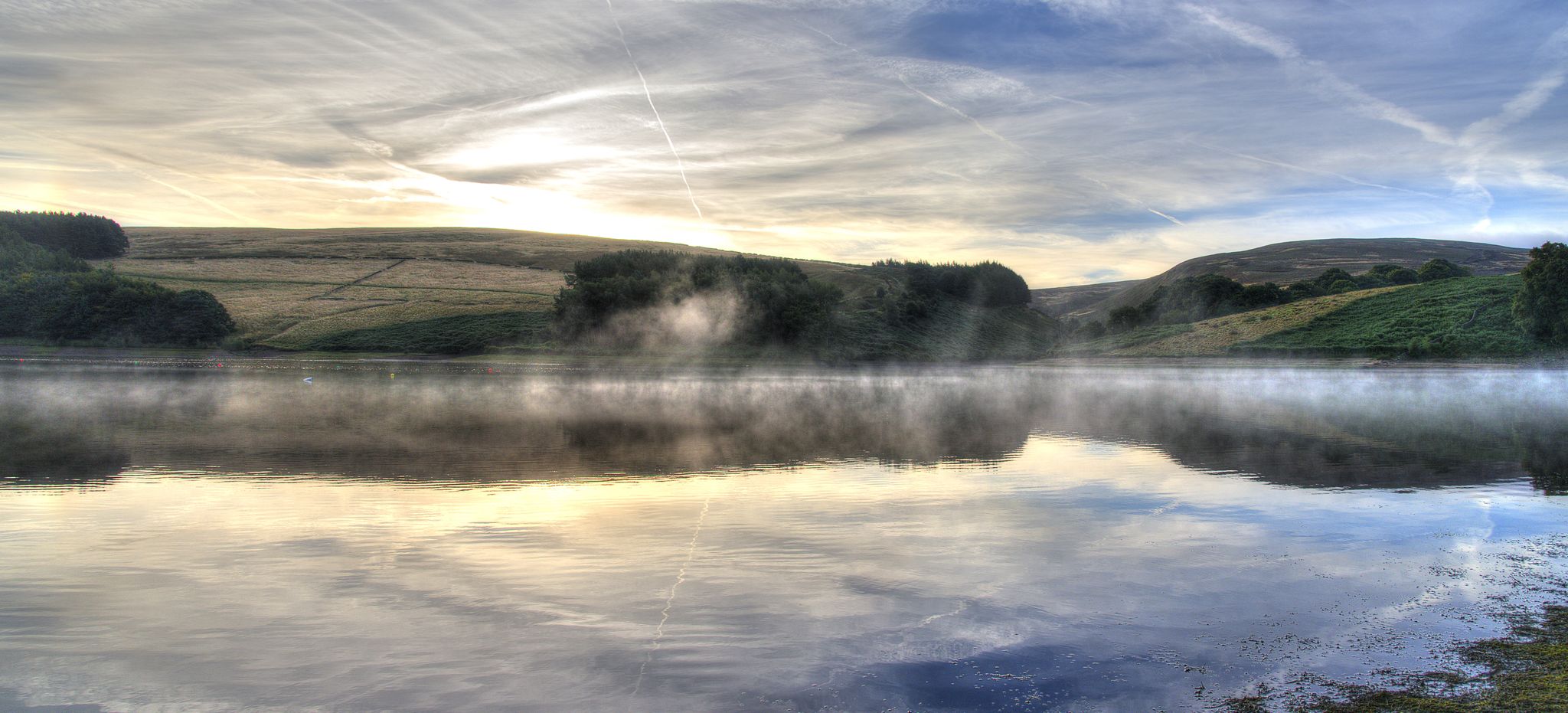
Midshires Way — An epic hike through England's rural heart
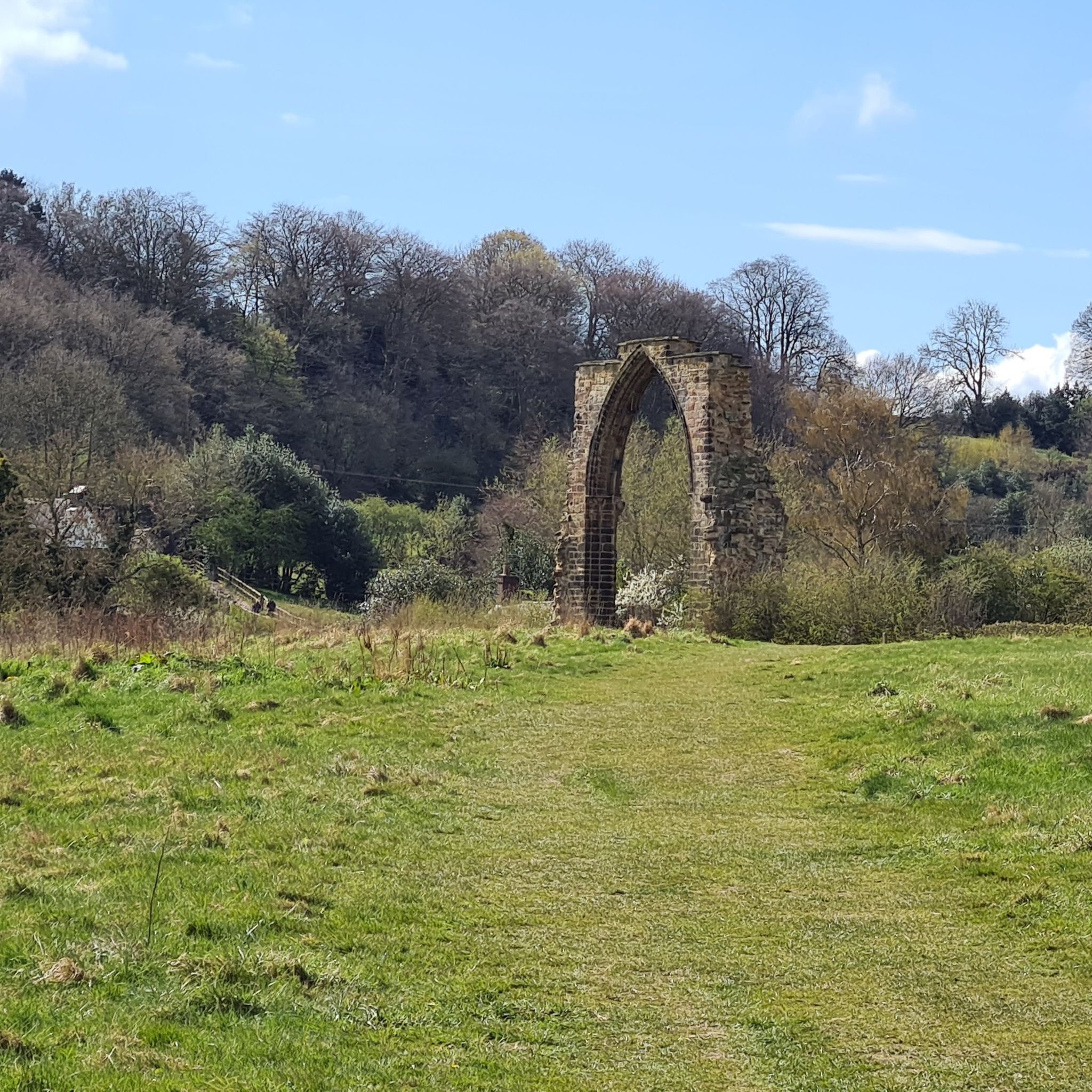
Hiking around Stanley And Stanley Common
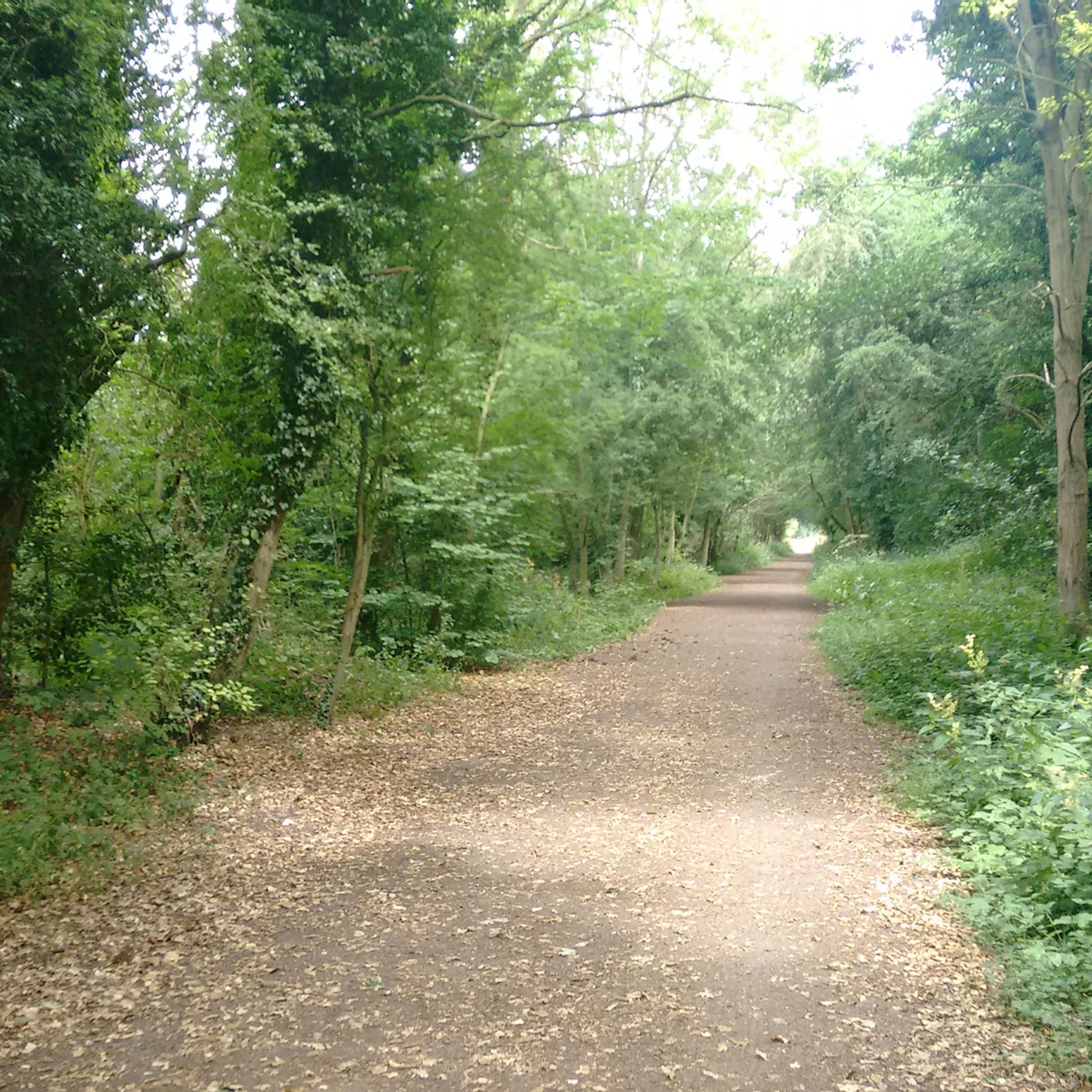
Cycling around Stanley And Stanley Common
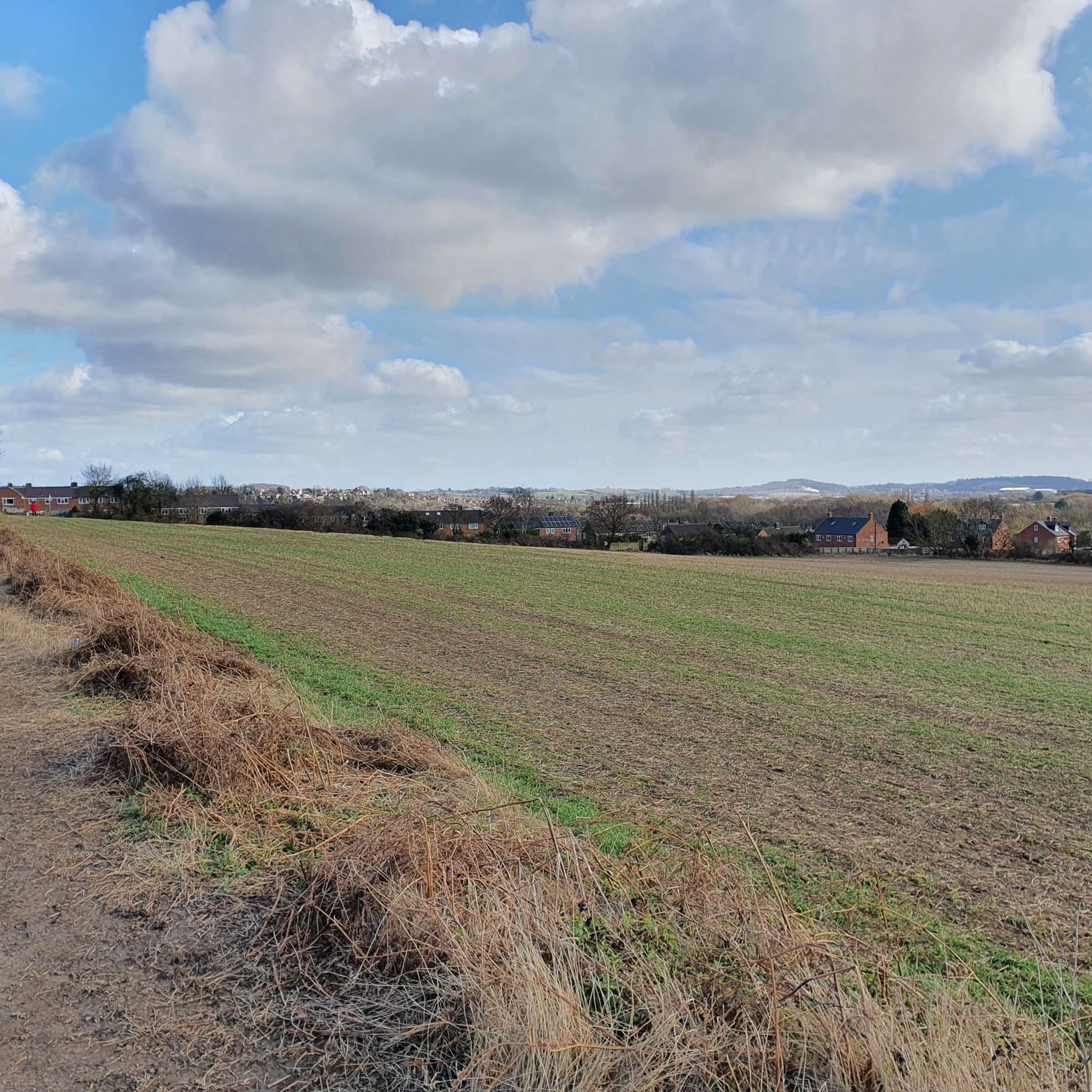
Running Trails around Stanley And Stanley Common
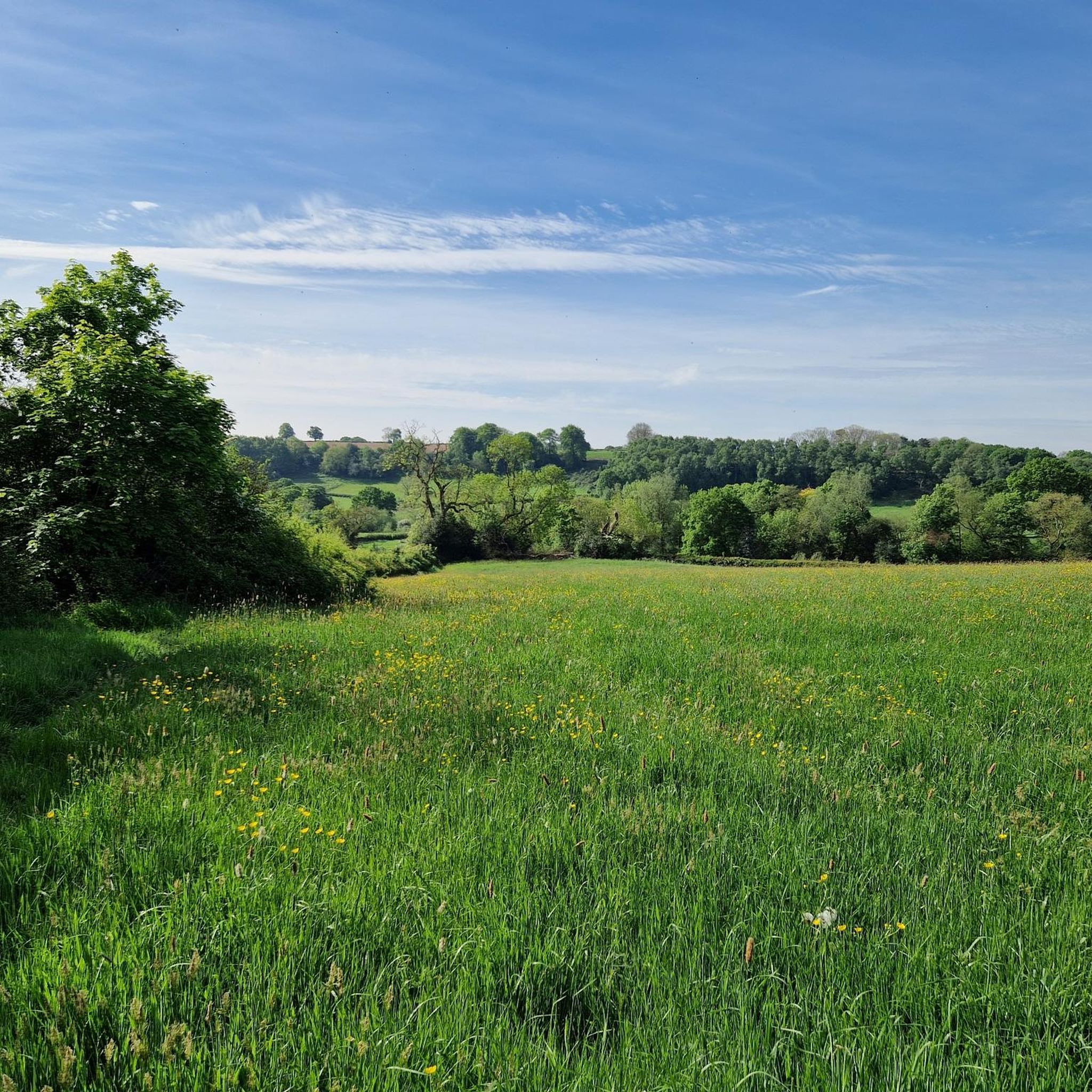
MTB Trails around Stanley And Stanley Common
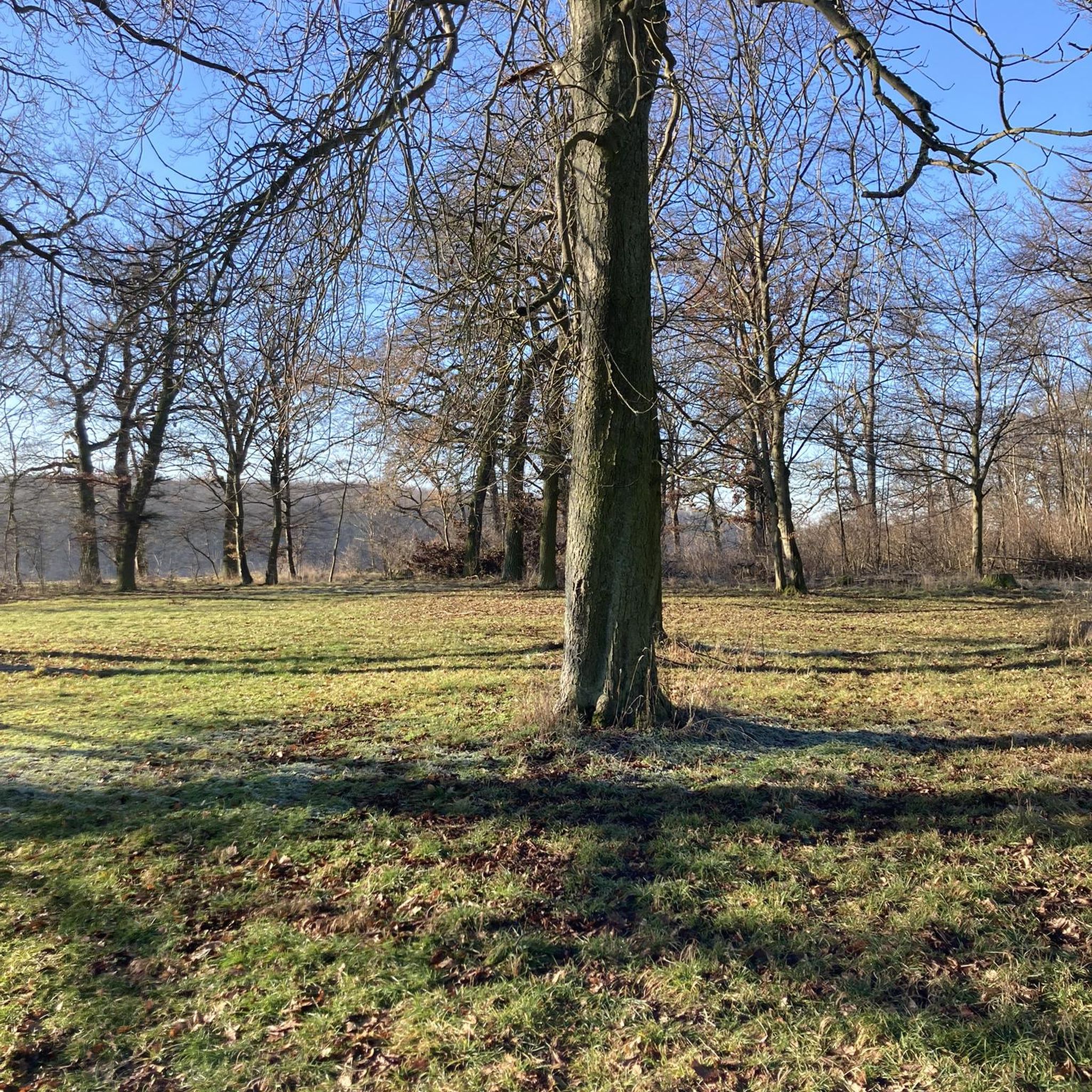
Gravel biking around Stanley And Stanley Common
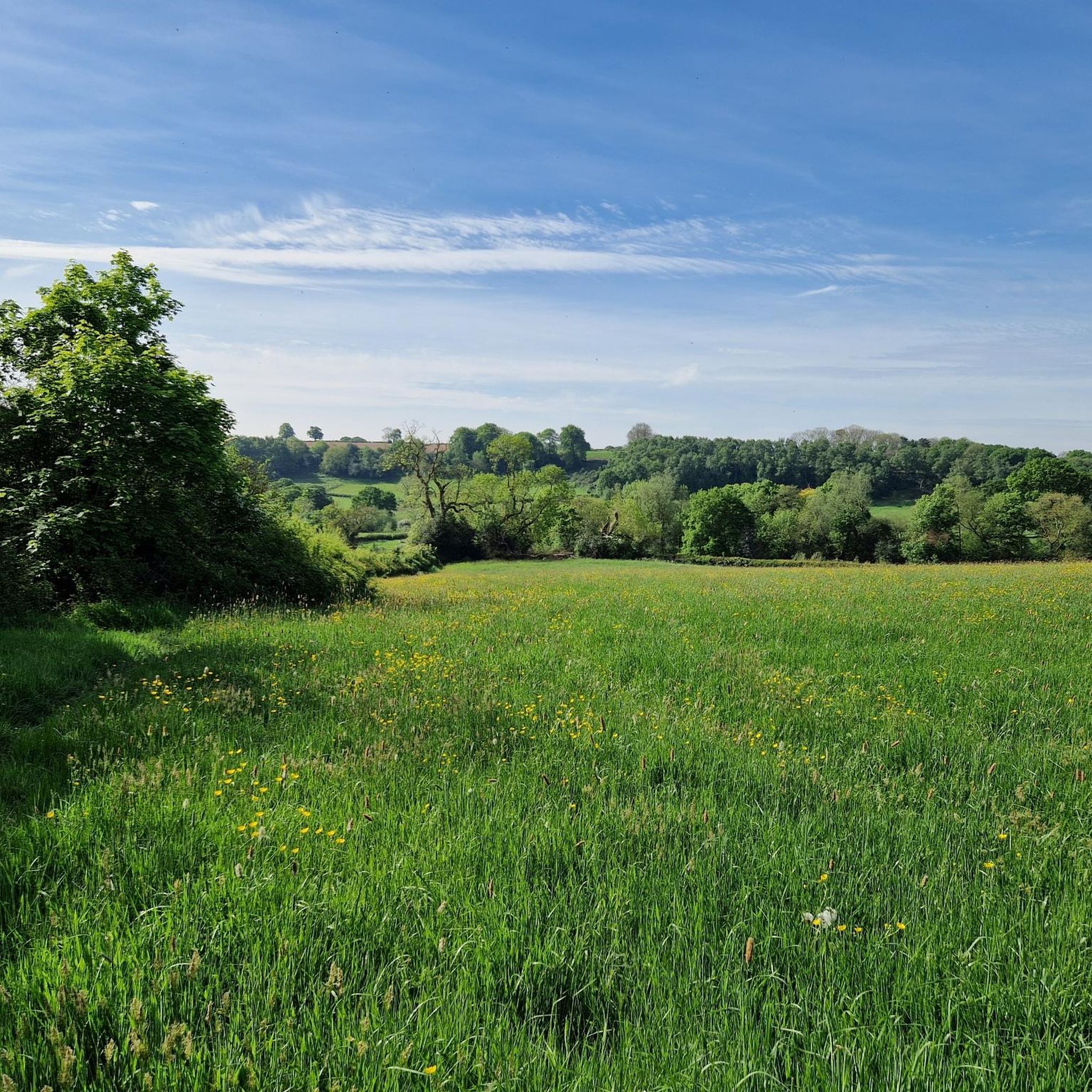
Road Cycling Routes around Stanley And Stanley Common
Other adventures around Stanley And Stanley Common

Tips from the Community


The area known as Allestree Park was enclosed in about 1818. The house begun by Bache Thornhill was completed by John Giradot (High Sheriff of Derbyshire) with three storeys and five bays, the central three bowed with an ionic columned porch. A large part of the estate was sold for housing development in 1928. The neglected house now stands in a 300-acre (1.2 km2) wooded parkland with lake, grasslands and former golf course, owned by Derby City Council. Allestree Park is designated as a Local Nature Reserve.
0
0

The 18-hole Golf Course opened in 1955, was closed in December 2020 and has now disappeared. There are several colour-coded & waymarked walking, running & nature trails to enjoy. Allestree Park is perfect for families to enjoy some fresh air and a stroll.
1
0

Still a lovely park but the golf course has closed and the Pro shop is no more so little opportunity for refreshments. In summer there is sometimes an ice cream van near the Hall. Park is due for "rewilding" which means there will be less open space for cycling and, for some obscure reason, a lot more fencing.
0
0
The Hemlock Stone is an outcrop of New Red Sandstone, deposited more than 200 million years ago in the Triassic Period. Approximately 28 feet (8.5 m) high, it is formed of a layer of Nottingham Castle Sandstone overlying a layer of Lenton Sandstone.
0
0

This is on the FP going East from Hopwell Hall Farm
0
0
The Moat of Wood Hall can be seen in the field adjacent to the Public Footpath. An info board nearby relates the story of the Risley Lanx. The Risley Park Lanx is a large Roman silver dish that was discovered in 1729 in Risley Park, Ref Wikipedia https://en.wikipedia.org/wiki/Risley_Park_Lanx
0
0

At the heart of the Derwent Valley Mills UNESCO World Heritage Site, the town of Belper has a fascinating industrial history. Hot on the heels of Cromford to the north, it was home to some of the world's first water-powered cotton spinning mills, built by Jedediah Strutt. In 1803, Strutt's North Mill was rebuilt using the world's first fireproof iron frame. This was to become the blueprint for modern skyscrapers. The town is beautifully situated on the River Derwent and is an important stop on the Derwent Valley Heritage Way. There are plenty of places to eat and drink, as well as good accommodation options in the town.
0
0
Frequently Asked Questions
What are the most popular natural monuments around Stanley And Stanley Common?
The area offers a variety of natural monuments appreciated by visitors. Among the most popular are The Hemlock Stone, a striking red sandstone formation, and Wyver Lane Nature Reserve, an important wetland site perfect for birdwatching. Visitors also enjoy Belper River Gardens and the Stone Bridge, which blends natural beauty with industrial history along the River Derwent.
Are there family-friendly natural monuments in the Stanley area?
Yes, several natural monuments around Stanley and Stanley Common are suitable for families. The Hemlock Stone, Allestree Park, Wyver Lane Nature Reserve, and Belper River Gardens and the Stone Bridge are all marked as family-friendly. Allestree Park, for instance, offers open grass areas, a lake, and woodlands with waymarked trails, ideal for a family stroll.
What kind of wildlife can I spot at natural monuments in the region?
The region is rich in wildlife, especially at wetland and woodland sites. At Wyver Lane Nature Reserve, you can spot Canada geese, tufted ducks, little grebes, and various gulls, with otters also present. Mapperley Reservoir is another excellent spot for birdwatching, where you might see coots, moorhens, mallards, kingfishers, chiffchaffs, willow warblers, blackcaps, robins, and chaffinches. "The Gripps" Wooded Valley is known for its rich variety of wildflowers and serves as a vital habitat for numerous wildlife species.
Are there historical sites combined with natural beauty?
Absolutely. Belper River Gardens and the Stone Bridge is situated at the heart of the Derwent Valley Mills UNESCO World Heritage Site, offering a blend of natural riverside beauty and significant industrial history. Additionally, the Site of Wood Hall and Risley Lank features the moat of Wood Hall and is associated with the discovery of the Roman Risley Park Lanx, providing a historical context within a natural setting.
What outdoor activities can I do near these natural monuments?
Beyond exploring the natural monuments themselves, the area offers various outdoor activities. You can find numerous cycling routes, including road cycling and touring bicycle options, as well as mountain biking trails. For example, there are easy road cycling routes like the Mapperley Reservoir loop, and moderate touring bicycle routes such as the Manor Floods Nature Reserve – Shipley Country Park loop. You can explore these and more on the dedicated guide pages for Road Cycling, Cycling, and MTB Trails around Stanley And Stanley Common.
What is the geological significance of the natural monuments?
The region features interesting geological formations. The Hemlock Stone is a striking outcrop of New Red Sandstone, similar to the rock Nottingham Castle stands on, rising 31 feet. Its unusual formation has led to legends of ancient religious rites. Further afield in the broader Derbyshire area, hills like Parkhouse and Chrome Hill are notable for their unique geological formations, once coral reefs, locally known as the 'Dragon's Back'.
Are there any ancient woodlands to explore?
Yes, "The Gripps" Wooded Valley is recognized as an ancient woodland site. It is home to a rich variety of wildflowers and provides a vital habitat for numerous wildlife species, offering a glimpse into the region's historical ecological makeup. This area is perfect for those looking to experience a more untouched natural environment.
What do visitors enjoy most about the natural monuments in this area?
Visitors particularly enjoy the blend of natural beauty and historical context. The unique rock formations like The Hemlock Stone, the rich wildlife at places like Wyver Lane Nature Reserve, and the serene river settings of Belper River Gardens are highly appreciated. The opportunity for peaceful walks and birdwatching in tranquil settings is also a major draw.
How do the natural monuments near Stanley and Stanley Common compare to the Peak District?
While Stanley and Stanley Common offer charming local natural features like Mapperley Reservoir and "The Gripps" Wooded Valley, the nearby Peak District National Park provides a different scale of natural monuments. The Peak District boasts dramatic landscapes such as Mam Tor, known as the "Shivering Mountain," the iconic limestone ravines of Dovedale, and Kinder Scout, the highest point with expansive moorland and a waterfall. These larger Peak District attractions offer more rugged and expansive natural beauty compared to the more localized and often historically intertwined natural spots directly around Stanley and Stanley Common.
Are there accessible natural monuments for visitors with limited mobility?
While specific accessibility details for all sites are not provided, places like Allestree Park offer waymarked walking trails that are generally easier to navigate. Belper River Gardens, being a managed park area, often provides more accessible paths. It's advisable to check specific site conditions for the most up-to-date accessibility information before visiting.
What is the best time of year to visit the natural monuments?
The best time to visit depends on your interests. Spring is ideal for seeing wildflowers in ancient woodlands like "The Gripps" and for birdwatching as migratory birds return. Summer offers pleasant weather for walking and enjoying the open spaces of Allestree Park and the riverside at Belper River Gardens. Autumn brings beautiful foliage, while winter can offer a quiet, stark beauty, especially for birdwatching at Wyver Lane Nature Reserve when large numbers of gulls visit.
Most popular routes around Stanley And Stanley Common
Most popular attractions around Stanley And Stanley Common

Get inspired with the komoot mobile app


Explore more
Extend your search for the best caves by checking out these guides of the top ones around Stanley And Stanley Common:
