Top 3 Natural Monuments around Wold Newton
Best natural monuments around Wold Newton are found within the Great Wold Valley, a region characterized by rolling hills and tranquil chalk landscapes in the East Riding of Yorkshire. This area offers a unique blend of geological features and historical significance, including ancient prehistoric sites and notable natural phenomena. The landscape provides opportunities to explore distinctive natural formations and cultural landmarks.
Best natural monuments around Wold Newton
- The most popular natural monuments is Carr Naze Viewpoint, a viewpoint offering…
Last updated: August 22, 2026
Rudston Monolith
Highlight • Natural
Tip by

Yorkshire Wolds Way End Monument
Highlight • Monument
Tip by

Sign up now to discover places like this
Get recommendations on the best single tracks, peaks, & plenty of other exciting outdoor places.
Sign up for free
Carr Naze Viewpoint
Highlight • Viewpoint
Tip by

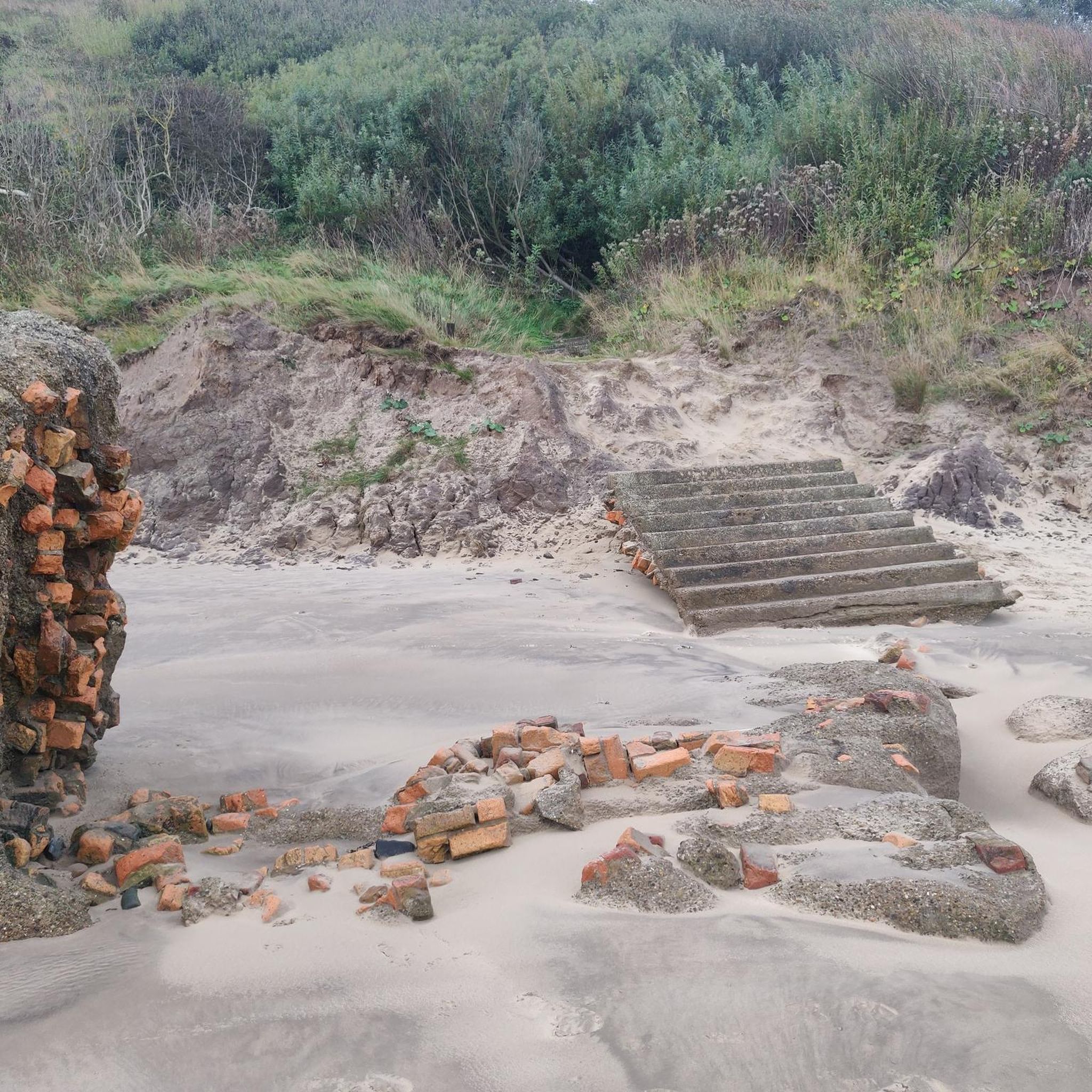
View of the Coastal Cliff
Highlight • Natural Monument
Translated by Google •
Tip by

Start today with a free account
Your next adventure awaits.
Login or Signup
Tips from the Community

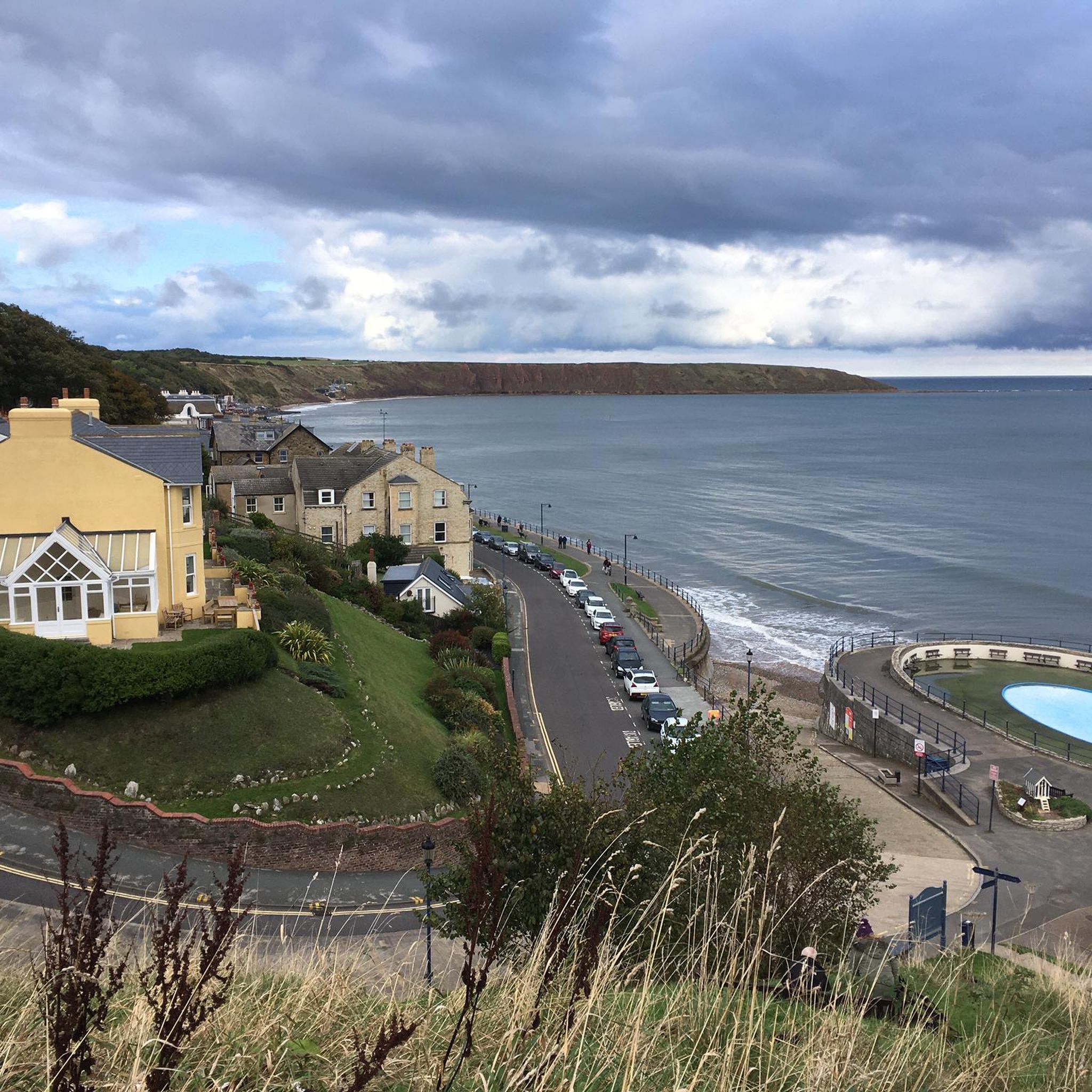
A great view of the sea and Filey Bay and if I saw correctly, you can see Scarborough on the other side. You can take your time here and just watch the sea come in and let the wind blow around your nose.
0
0

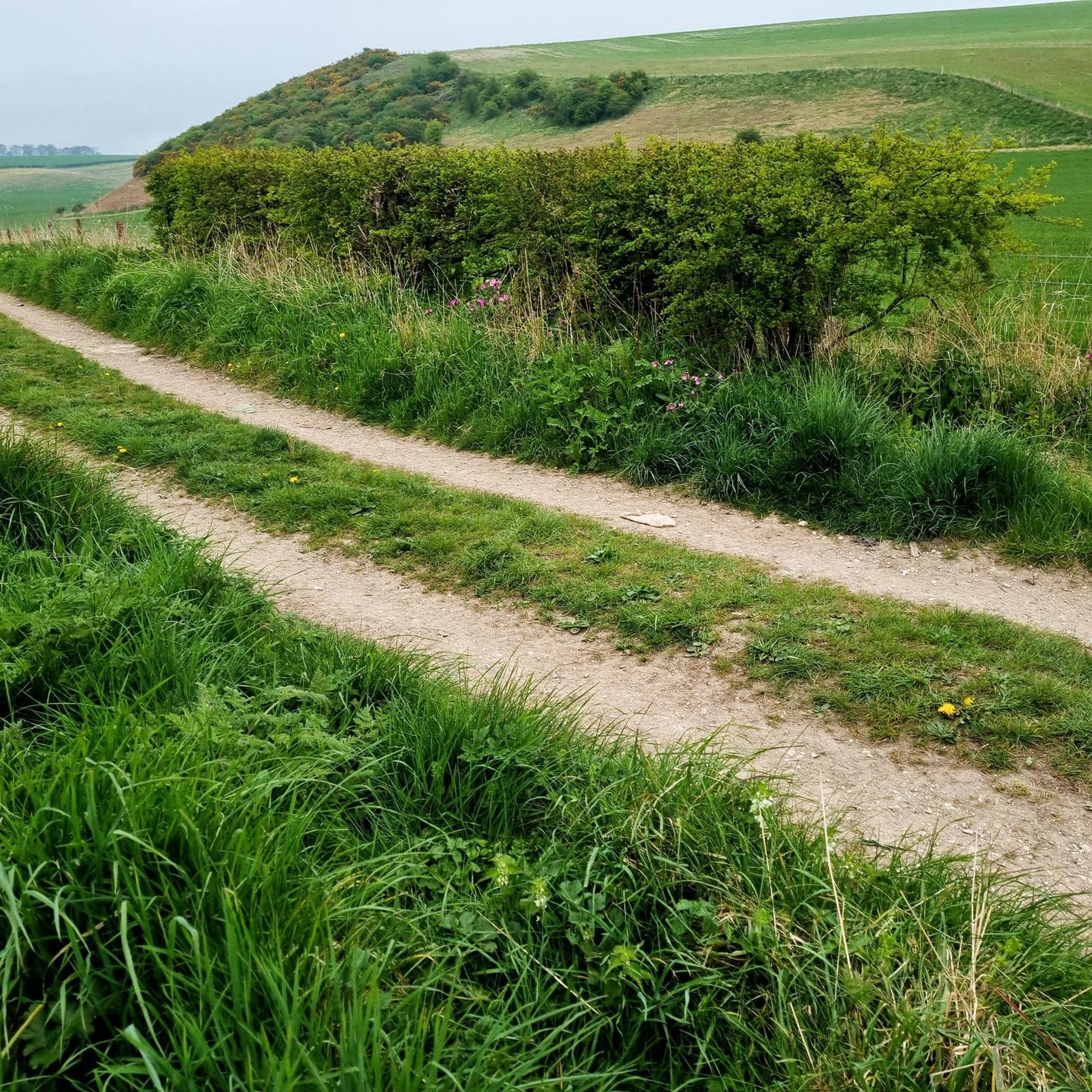
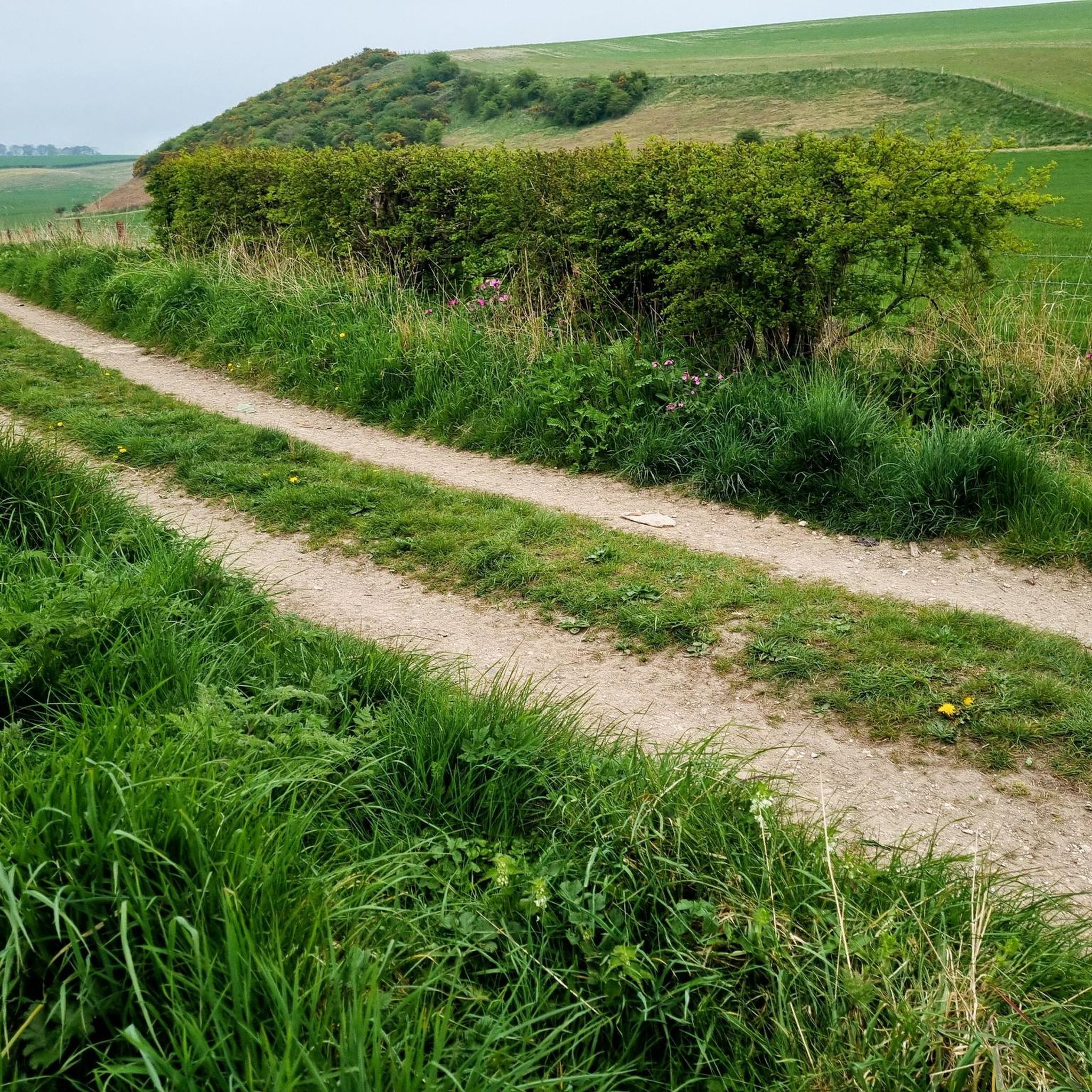
You'll need slightly wider tires to reach that spot, but even with about 30 mm you'll be fine. It's definitely worth a look.
0
0

The Rudston monolith is the tallest prehistoric standing stone in Britain, measuring almost 8 metres high, nearly 2 metres wide, a metre thick and estimated to weigh somewhere in the region of a massive 26 tons. This giant block of grey sandstone or gritstone was errected here either in the late Neolithic or early Bronze Age and is thought to have been quarried more than 10 miles away in the Cayton Bay area south of Scarborough, although the glacial transportation of a large block of stone that was then shaped and utilised by the prehistoric residents of the area cannot be ruled out. The top of the stone has been weathered and eroded into a fluted peak similar to the stones of the Devil's Arrows and a lead cap was first added to try to preserve it in the 18th century. The churchyard of All Saints that it stands in is of course much younger and although the christianisation of the site took place around 1100AD the stone had already stood here for at least 3000 years. The monolith stands close to the Gypsey Race, an occasional stream that flows along the floor of the Great Wold Valley from close to the barrow of Duggleby Howe in the east, past another pair of barrows at Wold Newton and Willie Howe before turning south past the Argham Henge and Cursus down to Rudston itself where it bends sharply and heads eastwards to the sea at Bridlington. The whole of the Gypsey Race landscape was obviously important in prehistoric times and holds a rich selection of sites, most of which have been destroyed or badly damaged by ploughing, including many round barrows, several long barrows, four cursuses and at least one henge. It continued to retain its importance into the historic period - a major Roman villa was discovered to the southwest of Rudston village. In the corner of the churchyard is a much smaller stone presumably brought here from a local barrow and also the remains of a double cist that was removed from a nearby barrow on Rudston Beacon by the antiquarian Canon Greenwell in the late 19th century.
0
0

Pretty Lily Pond, eheral, in the mist coming in from the sea
0
0

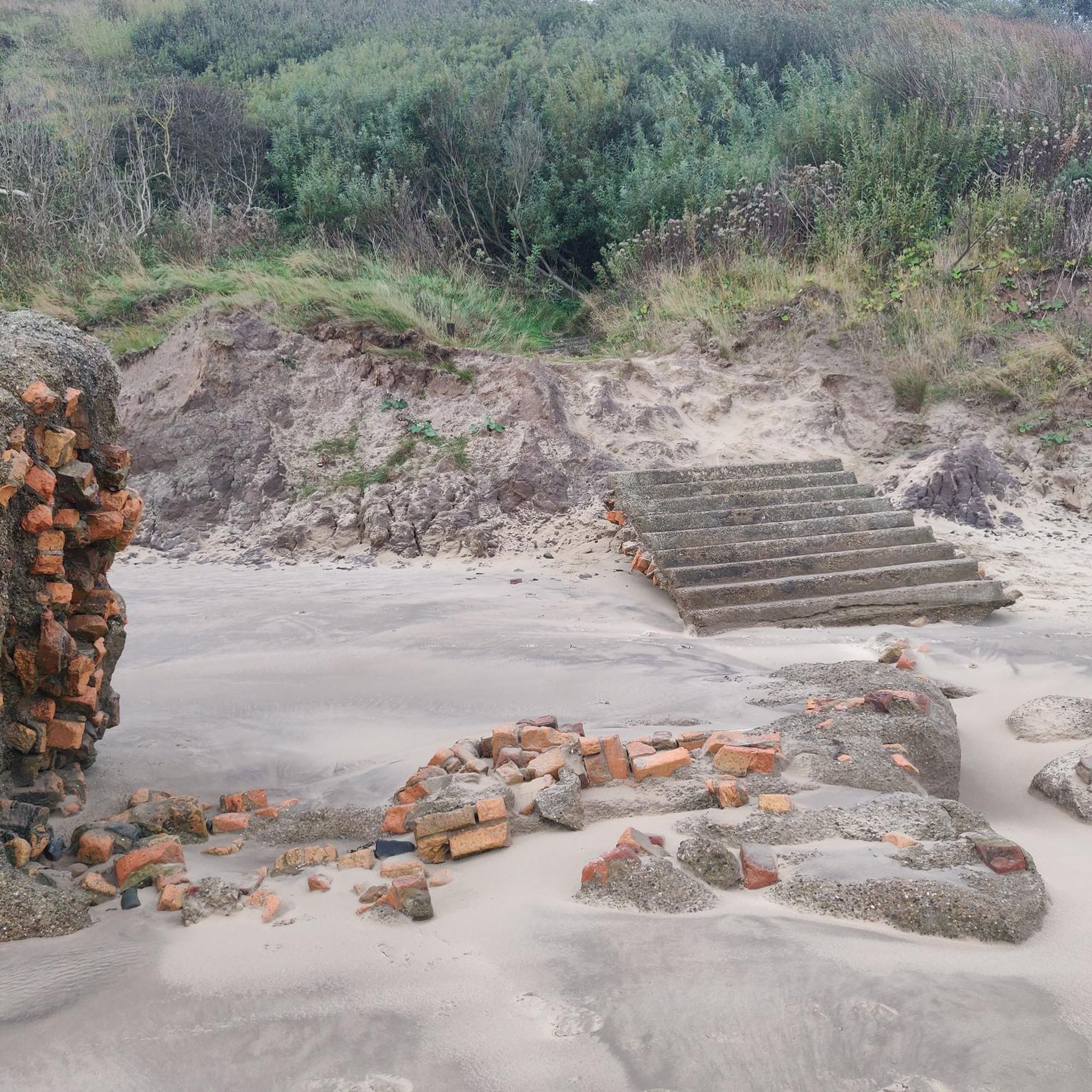
Not a significant waymarker as it’s worth pushing to the end of the cliff top before turning back, the views are worth it!
0
0

Situated in the churchyard in the village of Rudston, this monolith, which stands at over 25 feet, is the tallest megalith in the United Kingdom.
0
0
Frequently Asked Questions
What unique natural features can I explore around Wold Newton?
Wold Newton is nestled within the Great Wold Valley, offering distinctive natural features. You can discover The Gypsey Race, a fascinating intermittent chalk stream that flows after heavy rainfall, creating a unique ecological corridor. The broader Yorkshire Wolds themselves provide stunning rolling chalk hills and tranquil landscapes perfect for exploration.
Are there any historical natural monuments in the area?
Absolutely. Beyond natural formations, the region boasts significant historical natural monuments. The Wold Cottage Meteorite Monument marks the spot where a 56-pound meteorite fell in 1795, a truly unique historical event. Additionally, you can find ancient burial sites like the Neolithic Round Barrow and Bronze Age Bowl Barrows, offering a glimpse into prehistoric human activity in the Great Wold Valley.
What are some of the most impressive viewpoints near Wold Newton?
For breathtaking vistas, consider visiting Carr Naze Viewpoint, which offers dramatic coastal scenery. Another excellent spot is the Yorkshire Wolds Way End Monument, providing expansive views over Filey and its bay. You can also enjoy a View of Filey Brigg, a distinctive rocky peninsula.
Are there family-friendly natural monuments or activities in the Wold Newton area?
Yes, several natural monuments are suitable for families. The Rudston Monolith, an impressive standing stone with a mysterious past, is located in a churchyard and easily accessible. The Yorkshire Wolds Way End Monument also offers great views and is a good destination for a family outing. Exploring the Gypsey Race valley can be a gentle nature walk for all ages.
What kind of outdoor activities can I do near these natural monuments?
The area around Wold Newton is excellent for various outdoor activities. You can find numerous hiking opportunities, including routes like the 'Cans Dale Road – View of the Wolds loop' or coastal walks. For cyclists, there are road cycling routes such as the 'Rudston Monolith – Burton Agnes Hall and Gardens loop'. Mountain biking trails are also available, like the 'Filey Bay Beach – Filey Beach loop'. You can explore more options on our dedicated guides for Hiking around Wold Newton, Road Cycling Routes around Wold Newton, and MTB Trails around Wold Newton.
What is the best time to visit the natural monuments around Wold Newton?
The Yorkshire Wolds, including the area around Wold Newton, are beautiful year-round. Spring and summer offer pleasant weather for walking and cycling, with the landscape in full bloom. Autumn brings vibrant colors to the rolling hills. If you wish to see The Gypsey Race flowing, visiting after periods of significant rainfall, typically in winter or early spring, would be ideal.
Are there any challenging trails or viewpoints for experienced hikers?
Yes, for those seeking more challenging experiences, the ascent/descent at Carr Naze Viewpoint is noted as challenging and not recommended during wet periods. Some of the longer hiking routes in the area, such as the 'Filey Bay Beach – Filey Beach loop from Hunmanby', are also rated as difficult.
What kind of wildlife can I expect to see near Wold Newton's natural features?
The Great Wold Valley and the Gypsey Race are important for wildlife. The Gypsey Race acts as a 'green and blue stepping stone' for various species in the arable landscape. You might spot various bird species, small mammals, and insects, especially along the stream's banks and in the surrounding countryside of the Yorkshire Wolds.
Is public transport available to reach these natural monuments?
While Wold Newton is a rural village, public transport options might be limited. It's advisable to check local bus schedules for routes connecting to nearby towns like Driffield or Bridlington, and then plan for onward travel or walking to specific sites. Many visitors prefer to explore the area by car or bicycle for greater flexibility.
What makes the Rudston Monolith significant?
The Rudston Monolith is highly significant as the tallest standing stone in the UK, towering at 25 feet (7.6 m). It dates back to the Late Neolithic or Early Bronze Age and is shrouded in mystery, with some even believing a dinosaur footprint is visible on one side. Its sheer size and ancient origins make it a remarkable historical and natural monument.
Are there any hidden gems or less-known natural monuments worth discovering?
While the main sites are well-documented, the charm of Wold Newton lies in its tranquil, rolling landscapes. Exploring the smaller, less-trafficked paths along the Gypsey Race or seeking out the specific locations of the Neolithic Round Barrow and Bronze Age Bowl Barrows can feel like discovering hidden gems, offering a peaceful connection to the region's deep history and natural beauty.
Most popular attractions around Wold Newton

Get inspired with the komoot mobile app


Explore more
Extend your search for the best caves by checking out these guides of the top ones around Wold Newton:
