Top 5 Natural Monuments around Tunbridge Wells
Best natural monuments around Tunbridge Wells are characterized by ancient sandstone rock formations and diverse natural landscapes. This region offers geological wonders, opportunities for outdoor activities, and historical significance. The area's unique geology, including its distinctive sandstone outcrops, provides a rich environment for exploration. Visitors can discover a variety of natural features, from towering rock formations to serene ponds and extensive pinetums.
Best natural monuments around Tunbridge Wells
- The most popular natural monuments is Happy Valley Rocks, a climb…
Last updated: June 29, 2026
Happy Valley Rocks
Highlight • Climb
Tip by

Furnace Pond
Highlight • Natural Monument
Tip by

Sign up now to discover places like this
Get recommendations on the best single tracks, peaks, & plenty of other exciting outdoor places.
Sign up for free
Bedgebury National Pinetum
Highlight • Natural Monument
Tip by

Castle Woods Motte and Bailey Earthworks
Highlight • Historical Site
Tip by
Start today with a free account
Your next adventure awaits.
Login or Signup
Popular around Tunbridge Wells
High Weald Landscape Trail — Hike the medieval heart of the South East
Downs and Weald Way – From London to the sea, a great adventure
Discover London’s Outdoor Playgrounds
Beautiful walks in Kent - the garden of England
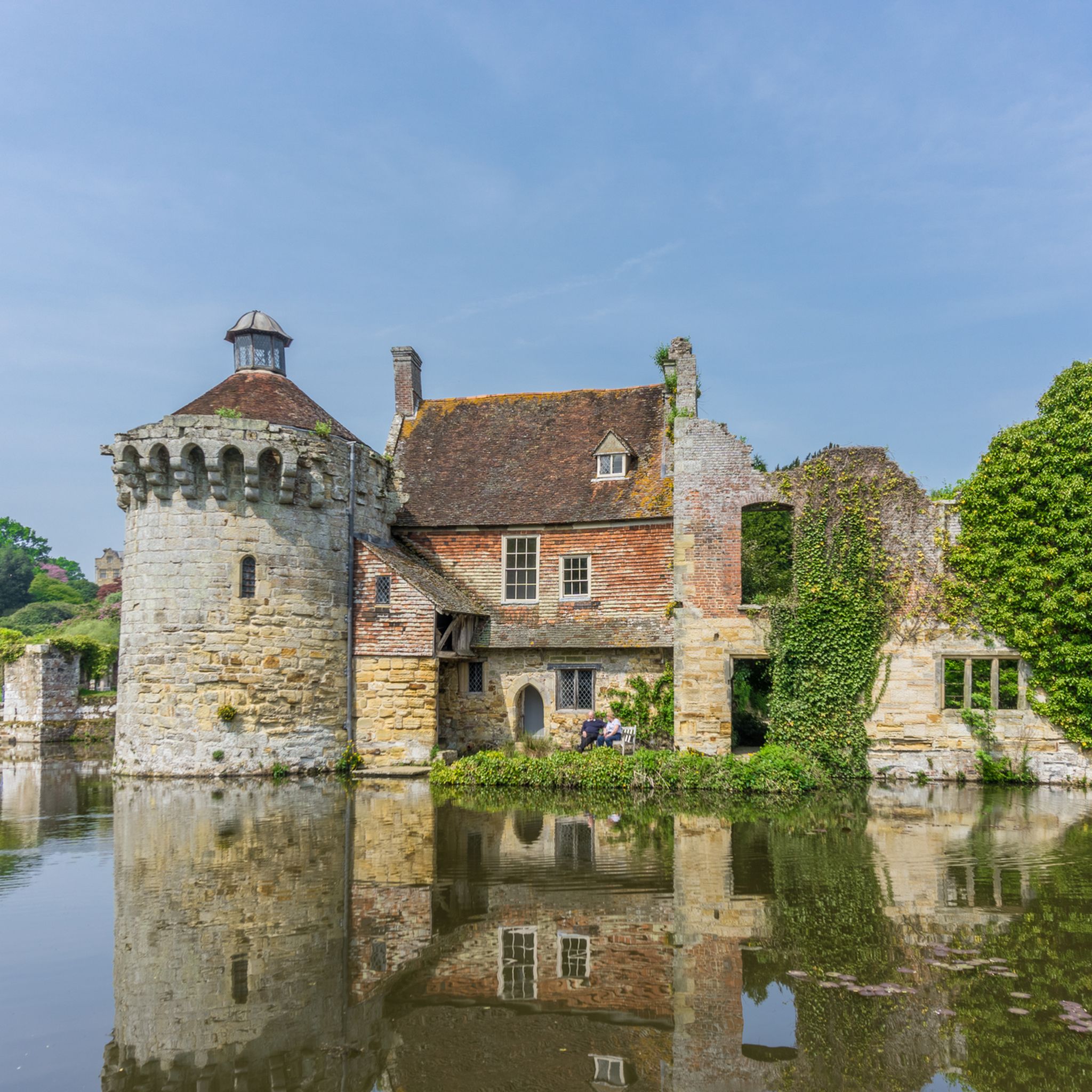
Hiking around Tunbridge Wells
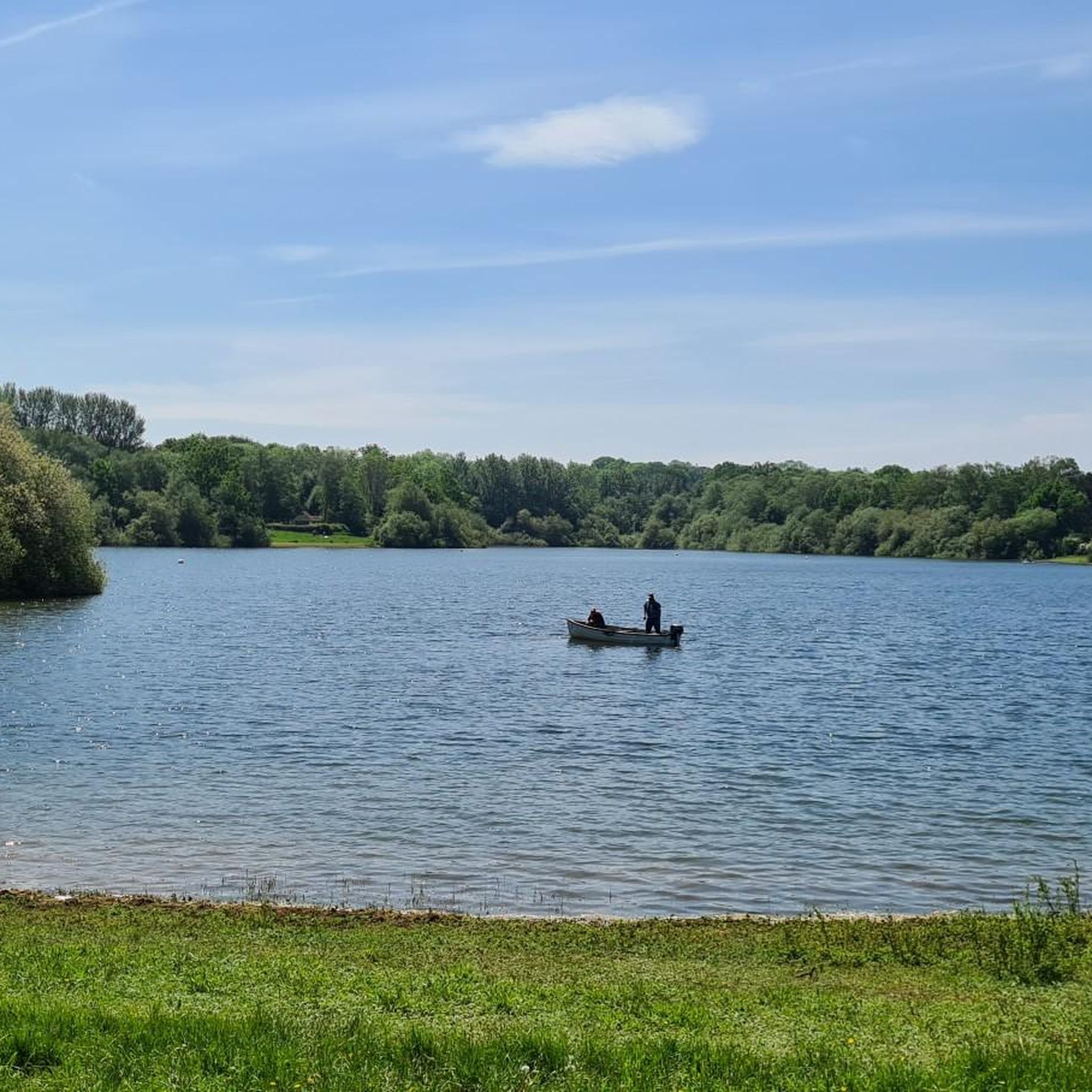
Running Trails around Tunbridge Wells
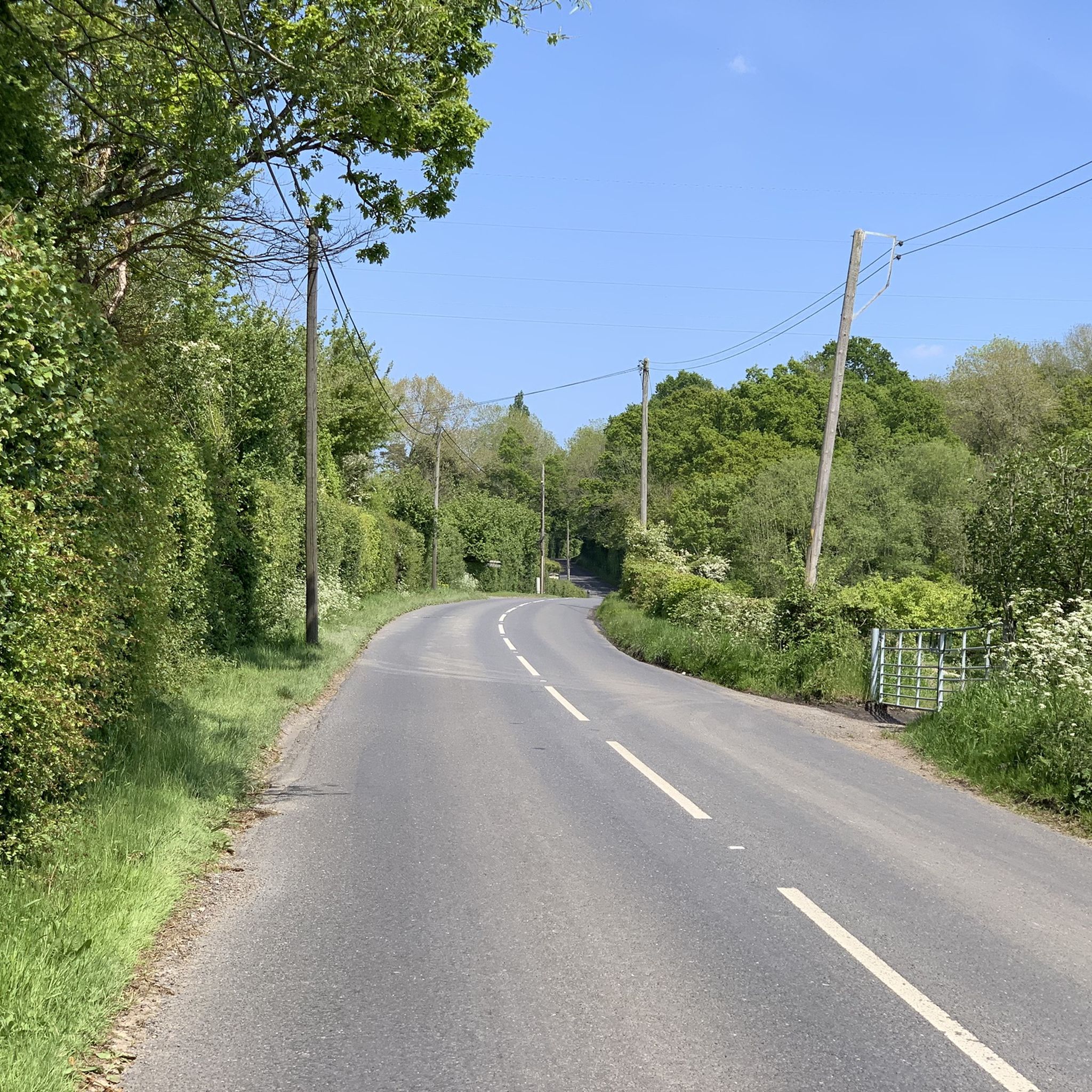
Road Cycling Routes around Tunbridge Wells
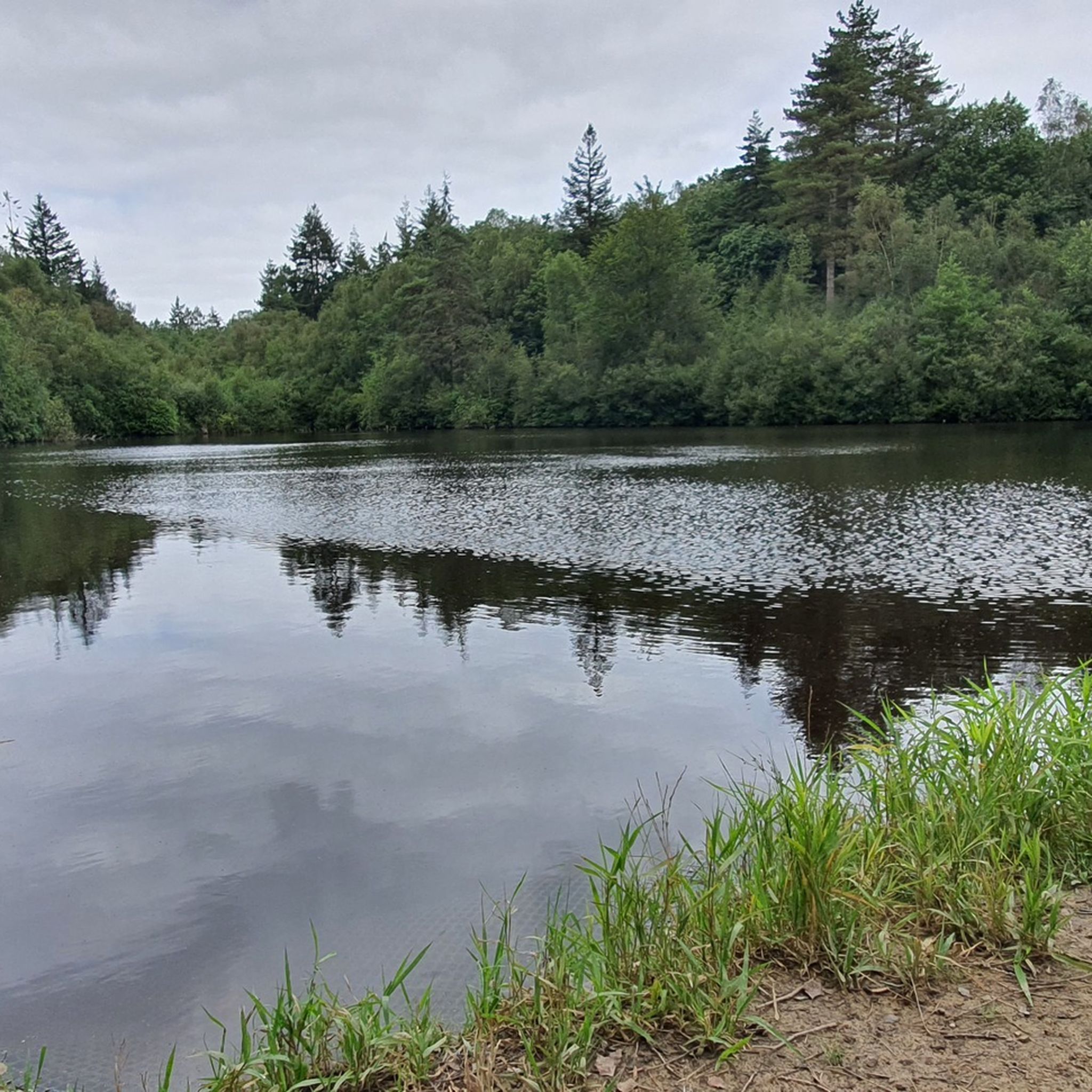
Cycling around Tunbridge Wells
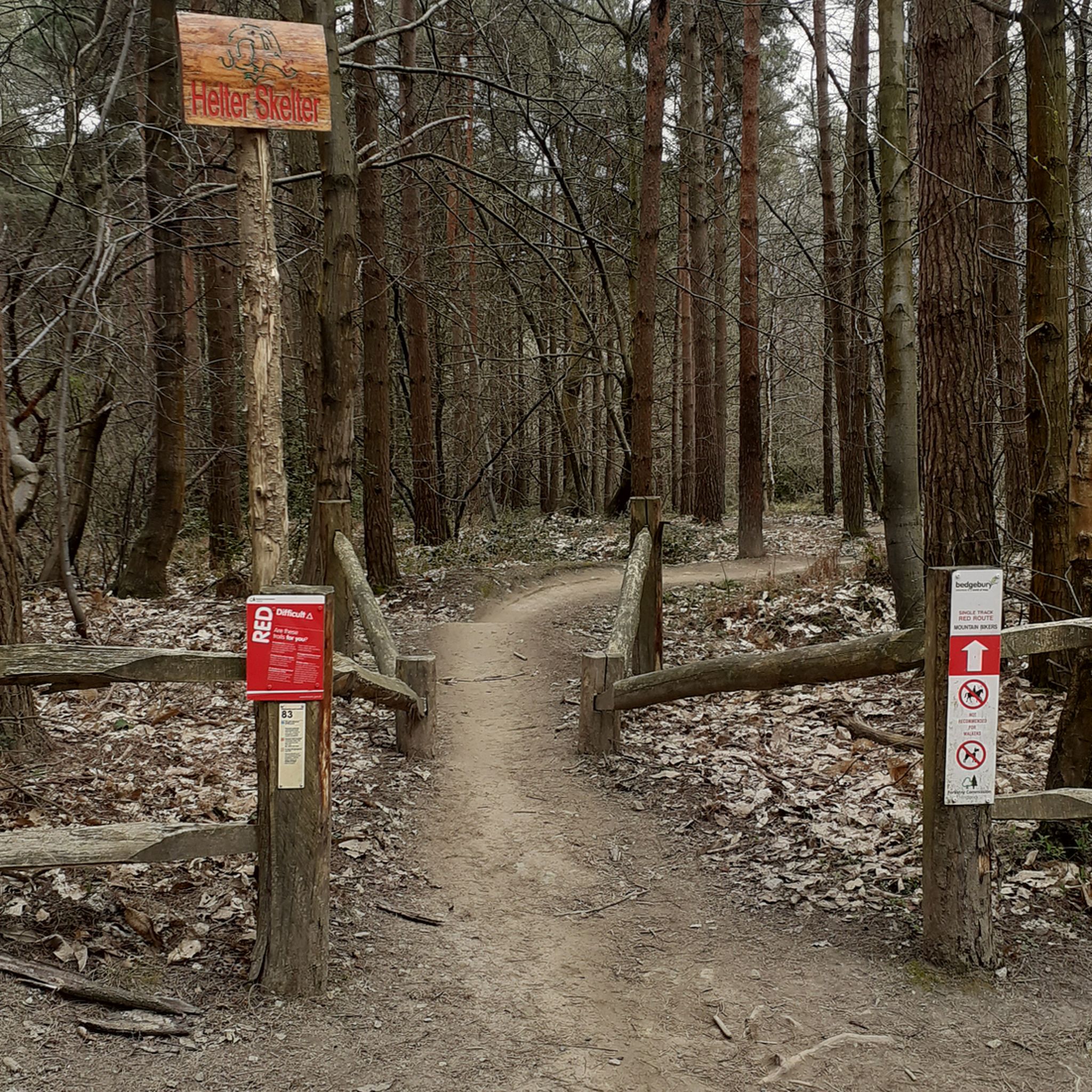
MTB Trails around Tunbridge Wells

Gravel biking around Tunbridge Wells
Other adventures around Tunbridge Wells


Tips from the Community

Unfortunately, not very interesting to walk through.
0
0


The pinetum at Bedgebury is the largest in the world. There are over 12,000 specimen trees here of various species. You can search using a species library tool on the Bedgebury website.
0
0

Water from this pond once pond once powered one of the largest iron works in the Weald employing over 200 men. In 1614 its owner, John Brown, was granted the monopoly of making iron and brass guns for the navy.
1
0
The site of a medieval earthworks
0
0
Although it doesn't look like much, Castle woods is a late 11th or mid 12th century earthwork motte and bailey fortress, founded by Ansgot of Burwell or Ralph de la Haye. The circular flat-topped motte, stands in the north-eastern part of a roughly circular bailey enclosure. The bailey which is divided in two wards by a broad east to west ditch, is encased by a steep sided partly wet ditch, with a counterscarp bank. On the photo, the semicircular protrusion on the bottom left corner of the wood contains the mound where the castle once stood
0
0

Formed from Tunbridge Wells Sandstone, this was once a campsite for nomadic hunters. Now popular with climbers, the outcrops are tor like and have a similar feel to the granite rocks of Devon and Cornwall.
0
0
Frequently Asked Questions
What are the most prominent natural features to explore around Tunbridge Wells?
The region is renowned for its ancient sandstone rock formations. You can explore towering cliffs at High Rocks, the distinctive crags of Harrison's Rocks, or the easily accessible Wellington Rocks on Tunbridge Wells Common. Additionally, the area features unique sites like the world's largest pinetum at Bedgebury National Pinetum and historical natural monuments such as Furnace Pond.
Are there any natural monuments with historical significance in the area?
Yes, several natural monuments have rich historical ties. Happy Valley Rocks was once a campsite for nomadic hunters. Furnace Pond powered one of the largest iron works in the Weald. High Rocks has been a popular tourist attraction since the 17th century, and Wellington Rocks have been explored by visitors for centuries, weaving geology into the town's fabric.
Which natural monuments are suitable for families with children?
Many natural monuments around Tunbridge Wells are family-friendly. Furnace Pond is a great spot for a leisurely visit. Bedgebury National Pinetum offers extensive trails, a play trail, and even a Go Ape course. Harrison's Rocks is also considered family-friendly, set in a lovely woodland environment.
Can I go rock climbing at any of these natural monuments?
Yes, rock climbing is a popular activity at some of the sandstone formations. High Rocks is a renowned location for rock climbing, with tickets available for climbers. Harrison's Rocks is particularly popular with rock climbers and boulderers, offering challenging routes. Due to the soft nature of the sandstone, climbing at Harrison's Rocks is exclusively protected by 'top rope'.
What kind of outdoor activities can I do near these natural monuments?
The area offers a variety of outdoor activities. You can find numerous running trails, such as the Bedgebury Pinetum loop or the Tunbridge Wells Circular Walk, which you can explore further in the Running Trails around Tunbridge Wells guide. For hiking, options include the High Rocks loop or trails around Scotney Castle, detailed in the Hiking around Tunbridge Wells guide. Gravel biking routes are also available, like the Forest Way loop, found in the Gravel biking around Tunbridge Wells guide.
Are there any natural monuments that are easily accessible from Tunbridge Wells town center?
Yes, Wellington Rocks are highly accessible, located directly on Tunbridge Wells Common, very close to the town center. Toad Rock on Rusthall Common is also just a short walk west from Tunbridge Wells Common, offering another easily reachable natural sculpture.
What makes Bedgebury National Pinetum a significant natural monument?
Bedgebury National Pinetum is a world-leading collection of conifers, boasting over 12,000 specimen trees across 350 acres, making it the largest pinetum globally. It's an inspiring place for tree lovers and offers extensive trails for walking, cycling, and mountain biking within the wider 2200-acre forest.
How can I reach some of the natural monuments using public transport?
Some natural monuments are accessible via heritage railway. The Spa Valley Railway has a halt near High Rocks, making it accessible by heritage train. Harrison's Rocks also offers views of the Spa Valley Railway, suggesting proximity to its route. For other locations, local bus services or a short taxi ride from Tunbridge Wells town center would be options.
What is the best time of year to visit the natural monuments around Tunbridge Wells?
The natural monuments can be enjoyed year-round. Spring and summer offer lush greenery and pleasant weather for outdoor activities. Autumn provides beautiful foliage, especially at sites like Bedgebury National Pinetum. Even in winter, the unique sandstone formations offer a dramatic landscape, though trails might be muddy.
Are there any natural monuments that offer panoramic views?
Yes, Harrison's Rocks provides brilliant views from the top of its crags, allowing visitors to take in the surrounding woodland and sometimes even spot a steam train. The 'Aerial Walk' at High Rocks, a series of bridges linking the tops of the crags, also provides scenic views of the dramatic sandstone landscape.
What is the significance of the sandstone formations in this region?
The sandstone formations, such as those at High Rocks, Harrison's Rocks, and Wellington Rocks, are part of the Tunbridge Wells Sand Formation, formed over 100 million years ago during the Cretaceous period. They are unique geological features, often exhibiting 'gulls' (tension cracks) and micro-weathering features like honeycombing, making them a Site of Special Scientific Interest (SSSI) and a defining characteristic of the High Weald landscape.
Most popular routes around Tunbridge Wells
Most popular attractions around Tunbridge Wells

Get inspired with the komoot mobile app


Didn’t find what you were looking for?
Find even more amazing natural monuments around Tunbridge Wells by checking out the top Highlights region by region:
Explore more
Extend your search for the best caves by checking out these guides of the top ones around Tunbridge Wells:
