Top 4 Natural Monuments around Runnymede
Best natural monuments around Runnymede include a variety of historical and natural features along the River Thames in Surrey, England. This area is characterized by expansive water-meadows, ancient trees, and significant historical sites. The landscape offers opportunities for walks and nature observation. Runnymede is known for its blend of natural beauty and historical importance.
Best natural monuments around Runnymede
- The most popular natural monuments is Magna Carta Memorial, a natural monument that commemorates the Magna Carta, considered a foundational…
Last updated: August 22, 2026
Magna Carta Memorial
Highlight • Natural Monument
The …
Tip by

Cow Pond
Highlight • Lake
Tip by

Sign up now to discover places like this
Get recommendations on the best single tracks, peaks, & plenty of other exciting outdoor places.
Sign up for free
The Cascade Waterfall, Windsor Great Park
Highlight • Waterfall
Tip by

Start today with a free account
Your next adventure awaits.
Login or Signup
Popular around Runnymede
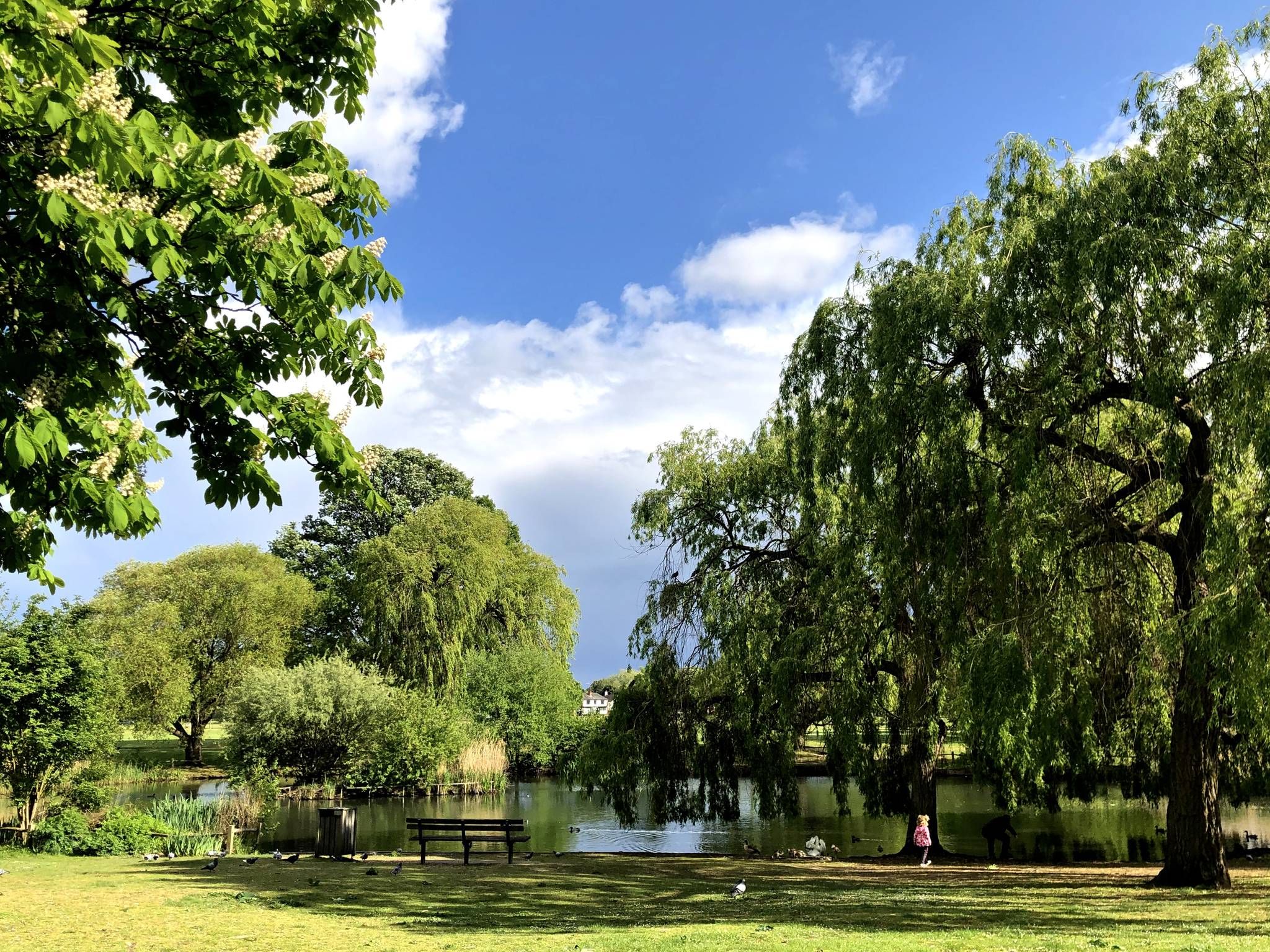
Thames Valley Cycle Route – Where red deer roam & history comes alive
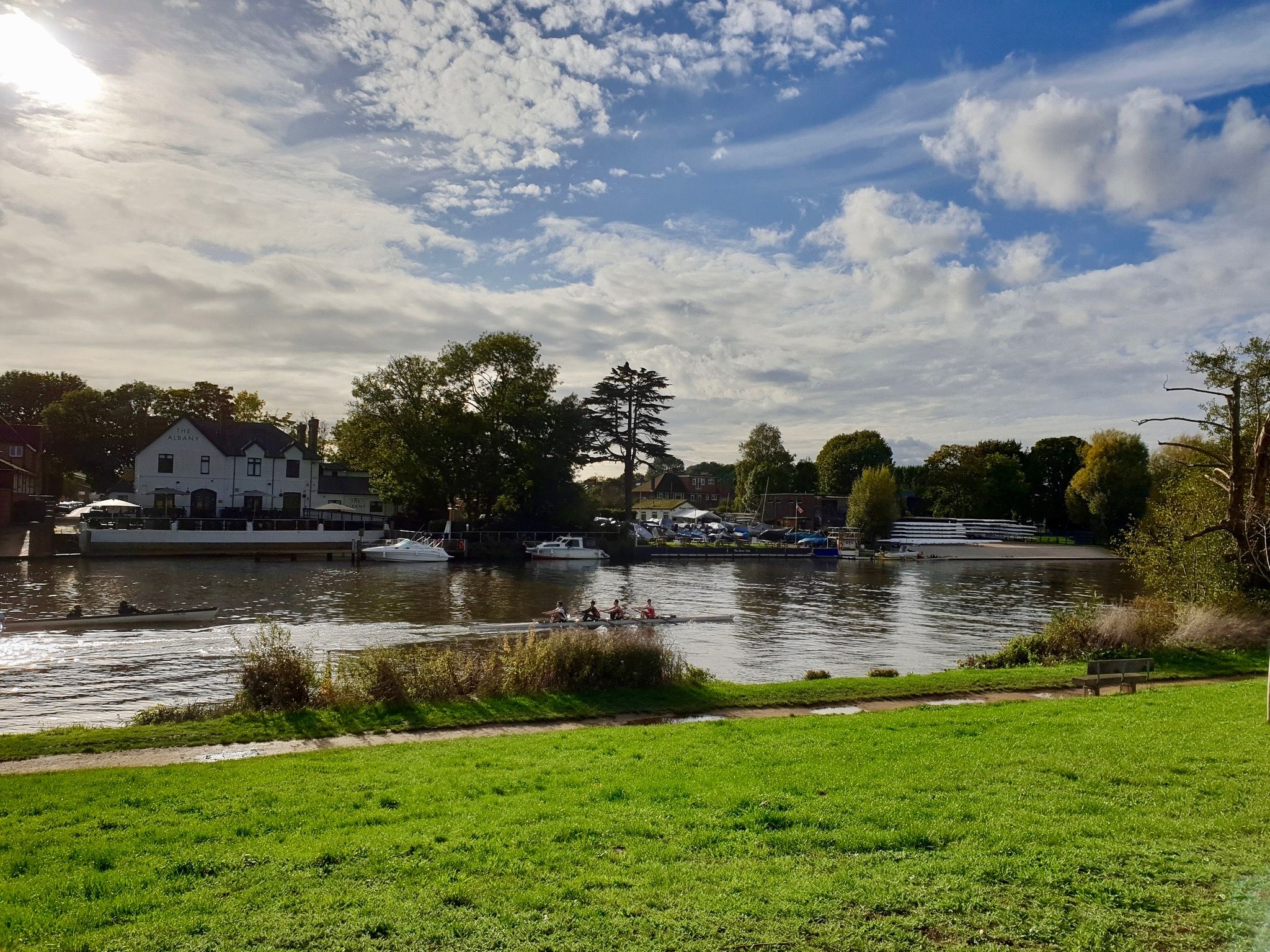
Riverside and Rolling Hills — Thames Valley Cycle Route
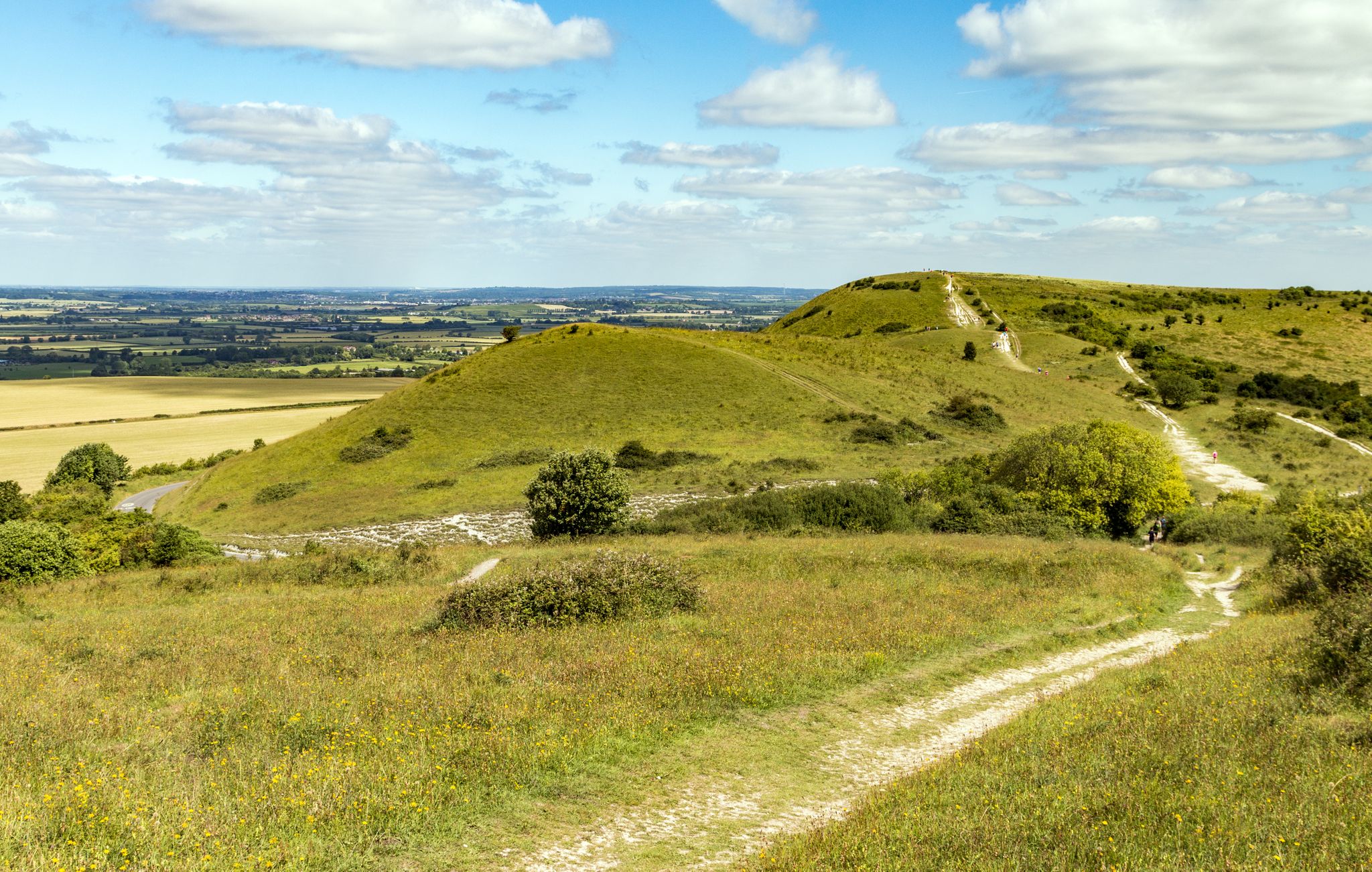
Revel in peace and nature — weekend walks to escape London
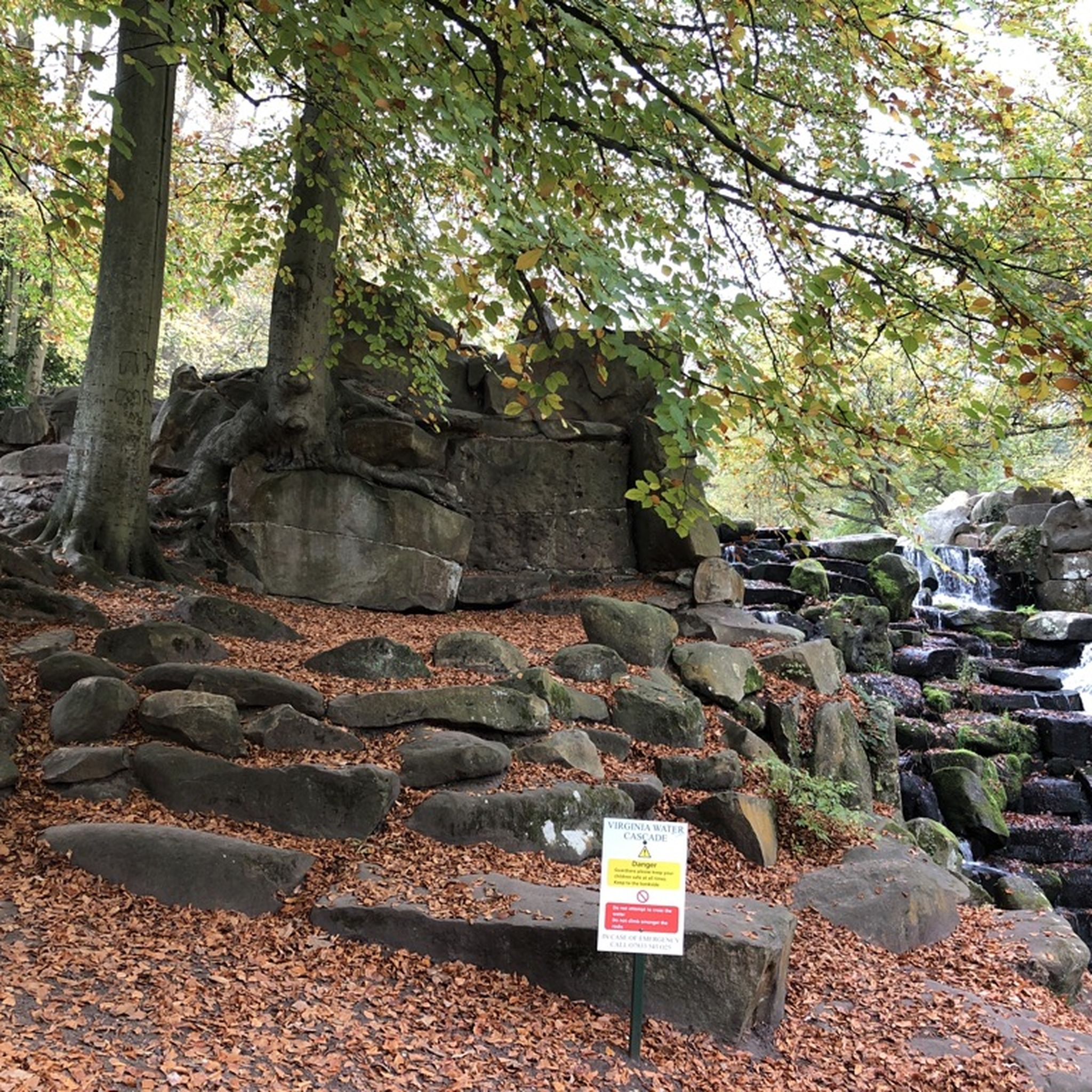
Hiking around Runnymede
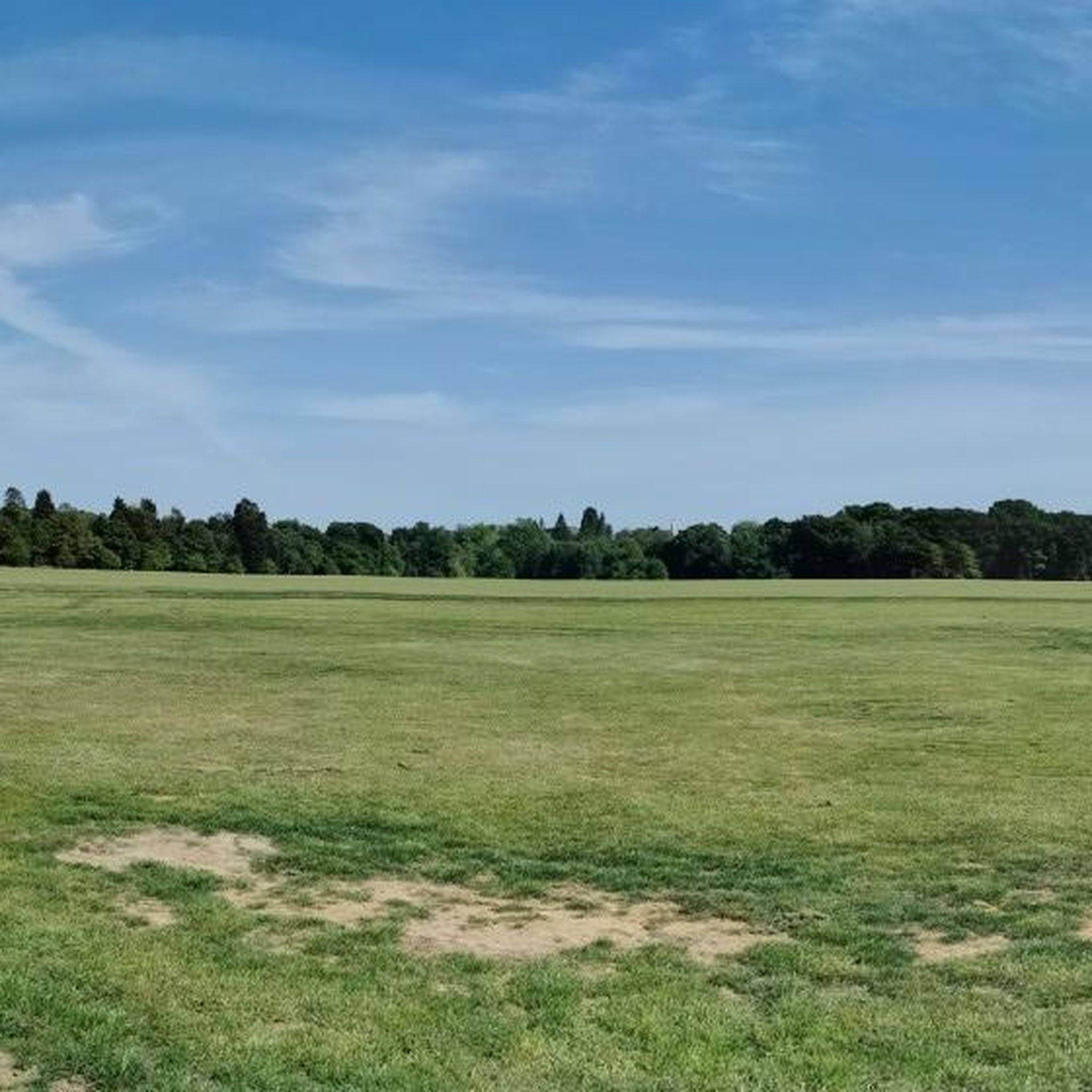
Running Trails around Runnymede
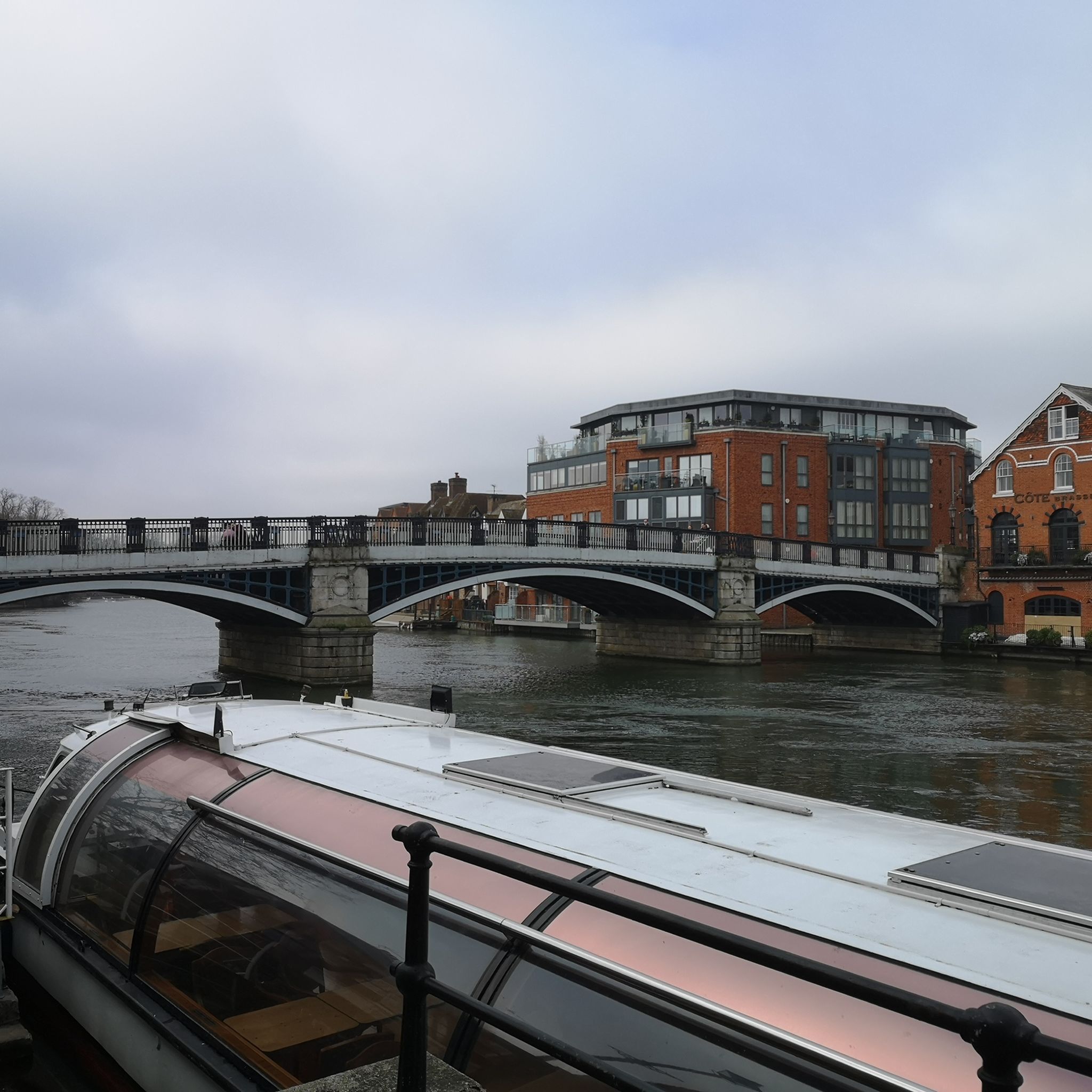
Road Cycling Routes around Runnymede
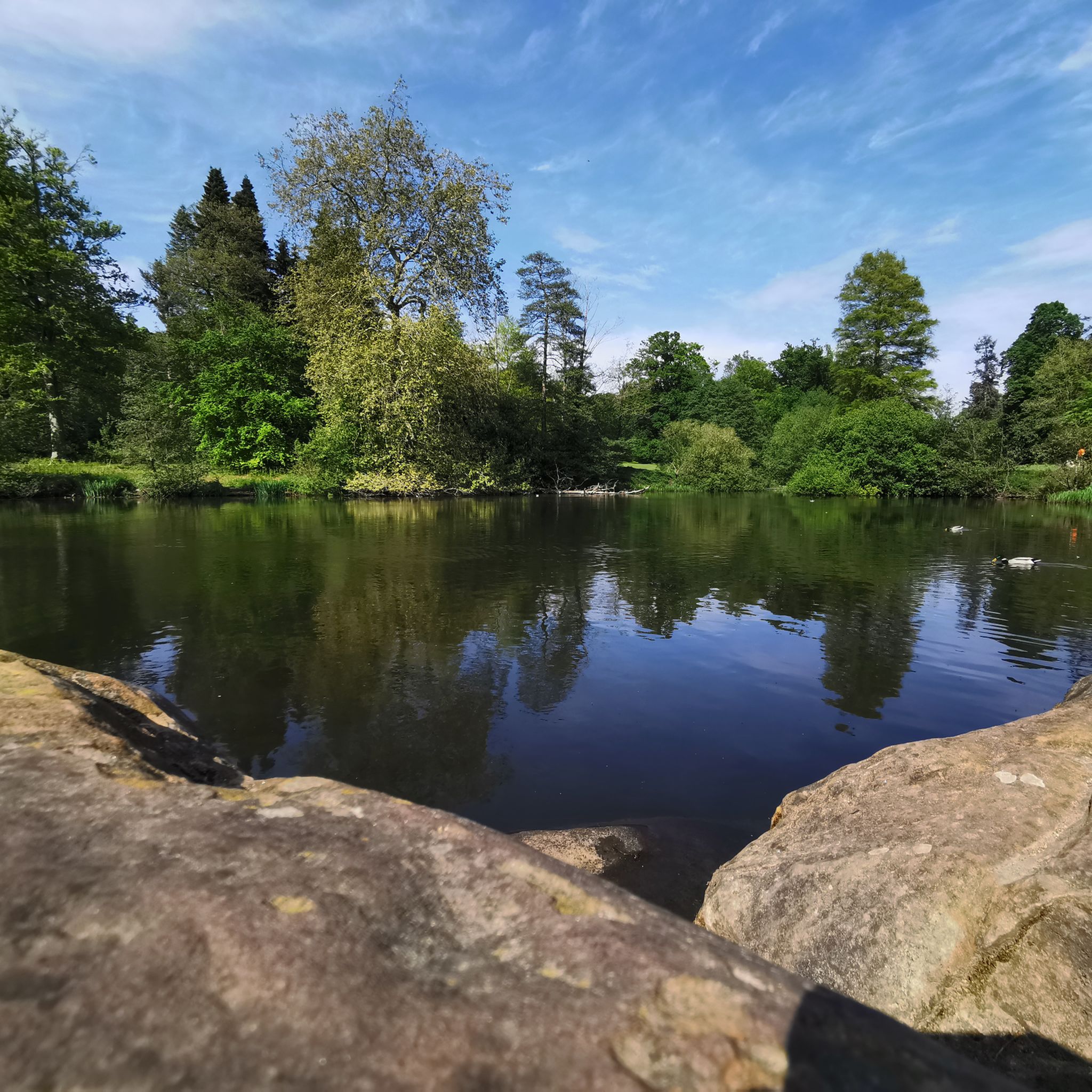
Cycling around Runnymede

Gravel biking around Runnymede
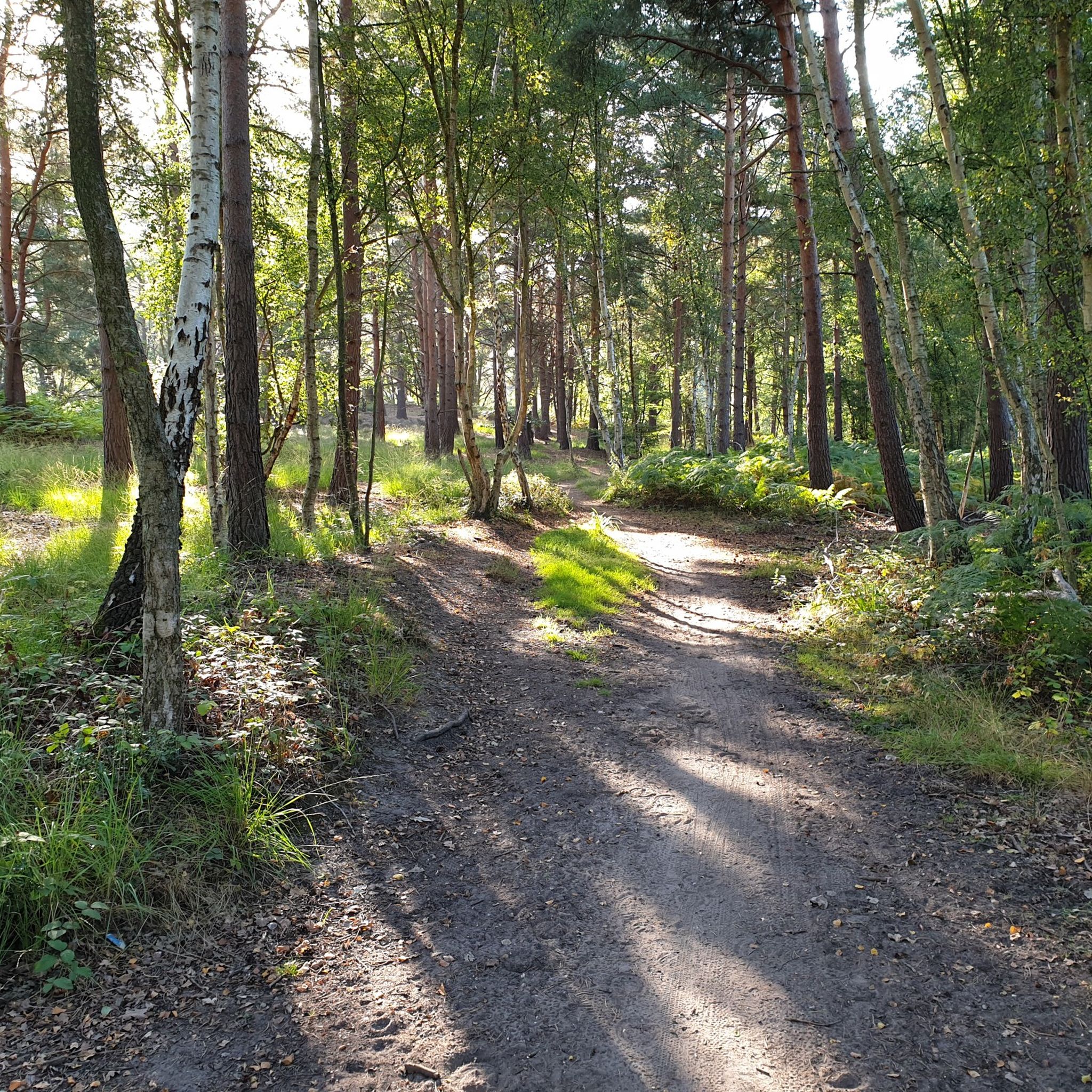
MTB Trails around Runnymede
Other adventures around Runnymede


Tips from the Community

The information panel belonging to this simple, but certainly dignified, memorial for human rights has been created as a standalone highlight in the komoot system. If you are interested, see =>> https://www.komoot.com/de-de/highlight/1132793
0
1

A short stroll from the Pavillion, the Cascade is a 30-foot (9 m) waterfall. Created in 1789, its presence relies on a decent amount of rain and it’s at its most impressive after prolonged, heavy rainfall. Just a little bit further along the trail are the Leptis Magna Ruins, which were built from masonry recovered from an ancient Roman city that existed in what is today Libya.
0
0


Runnymede is famous as the site of the sealing of Magna Carta, but today it's home to a collection of memorials to the struggle for liberty. As well as the monument to Magna Carta, you can visit memorials to JFK and the Allied Air Forces of the Second World War. Nearly 800 years ago, King John met with a group of barons on this small patch of countryside. It was here he sealed Magna Carta, seen by many as the symbolic first step on the road to modern democracy. In this spirit, today Runnymede has several memorials to the ongoing struggle for liberty.
1
0


This granite memorial was commissioned and first unveiled in 1957 by the American Bar Associate to commemorate the Magna Carta, considered the foundational document for the rule of law. The Magna Carta itself was drafted in 1215 by King John of England was the first time that the principle of everyone being subject to law, even the king himself, was put into writing. Though in it's first ten years, nearly a third of the text was rewritten or removed altogether, and nowadays almost all the clauses have been repealed, this document still stands as a proud cornerstone to the British constitution. Many of its core principles can still be seen in some nations constitution including the American Bill of Rights and the European Convention on Human Rights. Of the three remaining clauses, the third is probably the most widely known. "No free man shall be seized or imprisoned, or stripped of his rights or possessions, or outlawed or exiled, or deprived of his standing in any other way, nor will we proceed with force against him, or send others to do so, except by the lawful judgement of his equals or by the law of the land. To no one will we sell, to no one deny or delay right or justice"
4
0
Frequently Asked Questions
What are some of the most popular natural monuments to visit in Runnymede?
Visitors frequently enjoy the historical significance of the Magna Carta Memorial, a cornerstone to the British constitution. Another favorite is Cow Pond, known for its tranquil views and wildlife. The impressive The Cascade Waterfall, Windsor Great Park, created in 1789, is also a popular spot, especially after heavy rainfall.
Are there family-friendly natural monuments in Runnymede?
Yes, several natural monuments in Runnymede are suitable for families. Magna Carta Memorial offers historical context in an open setting. Cow Pond is a great spot for picnics and observing ducks and birds. The Cascade Waterfall, Windsor Great Park provides an engaging natural feature for children to explore.
What natural features can I expect to see around Runnymede?
Runnymede is rich in natural features. You can explore the expansive water-meadows and the River Thames itself, characterized by open grasslands and wildflowers. Historic parkland with ancient oak trees, some up to 400 years old, are also prominent. Other notable features include the ancient Ankerwycke Yew tree, the seasonal beauty of Cooper's Hill Woods, and the unique wetland habitat of Langham Pond SSSI.
What historical sites are integrated with the natural monuments in Runnymede?
Runnymede is deeply intertwined with history. The water-meadows are famously the site of the sealing of Magna Carta, commemorated by the Magna Carta Memorial. The ancient Ankerwycke Yew is steeped in legend, said to be where King Henry VIII courted Anne Boleyn. Additionally, the area features memorials to JFK and the Allied Air Forces of the Second World War, reflecting a broader struggle for liberty.
What outdoor activities can I do near the natural monuments in Runnymede?
The area around Runnymede offers various outdoor activities. You can find numerous hiking routes, including the 'Virginia Water loop' and 'The Jurors at Runnymede – Magna Carta Memorial loop'. For cycling enthusiasts, there are gravel biking options like the 'Richmond Park – Deer in Richmond Park loop'. You can explore more routes on the Hiking around Runnymede and Gravel biking around Runnymede guide pages.
Are there specific hiking trails that include natural monuments?
Yes, there are hiking trails that incorporate the natural monuments. For example, the 'The Jurors at Runnymede – Magna Carta Memorial loop from Egham' is a moderate hike that takes you past the significant Magna Carta Memorial. You can discover more options on the Hiking around Runnymede guide.
What is the best time of year to visit Runnymede's natural monuments?
Runnymede's natural monuments offer different experiences throughout the year. Spring brings carpets of flowers to Cooper's Hill Woods, while summer provides sunny glades. Autumn is ideal for fungi spotting in the woods and enjoying the changing foliage. The water-meadows and river are accessible year-round, offering serene environments for walks and nature observation.
What kind of wildlife can be observed at Runnymede's natural monuments?
Runnymede is home to diverse wildlife. The historic parkland's ancient oak trees support a rich variety of invertebrates, bats, and woodpeckers. At Cow Pond, you can observe ducks and various birds. The Runnymede Local Nature Reserves, such as Chertsey Meads, boast over 108 bird species, including lesser whitethroat and reed bunting, along with nationally scarce plants and insects, particularly at Langham Pond SSSI.
Are there viewpoints offering scenic vistas of the area?
Yes, there are several scenic viewpoints. Leaving Cooper's Hill Woods at the top provides magnificent views over the River Thames and Windsor Castle. Cow Pond also offers lovely views of the surrounding landscape and wildlife.
What do visitors enjoy most about the natural monuments in Runnymede?
Visitors particularly appreciate the blend of natural beauty and historical significance. Many enjoy the tranquil environment for walks and picnics, especially by the River Thames and at Cow Pond. The historical context of sites like the Magna Carta Memorial and the ancient Ankerwycke Yew also deeply resonates with visitors, offering a chance for reflection amidst nature.
Are there any unique natural monuments in the Runnymede area?
Beyond the well-known sites, the Ankerwycke Yew stands out as a unique natural monument, estimated to be between 1,400 and 2,500 years old, making it one of the oldest trees in the National Trust's care. Langham Pond SSSI is also unique, being an internationally important wetland habitat formed from an oxbow lake, home to nationally scarce plants and insects not found elsewhere in the UK.
Can I find information about accessibility for the natural monuments?
The Runnymede Meadows alongside the Thames offer accessible stretches for walks. While specific accessibility details for each monument may vary, the open nature of many sites, such as the Magna Carta Memorial, generally allows for easier access. For detailed information on specific paths or facilities, it is advisable to check local visitor resources.
Most popular routes around Runnymede
Most popular attractions around Runnymede

Get inspired with the komoot mobile app


Explore more
Extend your search for the best caves by checking out these guides of the top ones around Runnymede:
