Top 9 Natural Monuments around Rother
Natural monuments around Rother, a district in East Sussex, England, encompass a range of landscapes from ancient woodlands to river valleys and coastal features. These sites hold ecological significance and historical connections. The area provides opportunities for outdoor recreation, including walking and observing diverse wildlife. Its natural features contribute to the varied terrain of East Sussex.
Best natural monuments around Rother
- The most popular natural monument is Crowhurst's Ancient Yew Tree, a historical natural monument that was present during…
Last updated: May 17, 2026
Fore Wood Nature Reserve
Highlight • Natural Monument
Tip by

Crowhurst's Ancient Yew Tree
Highlight • Natural Monument
Tip by
Sign up now to discover places like this
Get recommendations on the best single tracks, peaks, & plenty of other exciting outdoor places.
Sign up for free
Battle Great Wood
Highlight • Historical Site
Tip by

View of High Weald from the Beacon
Highlight • Climb
Tip by

View of Lake Field
Highlight • Natural Monument
Tip by

View of High Weald from Witherenden Road
Highlight (Segment) • Natural Monument
Tip by

The Lonely Tree
Highlight • Natural Monument
Tip by

Twisted and Fallen Trees in Beauport Park
Highlight • Forest
Translated by Google •
Tip by

Start today with a free account
Your next adventure awaits.
Login or Signup
Popular around Rother

Cantii Way — A lap of the Garden of England
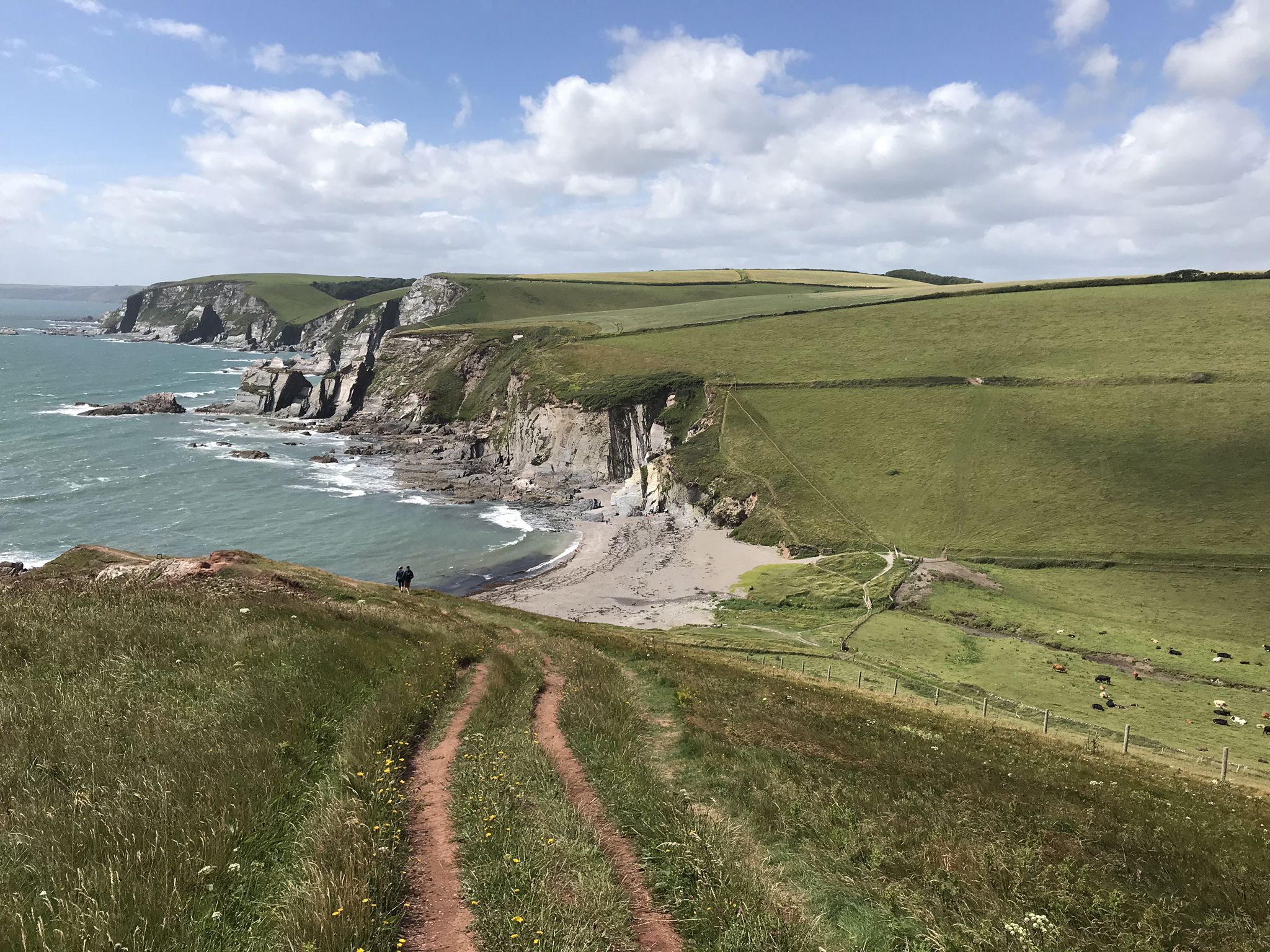
E9 Plymouth to Dover — An epic exploration of England's south coast
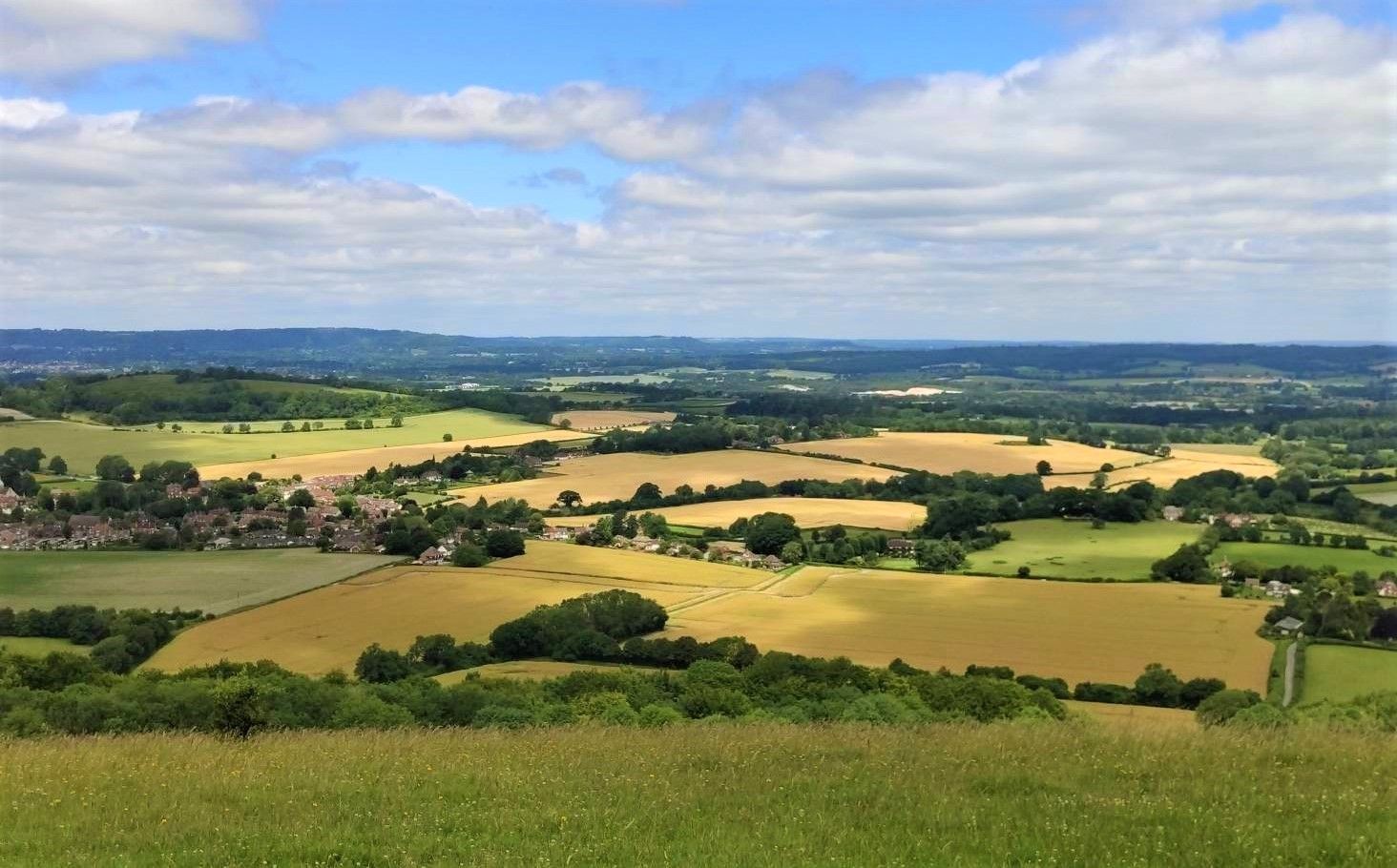
Sussex Border Path — A historic hike through medieval landscapes
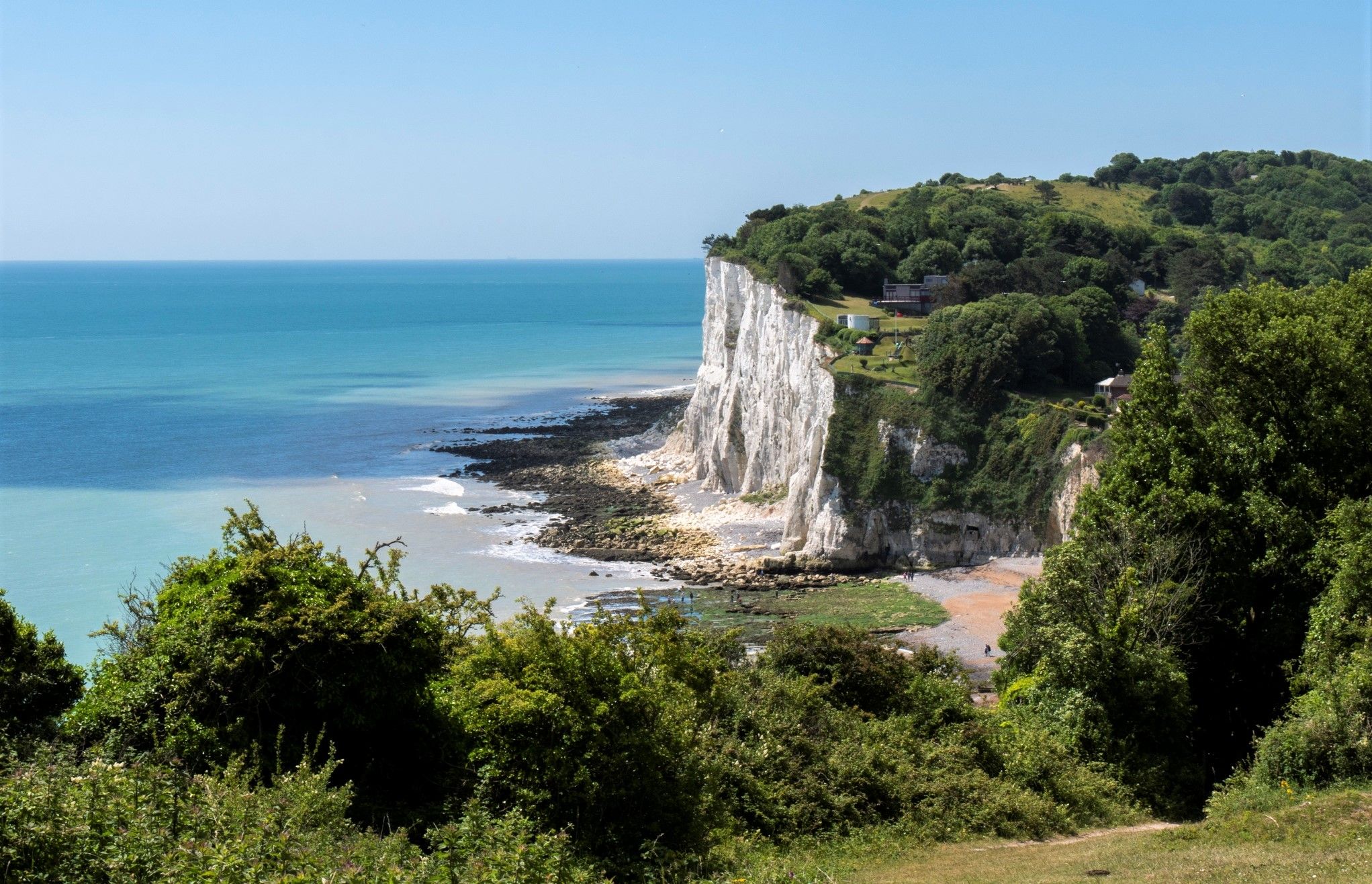
Saxon Shore Way — A historic hike along breathaking coastline
Conquering the High Weald – Battle of Hastings Tour
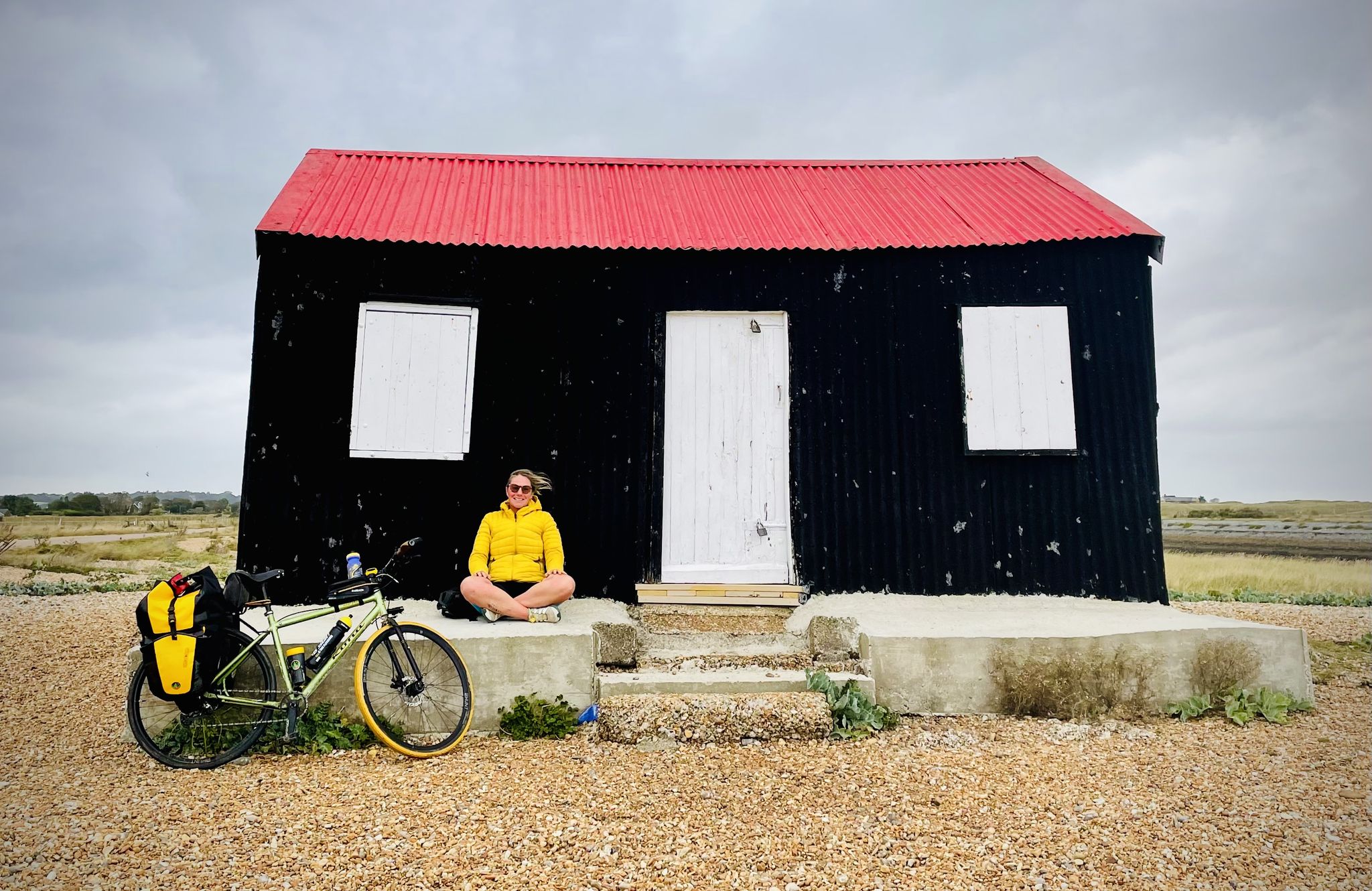
Sussex 1000 — A bikepacking adventure from Hammer to Camber
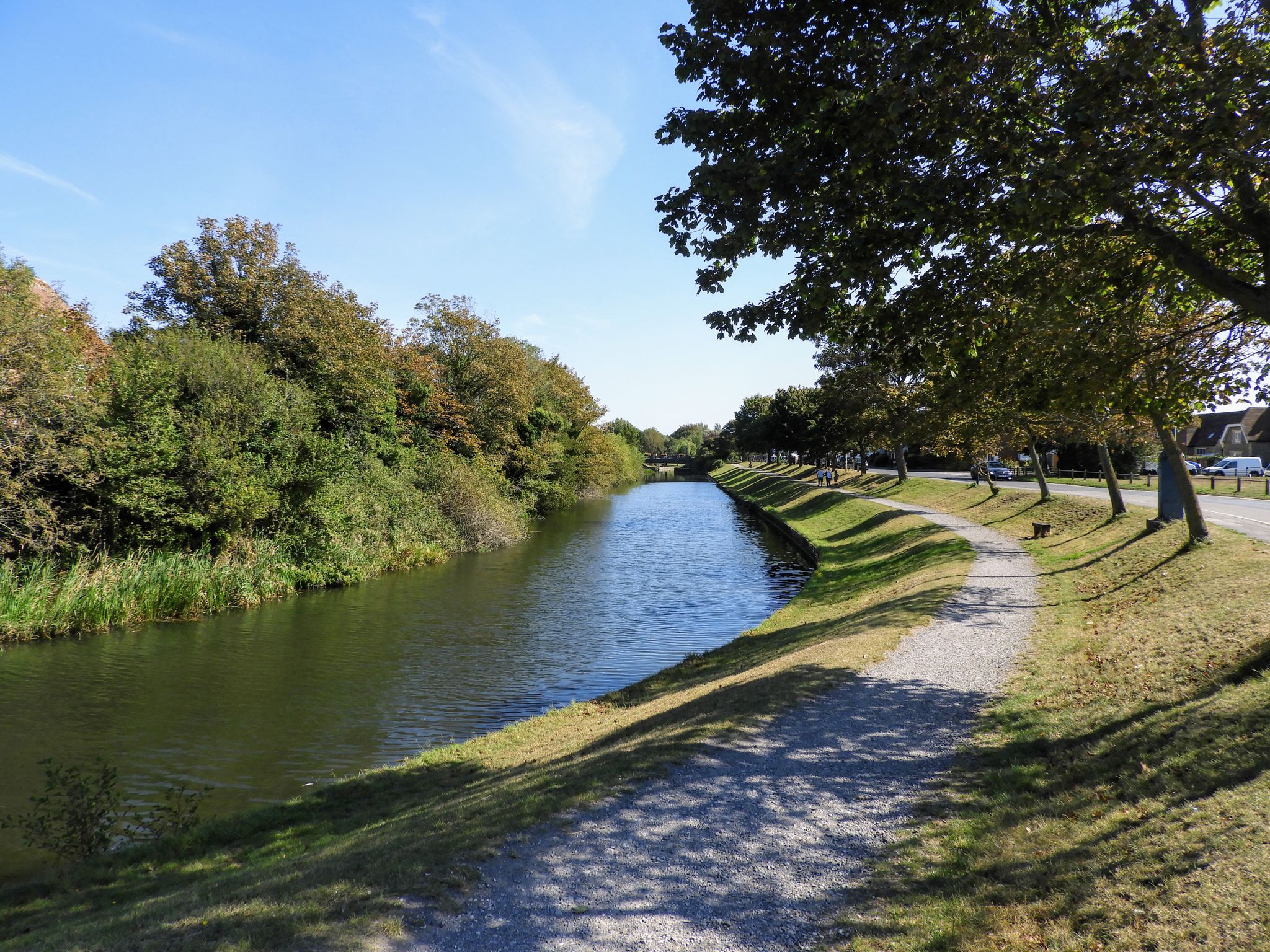
A historic hike alongside Romney Marsh — Royal Military Canal Path
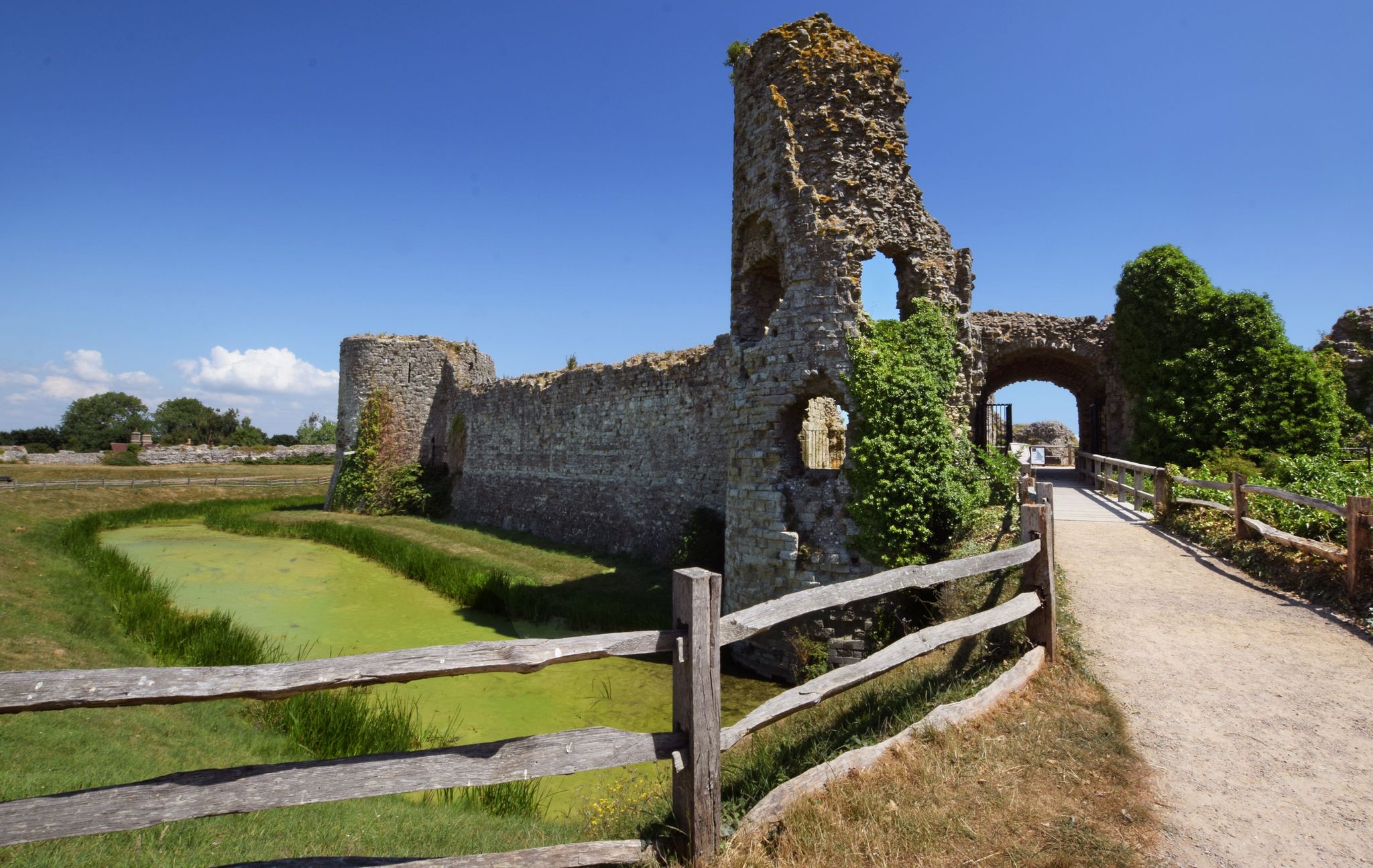
Castles, battlefields and staggering history — 1066 Country Walk
Hiking around Rother
Running Trails around Rother
Other adventures around Rother


Tips from the Community

A simple lovely place to relax at the shade of this massive, old tree in the middle of the field. The area is accessible and there is a public pathway as observed. This tree and zone is part of several trails.
0
0

Beauport Park in Hastings is a woodland area with many exotic trees. The area is quite remote and untouched. Some trees are extremely picturesque. Branches have broken off, others are hollow or broken apart. Some trees have fallen over, but some are still green.
1
0

Fore Wood Nature Reserve provides a tranquil shelter for both wildlife and visitors. Centuries of human management have created a diverse mix of traditional coppiced areas and grand high forest.
0
0
This ancient yew tree was already here in 1066, during the Battle of Hastings. There is a plaque in commemoration of its 950th anniversary.
1
0

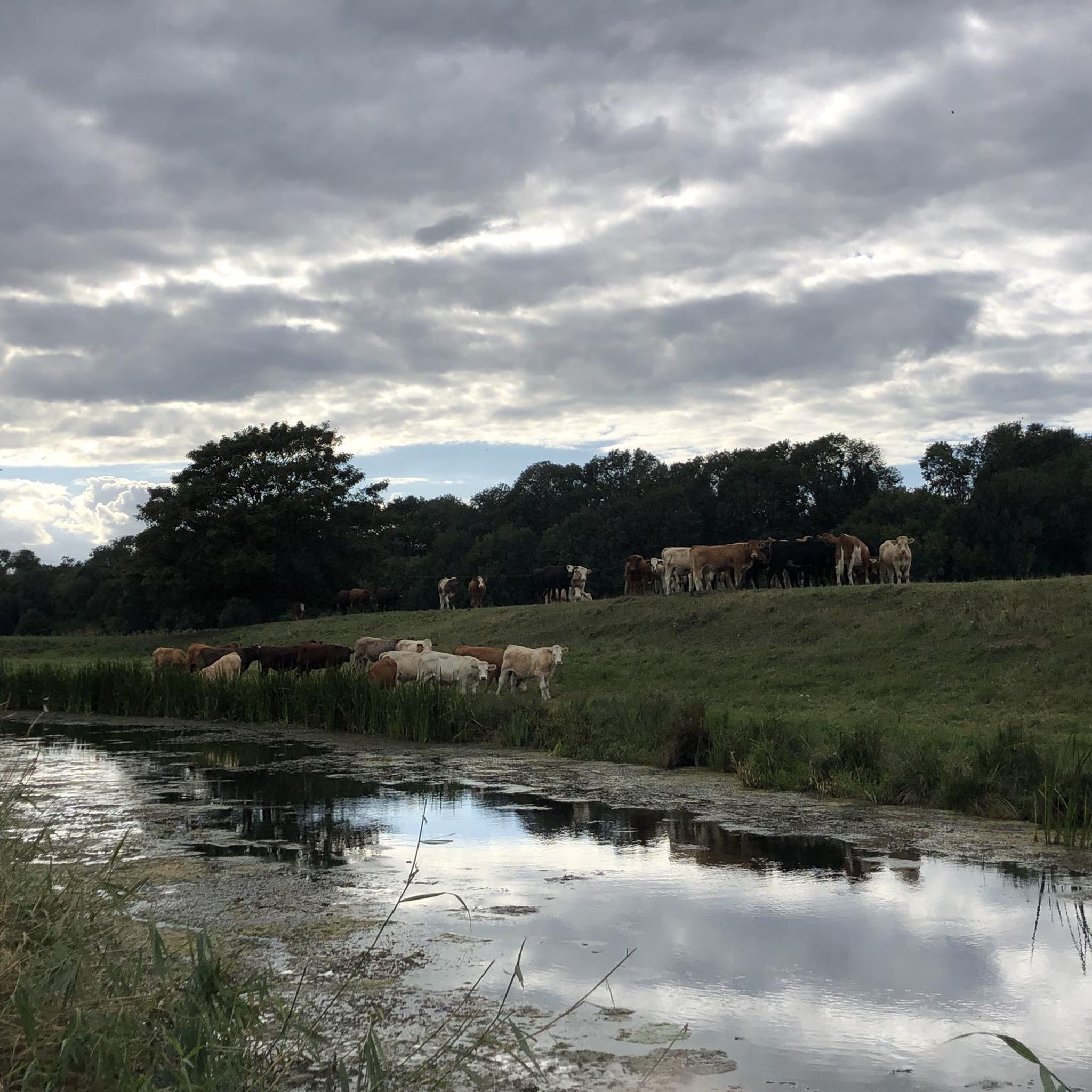
Owned by the National Trust, there is a lovely view of Lake Field. It was acquired by the National Trust in order to preserve the rural view.
0
0

Scenic road with fantastic views over the High Weald including iconic East Sussex and Kent Oust Houses.
0
0

A conifer-based woodland just outside the famous town of Battle, where the Battle of Hastings took place, Battle Great Wood is a wonderful place to explore. Will well-maintained trails and a tremendous sense of quiet, you can amble here for hours. The 1066 Country Walk long-distance trail passes right through the centre of the wood, and a wooden sculpture of a crown lies in the heart.
0
0

Bit of a killer climb going towards Hastings, but the views are amazing from the top.
1
0
Frequently Asked Questions
What kind of natural landscapes can I expect to see in Rother?
Rother, a district in East Sussex, offers a diverse range of natural landscapes. You can explore ancient woodlands, tranquil river valleys, and coastal features. The area is known for its ecological significance, providing habitats for a wide array of flora and fauna, including open chalk grassland, heathland, and reed beds.
Are there any natural monuments in Rother with historical significance?
Yes, Rother is home to several natural monuments with deep historical roots. A prime example is Crowhurst's Ancient Yew Tree, which was already present during the Battle of Hastings in 1066. Another is Battle Great Wood, a conifer-based woodland just outside the historic town of Battle, through which the 1066 Country Walk passes.
What are the best natural monuments for scenic views in Rother?
For expansive vistas, consider visiting View of High Weald from the Beacon, which offers stunning views of the High Weald landscape. Other notable viewpoints include View of Lake Field, owned by the National Trust for its preserved rural outlook, and View of High Weald from Witherenden Road.
Are there family-friendly natural monuments in Rother?
Many natural monuments in Rother are suitable for families. Fore Wood Nature Reserve offers a tranquil environment for all ages to explore. Crowhurst's Ancient Yew Tree provides an interesting historical stop, and Battle Great Wood features well-maintained trails perfect for a family stroll. Viewpoints like View of Lake Field and View of High Weald from Witherenden Road are also generally accessible for families.
What is the best time of year to visit the natural monuments in Rother?
The natural monuments in Rother can be enjoyed year-round, but each season offers a different experience. Spring brings wildflowers and new growth, while summer is ideal for longer walks and birdwatching. Autumn showcases vibrant foliage, particularly in woodlands like Fore Wood Nature Reserve and Battle Great Wood. Winter offers a quiet, reflective atmosphere, with opportunities to spot specific bird species in areas like the Rother Valley.
What outdoor activities can I do near Rother's natural monuments?
Rother offers a variety of outdoor activities near its natural monuments. You can enjoy hiking on easy trails, such as the Crowhurst & Fore Wood Nature Reserve loop, or explore the 1066 Country Walk. For cycling, there are routes like the Winchelsea & Rye Harbour Nature Reserve loop. If you're into gravel biking, you'll find moderate trails around Bewl Water. You can find more details on these activities in the easy hikes around Rother guide, cycling around Rother guide, and gravel biking around Rother guide.
Are there opportunities for birdwatching or wildlife spotting?
Absolutely. The natural monuments in Rother are excellent for birdwatching and wildlife spotting. Rye Harbour Nature Reserve, near the River Rother estuary, is a prime location for observing diverse wildlife and various bird species. The Rother Valley, within the South Downs National Park, also provides habitats for birds like snipe and Bewick swan, and its wet woodlands attract species like bitterns and kingfishers. Burton Mill Pond is particularly noted for its dragonflies and damselflies, with over 20 species recorded.
Where can I find ancient woodlands in Rother?
Rother is known for its ancient woodlands. Fore Wood Nature Reserve is a prime example, featuring a diverse mix of traditional coppiced areas and grand high forest. Battle Great Wood is another significant woodland area with well-maintained trails, offering a quiet setting for exploration.
What unique natural features can be found in the Rother Valley?
The Rother Valley, particularly within the South Downs National Park, boasts unique natural features. You'll find open chalk grassland with wildflowers like the honey-scented Musk Orchid, attracting butterflies such as the Adonis Blue. The meandering River Rother creates wet woodland, marsh, and wet meadows. South of the river, Lavington Common is recognized for its rich variety of mosses and lichens on the heath, and sandy-soiled lowland heaths provide shelter for reptiles and heathland insects like the Green Tiger Beetle.
What do visitors enjoy most about the natural monuments in Rother?
Visitors appreciate the tranquility and ecological diversity of Rother's natural monuments. Many enjoy the peaceful environment of places like Fore Wood Nature Reserve and the historical significance of sites like Crowhurst's Ancient Yew Tree. The scenic views from spots like View of High Weald from the Beacon are also highly valued, along with the opportunities for walking and connecting with nature.
Are there any natural monuments in Rother that are particularly unique or lesser-known?
Beyond the more popular spots, Rother offers some unique natural monuments worth discovering. The Lonely Tree offers a distinctive natural landmark, and the Twisted and Fallen Trees in Beauport Park present an intriguing forest landscape shaped by nature.
Most popular routes around Rother
Most popular attractions around Rother

Get inspired with the komoot mobile app


Didn’t find what you were looking for?
Find even more amazing natural monuments around Rother by checking out the top Highlights region by region:
Explore more
Extend your search for the best caves by checking out these guides of the top ones around Rother:
