Top 6 Natural Monuments around Newark And Sherwood
Best natural monuments around Newark And Sherwood are located in Nottinghamshire, England, a region recognized for its historical significance and diverse natural landscapes. The area features ancient royal forests, extensive parklands, and unique geological formations. These natural sites offer opportunities for exploring historical connections and engaging with varied ecosystems.
Best natural monuments around Newark And Sherwood
- The most popular natural monument is The Major Oak, a natural monument located in the heart of Sherwood Forest. This ancient oak is estimated to be between 800 and 1,000 years old and is notable for its massive, gnarled limbs and legendary connection to Robin Hood.
- Another must-see spot is Medusa Oak (Sherwood Forest), a natural monument within the Sherwood Forest National Nature Reserve. This iconic tree resides on the northern edge of Birklands forest.
- Visitors also love Fountain Dale Ponds, a forest and natural monument. This location is historically significant as the legendary meeting place of Robin Hood and Friar Tuck.
- Newark And Sherwood is known for its forests, lakes, and historical sites. The region offers a variety of natural monuments to see and explore, from ancient trees to historical caves and burial mounds.
- The natural monuments around Newark And Sherwood are appreciated by the komoot community, with more than 280 upvotes and over 130 photos shared by visitors.
Last updated: August 22, 2026
The Major Oak
Highlight • Natural Monument
Tip by

Fountain Dale Ponds
Highlight • Forest
Interestingly, Sir Walter Scott wrote his famous novel Ivanhoe here. The novel is partly to thank for the modern perception of many of the principal characters of Robin Hood folklore, including the Prince of Thieves himself.
Tip by

Sign up now to discover places like this
Get recommendations on the best single tracks, peaks, & plenty of other exciting outdoor places.
Sign up for free
Medusa Oak (Sherwood Forest)
Highlight • Natural Monument
Unlike some of the other trees in the Sherwood Forest landscape that bear ancient names from the past, Medusa got her name from the modern Rangers in the Sherwood Forest National Nature Reserve.
(Mercian Archaeological Services)
Translated by Google •
Tip by

Robin Hood's Cave
Highlight • Historical Site
Robin Hood's Cave near Ollerton is situated on a bend in the River Maun north of the village it consists of an outcrop of Sherwood Sandstone which Robin Hood reputedly used as one of his many hideaways. The river at this point, and the 'cave' are only a few yards from the route of the King's Highway to York which formed the eastern boundary of Sherwood Forest from the 13th century.
This was the main routeway through Sherwood Forest from Nottingham to York. The location would therefore have been a great ambush site.
Tip by

Robin Hood's Hill
Highlight • Natural Monument
Tip by
Mansey Common Nature Reserve
Highlight • Natural Monument
Tip by
Eakring Flash
Highlight • Lake
Tip by

Start today with a free account
Your next adventure awaits.
Login or Signup
Popular around Newark And Sherwood
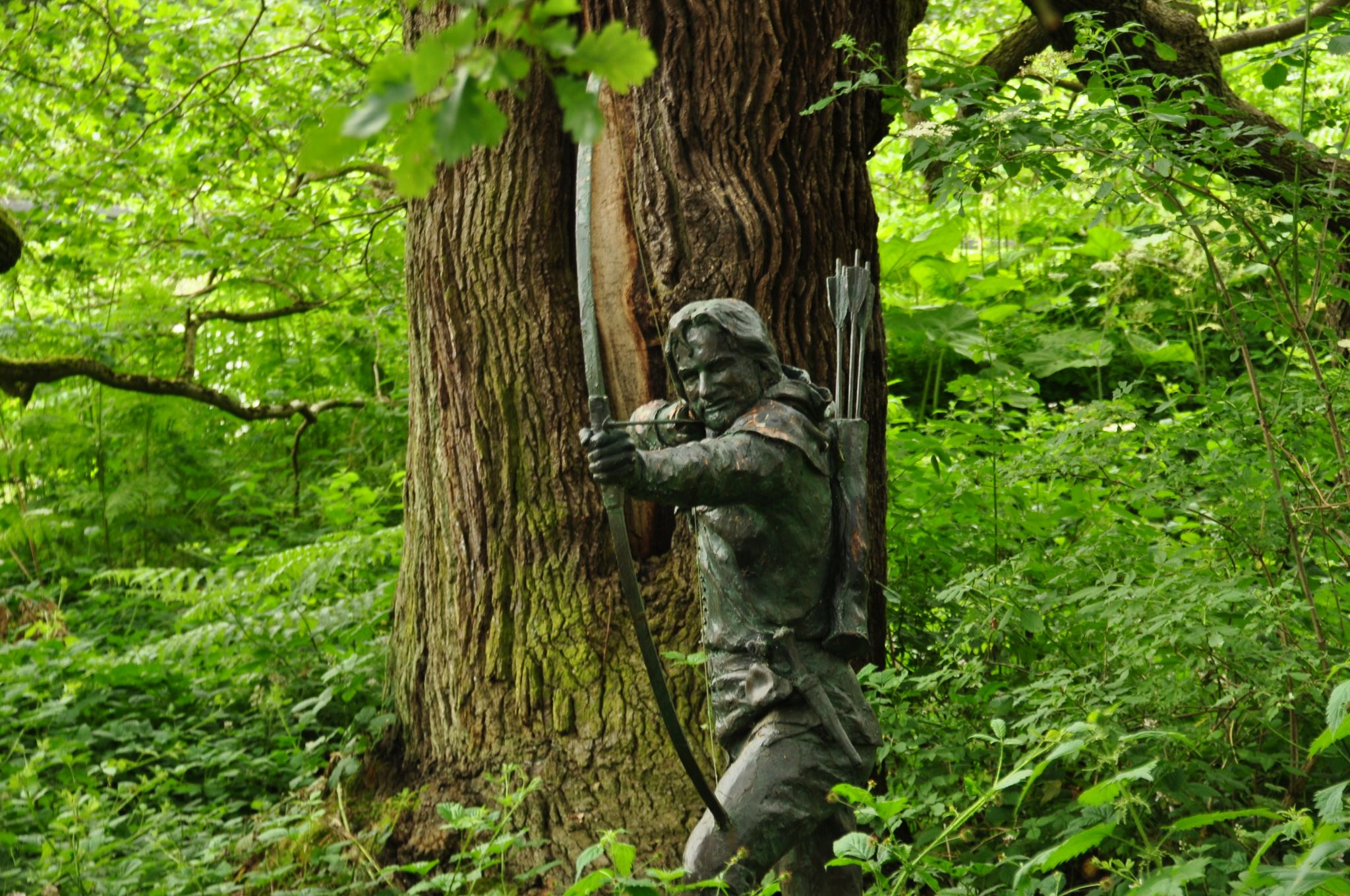
Hiking the Robin Hood Way — Merry trails steeped in legend
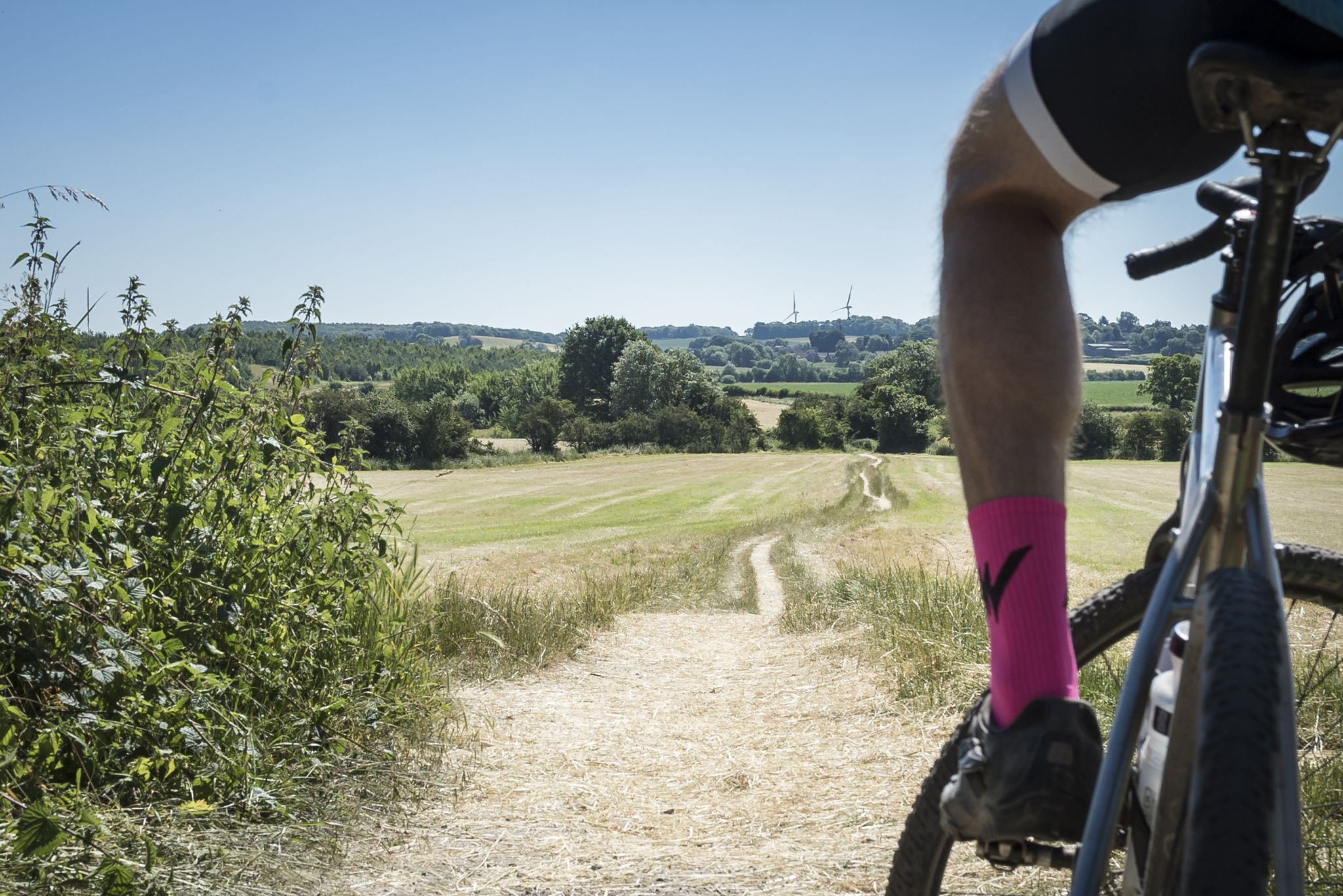
Premium gravel grinding through Nottinghamshire – Pens & Pits
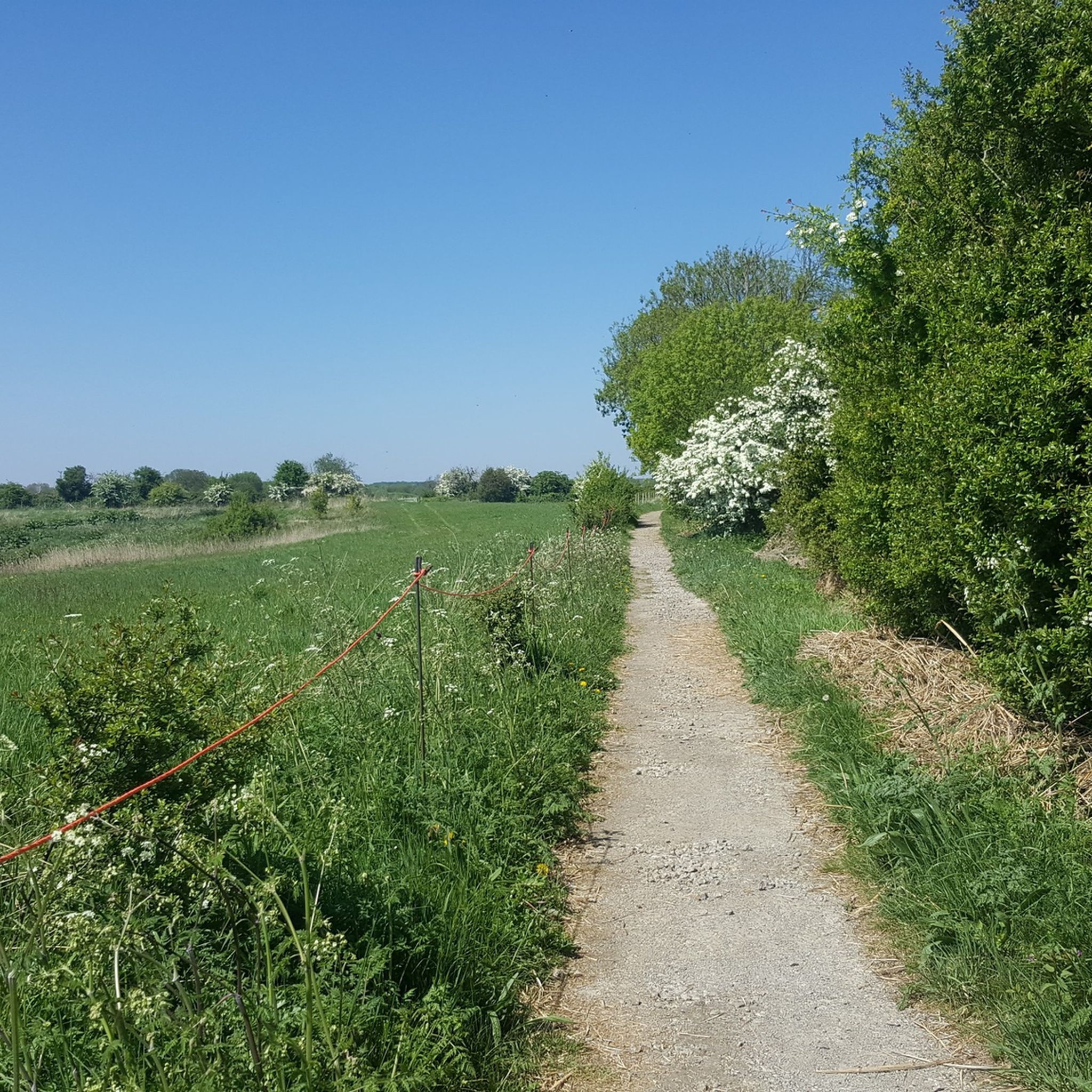
Hiking around Newark And Sherwood
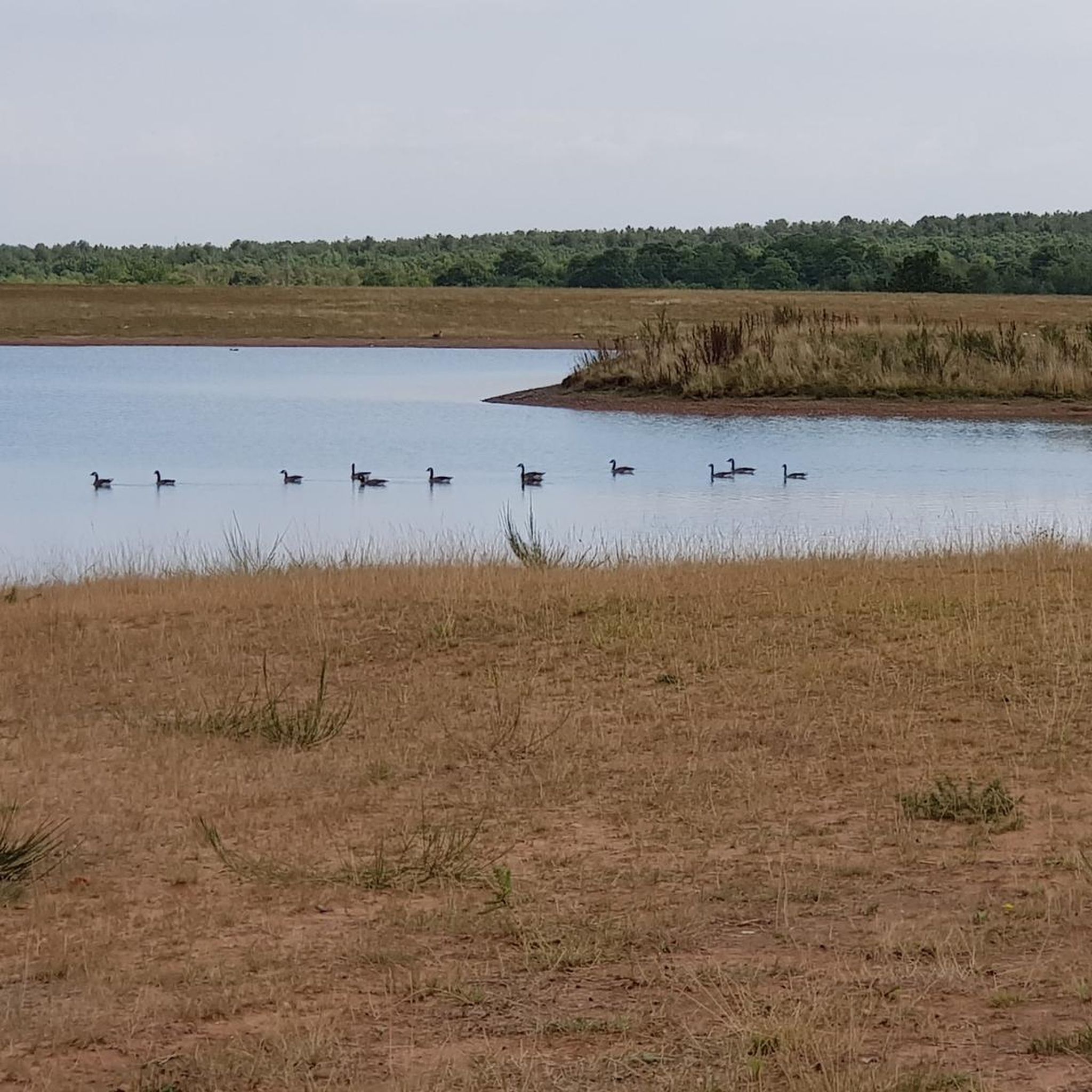
Running Trails around Newark And Sherwood
MTB Trails around Newark And Sherwood
Cycling around Newark And Sherwood
Road Cycling Routes around Newark And Sherwood
Gravel biking around Newark And Sherwood


Tips from the Community

Due to its venerable age, an old legend has manifested itself on this large oak tree: the story of ROBIN HOOD, which has been told over and over again for many centuries - although by no means historically confirmed - and is known and loved from literature and film far beyond the borders of England. This tree is said to have given him and his loyal followers, whose area of activity is located in Sherwood Forest, shelter here. You may want to believe it or not - the main thing is: the myth lives on!
0
0

The 'Medusa Oak' is a Sherwood Forest icon, 'she' lives on the northern edge of Birklands forest in the Sherwood Forest National Nature Reserve. Unlike some of the other trees in the Sherwood Forest landscape that bear ancient names from the past, Medusa got her name from the modern Rangers in the Sherwood Forest National Nature Reserve. (Mercian Archaeological Services)
12
2
In 2022, the Major Oak was selected as one of 70 ancient trees from around the UK to take their place in the Queen's Green Canopy, a 70th anniversary program to inspire the planting of new trees across the country. This oak is very old and must be supported because of its weight.
11
0

The Major Oak is said to have been the shelter of Robin Hood and his merry men. One thing is certain: It's very old, and is probably Britain's most visited tree.
2
0

CLAIMED TO BE THE LEGENDARY location where Robin Hood met the feisty Friar Tuck in the famous folktale, the overgrown remains of a 12th-century moat, lodge, and holy well complex persist in this soggy corner of Sherwood Forest. Fountain Dale’s ancient moat is an impressive waterlogged ditch, 40 feet wide, enclosing what was once a large rectangular artificial island. The feature dates to at least 1251, when the moated island was the site of a hunting lodge, the vestiges of which remain hidden beneath centuries of mud and undergrowth. To date, little archaeological investigation at the site has been carried out. This said, the remains of the medieval manse are likely to be well preserved, having remained unusually undisturbed. The moat and its structures are listed as a Scheduled Monument of National Importance by the public heritage organization Historic England.
1
0


Once you are there, there are multiple trails to choose from. Terrain suitable for a pushchair/wheelchair depending on the trail choice. Car park - spacious, daily cost of £4.50.
4
2

Honestly not much to see but may be of interest to Robin Hood fans. Robin Hood's Cave near Ollerton is situated on a bend in the River Maun north of the village it consists of an outcrop of Sherwood Sandstone which Robin Hood reputedly used as one of his many hideaways. The river at this point, and the 'cave' are only a few yards from the route of the King's Highway to York which formed the eastern boundary of Sherwood Forest from the 13th century. This was the main routeway through Sherwood Forest from Nottingham to York. The location would therefore have been a great ambush site.
1
0
Frequently Asked Questions
What unique natural features can I explore in Newark And Sherwood?
Newark And Sherwood is home to diverse natural features, including ancient forests, significant oak trees, and historical ponds. You can explore the legendary Major Oak within Sherwood Forest, the unique Medusa Oak, and the historically rich Fountain Dale Ponds, known for its connection to Robin Hood.
Are there ancient trees to see in the natural monuments of Newark And Sherwood?
Yes, the region is renowned for its ancient trees. The most famous is the Major Oak in Sherwood Forest, estimated to be between 800 and 1,000 years old. Another notable ancient tree is the Medusa Oak, also located within the Sherwood Forest National Nature Reserve.
What kind of wildlife can I expect to see in the natural monuments here?
The natural monuments in Newark And Sherwood, particularly within Sherwood Forest and areas like Mansey Common Nature Reserve, offer opportunities for wildlife spotting. You might encounter various bird species, especially waterfowl around Fountain Dale Ponds, and other woodland creatures in the extensive forest areas.
Are there any natural monuments with historical significance related to Robin Hood?
Absolutely. Several natural monuments are deeply intertwined with the Robin Hood legend. The Major Oak is famously believed to have been a hiding place for Robin Hood. Fountain Dale Ponds is the legendary meeting place of Robin Hood and Friar Tuck, and Robin Hood's Cave is said to have been one of his hideaways. Additionally, Robin Hood's Hill offers views that his Merry Men might have used to survey the land.
What are some popular walking trails near the natural monuments in Newark And Sherwood?
There are many popular walking trails. For easy hikes, consider routes like the 'Medusa Oak (Sherwood Forest) – The Major Oak loop from Sherwood Forest NNR' or the 'Rufford Country Park loop'. You can find more options and details on the Easy hikes around Newark And Sherwood guide.
Are there family-friendly walking trails among the natural monuments?
Yes, many natural monuments in Newark And Sherwood are family-friendly. Sherwood Forest, home to the Major Oak and Medusa Oak, offers accessible paths suitable for families. Fountain Dale Ponds, Mansey Common Nature Reserve, and Eakring Flash are also listed as family-friendly.
Can I go cycling or mountain biking near these natural monuments?
Yes, the area offers excellent opportunities for cycling and mountain biking. Sherwood Pines Forest Park, for instance, has an extensive network of trails. You can explore routes like the 'Sherwood Pines Trail Centre – Death Valley Trail loop' for mountain biking or the 'Dukeries Trail and Clumber Park Loop' for general cycling. More routes are available in the Gravel biking around Newark And Sherwood and Cycling around Newark And Sherwood guides.
What is the best time of year to visit the natural monuments in Newark And Sherwood?
The natural monuments in Newark And Sherwood can be enjoyed year-round, but spring and autumn often offer the most pleasant conditions for walking and exploring. Spring brings new growth and wildflowers, while autumn showcases vibrant foliage. Summer is also popular, though it can be busier. Winter walks can be beautiful, especially in the ancient forests, but require appropriate clothing.
Are the natural monuments in Newark And Sherwood accessible for wheelchairs?
Some natural monuments offer better accessibility than others. The Major Oak in Sherwood Forest is listed as wheelchair accessible, with paths designed to accommodate visitors with mobility needs. It's advisable to check specific site information for detailed accessibility features before your visit.
Are there options for public transport to reach the natural monuments?
Public transport options are available to reach key natural monuments like Sherwood Forest. Buses serve the Sherwood Forest Visitor Centre, which is the gateway to the Major Oak and other ancient trees. For other, more remote sites, public transport might be limited, and a car or local taxi service may be necessary.
Can I bring my dog to the natural monuments in Newark And Sherwood?
Many natural monuments and parks in the Newark And Sherwood area are dog-friendly, often requiring dogs to be kept on a lead to protect wildlife and ensure the enjoyment of all visitors. Sherwood Forest and Clumber Park generally welcome dogs. Always check specific site regulations before your visit, as rules can vary.
What do visitors enjoy the most about the natural monuments in Newark And Sherwood?
Visitors frequently appreciate the rich history and folklore associated with sites like the Major Oak and Fountain Dale Ponds. The sheer age and scale of the ancient trees, the peaceful forest environments, and the opportunities for walking and connecting with nature are also highly valued. The komoot community has shared over 130 photos and given more than 280 upvotes, highlighting the region's appeal.
Most popular routes around Newark And Sherwood
Most popular attractions around Newark And Sherwood

Get inspired with the komoot mobile app


Didn’t find what you were looking for?
Find even more amazing natural monuments around Newark And Sherwood by checking out the top Highlights region by region:
Explore more
Extend your search for the best caves by checking out these guides of the top ones around Newark And Sherwood:
