Top 10 Natural Monuments around Bodø
Best natural monuments around Bodø showcase a diverse natural landscape in Northern Norway. The region is characterized by its unique geological features, including powerful tidal currents, majestic mountains, and serene coastal areas. Visitors can explore a variety of natural wonders, from accessible summits offering panoramic views to impressive waterfalls and the world's strongest maelstrom. This area provides numerous opportunities for outdoor exploration amidst stunning Arctic scenery.
Best natural monuments around Bodø
- The most popular natural monuments is Keiservarden Summit,…
Last updated: August 22, 2026
Keiservarden Summit
Highlight • Summit
Translated by Google •
Tip by

Saltstraumen Maelstrom
Highlight • Natural Monument
Translated by Google •
Tip by

Sign up now to discover places like this
Get recommendations on the best single tracks, peaks, & plenty of other exciting outdoor places.
Sign up for free
Saltstraumen Tidal Current Table
Highlight • Rest Area
saltstraumen.info/Velkommen/saltstraumtabellen
Translated by Google •
Tip by

Valnesfossen Waterfall
Highlight • Waterfall
Tip by

Glacial Pothole
Highlight • Natural Monument
Translated by Google •
Tip by

Sign up for free to discover even more natural monuments around Bodø.
Sign up for free
Already have an account?
Start today with a free account
Your next adventure awaits.
Login or Signup
Tips from the Community

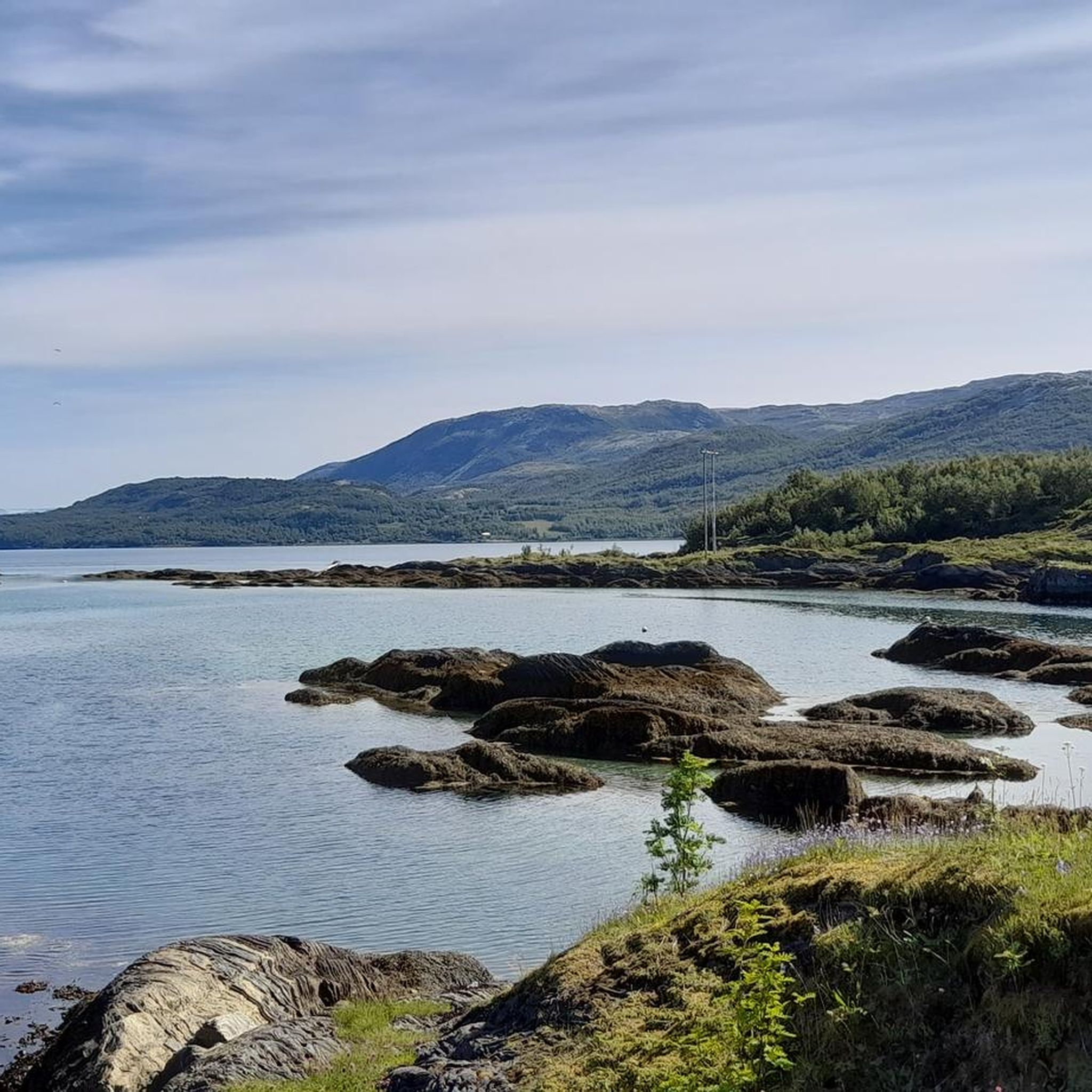
Glacial potholes are formed by meltwater flowing through crevasses and, in particular, moulins toward the glacier bed. This meltwater coalesces into streams and, in certain places, forms eddies. These eddies have flow speeds of up to 200 km/h and high pressure. The main erosion work, hollowing out the bedrock, is performed by the sand and gravel particles carried along with it.
1
0

Incredible forces of nature Four times a day, this massive volume of water forces its way through the 150-meter-wide strait in Saltstraumen. This creates enormous whirlpools that dance between the fjords. We're talking about 400 million cubic meters of seawater, moving at an average speed of 13 kilometers per hour – when the current is at its strongest, it's much faster!
0
1

Keiservarden is a real favourite for the people of Bødo. In 2016, Queen Sonja officially open the sherpa-built trail up to the summit. At the top of the climb, there's a circular viewfinder that allows you to name the surrounding islands and peaks.
0
0

Keiservarden (366 m) is Bodø's local mountain. Once you reach the top, you have a fantastic view of Bodø and the surrounding area. TOP 👍🏻👍🏻👍🏻
0
0

The current table can be viewed on site, or even better, it can be accessed online for planning purposes. https://saltstraumen.info/Velkommen/saltstraumtabellen
4
0

Recommendation: spikes for shoes in winter
0
1

Saltstraumen, 30 km southeast of Bodø, is the strongest tidal current in the world. Its name comes from Salten, the region in which it is located. Straumen comes from the Old Norse straumr for “current, current”
1
1

A must go if you are near Bodo
1
0
Frequently Asked Questions
What are some unique geological features to explore around Bodø?
Bodø is rich in unique geological formations. You can witness the incredible power of the Saltstraumen Maelstrom, the world's strongest tidal current, where 400 million cubic meters of water surge through a narrow strait, creating massive whirlpools. The region also features stunning white sandy beaches, like Mjelle Beach, known for its distinctive red sand colored by garnet infiltrations, offering a surreal contrast with the Arctic waters.
Are there family-friendly natural monuments or activities in the Bodø area?
Yes, Bodø offers several family-friendly natural monuments and activities. Sjunkhatten National Park is ideal for families, featuring numerous easy hiking trails and designated fireplaces. The Brusteinarhola Cave, also known as the 'Cathedral of Novika,' provides an impressive yet easy-to-navigate underground exploration experience suitable for all ages. Additionally, the Keiservarden Summit offers well-paved, easy-to-walk paths, making it accessible for families to enjoy panoramic views.
What are the best hiking trails near Bodø's natural monuments?
For hiking enthusiasts, the region around Bodø offers diverse trails. The path to Keiservarden Summit is very popular, well-paved, and offers sensational 360° views. For a different experience, the trail to Mjelle Beach is an easy hike leading to a unique red sand beach. More challenging options include the trails to Per Karlsatind and Steigtinden. You can find more details and routes in the Hiking around Bodø guide.
When is the best time to visit Saltstraumen Maelstrom to see the strongest currents?
The Saltstraumen Maelstrom experiences its strongest currents four times a day when the tides change. To plan your visit effectively, you can check the tidal current table on-site or access it online for precise timings. A dedicated highlight, Saltstraumen Tidal Current Table, provides information on when the current is at its peak.
Are there any accessible viewpoints for natural monuments around Bodø?
Yes, the Saltstraumen Tidal Current Table area is noted as wheelchair accessible, allowing visitors to experience the powerful maelstrom. While specific wheelchair-accessible viewpoints for all natural monuments are not detailed, many areas offer relatively flat terrain or designated viewing platforms. The well-paved path to Keiservarden Summit is also easy to walk, making it more accessible than many mountain trails.
What kind of outdoor activities can I do near the natural monuments in Bodø?
Beyond hiking, the Bodø region offers a wide range of outdoor activities. You can go sea fishing, snorkeling, or diving in the marine-rich waters of Saltstraumen. RIB boat safaris are popular for experiencing the maelstrom up close and spotting white-tailed eagles. For the adventurous, the Bratten Via Ferrata offers a unique climbing experience over the sea. Cycling and running are also popular, with numerous routes available. Explore options in the Cycling around Bodø and Running Trails around Bodø guides.
Where can I see glaciers near Bodø?
You can visit Svartisen Glacier, Norway's second-largest glacier and the most accessible in Europe, located within the Saltfjellet-Svartisen National Park. Visitors can take a shuttle boat to the Engenbreen arm of the glacier for a close-up view, or even try glacier hiking and swimming in the icy waters.
Are there any national parks to visit near Bodø?
The Salten region, where Bodø is located, is home to five national parks, each offering unique natural experiences. These include Rago, Láhko, Junkerdal, Saltfjellet-Svartisen (home to Svartisen Glacier), and Sjunkhatten National Park. These parks provide extensive opportunities for hiking and experiencing untouched wilderness with breathtaking views of mountains, fjords, and glaciers.
What are some of the most impressive waterfalls around Bodø?
Bodø boasts several impressive waterfalls. Valnesfossen Waterfall is a notable sight, flowing below the road and offering an amazing view over the valley. Another beautiful spot is the Waterfall Between Øvre and Nedre Åselivatnet, where a steel bridge provides the best vantage point over the descending masses of water.
What wildlife can I expect to see near Bodø's natural monuments?
Bodø is renowned for its wildlife, particularly the world's largest concentration of white-tailed eagles. These majestic birds are frequently seen sweeping over the archipelago, especially above Saltstraumen, where abundant fish provide a rich food source. RIB boat safaris often combine maelstrom viewing with eagle spotting. The national parks in the region, such as Saltfjellet-Svartisen, also boast thriving wildlife.
What should I wear when hiking or exploring natural monuments in Nordland?
When exploring natural monuments in the Nordland region, it's essential to dress in layers, as weather conditions can change rapidly. Waterproof and windproof outer layers are highly recommended, even in summer. Sturdy, waterproof hiking boots are crucial for comfort and safety on varied terrain. Depending on the season, consider bringing a hat, gloves, and warm base layers. Always check the local forecast before heading out.
Are there any historical connections to the natural monuments in Bodø?
Yes, some natural monuments in Bodø have historical significance. Keiservarden Summit is named after German Emperor Wilhelm II, who visited in 1891, and a landmark was erected in his honor. The Saltstraumen area itself is also a historical site, with evidence of human settlement dating back to the Stone Age, indicating its long-standing importance to human life in the region.
Most popular attractions around Bodø

Get inspired with the komoot mobile app


Explore more
Extend your search for the best caves by checking out these guides of the top ones around Bodø:
