Top 18 Natural Monuments around Lørenskog
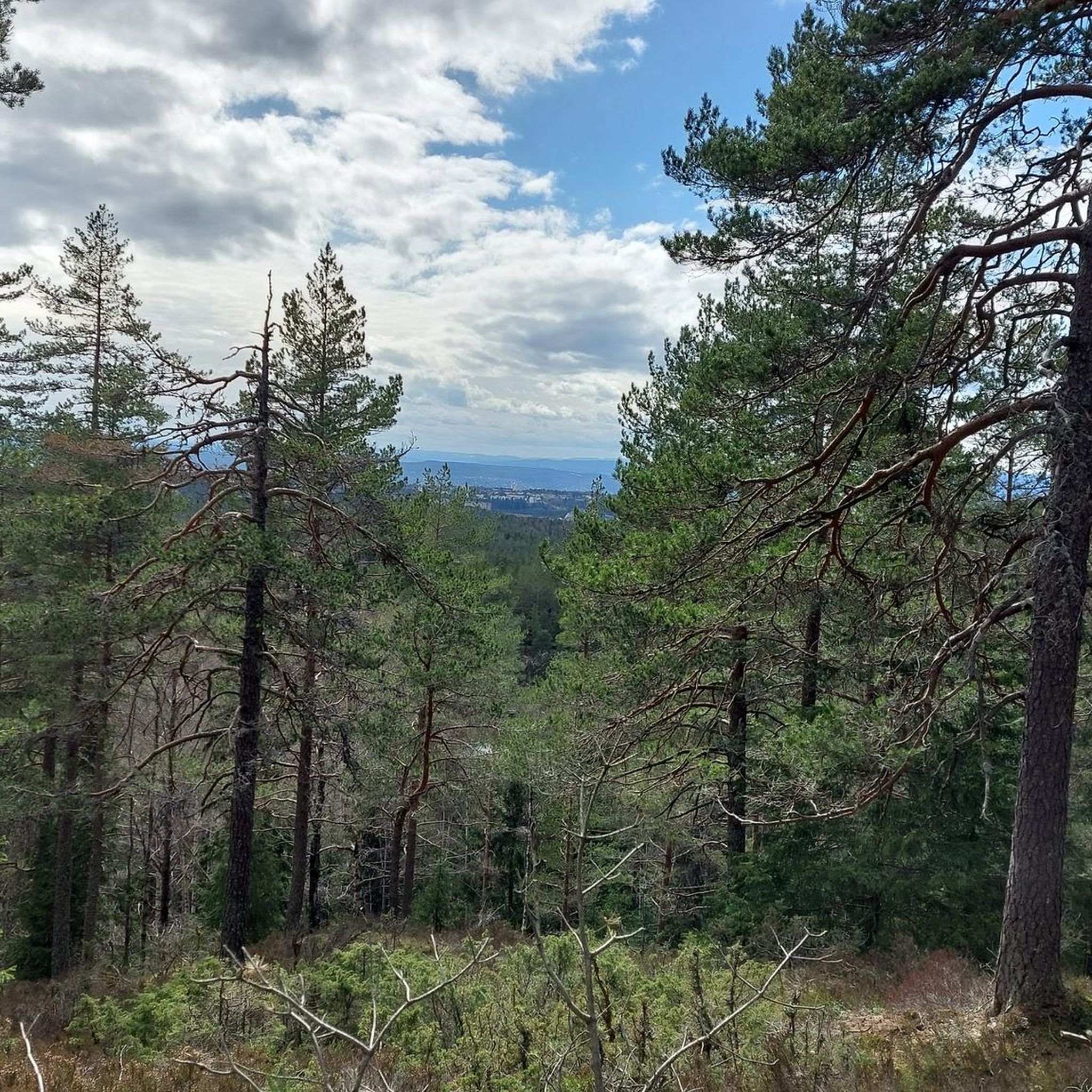
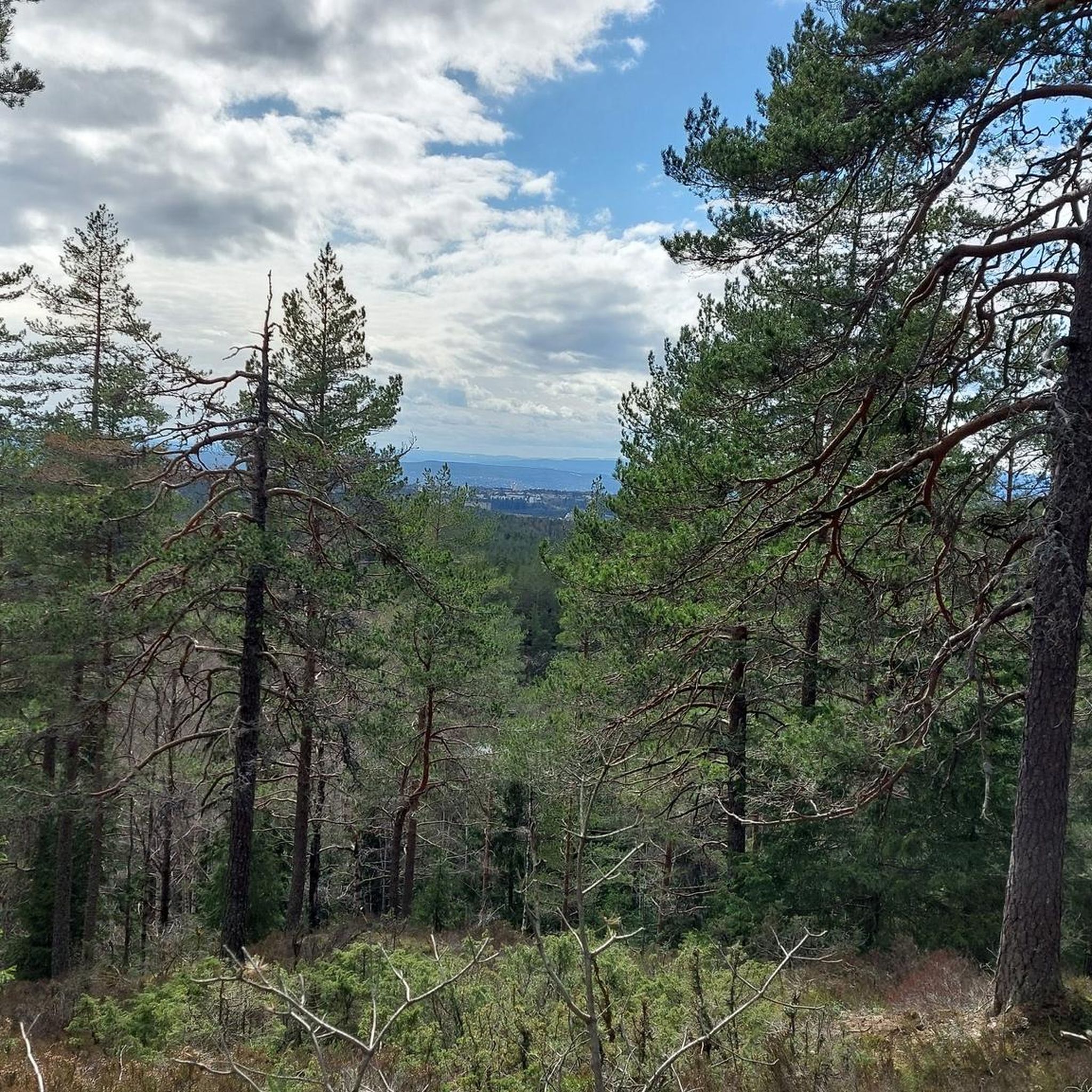
Best natural monuments around Lørenskog are primarily found within the expansive Østmarka forest, which covers a significant portion of the municipality. This region is characterized by dense woods, diverse terrain, and numerous lakes, providing a rich natural landscape. It offers extensive opportunities for outdoor activities and contributes to the area's biodiversity. Lørenskog's natural features provide serene environments for recreation and nature observation.
Best natural monuments around Lørenskog
- The most popular natural monuments is Akerselva Waterfall, a waterfall that is impressive and located along a popular path. It is a notable natural feature within the urban landscape.
- Another must-see spot is Mønevann Lake, Østmarka, a serene lake nestled within the heart of Østmarka. Visitors can expect clear water, a natural shoreline, and a peaceful environment ideal for a break during a hike.
- Visitors also love Akerselva River: Pollution and Restoration, a river that has undergone significant restoration efforts to improve its water quality. This makes it special for its ecological recovery and the return of wildlife like salmon.
- Lørenskog is known for its rivers, lakes, and waterfalls. The area offers a variety of natural monuments to see and explore, from tranquil waters to impressive cascades.
- The natural monuments around Lørenskog are appreciated by the komoot community, with more than 25 upvotes and 14 photos shared by visitors.
Last updated: June 29, 2026
Akerselva River: Pollution and Restoration
Highlight (Segment) • River
At that time, Akerselva was heavily polluted and had a high content of organic material and nutrient salts. Oil spills and leaks from buried oil tanks, as well as uncontrolled releases of chemicals and detergents, have had serious consequences for life on the river. The situation improved when the industrial plants along the river closed and the remaining plants installed sewage treatment plants.
The amount of phosphorus and nitrogen discharged into the fjord from Akerselva was greatly reduced in the first half of the 1980s. The water quality improved significantly, the salmon returned and it was possible to swim again in the upper part of the river.
In 1987, all direct discharges into the city's rivers and streams were eliminated. The main source of pollution in Akerselva was now overflows and leaks in the municipality's sewers. Around. 20% of the sewage disappeared on the way to the sewage treatment plants, and during heavy rains, large amounts of sewage still went straight into the river along with the rainwater. The situation improved somewhat after the sewage system was renovated in the first half of the 1990s.
The number of emergency discharges also decreased, but in 2011 we had a serious chlorine discharge from the Oset water treatment plant. A boost was achieved with Midgardsormen, which was completed in 2014 at a cost of NOK 1.3 billion. This treatment plant will reduce emergency discharges from the sewer system by 90% and will cover the stretch along the Akerselva from Cuba to the fjord and the Bjørvika area.
On the route from Maridalsoset to Sannerbrua there are still 91 municipal and many private stormwater drains to Akerselva. 21 of the municipal storm sewers can discharge wastewater into the river. Therefore, one should not bathe in the river immediately after heavy downpours. Otherwise, the bathing water quality in the upper part of the river is good. The water quality is the worst in the lower part of the river.
Translated by Google •
Tip by

Akerselva Waterfall
Highlight • Waterfall
Translated by Google •
Tip by

Sign up now to discover places like this
Get recommendations on the best single tracks, peaks, & plenty of other exciting outdoor places.
Sign up for free
Spikersuppa Fountain and Sculptures
Highlight • Monument
Translated by Google •
Tip by

Fish Ladder at Akerselva
Highlight • Structure
Translated by Google •
Tip by
Mønevann Lake, Østmarka
Highlight • Lake
Tip by

Sign up for free to discover even more natural monuments around Lørenskog.
Sign up for free
Already have an account?
Start today with a free account
Your next adventure awaits.
Login or Signup
Tips from the Community


Spikersuppa is a large park area in central Oslo that transforms into the city's most romantic ice skating rink during winter, surrounded by Christmas lights during the holiday season. Originally created in 1956 as a fountain basin designed by architect Arnstein Arneberg and funded by Christiania Spigerverk (giving the area its name meaning "nail soup"), it was reconstructed in the mid-1970s after being demolished for subway construction
0
0

Along the path is this small but beautiful waterfall. There is also a bridge over the river and a small cafe where you can eat sweets
0
0

Tucked away in the heart of Østmarka, Mønevann is a serene lake just a short walk from Losby. It’s a perfect spot for a peaceful break along your hike. The clear water, natural shoreline, and small wooden dock make it especially popular in summer, but the area remains calm and scenic year-round.
1
0

Many beautiful parks with fountains can be visited in Oslo.
2
0

The sculptures appear modern, unashamed, unabashed, and even shocking the way they attract one's contemplation.
1
1
Frequently Asked Questions
What outdoor activities can I enjoy near Lørenskog's natural monuments?
The expansive Østmarka forest, which encompasses many of Lørenskog's natural features, offers a wide range of outdoor activities. You can find extensive opportunities for hiking, cycling, and running. For example, there are popular cycling routes like the Mønevann Swimming Area – Hammer Bridge loop and hiking trails such as the Around Mønevann trail. During winter, the area transforms into a cross-country skiing paradise, and in warmer months, many lakes are suitable for swimming and canoeing.
Are there any family-friendly natural monuments in Lørenskog?
Yes, several natural monuments are suitable for families. Akerselva Waterfall is located along a popular path and is considered family-friendly. Mønevann Lake, Østmarka, with its serene environment and natural shoreline, is also a great spot for families to enjoy a peaceful break during a hike. The Fish Ladder at Akerselva is another family-friendly natural monument, offering an interesting sight for all ages.
What kind of natural features can I expect to see around Lørenskog?
Lørenskog is characterized by its rich natural landscape, primarily within the Østmarka forest. You can expect to see dense woods, diverse terrain, and numerous lakes. Notable features include the serene Mønevann Lake, the impressive Akerselva Waterfall, and the ecologically restored Akerselva River. The region also features other lakes like Romstjern within the Slattumsrøa Nature Reserve and the bird-rich Østensjøvannet Nature Reserve.
What is the general difficulty of trails around Lørenskog's natural monuments?
The trails around Lørenskog's natural monuments offer a range of difficulties. Many hiking and cycling routes are classified as moderate, such as the Large Losby Round Trail for hiking or the Oslo Opera House Waterfront – View of the Munch Museum loop for cycling. There are also easier options, like the Mønevann Lake, Østmarka – Vasshjulet Water Wheel loop for cycling, making the area accessible for various fitness levels.
Are there any natural monuments in Lørenskog that are wheelchair accessible?
While many natural areas in Lørenskog involve varied terrain, the Spikersuppa Fountain and Sculptures is noted as wheelchair accessible. Although it's a man-made monument, it offers a pleasant outdoor space. For natural trails, it's always recommended to check specific route details for accessibility information, as terrain can vary significantly.
What makes the Akerselva River a special natural monument?
The Akerselva River is special due to its significant ecological recovery. After facing heavy pollution from industrialization, extensive restoration efforts have dramatically improved its water quality. This has led to the return of wildlife, including salmon, making it a remarkable example of environmental restoration within an urban landscape. The river also features the Fish Ladder, a technical solution to aid fish migration.
What is the best time of year to visit Lørenskog's natural monuments?
Lørenskog's natural monuments offer unique experiences throughout the year. Summer is popular for activities like hiking, cycling, swimming, and canoeing, with places like Mønevann Lake being particularly inviting. Autumn brings beautiful foliage, while winter transforms the Østmarka forest into a cross-country skiing destination. The lit trail along Romstjern Lake also allows for walks outside daylight hours, making it accessible year-round.
Can I observe wildlife near the natural monuments in Lørenskog?
Yes, the natural areas around Lørenskog, particularly within the vast Østmarka forest and its reserves, are rich in biodiversity. The restored Akerselva River has seen the return of salmon and other aquatic life. The Østensjøvannet Nature Reserve is known for its rich birdlife, making it an excellent spot for birdwatching. Keep an eye out for various forest animals and birds throughout the region.
Are there any circular walks or loops to explore the natural monuments?
Yes, there are several circular routes that allow you to explore the natural beauty around Lørenskog. For hikers, the Around Mønevann and the Large Losby Round Trail are popular options. Cyclists can enjoy loops like the Mønevann Swimming Area – Hammer Bridge loop. These routes provide excellent ways to experience the diverse landscapes and natural monuments.
What do visitors enjoy most about the natural monuments in Lørenskog?
Visitors particularly appreciate the serene and peaceful environments offered by Lørenskog's natural monuments. The clear waters and natural shorelines of lakes like Mønevann Lake are often highlighted as perfect spots for a break during a hike. The impressive Akerselva Waterfall is also frequently mentioned for its beauty along a popular path. The overall accessibility and variety of outdoor activities within the Østmarka forest are also highly valued.
Are there any cafes or facilities near Lørenskog's natural monuments?
While specific cafes directly adjacent to every natural monument are not detailed, the Akerselva Waterfall is located in an area that offers facilities, including cafes, as it's part of a popular urban path. For other natural areas, especially deeper within Østmarka, it's advisable to bring your own refreshments. The Spikersuppa Fountain and Sculptures, though a man-made monument, is in an area with various facilities.
What is the significance of the Østmarka forest to Lørenskog's natural monuments?
The Østmarka forest is central to Lørenskog's natural monuments, as it covers a significant portion of the municipality and forms the backdrop for many of its natural features. It's a vast urban woodland characterized by dense woods, diverse terrain, and numerous lakes, including Mønevann Lake. Østmarka provides the primary setting for outdoor recreation and contributes significantly to the region's rich biodiversity and natural heritage.
Most popular attractions around Lørenskog

Get inspired with the komoot mobile app


Explore more
Extend your search for the best caves by checking out these guides of the top ones around Lørenskog:
