Top 20 Natural Monuments around Vågå
Best natural monuments around Vågå are found in the heart of Norway's mountainous landscape, offering geological formations and expansive views. Situated at the eastern edge of Jotunheimen National Park, Vågå serves as a starting point for exploring the region's natural wonders. The area is characterized by its rugged terrain, deep valleys, and high peaks, providing a diverse natural environment. This makes Vågå an ideal base for experiencing Norway's wilderness and notable landmarks.
Best natural monuments around Vågå
- The most popular…
Last updated: October 29, 2026
Glittertinden
Highlight • Summit
Translated by Google •
Tip by

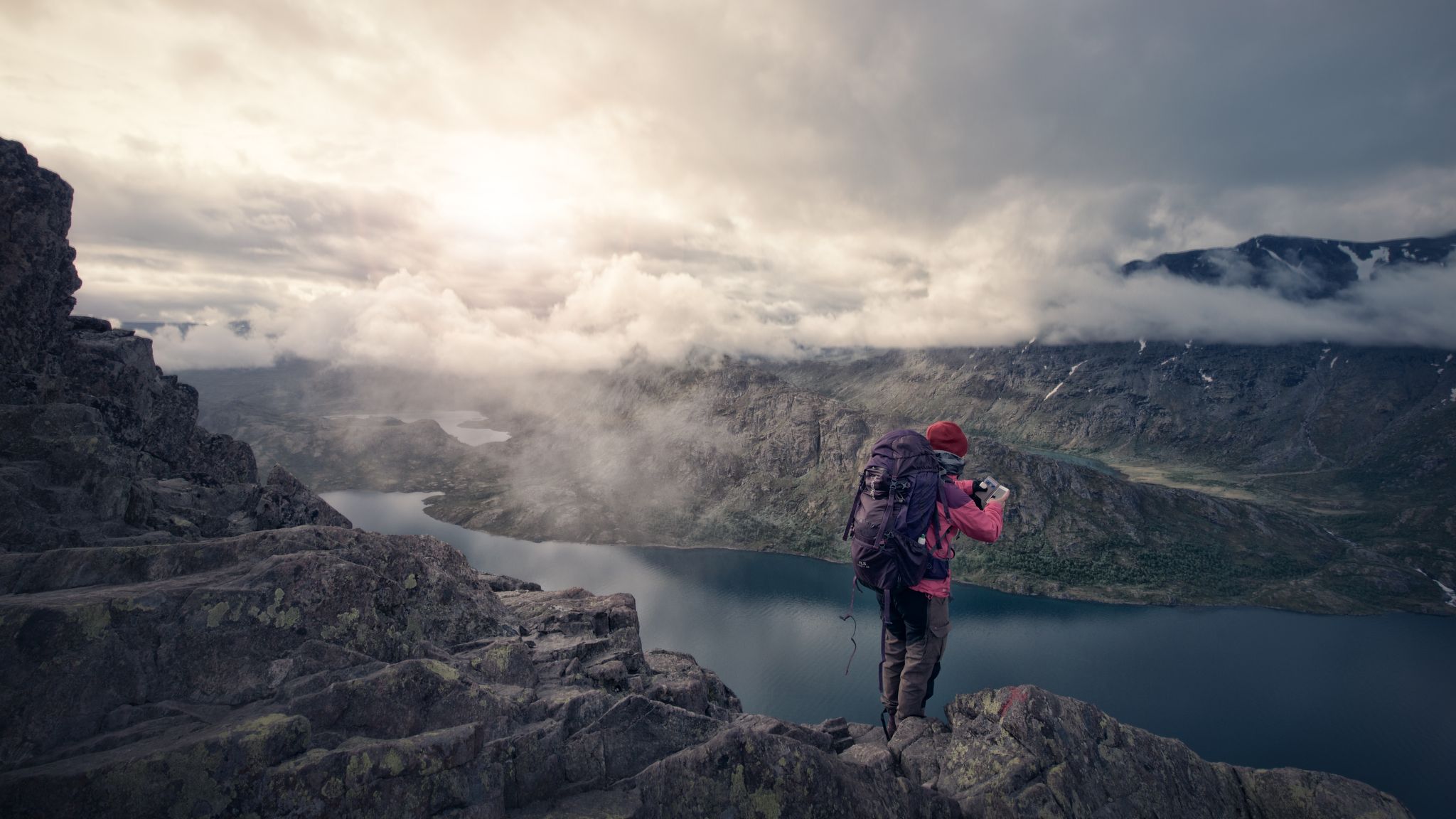
Besseggen Ridge
Highlight (Segment) • Climb
Translated by Google •
Tip by

Sign up now to discover places like this
Get recommendations on the best single tracks, peaks, & plenty of other exciting outdoor places.
Ridderspranget Gorge
Highlight • Gorge
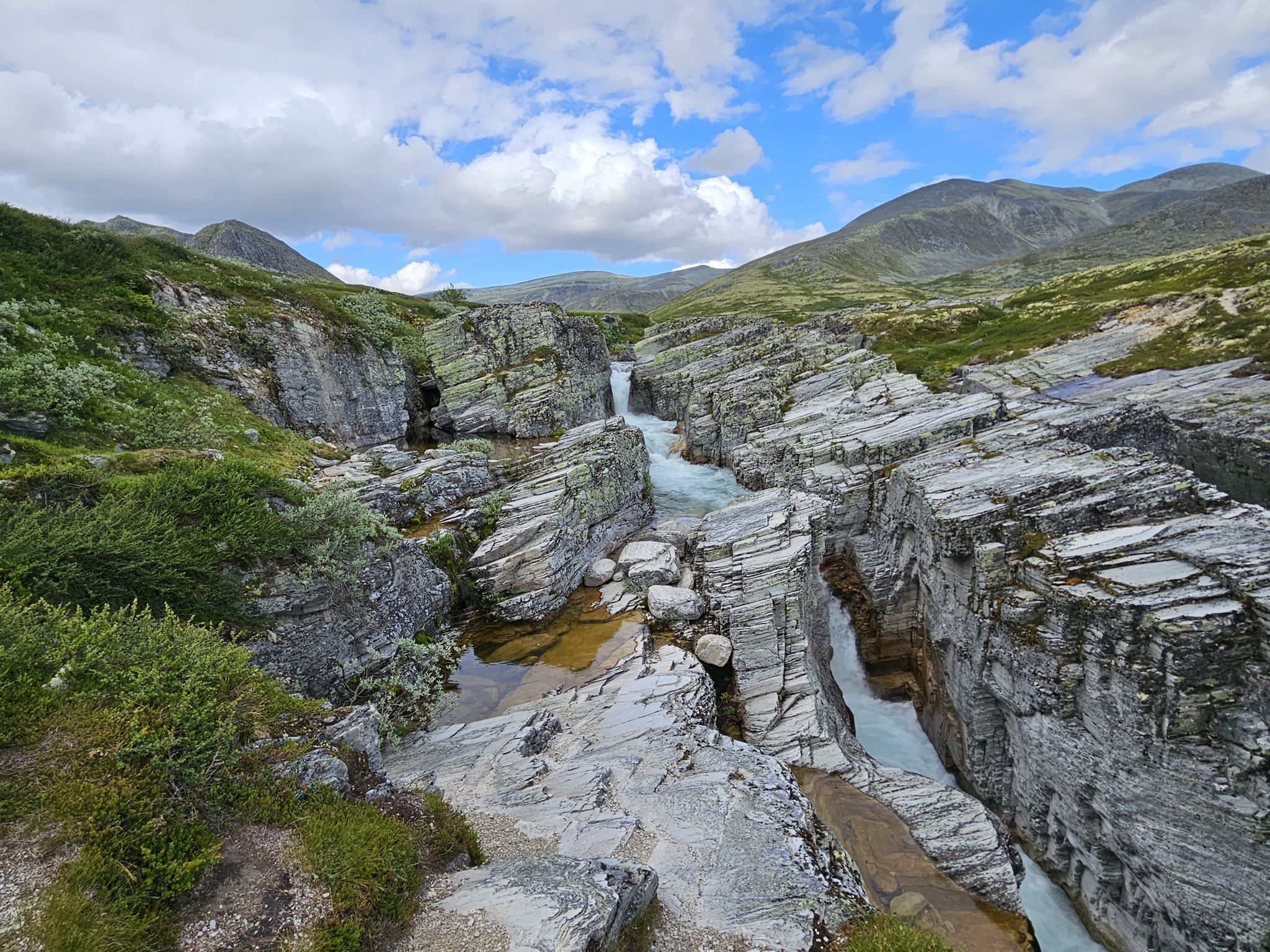
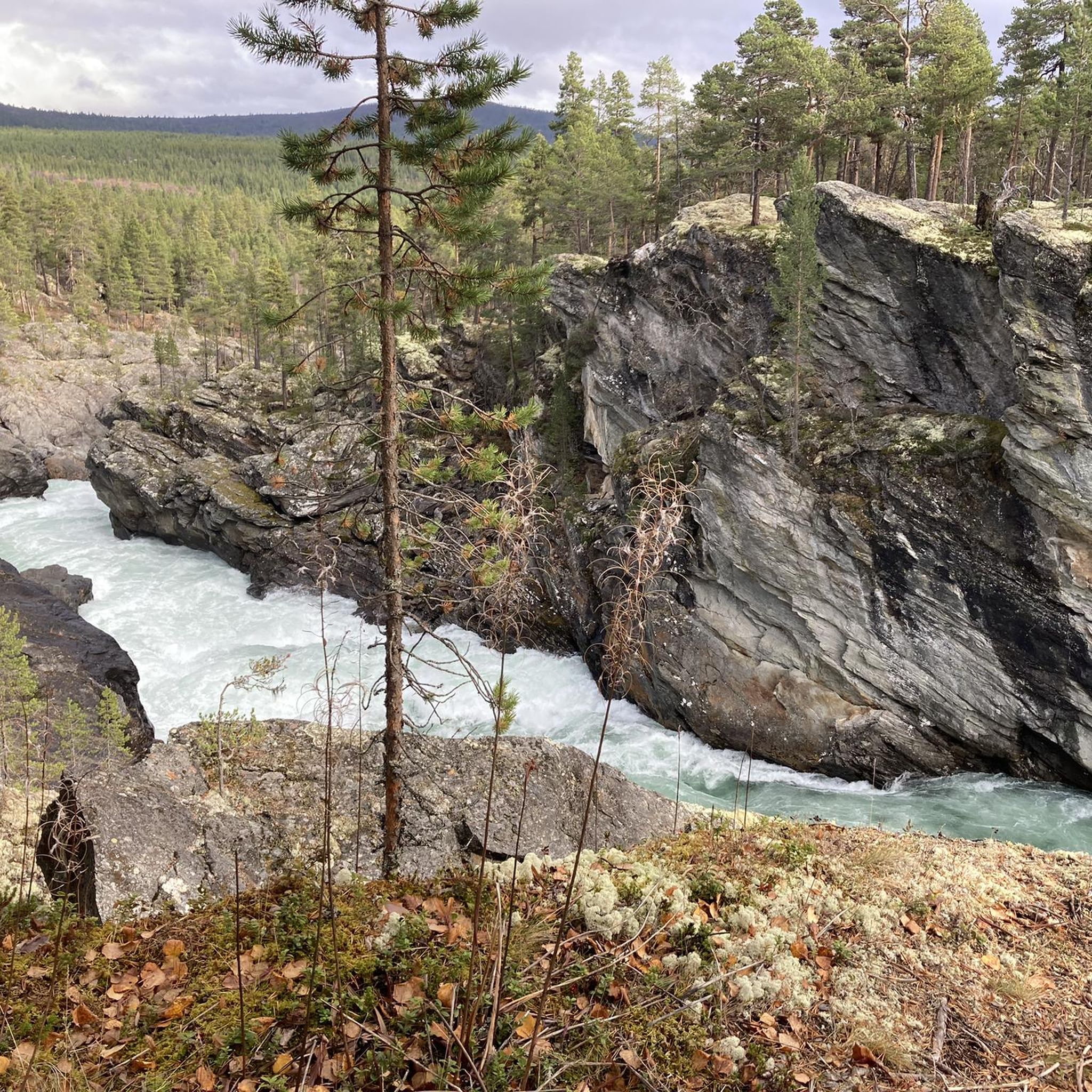
Ridderspranget, the knight's jump, is an impressive, 8 meter deep gorge not far from Reichsstraße 51 in the eastern Jotunheimen Mountains (signposted). The …
Translated by Google •
Tip by

Veslfjellet
Highlight • Summit
Translated by Google •
Tip by

Skautkampan
Highlight • Summit
Located at the western edge of the Skautflye plateau, it is the gateway to the vast Visdalen Valley. It …
Translated by Google •
Tip by

Sign up for free to discover even more natural monuments around Vågå.
Already have an account?
Start today with a free account
Your next adventure awaits.
Popular around Vågå
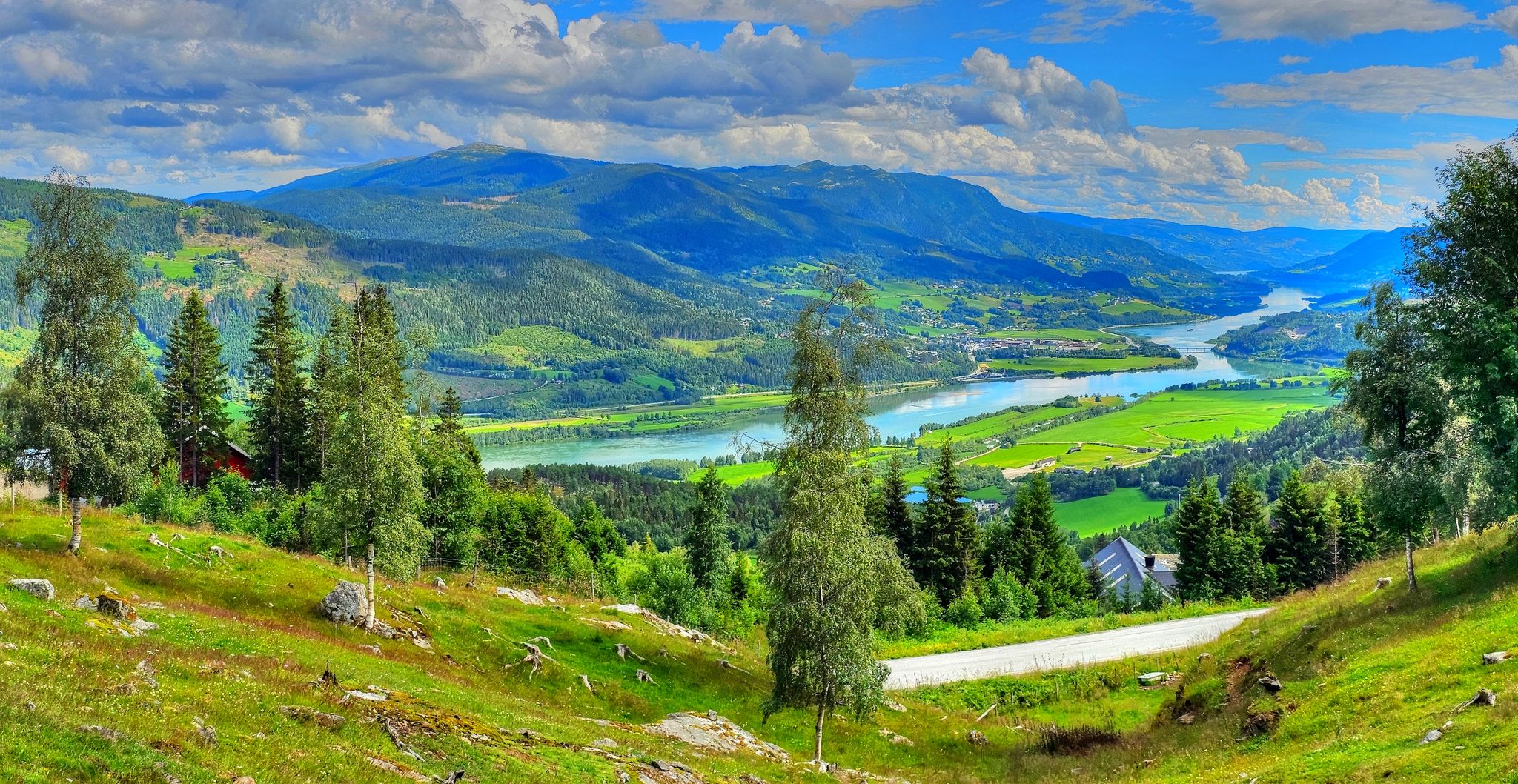
Pilgrim Route – An epic journey across Norway
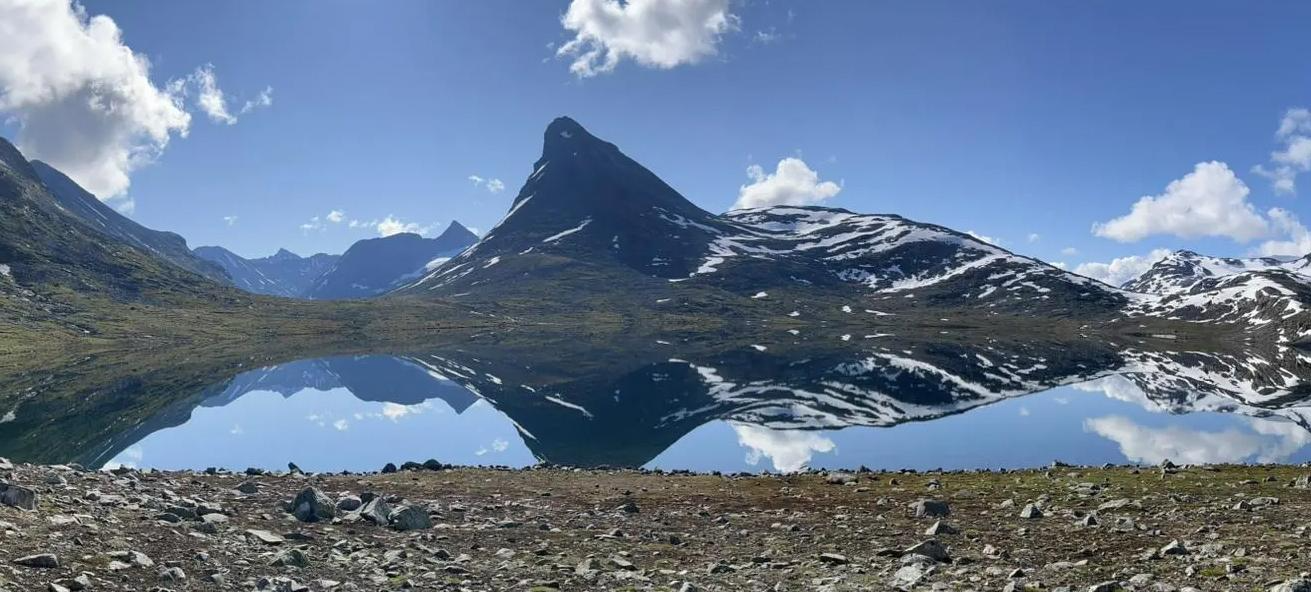
SignaTUR Omveien – Vast wilds, epic peaks and deep valleys
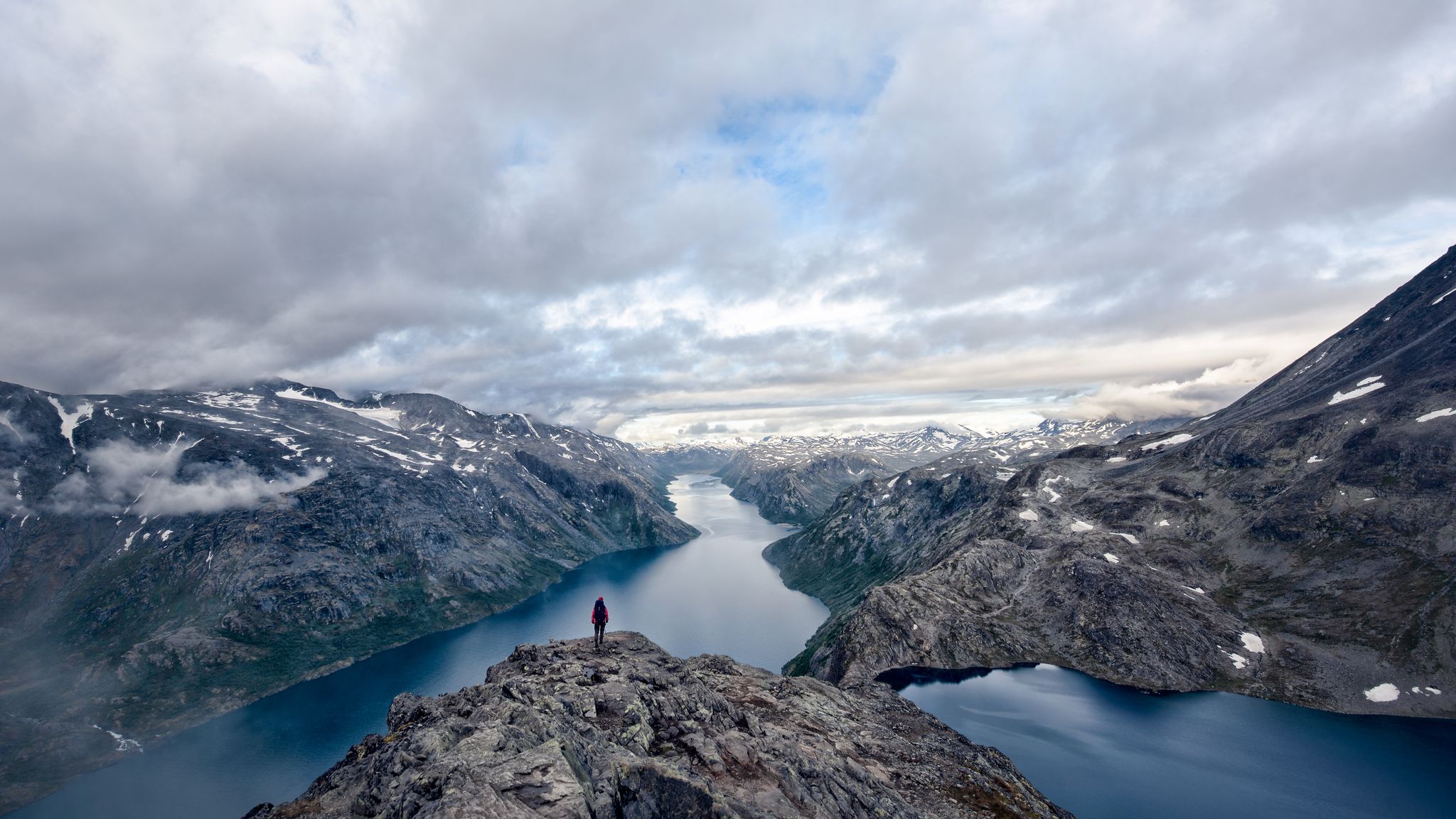
A 5-day-hike around Norway's Jotunheimen
Mjølkevegen
Discover nature and culture – day Tours in the south of Norway
The secret gardens of Jotunheimen – among Norway's giants
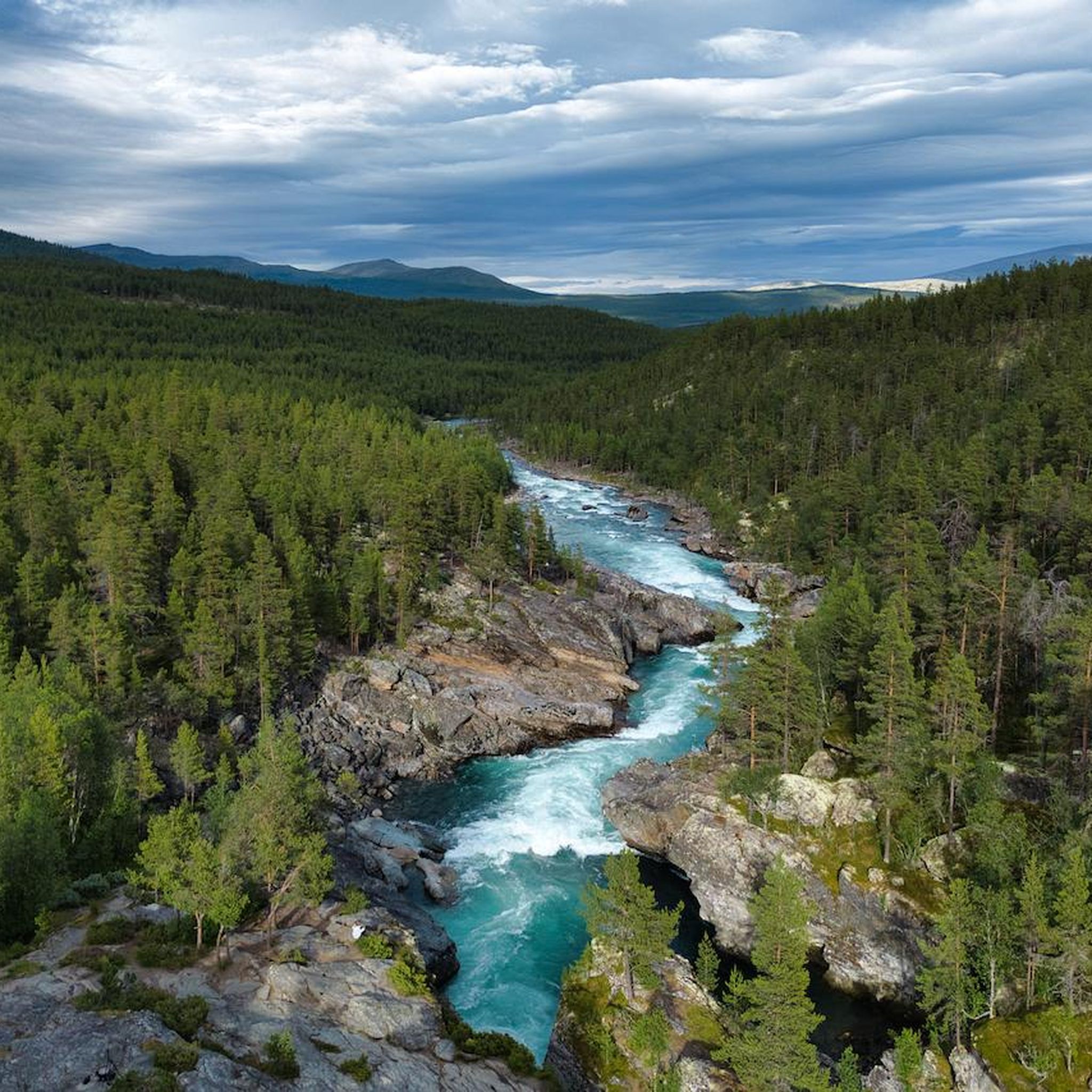
Hiking around Vågå
Running Trails around Vågå

Cycling around Vågå

MTB Trails around Vågå
Other adventures around Vågå


Tips from the Community

At 5,718 feet (1,743 m), Veslfjellet is the highest point on the famous Besseggen Ridge. In contrast to some of the narrower sections on the route, the summit is relatively broad but the views are still spectacular.
0
0

The summit itself is far less spectacular than the ridge.
3
0
Wonderful climbing section, in one or two places you have to use your hands to help.
3
1

impressive how the water masses roar through the narrow gorge
3
0

Skautkampan is a small peak rising to 4,734 feet (1,443 m). Located at the western edge of the Skautflye plateau, it is the gateway to the vast Visdalen Valley. It also offers exceptional views of the glaciers of Galdhøpiggen, Norway's highest mountain at 8,100 feet (2,686 m).
3
0

Once the highest mountain in Scandinavia, it now stands at 8,045 feet (2,452 m), which is the elevation without the remaining summit glacier. In good weather, the ascent can be described as a physically demanding but technically easy hike. Further up, you'll have to walk on rocks and large stones, and then another snowfield awaits at the summit. This is no problem, as long as you don't get too close to the overhanging snow cornices at the summit or, in poor visibility, before reaching it. The descent to Glitterheim can then be completed largely on a toboggan, some of it up to 5,249 feet (1,600 m). Great fun :)
5
0

A cairn marks the highest point of the flat stony summit plateau Veslefjellet. But a well-deserved resting place after the Besseggen. If you are still on the way there, there are certainly places with a nicer view on the tour.
0
0
Nice ridge and scramble tour. A lot of activity in almost any weather. But even if it is sometimes advertised as a family hike, the ridge passage should not be underestimated, especially when it is wet and with poor visibility or with heavy luggage! If in doubt, it is better to go uphill and have your heavy backpack transported on the ferry. Starting from Memurubu also has the advantage that you have no time pressure to catch a ferry back to Gjendesheim in time. Overall, a very nice end to a multi-day basic trekking tour through Jotunheimen. Surefootedness and suitable footwear are mandatory. During our visit, in single-digit temperatures, fog and rain, everything down to sneakers and what felt like sweatpants was present. However, the porters clearly felt anything but comfortable on the tour.
10
1
Frequently Asked Questions
What kind of natural features can I expect to see in Vågå?
Vågå, situated at the eastern edge of Jotunheimen National Park, offers a diverse range of natural features. You can explore impressive geological formations like the deep chasm of Ridderspranget Gorge, where the Sjoa river carves through rock. The region is also home to high peaks such as Glittertinden, one of Norway's highest mountains, offering panoramic views, and dramatic ridges like Besseggen Ridge with its distinct blue and green lakes.
Are there challenging hikes to natural monuments in Vågå?
Yes, Vågå is an excellent base for challenging mountain hikes. Glittertinden offers a physically demanding ascent over rocks and snowfields, rewarding hikers with spectacular views. The Besseggen Ridge hike is also considered challenging, especially the thrilling scramble section, requiring sure-footedness and suitable footwear. You can find more challenging routes in the area, such as the "Veslfjellet Summit loop from Gjendesheim long-term parking" or "Glitterheim Mountain Lodge – Glittertind loop from Glitterheim," both listed in the Mountain Hikes around Vågå guide.
What is the best time to visit the natural monuments in Vågå?
The best time to visit Vågå's natural monuments for hiking and outdoor activities is typically during the summer months, from late June to early September. During this period, the weather is generally milder, trails are more accessible, and the snow has largely melted from higher elevations. However, conditions can change rapidly in the mountains, so always be prepared for varying weather.
Are there any family-friendly natural attractions in Vågå?
While many of Vågå's natural monuments involve challenging hikes, some areas offer more accessible experiences. Ridderspranget Gorge is an impressive site where visitors can experience the raw power of nature and learn about an old Norwegian legend. It's generally more accessible for families to visit and observe the gorge from designated viewpoints. Always check specific trail conditions and difficulty levels for any planned activity with children.
What historical or legendary significance do Vågå's natural monuments hold?
The natural monuments in Vågå are often intertwined with rich local folklore. For instance, Ridderspranget Gorge, meaning 'the knight's jump,' is associated with a 14th-century legend about a knight's daring escape with his bride across the chasm. These stories add a layer of cultural depth to the already stunning natural beauty of the region.
What should I pack for a visit to Vågå's natural monuments?
For hiking and exploring Vågå's natural monuments, it's crucial to pack appropriate gear. This includes sturdy, waterproof hiking boots, layers of clothing (even in summer, as mountain weather can be unpredictable), rain and wind protection, a map and compass or GPS, sufficient water and snacks, and sun protection. For more challenging routes like Besseggen Ridge or Glittertinden, consider bringing trekking poles and being prepared for snowfields even in summer.
Can I go cycling near the natural monuments in Vågå?
Yes, Vågå offers various cycling opportunities. While direct cycling to the most rugged natural monuments might not be possible, there are numerous road cycling and touring bicycle routes in the surrounding area that provide scenic views and access points. You can explore routes like the "View of Lake Otta – Randsverk Camping loop" for road cycling or "Voodostigen Gravel Road – Gravel Road Along Lake Tesse loop" for touring bicycles. Find more options in the Road Cycling Routes around Vågå and Cycling around Vågå guides.
What makes the view from Besseggen Ridge so special?
The view from Besseggen Ridge is renowned for its dramatic contrast between two distinct lakes: the deep blue Bessvatnet and the emerald green Gjende. The ridge itself offers a thrilling scramble, and from its vantage point, you can see the highest peaks of Scandinavia rising in the distance. It's a truly spectacular and popular photo motif in Norwegian nature.
Are there any permits required for hiking popular natural monuments like Besseggen Ridge?
While there isn't a specific permit required to hike Besseggen Ridge itself, you often need to book ferry tickets in advance if you plan to use the boat service across Lake Gjende to start or end your hike. This is especially true during peak season due to the hike's popularity. It's advisable to check the official Jotunheimen National Park or local tourism websites for the latest information on transportation and any potential restrictions.
What is the highest point I can reach among Vågå's natural monuments?
The highest point you can reach among Vågå's natural monuments is Glittertinden. Standing at 8,045 feet (2,452 meters) without its summit glacier, it is one of Norway's highest mountains. The ascent offers a challenging yet rewarding experience with panoramic views from the top.
What do visitors enjoy most about the natural monuments in Vågå?
Visitors to Vågå's natural monuments frequently highlight the breathtaking panoramic views, the raw power of nature experienced at sites like Ridderspranget Gorge, and the rewarding challenge of hikes such as Besseggen Ridge. The unique geological features and the sense of wilderness are also highly appreciated, making it an ideal destination for experiencing Norway's stunning outdoors.
Most popular attractions around Vågå

Get inspired with the komoot mobile app


Explore more
Extend your search for the best caves by checking out these guides of the top ones around Vågå:
