Top 7 Natural Monuments around Fredrikstad
Best natural monuments around Fredrikstad showcase a diverse landscape where Norway's longest river meets the Oslo Fjord. This southeastern Norwegian city features coastal formations, ancient river deltas, and historical sites integrated with nature. The area offers a blend of marine ecosystems and geological features. Visitors can explore a variety of natural attractions, from unique underwater environments to significant archaeological sites set within natural surroundings.
Best natural monuments around Fredrikstad
- The most popular natural monuments is Hunn Stone Circles, a…
Last updated: May 17, 2026
Hunn Stone Circles
Highlight • Historical Site
no.wikipedia.org/wiki/Hunnfeltene
Translated by Google •
Tip by

Begby Rock Carvings
Highlight • Historical Site
Translated by Google •
Tip by

Sign up now to discover places like this
Get recommendations on the best single tracks, peaks, & plenty of other exciting outdoor places.
Sign up for free
Solberg Petroglyphs
Highlight • Historical Site
Translated by Google •
Tip by

Sarpsfossen Waterfall
Highlight (Segment) • Waterfall
Translated by Google •
Tip by

Kråkerøy Church – Glufsa Hike
Highlight • Trail
Showing Translation
Tip by

Sign up for free to discover even more natural monuments around Fredrikstad.
Sign up for free
Already have an account?
Start today with a free account
Your next adventure awaits.
Login or Signup

Tips from the Community

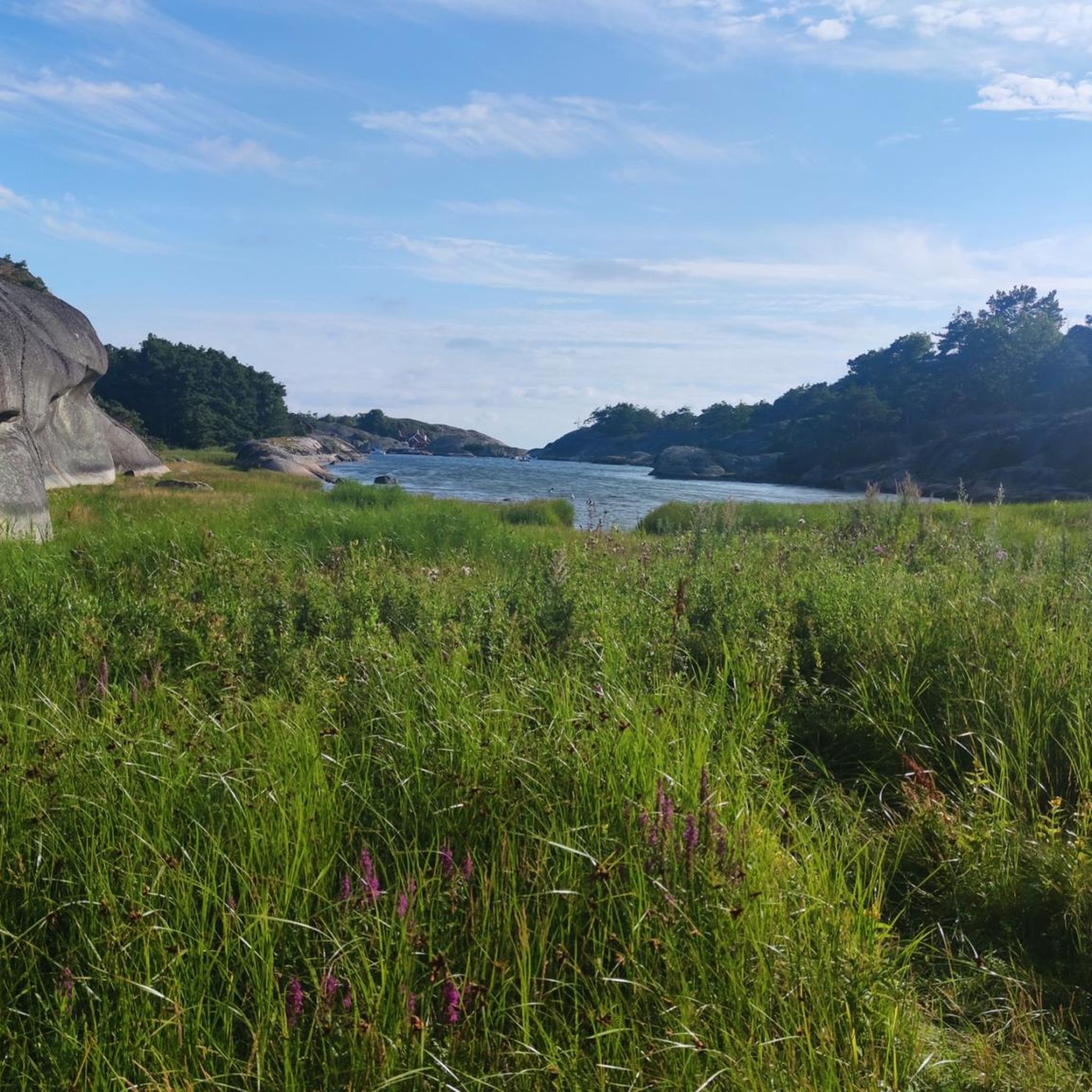
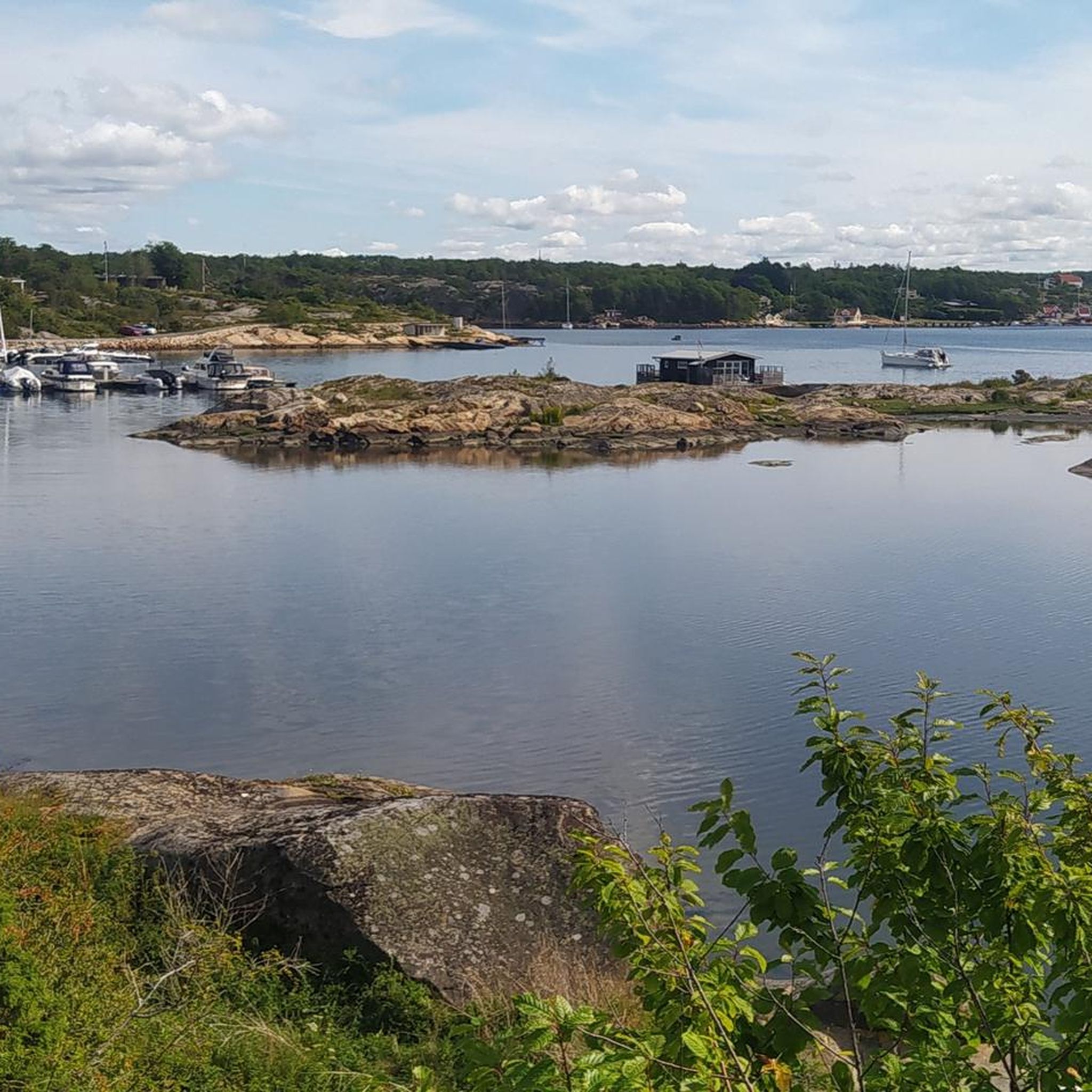
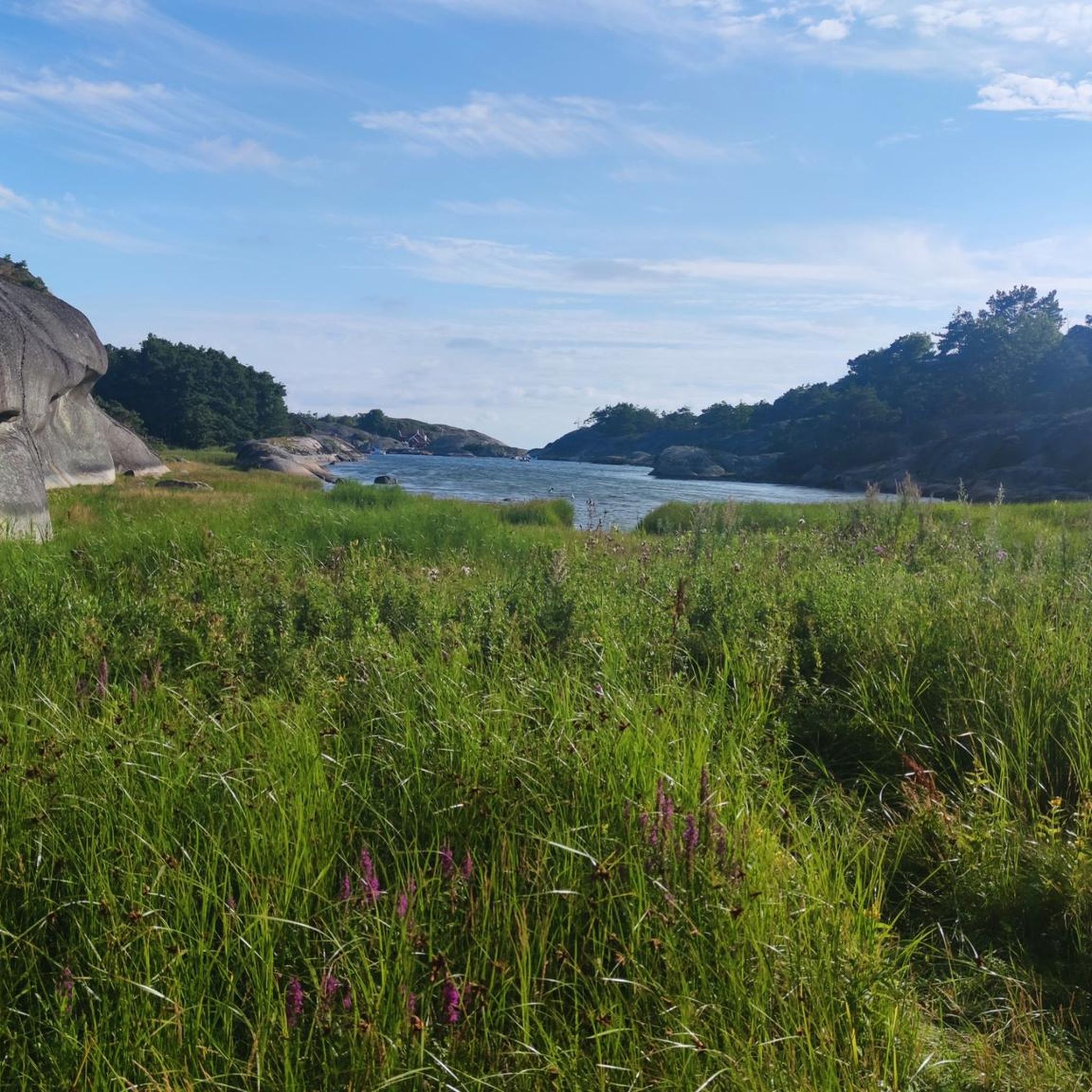
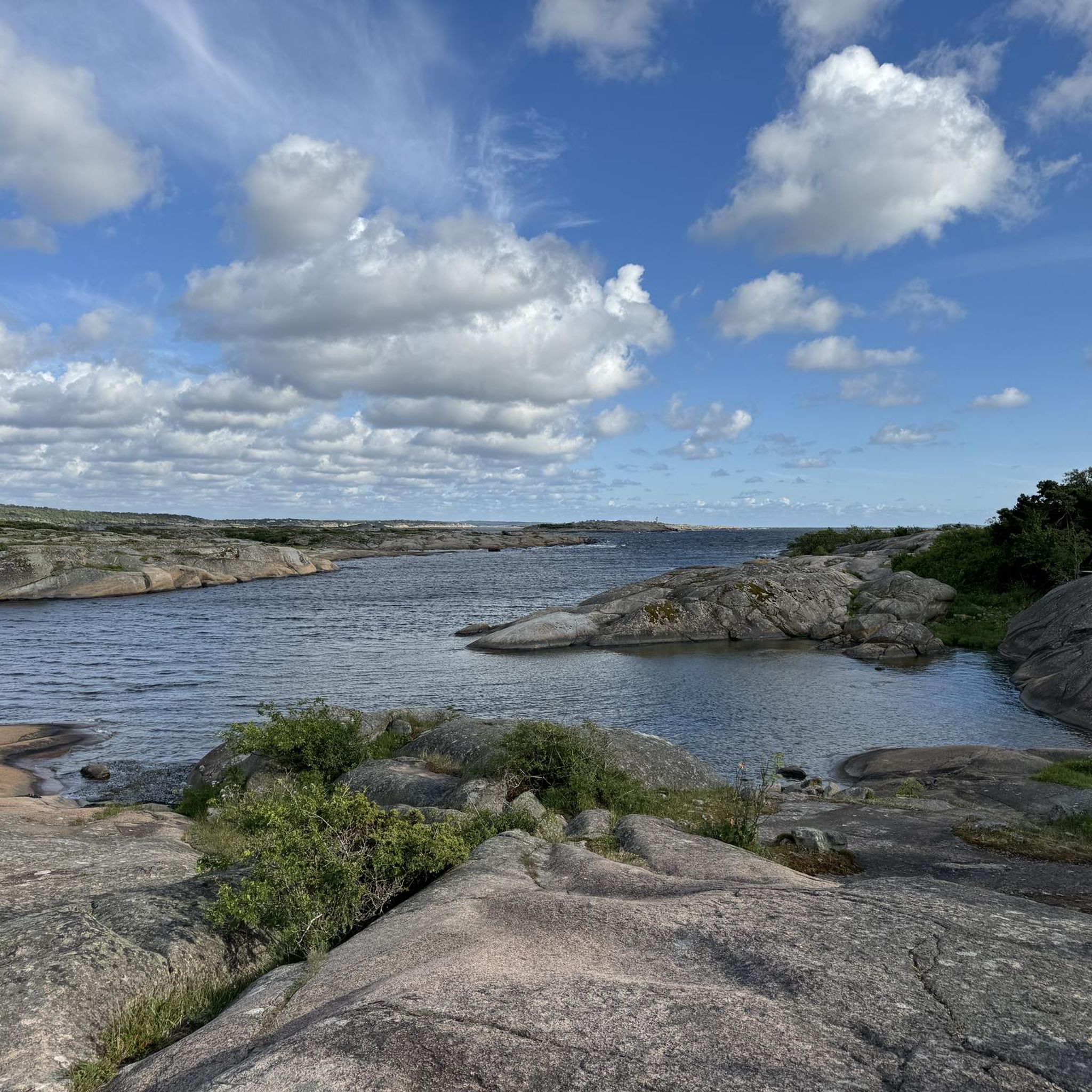
Here you can experience the wild coastal landscape of Eastern Norway, far from any hustle and bustle. The loop starts at the distinctive Kråkerøy church and leads over solid wooden bridges and smoothly polished Svaberg rocks out to the outermost islets of Glufsa. A name that is no coincidence: „Glufs* means «gust of wind» in Old Norse, and that is exactly what you feel here when the southwest wind meets the currents of the Oslo Fjord. Along the way, it is worth taking a look into the rock pools and gorges. An impressive Jettegryte awaits in a rocky bay. A giant's kettlehole formed by water as a silent testament to the forces of nature. The tour is accessible all year round and, thanks to its moderate altitude profile, is also suitable for families.
0
0

Other sites of this type in Europe do not necessarily refer to graves but rather to cult sites where ritual gatherings took place. Sacrifices were often made for these purposes, which sometimes explains the finds of charcoal and bone. In this respect, the title of the highlight should rather be called "Stone Circles in Hunn". It is also sometimes not clear whether - if they are human bones - they were not later buried here. The cairns served as graves, of which there are two here, which are not even mentioned in the description.
0
0
Rock carvings that are difficult to reach, since you can only can park in the parking lot and has to climb over guard rails to get to the other side of the street. Still worth it.
0
0
Easy to walk circular route, partly marked.
1
0
More exposed rock carvings that were no longer painted but are clearly visible.
0
0

West of the E6, at the exit of the marked "Oldtidsveien", is Solbergfeltet with two outcrop fields with scratches. The field near the road has about 60 different images, including ships, people, and bowls. The second field is special in that it contains, among other things, a tree motif that is rare in Norway. According to the Norwegian archaeologist Erling Johansen (1919–2000), the Solberg field may have been a Bronze Age cult center.
0
0

The Hunn stone circle field is one of the largest in Norway. There are nine stone circles in total. Archaeological investigations have proven that these are tombs that have often been found within the circles. Nothing was found in the graves except pieces of charcoal and burned bones.
0
1

A short stop at the roadside leads to an extensive burial ground from the Bronze Age. https://no.wikipedia.org/wiki/Hunnfeltene
1
2
Frequently Asked Questions
What unique natural features can I explore in Fredrikstad?
Fredrikstad offers a diverse range of natural features. You can explore the unique marine environment of Ytre Hvaler National Park, Norway's first marine national park, which features cold-water coral reefs and a rich coastal landscape. The Glomma River, Norway's longest river, also plays a significant role, forming an inland delta upstream and splitting into two main streams in Fredrikstad. Additionally, Glufsa is known for its distinctive 'orange cliffs' and serene waters with views of the Oslofjord.
Are there any significant waterfalls near Fredrikstad?
Yes, you can visit Sarpsfossen Waterfall, which is considered one of Europe's most powerful waterfalls. This natural spectacle is particularly impressive during snowmelt.
What historical natural monuments can I visit in Fredrikstad?
Fredrikstad is rich in historical sites integrated with nature. You can explore the Hunn Stone Circles, an extensive Bronze Age burial ground and one of Norway's largest stone circle fields. Another significant site is Solberg Petroglyphs, featuring approximately 60 different rock carvings, including ships and people, believed to have been a Bronze Age cult center. Also, don't miss the Begby Rock Carvings, which are part of an easy-to-walk circular route, and the Bjørnstad Ship Rock Carving, Northern Europe's largest Bronze Age rock carving.
What activities can I do in Ytre Hvaler National Park?
Ytre Hvaler National Park is ideal for various outdoor activities. You can enjoy swimming, boating, fishing, kayaking, and diving in its unique marine environment. The park also offers scenic hiking trails on islands like Kirkøy, Asmaløy, and Vesterøy, allowing you to explore its pristine coastal landscape.
Are there family-friendly natural monuments around Fredrikstad?
Yes, several natural monuments are suitable for families. The Hunn Stone Circles, Solberg Petroglyphs, and Bjørnstad Ship Rock Carving are all categorized as family-friendly historical sites set within natural landscapes. Glufsa also offers leisurely walks and swimming, which can be enjoyable for families.
What kind of views can I expect from natural viewpoints in the area?
For magnificent panoramic views, consider visiting Ravneberget, a hilltop fort that offers elevated perspectives of Fredrikstad, Torsnes, and the sea. Glufsa also provides breathtaking views of the Oslofjord, especially during sunset, with its serene waters and 'orange cliffs'.
What outdoor activities can I do near these natural monuments?
The Fredrikstad area offers a variety of outdoor activities. You can find numerous cycling routes, including road cycling and gravel biking. For example, there are routes like the 'Red Arch Bridge loop' for road cycling and the 'Roald Amundsen Birthplace – Byferga Ferry Near Fredrikstad loop' for gravel biking. You can explore more options on the Road Cycling Routes around Fredrikstad, Gravel biking around Fredrikstad, and Cycling around Fredrikstad guide pages.
Are there hiking trails near the natural monuments?
Yes, Ytre Hvaler National Park features scenic hiking trails on islands such as Kirkøy, Asmaløy, and Vesterøy. Additionally, the Begby Rock Carvings are part of an easy-to-walk circular route, making it accessible for a pleasant stroll combined with historical exploration.
What is the best time to visit the natural monuments in Fredrikstad?
The natural monuments in Fredrikstad can be enjoyed throughout the warmer months, generally from spring to autumn, when conditions are ideal for outdoor activities like hiking, cycling, and water sports. Visiting during summer allows for swimming and boating in areas like Ytre Hvaler National Park and Glufsa. Sarpsfossen Waterfall is particularly impressive during spring snowmelt.
What do visitors enjoy most about the natural monuments in Fredrikstad?
Visitors appreciate the blend of natural beauty and historical significance. The extensive burial ground at Hunn Stone Circles and the ancient rock carvings at Solberg Petroglyphs offer a unique glimpse into the past. The serene waters and 'orange cliffs' of Glufsa are also highly regarded for relaxation and photography, especially at sunset.
Can I go boating or kayaking near the natural monuments?
Absolutely. The Glomma River offers opportunities for leisure boating during the summer. In Ytre Hvaler National Park, you can enjoy boating, kayaking, and even diving in its unique marine environment. Glufsa also provides an idyllic setting for kayaking on its serene waters.
What kind of marine life can be found in Ytre Hvaler National Park?
Ytre Hvaler National Park is home to a rich marine ecosystem. It protects a unique underwater world, including the Tisler Reef, one of Europe's largest inshore cold-water coral reefs, which provides habitat for a variety of fish, crustaceans, and sponges. The park also supports diverse plant life and is an important pupping area for common seals.
Most popular attractions around Fredrikstad

Get inspired with the komoot mobile app


Explore more
Extend your search for the best caves by checking out these guides of the top ones around Fredrikstad:
