Top 20 Natural Monuments around Hjelmeland
Best natural monuments around Hjelmeland include a diverse and spectacular natural landscape within the heart of Ryfylke, Norway. The region features fjords, mountains, rivers, waterfalls, and lakes, offering a range of outdoor experiences. Hjelmeland is known for its dramatic cliffs, ancient geological sites, and unique rock formations. Visitors can explore various routes natural monuments Hjelmeland, providing opportunities for different levels of Hjelmeland hiking trails.
Best natural monuments around Hjelmeland
- The most popular natural monuments is Preikestolen (Pulpit Rock), a…
Last updated: June 28, 2026
Preikestolen (Pulpit Rock)
Highlight • Viewpoint
Translated by Google •
Tip by

View of Lysefjord
Highlight • Viewpoint
Translated by Google •
Tip by

Sign up now to discover places like this
Get recommendations on the best single tracks, peaks, & plenty of other exciting outdoor places.
Sign up for free
Glorious views of the Lysefjord
Highlight • Viewpoint
Translated by Google •
Tip by

Kjeragbolten
Highlight • Natural Monument
Translated by Google •
Tip by

View of Preikestolen
Highlight • Viewpoint
Translated by Google •
Tip by

Sign up for free to discover even more natural monuments around Hjelmeland.
Sign up for free
Already have an account?
Start today with a free account
Your next adventure awaits.
Login or Signup
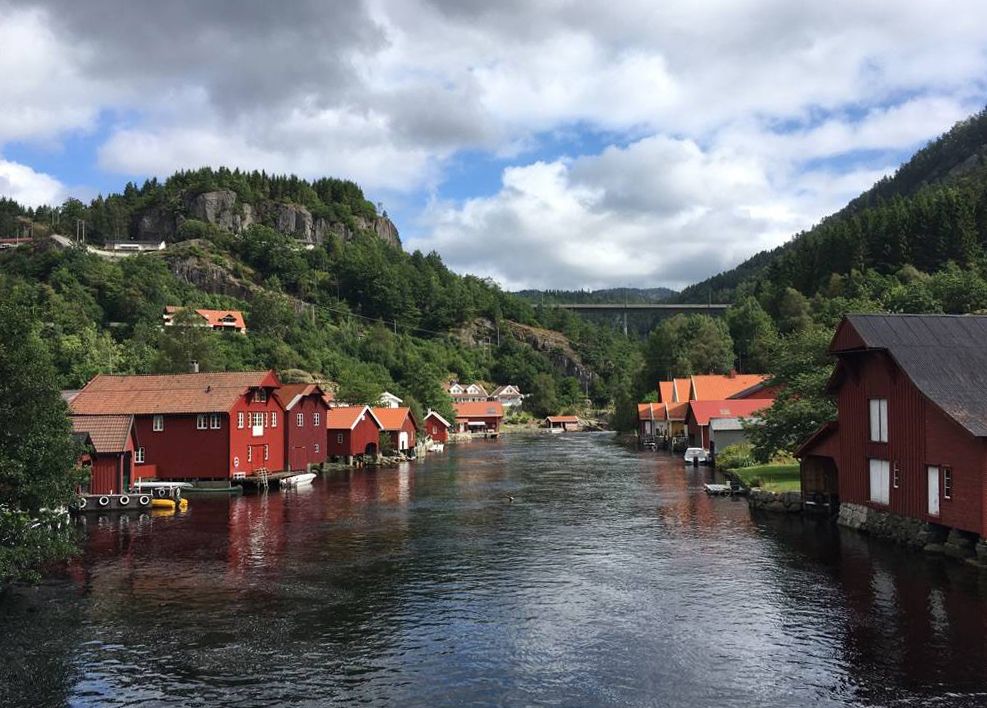
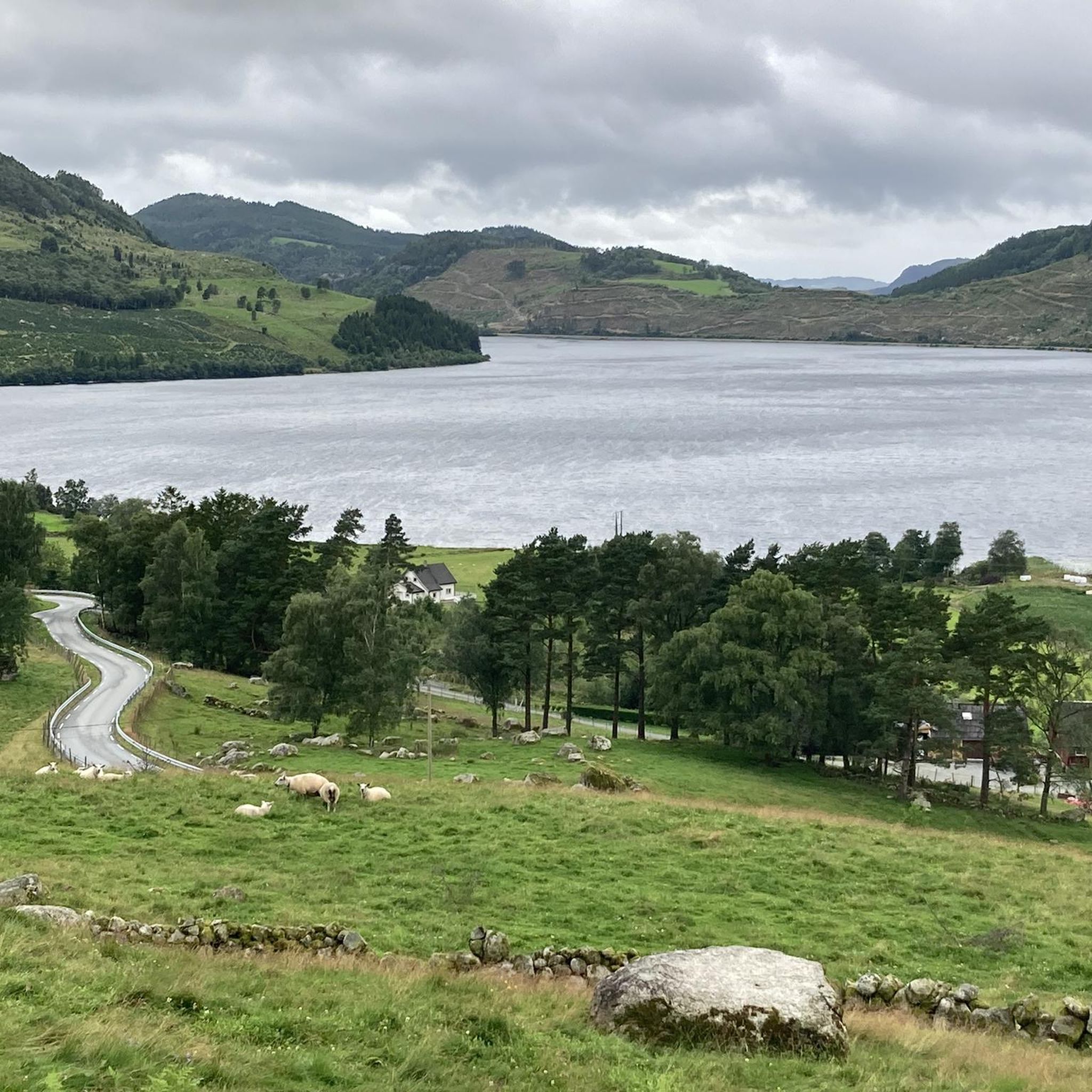
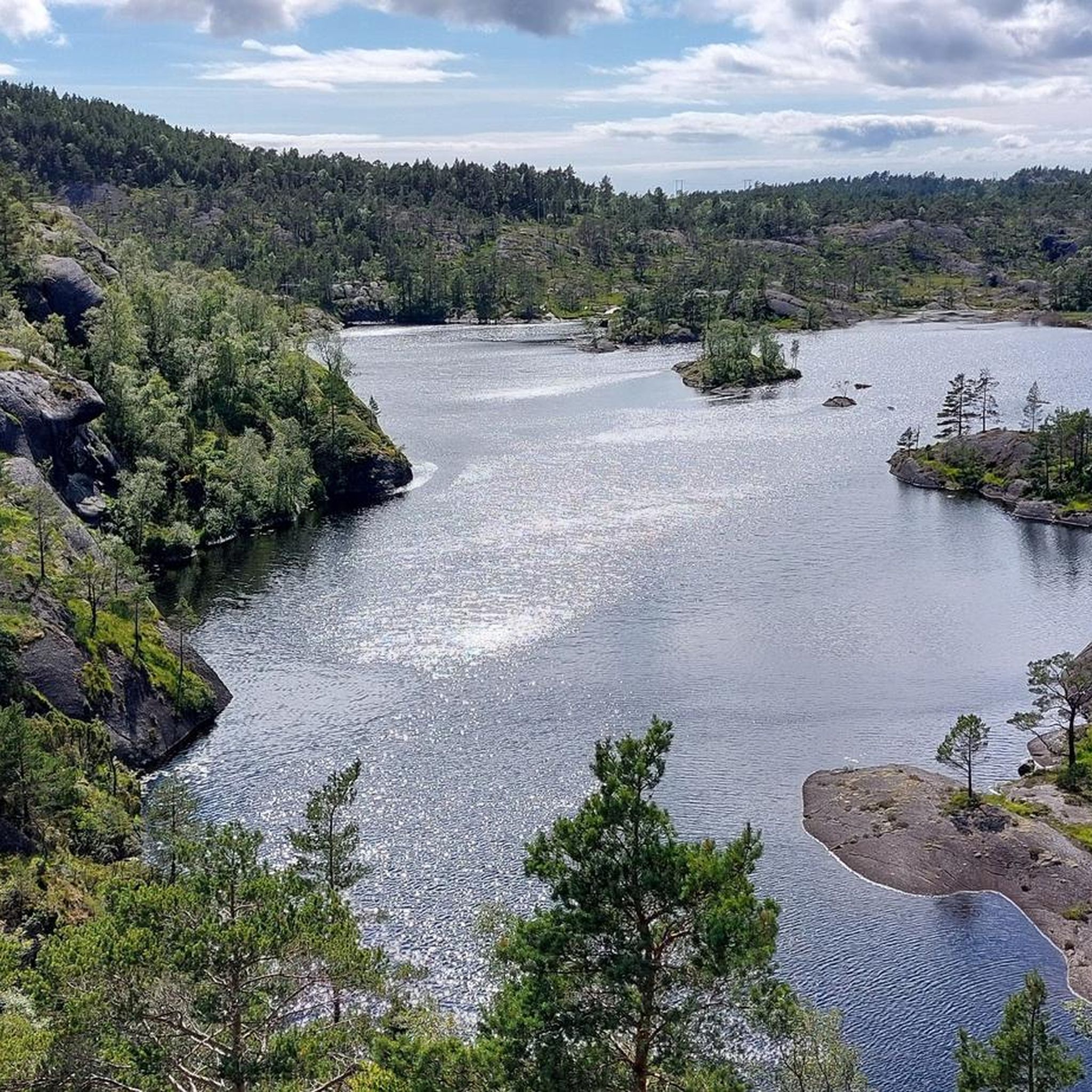
Other adventures around Hjelmeland

Tips from the Community

The pulpit in front of the fjord panorama looks spectacular from here.
1
1

Climb a little higher and enjoy absolute peace and a fabulous view while the crowds build up on Preikestolen.
2
0

Just before the last big bend, the view of the wonderfully wide Lysefjord valley opens up.
1
0
At this point of the ascent you have the first view of the Lysefjord.
1
1
You can reach this vantage point via a path exit just before the pulpit.
1
0
This highlight 'viewpoint' refers to the view from the western massif to Preikestolen-Kanzel and the Lysefjord in the background.
1
0
'Lyse' means light in Norwegian. In fact, when the sun shines, this is a clear fjord.
3
0
Frequently Asked Questions
What are some unique natural monuments to explore in Hjelmeland?
Hjelmeland offers several unique natural monuments. You can visit Preikestolen (Pulpit Rock), a spectacular viewpoint overlooking the Lysefjord. Another must-see is Kjeragbolten, a famous rock wedged between two cliffs, offering a challenging hike. Beyond these, the region boasts Skomakarnibbå, a dramatic cliff above Jøsenfjord, and Ritlandskrateret, an ancient meteorite crater with marked trails.
Are there family-friendly natural monuments in Hjelmeland?
Yes, for families, Eventyrskogen (The Fairytale Forest) in Årdal is a wonderful option. It features enchanting wooden fairy-tale characters and offers a magical, child-friendly hike where visitors can meet gnomes and trolls.
What kind of outdoor activities can I do near Hjelmeland's natural monuments?
The area around Hjelmeland's natural monuments is perfect for various outdoor activities. You can find numerous hiking trails, including challenging mountain hikes like the one to Kjeragbolten. There are also road cycling routes and running trails available. For more details on routes, check out the Mountain Hikes around Hjelmeland or Road Cycling Routes around Hjelmeland guides.
What is the best time of year to visit the natural monuments in Hjelmeland?
The best time to visit Hjelmeland's natural monuments is generally during the warmer months, from late spring to early autumn (May to September). During this period, the weather is more stable, trails are usually clear of snow, and daylight hours are long, providing optimal conditions for hiking and enjoying the views.
Are there any natural monuments in Hjelmeland that offer significant geological interest?
Absolutely. Ritlandskrateret (Ritland Crater) is a prime example, formed by a meteorite collision 500 to 600 million years ago. Another fascinating geological site is Trollgarden, a two-kilometer-long moraine ridge resembling a drystone wall, deposited by retreating ice approximately 9,700 years ago.
What are some of the most scenic viewpoints in Hjelmeland?
Hjelmeland is renowned for its breathtaking viewpoints. Besides the iconic Preikestolen (Pulpit Rock), you can experience glorious views of the Lysefjord from various spots, such as View of Lysefjord and Glorious views of the Lysefjord. Skomakarnibbå also offers magnificent panoramic views 700 meters above the Jøsenfjord.
What should I wear when hiking to natural monuments in Hjelmeland?
When hiking to natural monuments in Hjelmeland, it's crucial to wear sturdy footwear suitable for varied terrain, as trails can be strenuous and include granite block steps. Layered clothing is recommended, including rainwear, as the weather in the mountains can change quickly. Don't forget water and, if hiking early or late, a headlamp.
How long does it typically take to visit the major natural monuments?
The duration varies significantly by monument. For instance, the ascent and descent to Preikestolen typically takes about 4 hours round trip. The hike to Kjeragbolten is more strenuous and can take around five hours. For Trollgarden, a full-day hiking opportunity is recommended. Shorter visits are possible for places like Eventyrskogen or Ritlandskrateret.
Are there any natural monuments in Hjelmeland that are less crowded than the main attractions?
While Preikestolen can be very popular, exploring sites like Skomakarnibbå, Ritlandskrateret, Eventyrskogen, or Trollgarden might offer a more serene experience. These locations provide unique natural beauty and geological interest without the same level of tourist traffic.
What do visitors enjoy most about the natural monuments in Hjelmeland?
Visitors consistently praise the dramatic landscapes, magnificent views, and the sense of adventure. The sheer scale of the fjords and mountains, the unique geological formations like Kjeragbolten, and the well-maintained trails are frequently highlighted. The opportunity to connect with nature and experience Norway's raw beauty is a major draw.
Can I find trails suitable for beginner hikers near Hjelmeland's natural monuments?
While many trails in the region are challenging, there are options for various skill levels. Eventyrskogen offers a child-friendly and easy walk. For other natural monuments, it's best to check specific trail descriptions. Some sections of longer routes might be moderate, but always be prepared for varied terrain. You can explore Mountain Hikes around Hjelmeland for routes with different difficulty grades.
Are there opportunities for wildlife spotting around Hjelmeland's natural monuments?
The diverse natural landscape of Hjelmeland, with its fjords, mountains, and forests, provides habitats for various wildlife. While specific sightings are never guaranteed, keeping an eye out during your hikes might reward you with glimpses of local bird species, small mammals, or even reindeer in higher altitudes. The tranquil settings away from main roads increase your chances.
Most popular attractions around Hjelmeland

Get inspired with the komoot mobile app


Explore more
Extend your search for the best caves by checking out these guides of the top ones around Hjelmeland:
